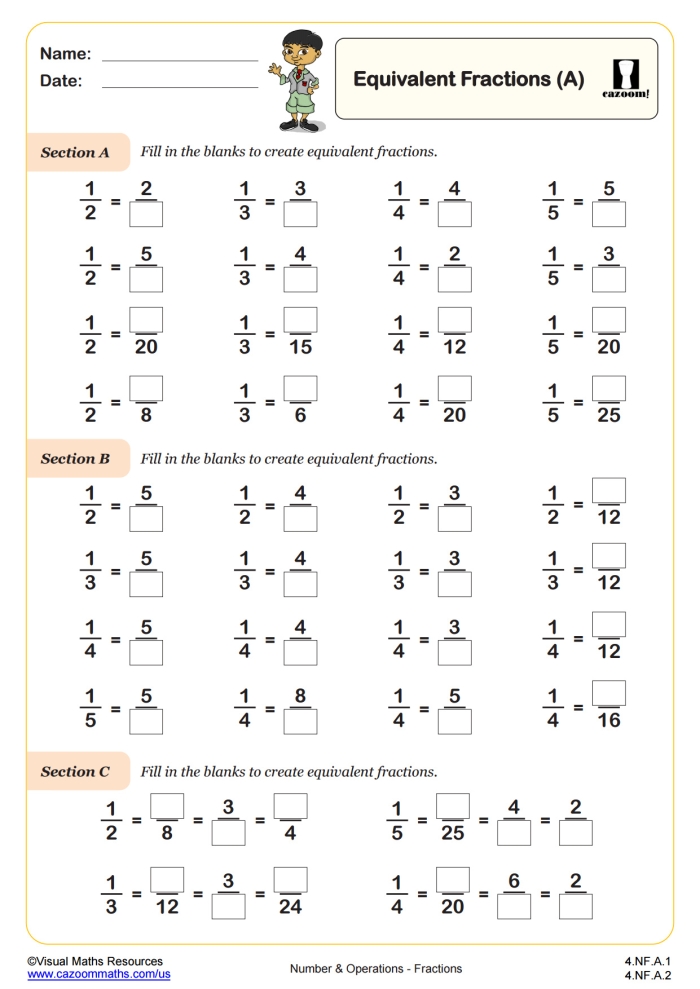
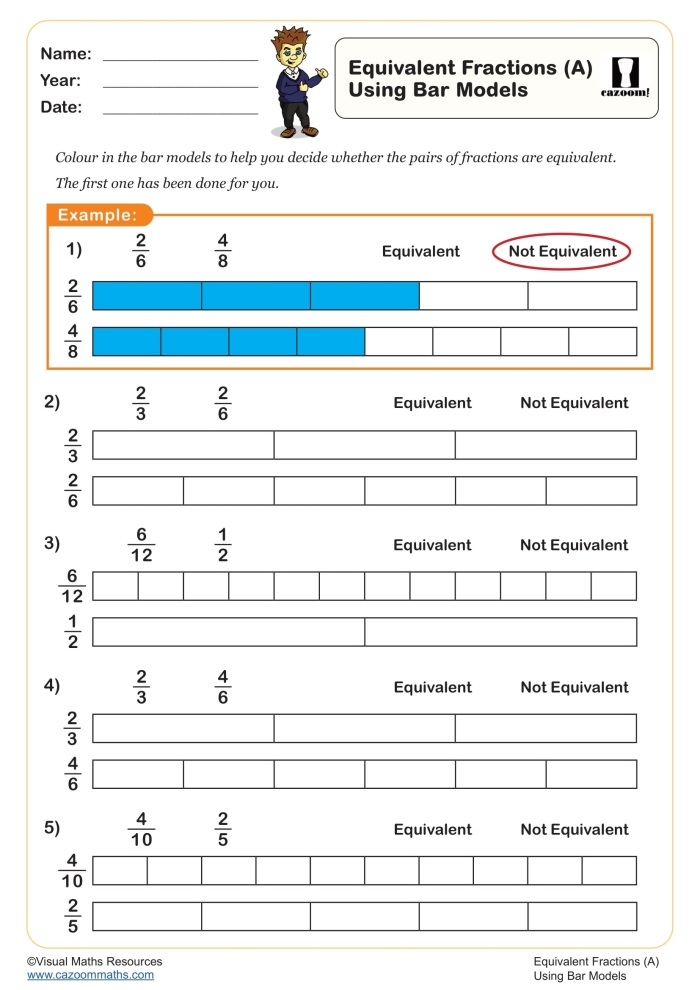
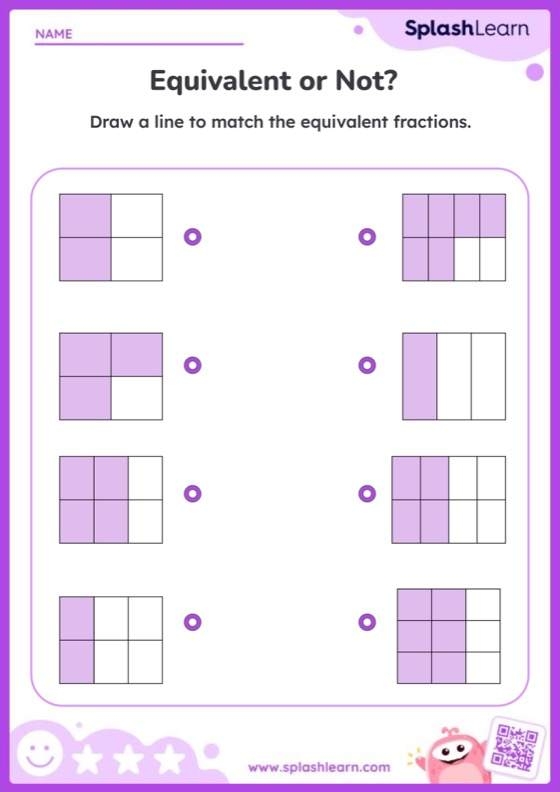
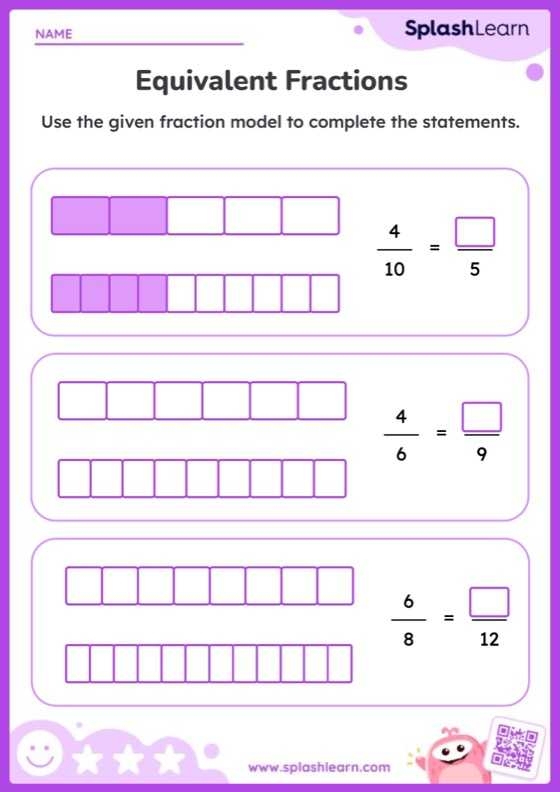
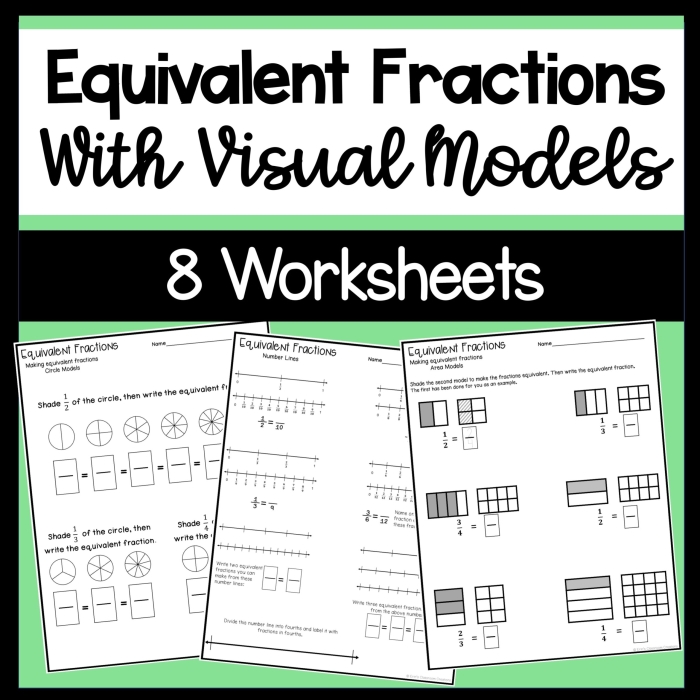
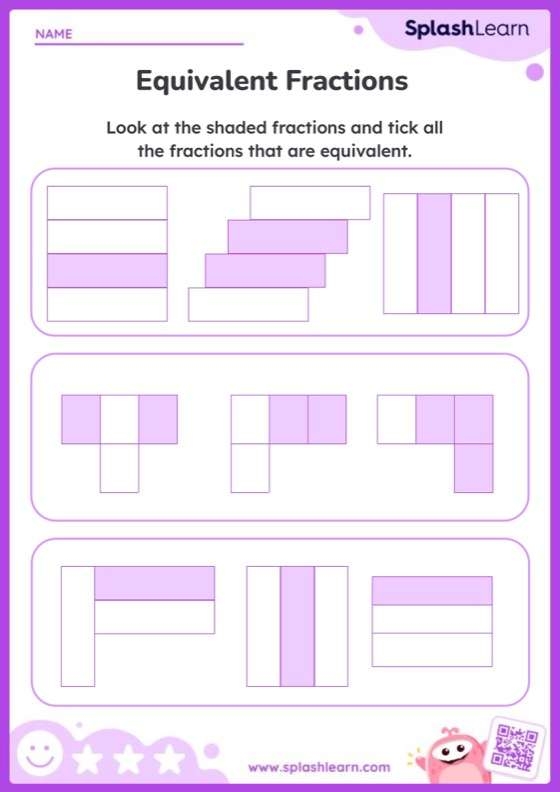
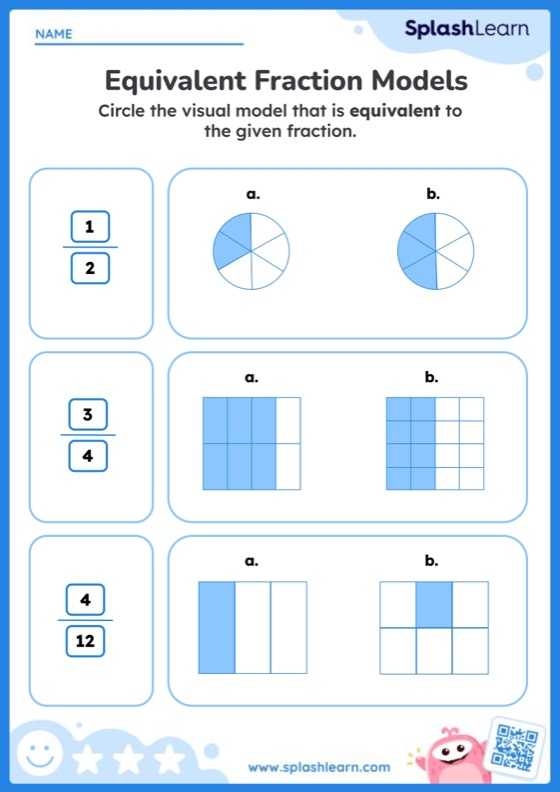
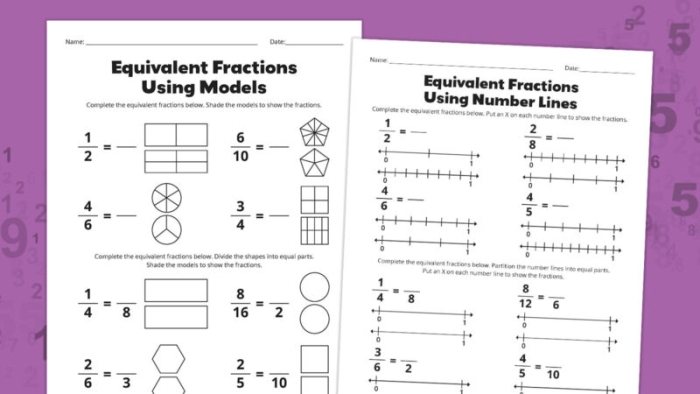
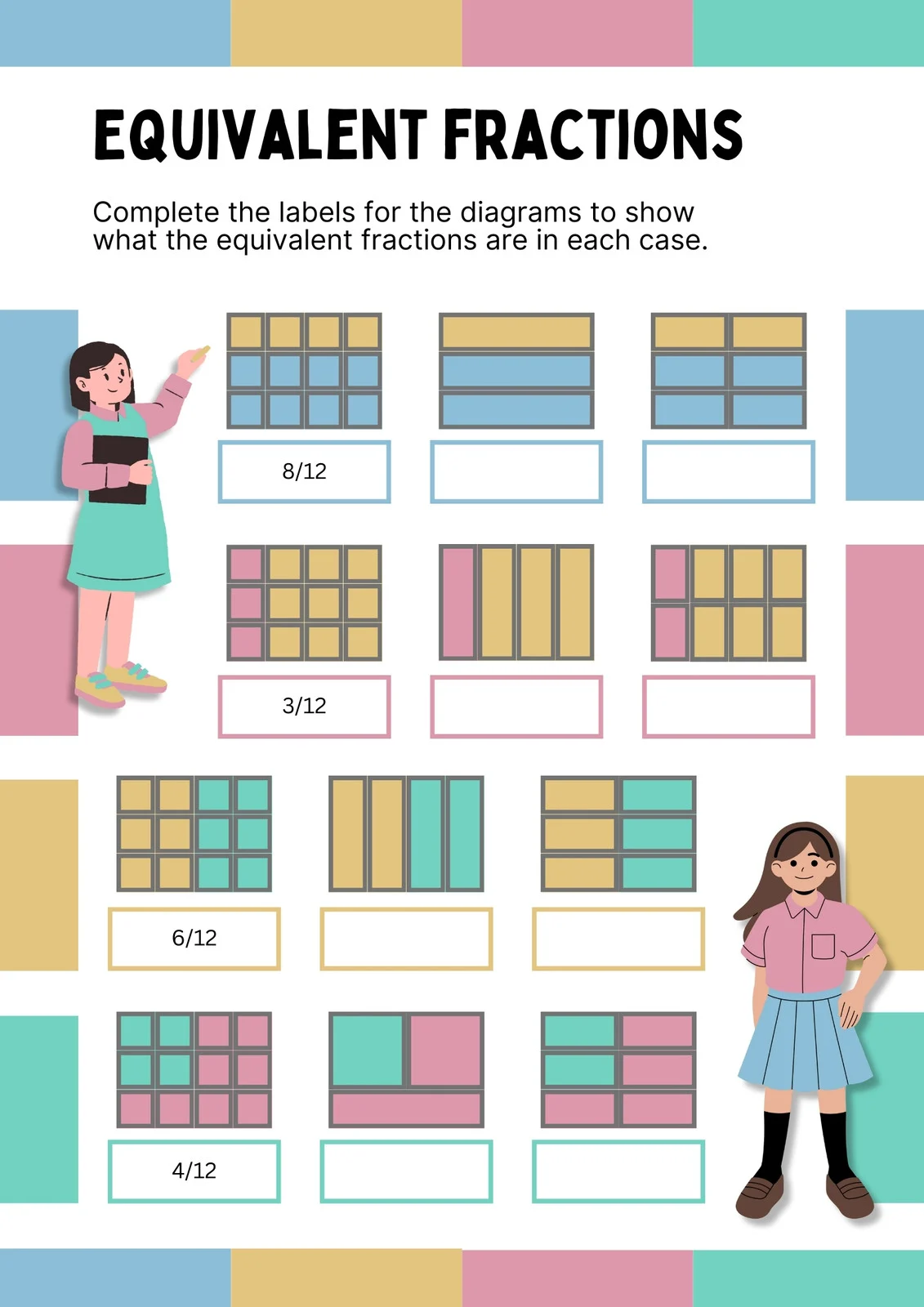
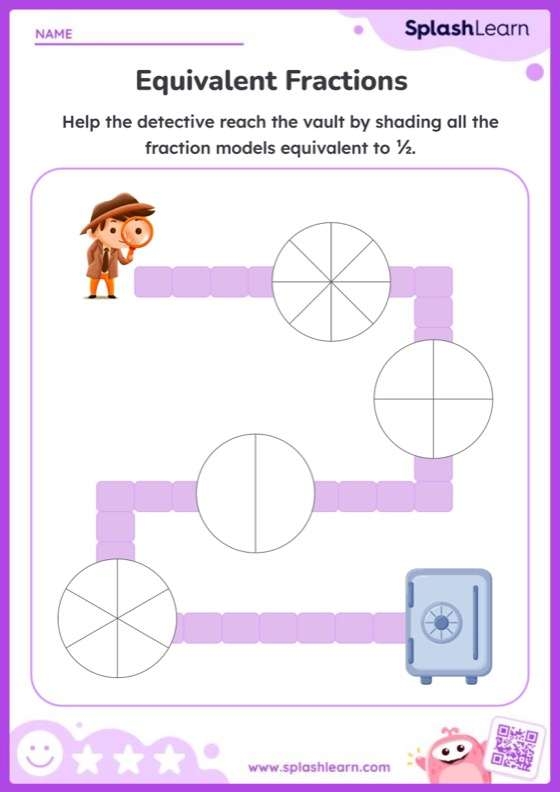
Fourth graders often struggle with the abstract concept that different fractions can represent the same amount. A colorful worksheet built around visual models transforms this confusion into clarity by letting students see equivalent fractions rather than just memorize them.
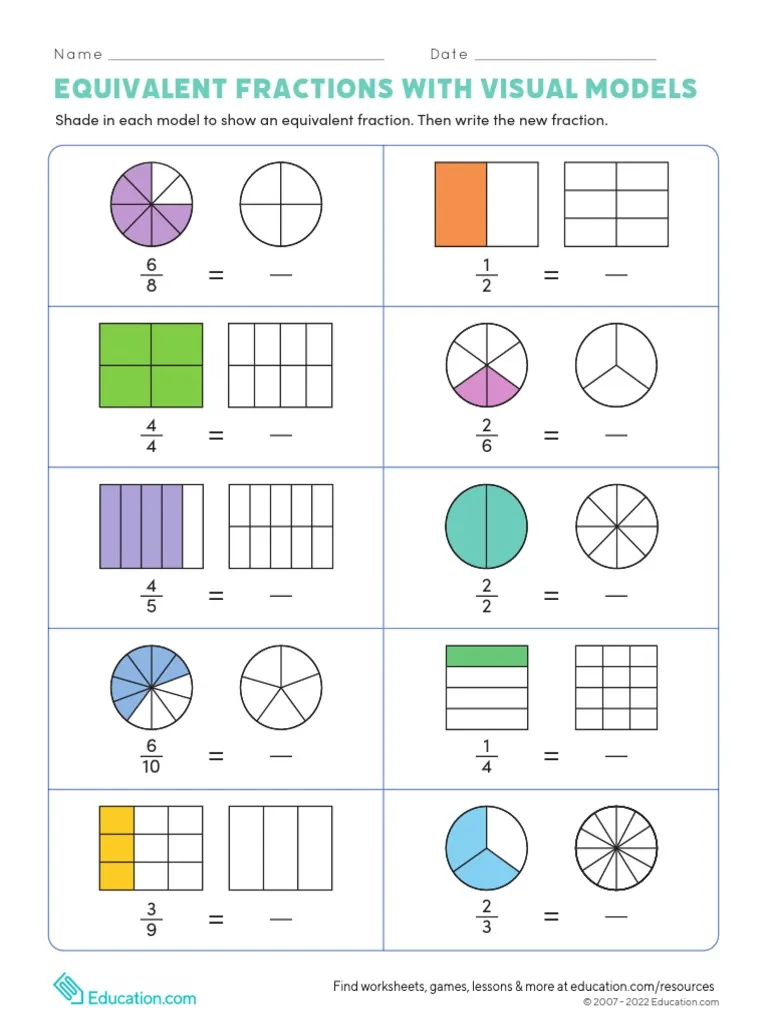
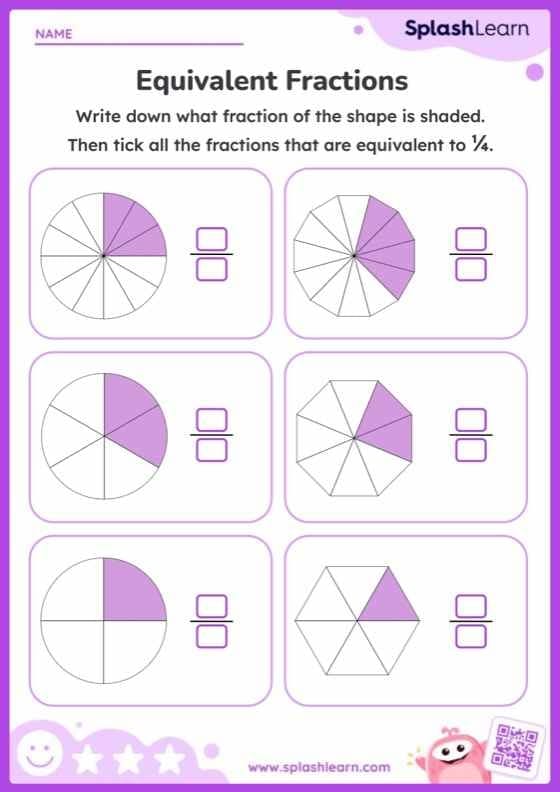
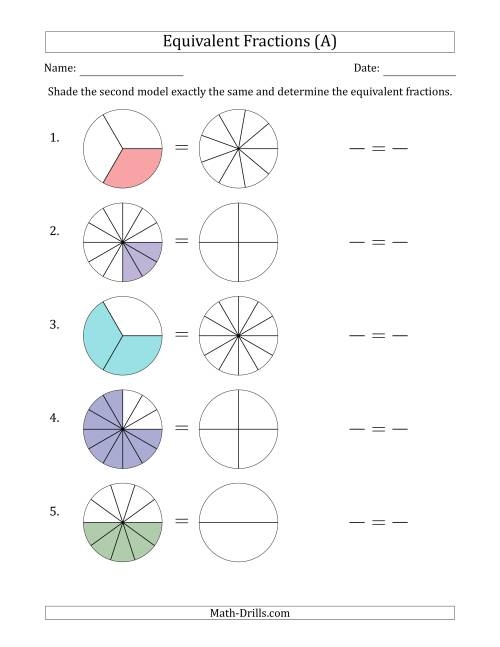
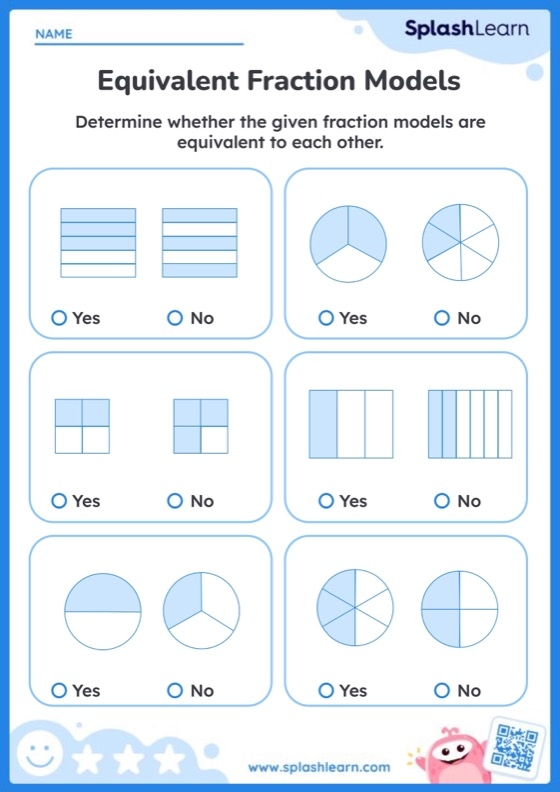
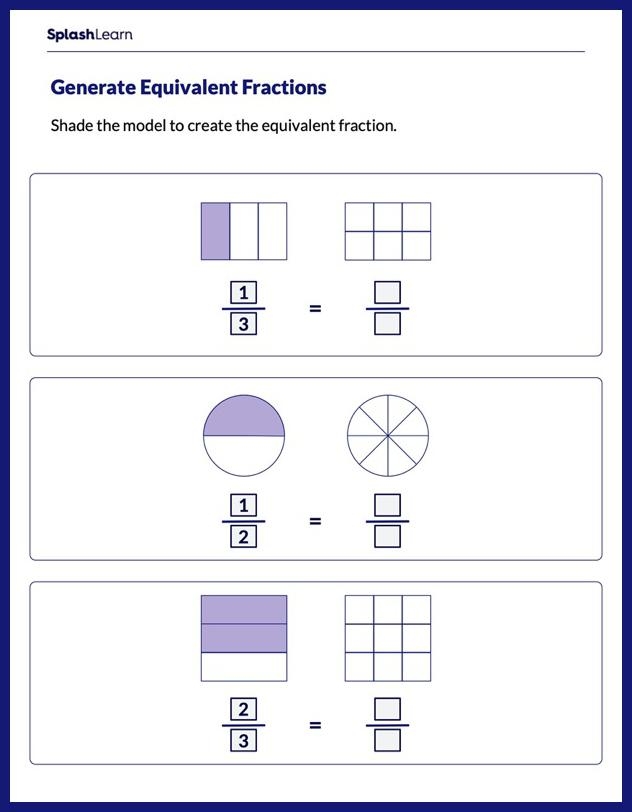
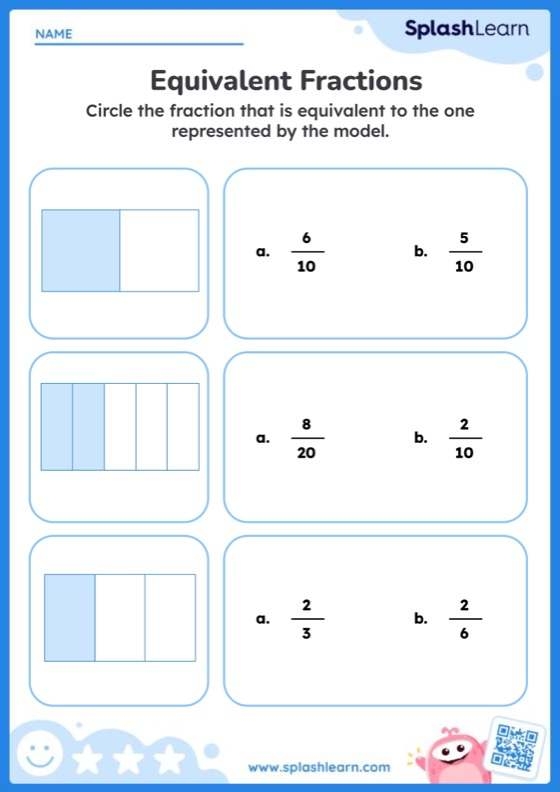
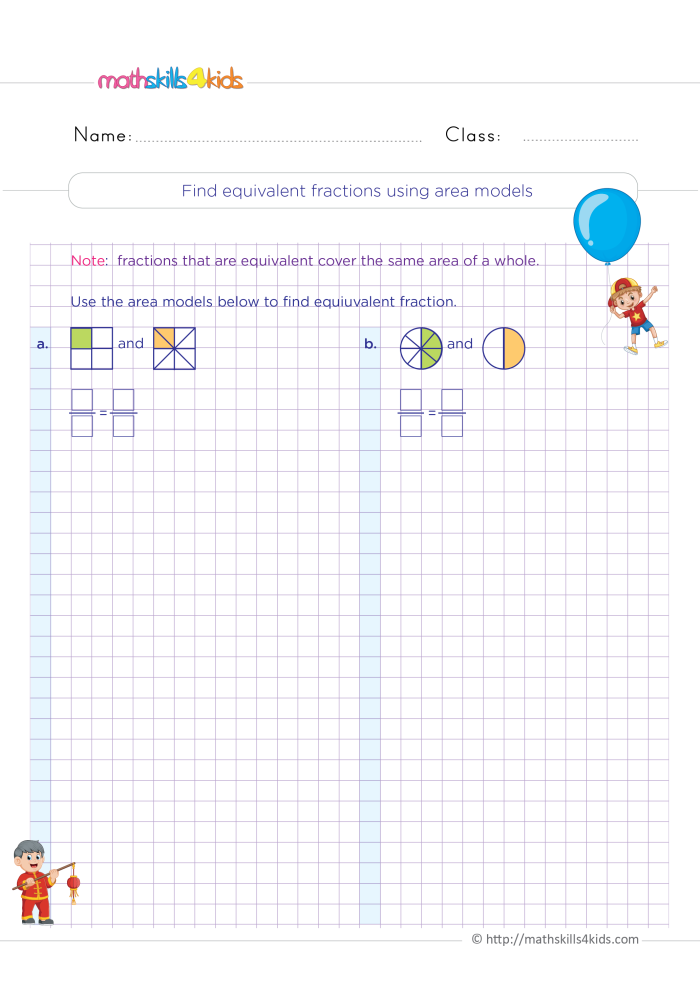
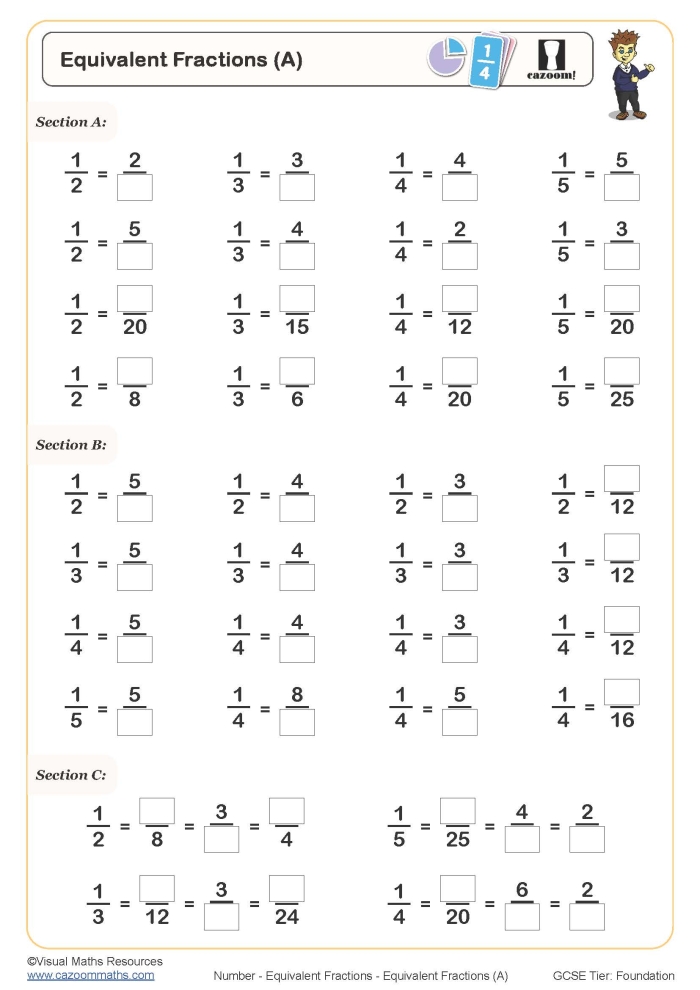
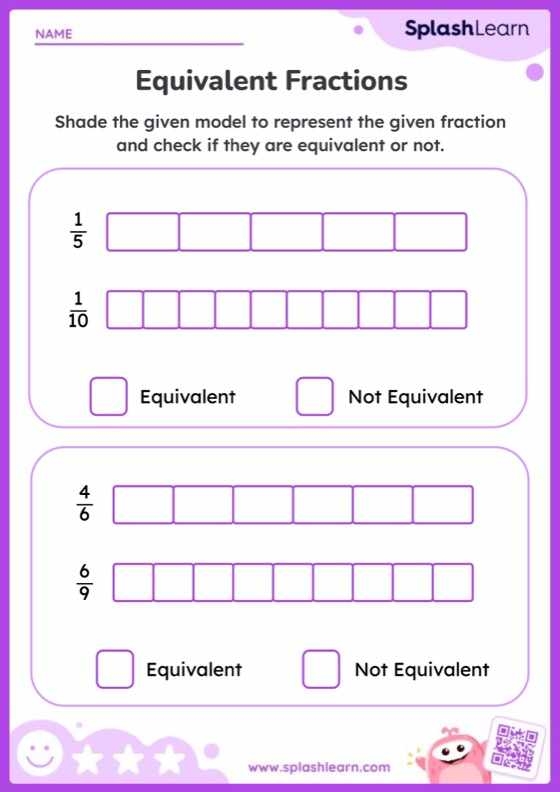
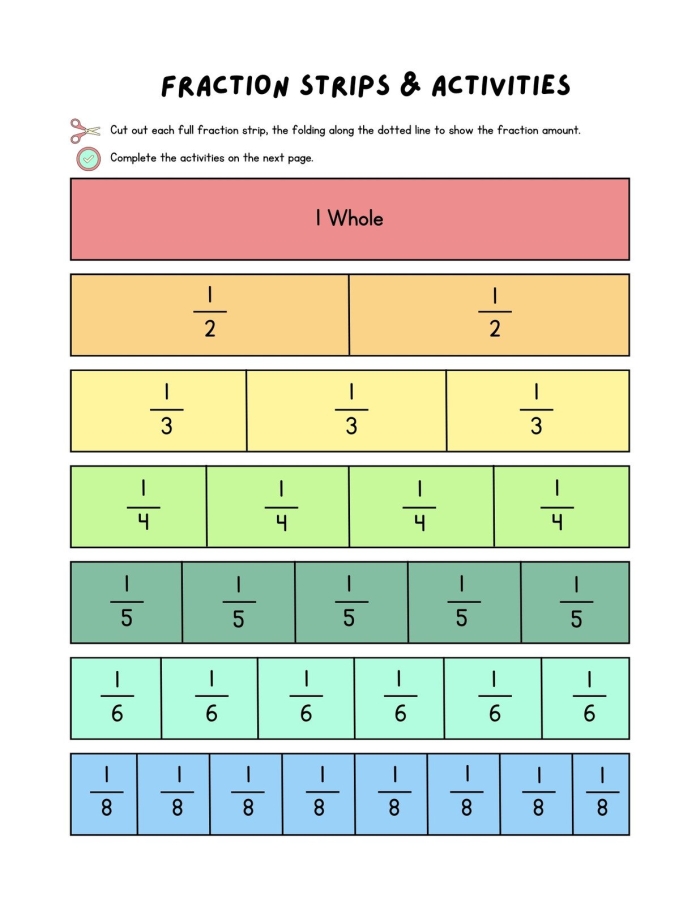
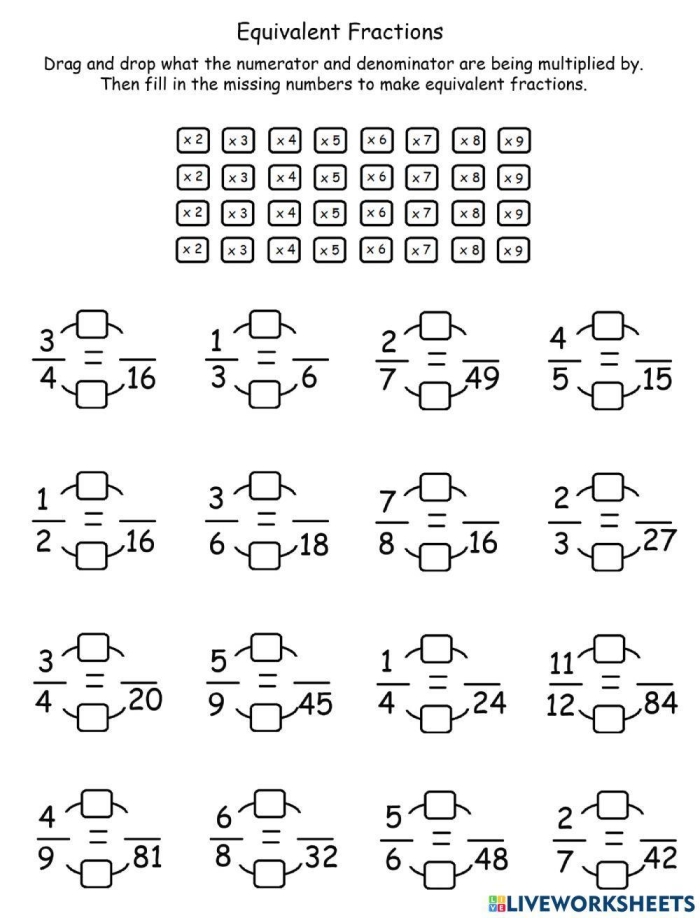
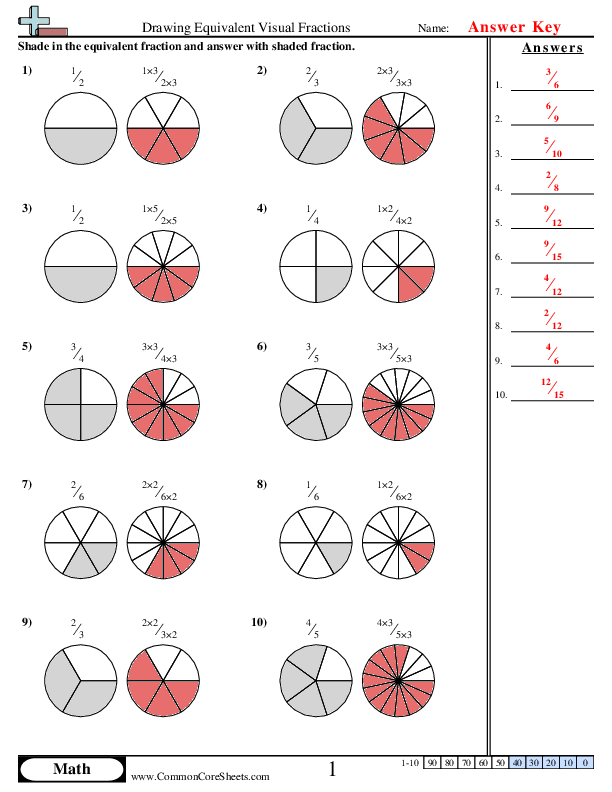
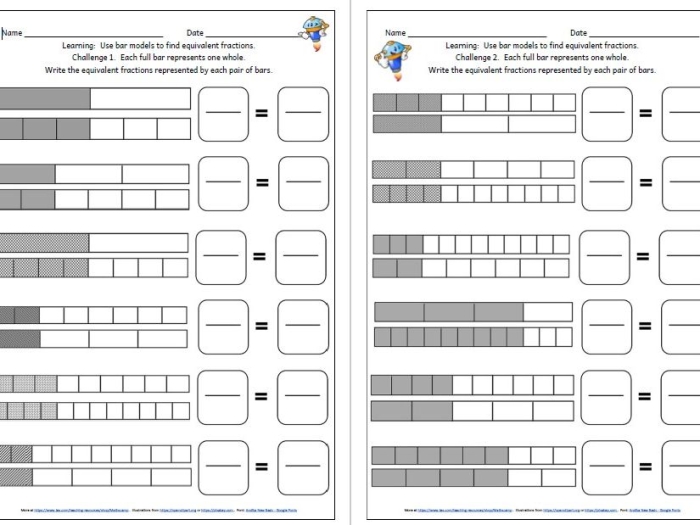
When students work with equivalent fractions with visual models, they begin to understand that 1/2 equals 2/4 equals 4/8 because they can literally see the shaded portions match. This visual approach bypasses the procedural “multiply the top and bottom by the same number” rule that feels arbitrary without context. Instead, students build intuition about how fractions scale.
The best worksheets for this skill use pie charts, rectangular bars, and number lines alongside the fraction notation. When a fourth grader colors in half of a circle, then sees that same circle divided into four parts with two sections shaded, the connection clicks. They’re not just following steps anymore; they’re discovering a mathematical relationship.
Colorful design matters more than it might seem. Bright colors help maintain focus during repetitive practice and make the worksheet feel less like a chore. Fourth graders are more likely to complete problems carefully when the visual elements are engaging rather than plain.
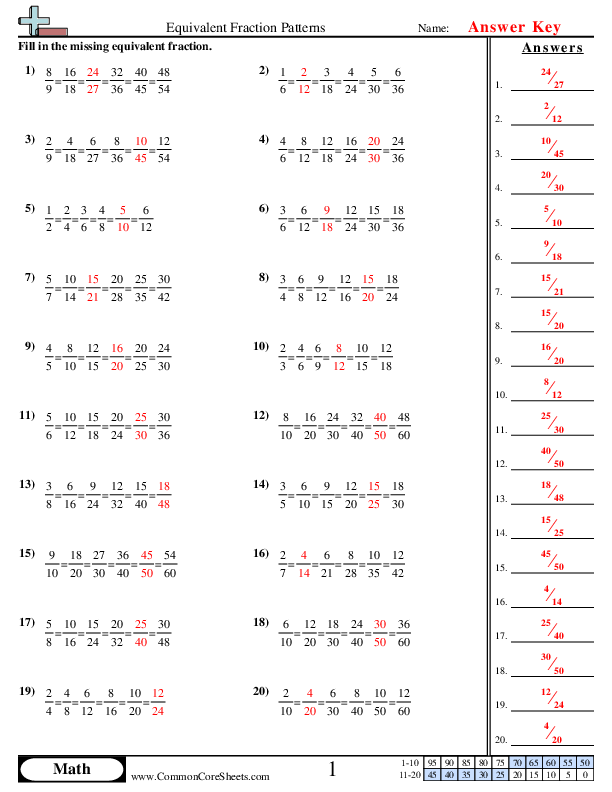
Beyond standalone practice, equivalent fractions connect to other fourth-grade math concepts. When students tackle multiplication facts alongside fractions, they see how scaling works across different mathematical contexts. This layered approach strengthens overall number sense.
A well-designed worksheet gives students concrete examples they can reference. After completing several visual models, they develop the mental images needed to understand fractions without always needing the pictures drawn out.
Hands-On Worksheet Activities