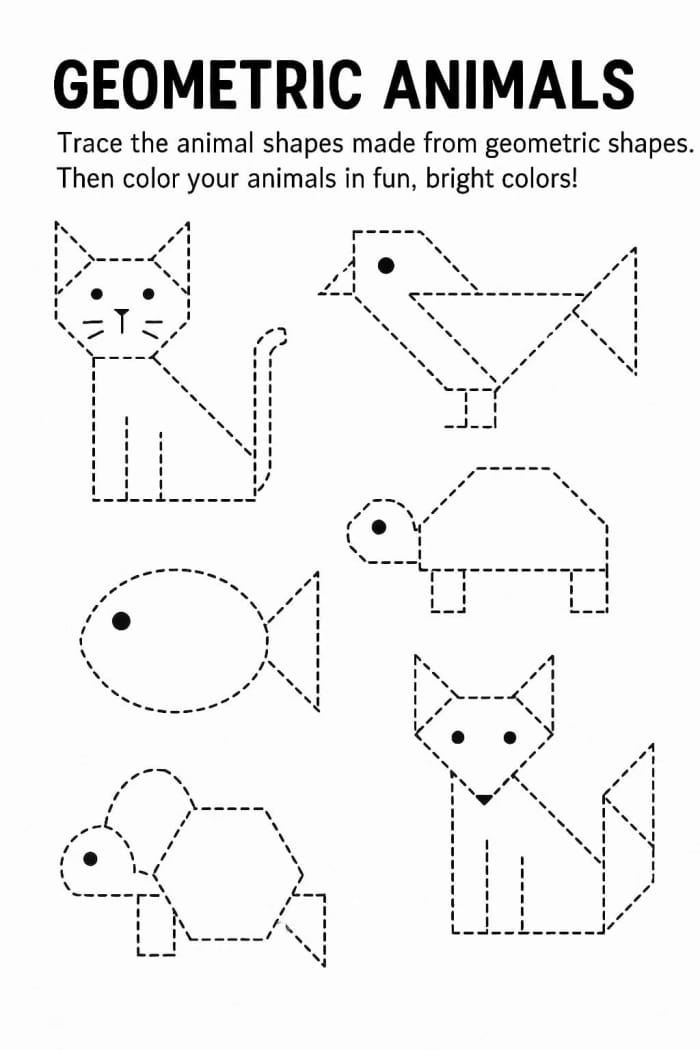
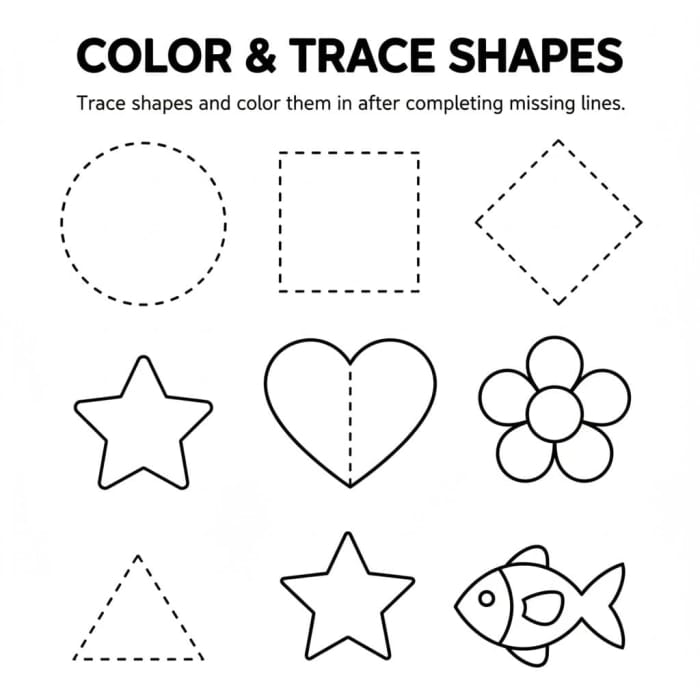
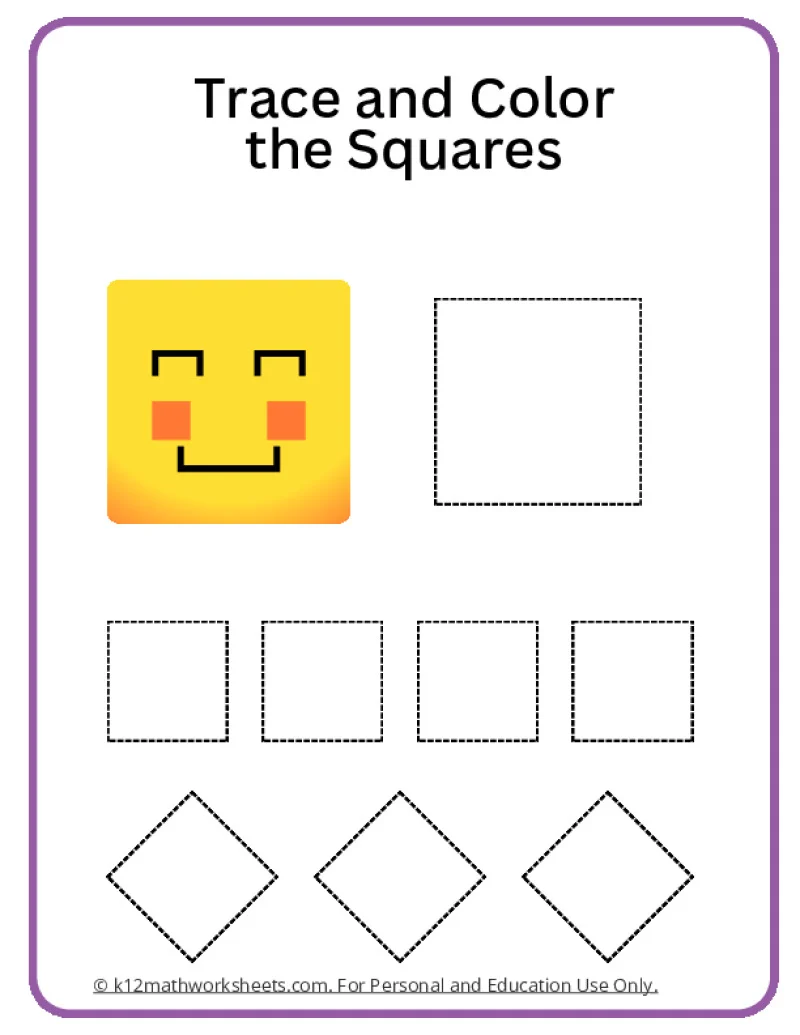
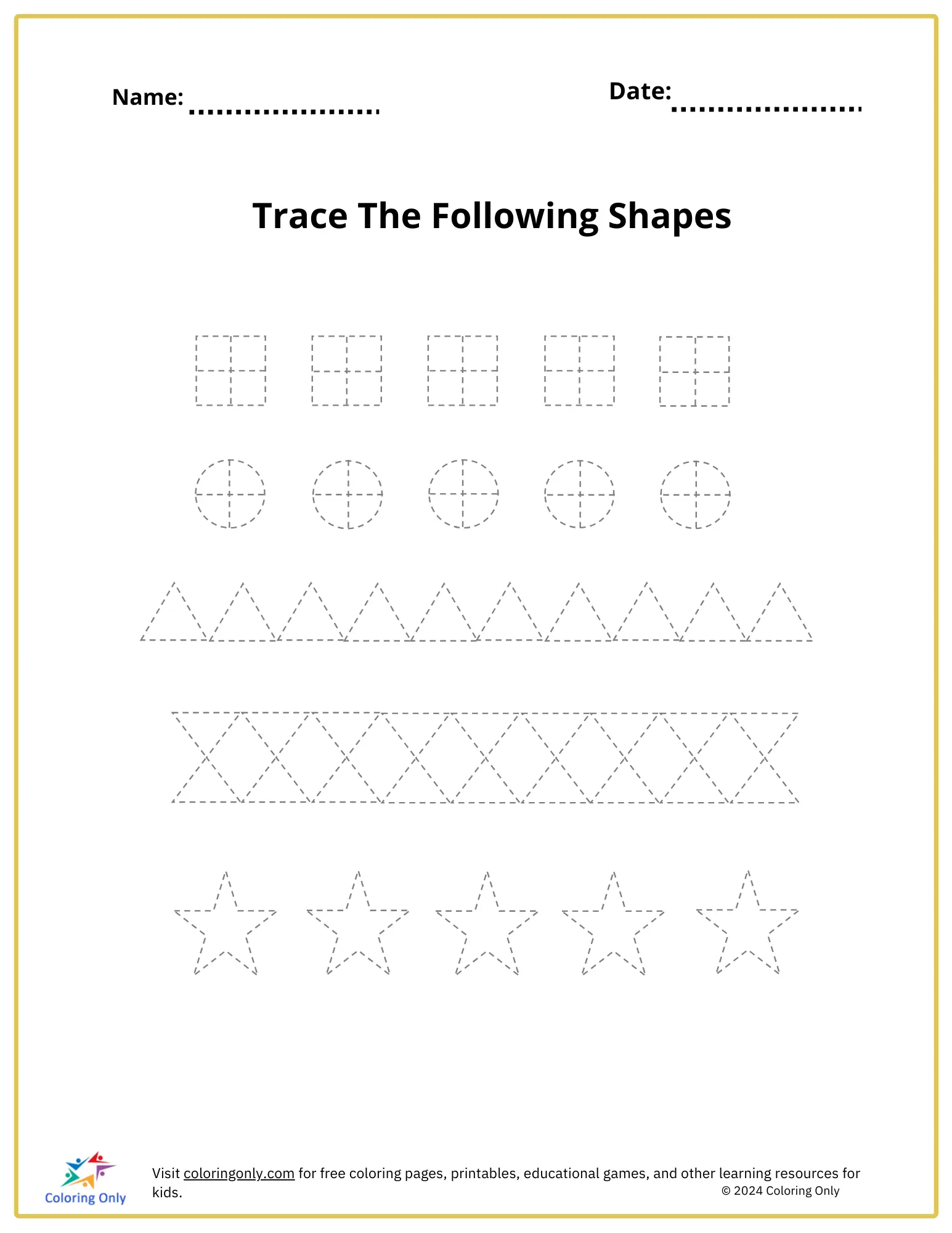
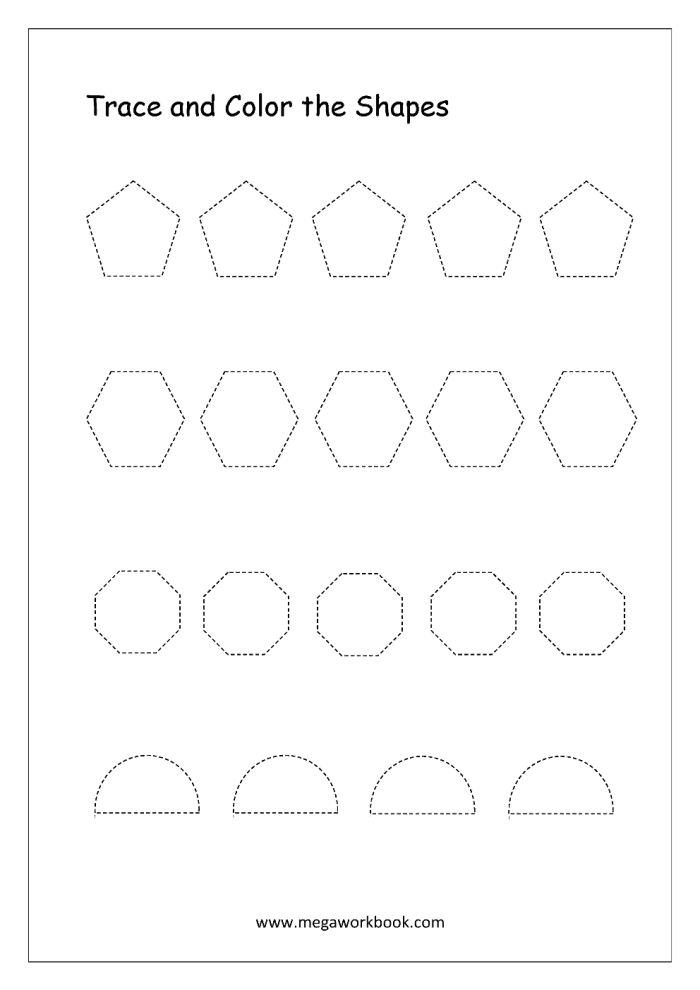
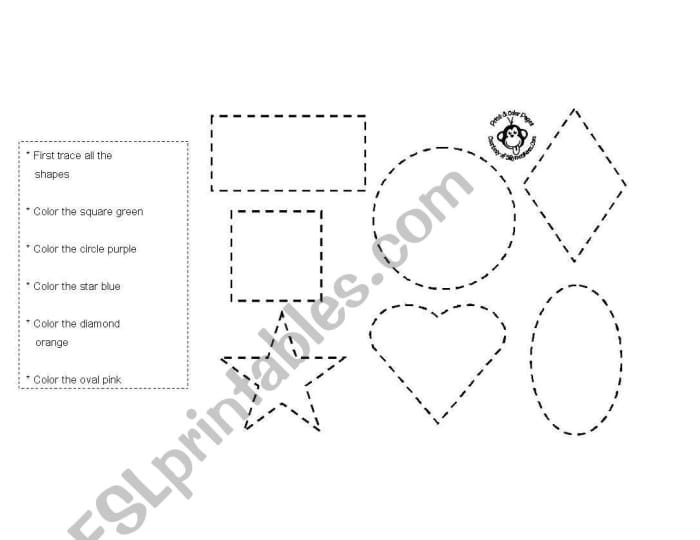
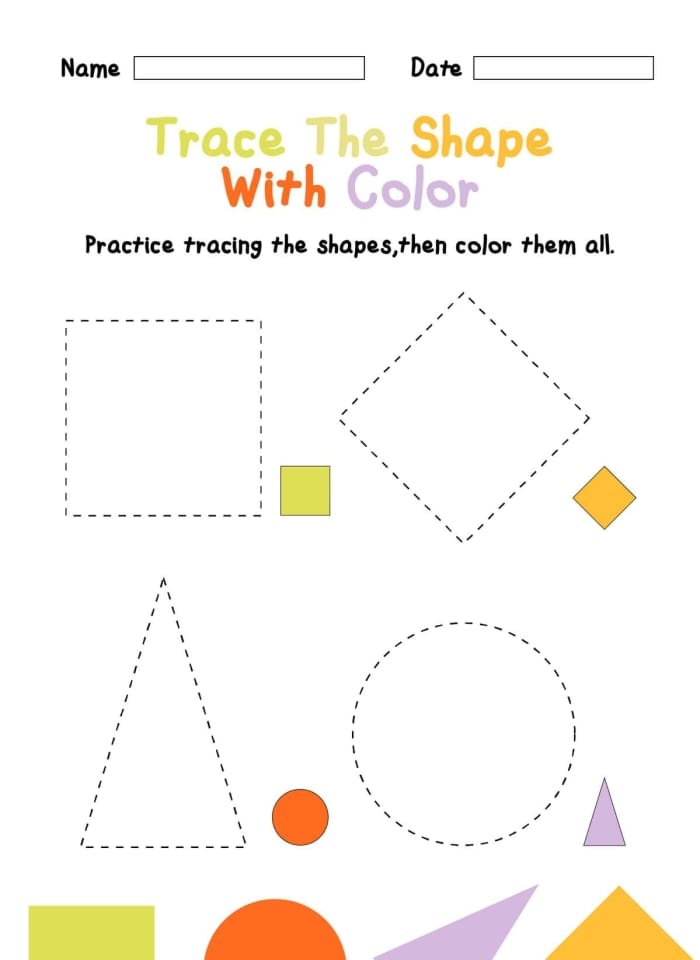
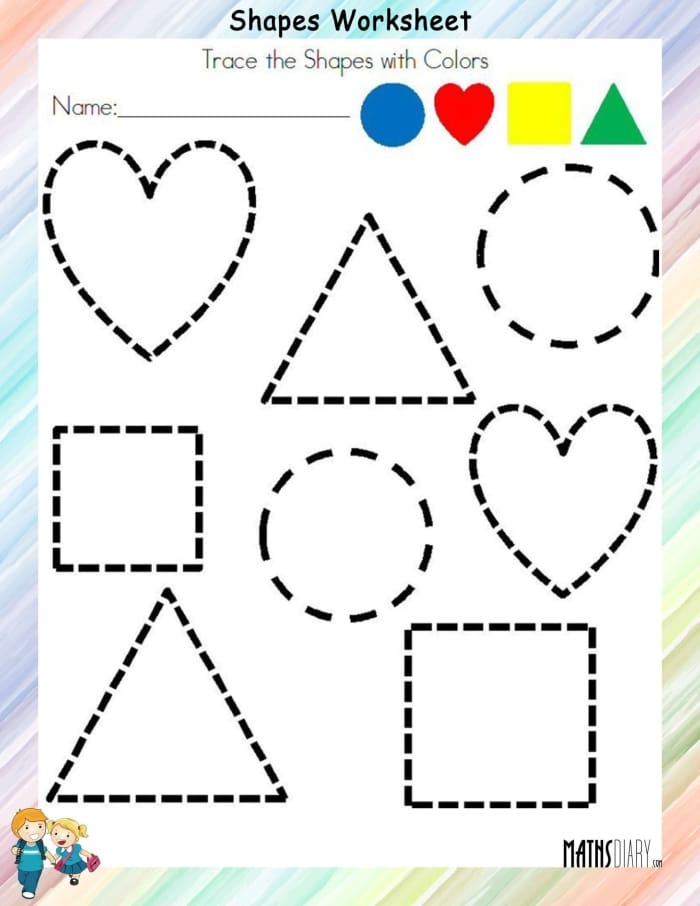
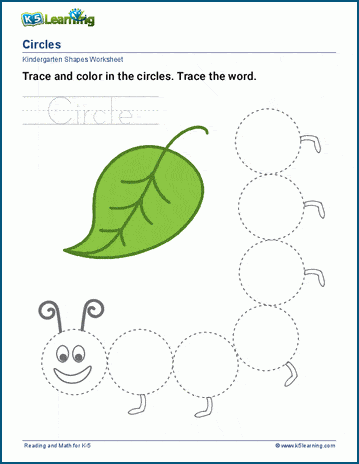
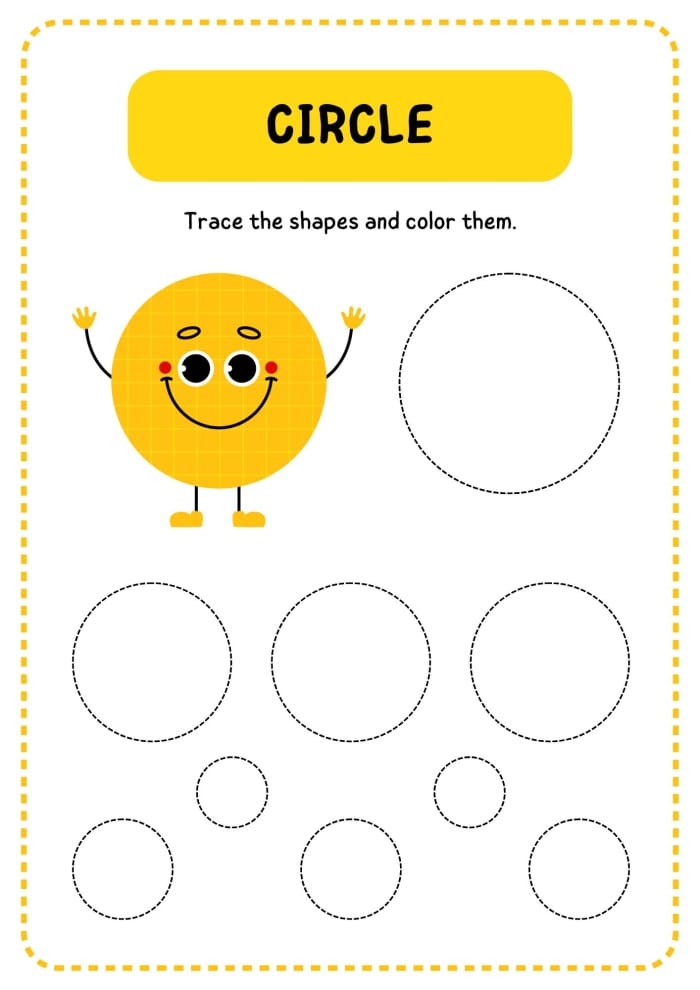
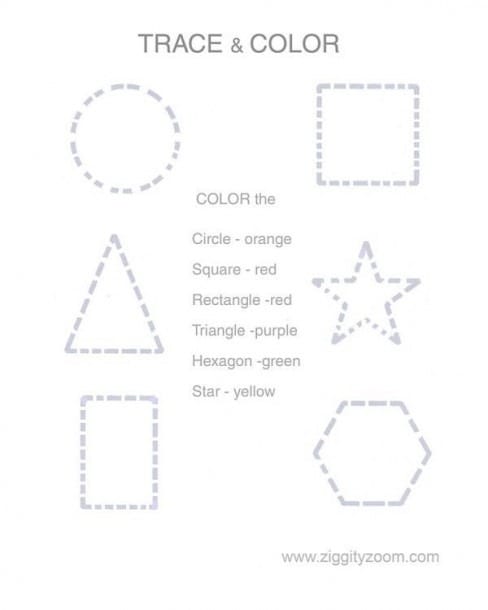
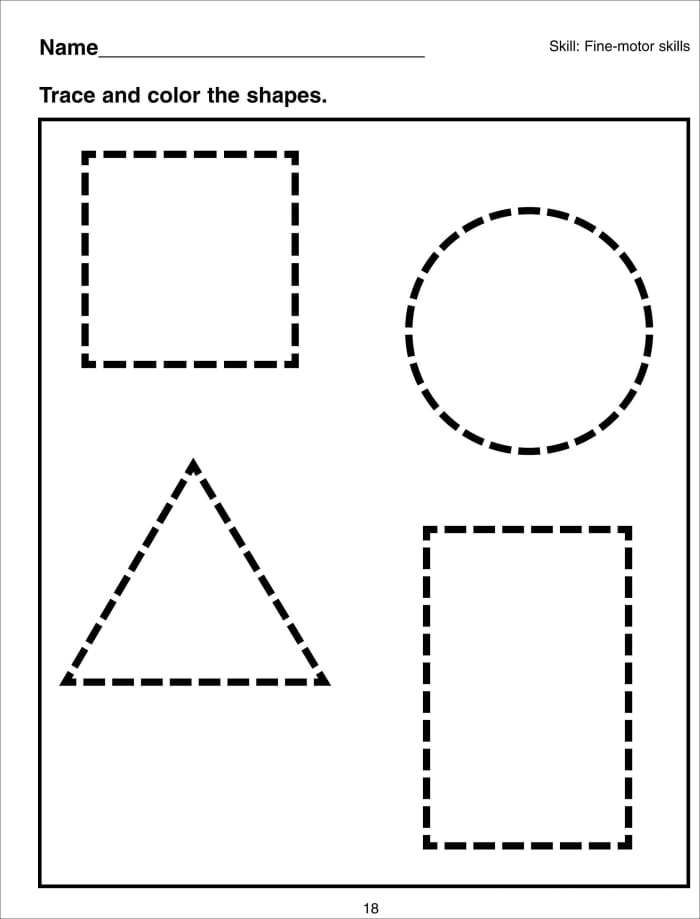
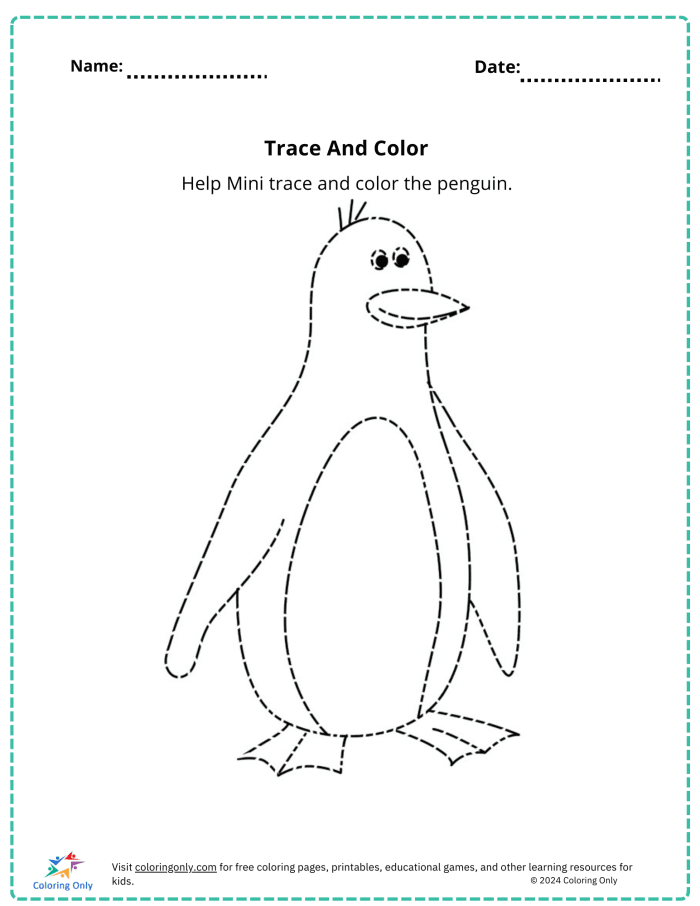
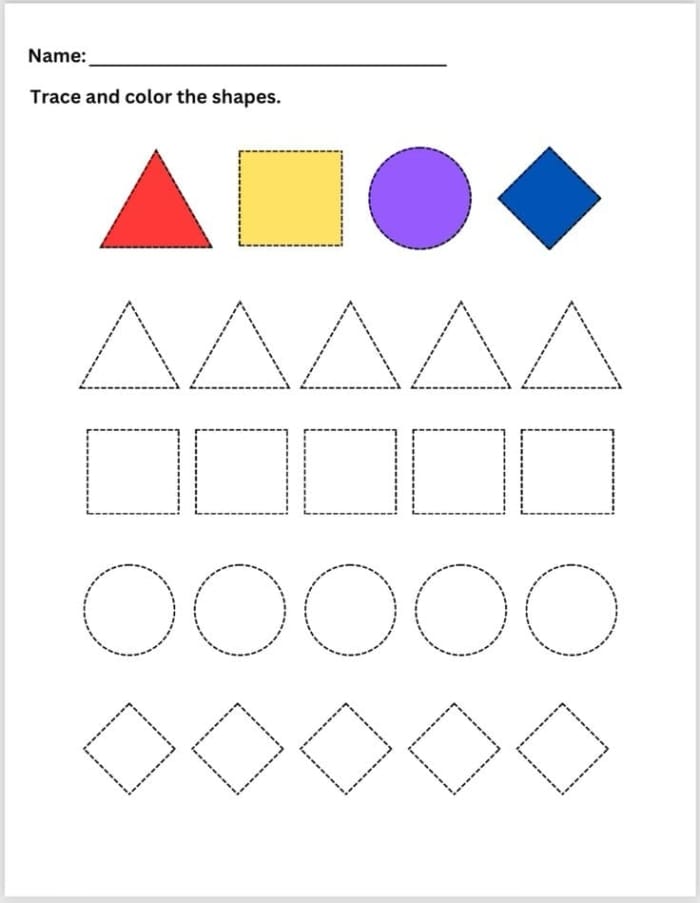
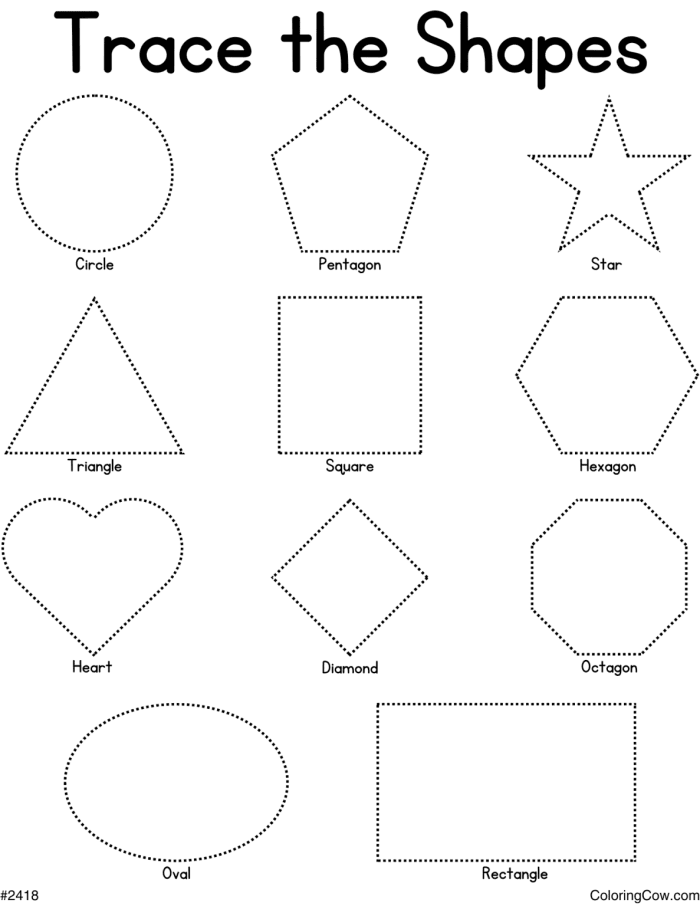
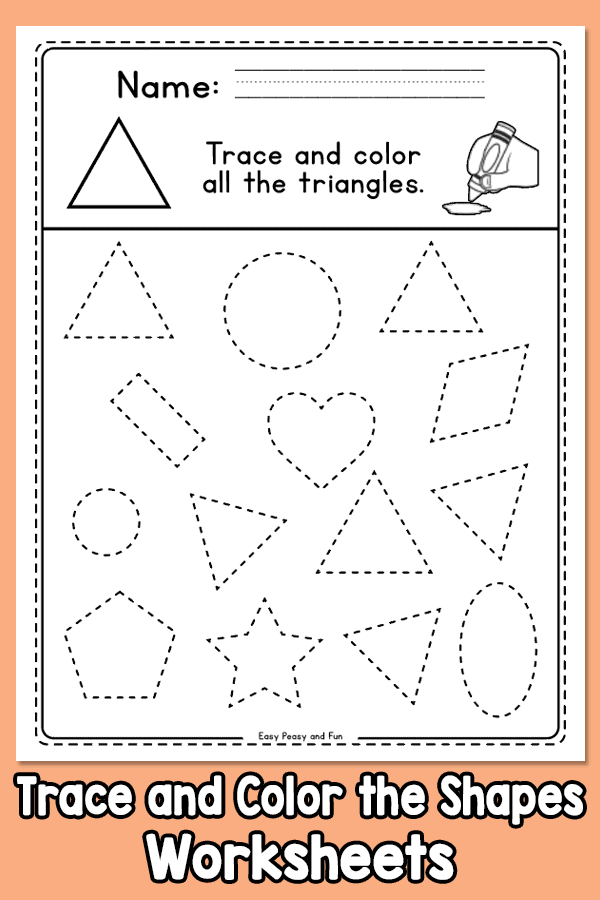
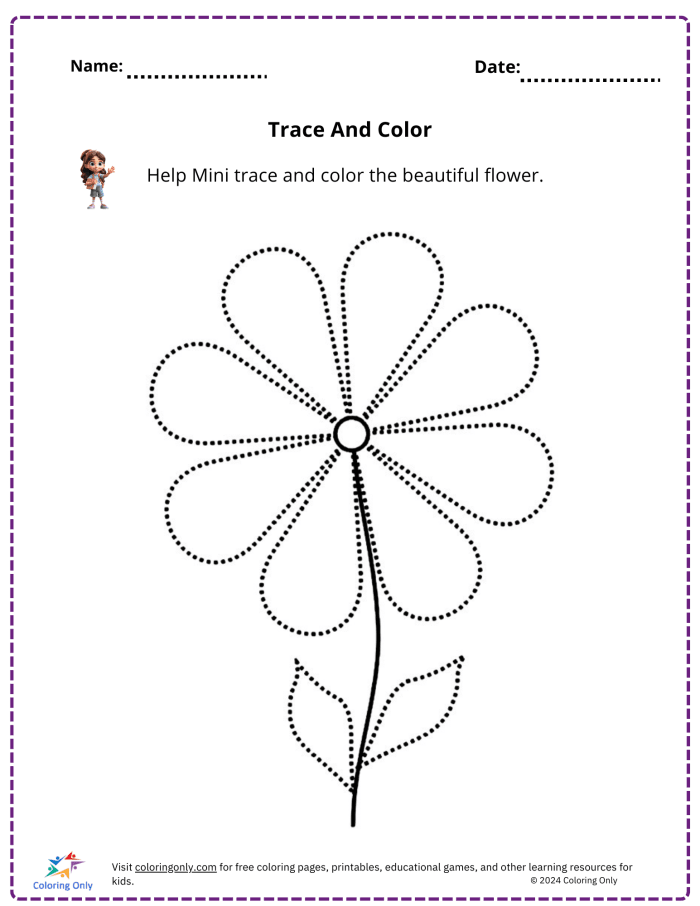
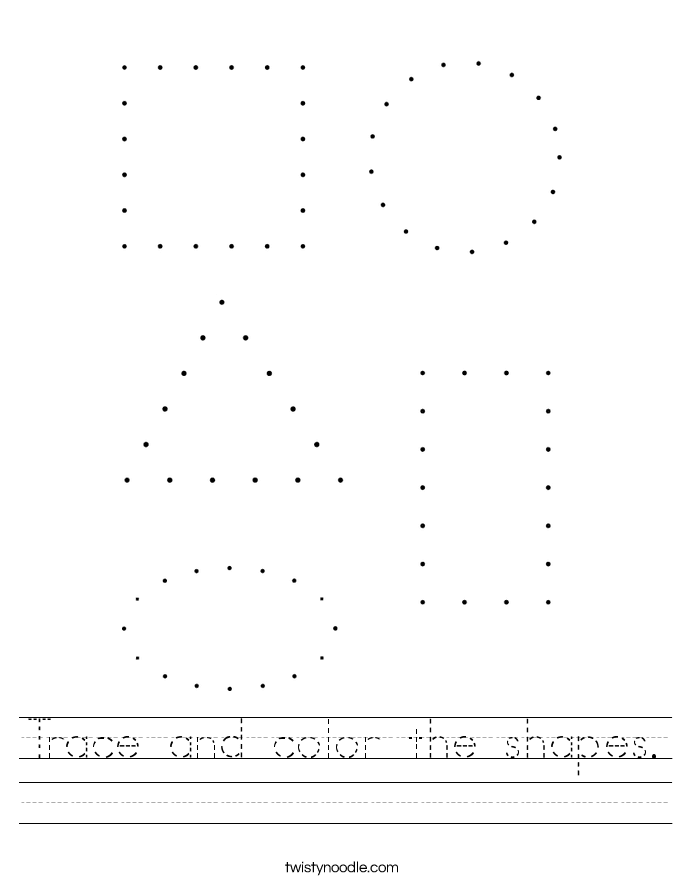
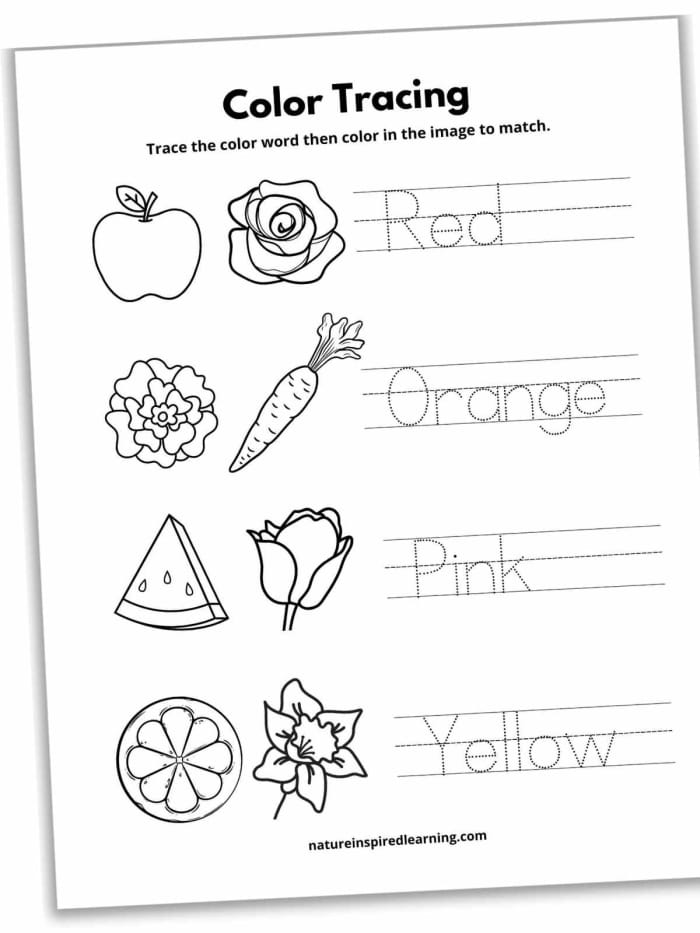
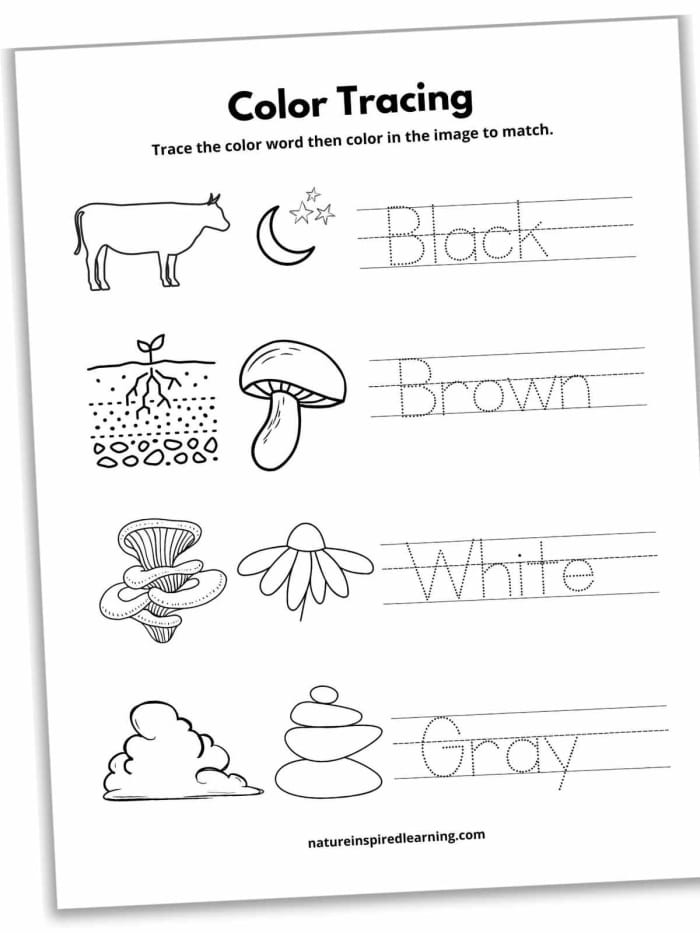
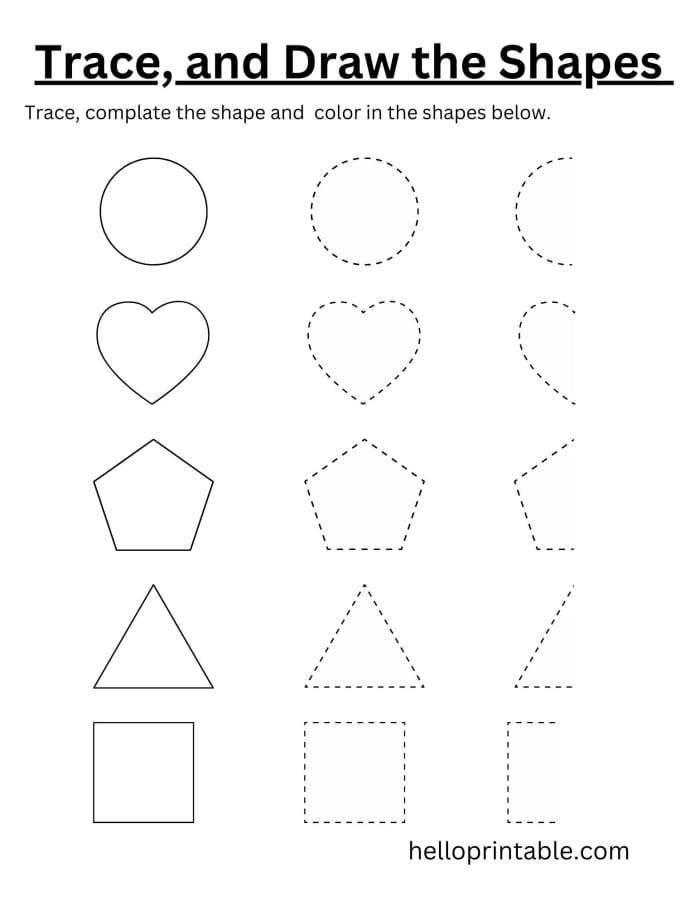
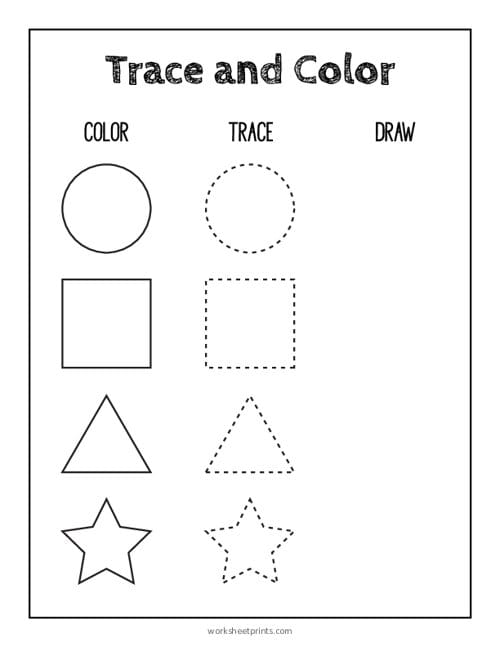
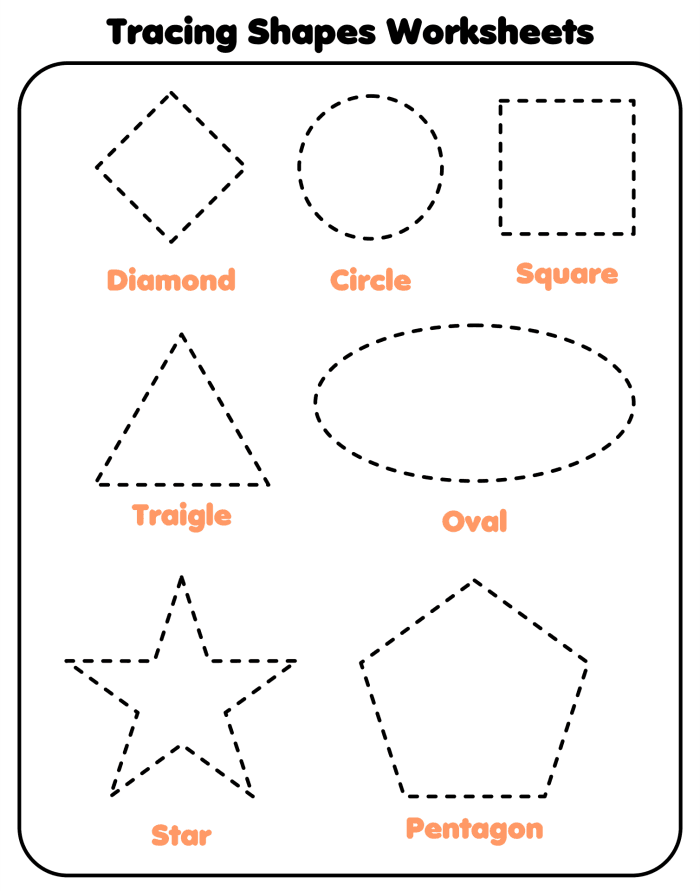
Shape tracing is one of those deceptively simple activities that does heavy lifting for young learners. When you give a Pre-K child a worksheet packed with shapes to trace and color, you’re actually working on hand strength, pencil grip, and the coordination between their eyes and hands all at once.
The beauty of this approach is that it doesn’t feel like work. Kids see the shapes, pick up their pencils or crayons, and get moving. The tracing part comes first, which matters because it gives their hands something structured to follow. Unlike free drawing where the outcome is unpredictable, tracing along a shape’s outline builds confidence. Their pencil stays on the line, they complete something recognizable, and that small win keeps them engaged.
Once the shapes are traced, adding color transforms the whole experience. The shift from pencil control to coloring with broader strokes uses different muscles and grips. Kids naturally slow down or speed up depending on whether they want to stay inside the lines, and that decision-making is part of the learning process too. You might notice them experimenting with different colors, layering them, or carefully choosing one shade for each shape.
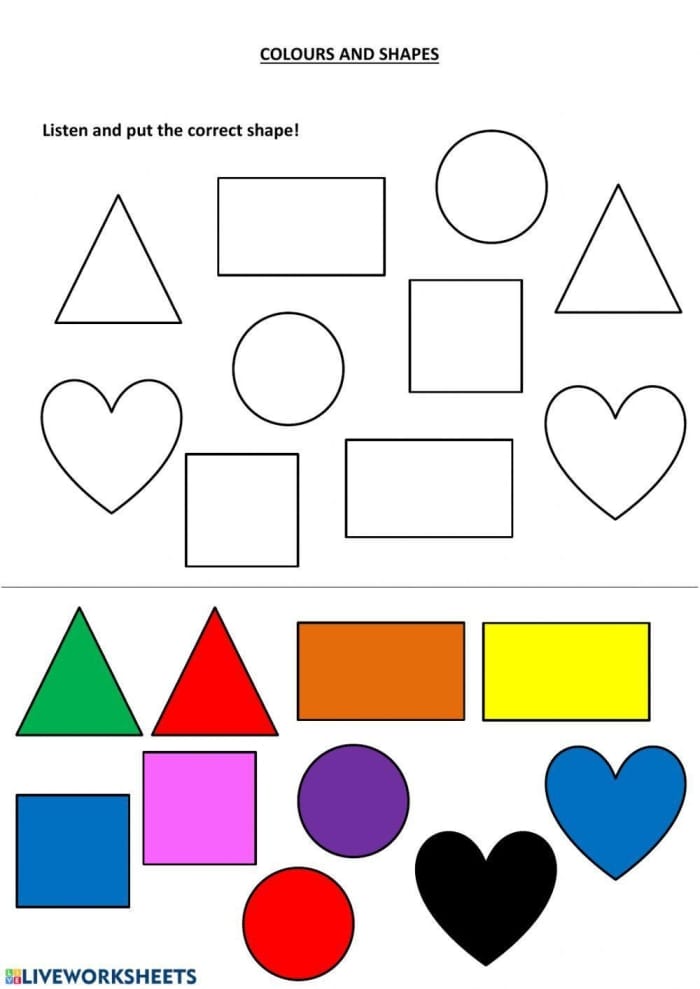
For Pre-K geometry practice, this type of worksheet hits multiple goals. Children start recognizing circles, squares, triangles, and other basic forms through repetition. They’re building the visual memory that makes geometry concepts stick later on. If you’re looking for similar activities, worksheets that combine shape and line patterns offer another angle on the same skills, or you could try activities like letter tracing with geometric elements to blend letter recognition with shape work.
The combination of tracing and coloring keeps hands busy and minds engaged, which is exactly what Pre-K learners need at this stage.
Practice with These Worksheets