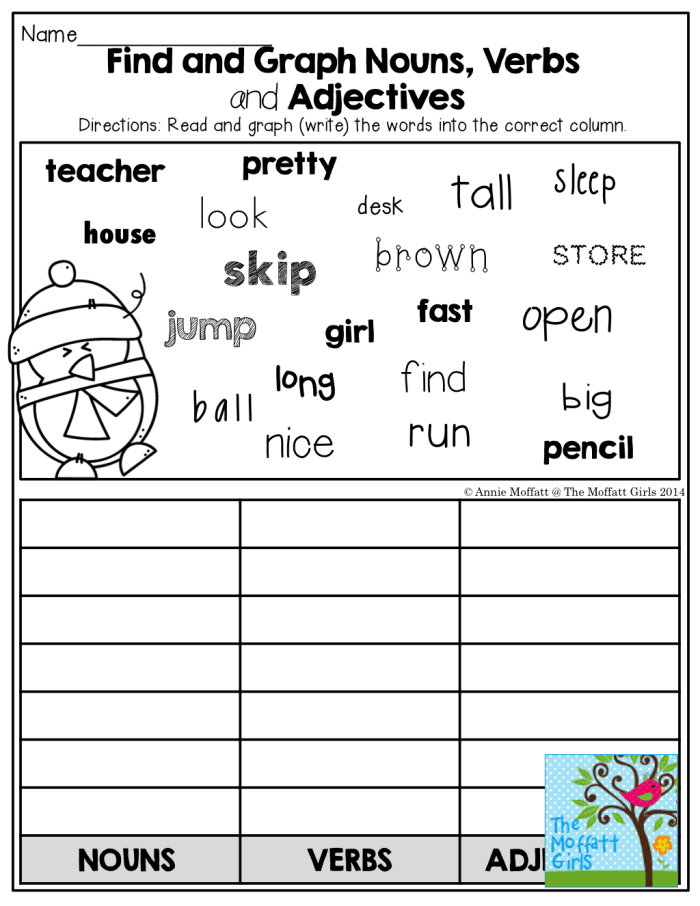
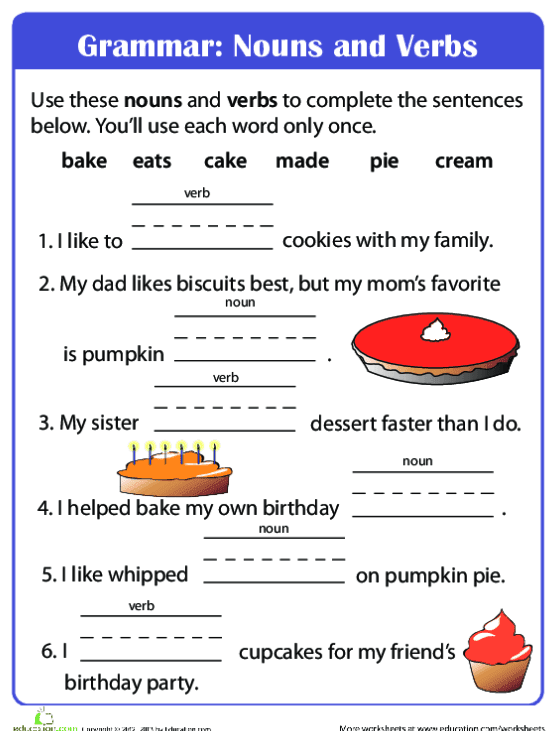
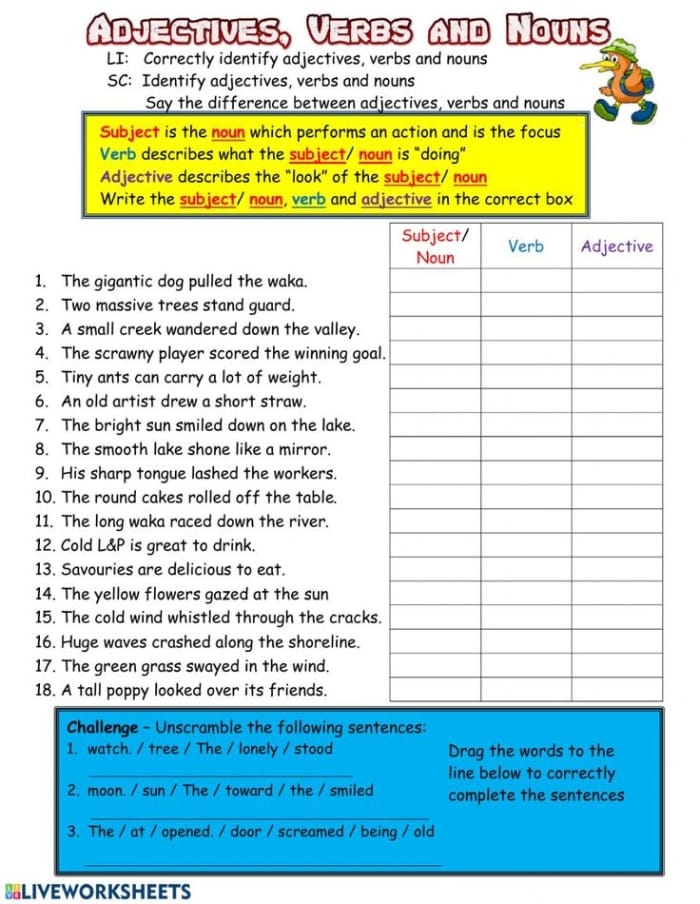
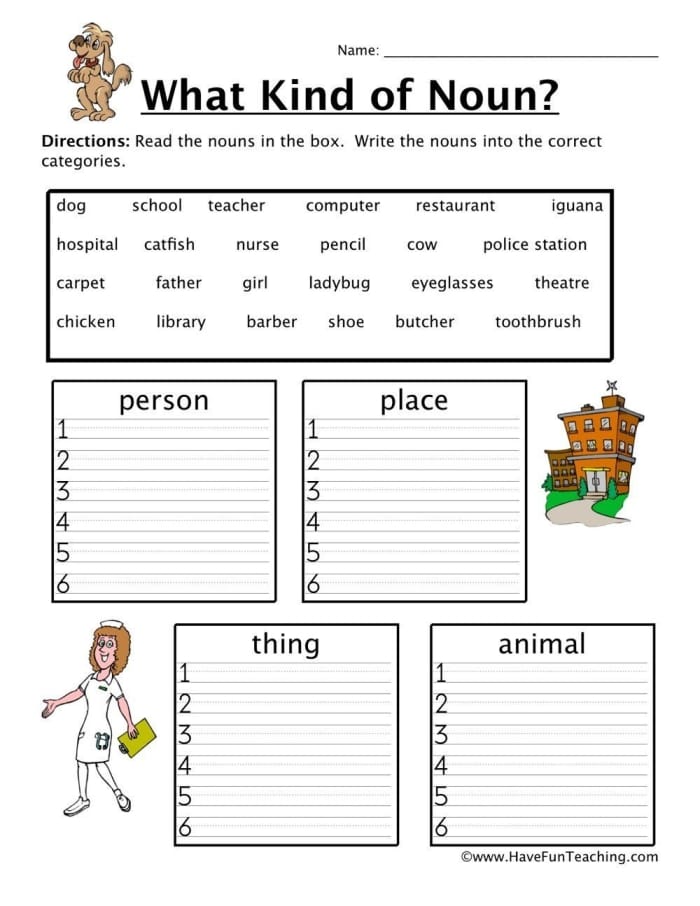
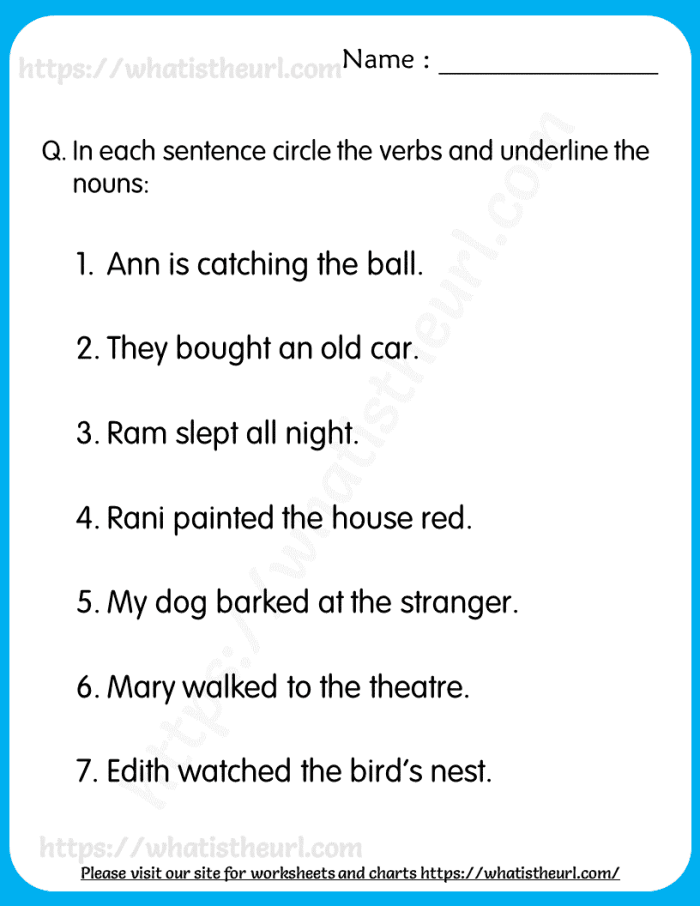
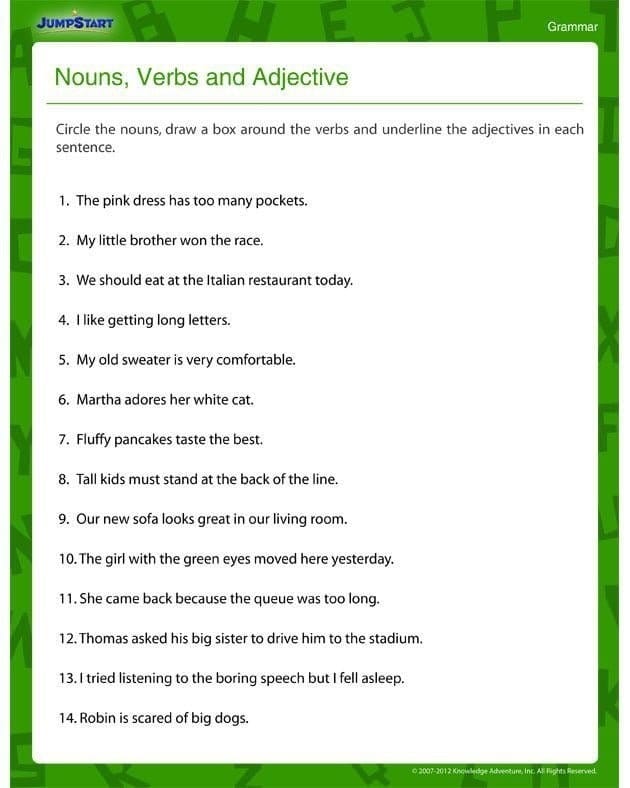
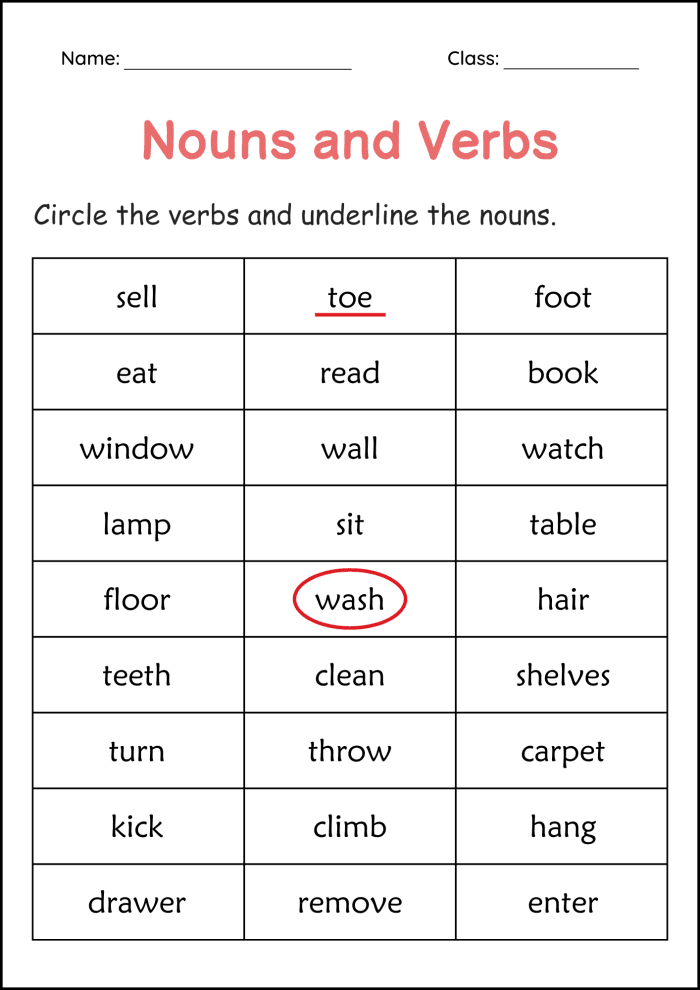
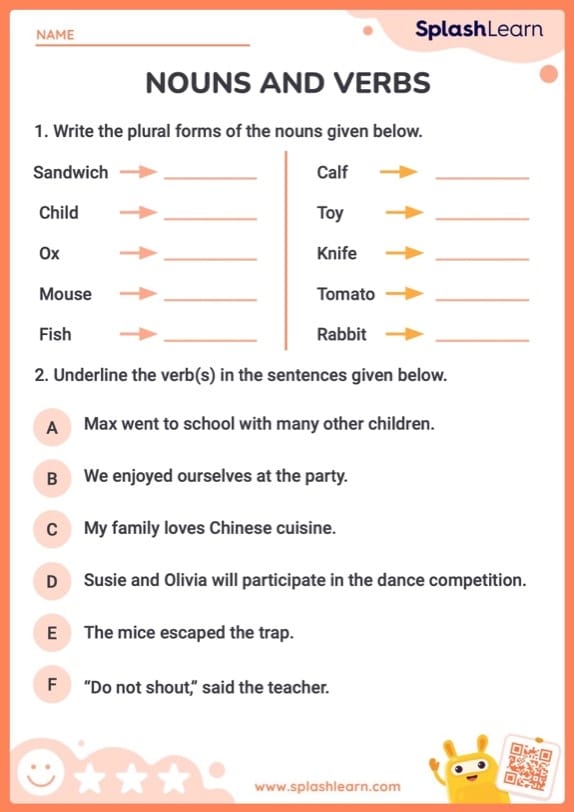
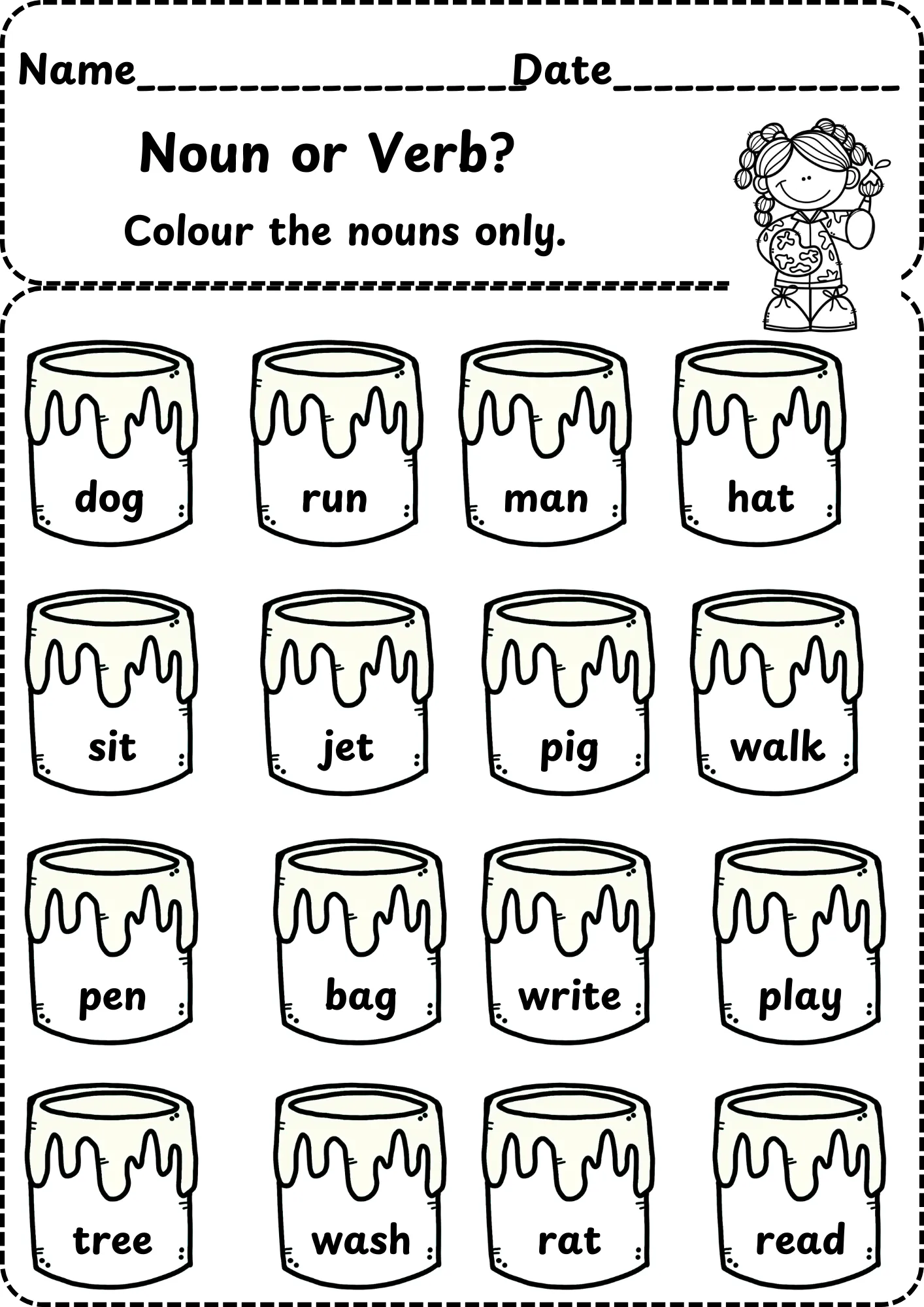
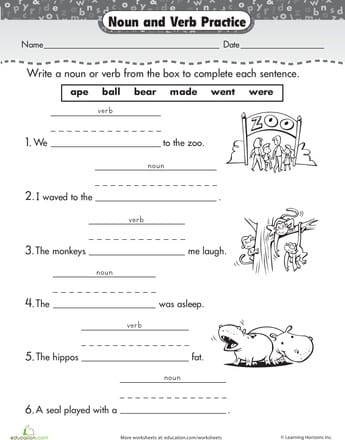
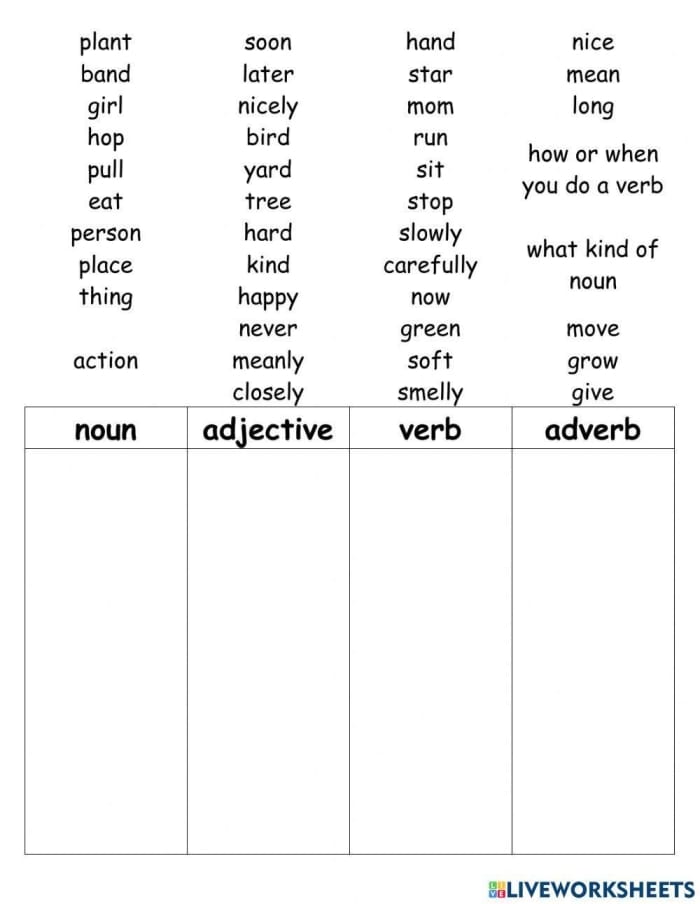
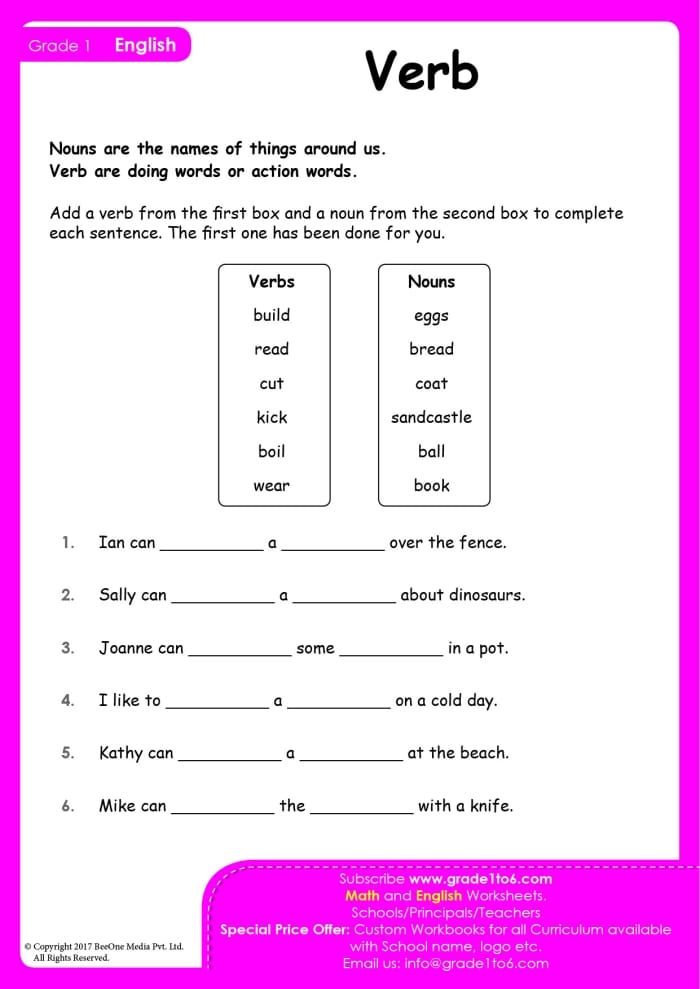
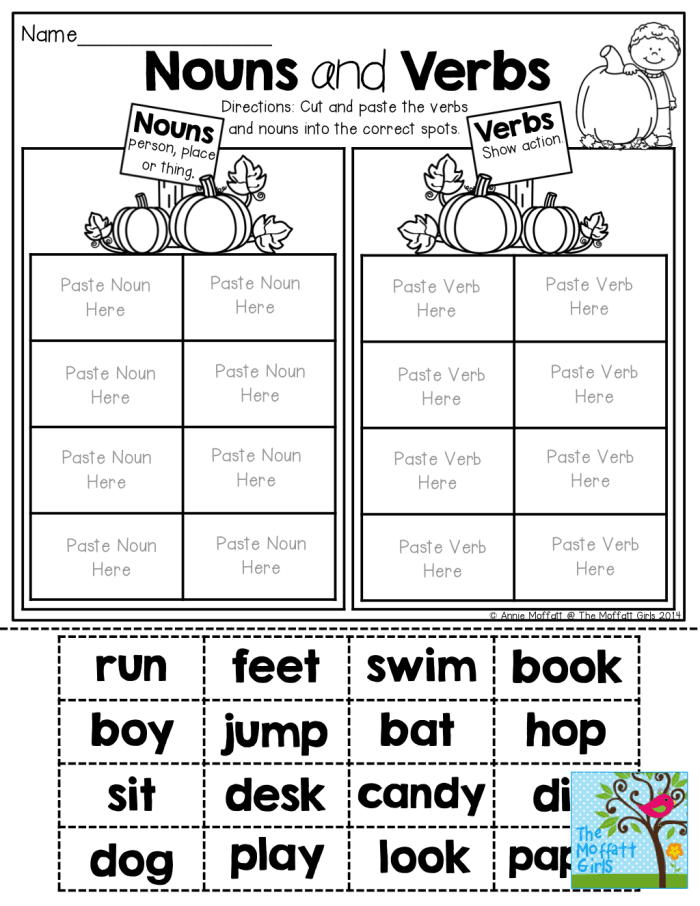
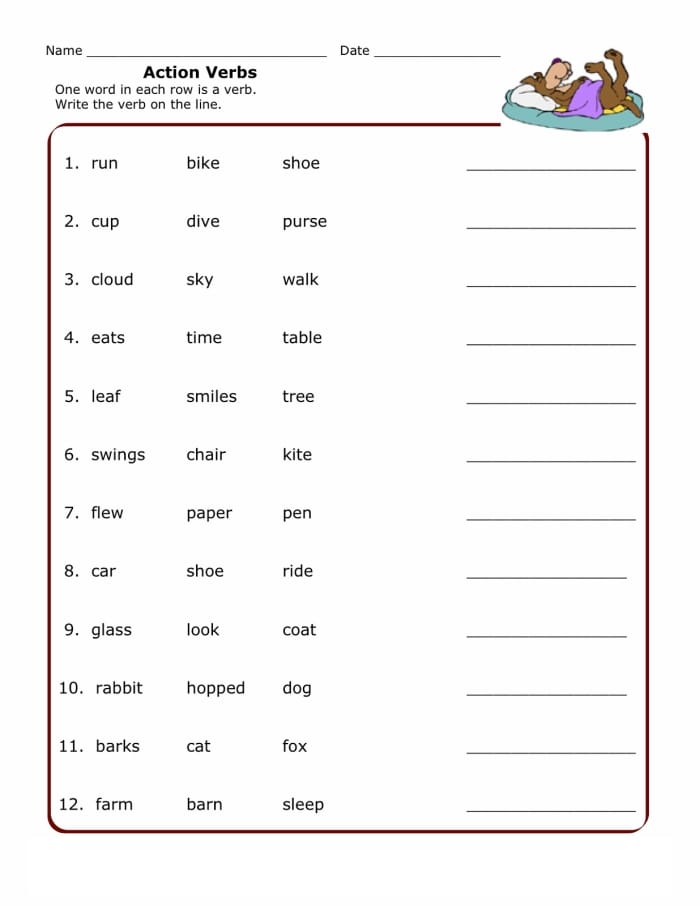
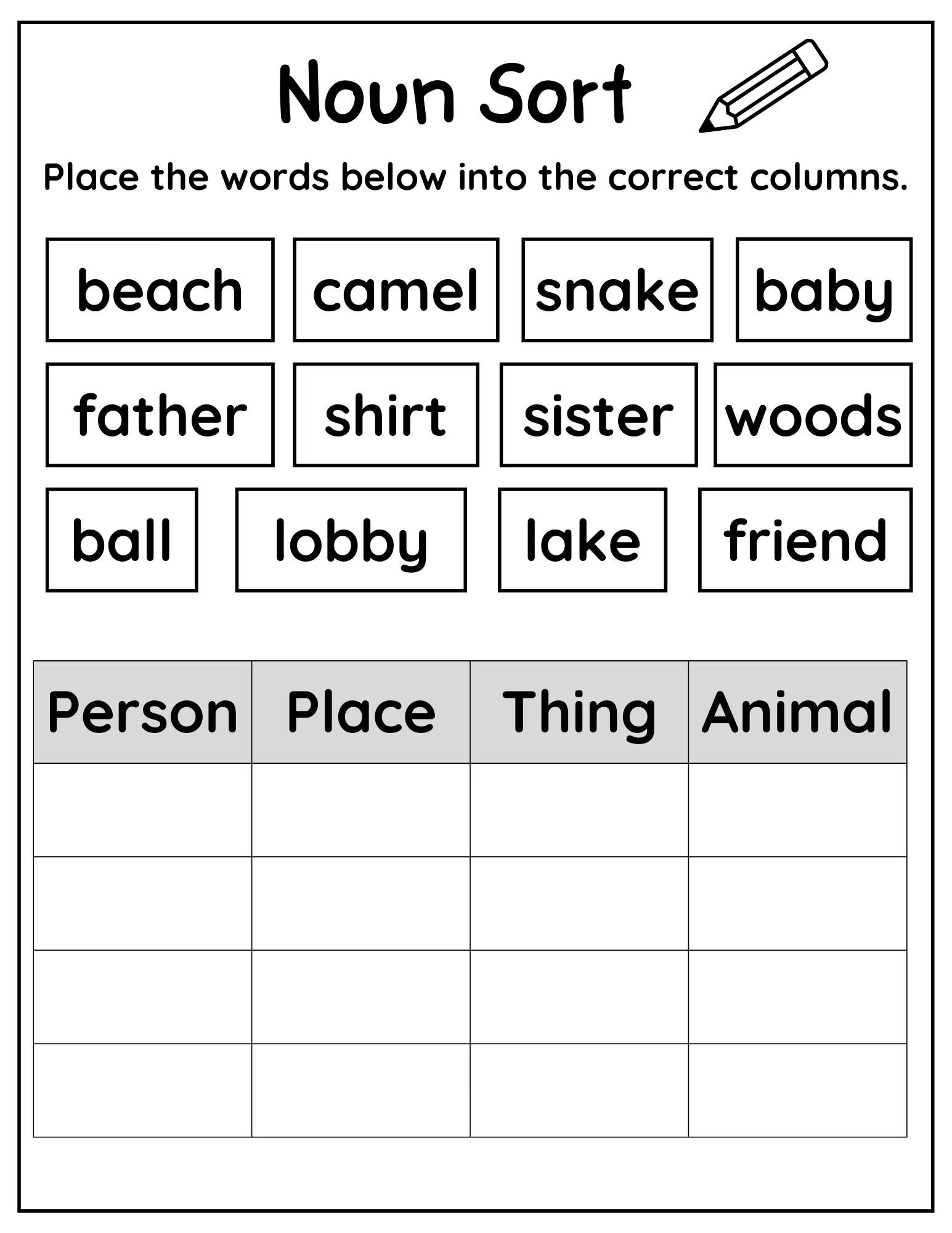
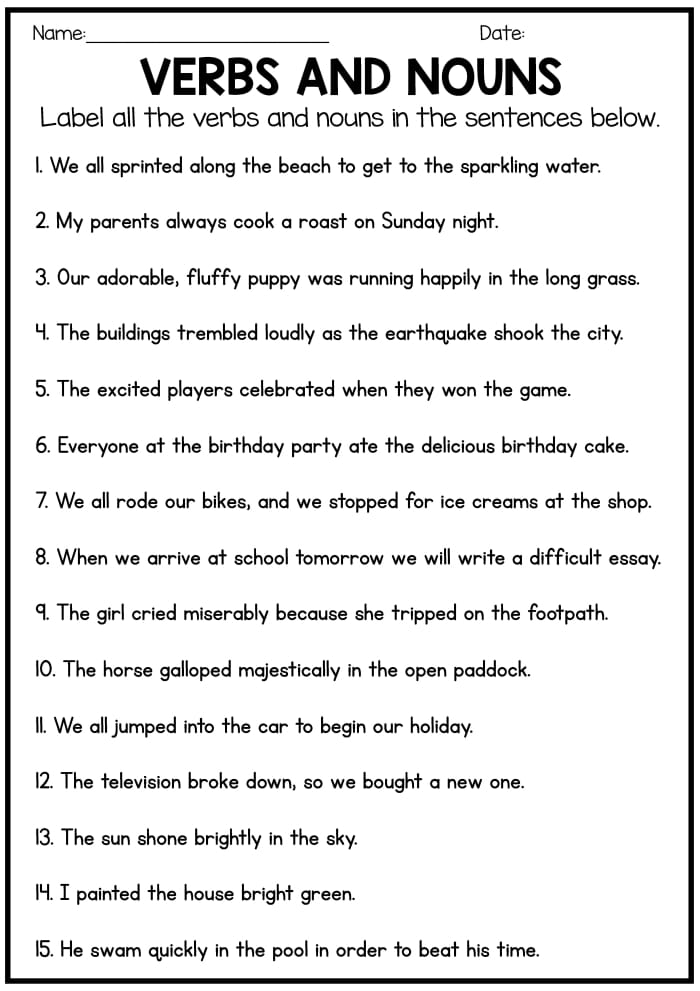
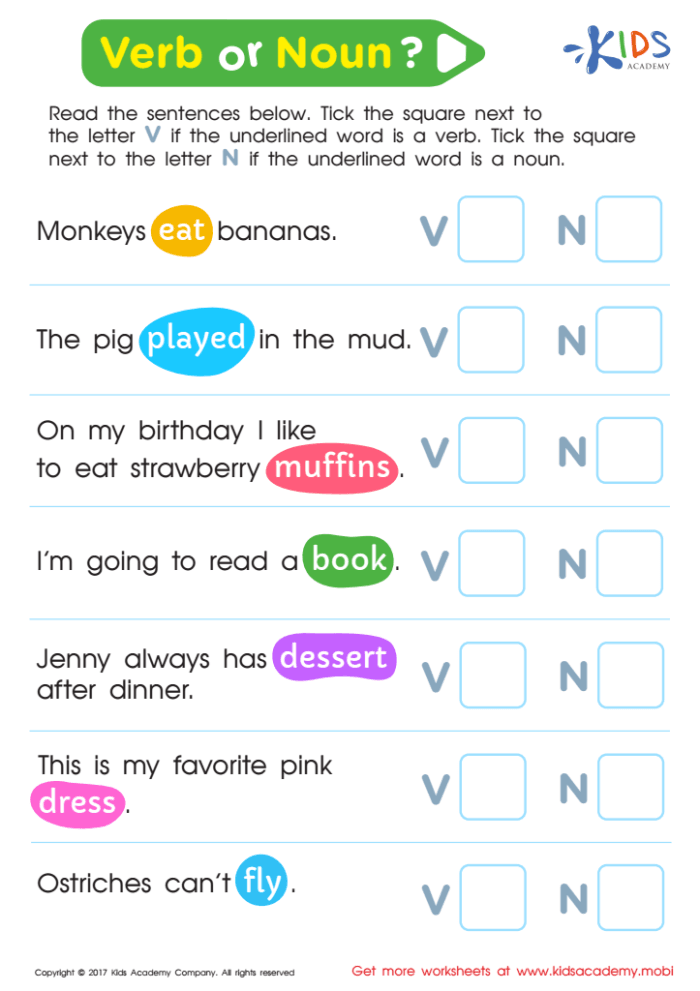
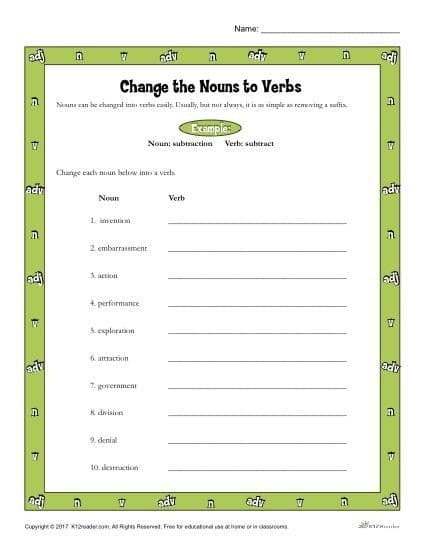
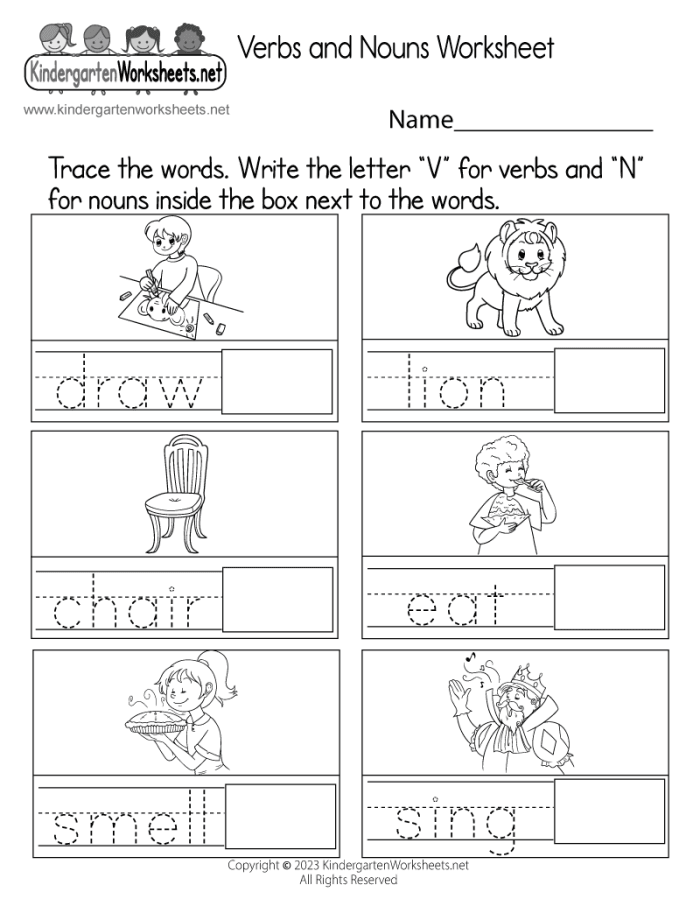
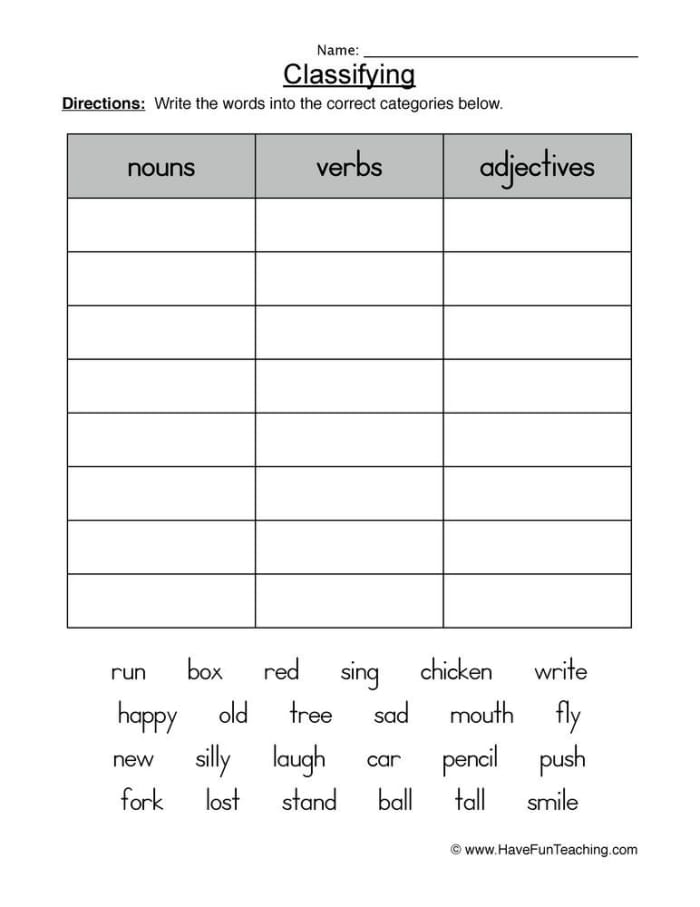
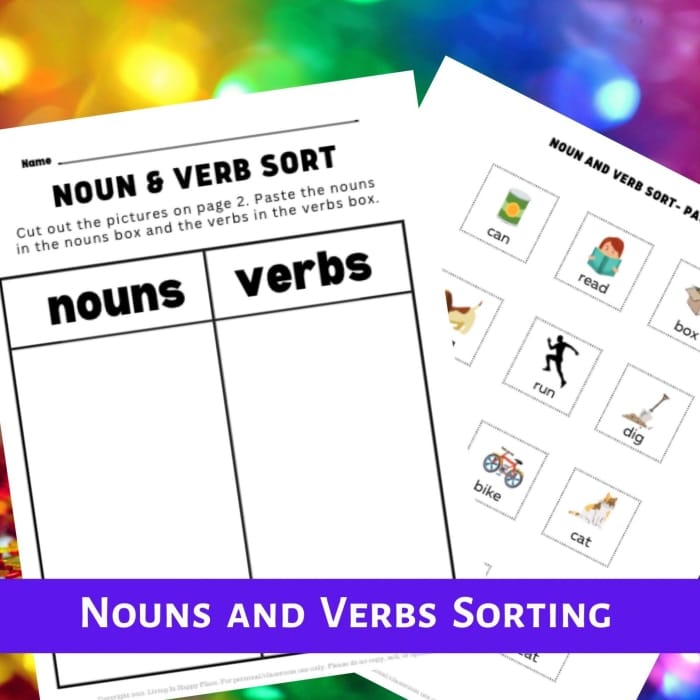
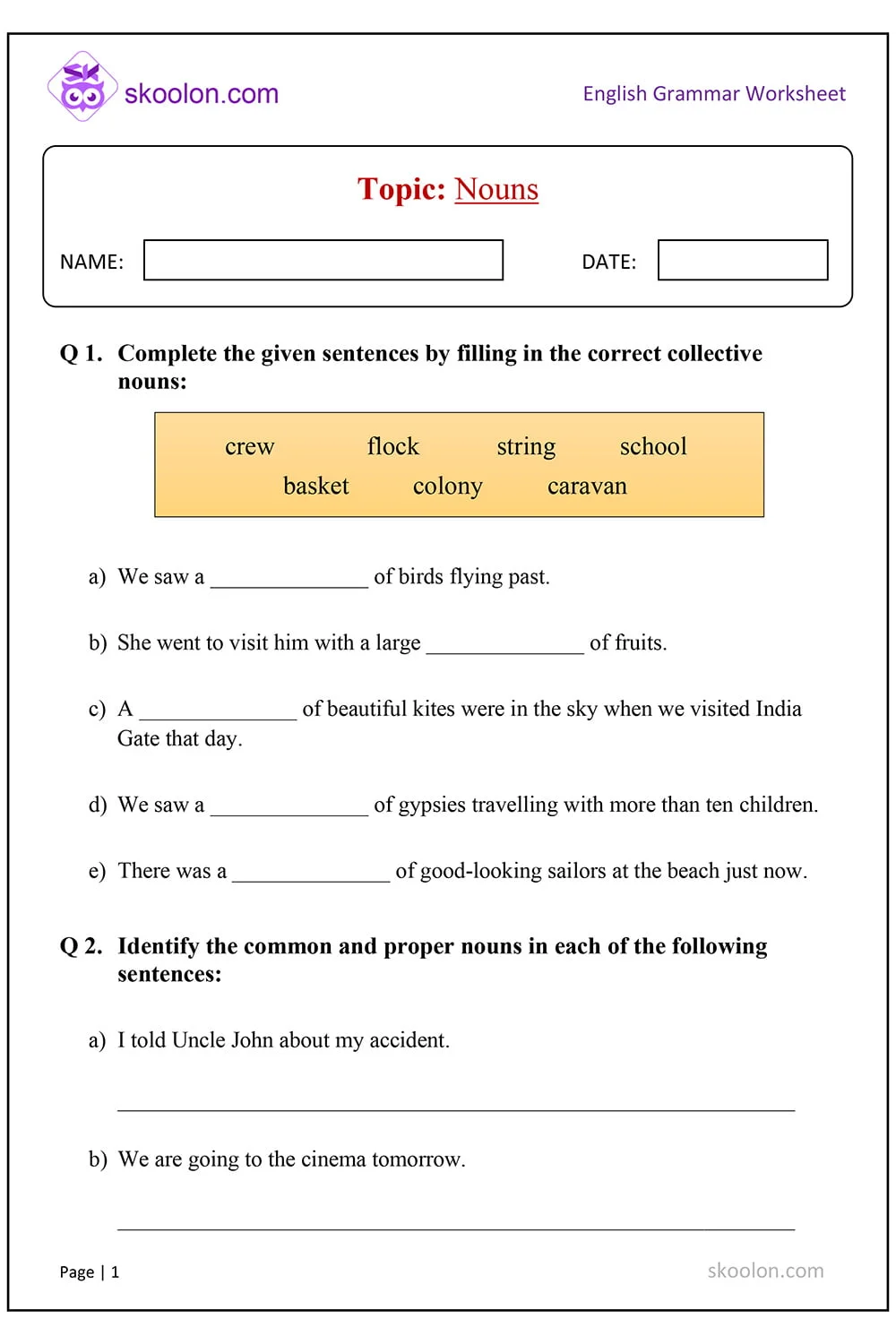
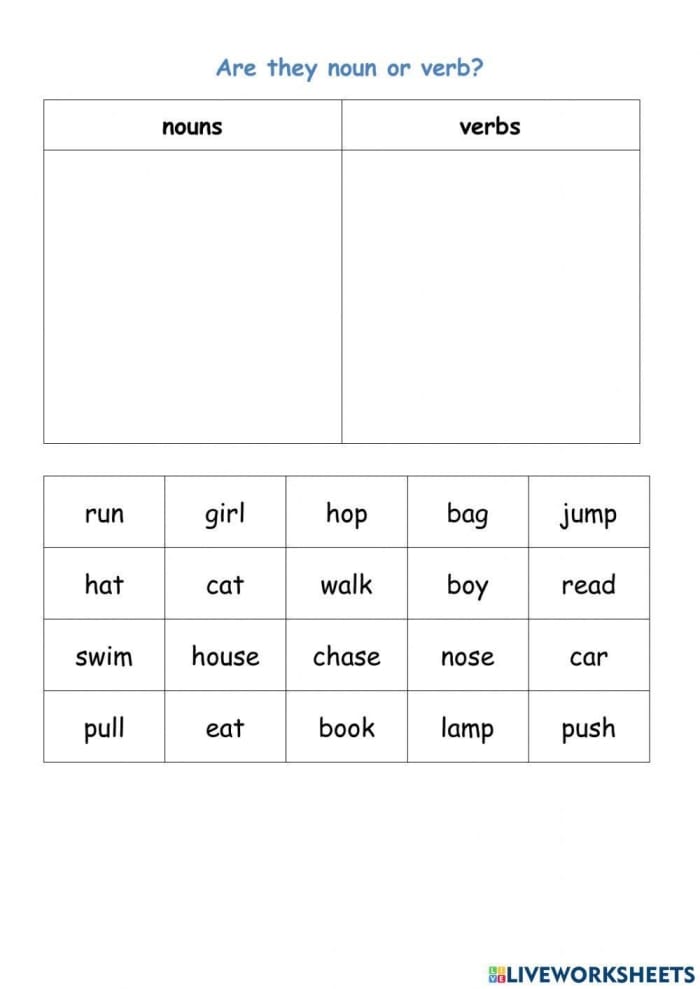
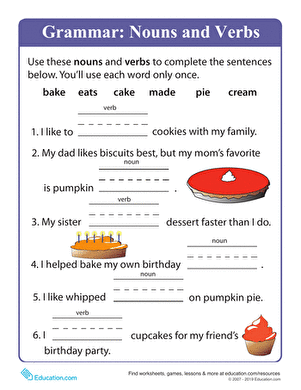
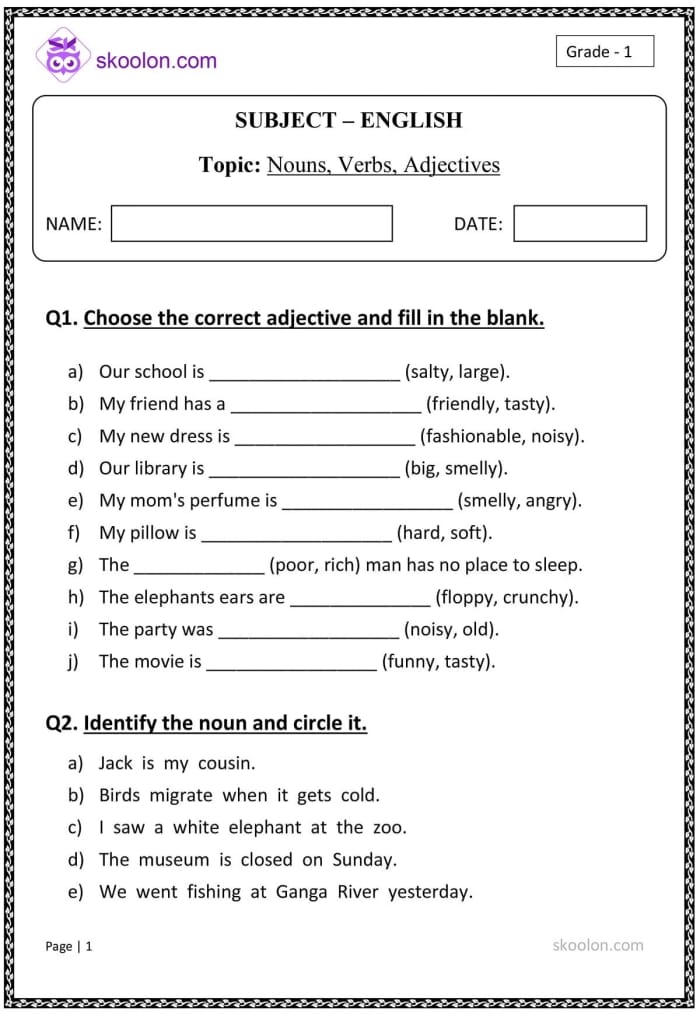
When kindergarten students first encounter written language, the line between action and object often blurs together. A complete-the-sentence worksheet designed around nouns and verbs creates a natural bridge between speaking and writing, helping young learners recognize what things are and what things do.
The beauty of this approach lies in its simplicity. Rather than drilling definitions, children see how words function within real sentences. When a student fills in a blank to complete “The cat ___,” they instinctively reach for a verb like “runs” or “jumps.” When they complete “I see a ___,” a noun naturally fits. This hands-on discovery beats memorization every time.
Complete-the-sentence activities work particularly well in grammar and mechanics instruction because they keep context front and center. A noun isn’t just “a person, place, or thing”—it’s the word that names what the sentence is about. A verb isn’t just “an action word”—it’s what makes something happen. Young writers absorb these distinctions through repetition across different sentence patterns and themes.
Seasonal worksheets add variety to practice routines. Easter-themed grammar activities and St. Patrick’s Day exercises keep children engaged while reinforcing the same core skills. Pairing these with winter vocabulary worksheets gives teachers flexibility to match lessons with the calendar.
Beyond nouns and verbs, kindergarteners benefit from exploring related skills. Consonant blends practice strengthens phonics alongside grammar work, creating comprehensive literacy support.
Start with sentences using familiar objects and simple actions from your students’ daily lives. The more relevant the content, the faster the concepts stick. Your new writers will soon recognize these word categories without thinking, building a foundation for more complex grammar work ahead.
Grab These Worksheets Now