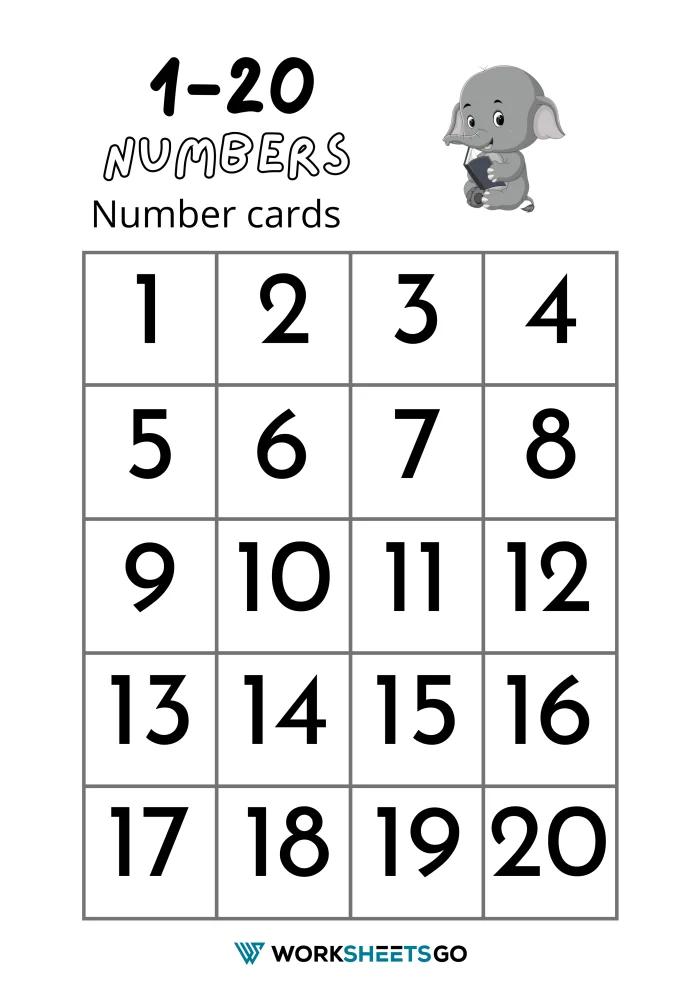
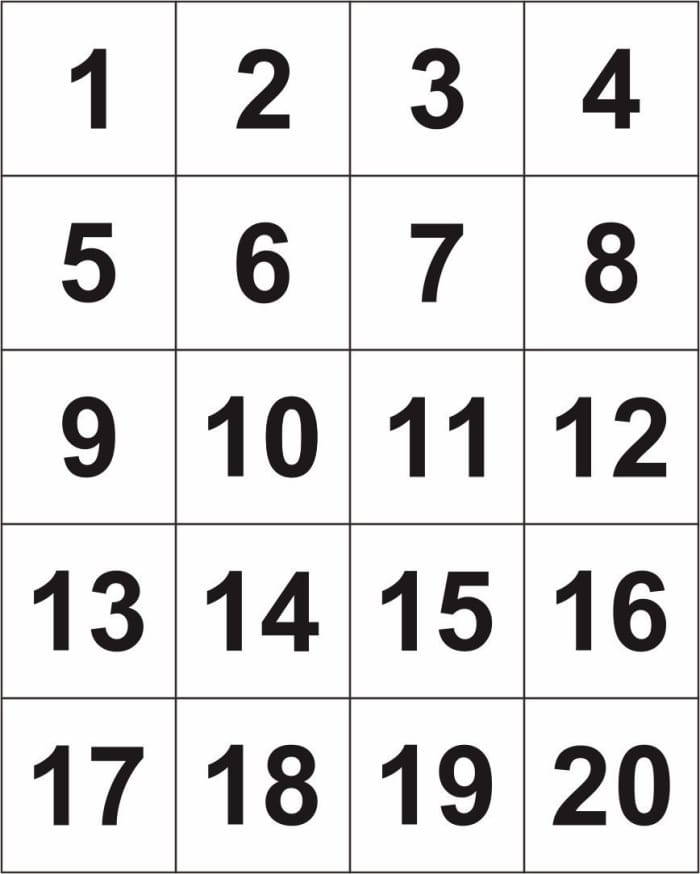
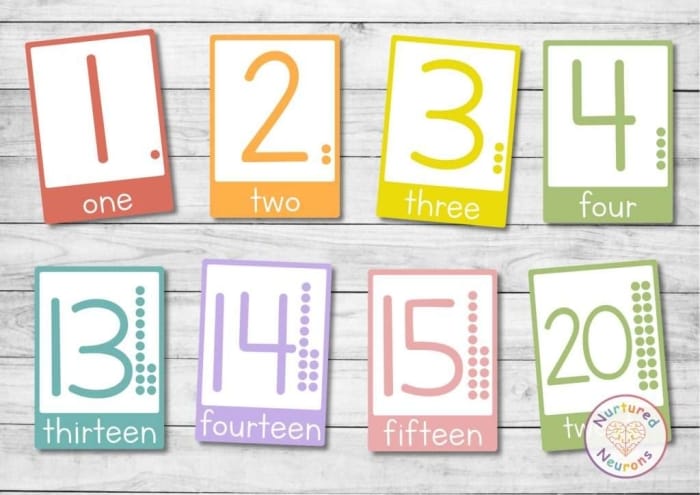
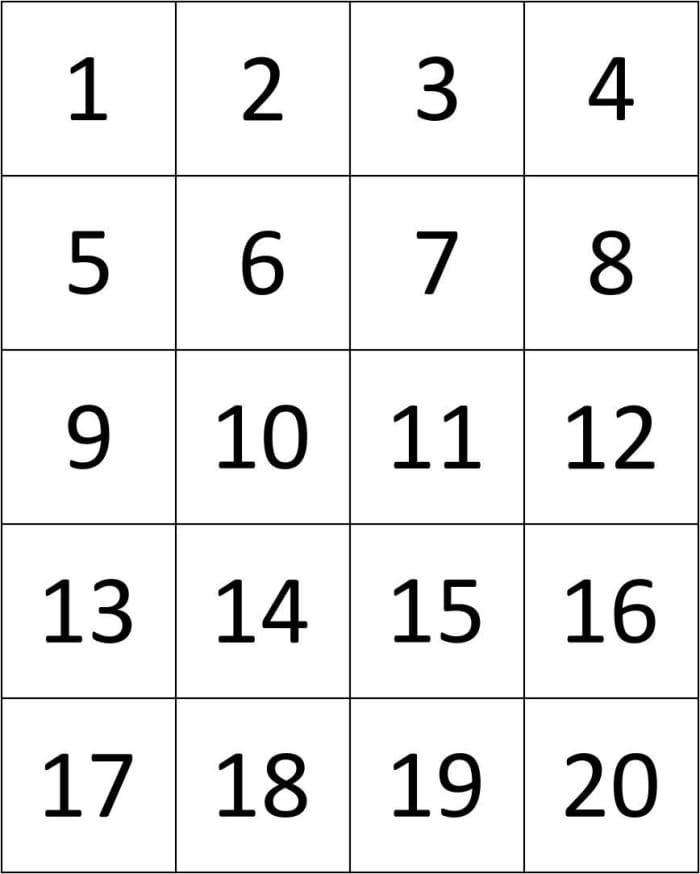
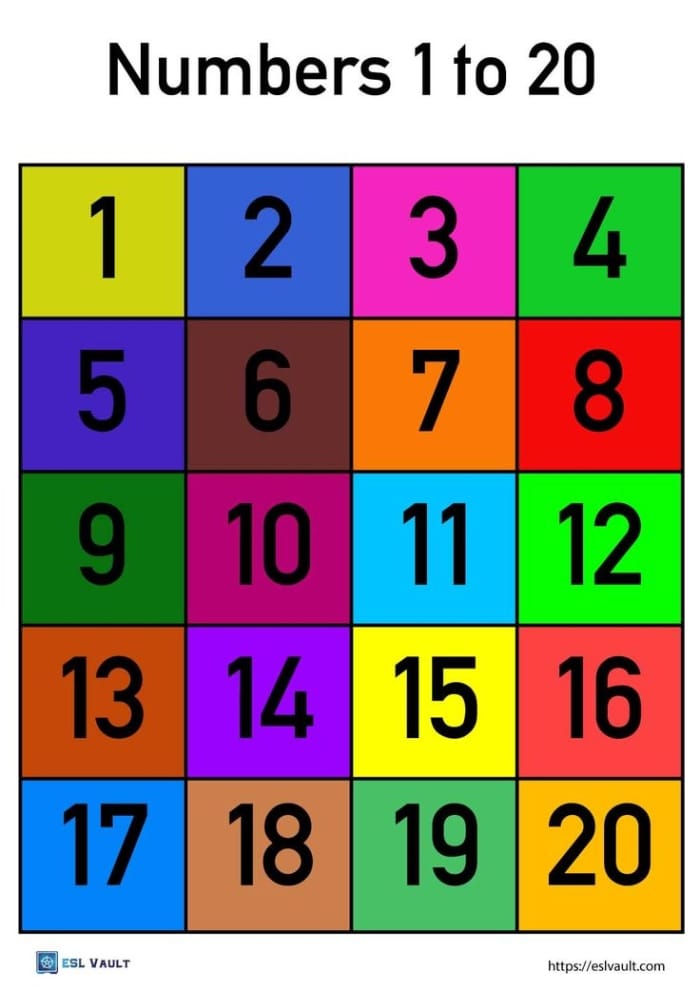
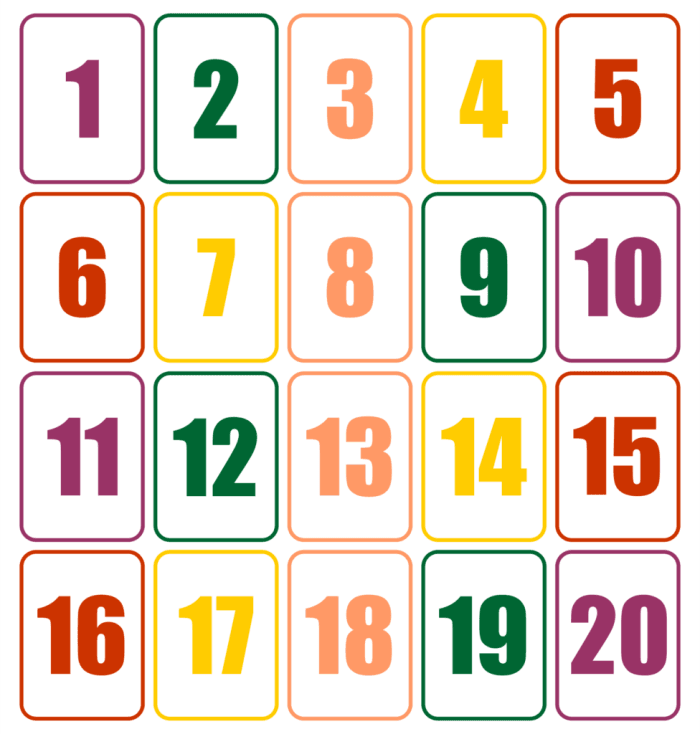
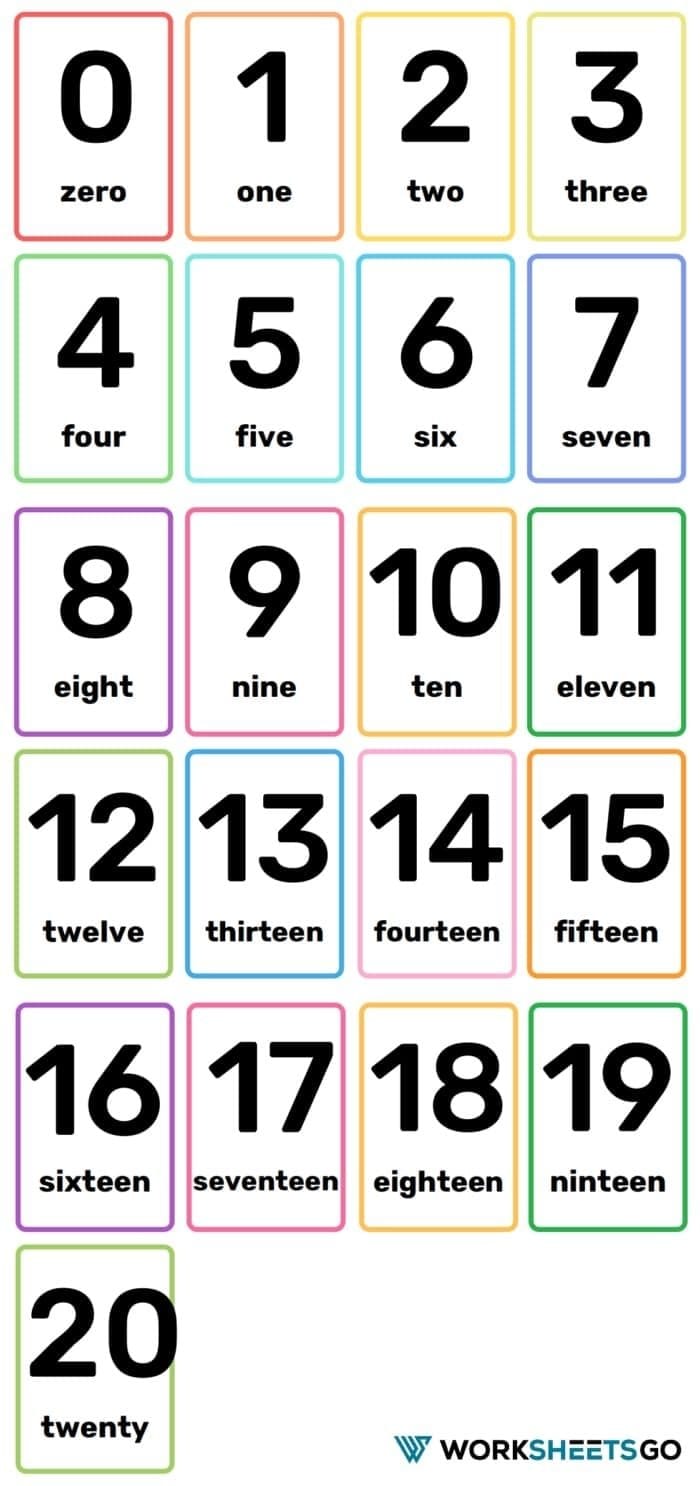
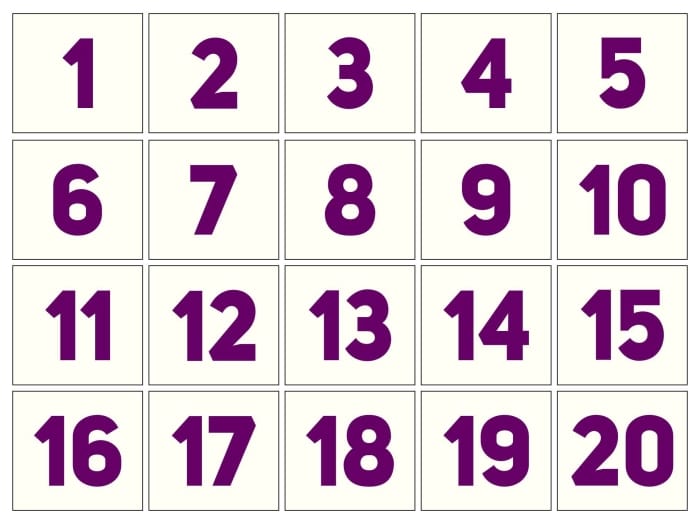
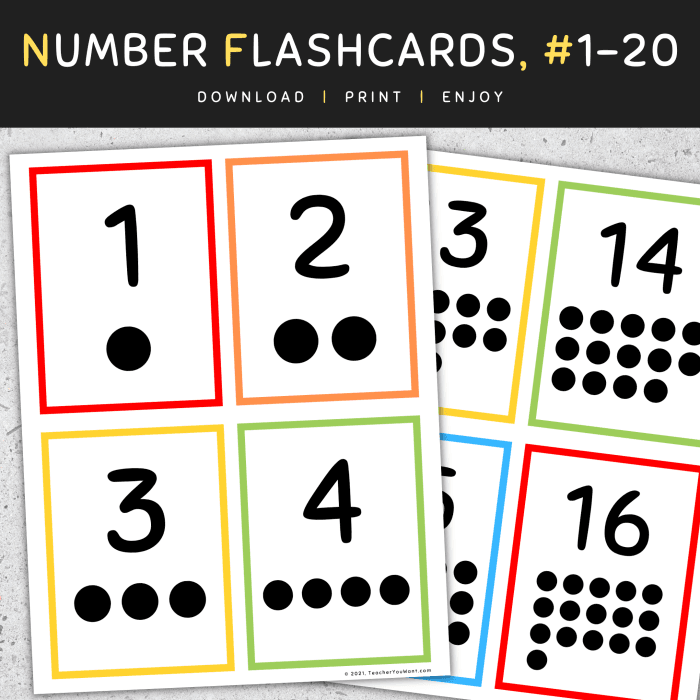
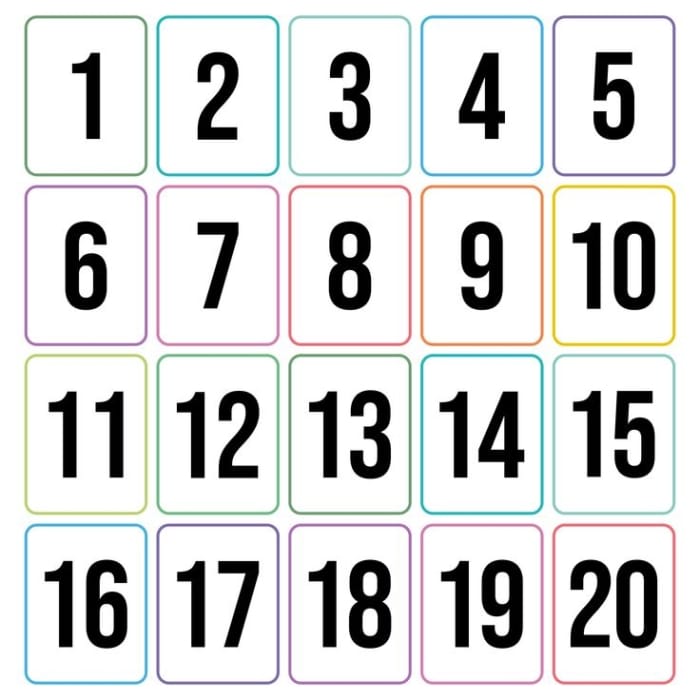
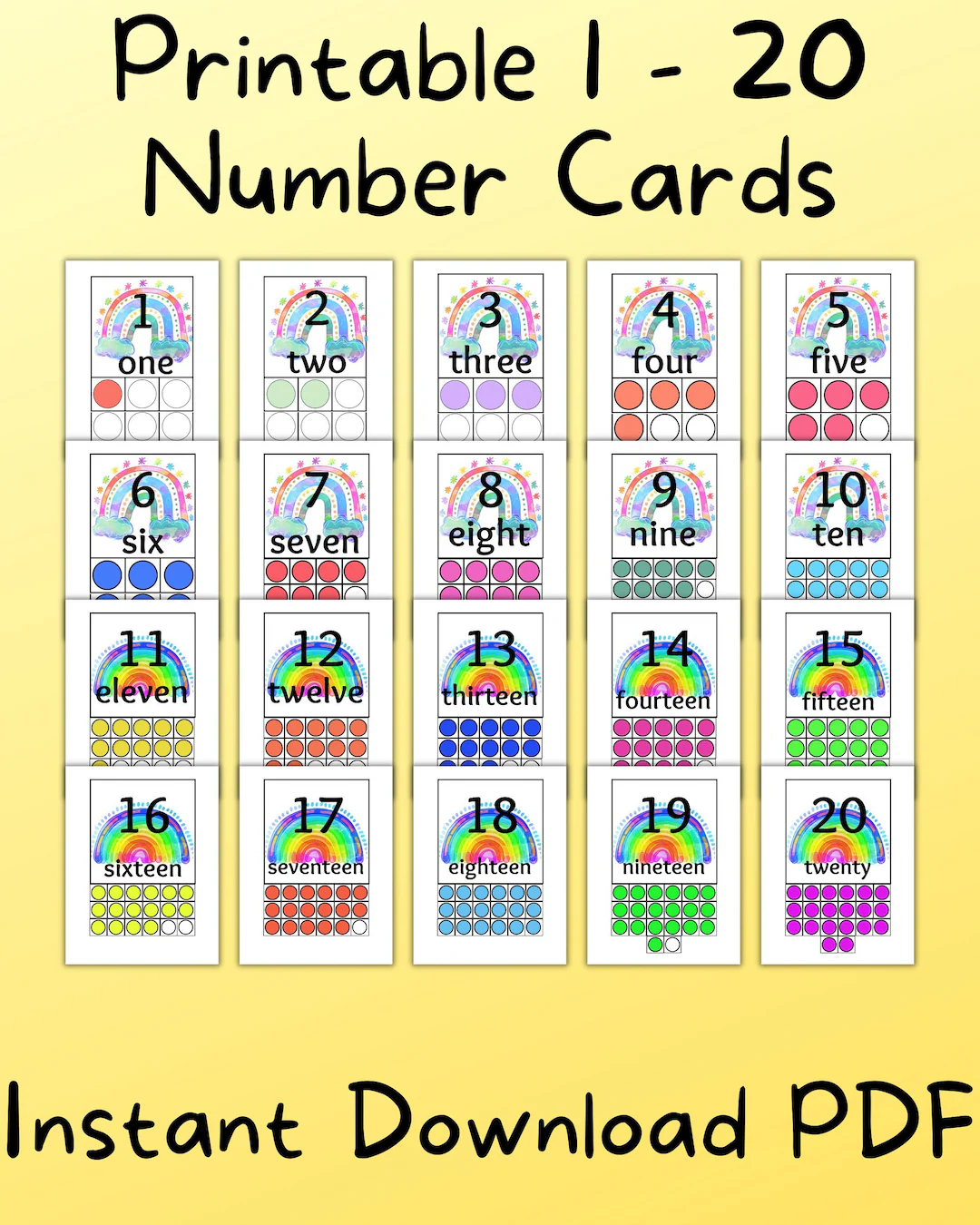
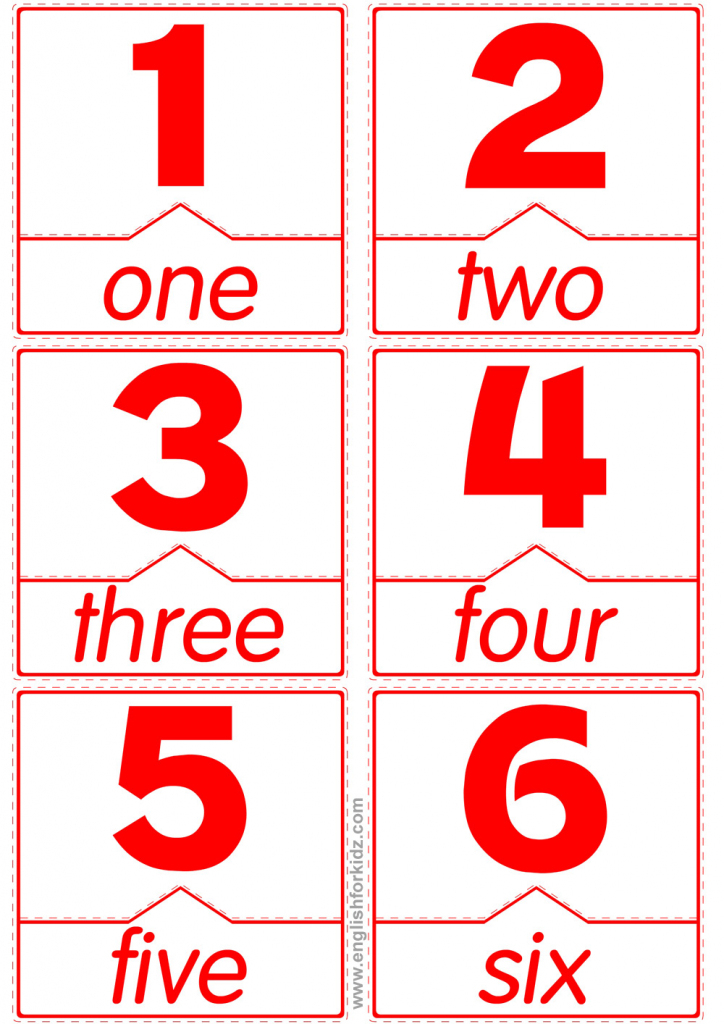
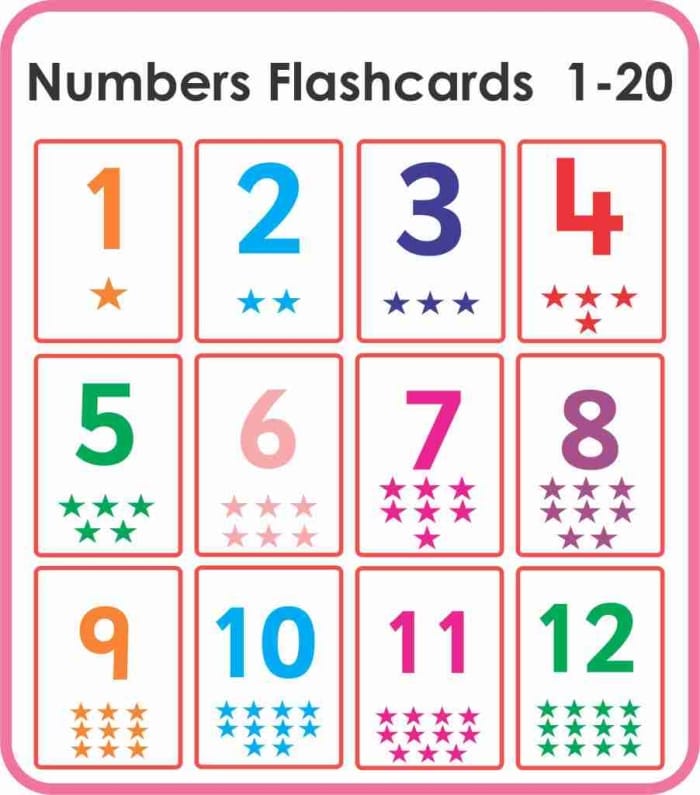
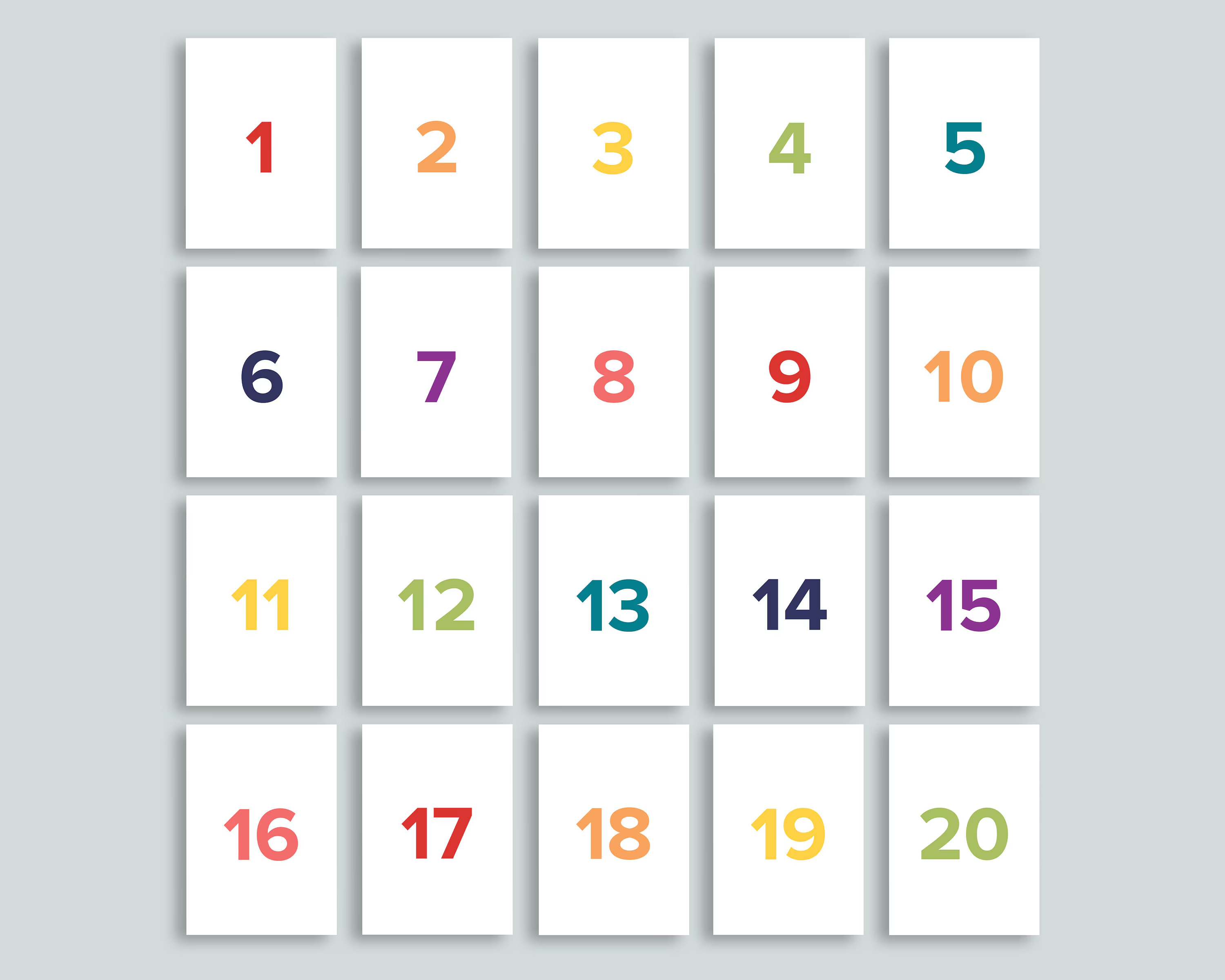
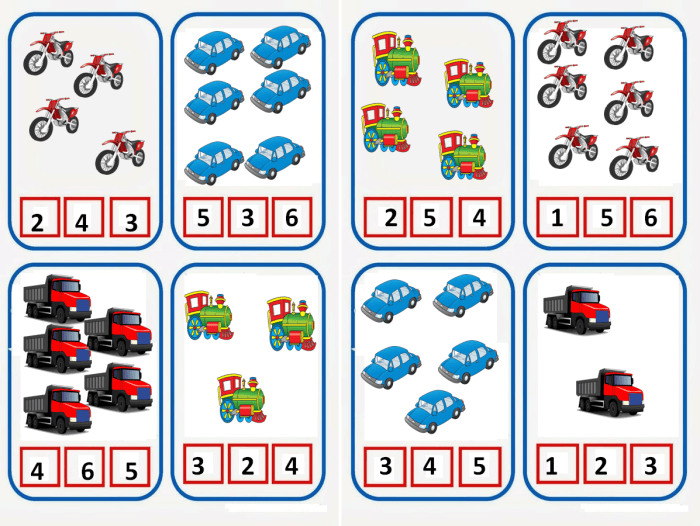
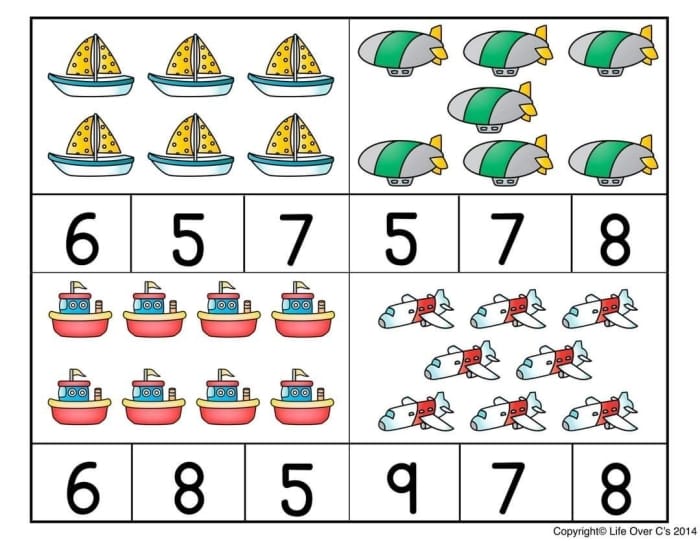
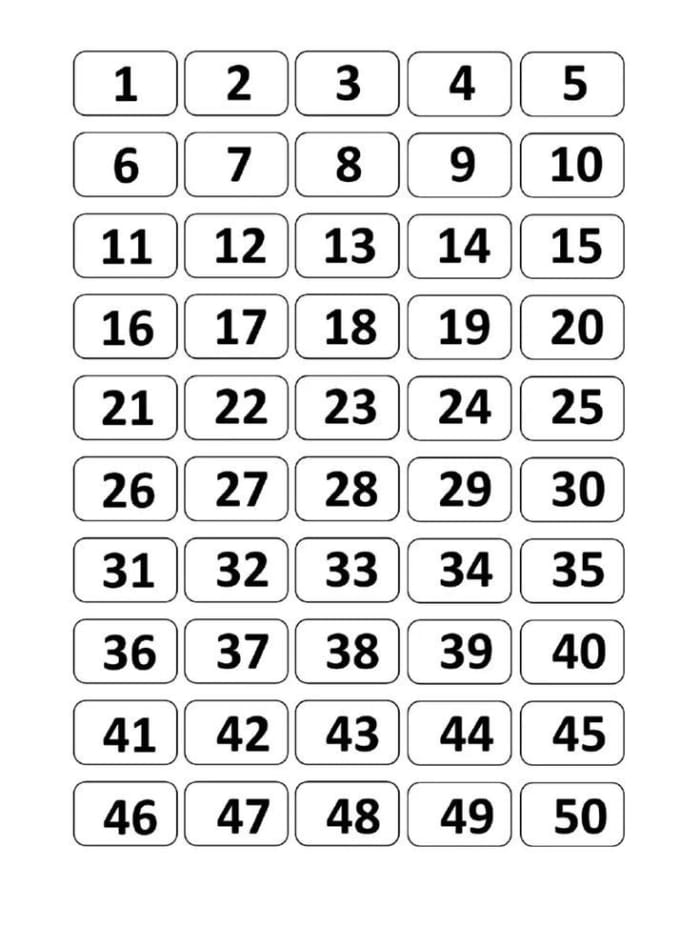
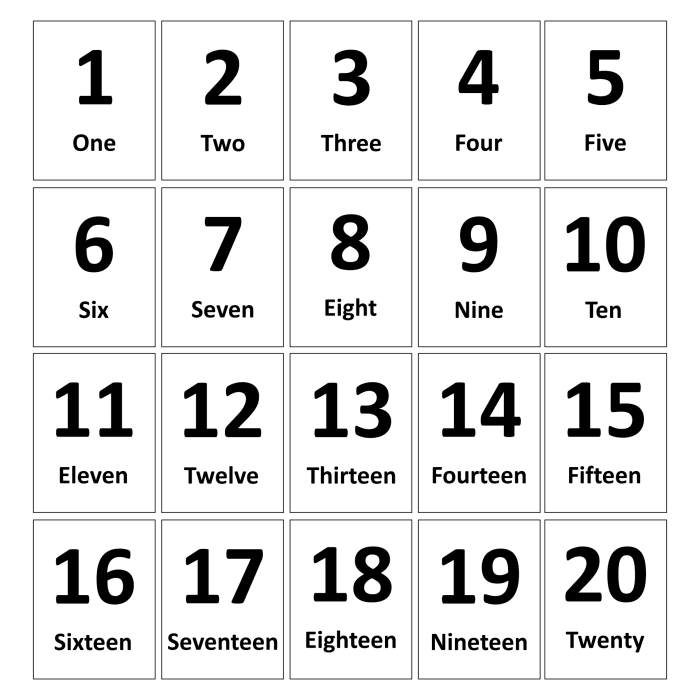
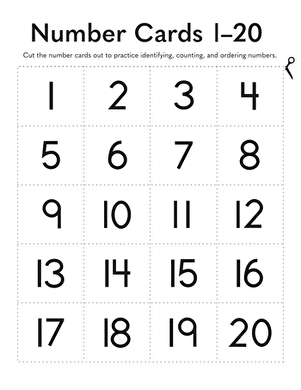
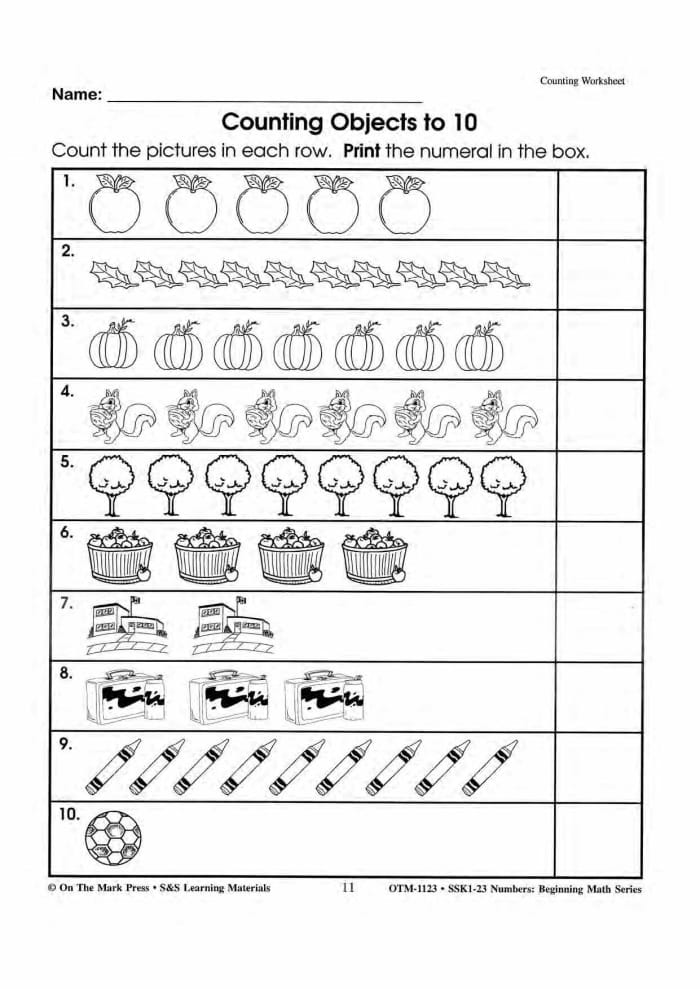
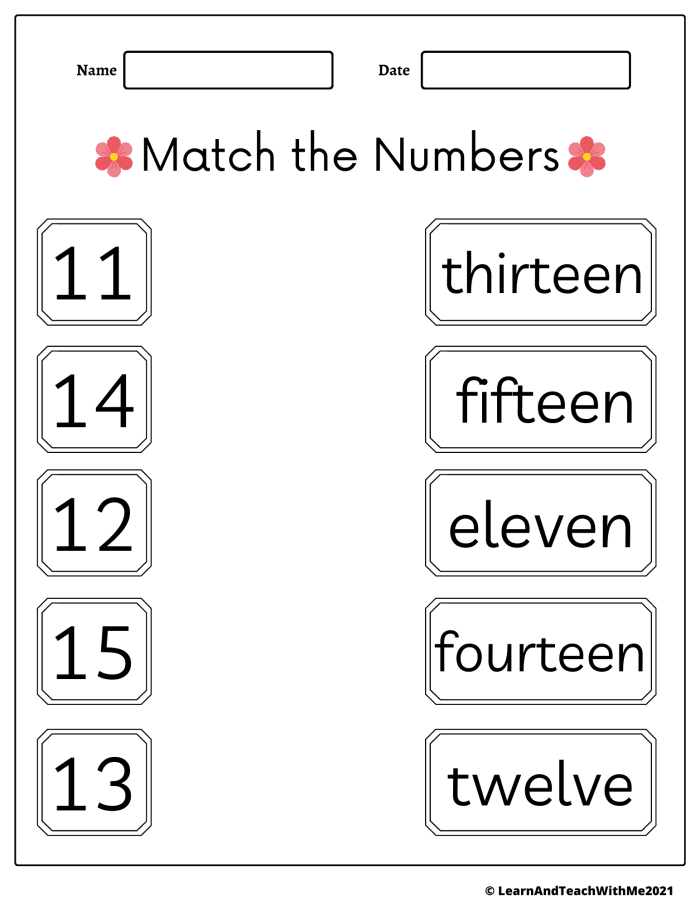
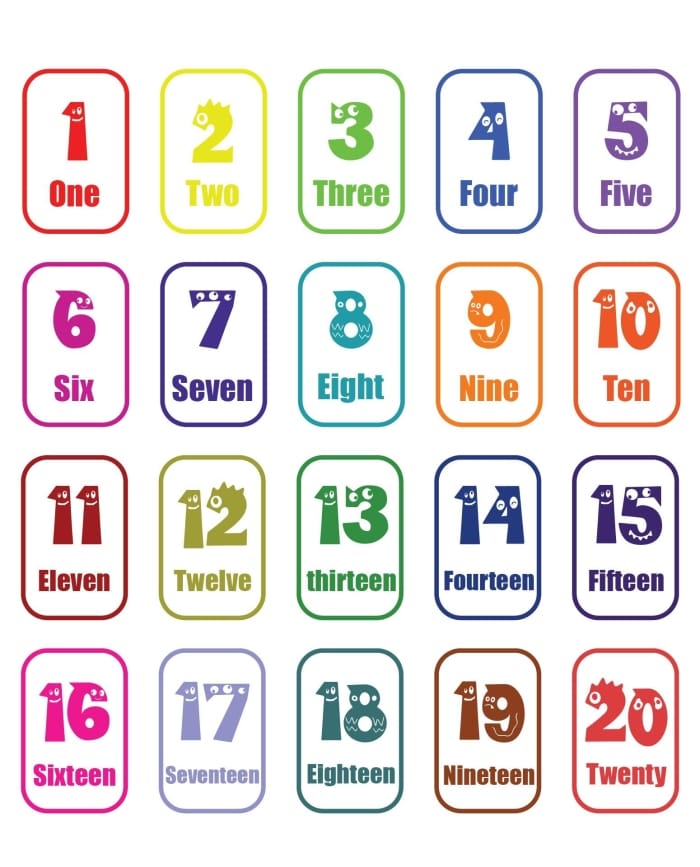
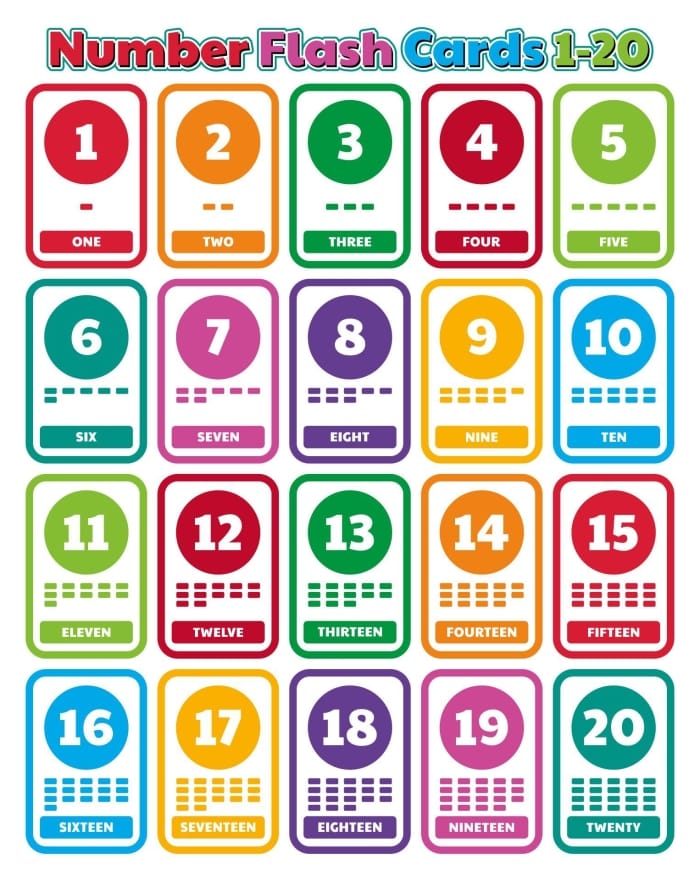
Number cards are one of the simplest tools for teaching Pre-K children how numbers work in the real world. A set covering numbers 1 to 20 gives young learners exactly what they need to build confidence with early math skills without overwhelming them with too many options at once.
When children handle physical cards, they’re doing more than just looking at digits. They’re touching, arranging, and speaking the numbers aloud, which engages multiple senses at the same time. This hands-on approach sticks with them better than worksheets alone. A child might spread cards across a table and arrange them from smallest to largest, or they might match a card showing “7” with seven objects from around the room. These aren’t abstract exercises, they’re real practice with concrete materials.
Counting comes first, naturally. Kids count the dots or objects on each card, then count the cards themselves as they line them up. Ordering follows once they understand what each number represents. This progression mirrors how children’s brains actually develop number sense. You might pair number cards with activities like circle the number exercises to reinforce what they’re learning with the physical cards.
Identifying numbers comes last because it requires children to recognize the symbol itself without relying on counting. A card with just the numeral “15” means nothing until a child has counted to 15 many times and understands what that quantity actually means. Resources like knowing your numbers to 10 provide structured practice that complements card work perfectly.
The beauty of this approach is its flexibility. Cards work in small groups, one-on-one with a teacher, or even at home with a parent. They require no batteries, no screens, and they’re durable enough to handle constant use in a classroom setting.
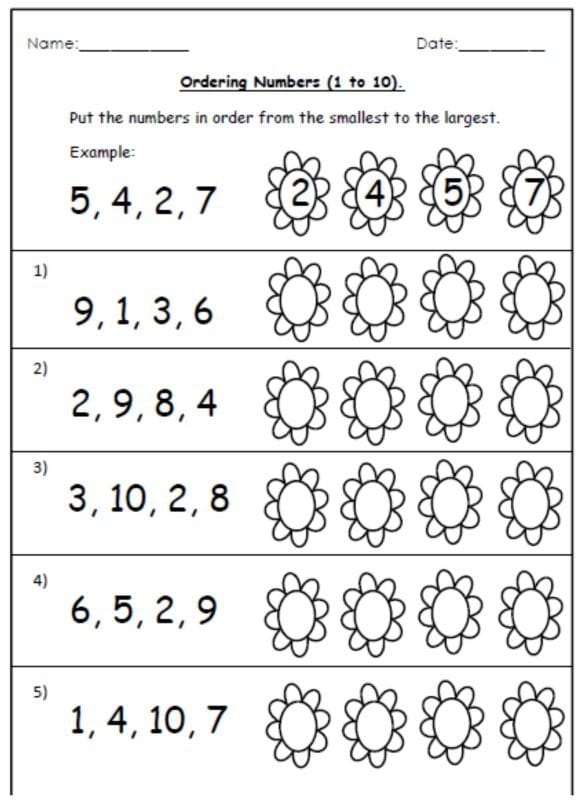
Practice with These Worksheets