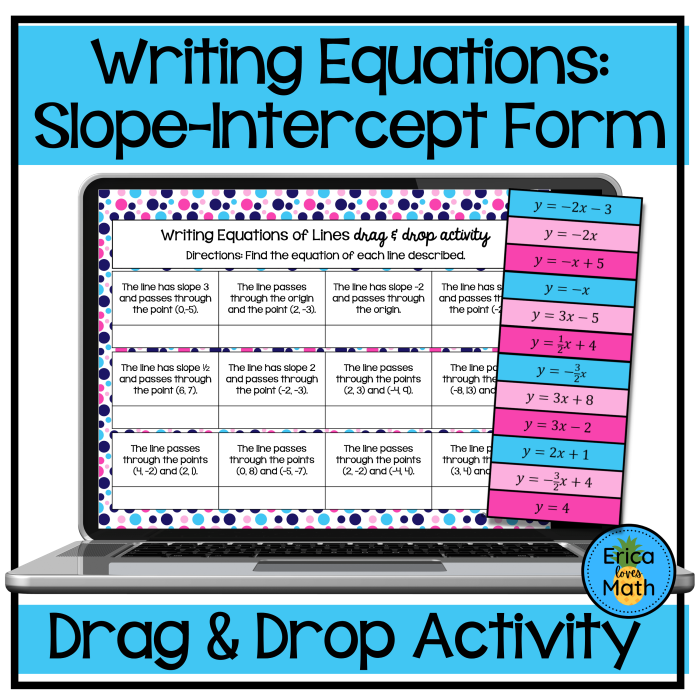
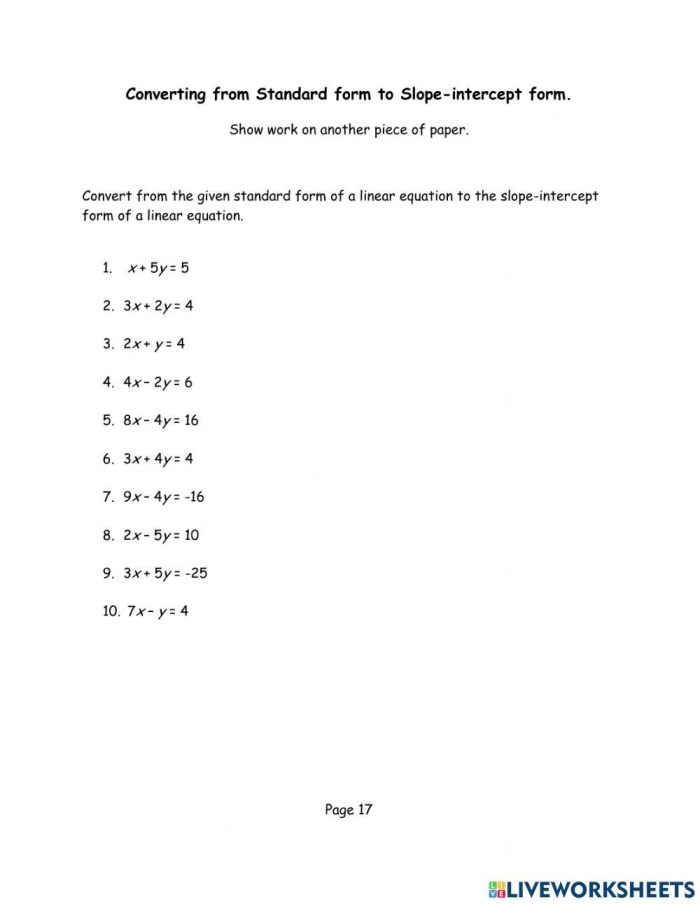
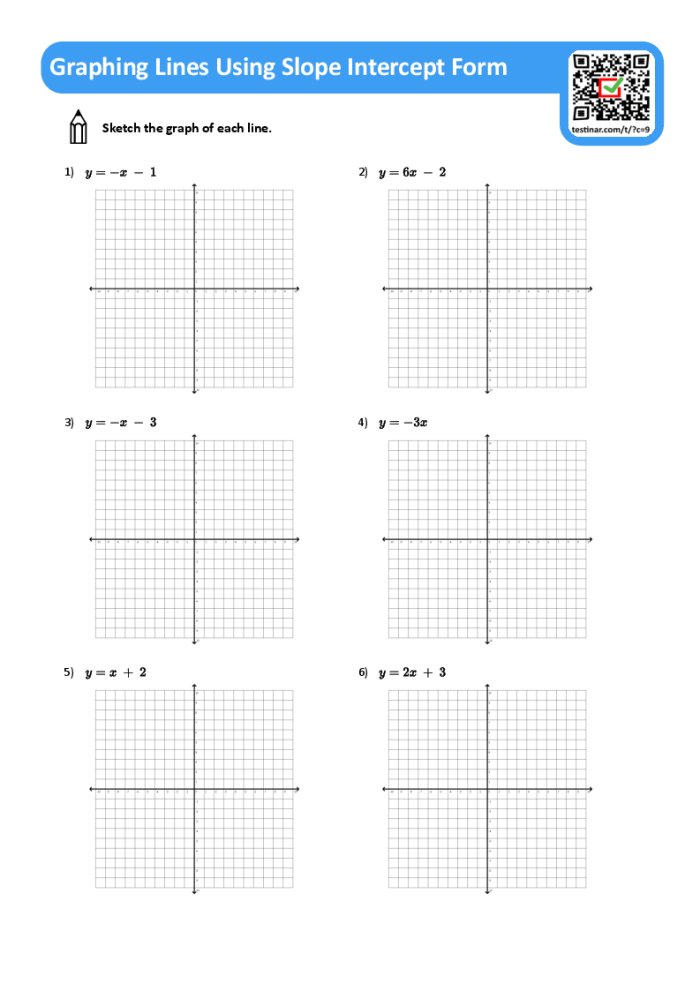
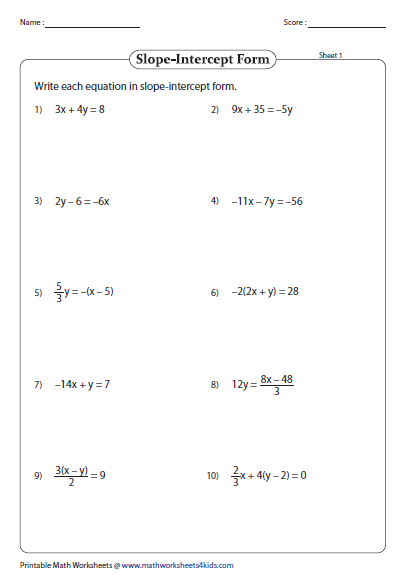
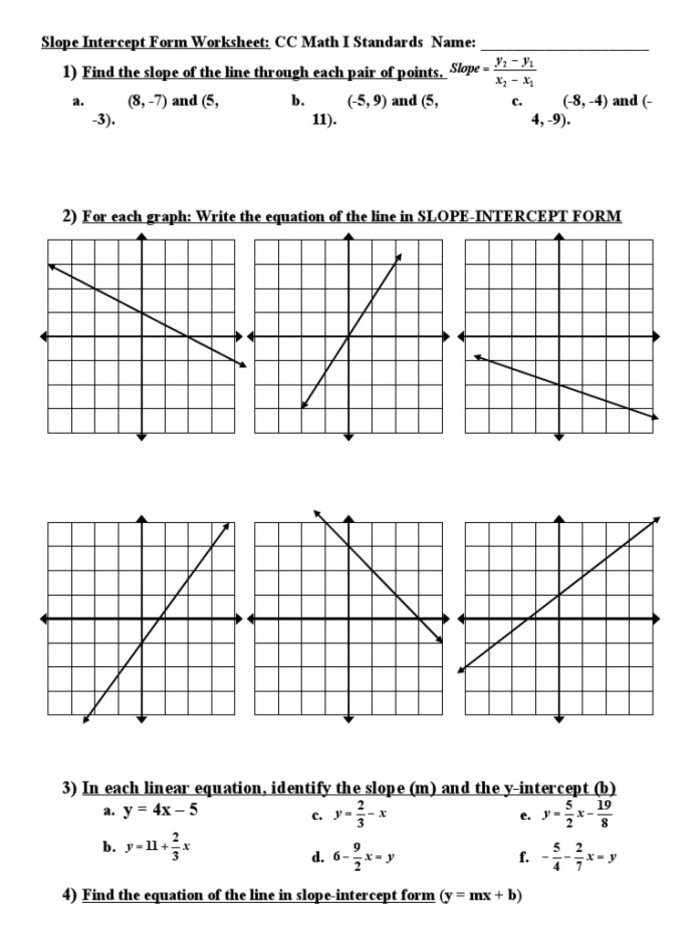
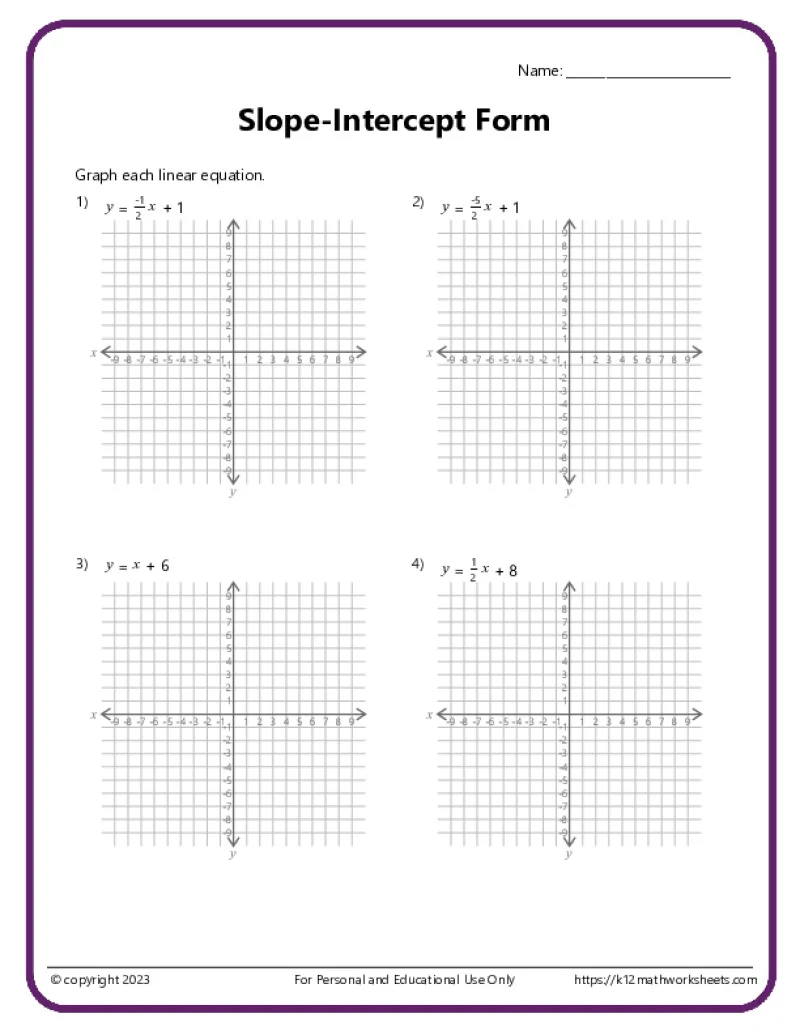
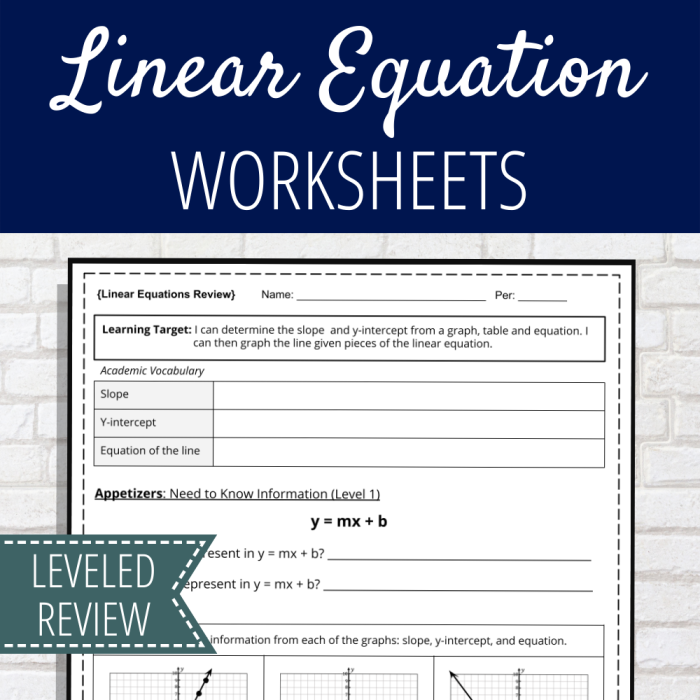
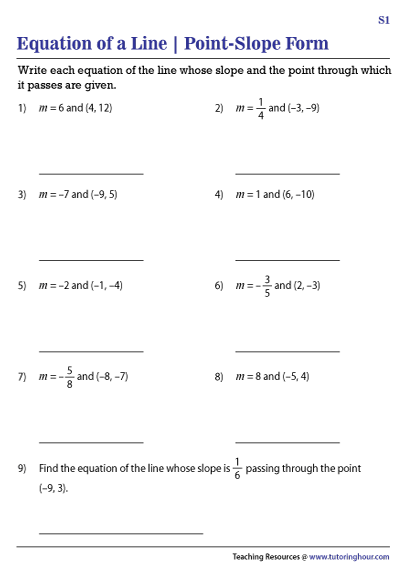
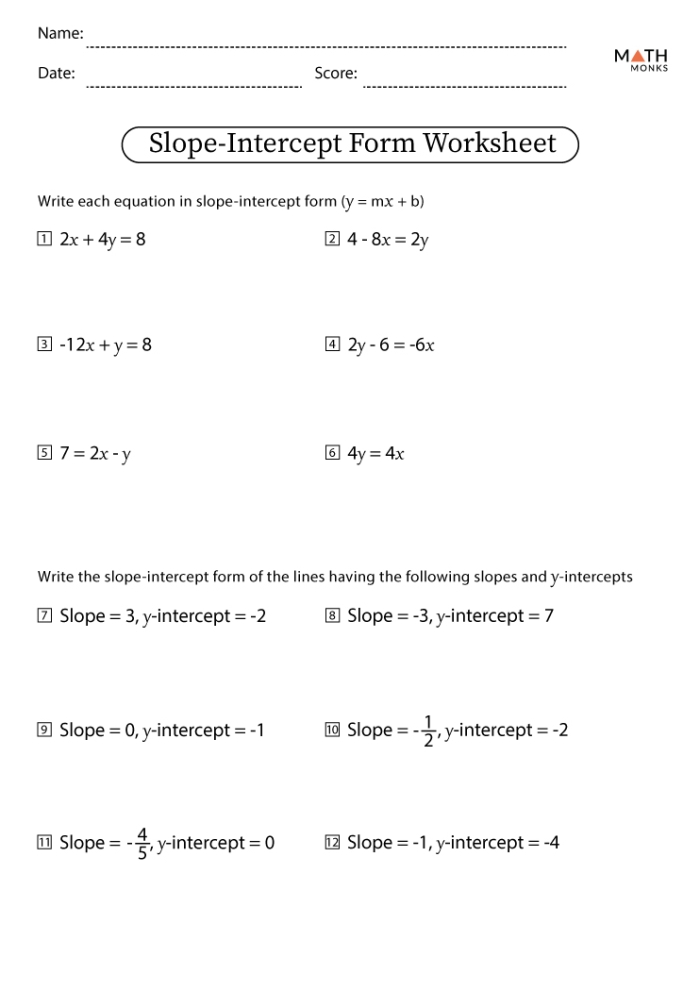
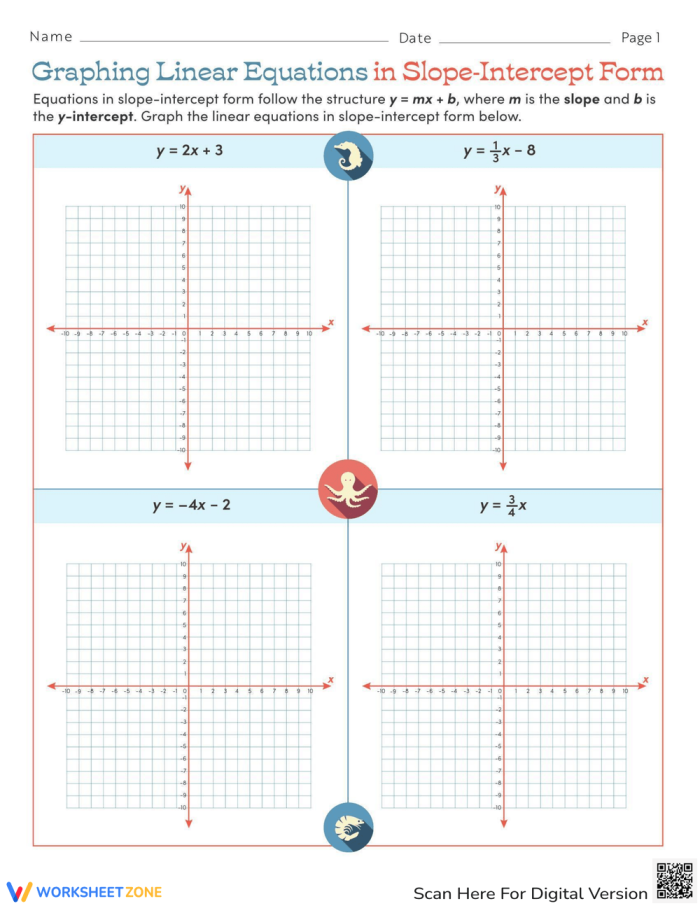
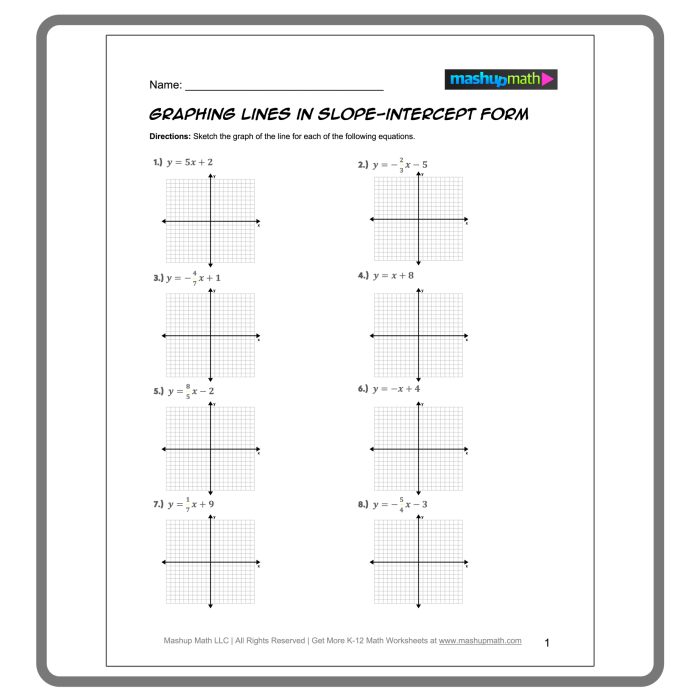
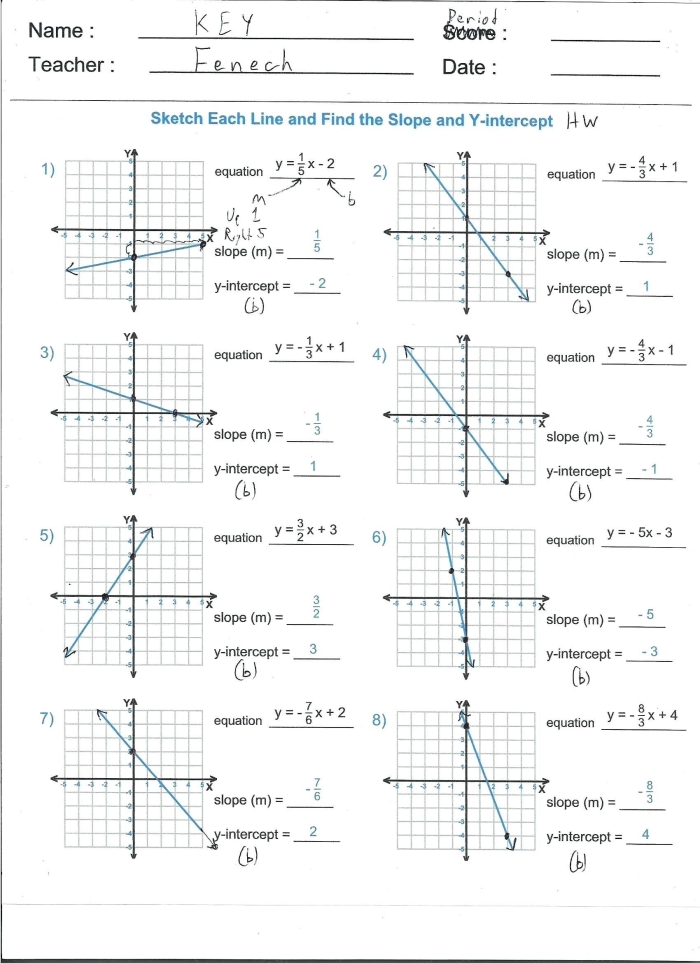
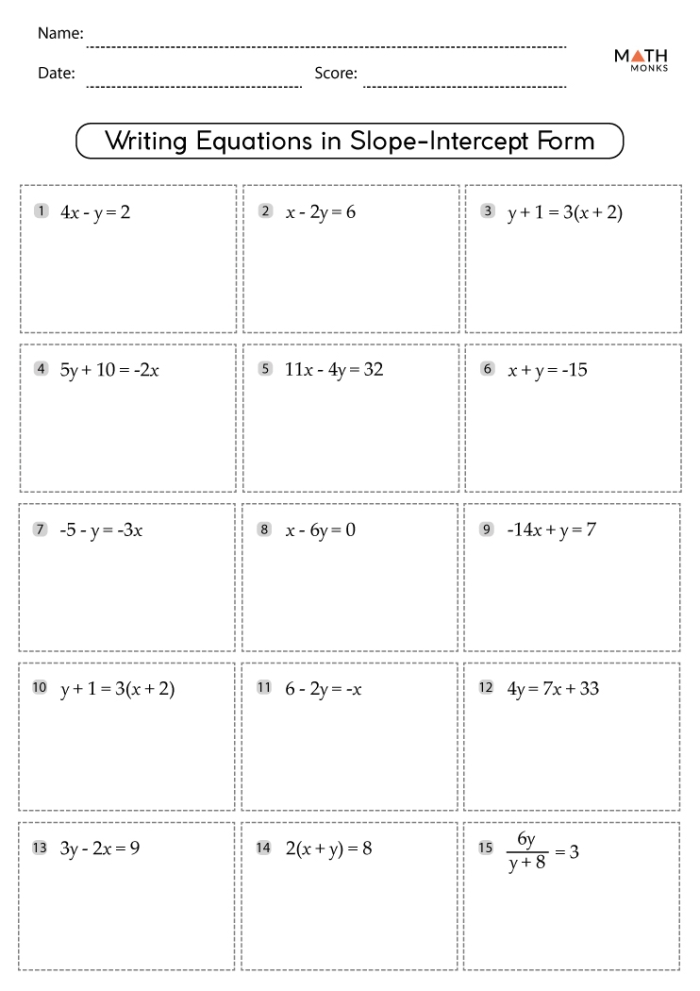
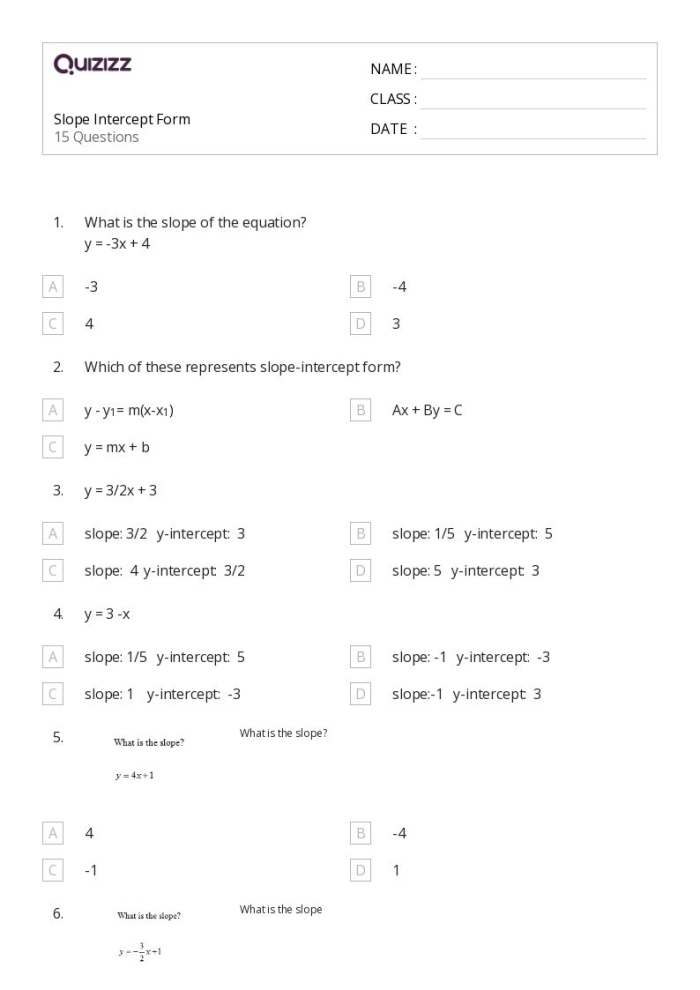
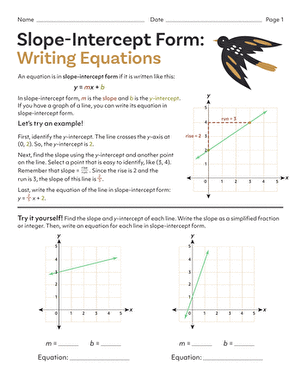
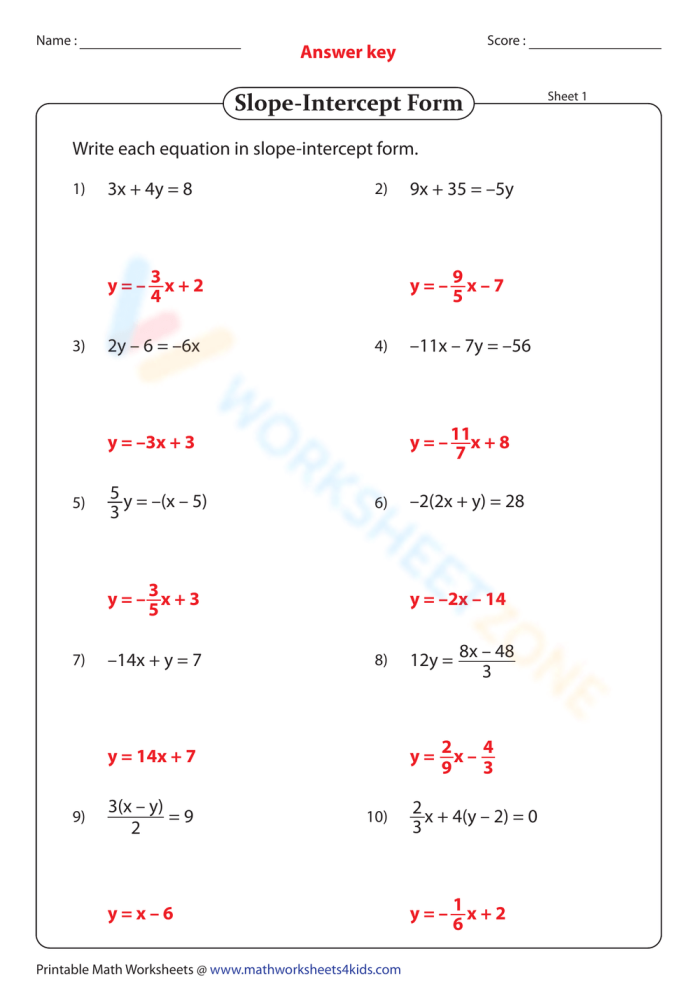
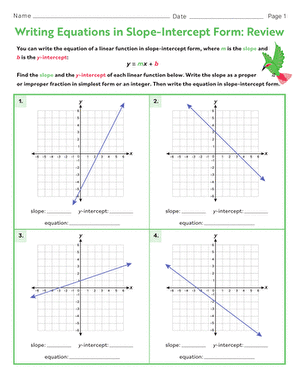
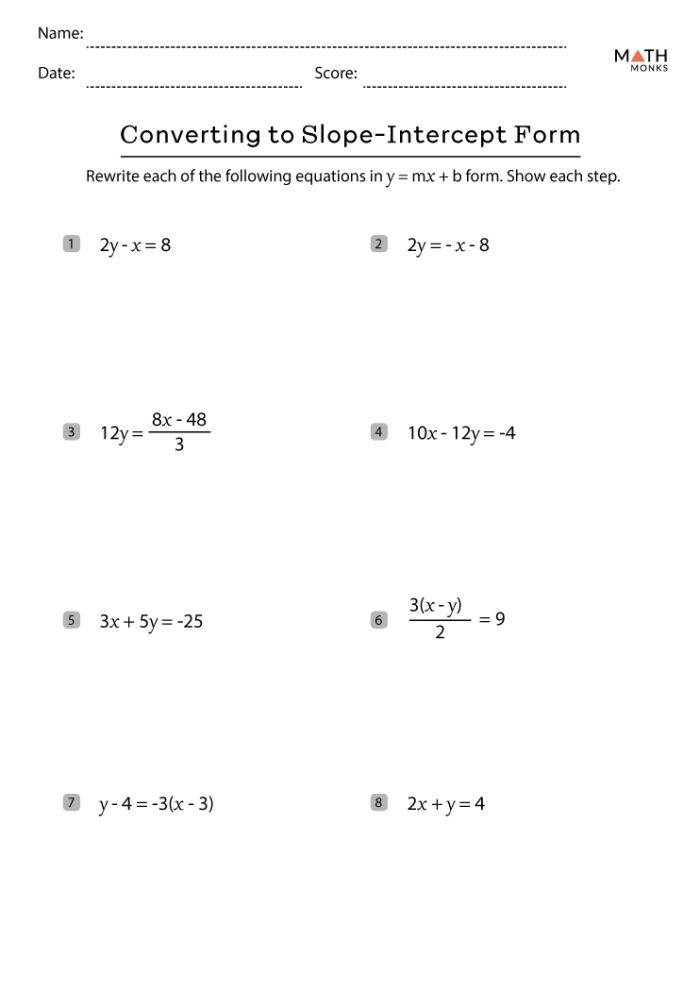
Eighth grade is when algebra suddenly clicks for some students and feels impossibly abstract for others. The turning point often comes down to understanding slope-intercept form, the equation y = mx + b that shows up everywhere in math. When students can extract this equation from a graph or table, they’ve unlocked a skill that makes sense of linear relationships in the real world.
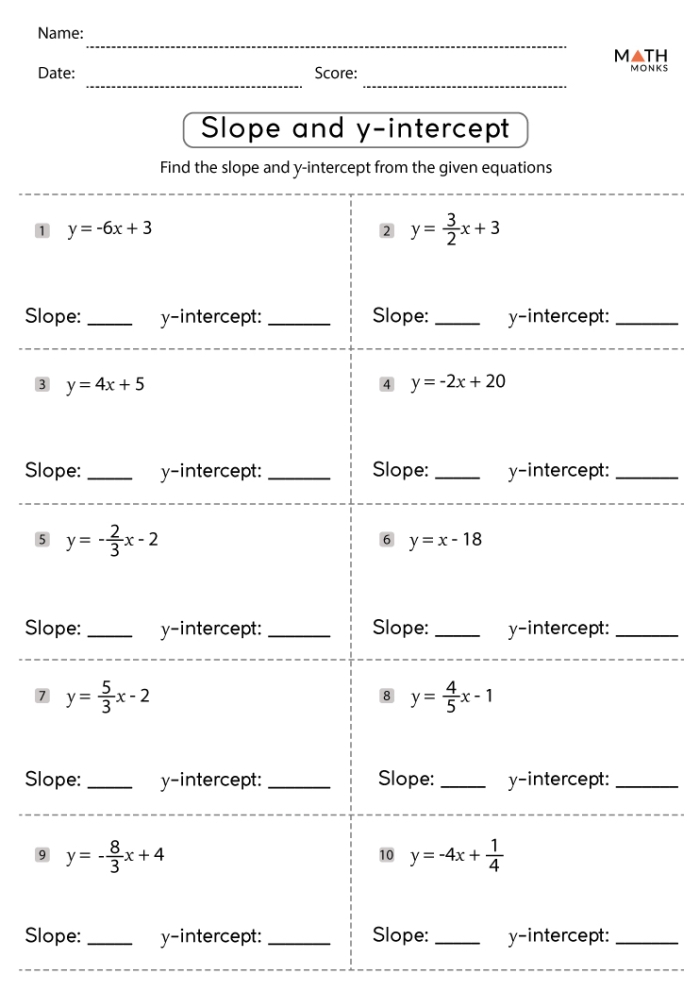
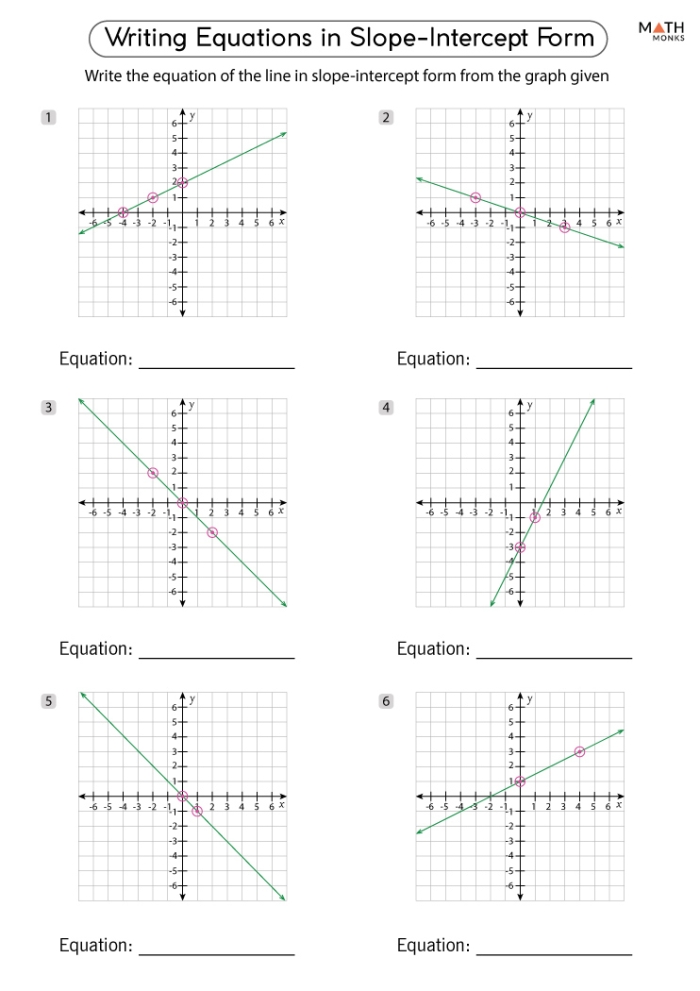
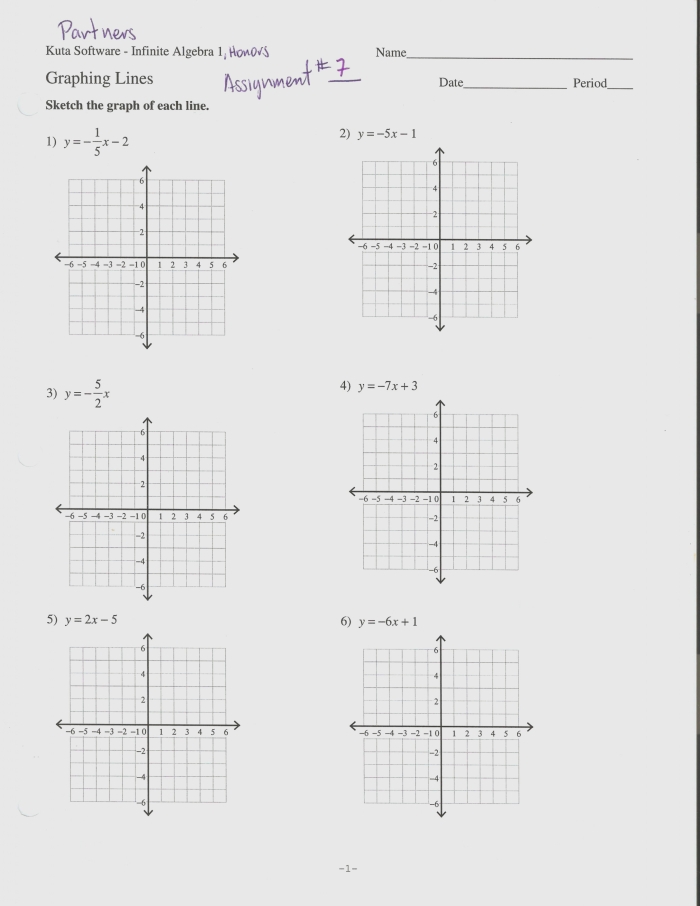
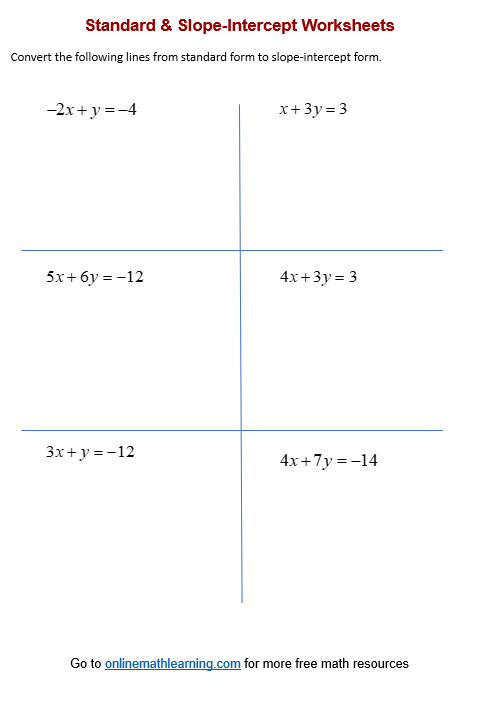
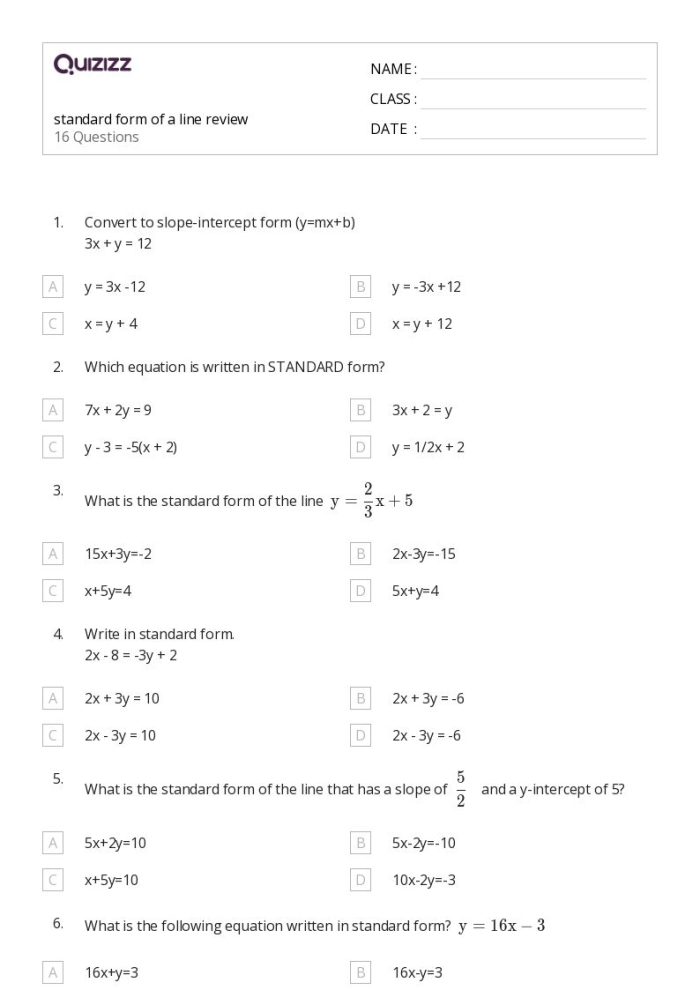
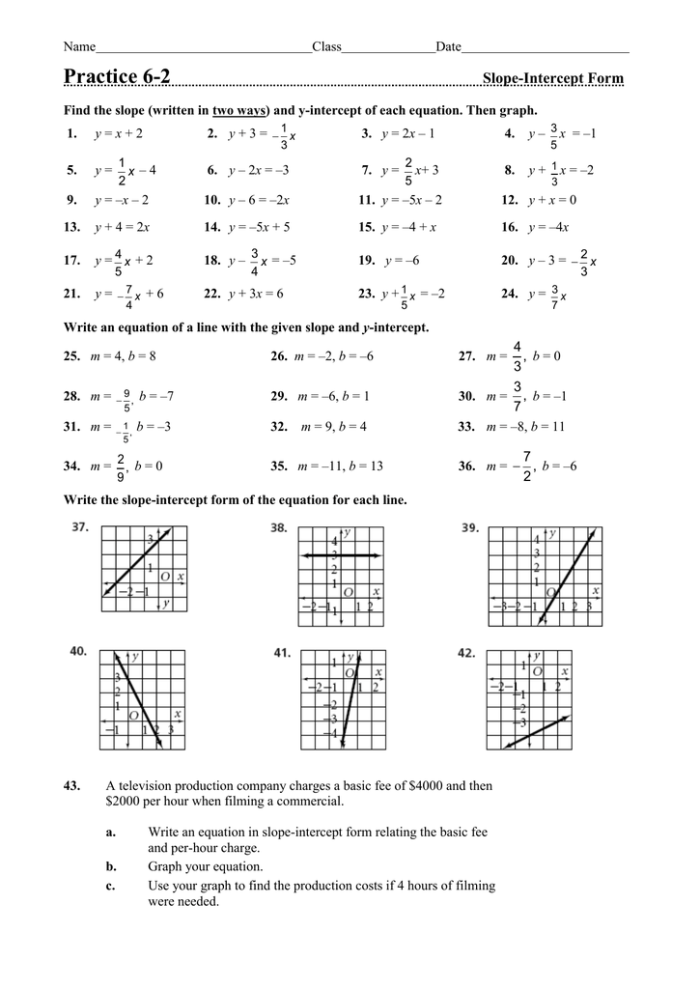
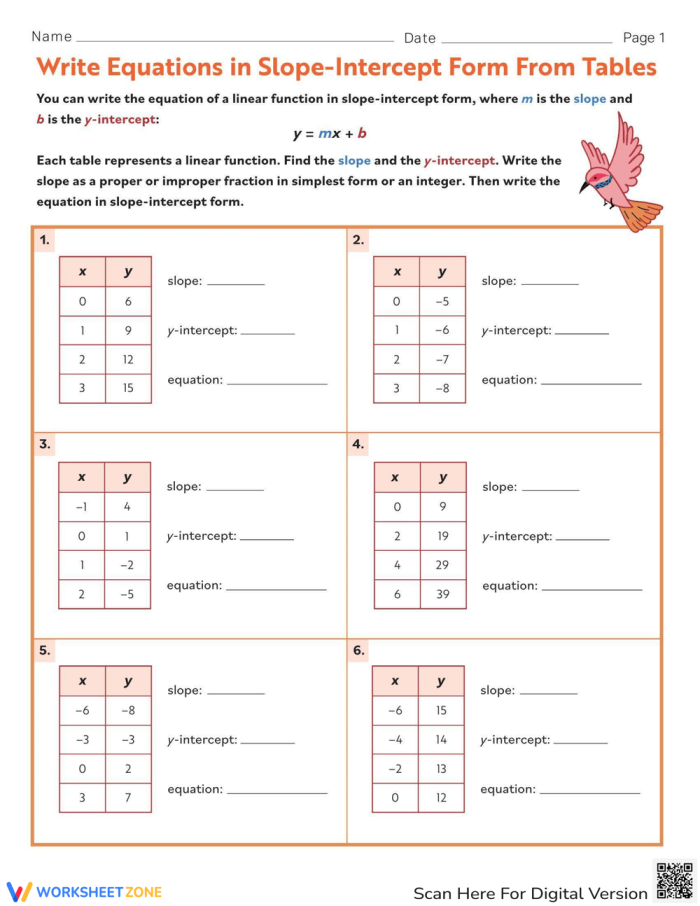
A solid review worksheet focuses on the practical work of identifying slope and y-intercept from visual data. From a graph, students locate where a line crosses the y-axis (that’s the b value) and then calculate how much the line rises or falls for each unit it moves right (that’s the m value). Tables require a different approach: students find the rate of change between consecutive points and trace back to find where the pattern would start at x = 0. This dual approach strengthens understanding because it forces students to think about the same concept from multiple angles.
The repetition built into a good review worksheet matters more than variety. When eighth graders work through five or six similar problems, their brains start recognizing the pattern without conscious effort. This automaticity becomes crucial later when slope-intercept form becomes a stepping stone to more complex topics like systems of equations or linear inequalities.
Pairing this type of practice with other learning tools helps too. A graphic organizer can help students structure their thinking, while building reading comprehension skills alongside math ensures students understand word problems that ask them to write equations. When students encounter reading passages with embedded data, they’re applying these same equation-writing skills in context.
The goal of review isn’t perfection on every problem. It’s building enough confidence that students can tackle new variations without freezing up. That’s what makes a focused worksheet valuable during eighth grade algebra.
Try These Printable Worksheets