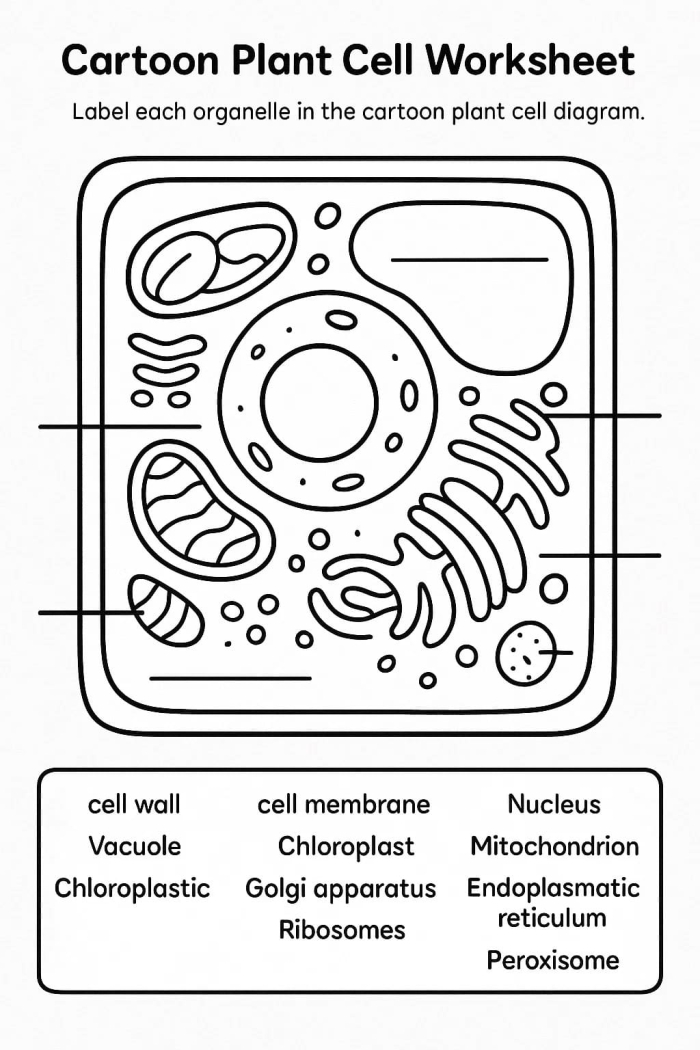
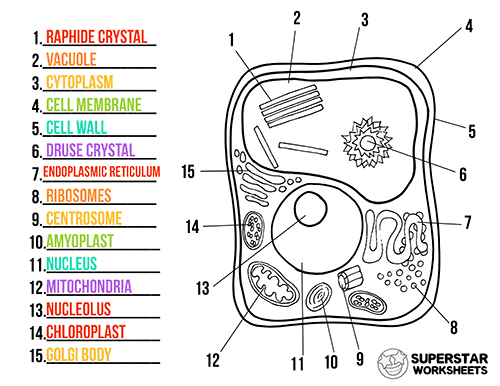
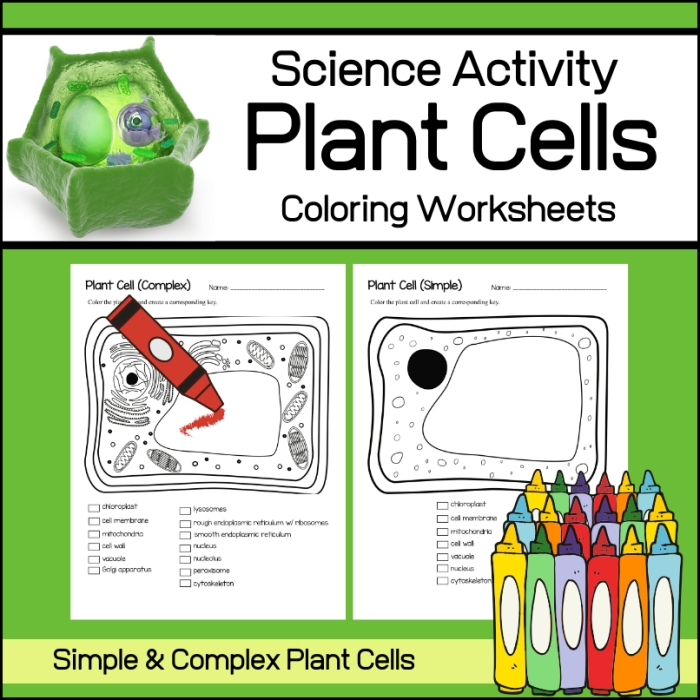
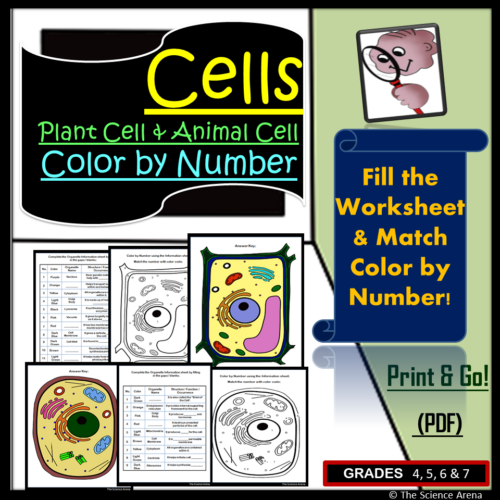
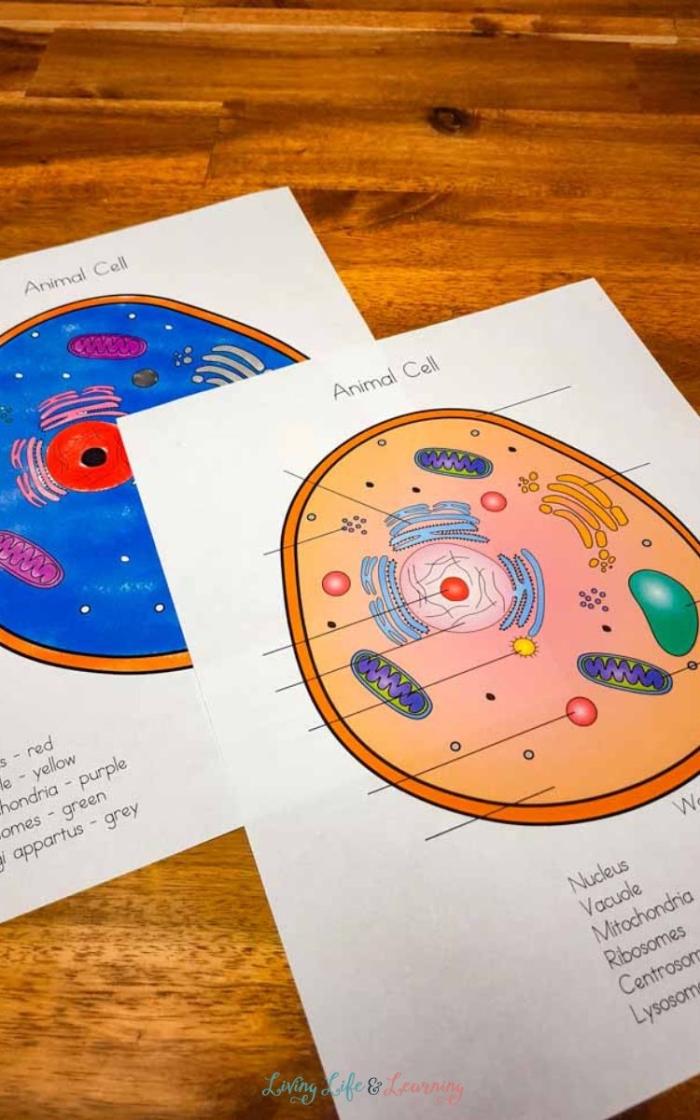
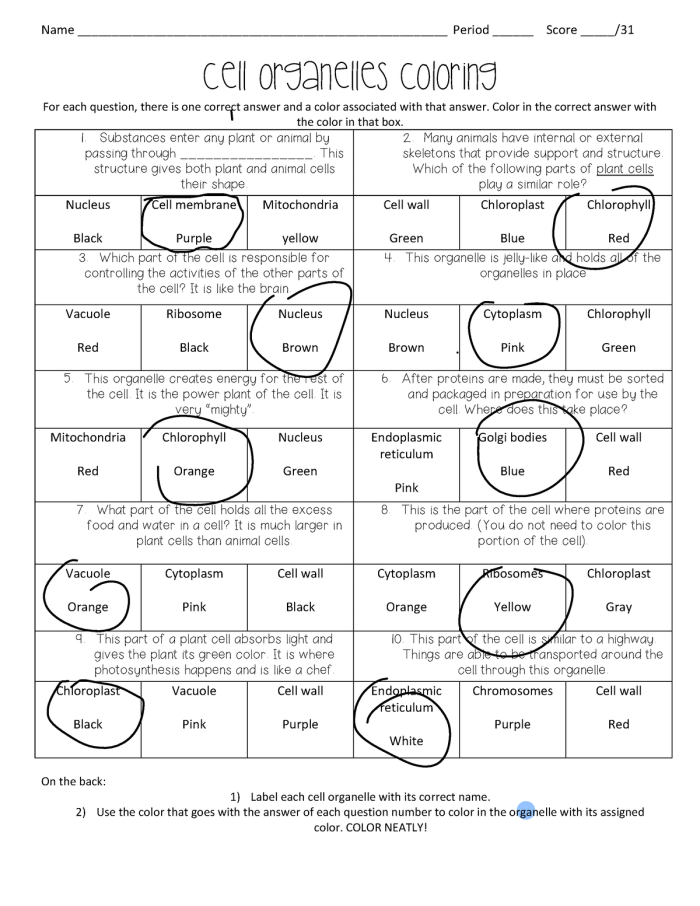
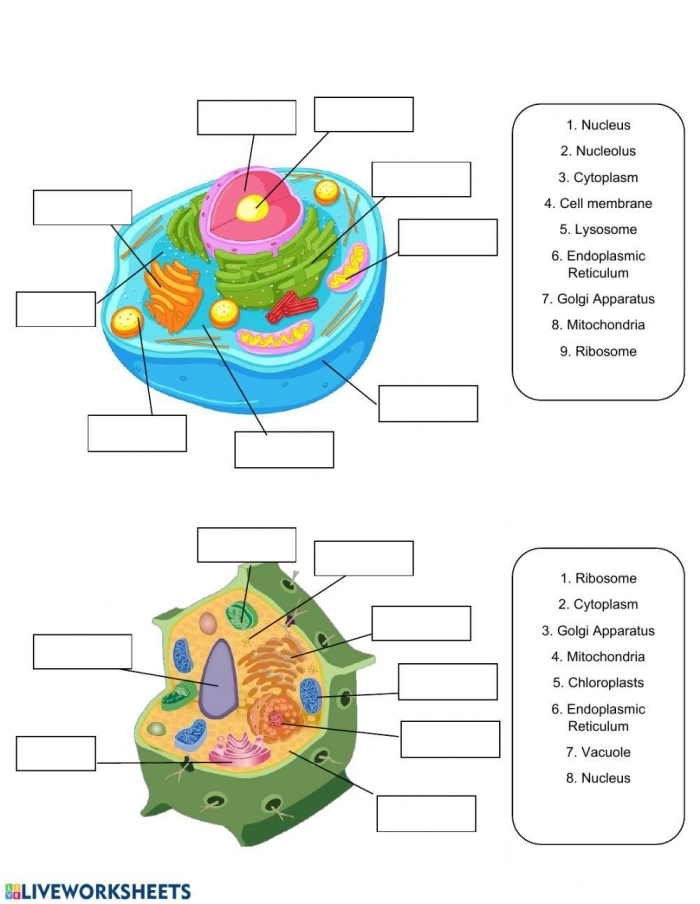
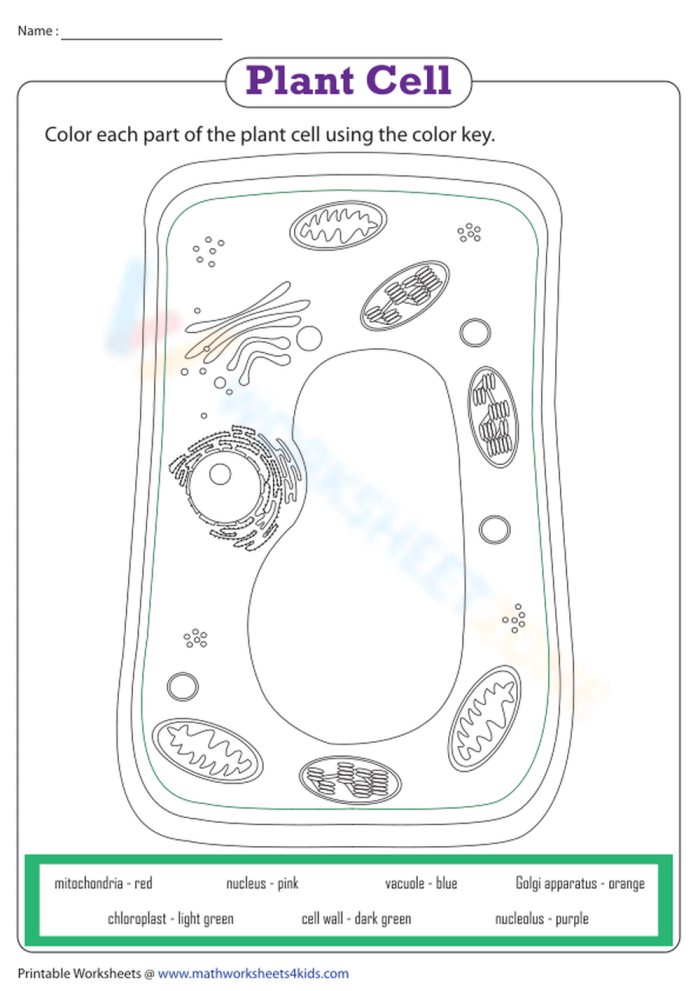
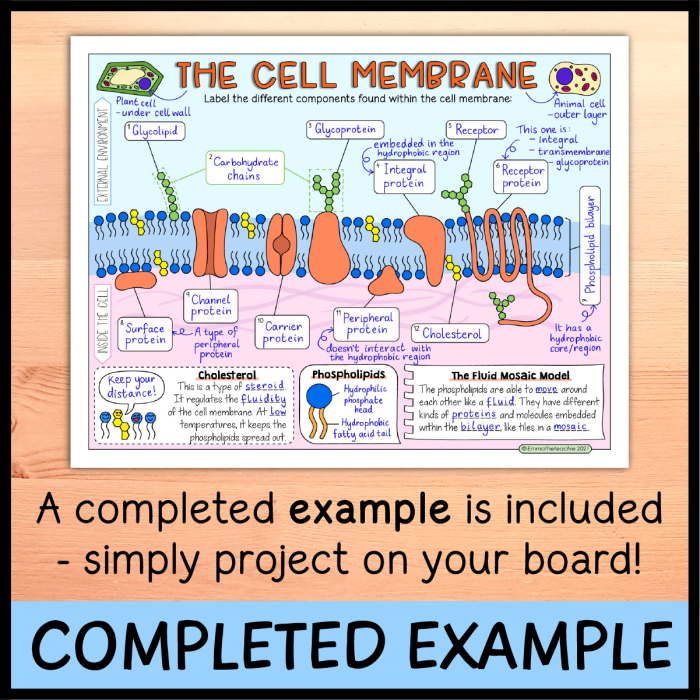
Understanding cells is a fundamental aspect of science education, especially for fifth graders who are beginning to explore the living world around them. A hands-on approach, such as using a diagram of a cell, can make this learning experience much more engaging and effective. When students label the parts of a cell by color, they not only enhance their grasp of cellular structures but also develop critical skills in observation and organization.
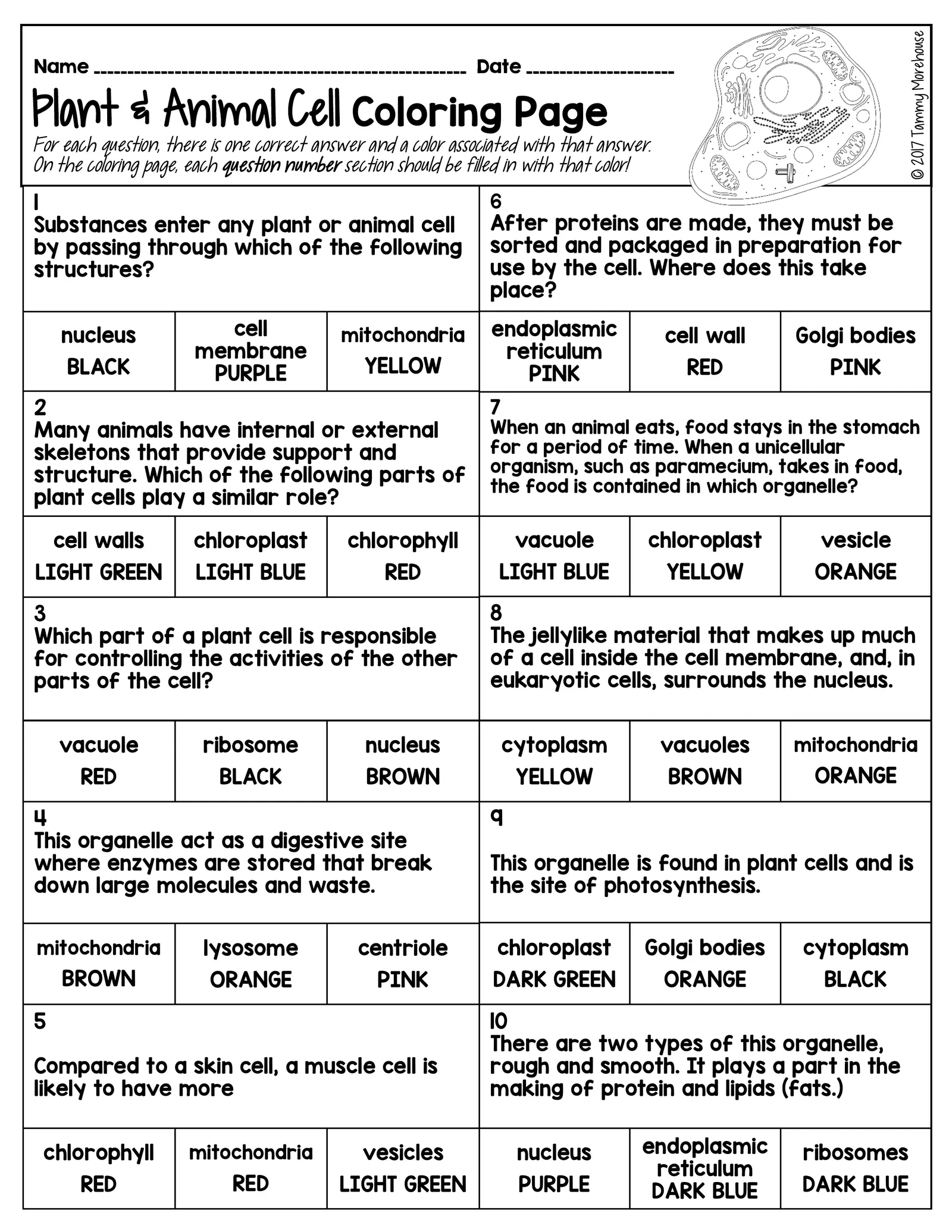
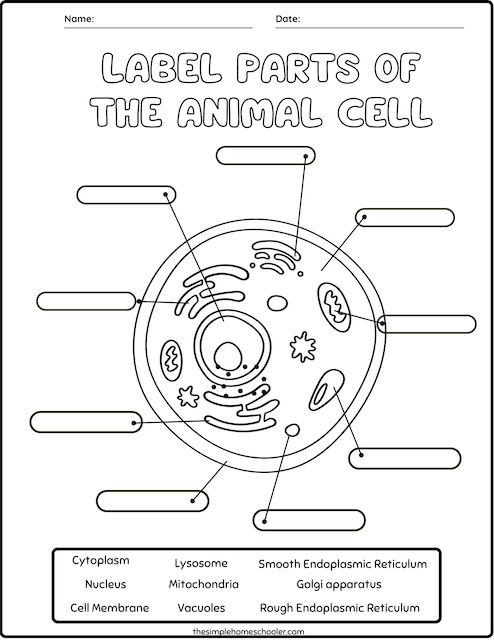
When fifth-grade learners approach a color by number activity involving a cell diagram, they are presented with an opportunity to visualize and identify various components such as the nucleus, mitochondria, and cell membrane. Following the instructions to color each part according to a specific code encourages them to pay attention to detail. This method reinforces their memory and understanding of each component’s function within the cell. For instance, coloring the nucleus blue might help students remember that it serves as the control center for the cell, housing its genetic material.
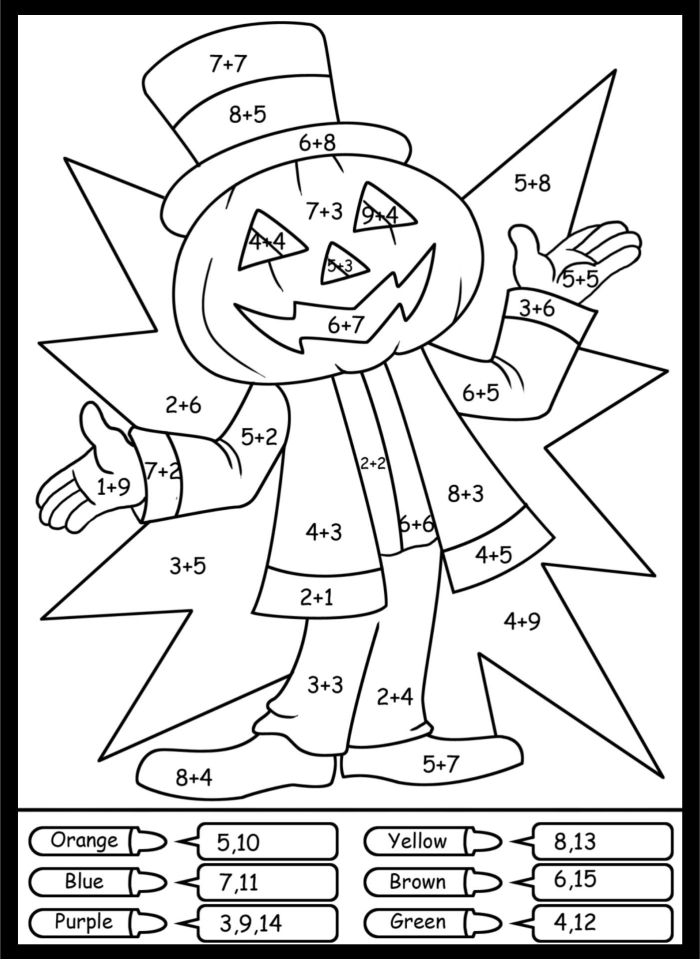
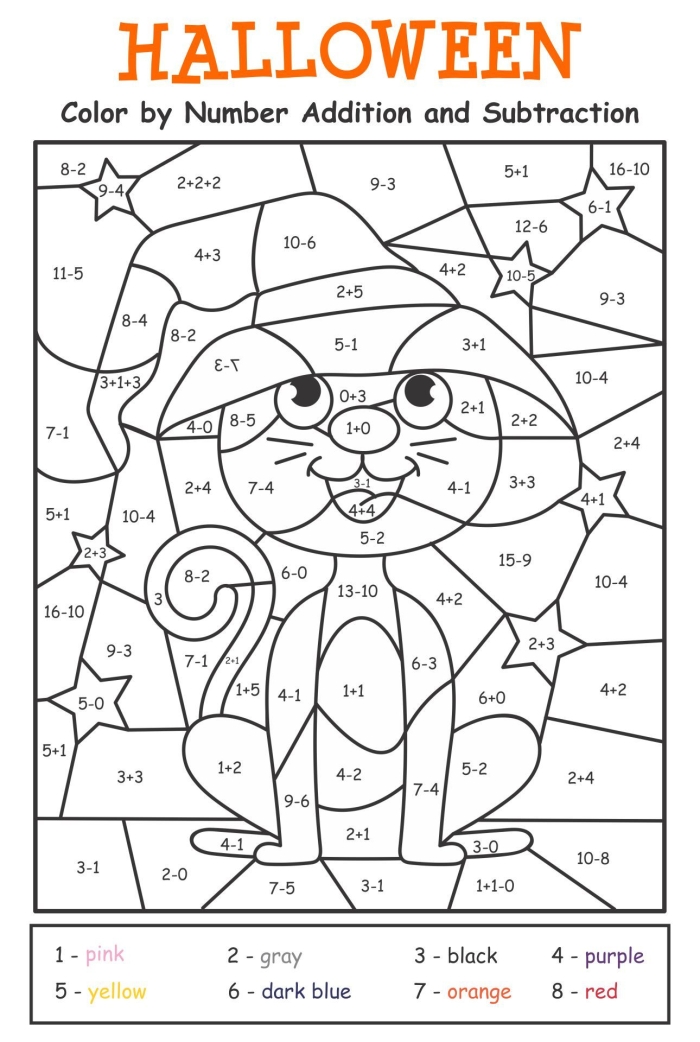
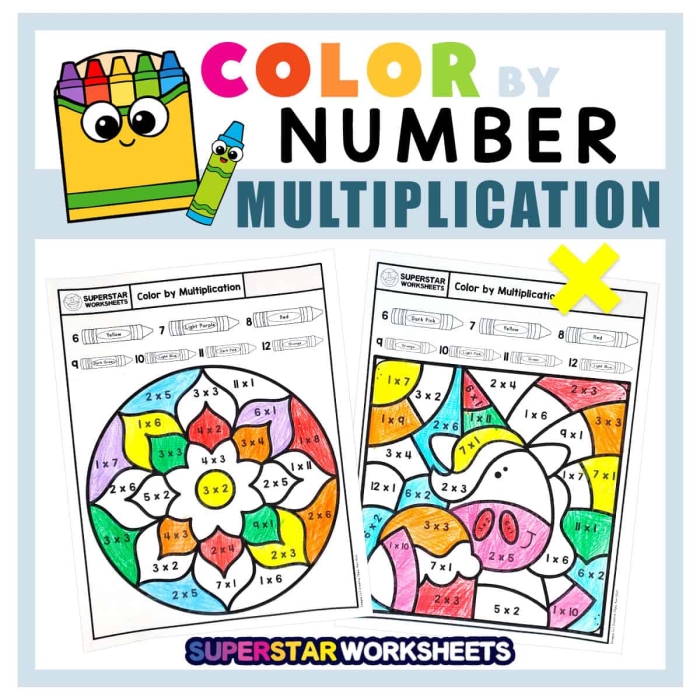
Moreover, this type of activity can seamlessly integrate with lessons on subtraction, a key topic in fifth-grade math. For example, while coloring, students could subtract the number of colored sections from the total parts of the cell, reinforcing their math skills in a practical context. These connections between subjects can deepen understanding and retention.
Teachers looking to implement this engaging method can find a variety of printable worksheets that cater to both science and math standards. By using resources that combine learning objectives, educators can enhance the educational experience for their students. Activities like labeling a cell diagram not only make learning fun but also equip students with essential skills they will carry forward in their academic journey.
Printable Worksheets for Practice