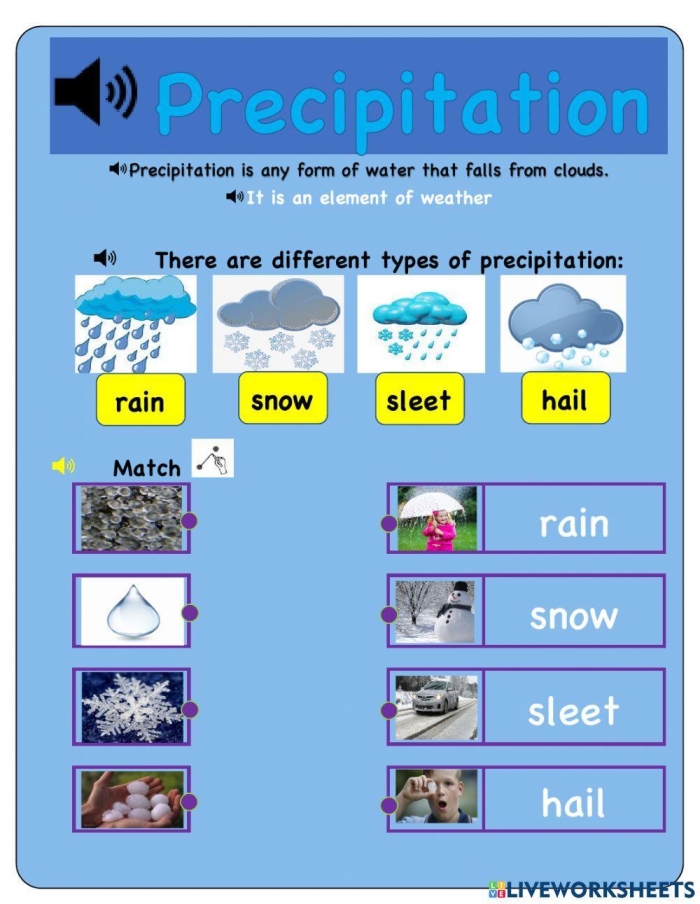
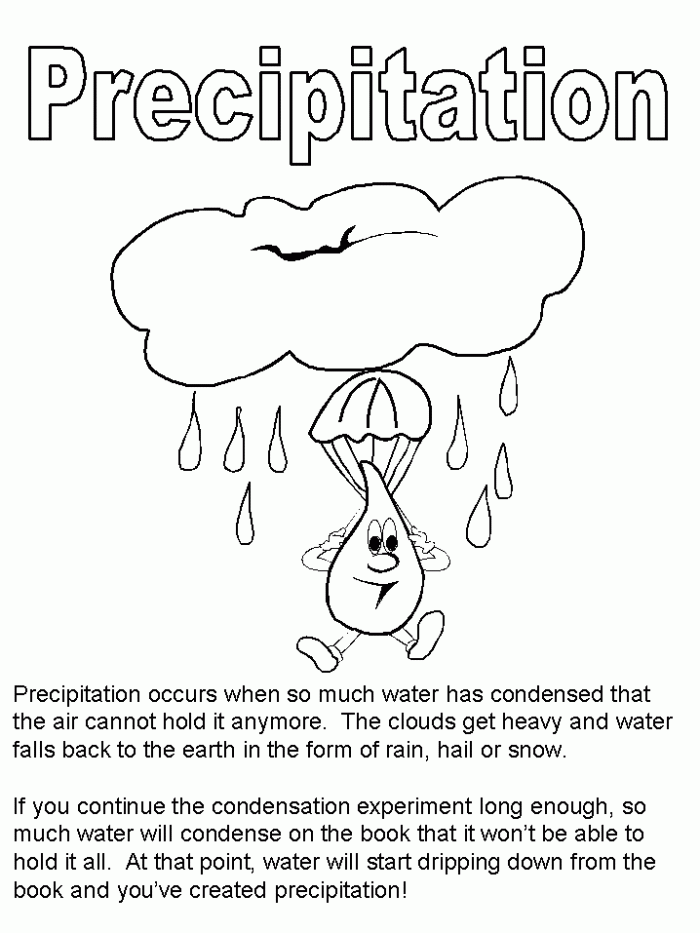
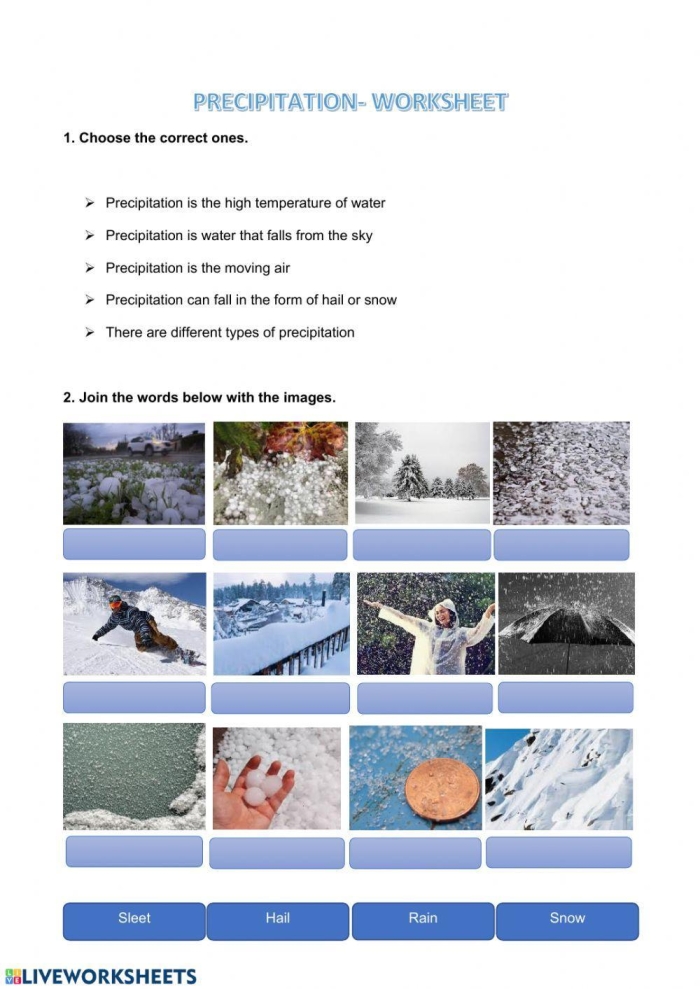
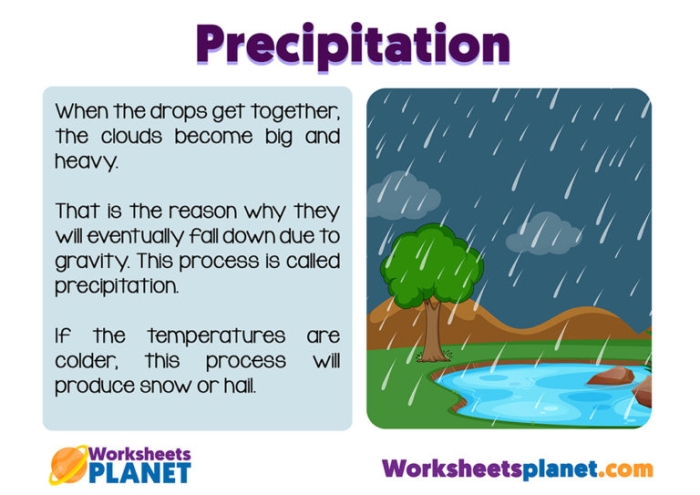
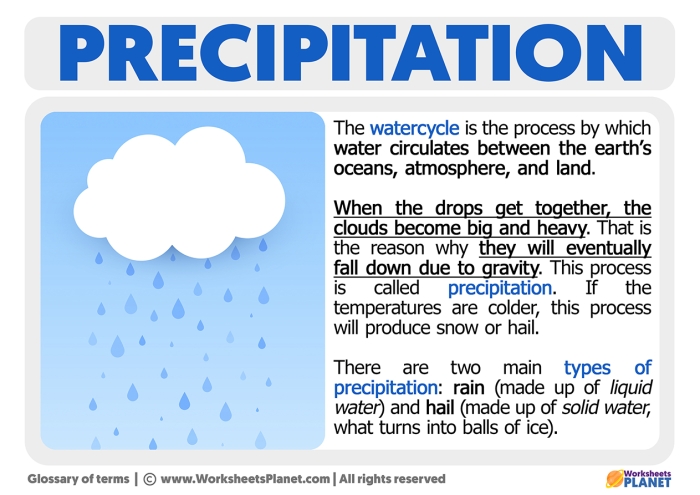
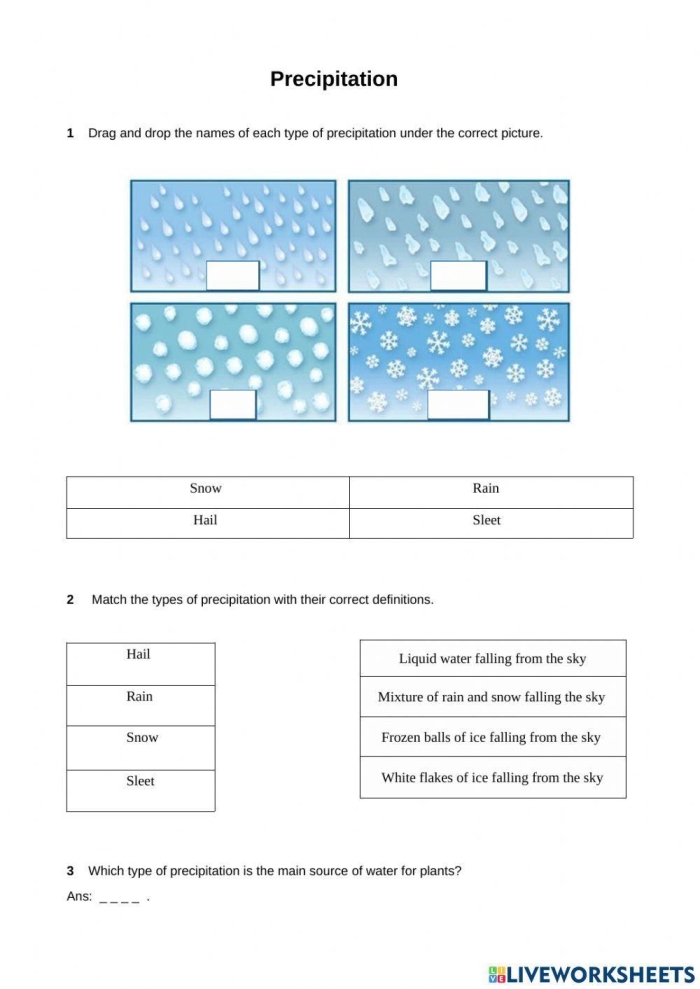
The water cycle is a fascinating process that constantly refreshes our planet. At the heart of this cycle is precipitation, which begins when clouds gather moisture from the atmosphere. This moisture condenses into droplets, eventually becoming heavy enough to fall back to Earth as rain, snow, sleet, or hail. Understanding this fundamental process is crucial for third graders, as it lays the groundwork for more advanced concepts in science.
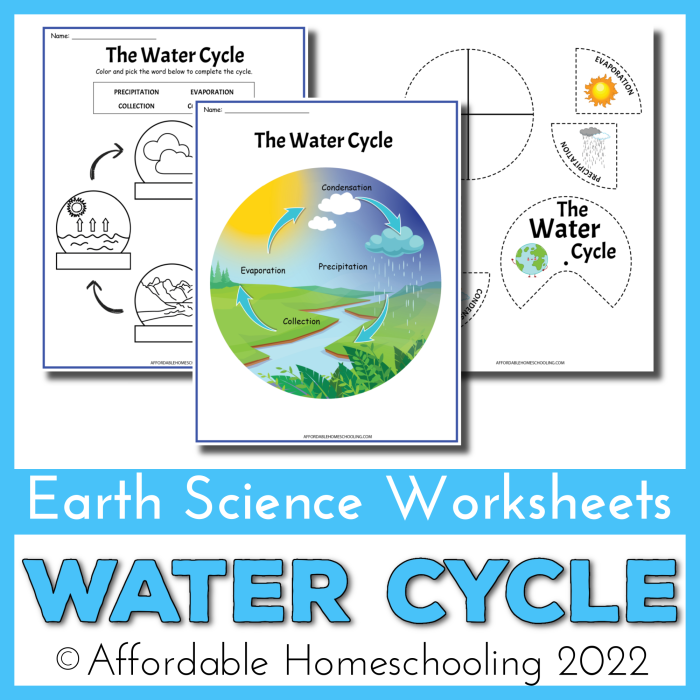
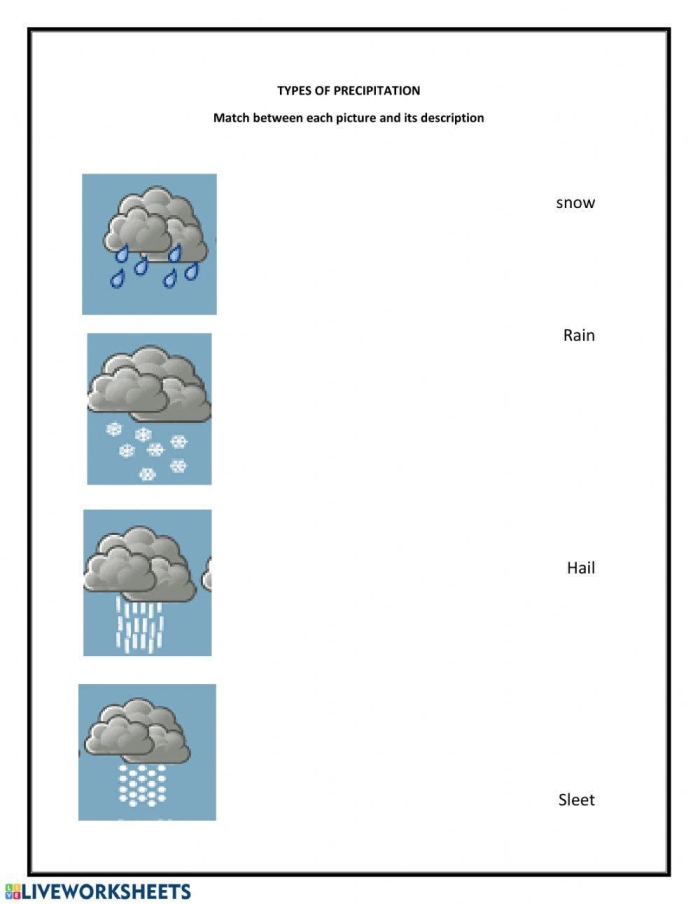
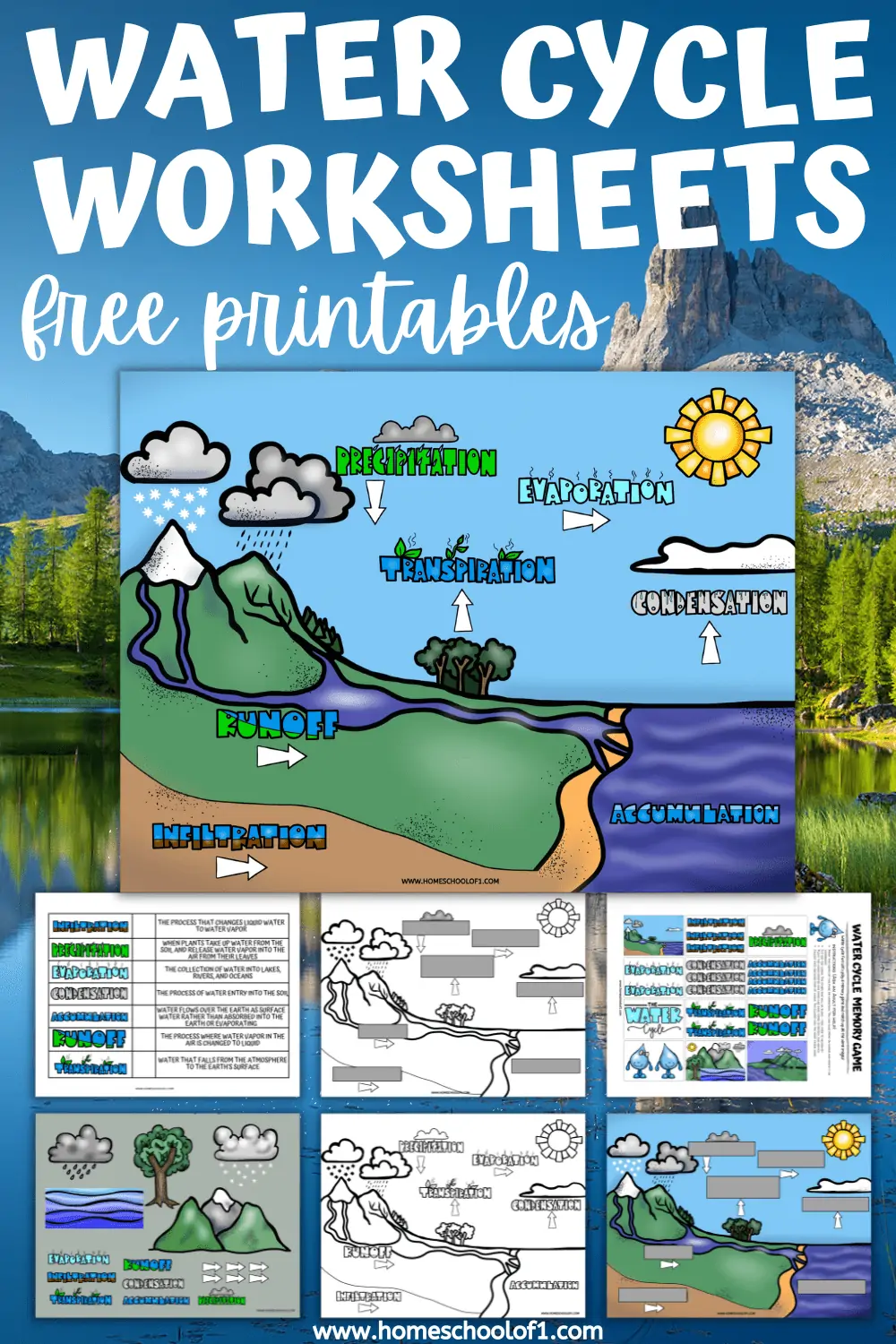
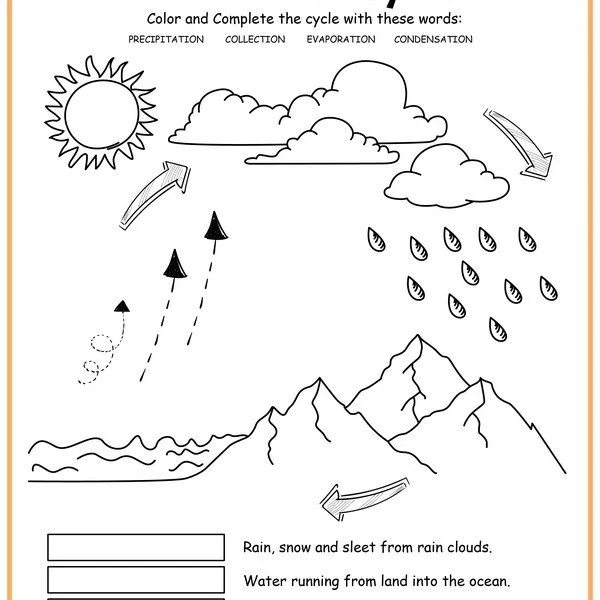
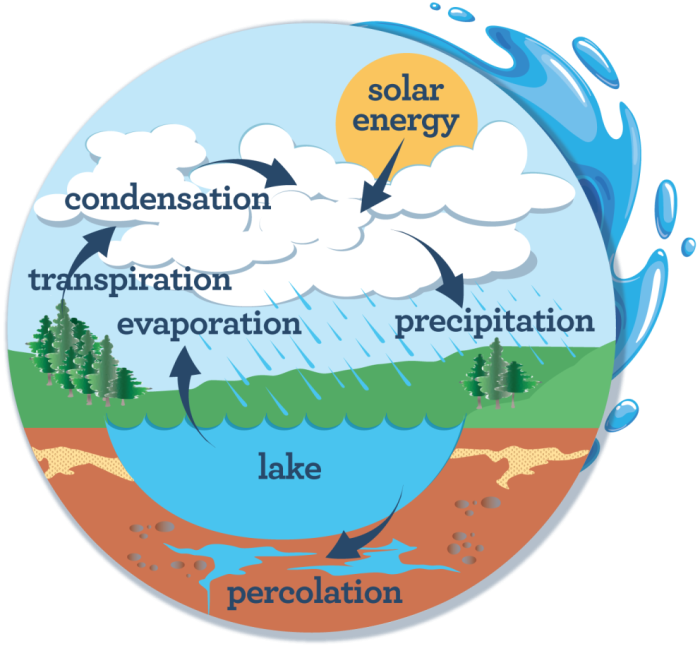
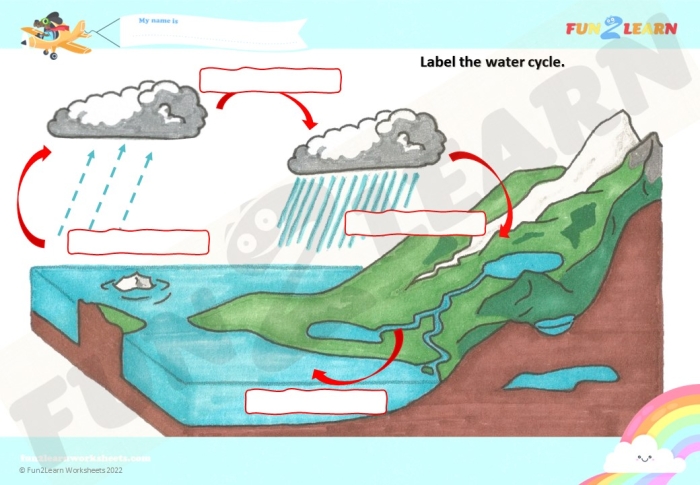
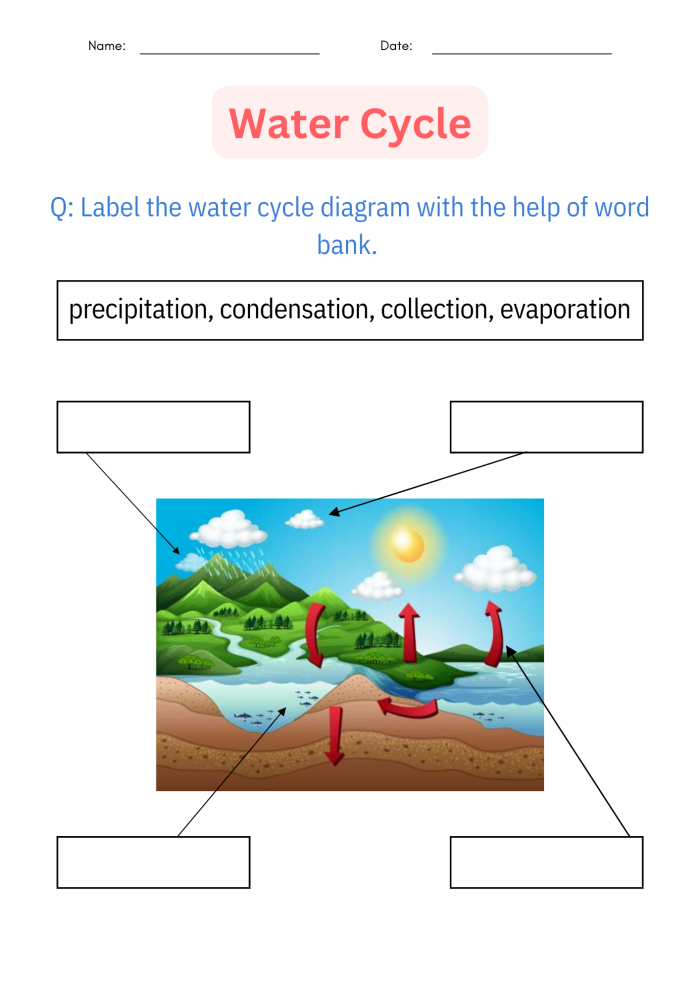
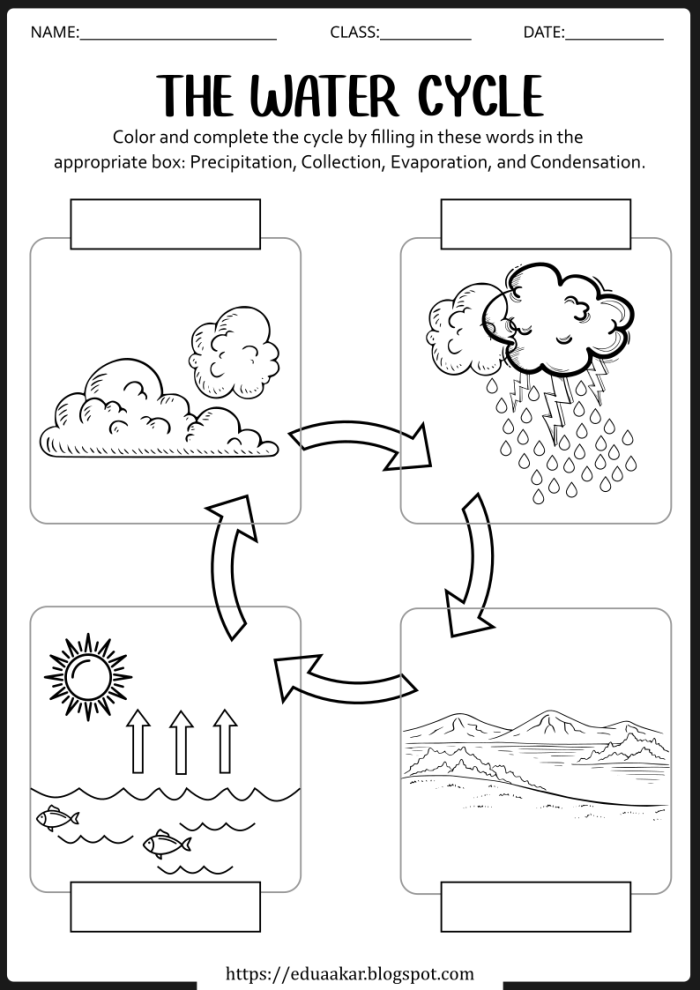
Imagine a colorful image depicting the water cycle. It might show clouds filled with water vapor, a sun shining down, and rivers or lakes below. This visual representation can help students match parts of the cycle with what they see in nature. For instance, when they notice rain falling, they can connect it back to the clouds in the image. This kind of matching activity can reinforce their understanding of how precipitation fits into the larger water cycle.
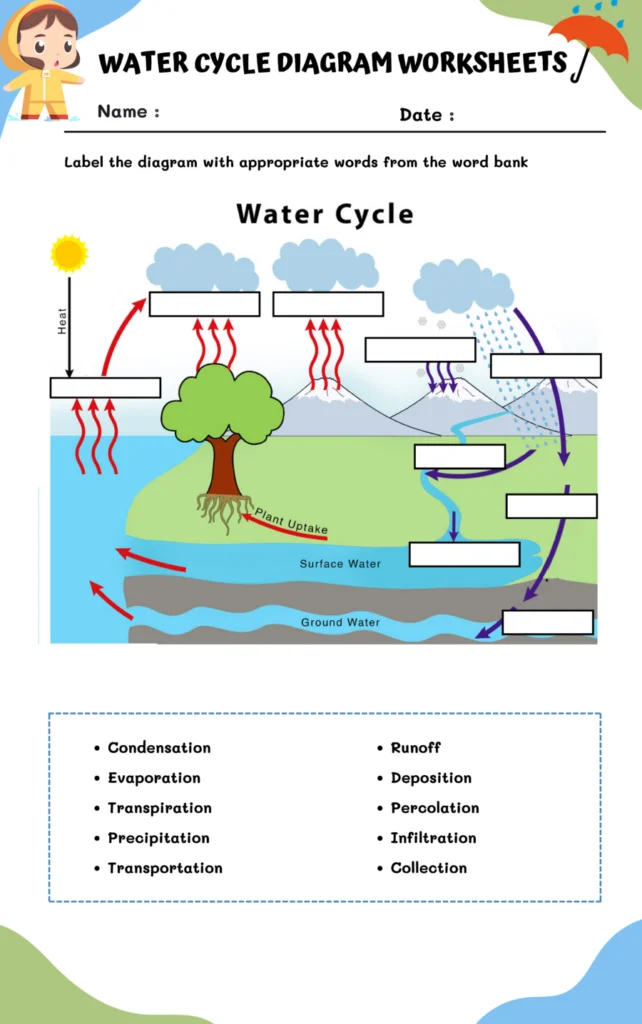
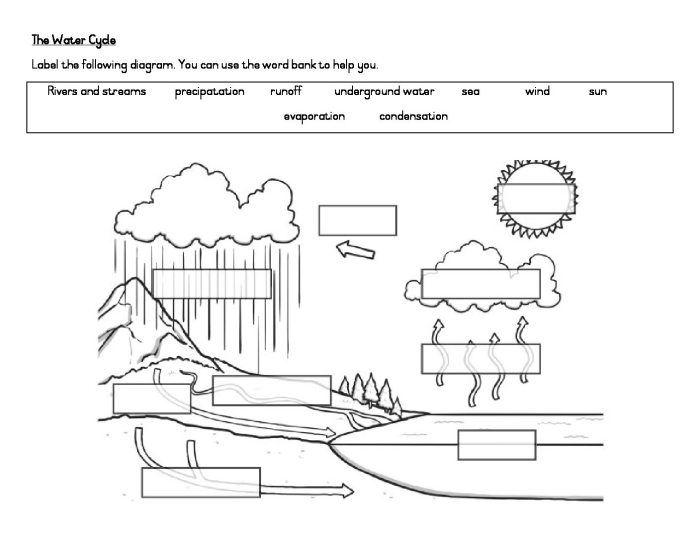
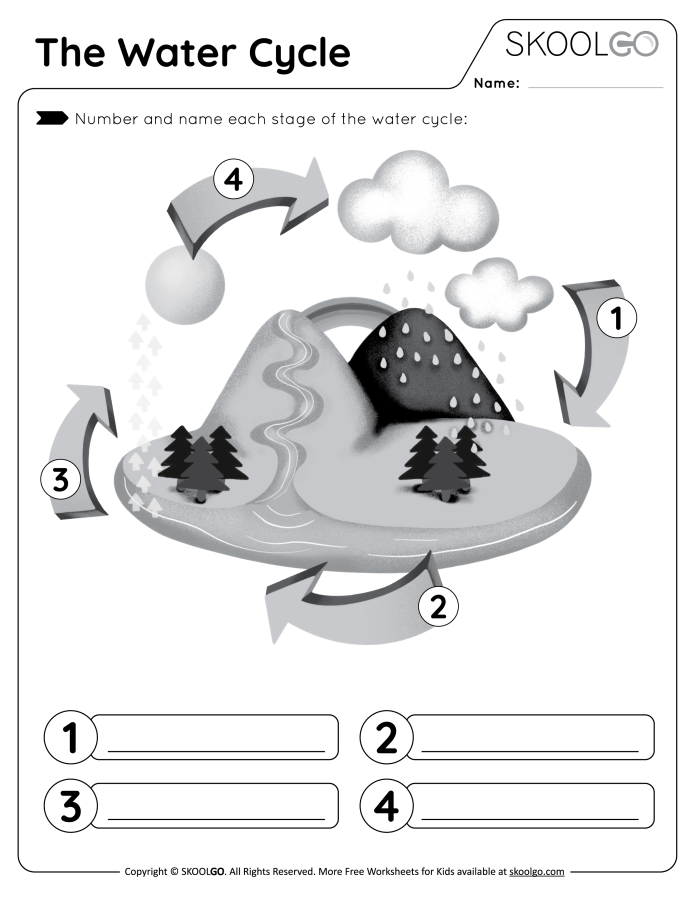
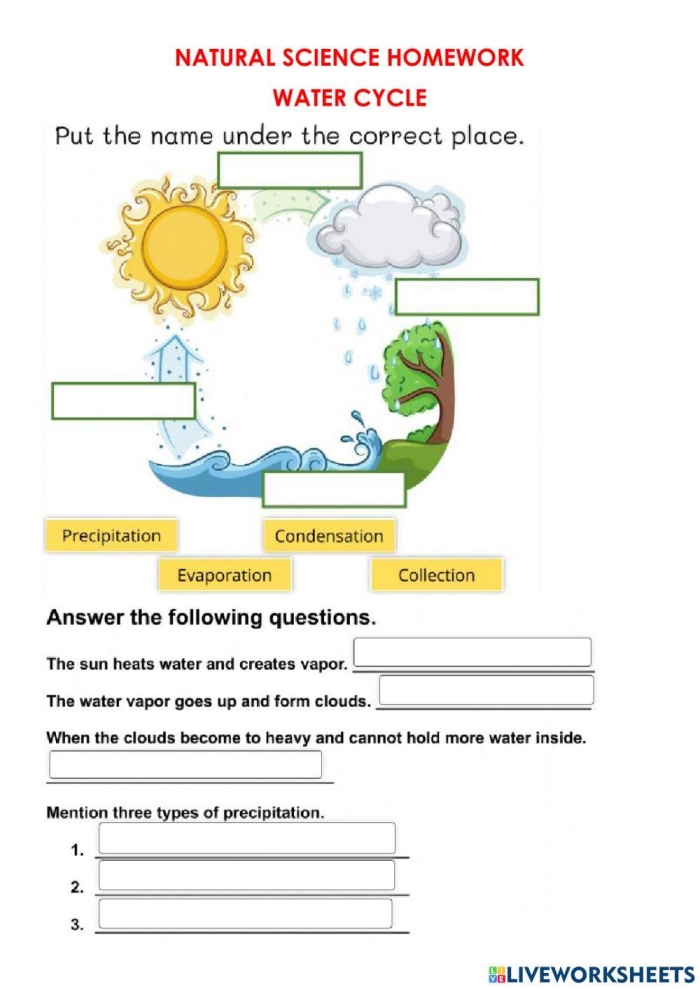
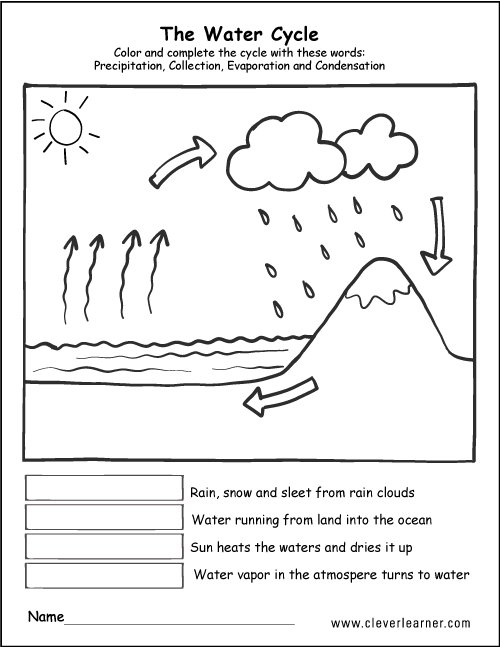
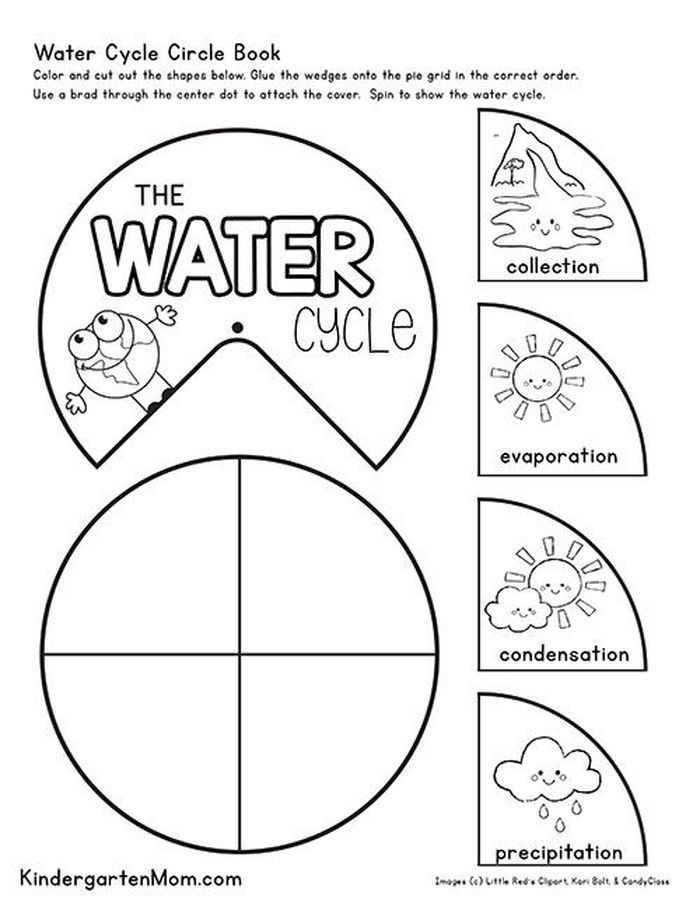
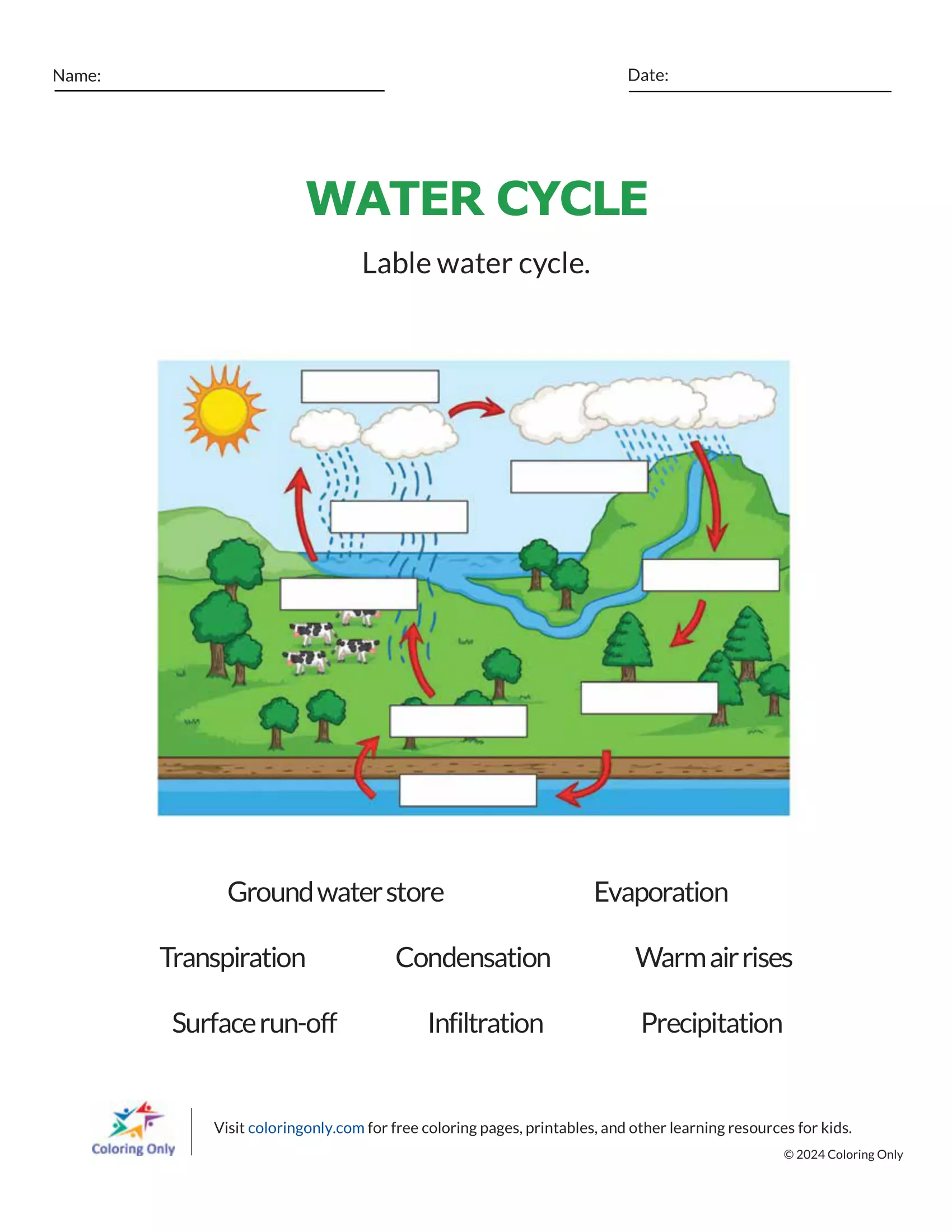
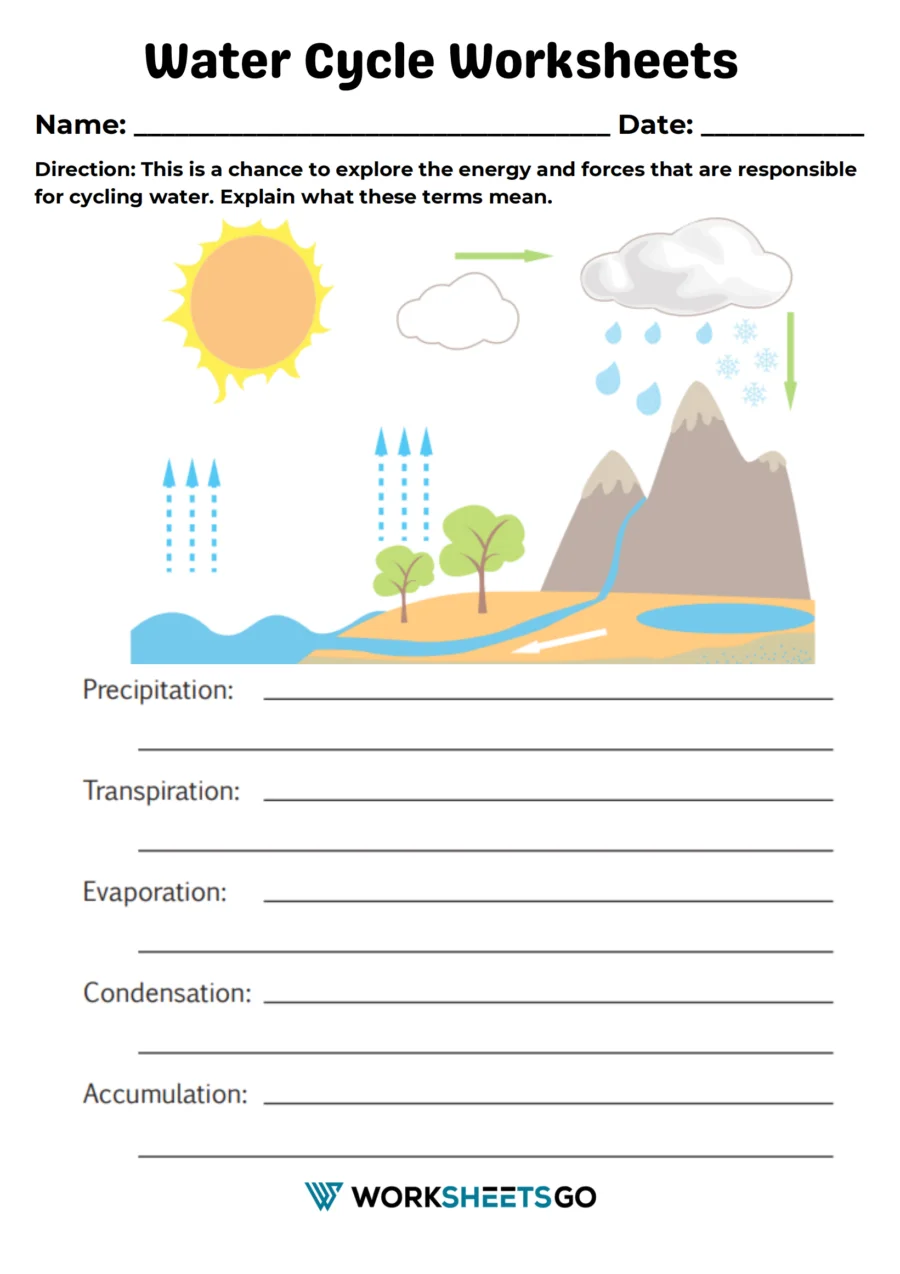
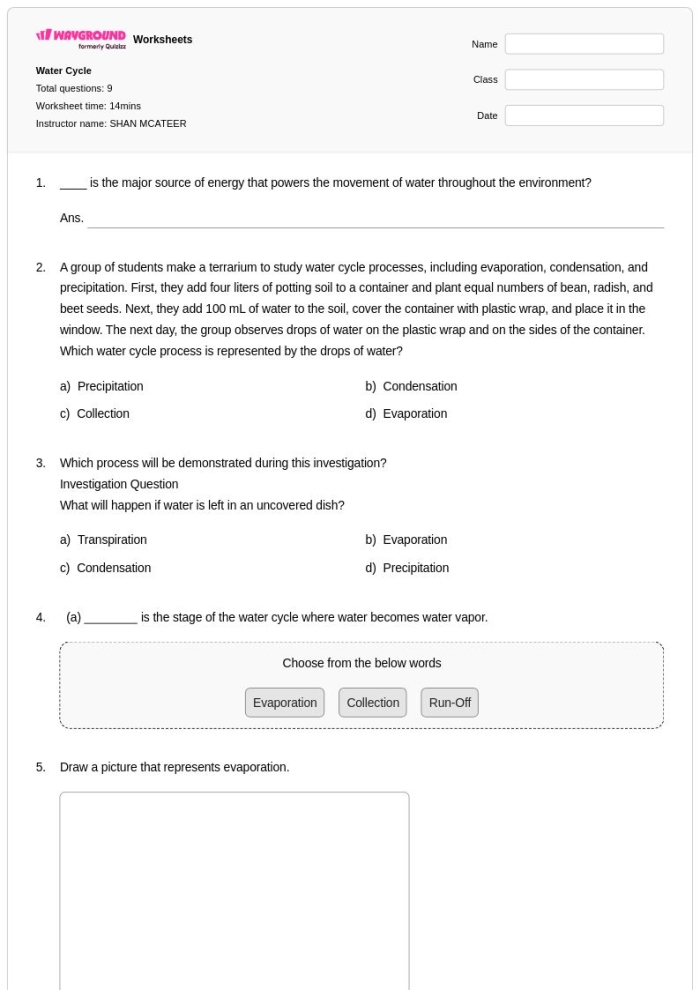
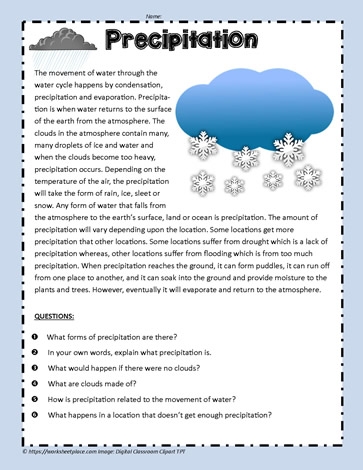
To enhance learning, students can engage with printable worksheets that focus on the water cycle. These worksheets often include fun exercises, such as labeling different stages of the cycle or solving problems that involve water cycle concepts. This hands-on approach not only solidifies their grasp of the material but also makes learning enjoyable.
Another important aspect of the water cycle is its role in supporting life. Precipitation is not just a meteorological phenomenon; it nourishes plants, fills rivers, and replenishes groundwater. This cycle is essential for maintaining ecosystems, making it vital for students to understand its significance in the world around them.
Incorporating activities that illustrate the water cycle, such as creating their own diagrams or participating in discussions about weather patterns, can greatly benefit third graders. By linking these lessons to real-world examples, students can appreciate the importance of precipitation and the water cycle as a whole.
Worksheet Practice Section