Understanding the different sounds of the -ed ending is crucial for third graders as they navigate the complexities of past tense verbs. This particular ending can be pronounced in three distinct ways: /t/, /d/, or /əd/. Engaging students in this exploration not only enhances their phonetic skills but also deepens their understanding of verb conjugation.
Start by introducing the three sounds with simple examples. For the /t/ sound, words like “walked” and “jumped” serve as clear illustrations. The /d/ sound can be heard in “played” and “called.” Finally, the /əd/ sound appears in words such as “wanted” and “needed.” By providing a variety of examples, you help students recognize patterns in pronunciation, which is essential for reading fluency.
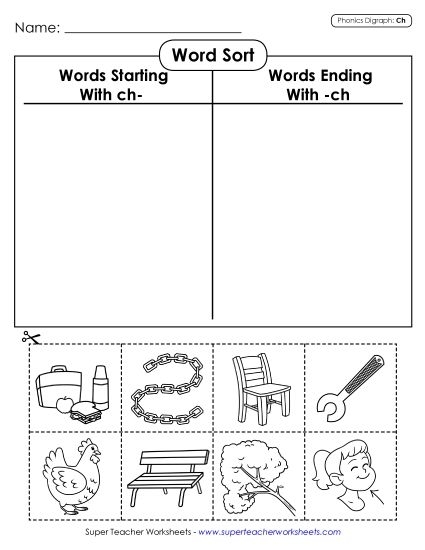
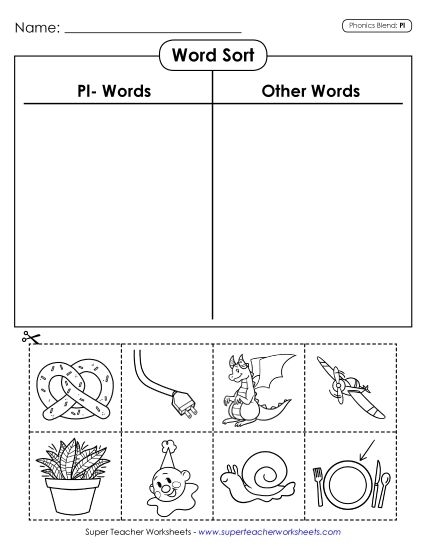
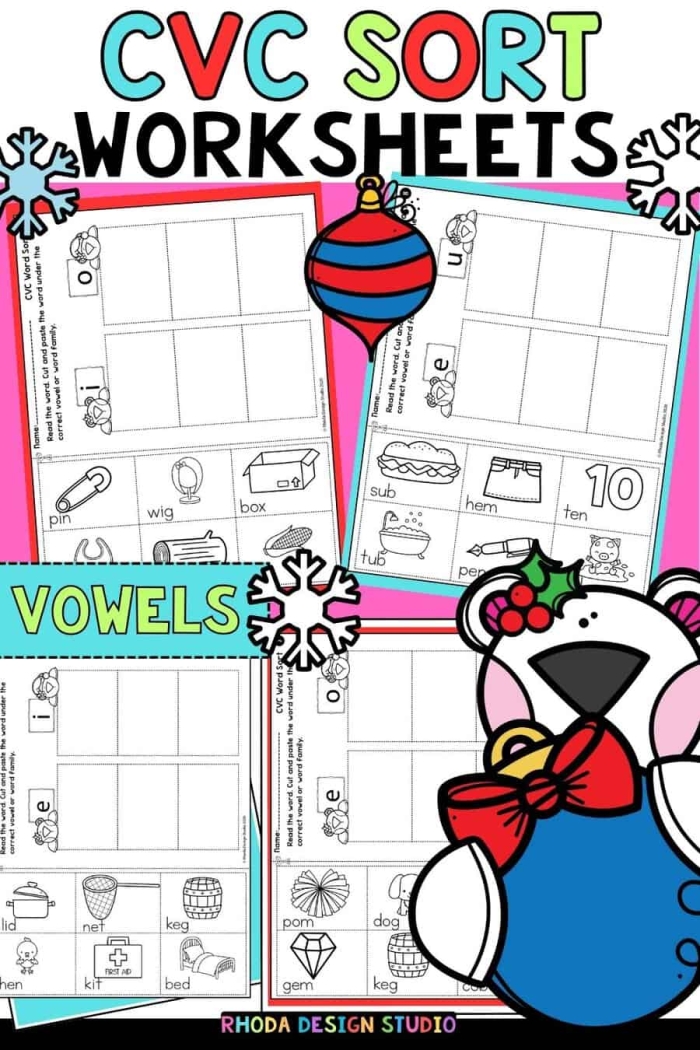
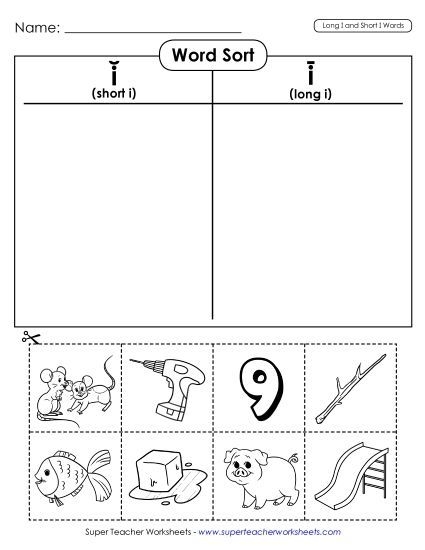
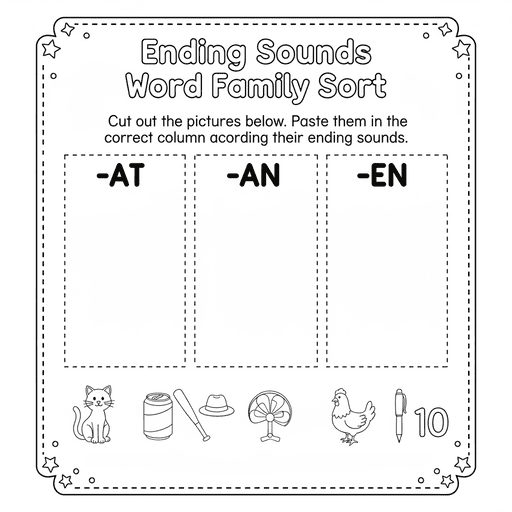
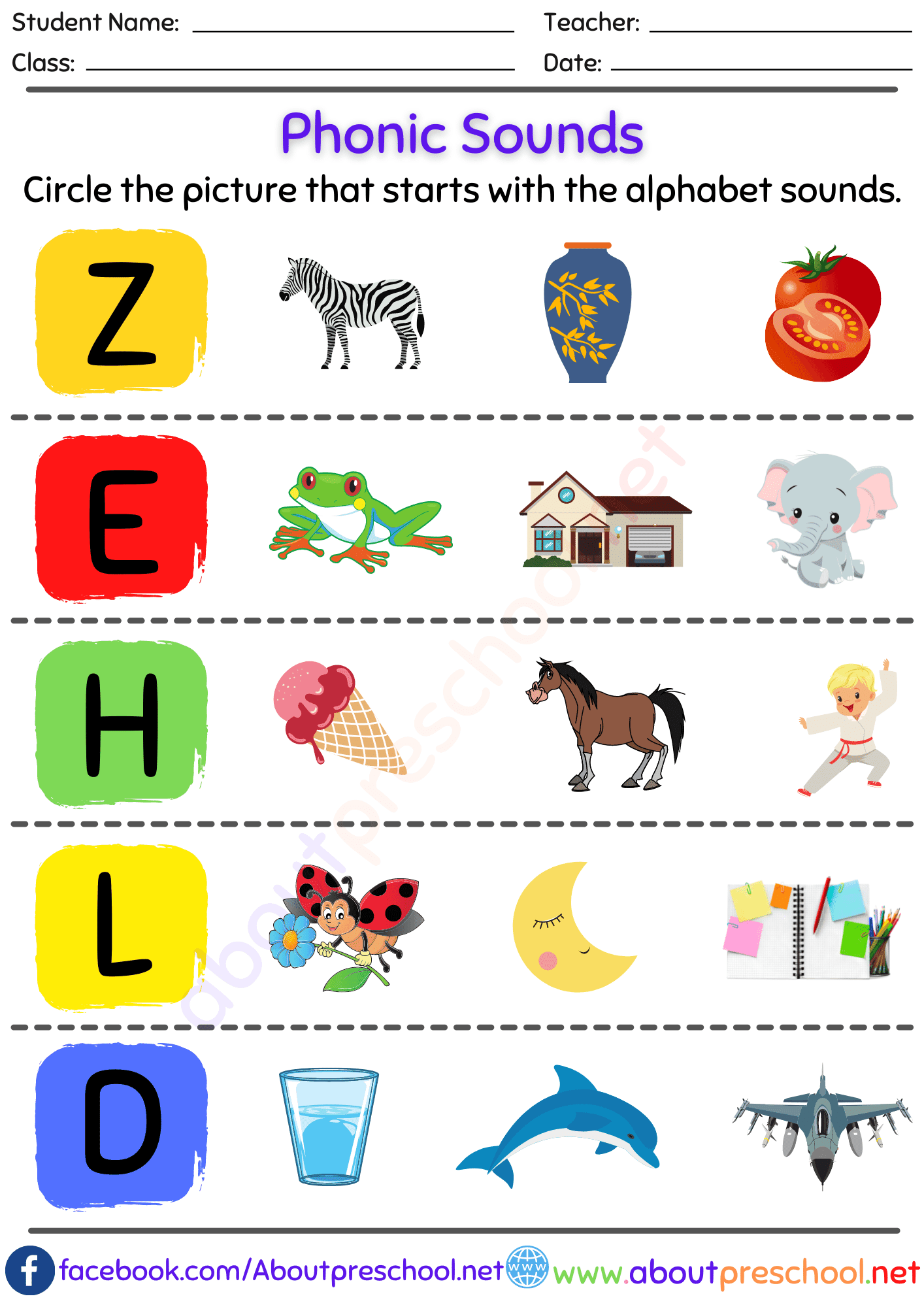
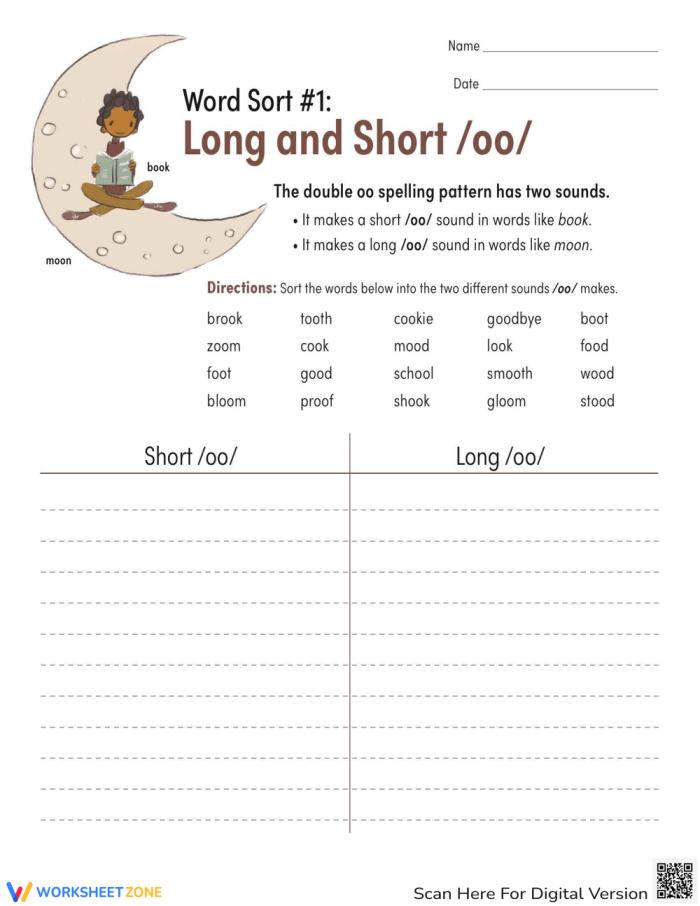
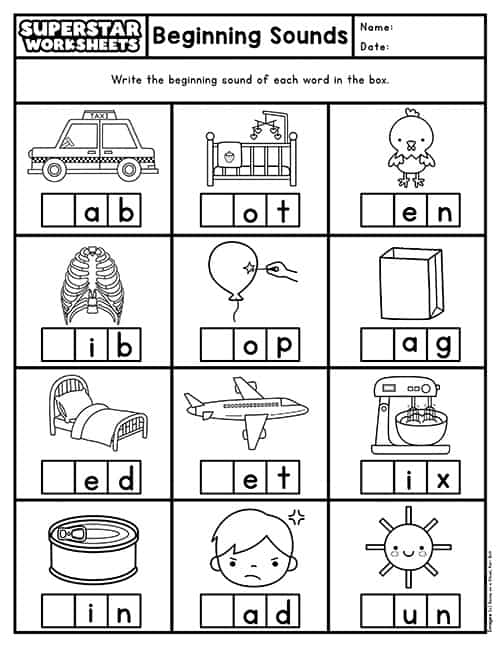
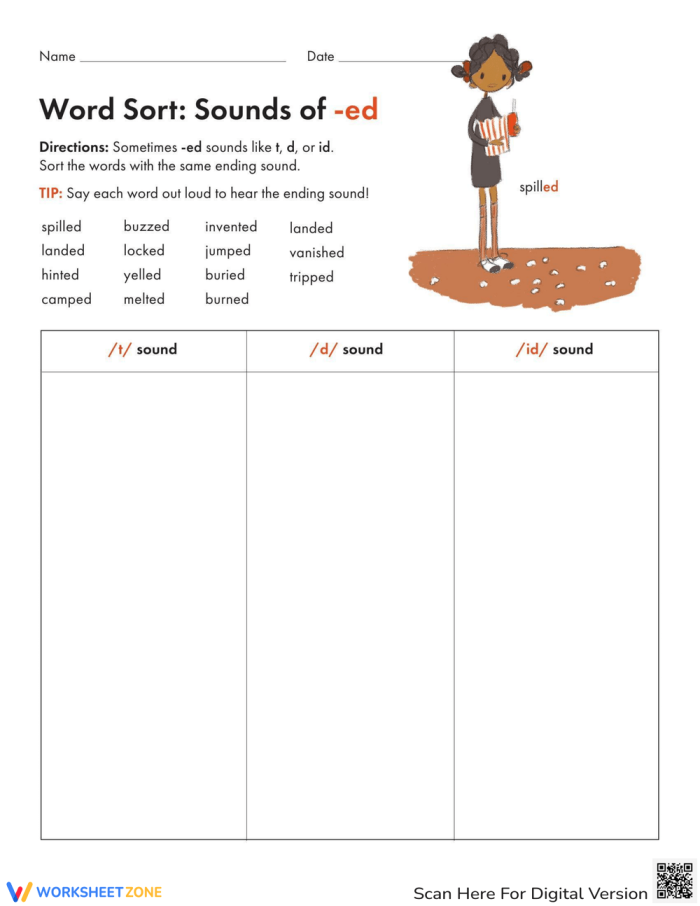
A practical activity to reinforce this concept is a word sort. Create a printable Word Sort: Sounds of -ed worksheets that allow students to categorize verbs based on their -ed sounds. This hands-on approach not only makes learning fun but also encourages collaboration as students can work in pairs or small groups to complete the task. As they sort the words, they will become more aware of the rules that govern these sounds.
Integrating this activity with other mixed operations can promote cross-curricular connections. For instance, while discussing the sounds of -ed, you could also introduce related subjects like subject and predicate or even geometry through creative writing prompts. This type of interdisciplinary learning can help students see the connections between language and other areas of study.
By focusing on the sounds of the -ed ending, you provide third graders with foundational knowledge that will support their writing and reading skills. Encourage them to listen for these sounds in their everyday reading and writing, fostering a habit that will benefit their language development.
Boost Skills with These Worksheets