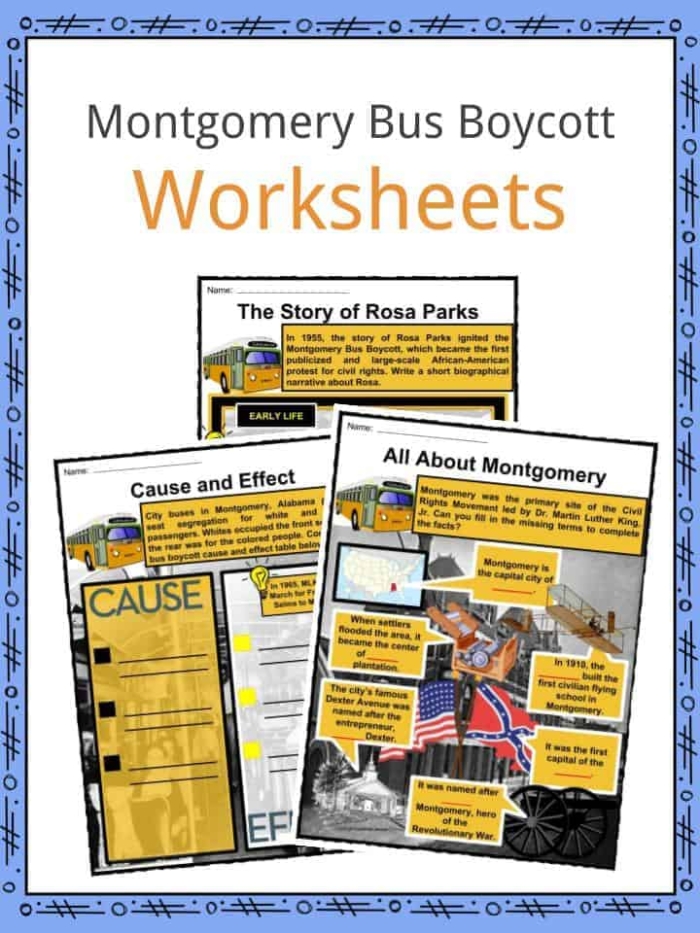
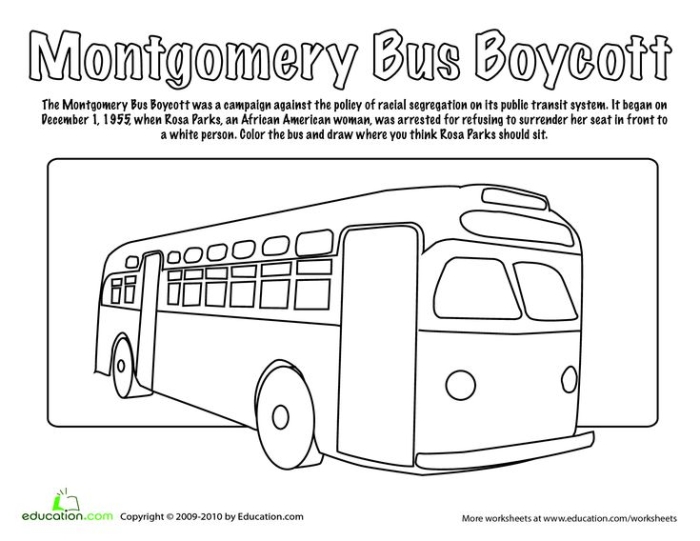
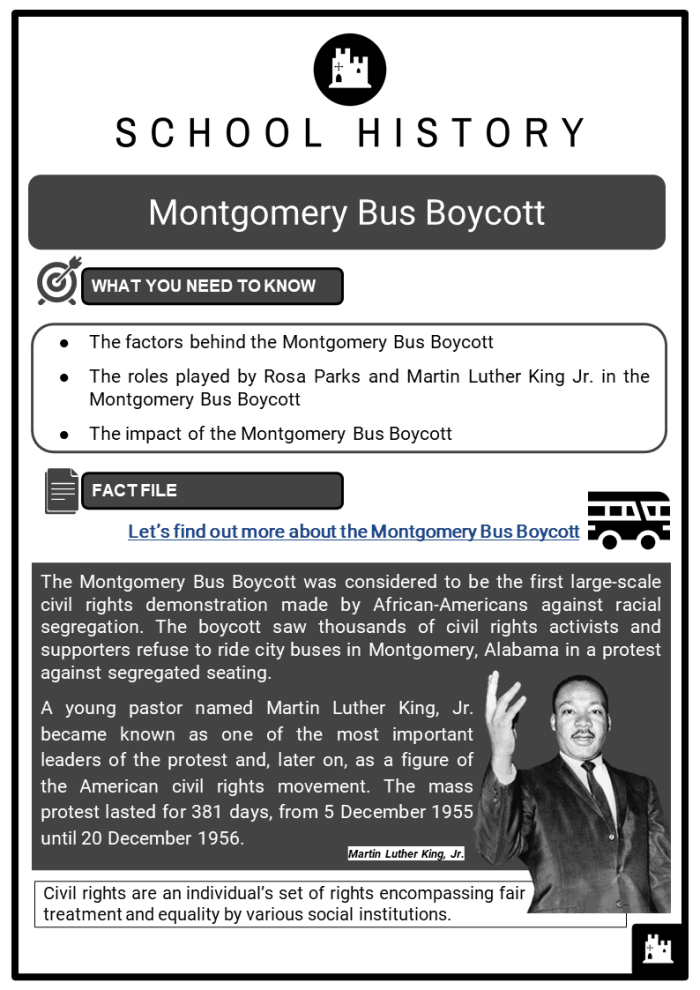
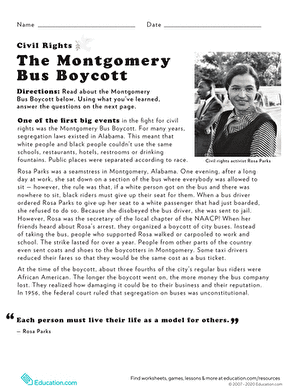
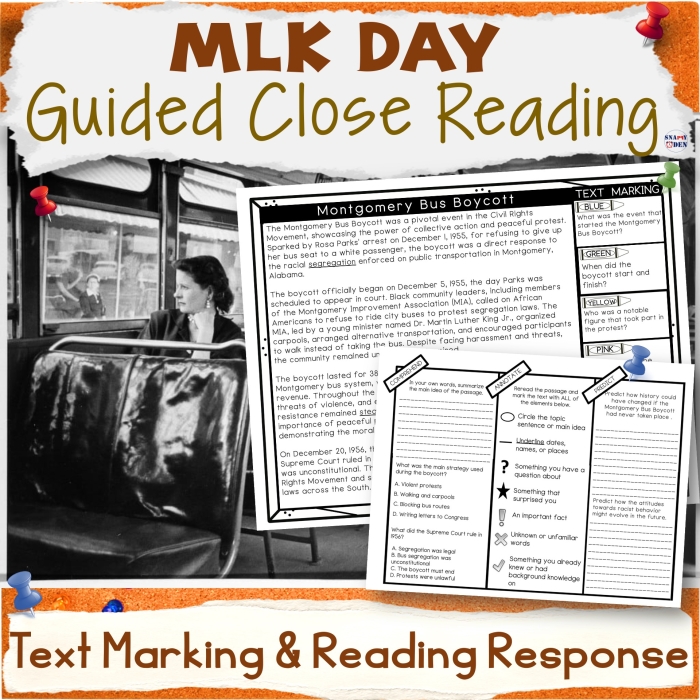
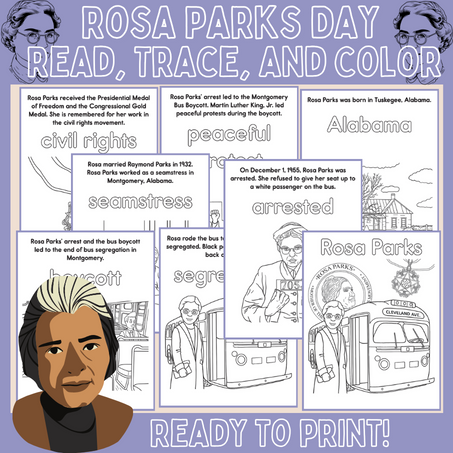
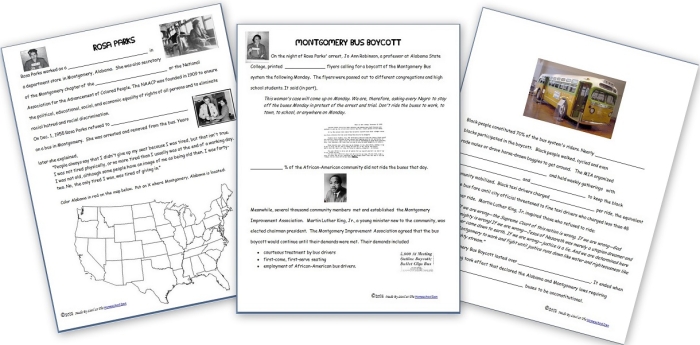
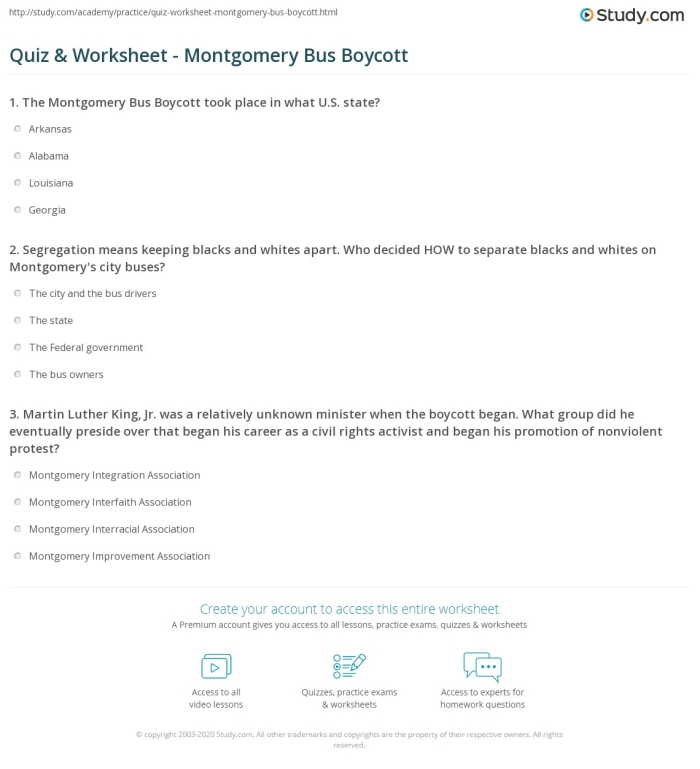
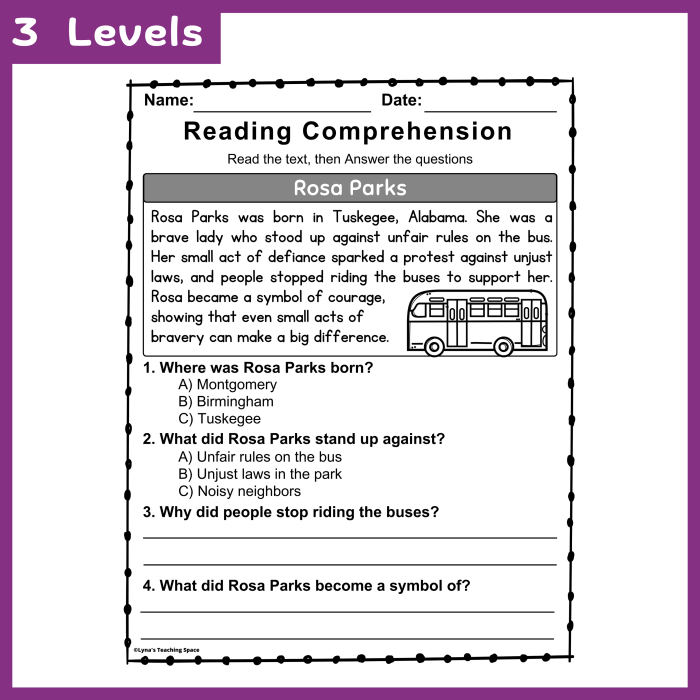
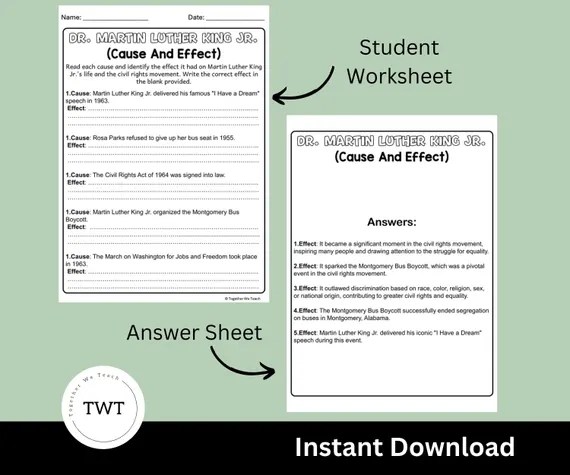
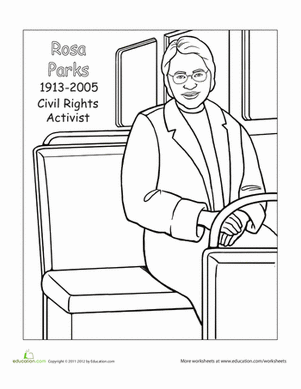
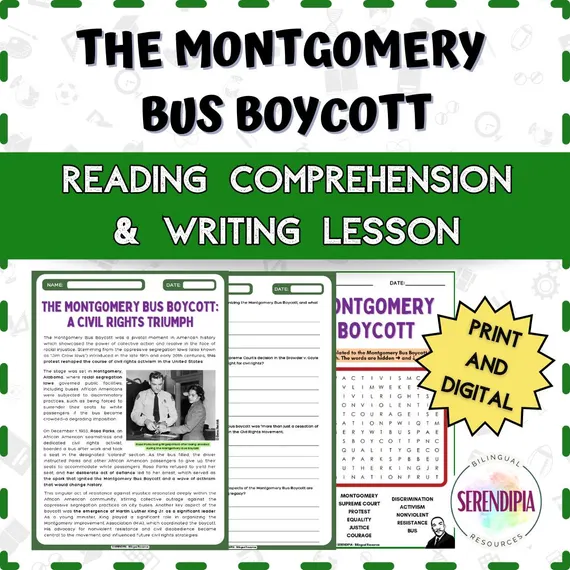
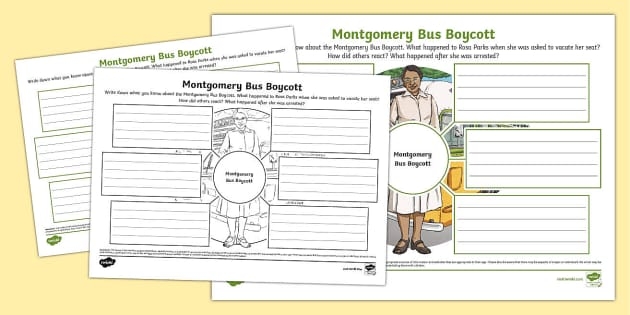
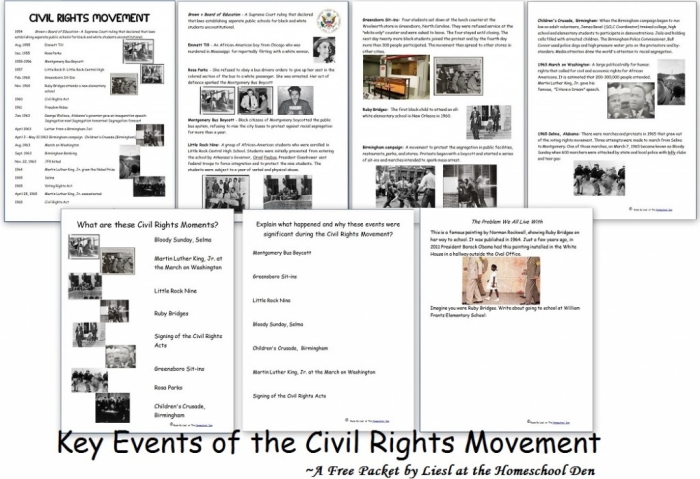
The story of Rosa Parks and her act of passive resistance is a powerful lesson for fourth graders learning about the Montgomery Bus Boycott. In this engaging worksheet, children explore how Parks’ refusal to give up her seat sparked a movement that resonated across the nation. By reading this account, students not only learn about a pivotal moment in American history but also have the opportunity to reflect on the reasons behind the boycott’s success.
One key aspect that the worksheet encourages students to consider is the unity that the boycott inspired among people from diverse backgrounds. When Parks was arrested in December 1955, it was not just her act of defiance that mattered; it was the collective response from the African American community in Montgomery. They organized a bus boycott, which lasted over a year, demonstrating the power of solidarity in the fight for civil rights. The worksheet prompts children to think about why so many individuals, even those not directly affected by segregation, supported this cause. Understanding this unity can help students appreciate how social movements can bring together people for a common purpose.
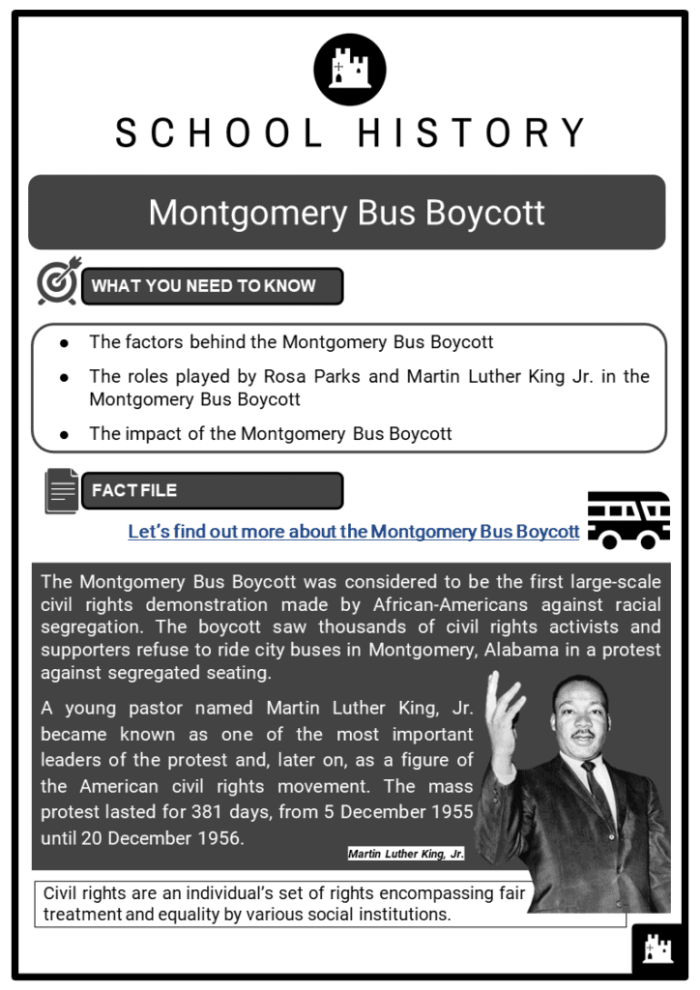
Another topic the worksheet covers is the strategic planning behind the boycott. Students can explore specific details, such as how the Montgomery Improvement Association was formed and how its leaders, including Martin Luther King Jr., mobilized the community. These insights help children grasp the importance of leadership and organization in achieving social change. As they reflect on these elements, they can draw connections to other historical events, such as the effects of the Civil War and its long-lasting impacts on society.
Through this worksheet, children not only learn about a significant historical event but also develop critical thinking skills. As they navigate through thoughtful prompts, they gain a deeper understanding of how activism works and why it matters. The lessons from the Montgomery Bus Boycott remain relevant today, making this a valuable resource for fourth-grade geography classes eager to connect past events with present-day principles.
Use These Worksheets Today