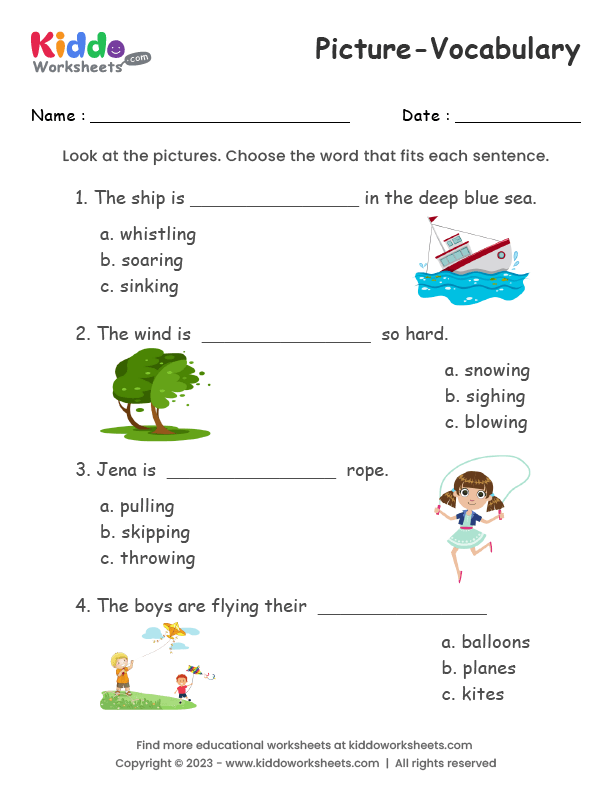
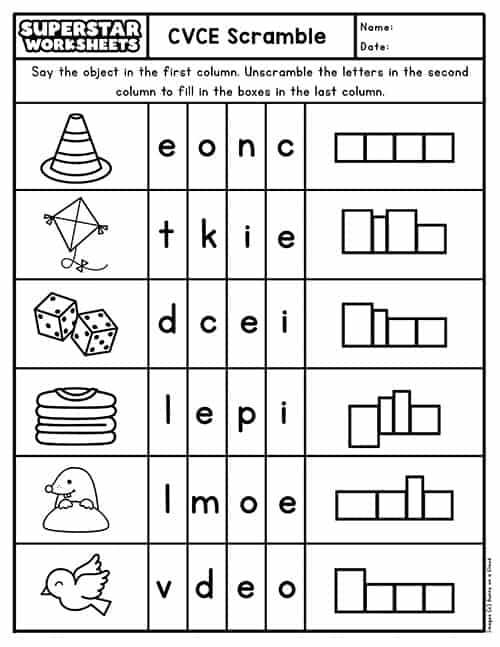
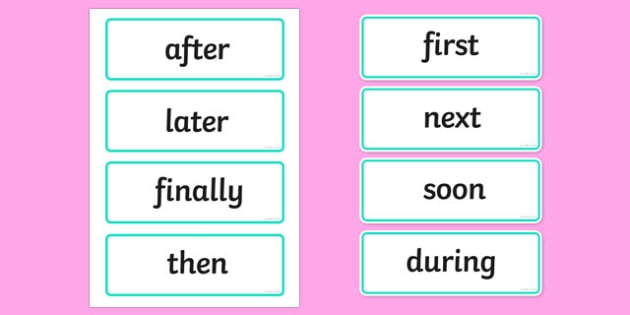
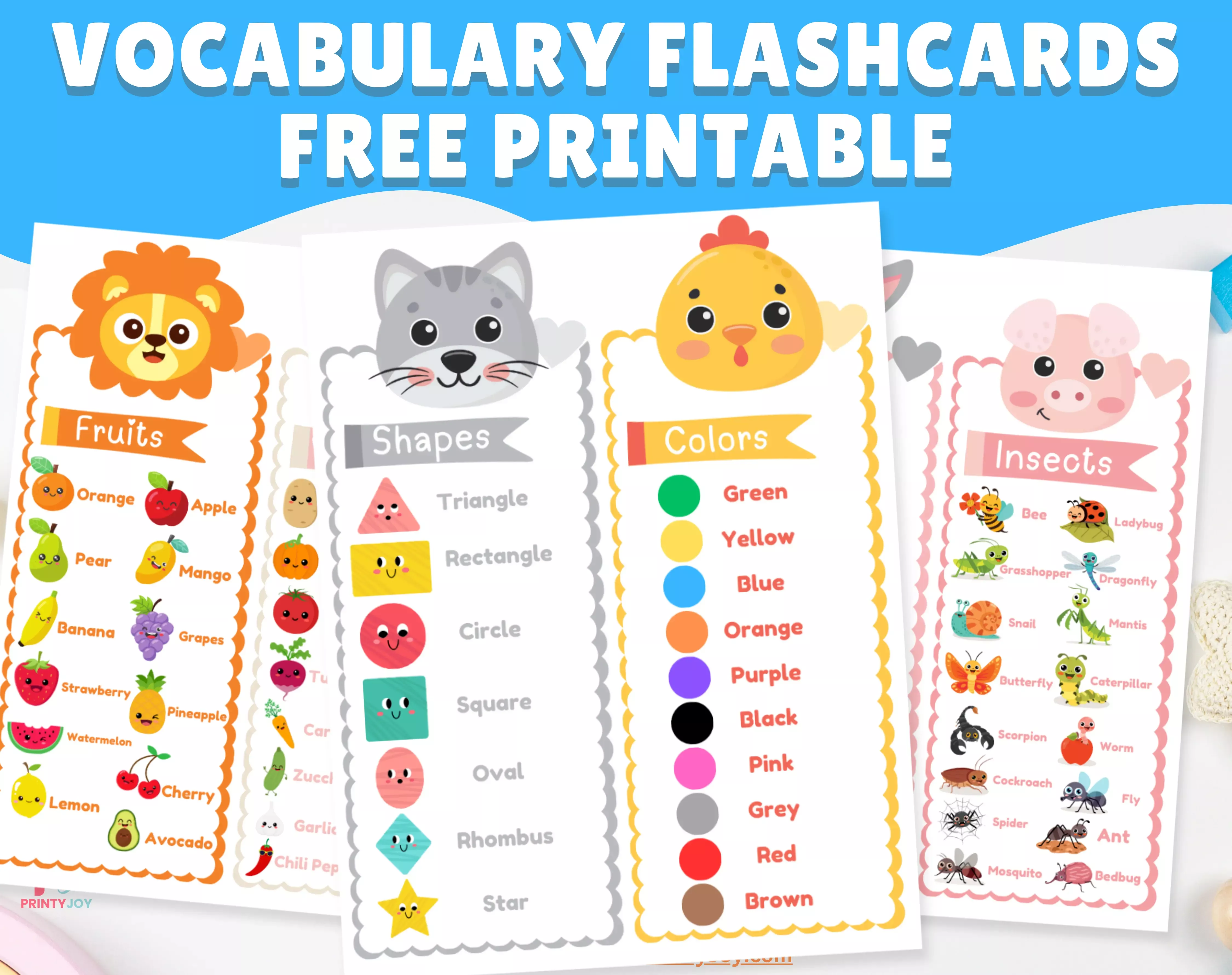
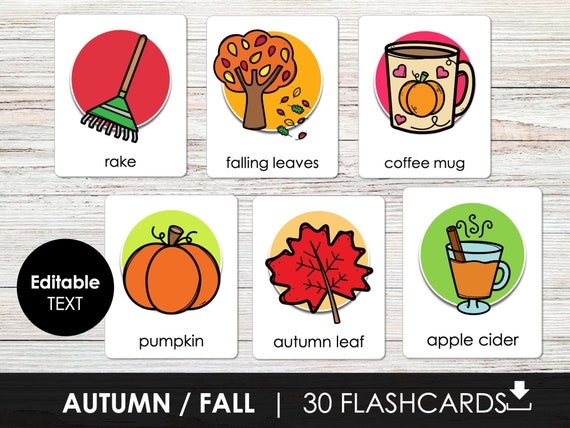
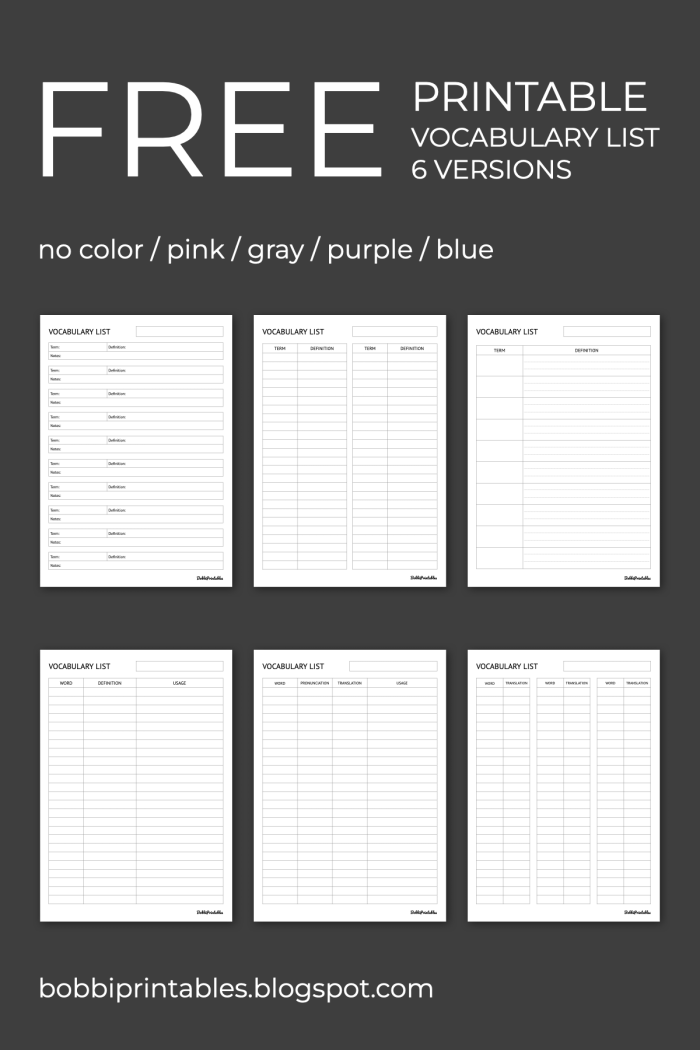
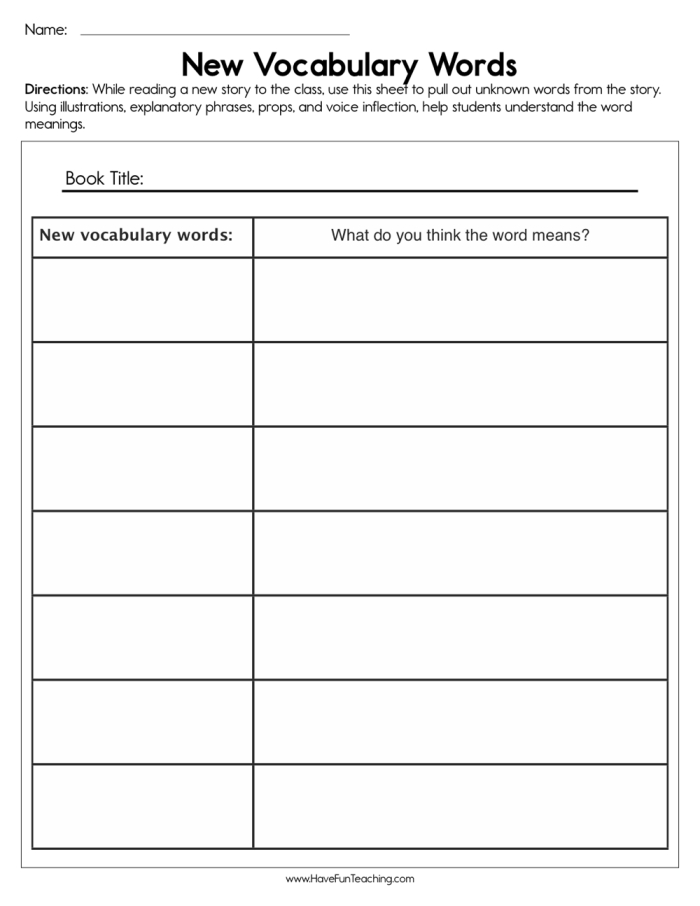
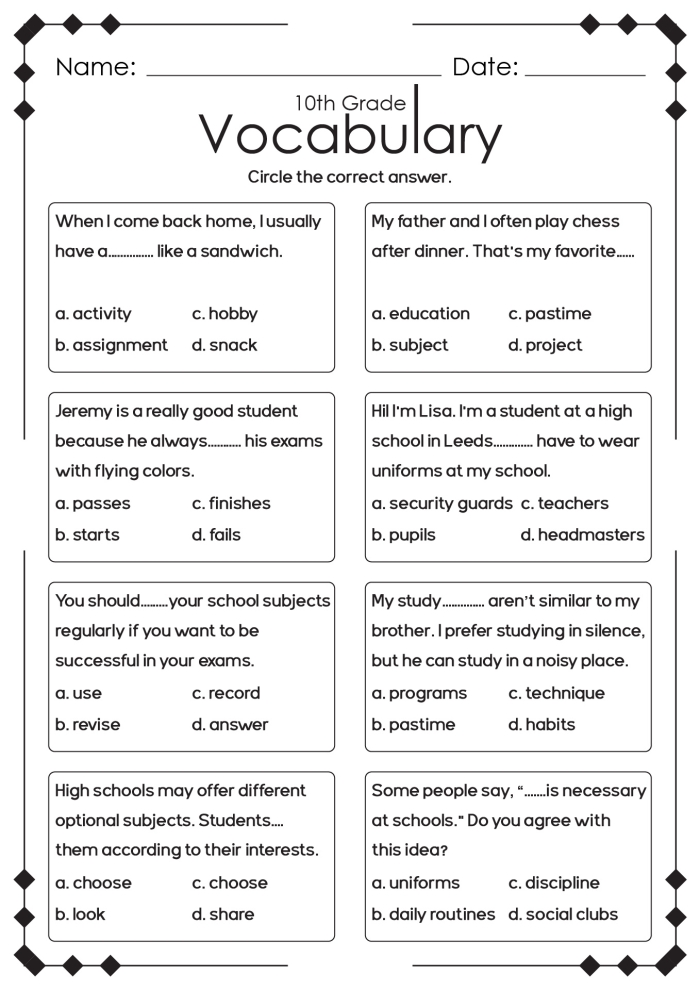
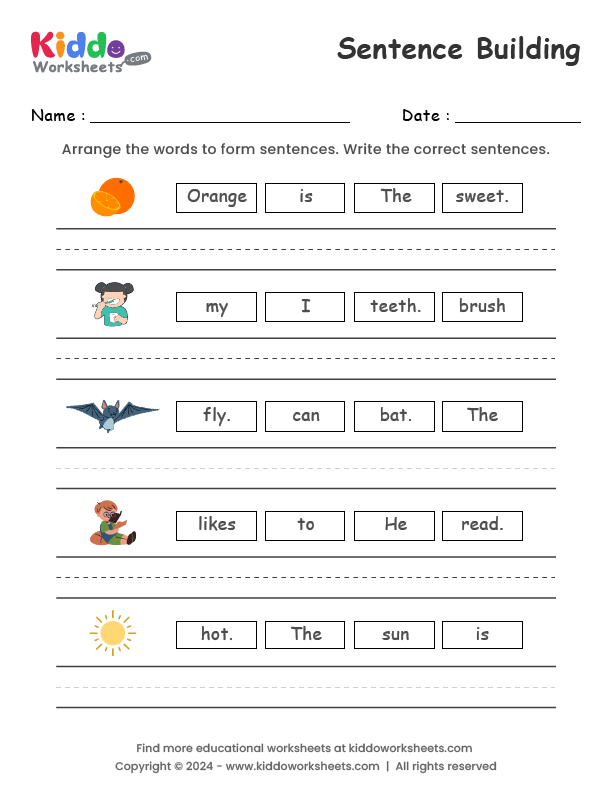
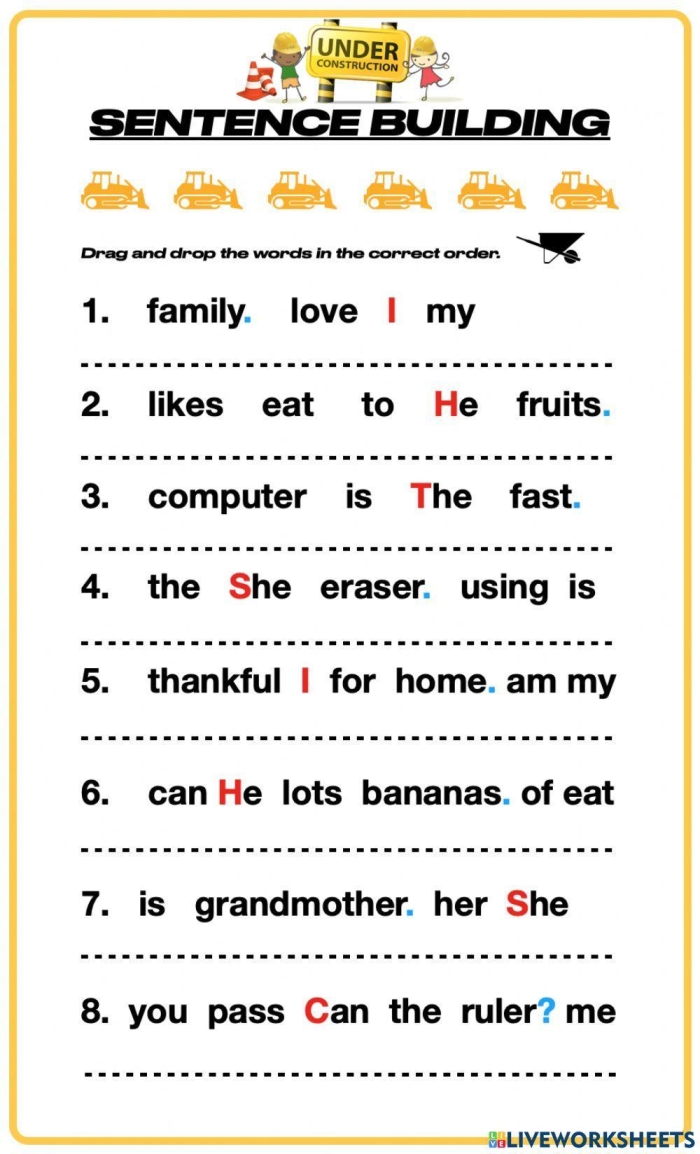
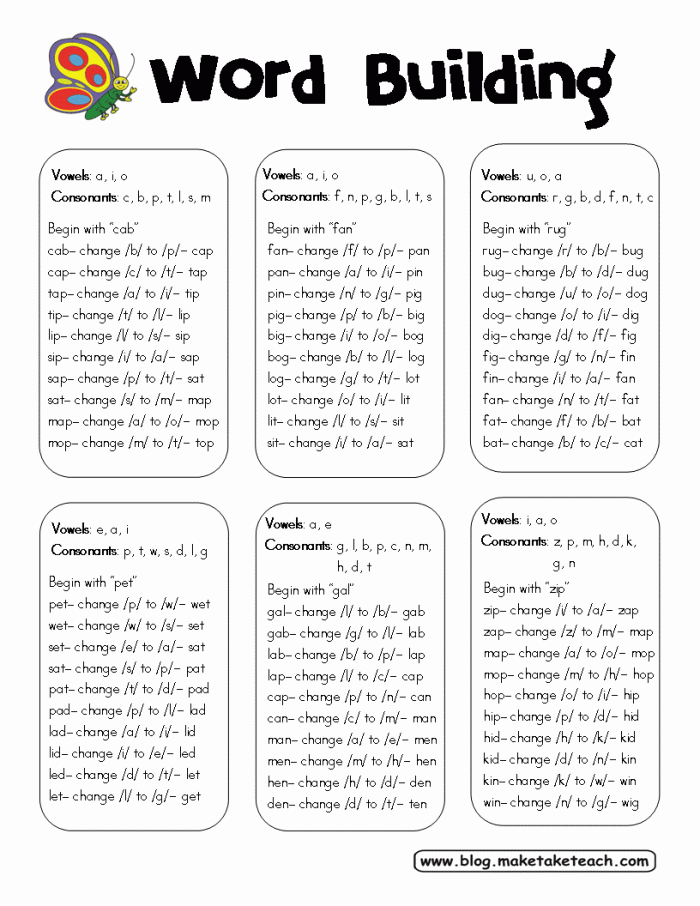
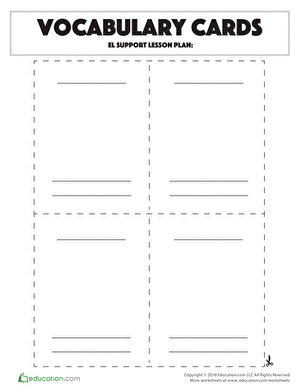
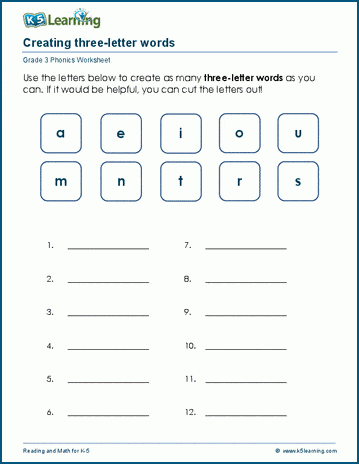
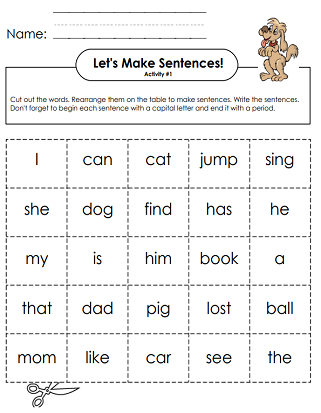
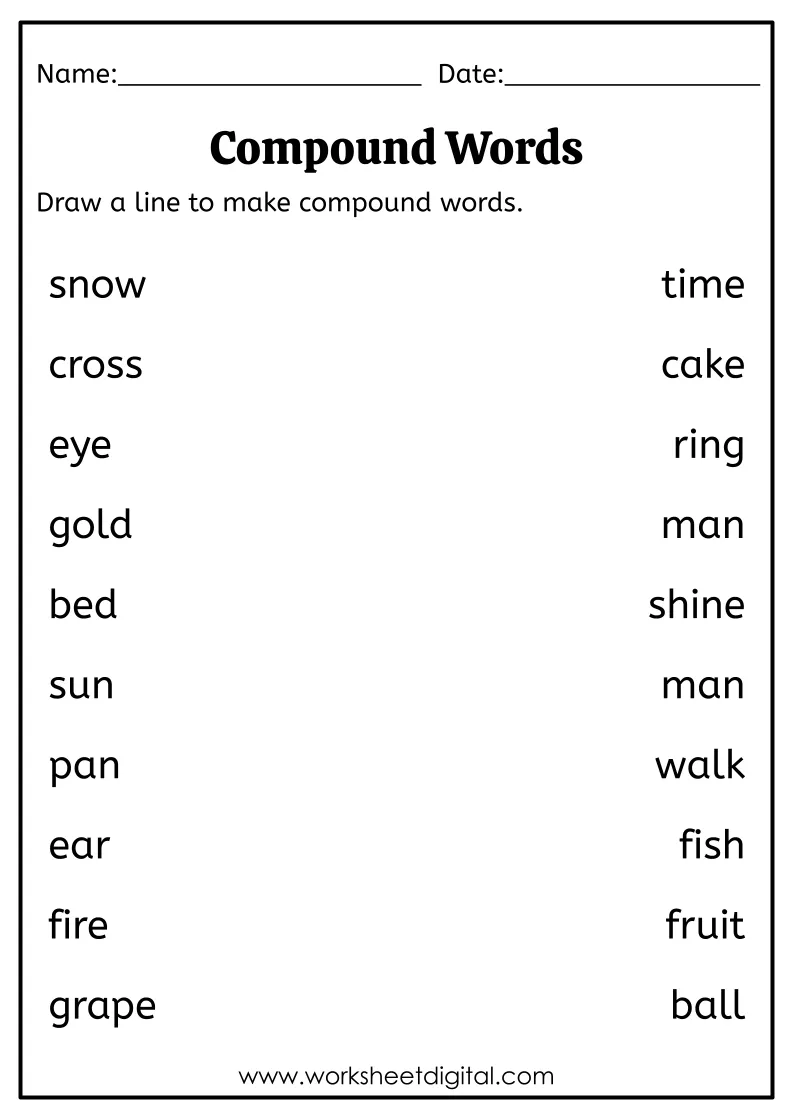
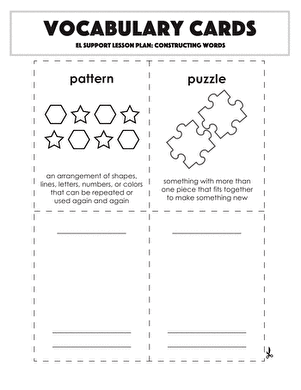
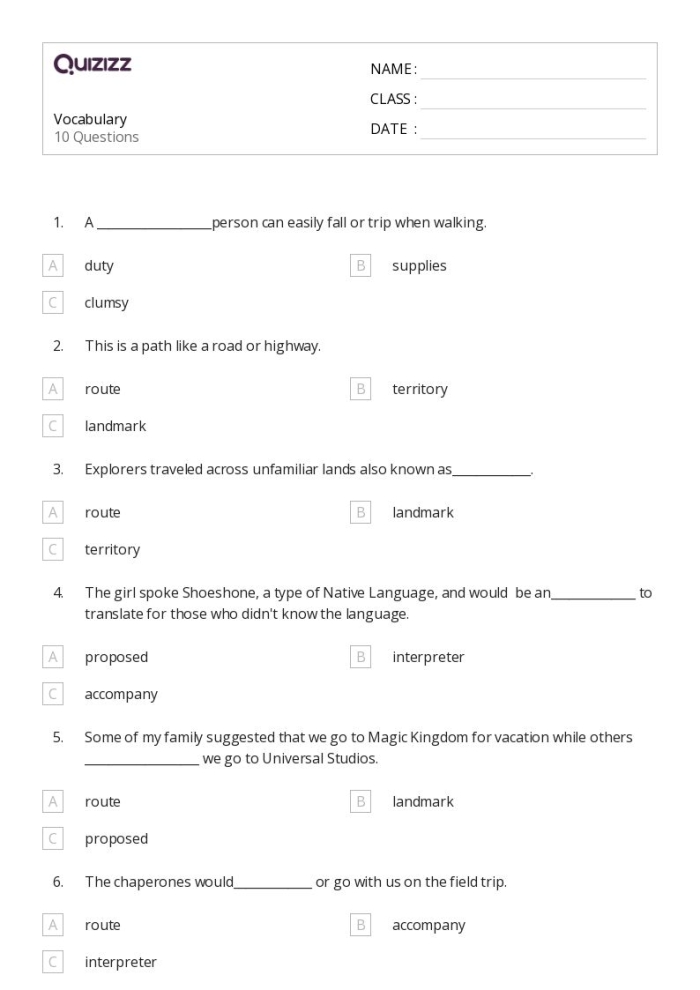
Vocabulary cards designed for constructing words offer kindergarten teachers a hands-on way to build sight words and phonemic awareness. These cards work best when paired with an EL Support Lesson focused on word construction, creating a structured approach that helps early learners see how individual letters combine to form meaningful words.
The core benefit of using vocabulary cards lies in their flexibility. Teachers can display cards one at a time, have students arrange them in sequence, or use them to build words on a pocket chart. This tactile method works particularly well for English learners who benefit from visual and kinesthetic reinforcement. Rather than simply reading words from a worksheet, students physically handle the cards and watch words take shape, which strengthens letter recognition and sound-symbol relationships.
When implementing these cards, start with high-frequency sight words that appear often in kindergarten texts. Words like “the,” “and,” “is,” and “to” should be introduced early since they form the foundation for reading fluency. As students progress, you can introduce cards that follow specific phonetic patterns, allowing learners to notice similarities across different words.
Pairing vocabulary cards with complementary activities enhances learning outcomes. For instance, after working with the cards, students might practice with activities like coloring letter-based exercises or completing letter mazes to reinforce letter formation. These follow-up tasks help transfer knowledge from the concrete card experience to written work.
The vocabulary card approach also supports differentiation in mixed-ability classrooms. Advanced students can work with longer words or create their own combinations, while struggling learners focus on basic sight words with teacher support. This flexibility makes the strategy valuable across different proficiency levels within the same kindergarten class.
Worksheet Practice Section