Rainy days offer the perfect backdrop for teaching inflectional endings, and first grade students respond well to themed activities that connect grammar lessons to their immediate surroundings. When children see raindrops on the worksheet alongside words they need to modify, the learning feels less like drill work and more like play.
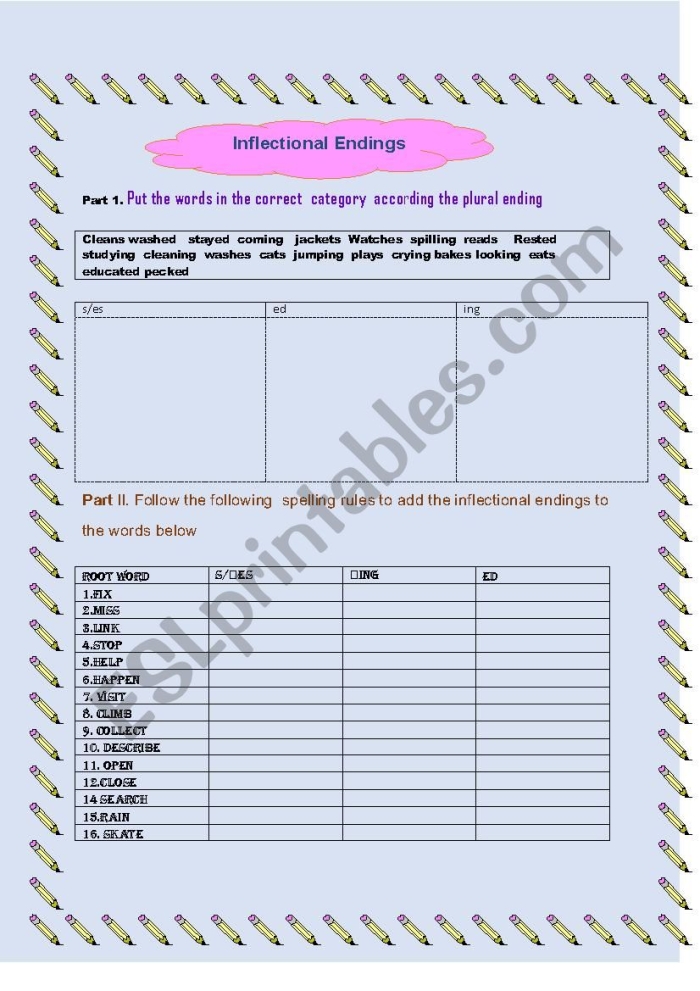
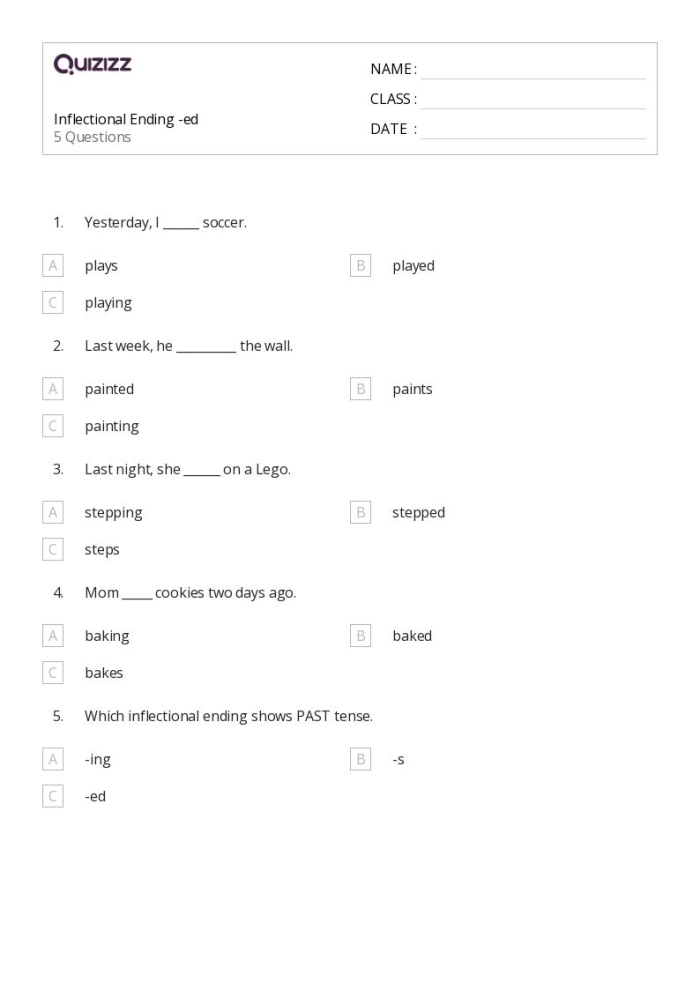
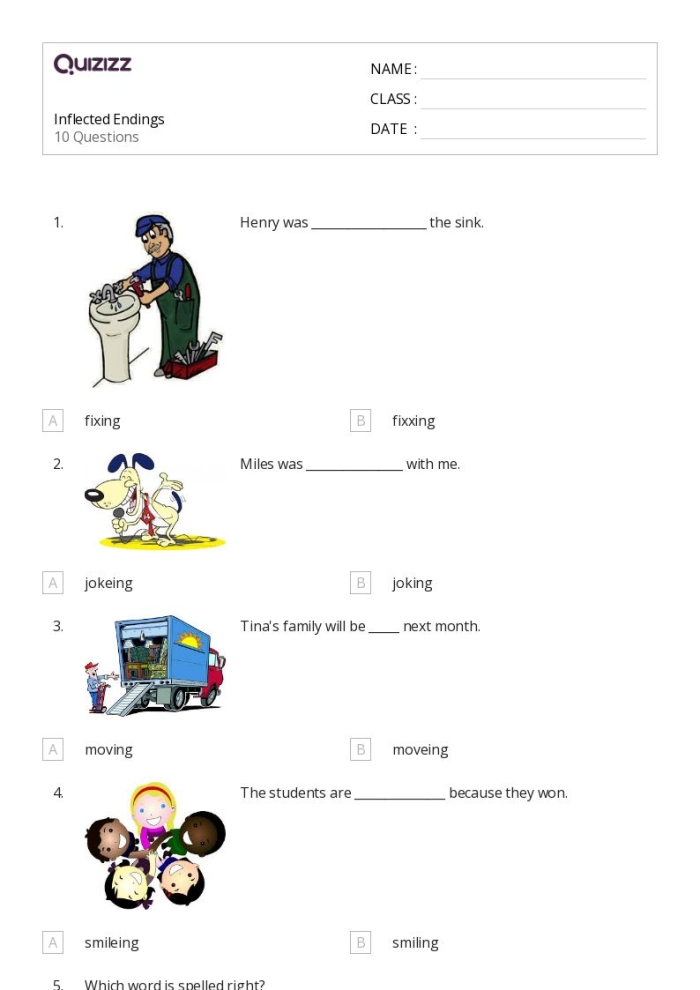
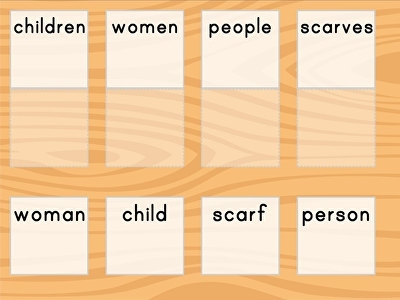
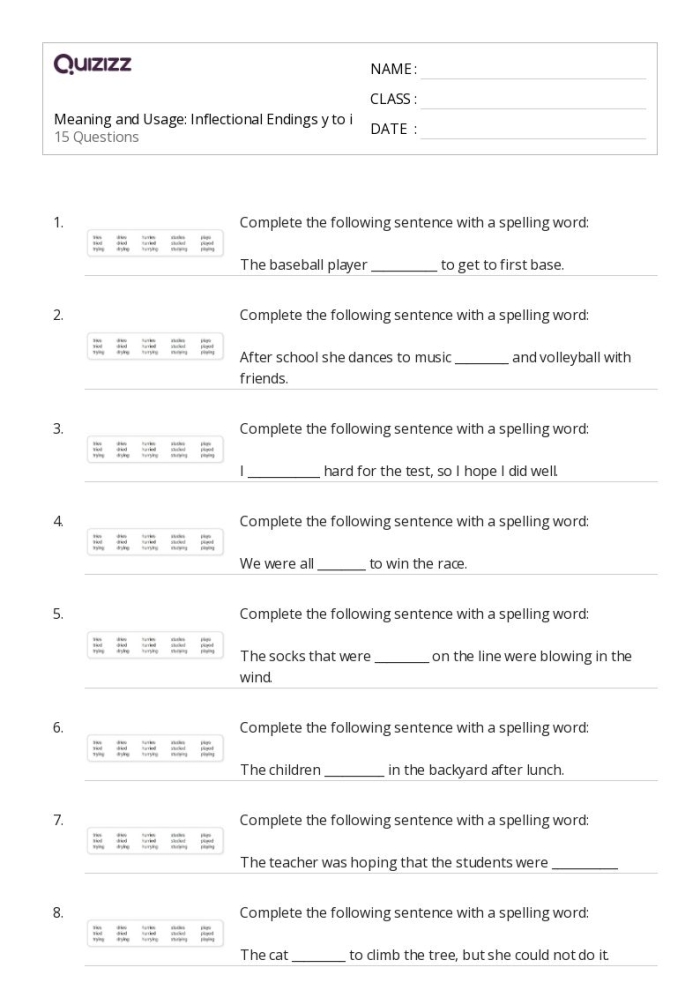
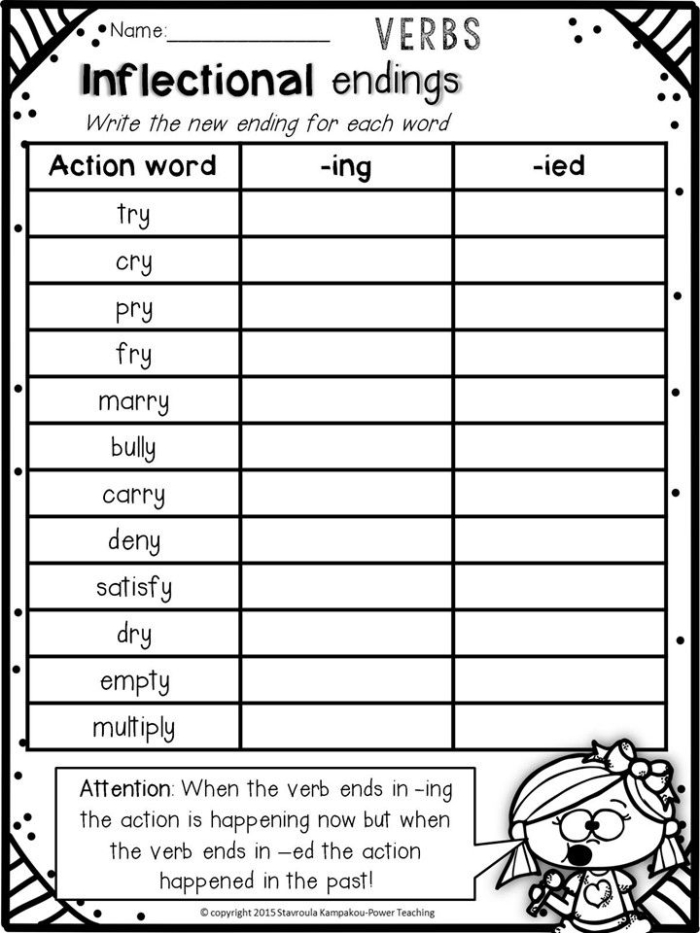
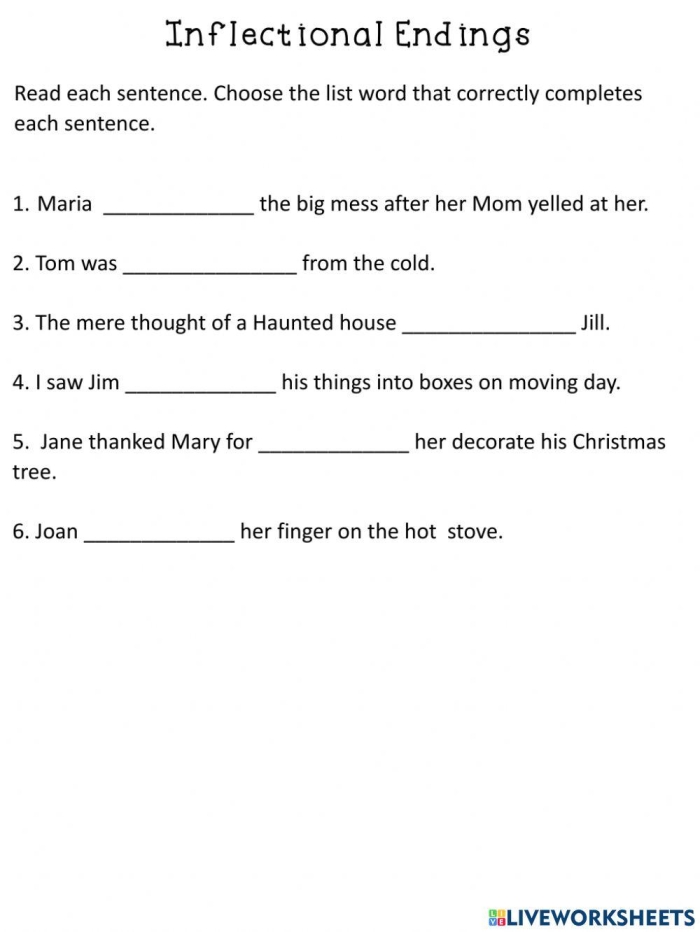
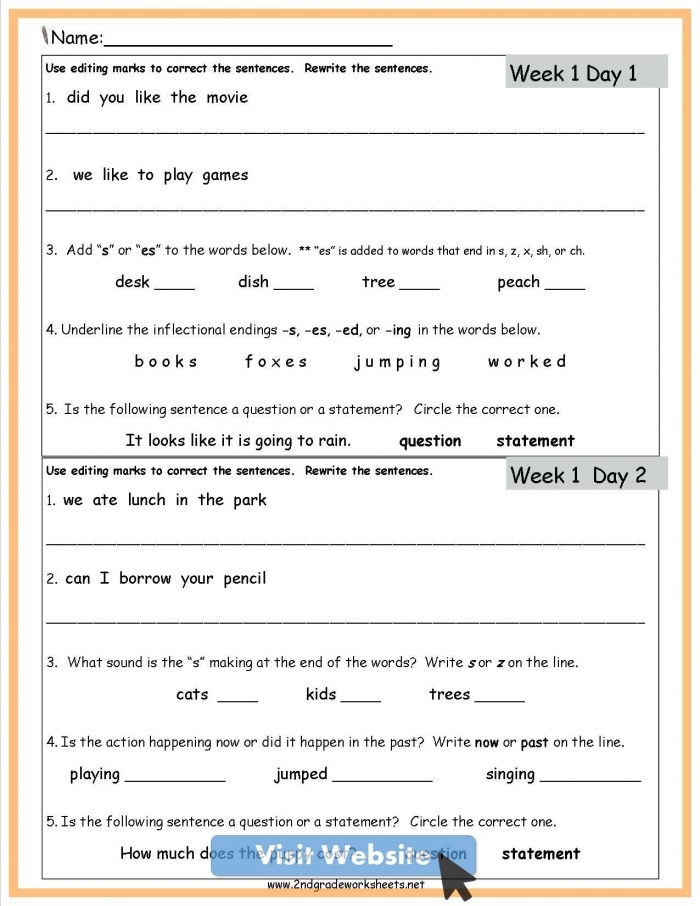
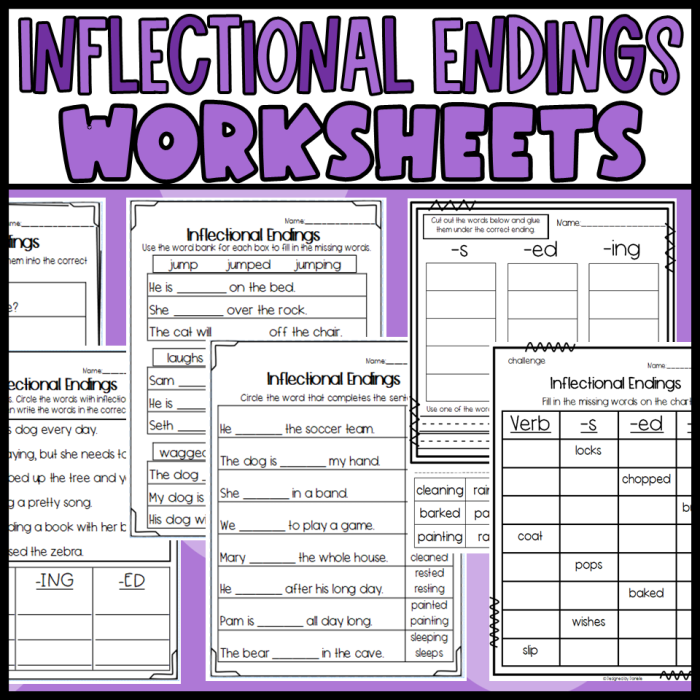
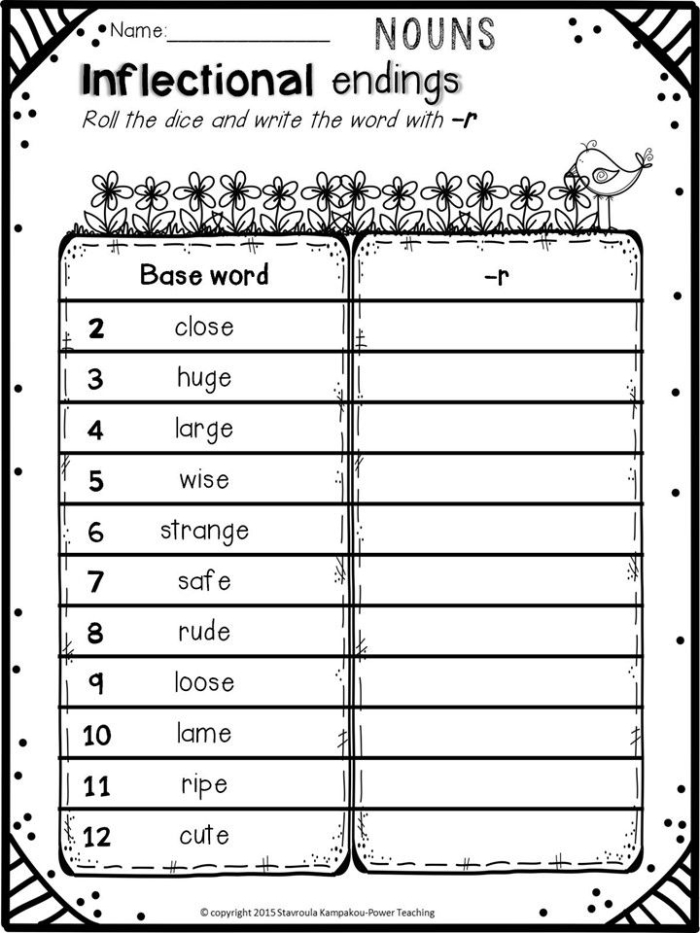
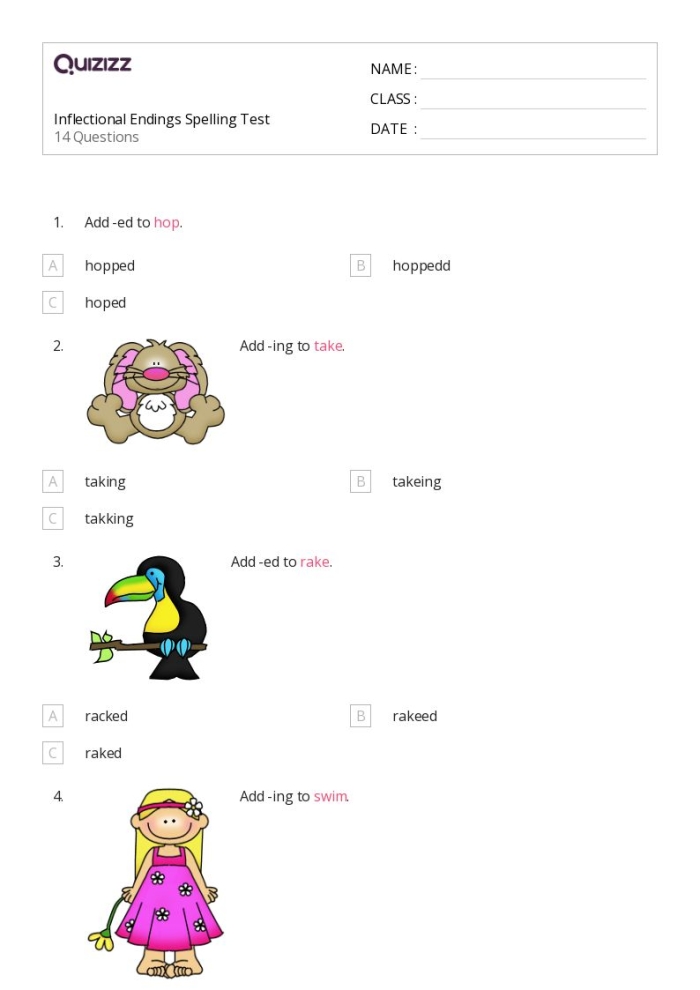
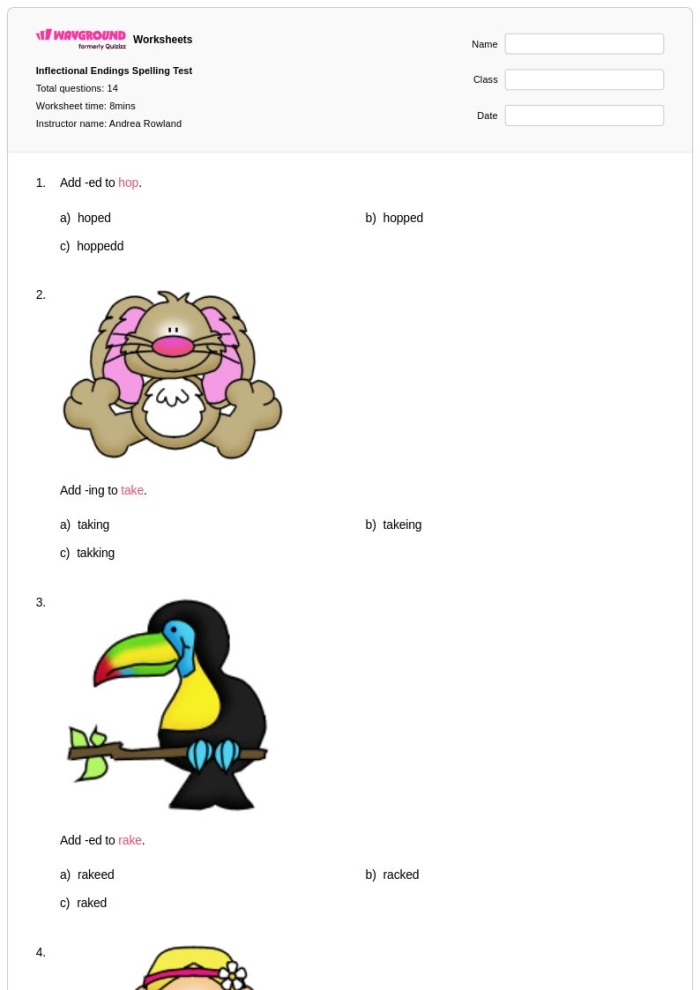
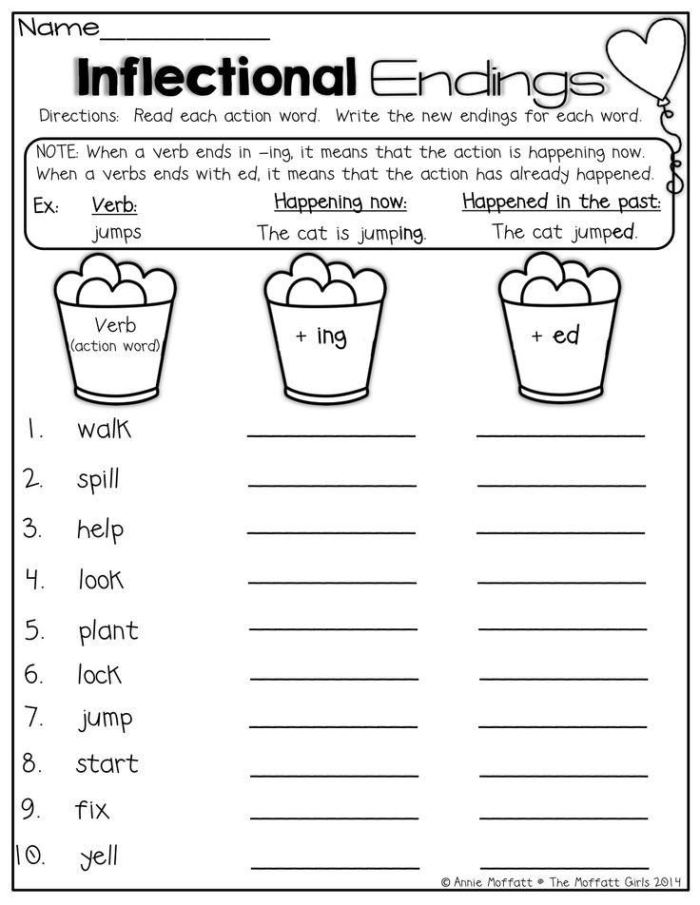
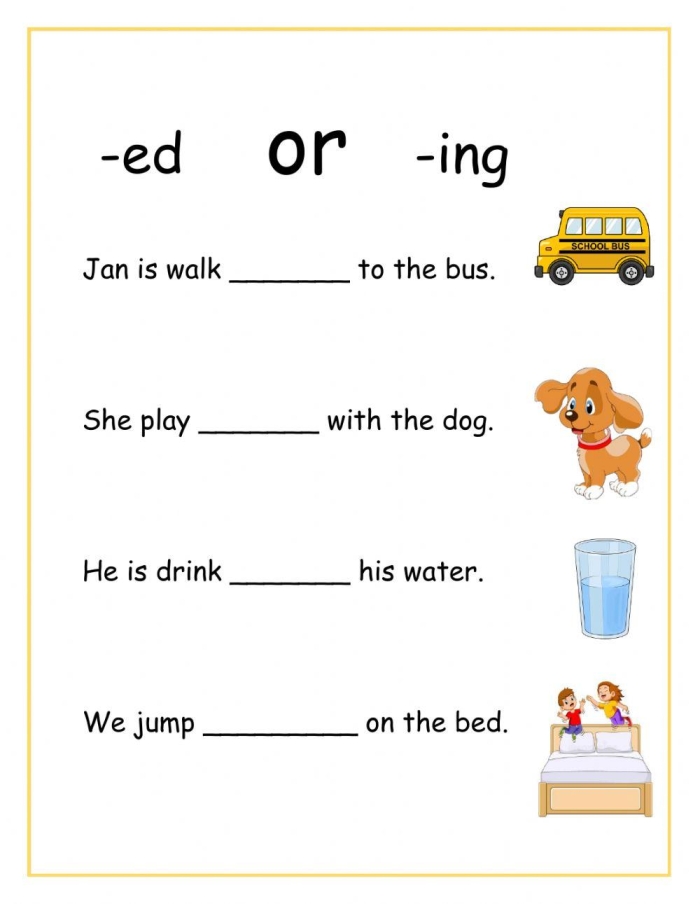
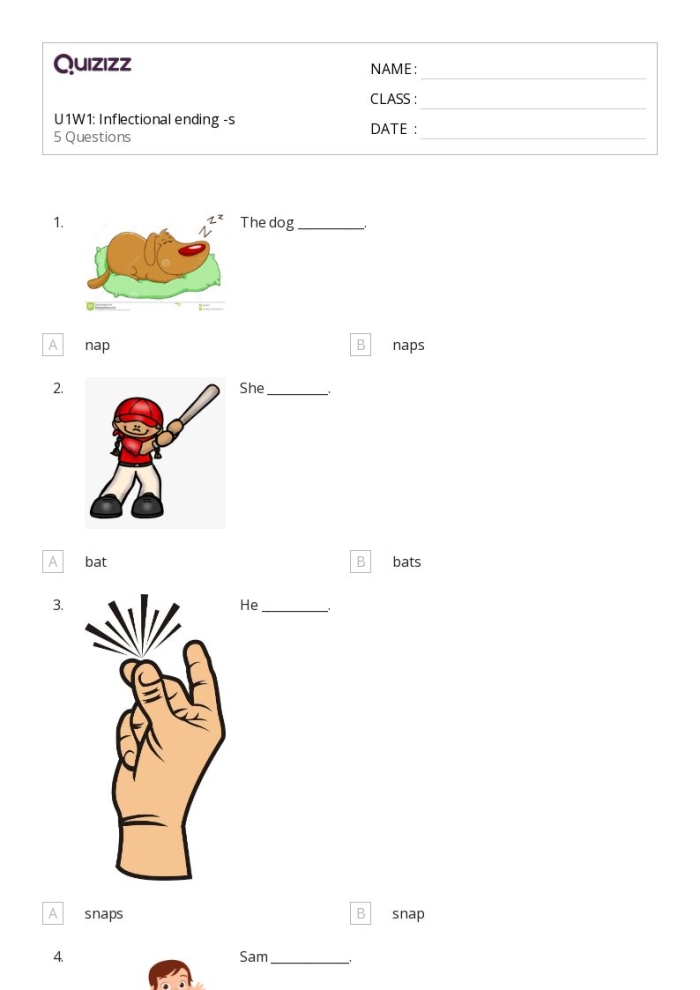
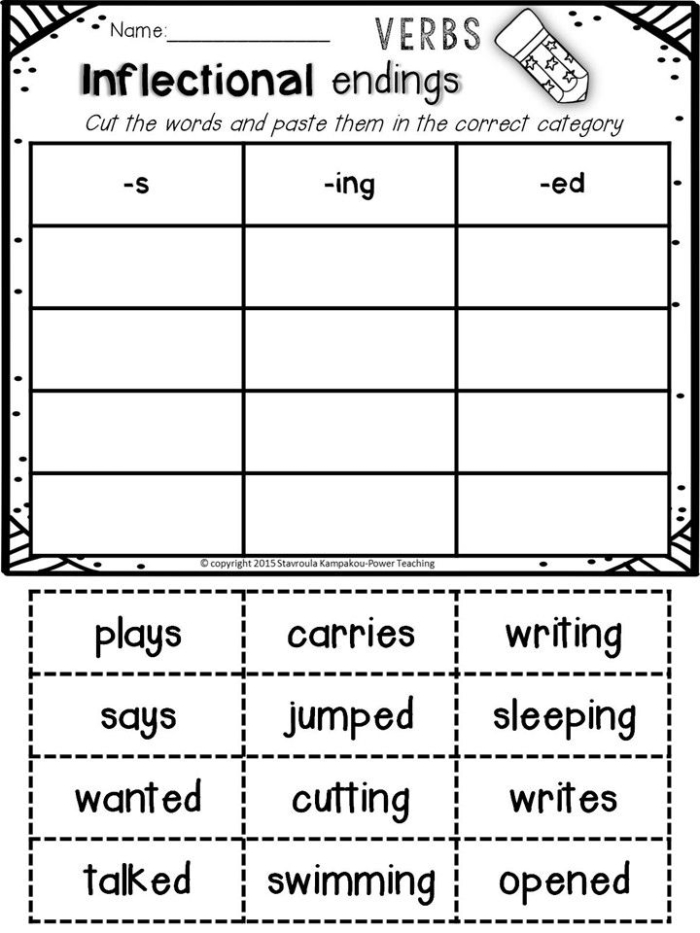
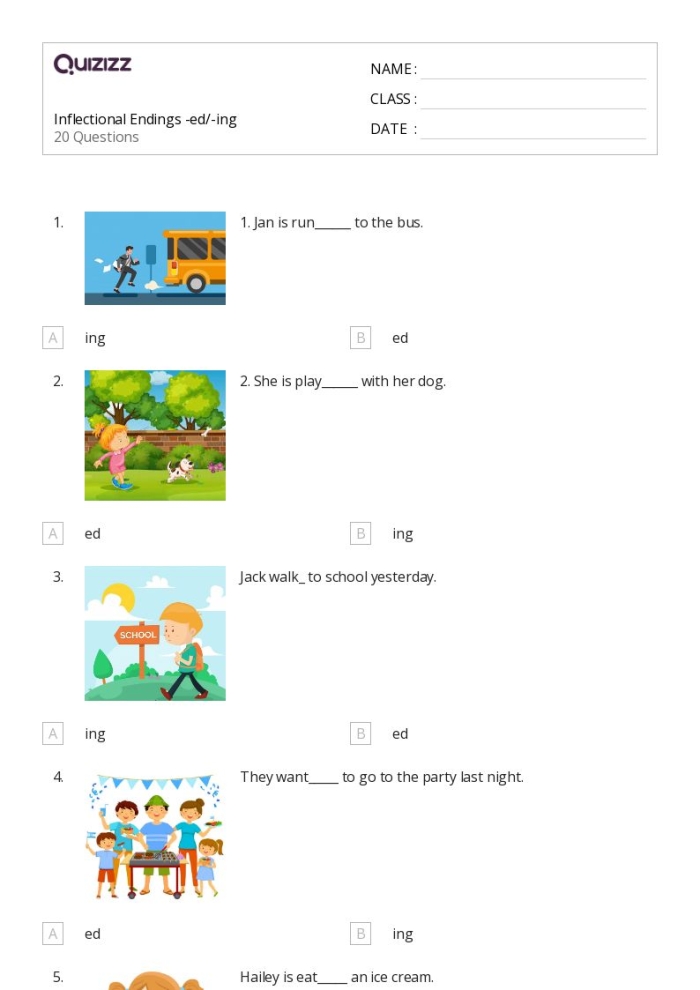
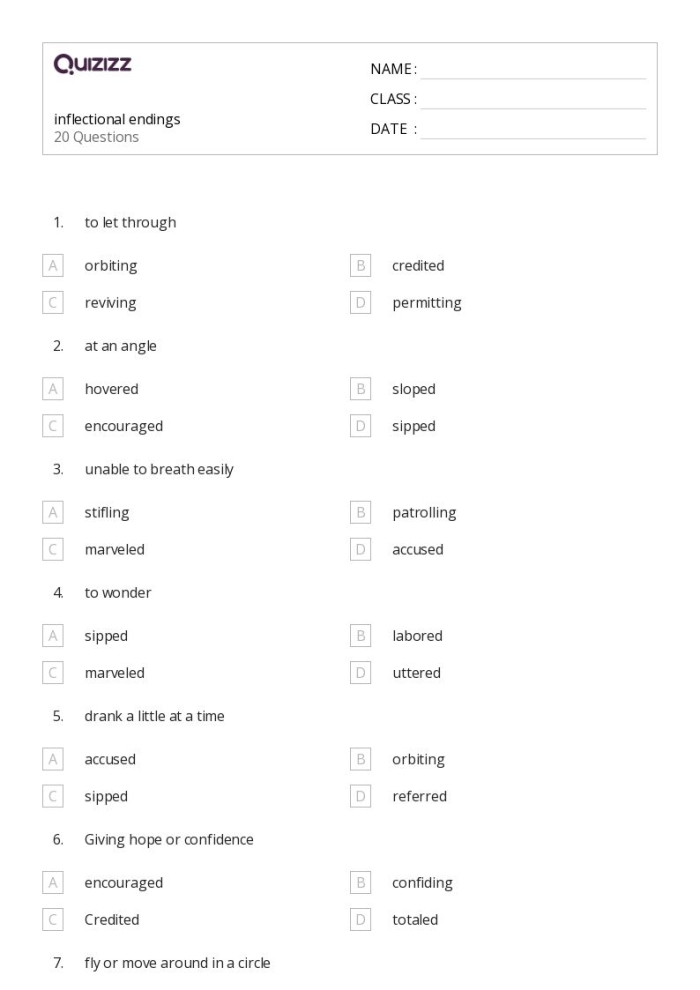
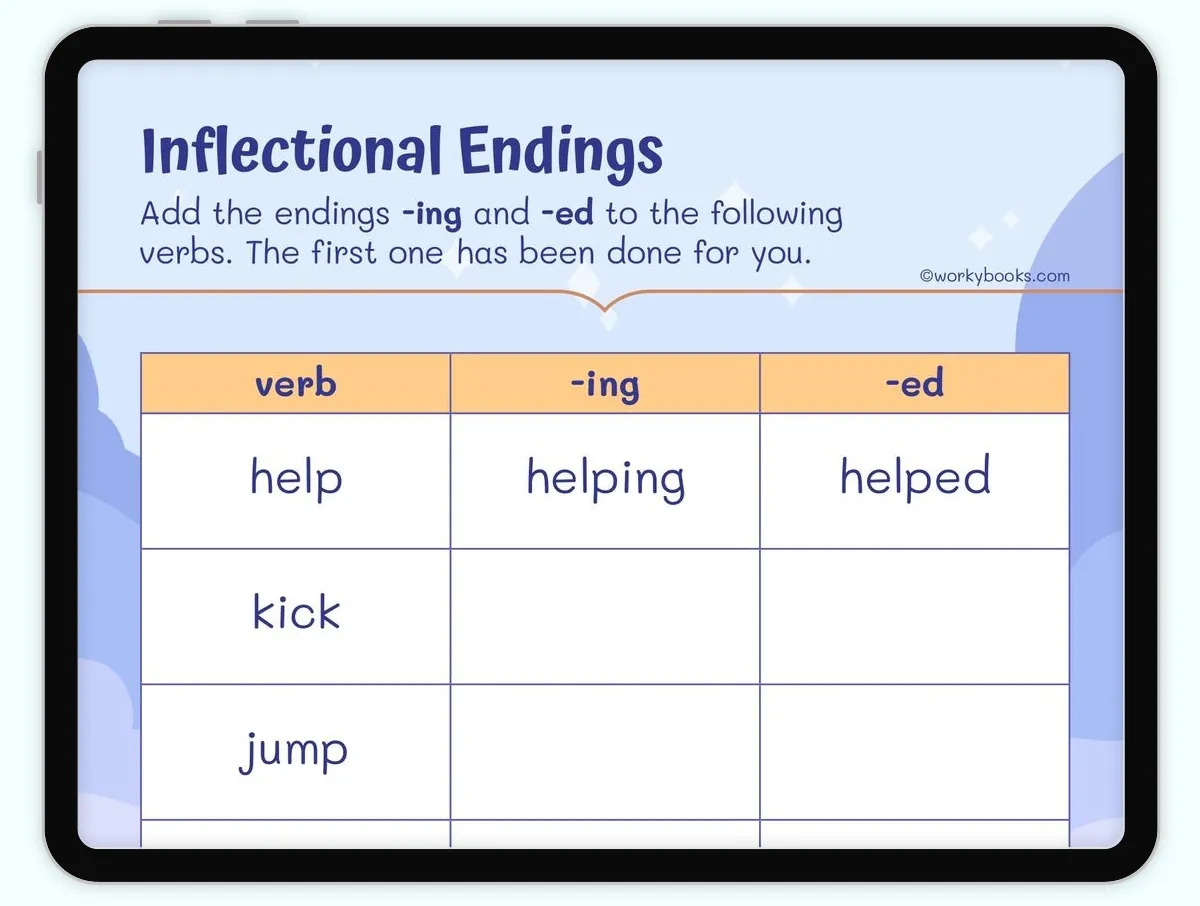
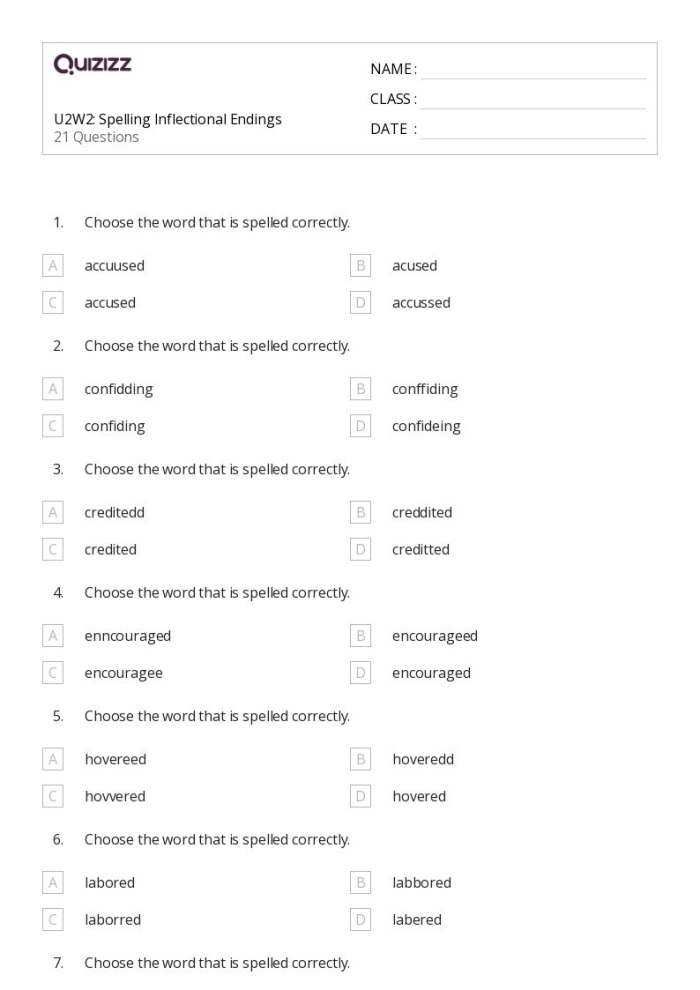
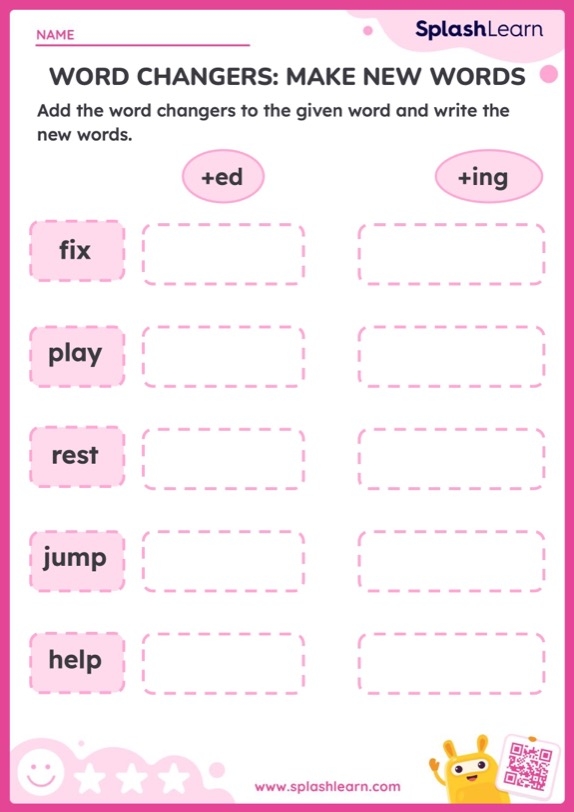
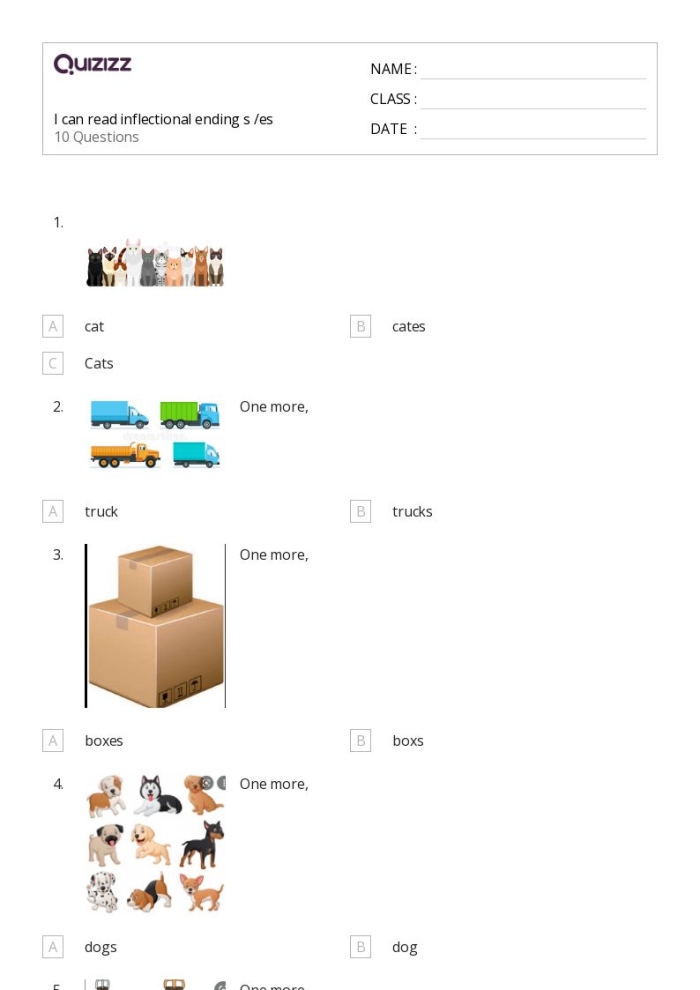
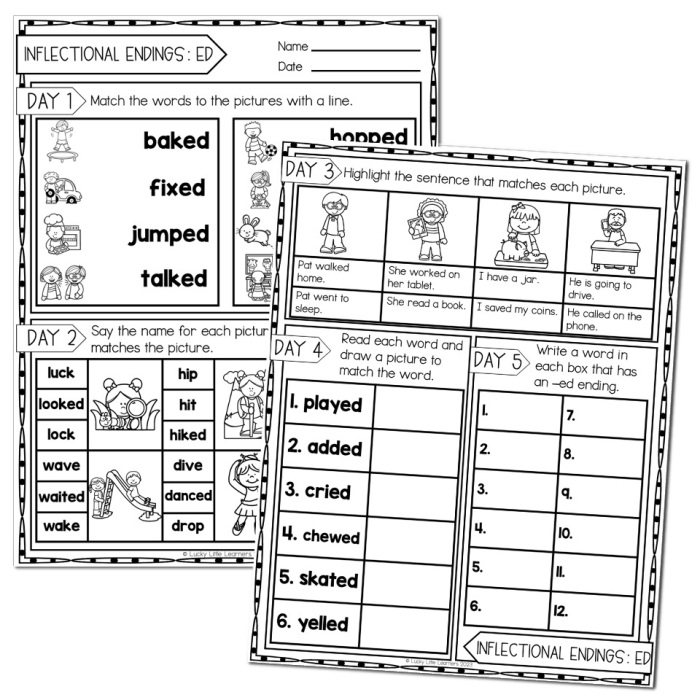
Inflectional endings are the suffixes that change a word’s tense or number without altering its core meaning. In first grade phonics instruction, students typically encounter three main endings: –ing (for present progressive tense), –s (for plurals and third-person singular verbs), and –ed (for past tense). The tricky part comes when silent E’s enter the picture. Words like “make” become “making” (drop the E before adding –ing), while “jump” becomes “jumping” (no E to drop). This rule matters because students need to understand that spelling isn’t arbitrary; it follows patterns.
A rainy day-themed worksheet taps into seasonal relevance. First graders can add endings to weather-related words: “rain” becomes “raining” and “rained,” “pour” becomes “pours” and “poured.” The context makes the grammar concrete rather than abstract.
Pairing this activity with other phonics fundamentals strengthens overall literacy development. Students who practice sorting short vowels through cut-and-paste exercises often find inflectional endings easier to tackle, since they already recognize vowel patterns. Similarly, combining inflectional practice with single-digit addition worksheets in a rainy day learning station keeps students engaged across multiple skills without fatigue.
The beauty of this approach lies in its simplicity. Students work through familiar word families, apply consistent rules, and complete a task that feels seasonally appropriate. Rainy days become teaching opportunities rather than indoor recess challenges.
Hands-On Worksheet Activities