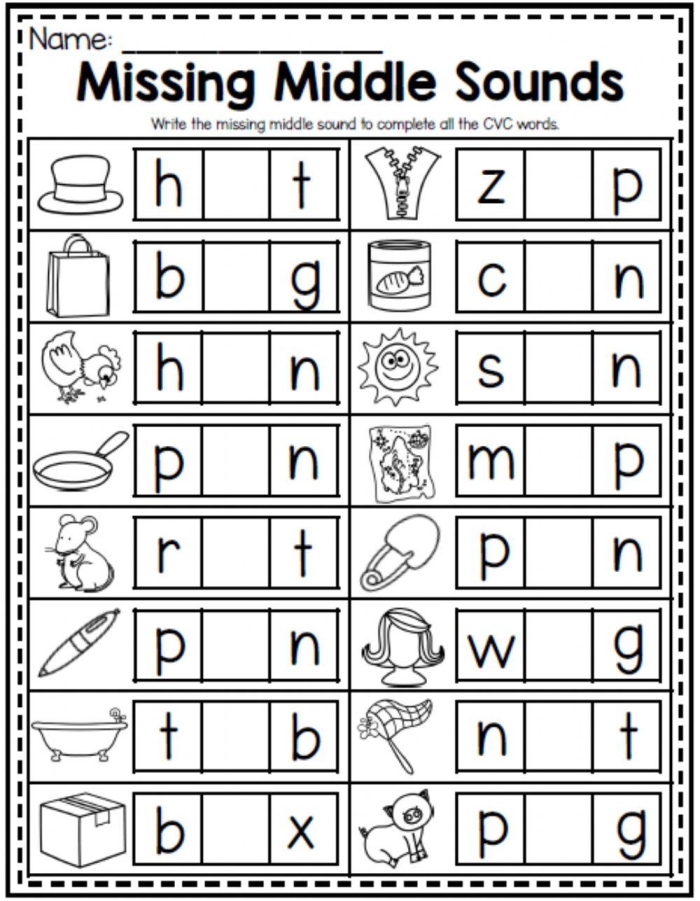
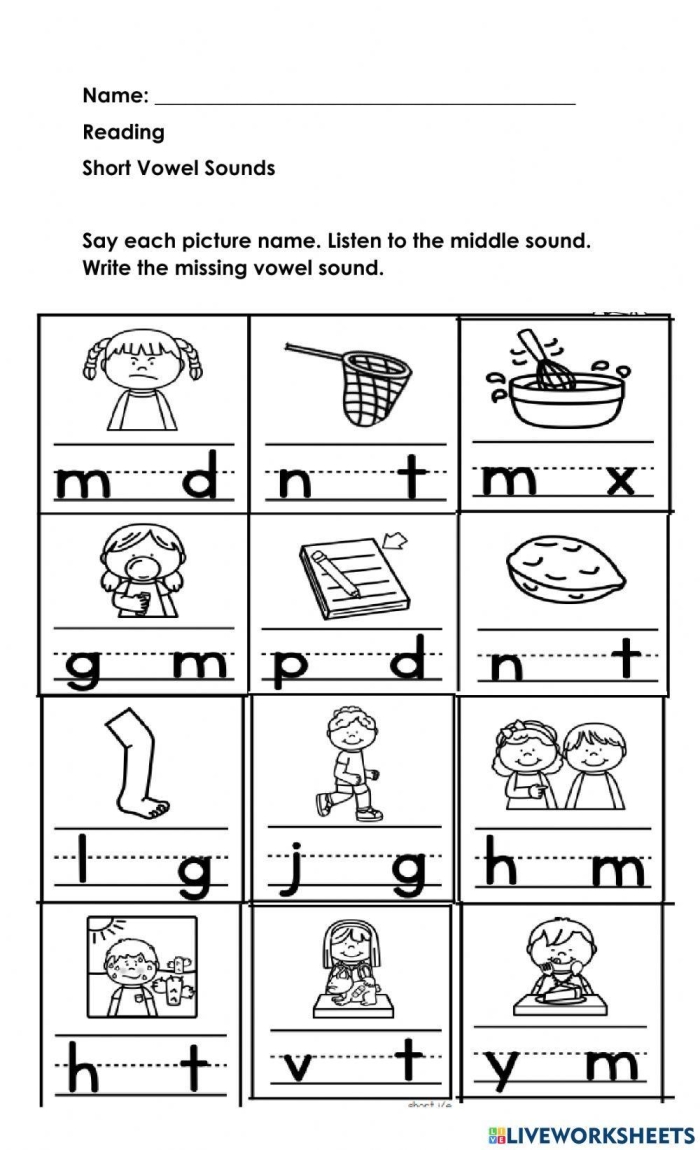
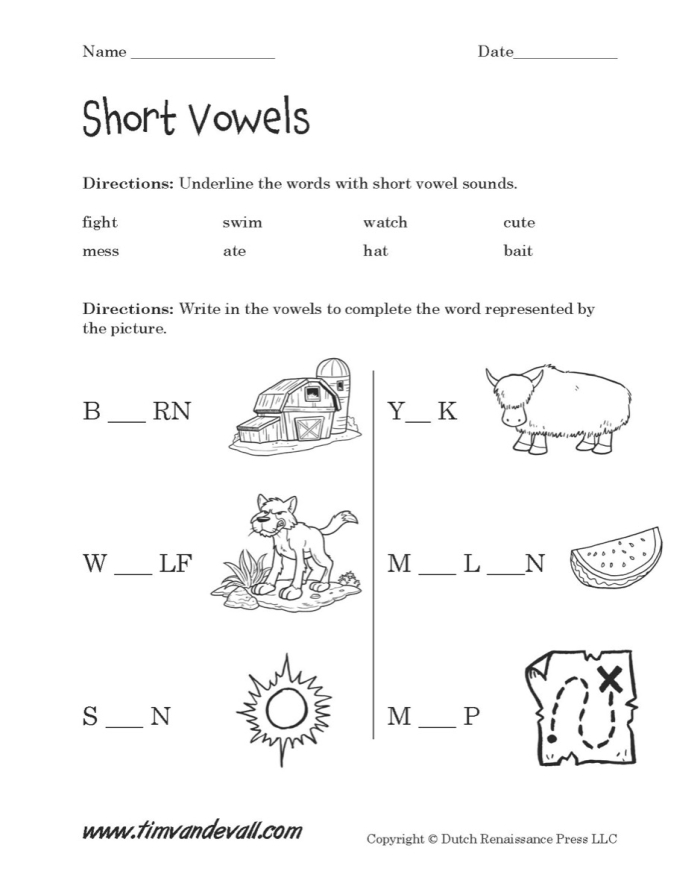
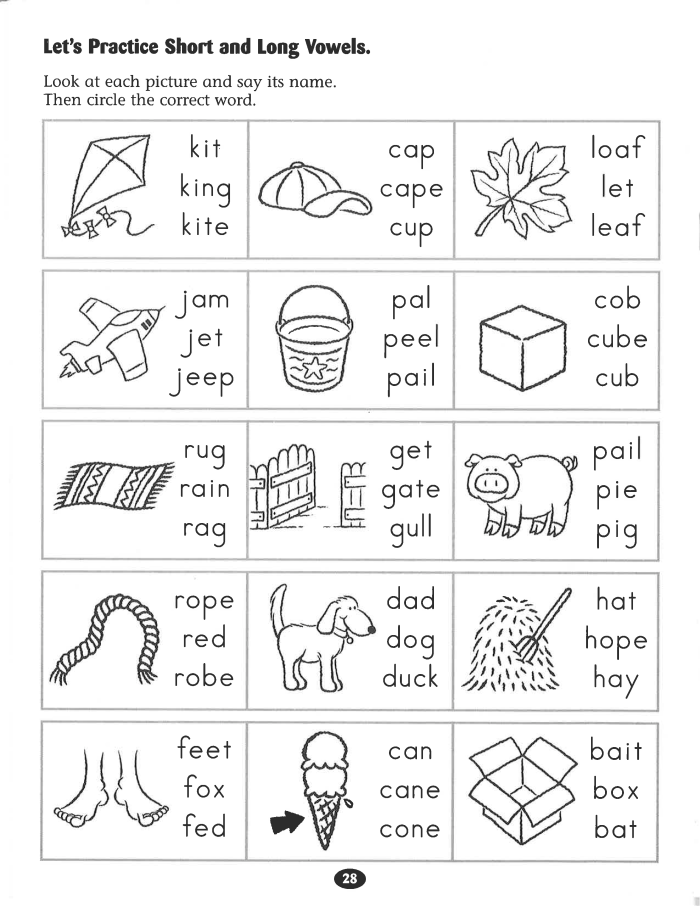
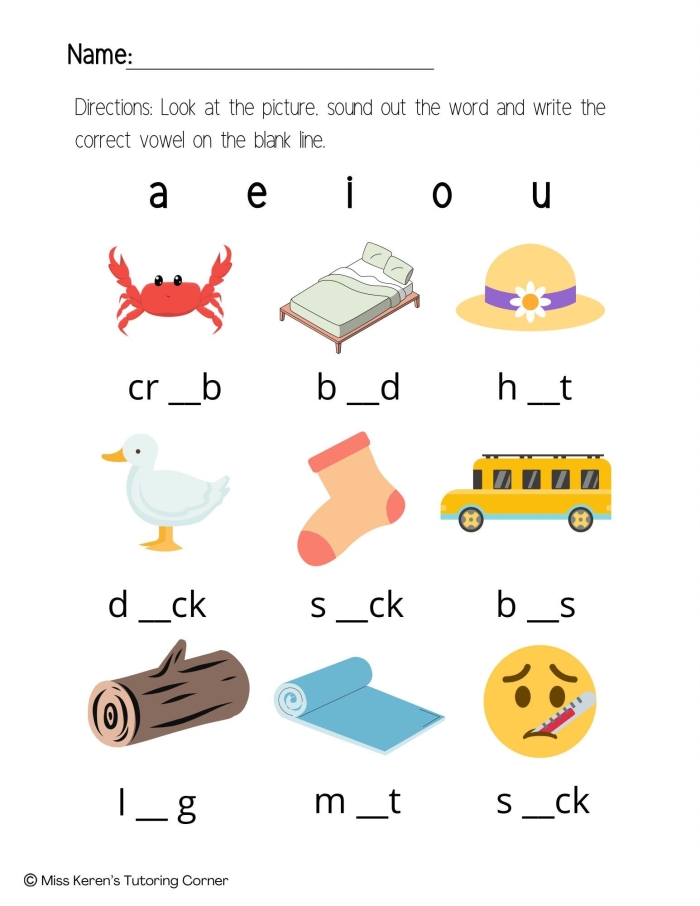
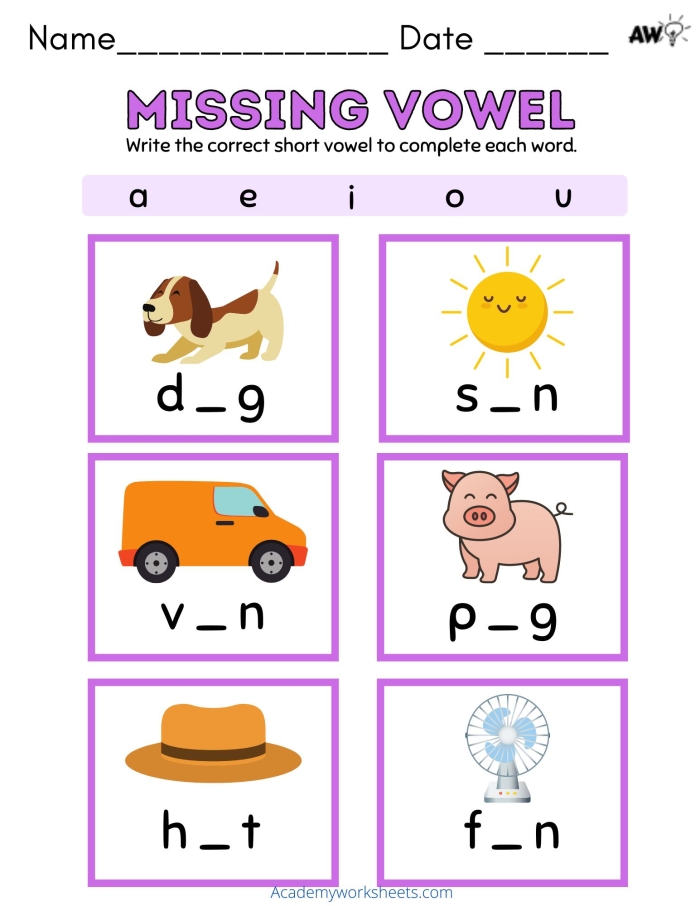
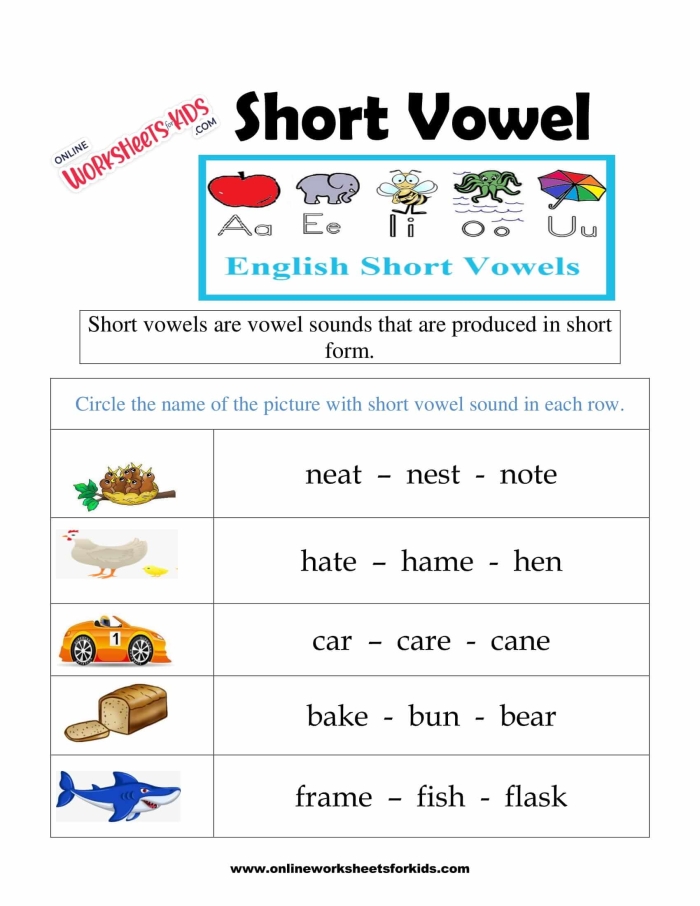
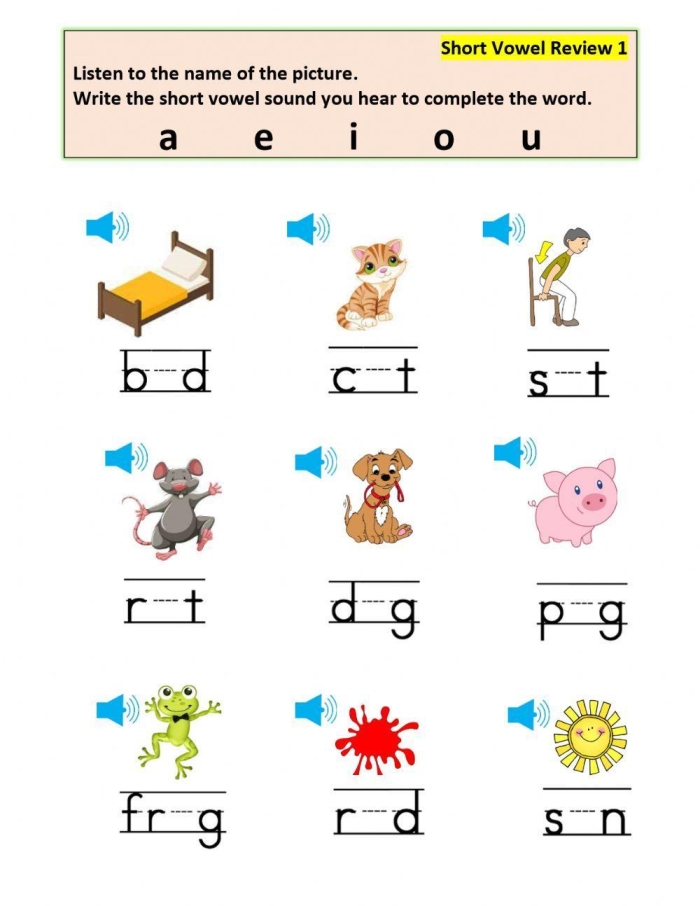
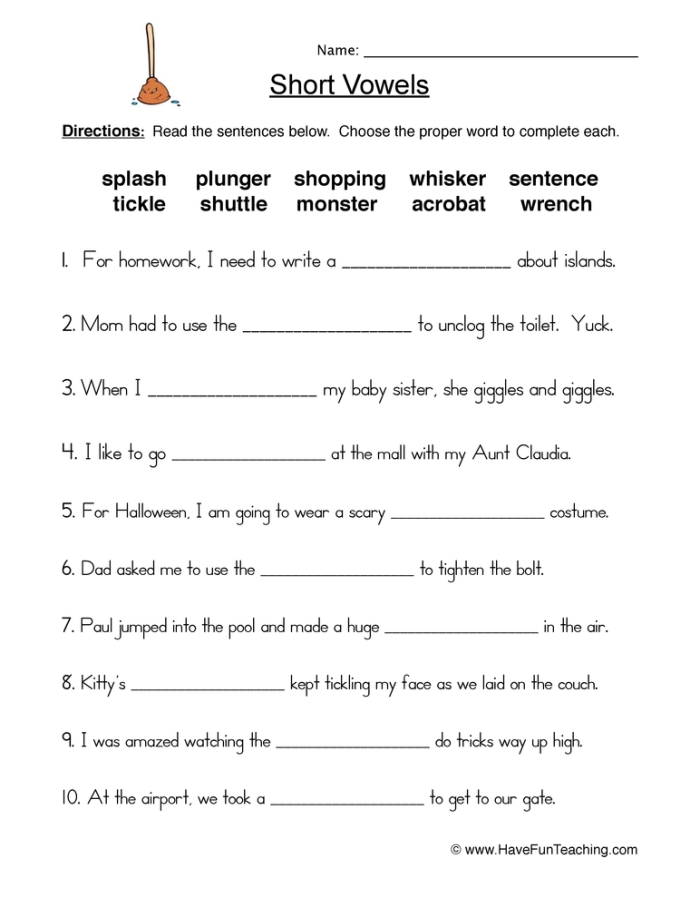
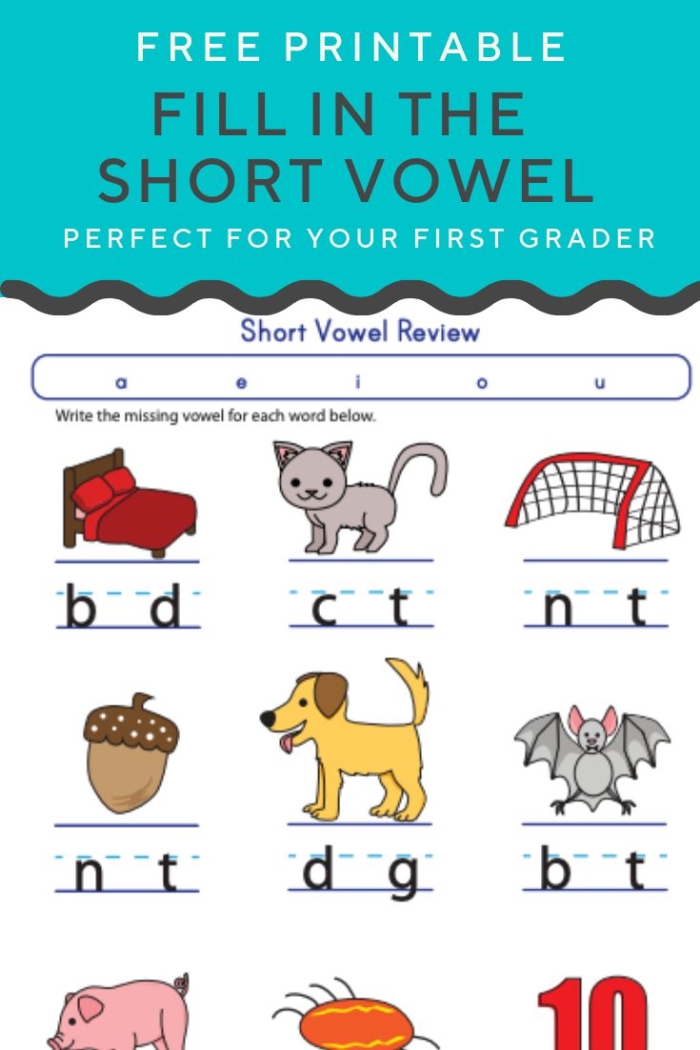
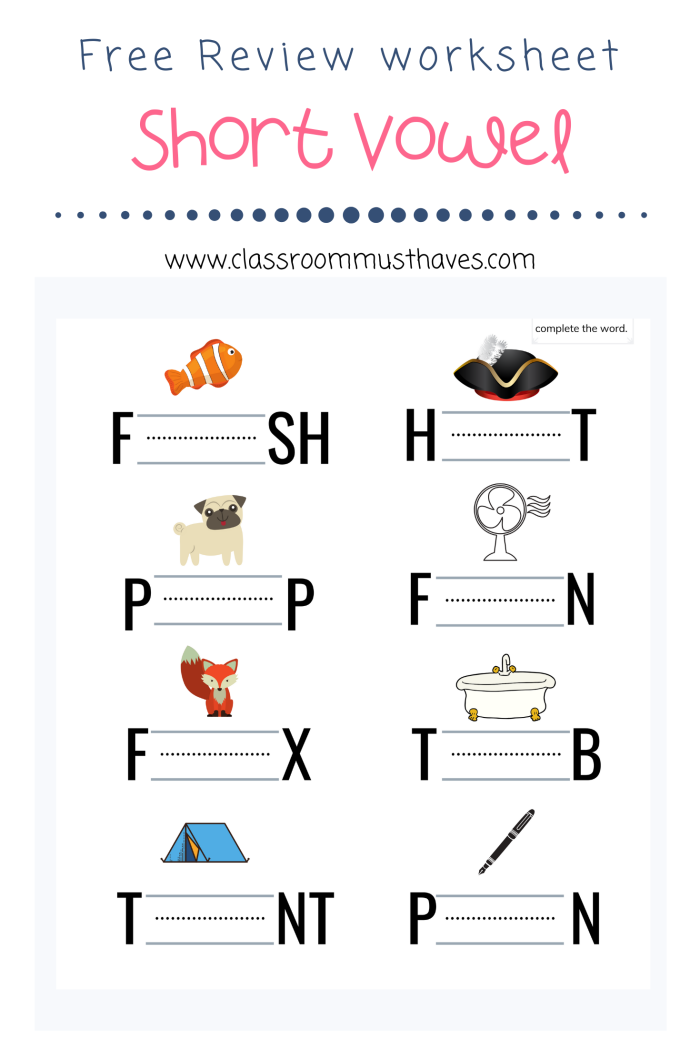
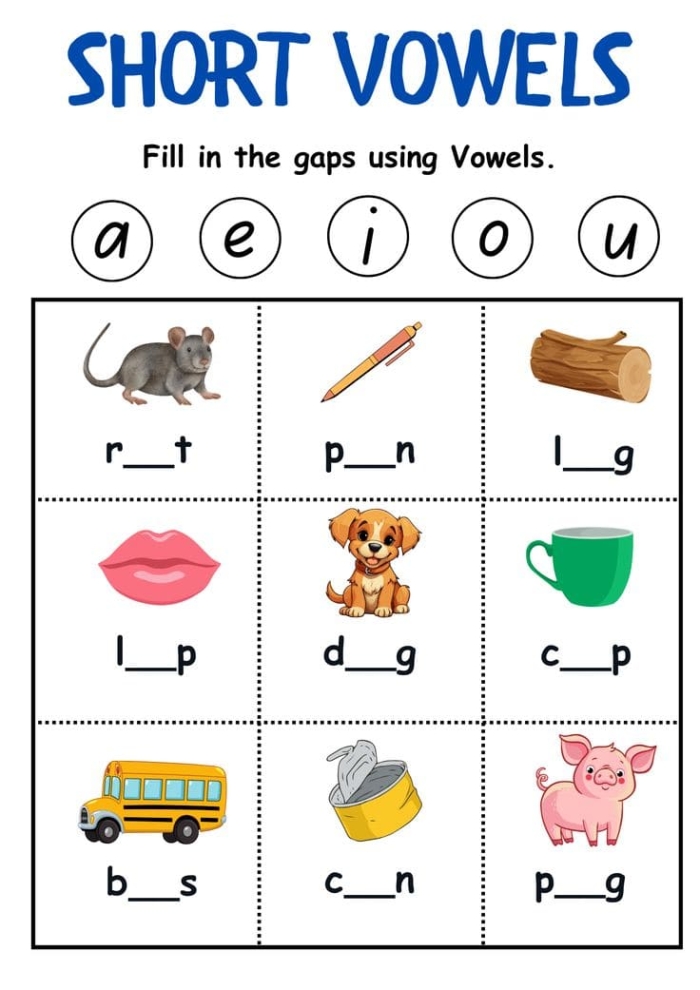
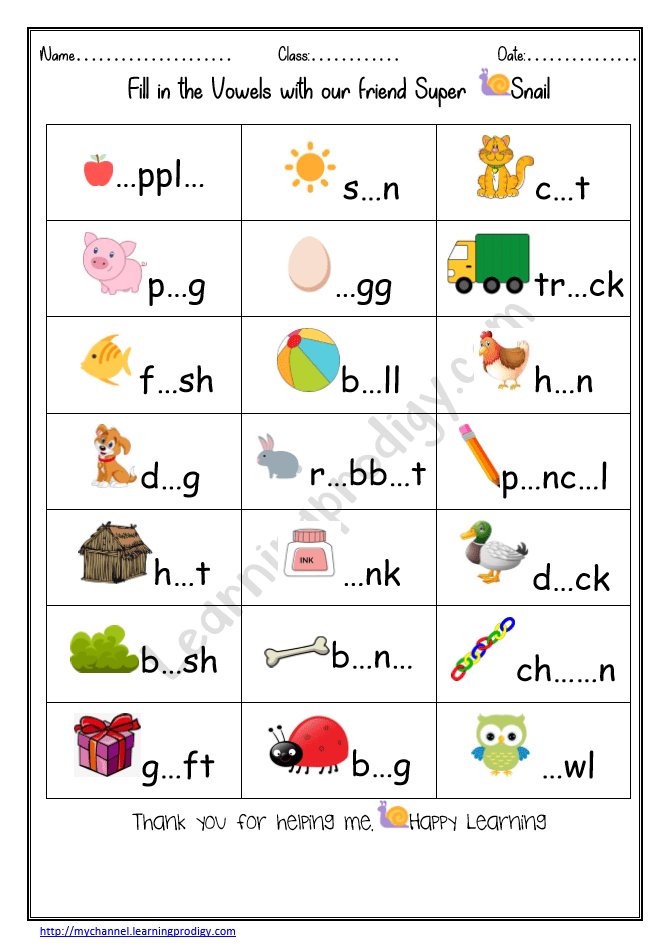
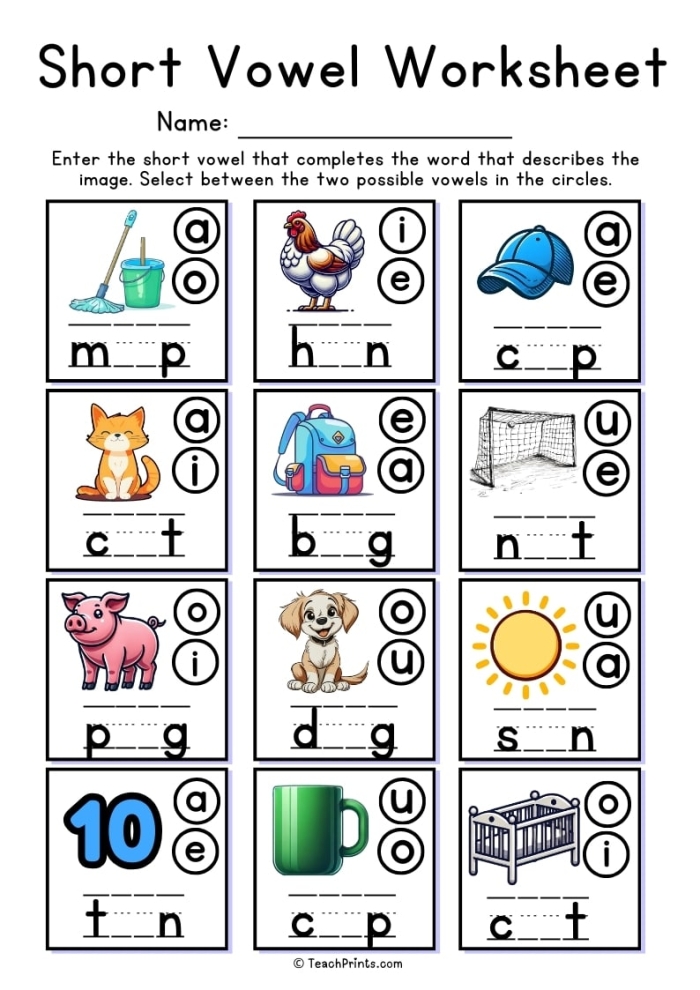
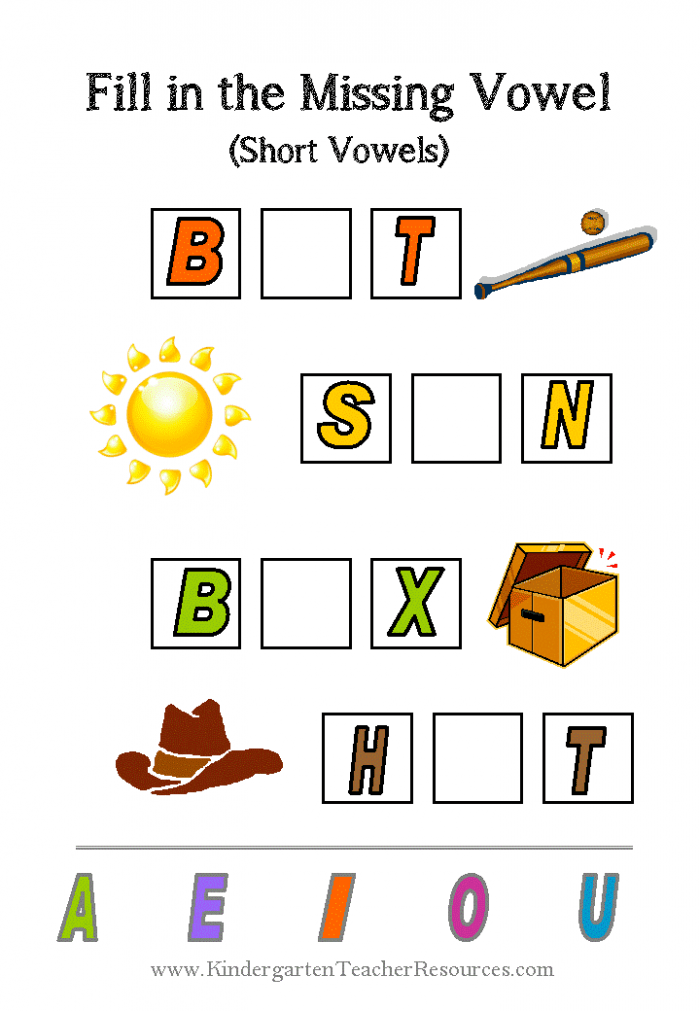
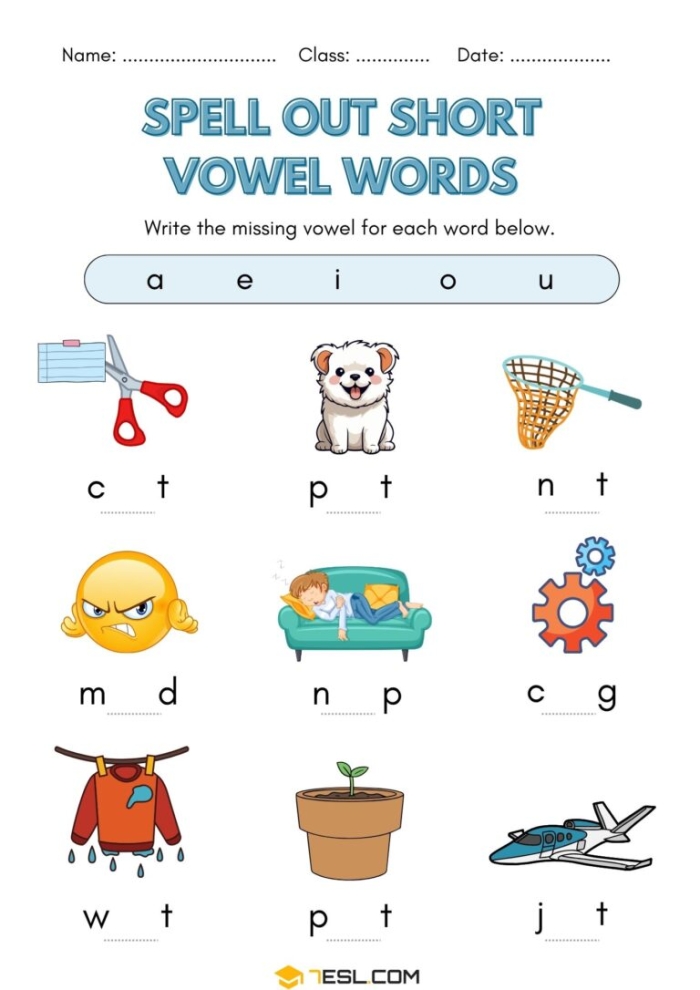
Getting kindergarteners to recognize and use short vowels doesn’t have to feel like pulling teeth. A well-designed short vowel worksheet that asks children to fill in missing letters can transform a potentially frustrating lesson into something they actually want to do.
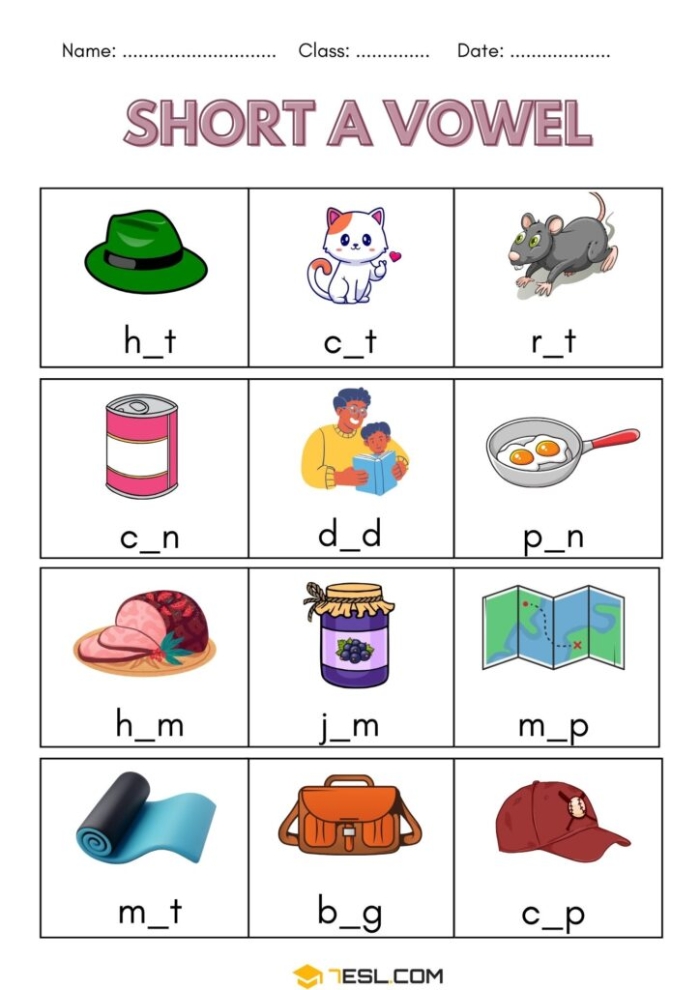
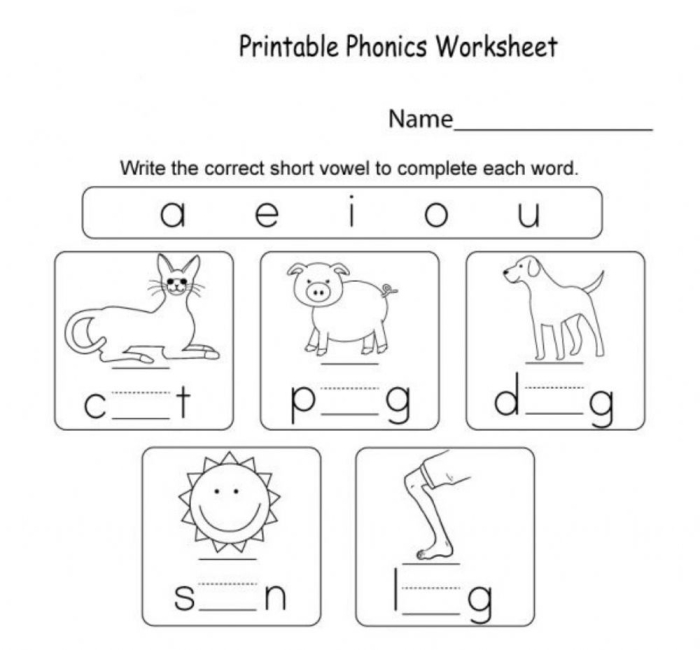
The beauty of this approach lies in how it forces active engagement. Rather than simply reading words aloud or circling correct answers, your child must think about which vowel sound belongs in each blank. This mental work creates stronger neural connections than passive observation ever could. When a kindergartener writes the letter “a” in the word “c_t” to make “cat,” they’re not just following instructions, they’re solving a puzzle.
Short vowel worksheets work particularly well because they isolate one skill at a time. Your child focuses purely on vowel recognition without the distraction of complex consonant blends or multi-syllable words. The format also provides immediate feedback. If your kindergartener writes “cot” instead of “cat,” they can hear the difference when you read it aloud together, and that auditory confirmation reinforces the learning.
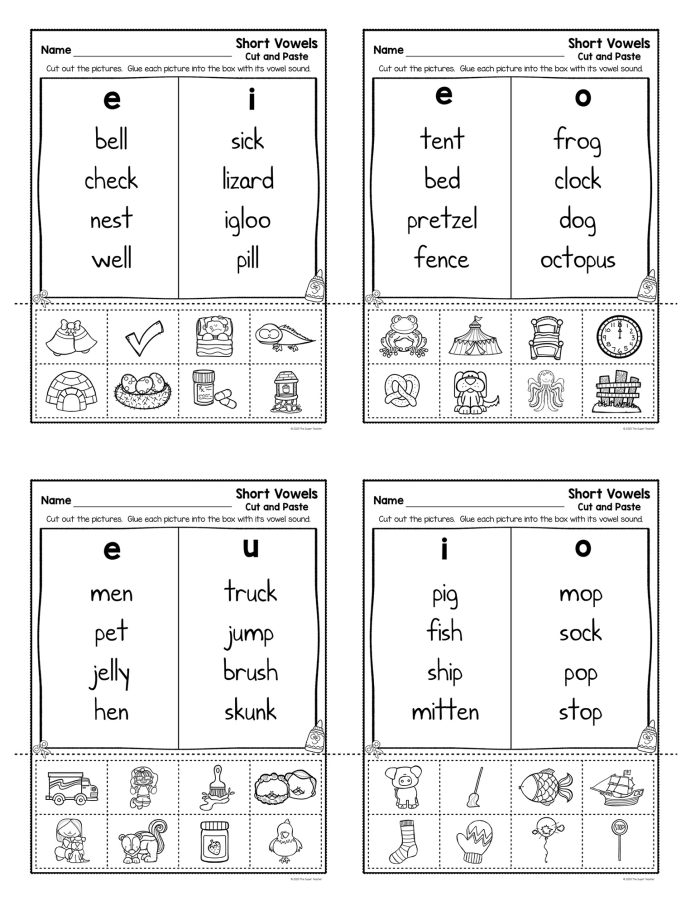
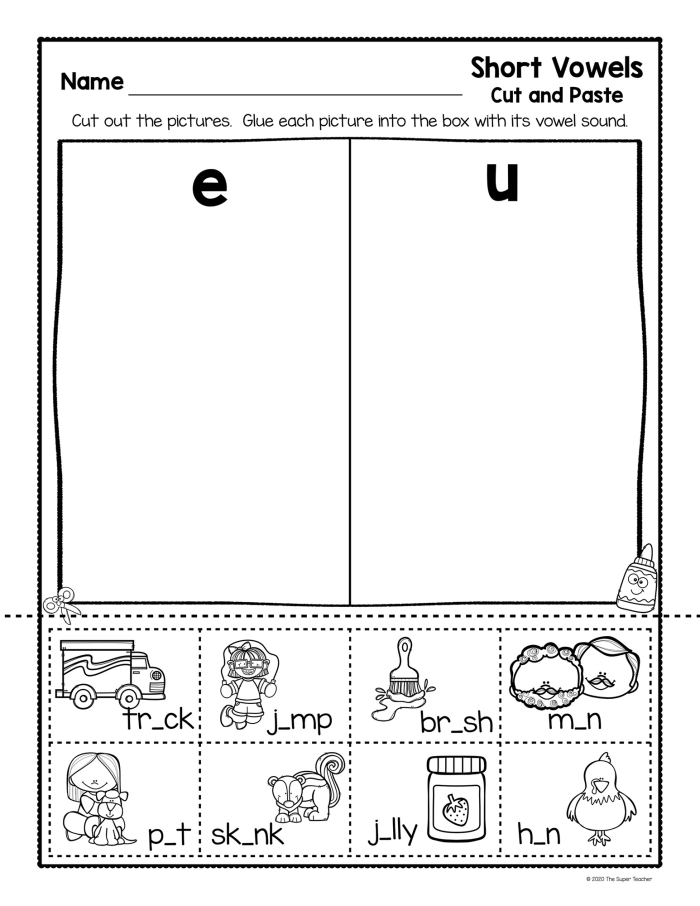
These worksheets pair nicely with other foundational activities. After completing a vowel exercise, you might follow up with a short vowel word sort that uses pictures to reinforce the same sounds. Or try combining letter recognition work with letter shape puzzles to keep your kindergartener’s hands and mind engaged across multiple lessons.
The key is consistency. Spending just ten minutes daily with a short vowel worksheet produces better results than occasional longer sessions. Your kindergartener will start recognizing patterns, anticipating which vowels belong in familiar word families, and eventually applying this knowledge to new words they encounter independently.
Try These Printable Worksheets