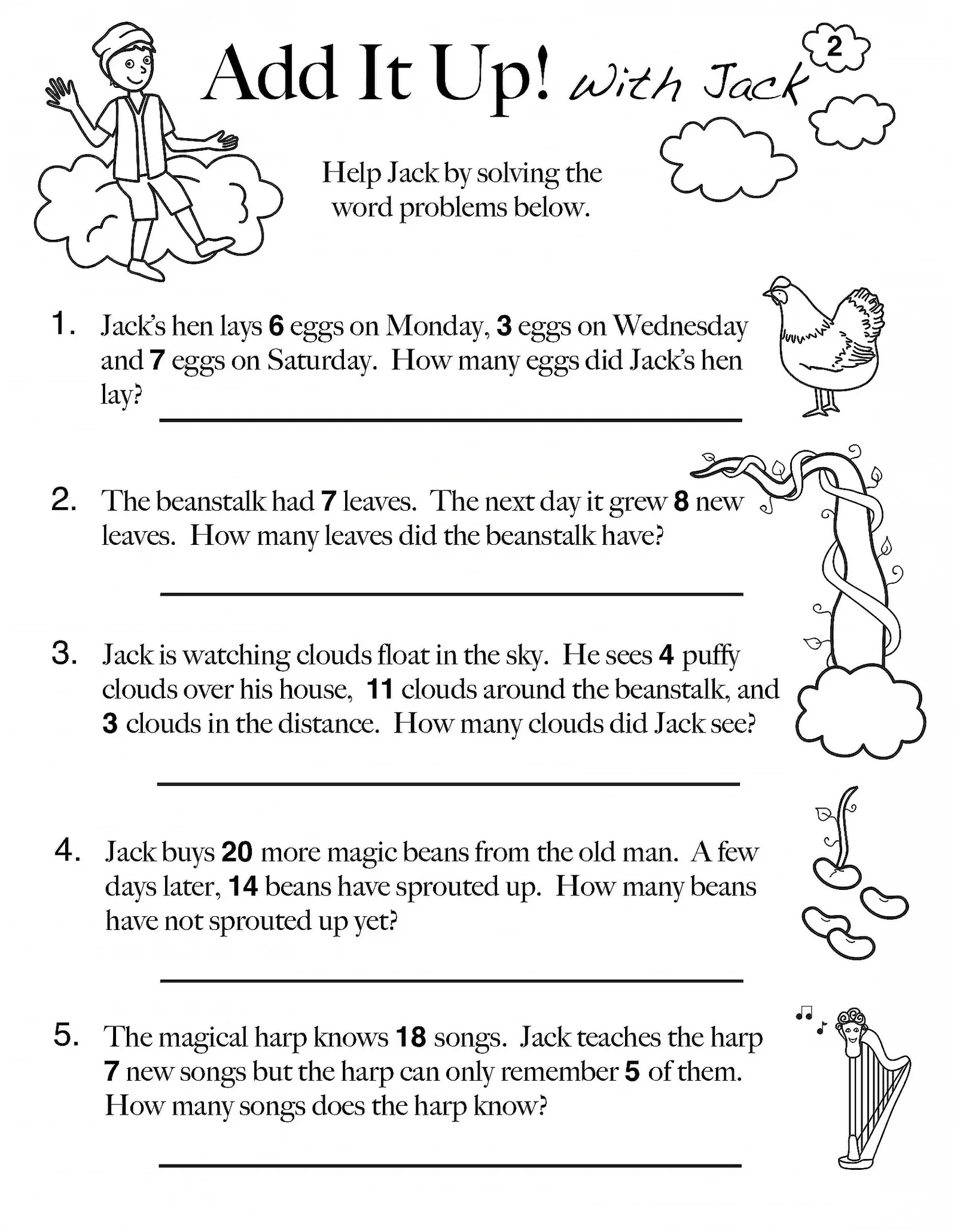
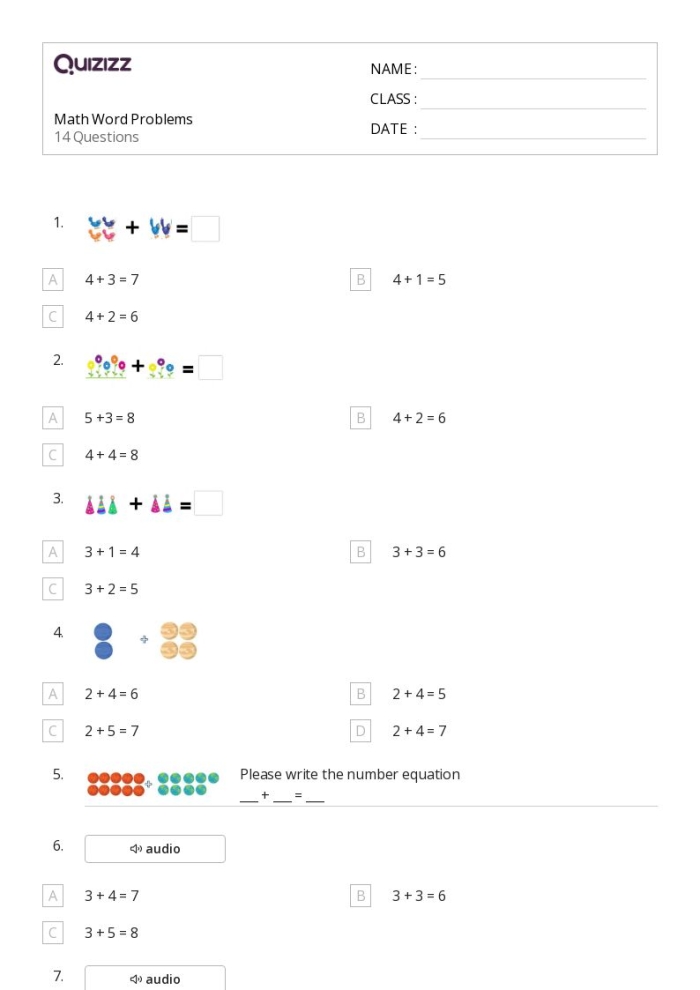
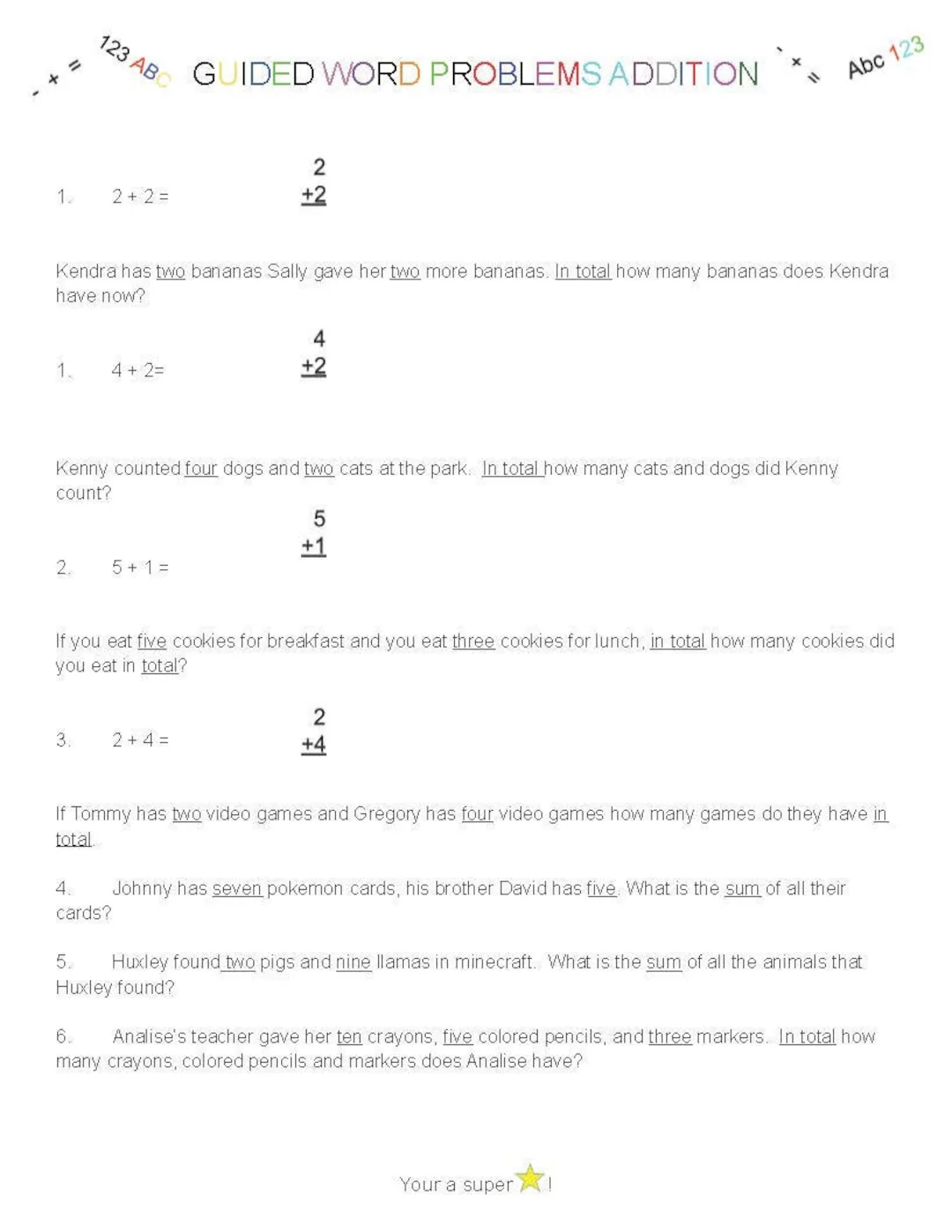
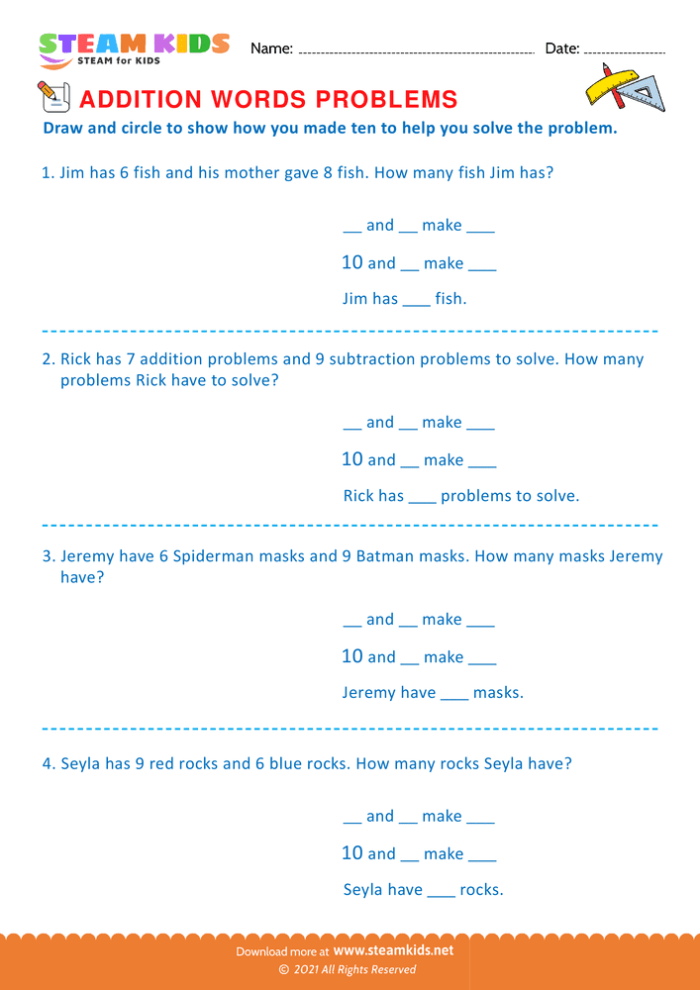
Building a burger might seem like an unusual way to teach math, but it’s exactly the kind of hands-on approach that helps first graders grasp word problems naturally. When children assemble a burger by following simple instructions, they’re actually solving problems step by step without realizing they’re doing math at all.
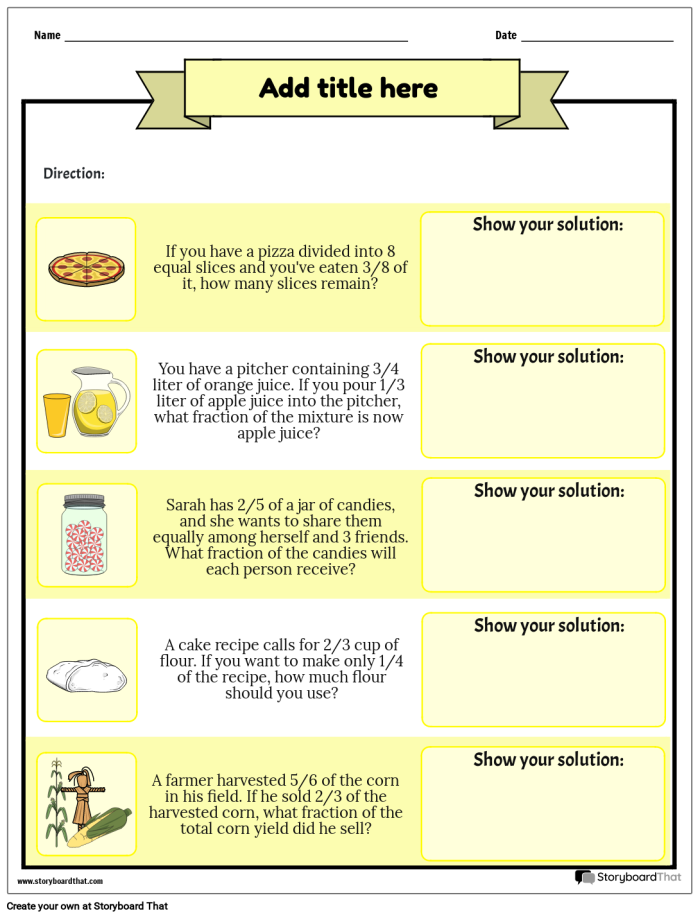
Word problems for first grade work best when they connect to something concrete and relatable. A burger scenario gives kids a real-world context they understand. Instead of abstract numbers on a page, they’re thinking about how many patties go on a bun, how many pickles fit on top, or whether there are enough cheese slices for everyone. This makes the math feel purposeful rather than random.
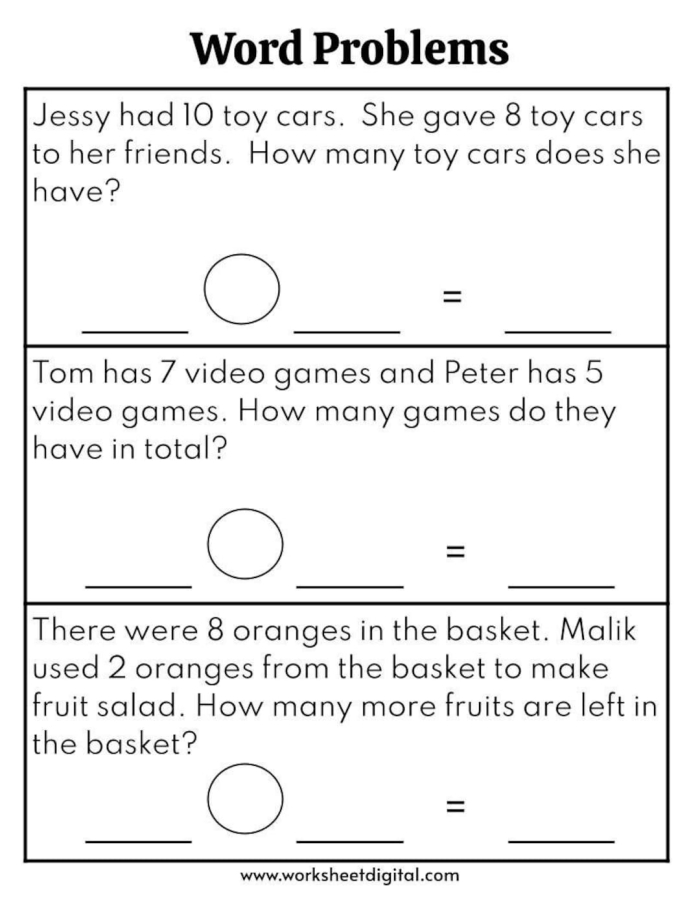
The beauty of this approach lies in how it builds reading and math skills simultaneously. First graders encounter sight words naturally within the problem structure, reinforcing their reading fluency while they work through the math. When a worksheet asks “How many buns do you need if you make three burgers?” the child reads words like “how,” “many,” and “if” in context, which strengthens their sight word recognition far more effectively than isolated drills.
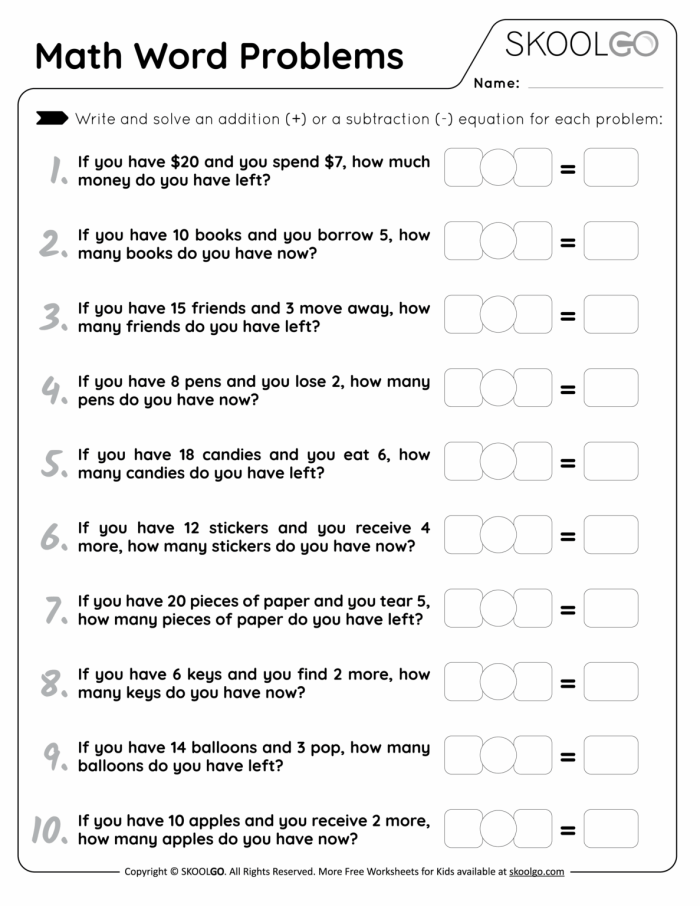
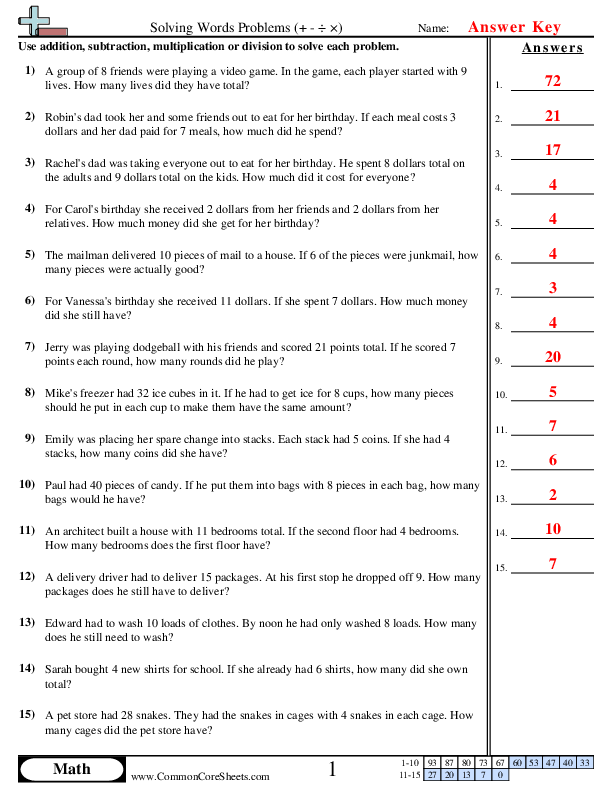
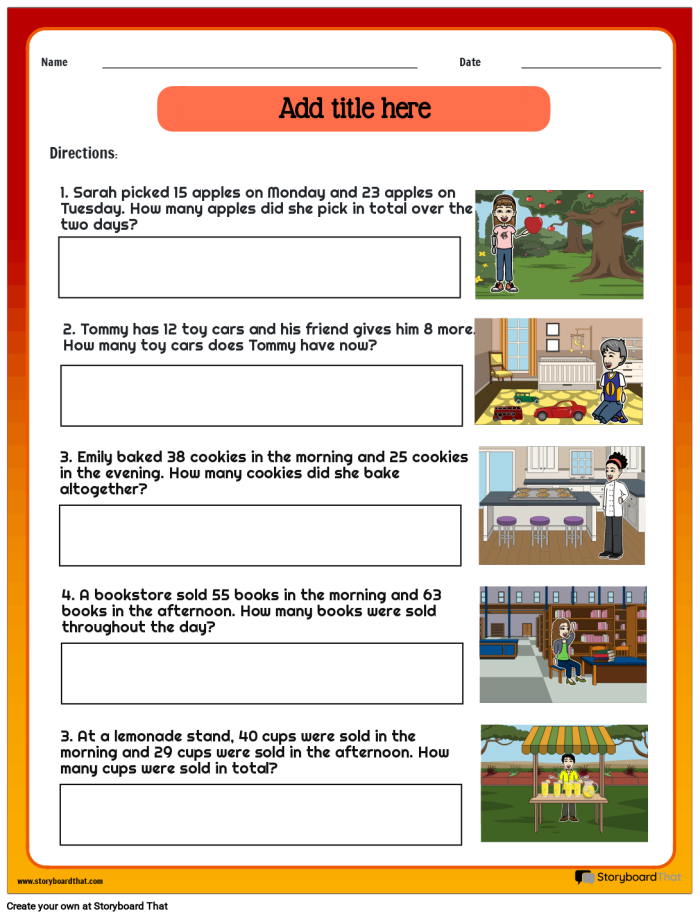
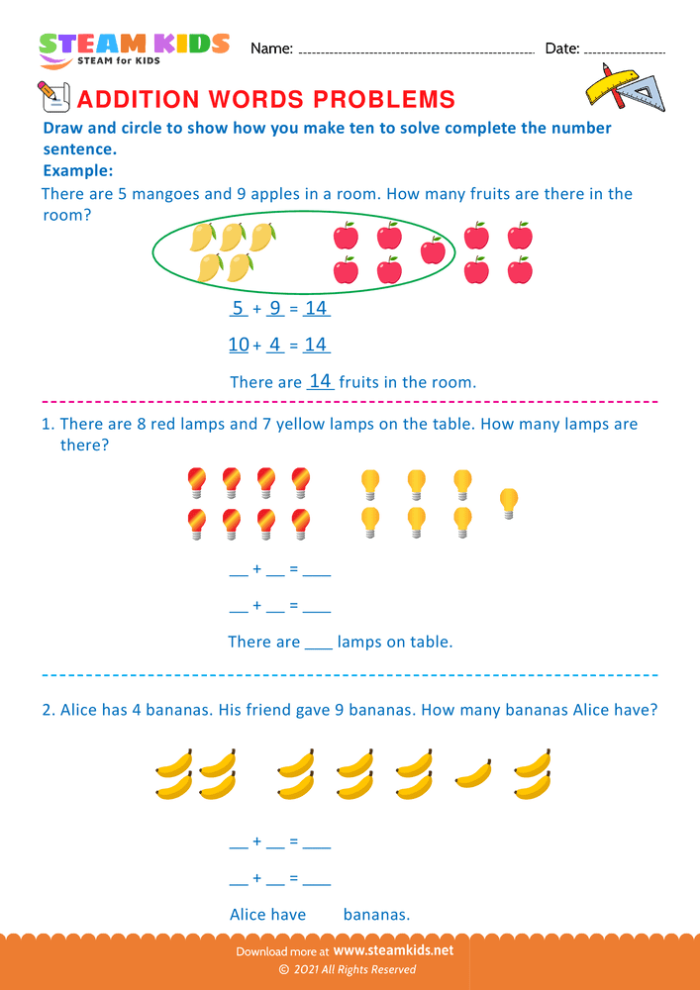
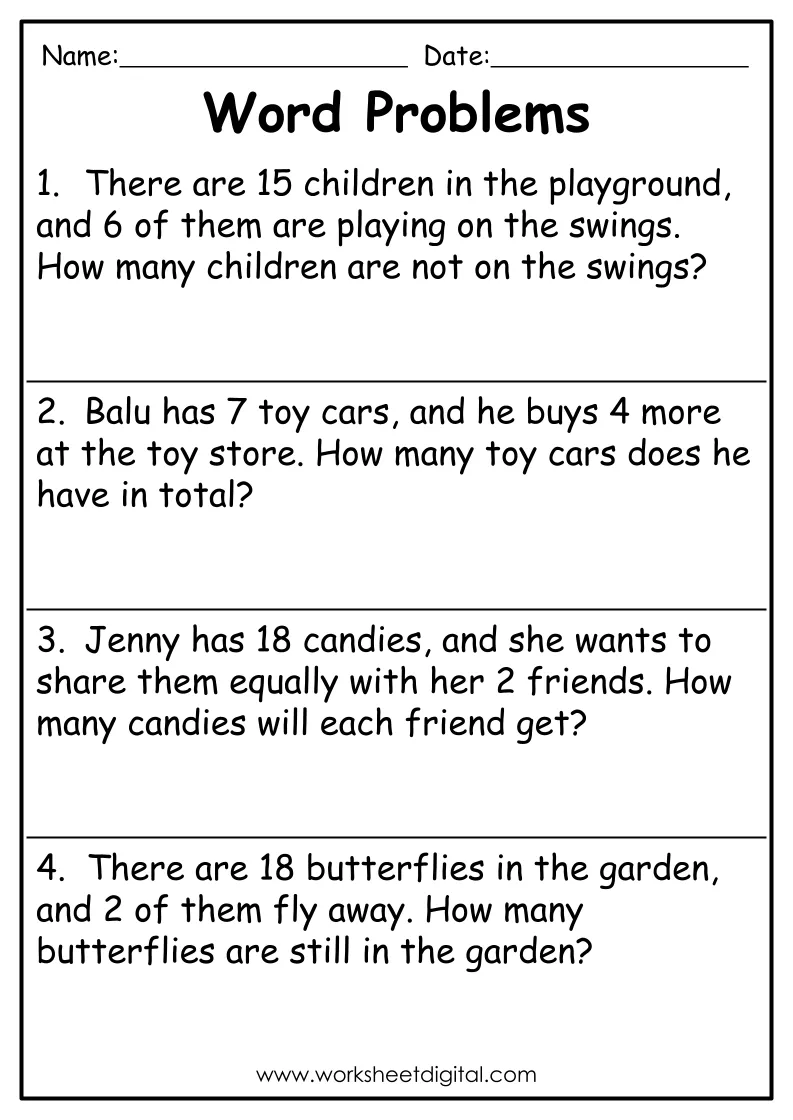
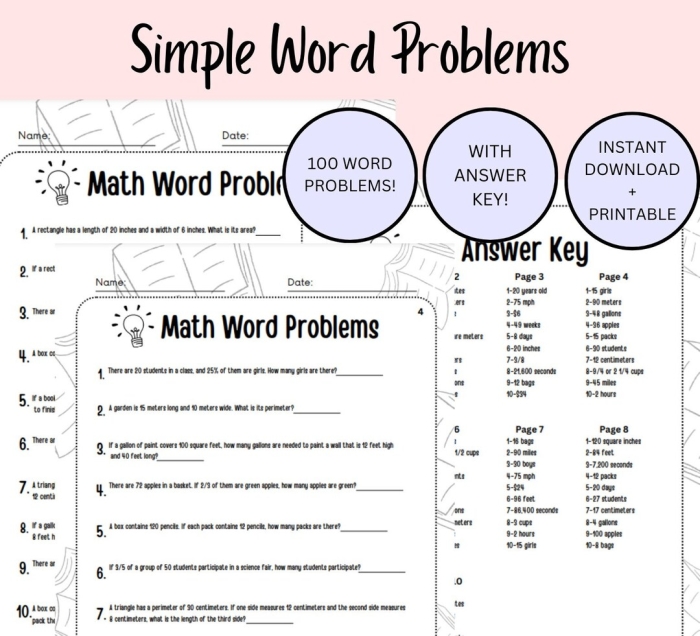
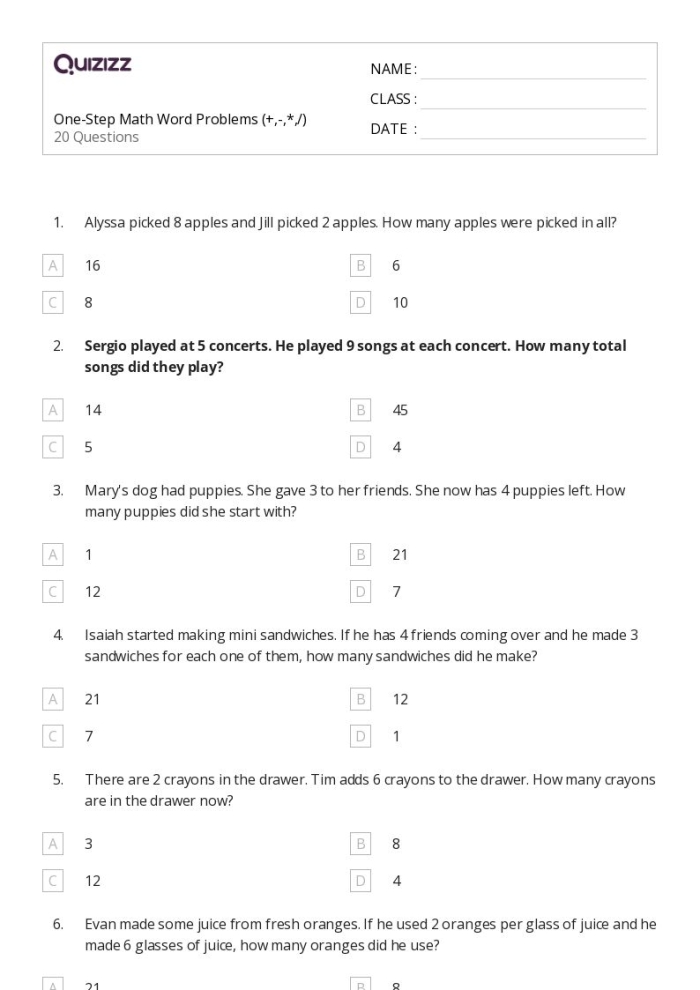
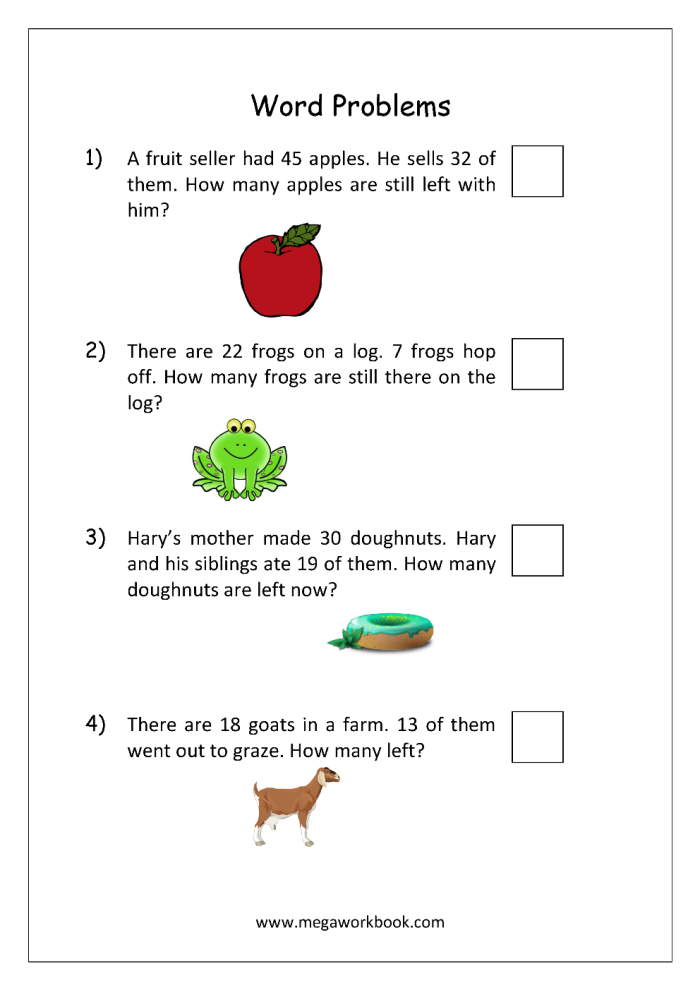
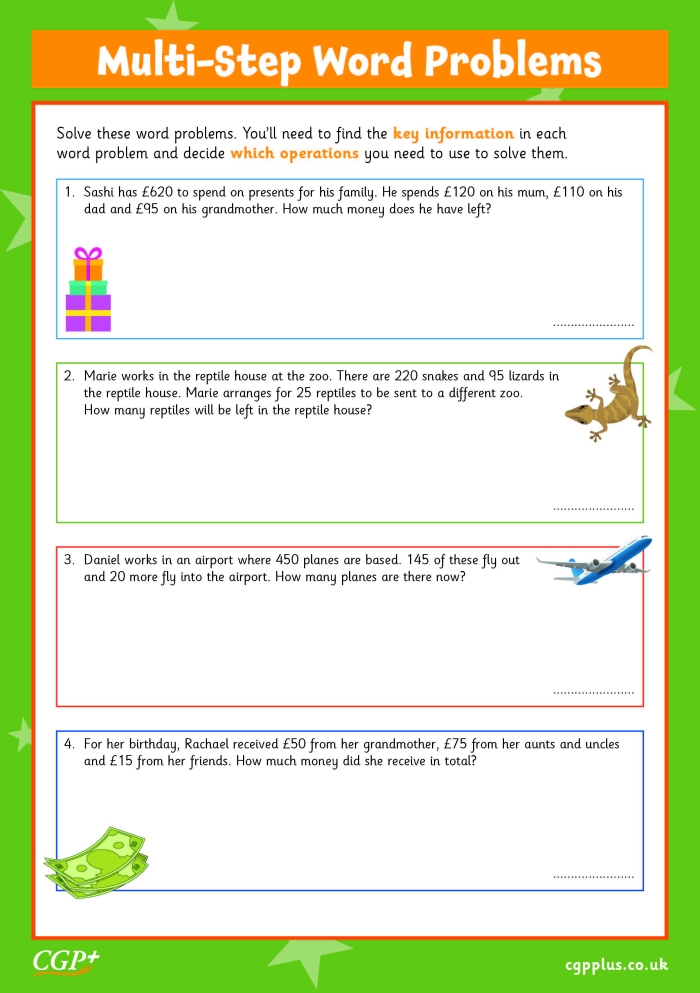
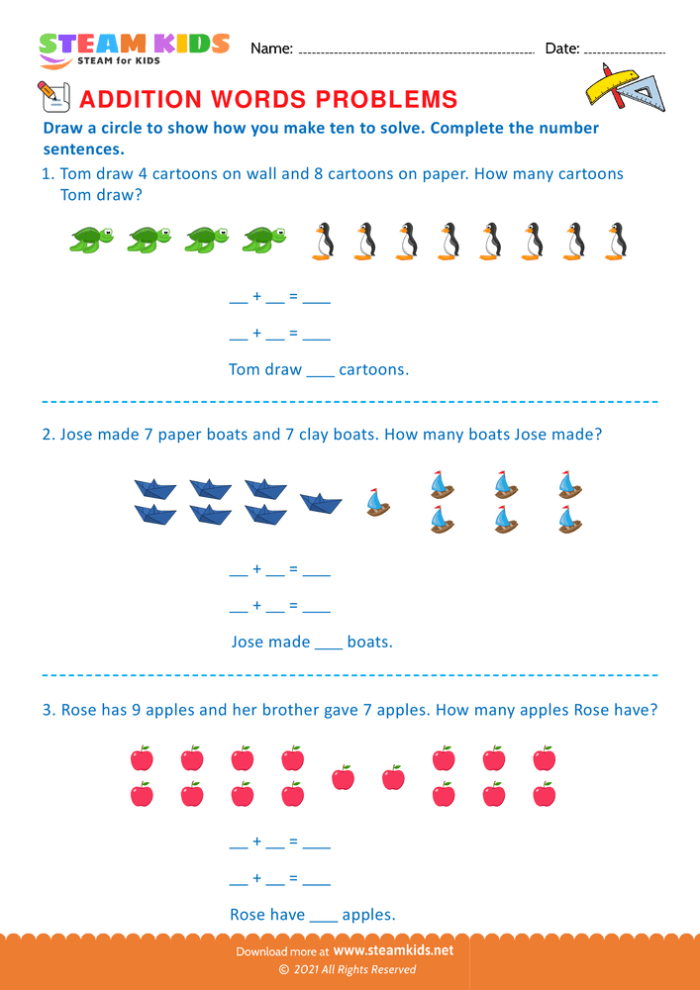
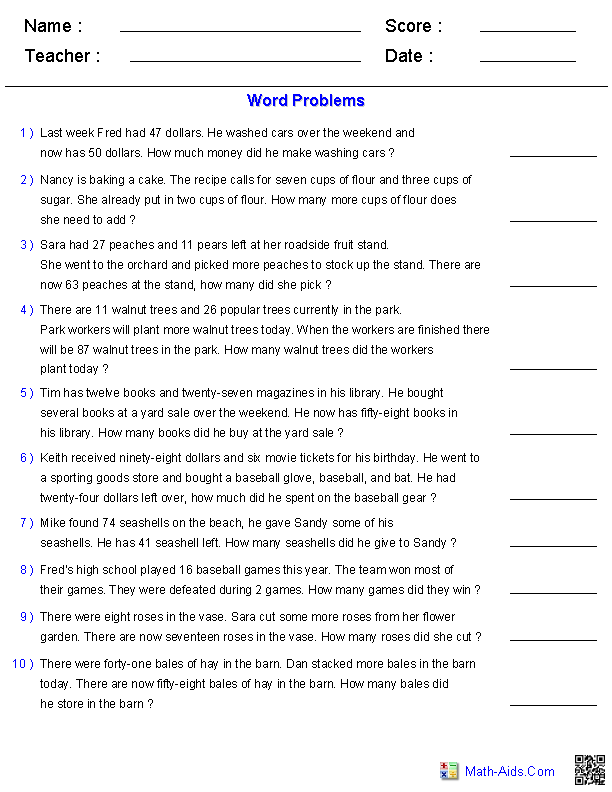
Starting with simple math word problems that use familiar scenarios helps children develop problem-solving confidence. The burger theme is just one example, but it’s particularly effective because most first graders have seen or eaten a burger, making the scenario feel personal and achievable.
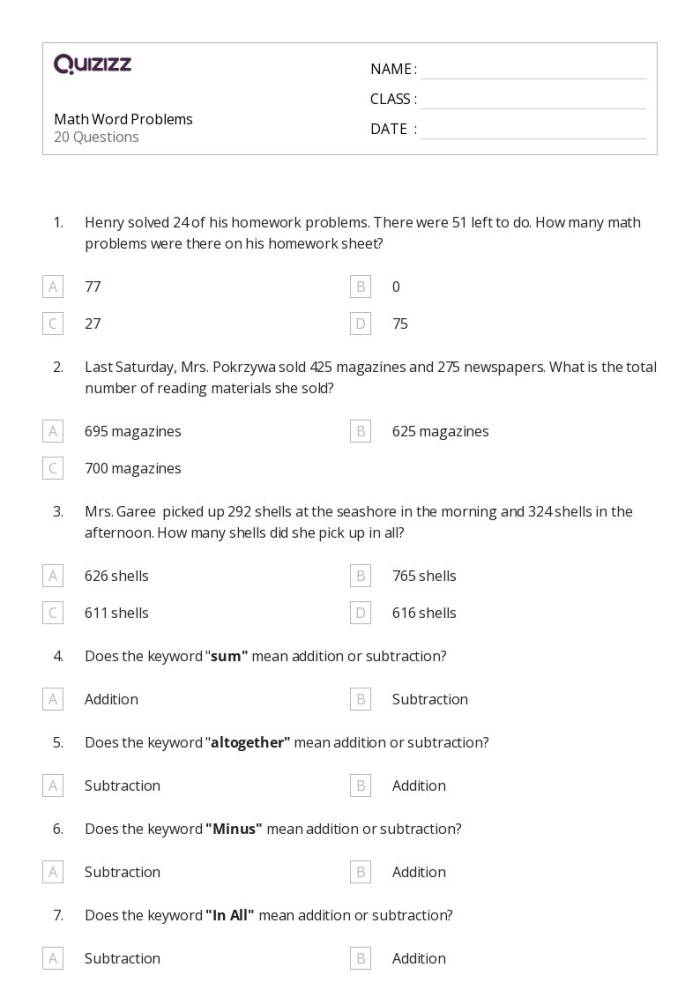
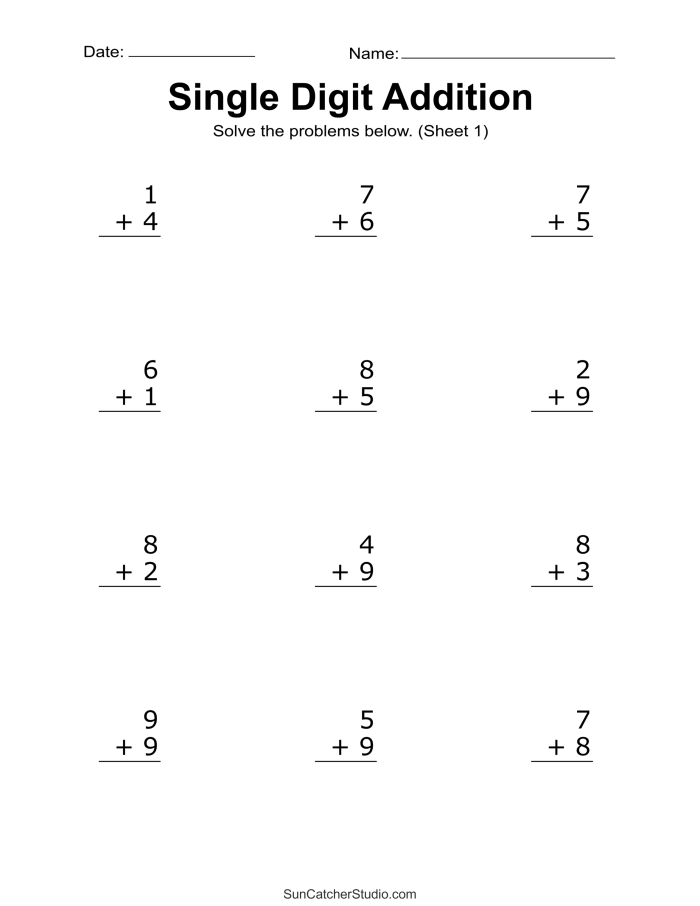
When you combine this burger-building activity with worksheets that incorporate sight words, you’re creating multiple learning pathways at once. Your first grader practices addition, subtraction, reading, and critical thinking all through one engaging scenario. The key is keeping the problems short, the numbers small, and the context consistently interesting throughout the lesson.
Boost Skills with These Worksheets