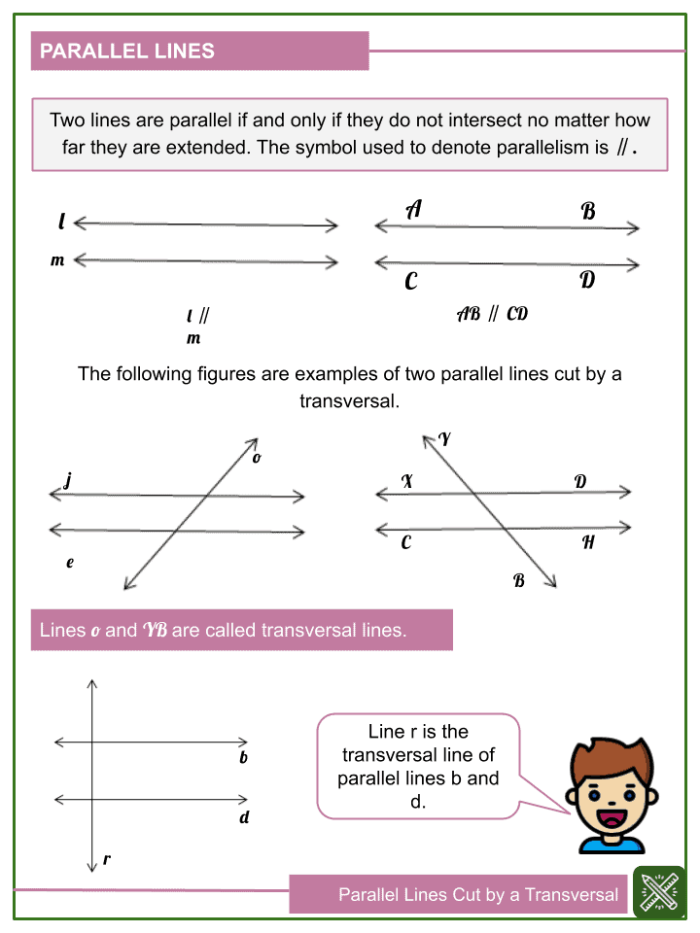
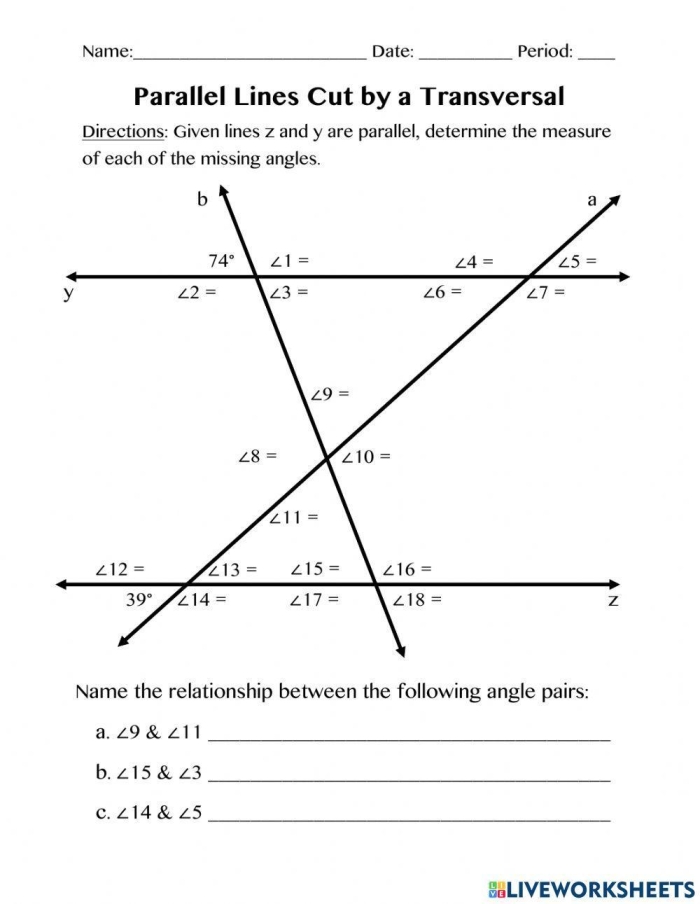
When two parallel lines get crossed by a single line, called a transversal, something predictable happens with the angles that form. Eighth-grade geometry worksheets on this topic teach students to spot and name these angle relationships, which becomes the foundation for more advanced geometry work later on.
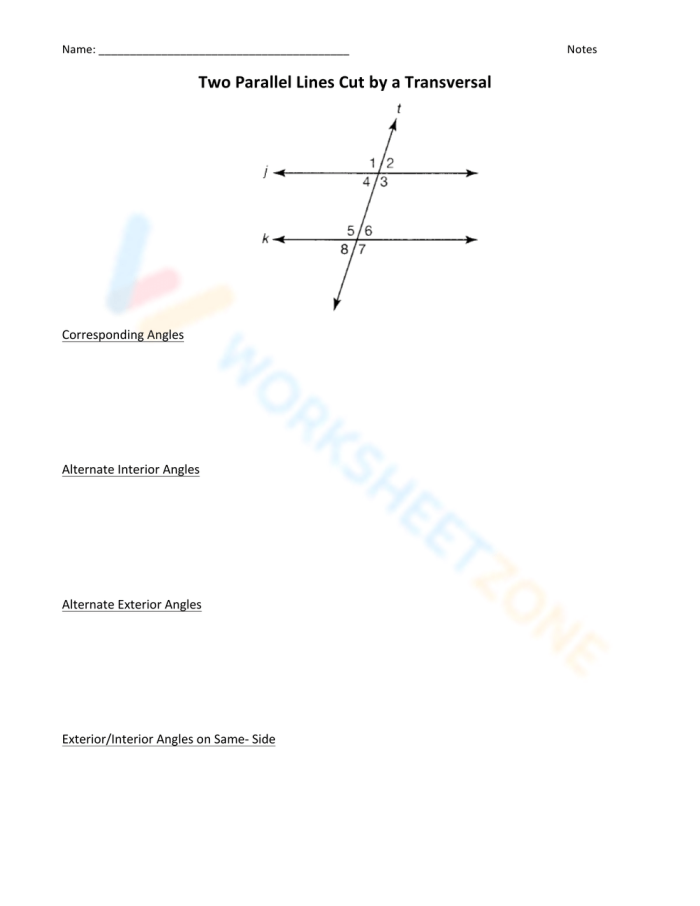
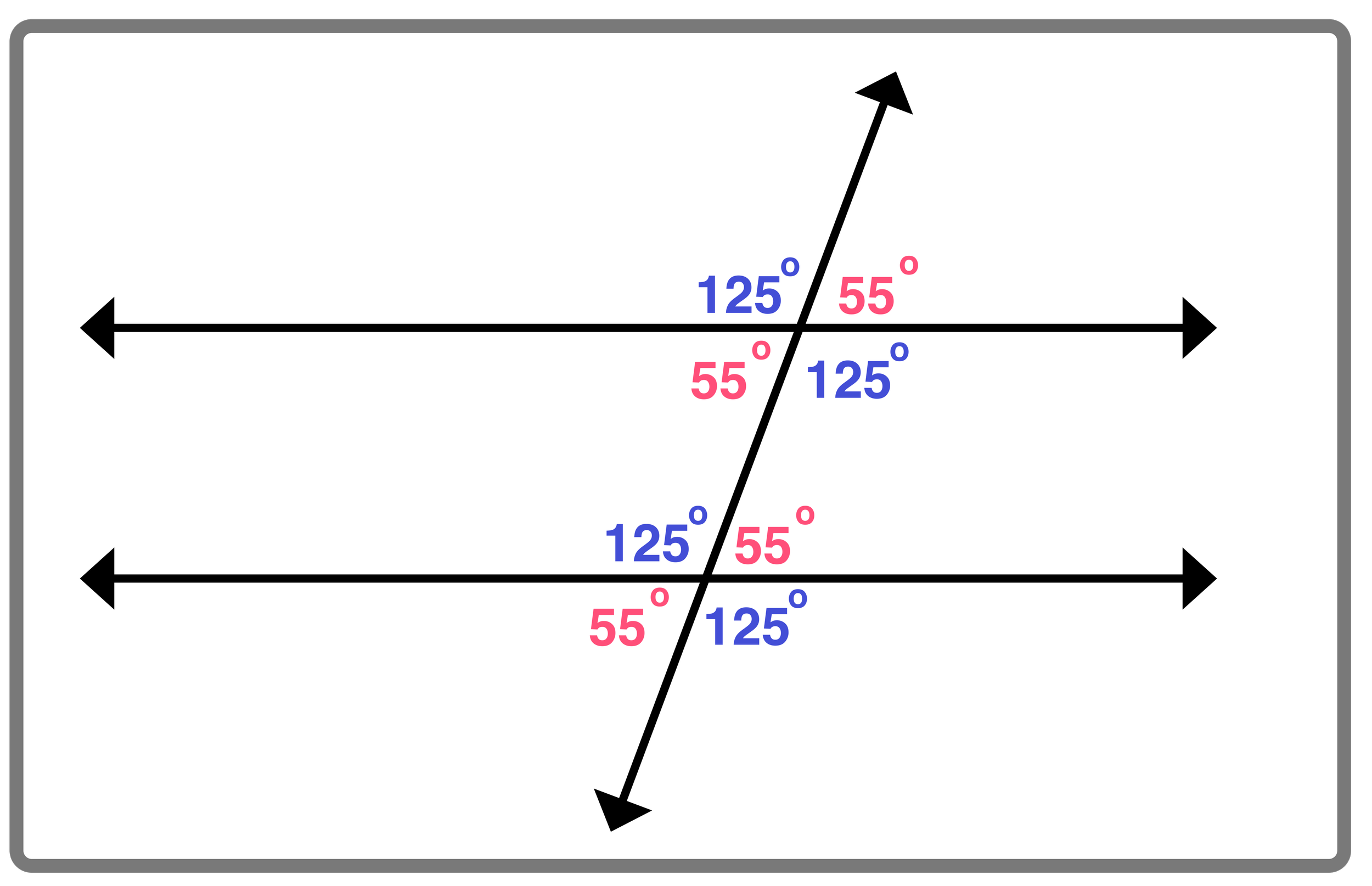
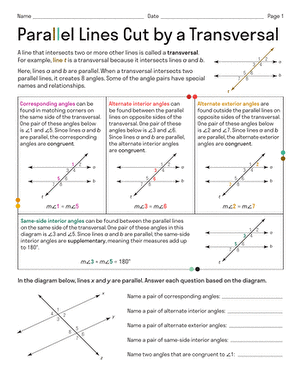
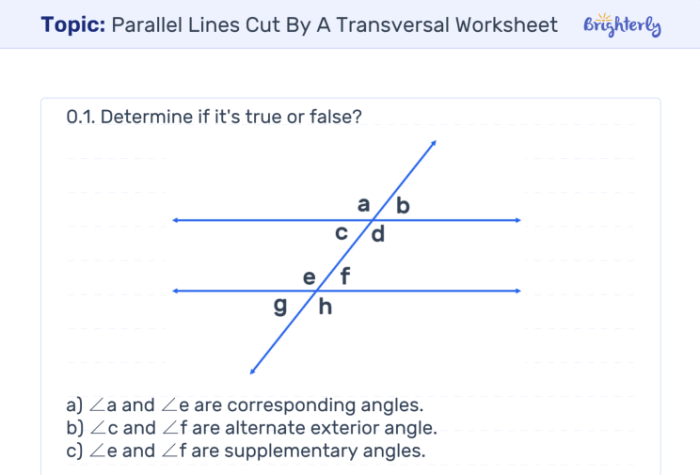
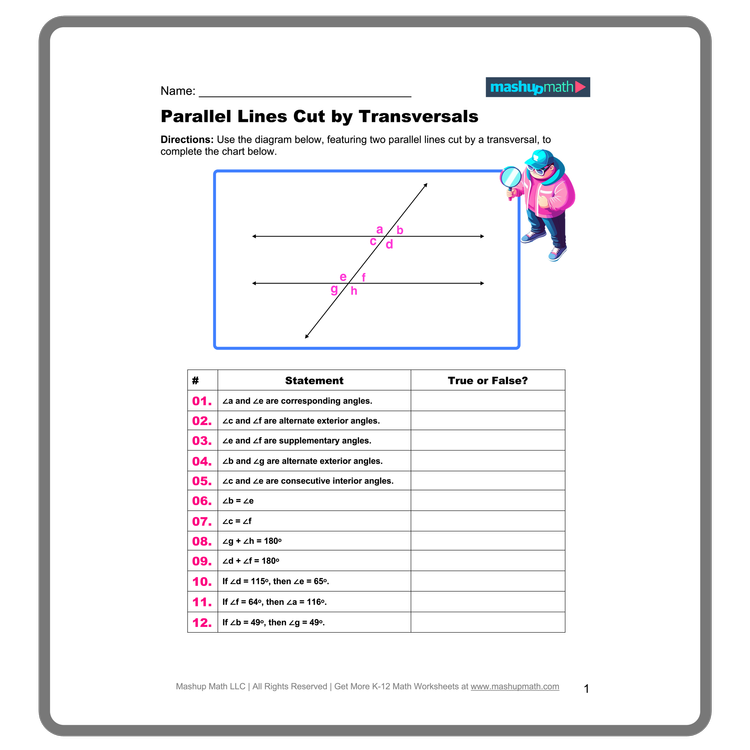
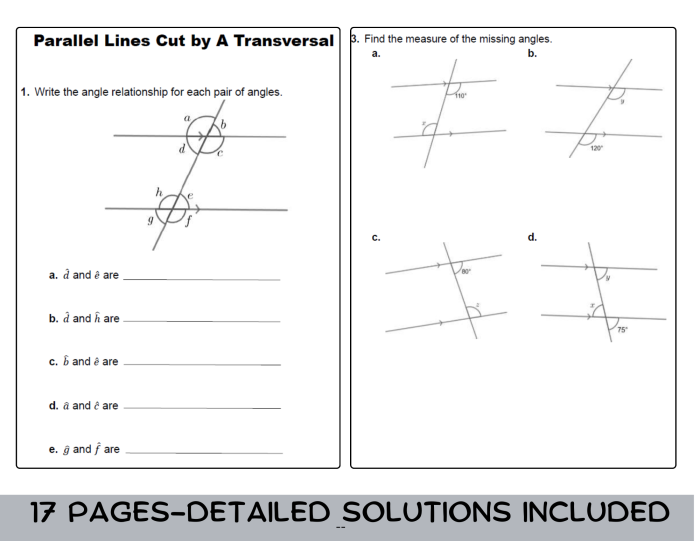
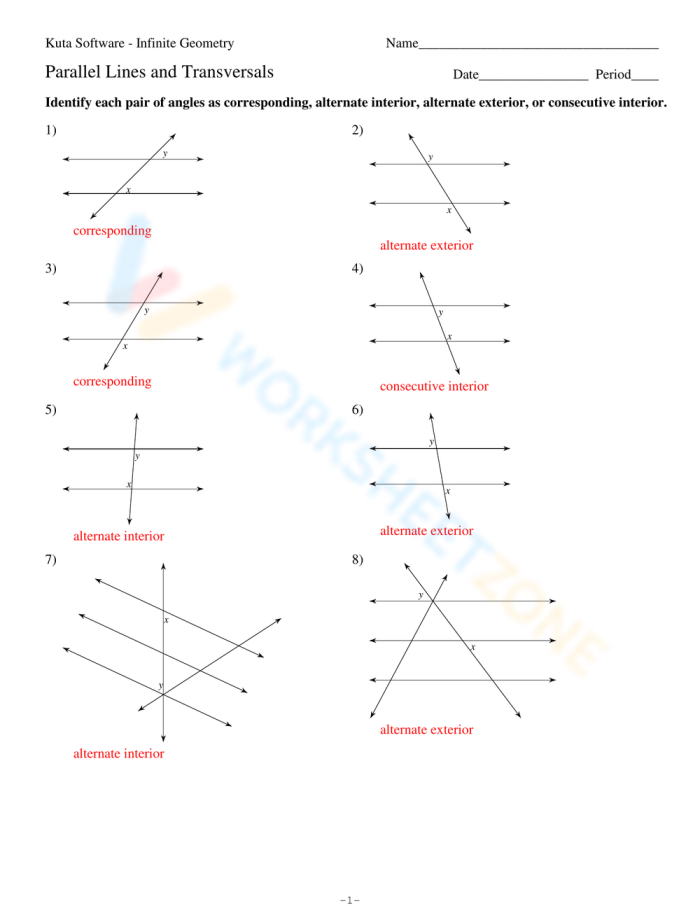
The core idea is straightforward: when a transversal cuts through two parallel lines, it creates eight angles total, four at each intersection point. Students learn to identify which angles are equal to each other and which ones are supplementary, meaning they add up to 180 degrees. The angle pairs have specific names that matter in geometry: corresponding angles, alternate interior angles, alternate exterior angles, and co-interior angles (sometimes called consecutive interior angles or same-side interior angles).
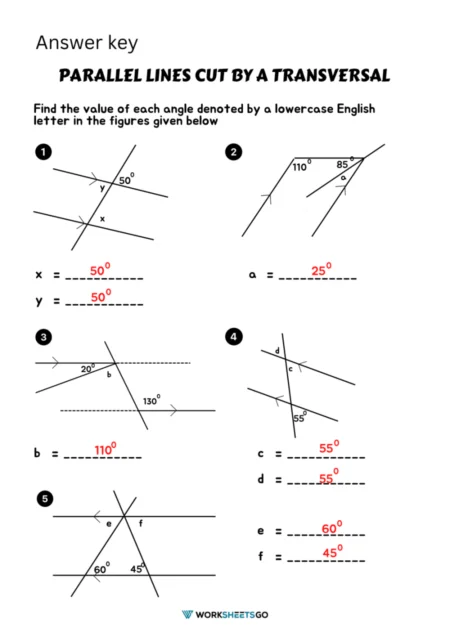
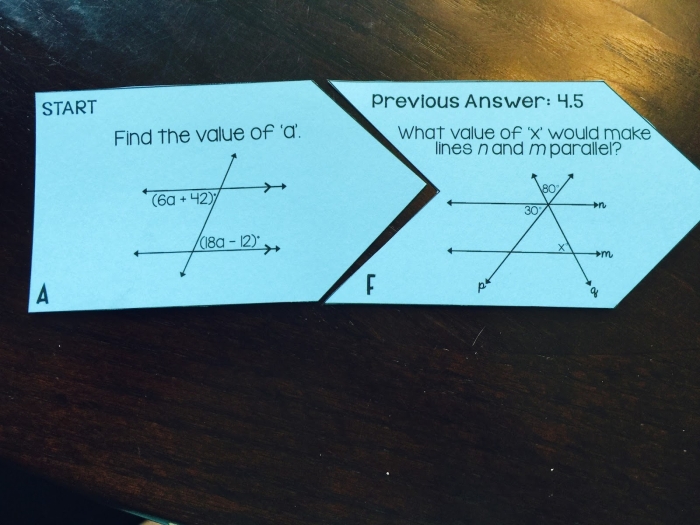
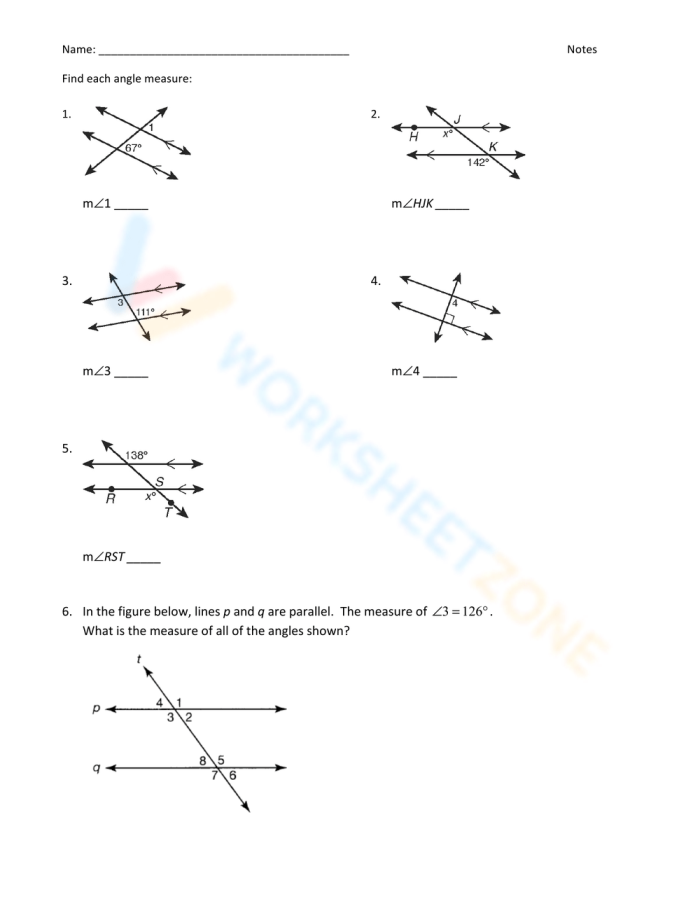
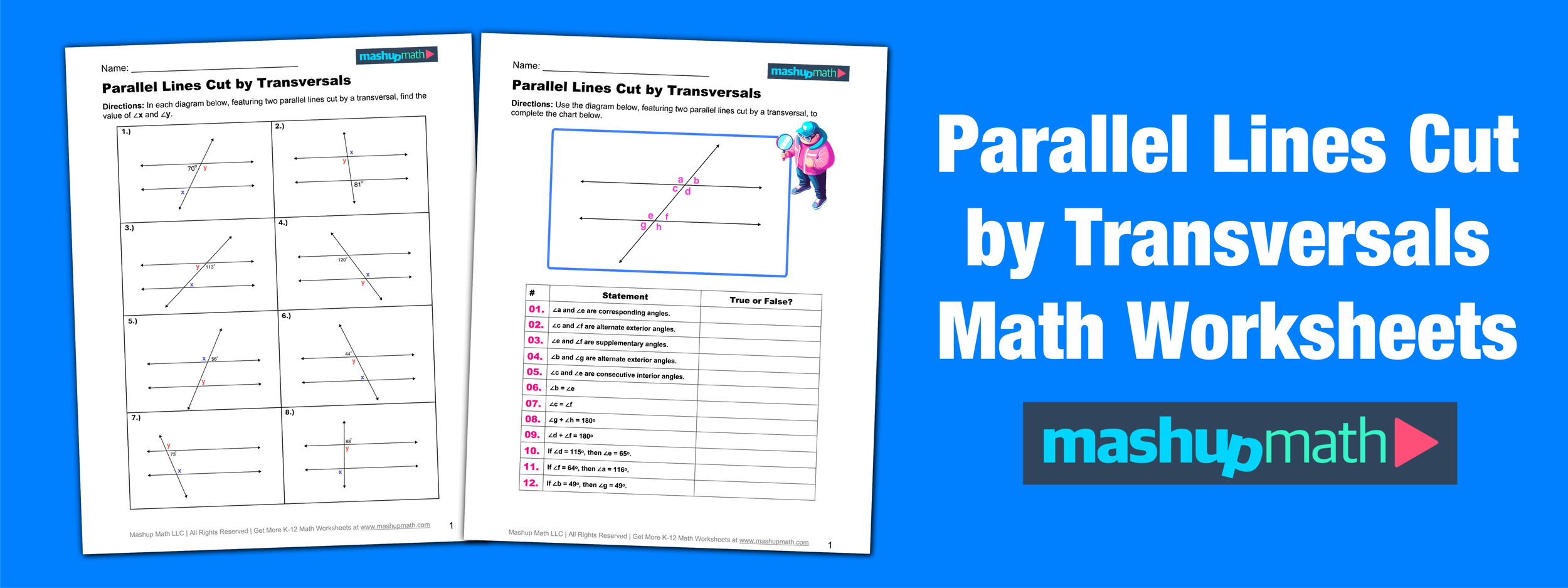
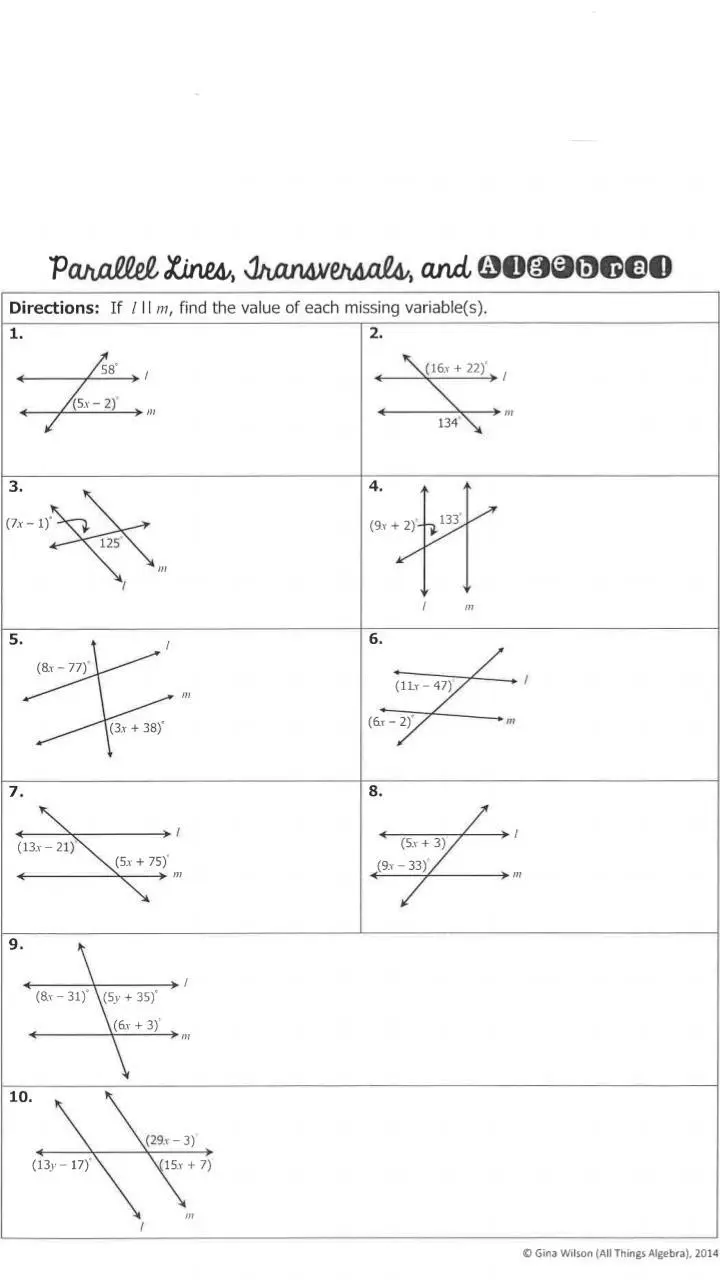
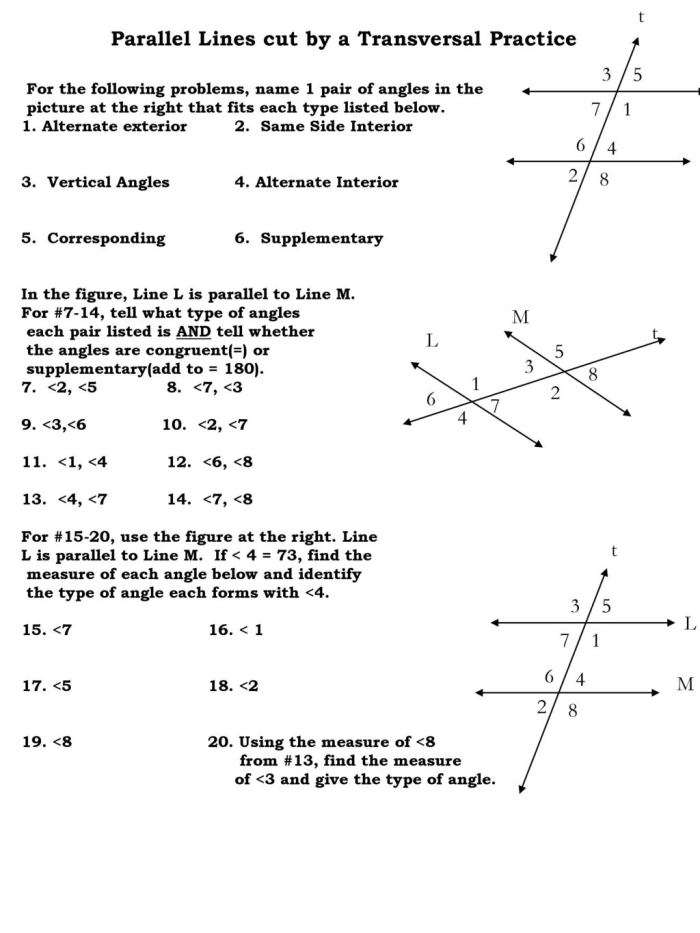
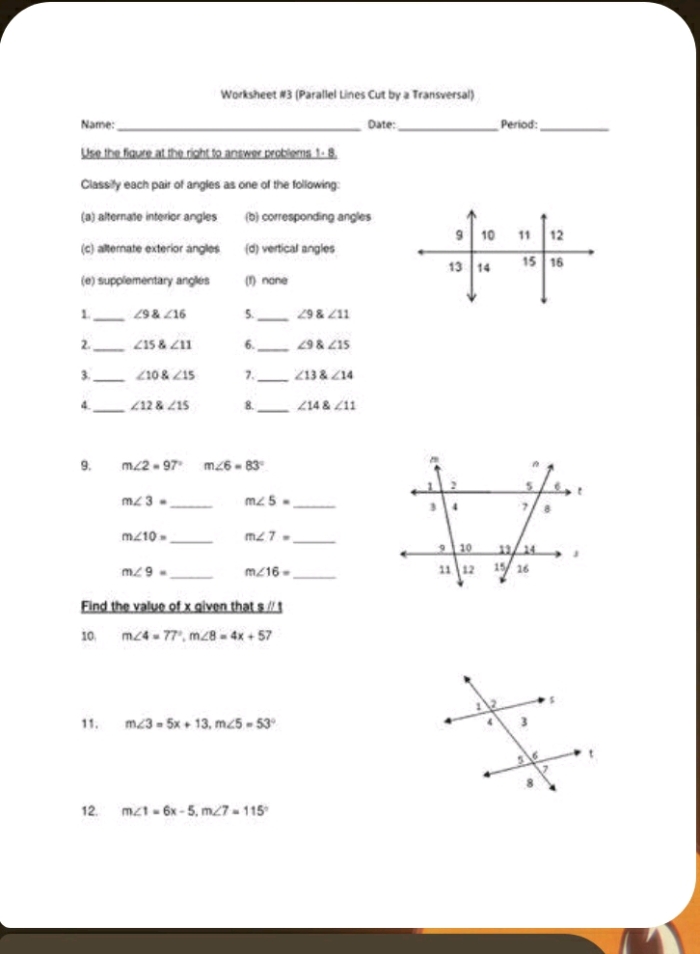
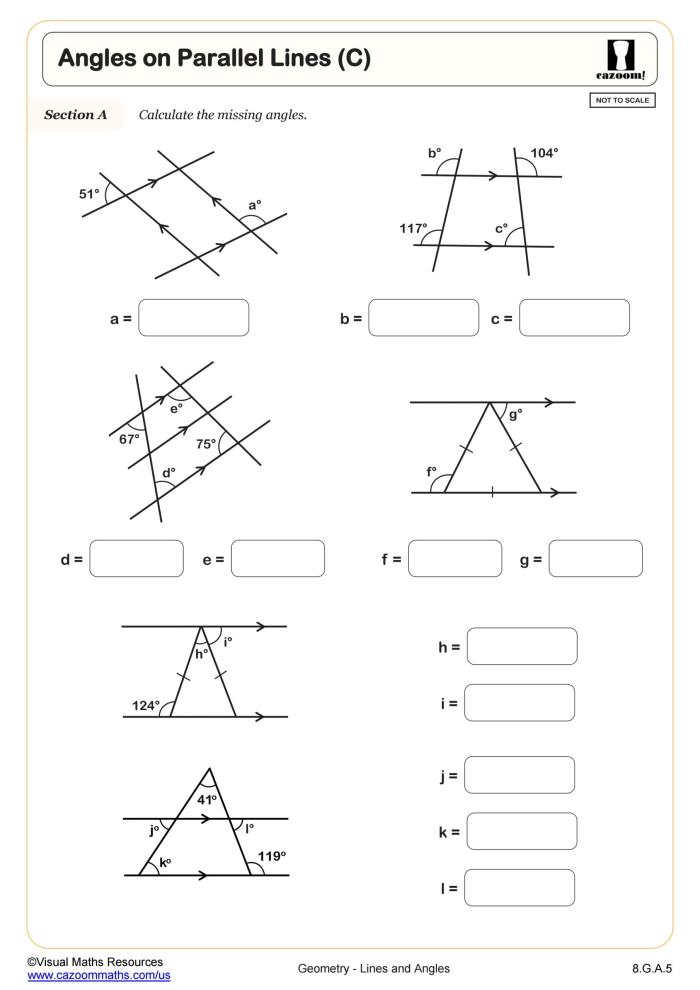
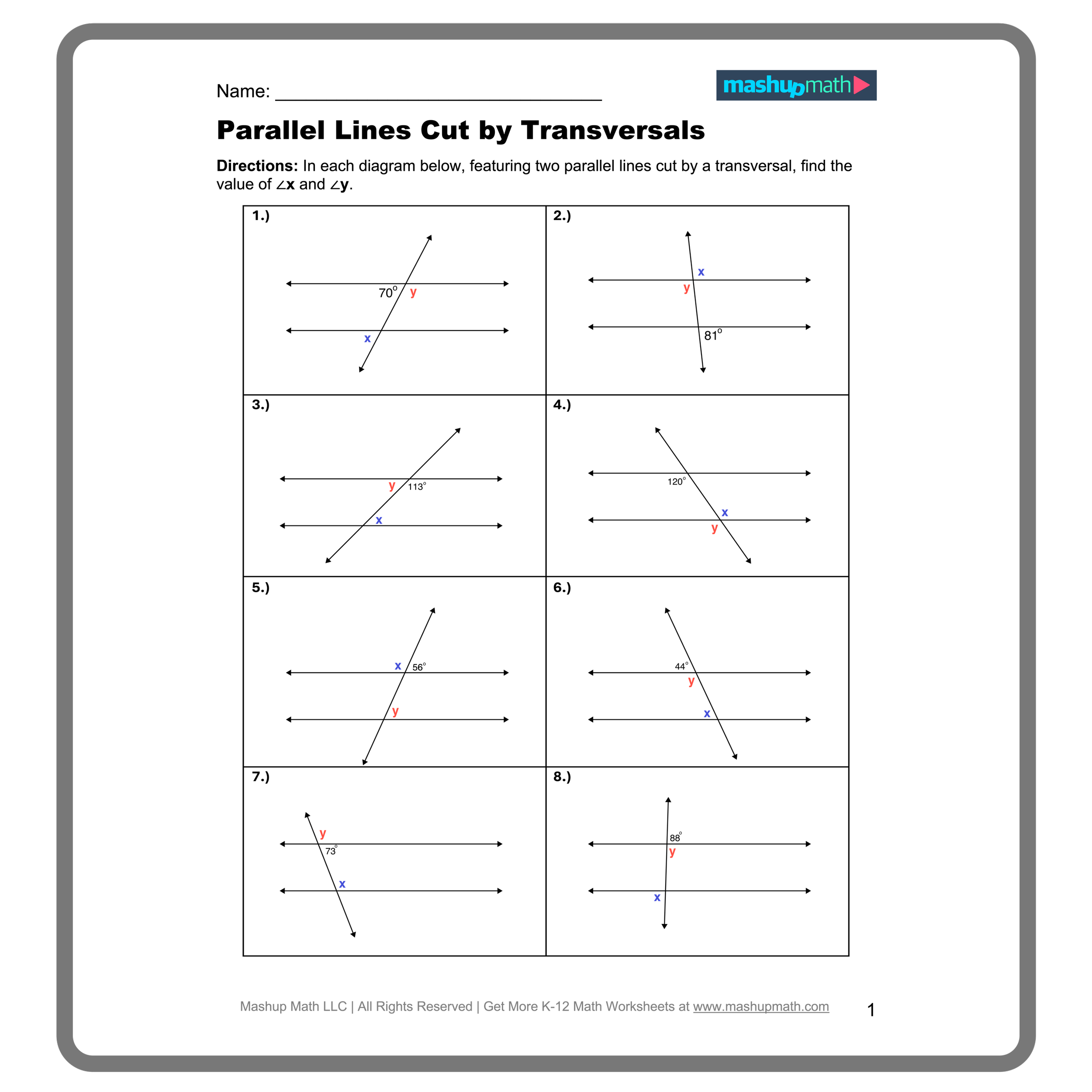
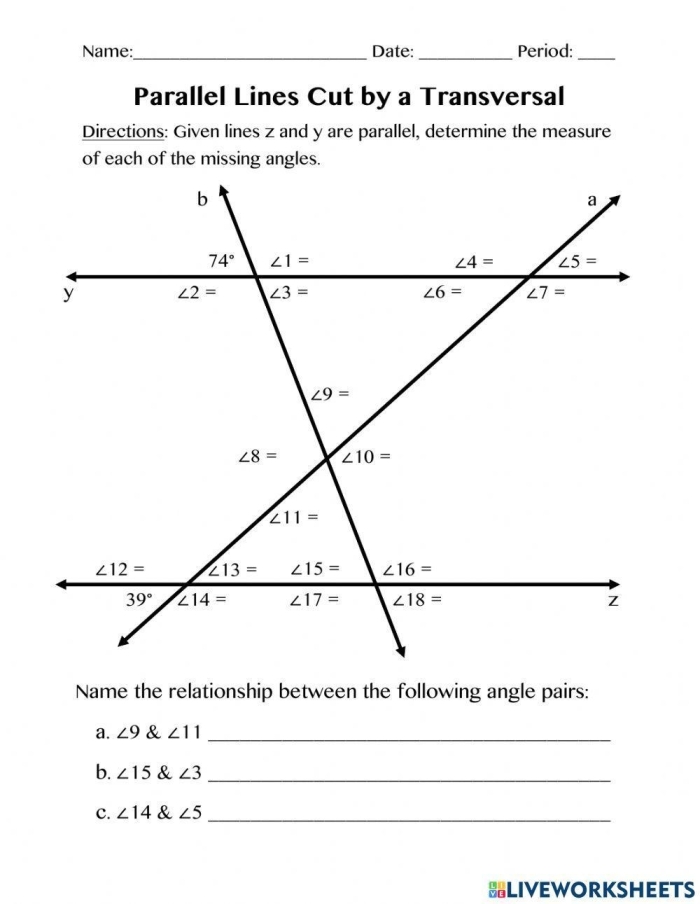
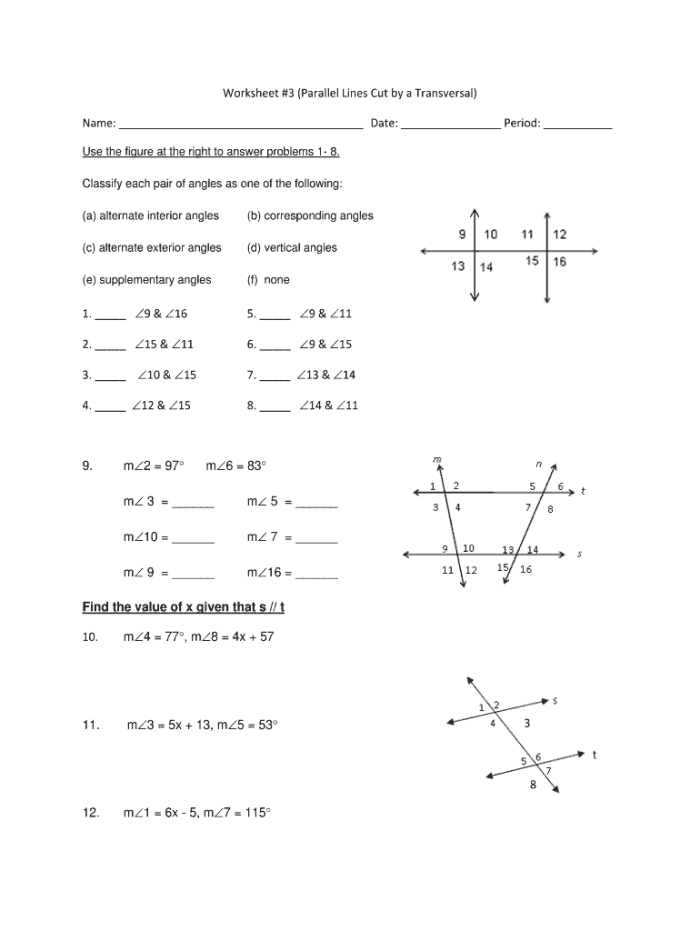
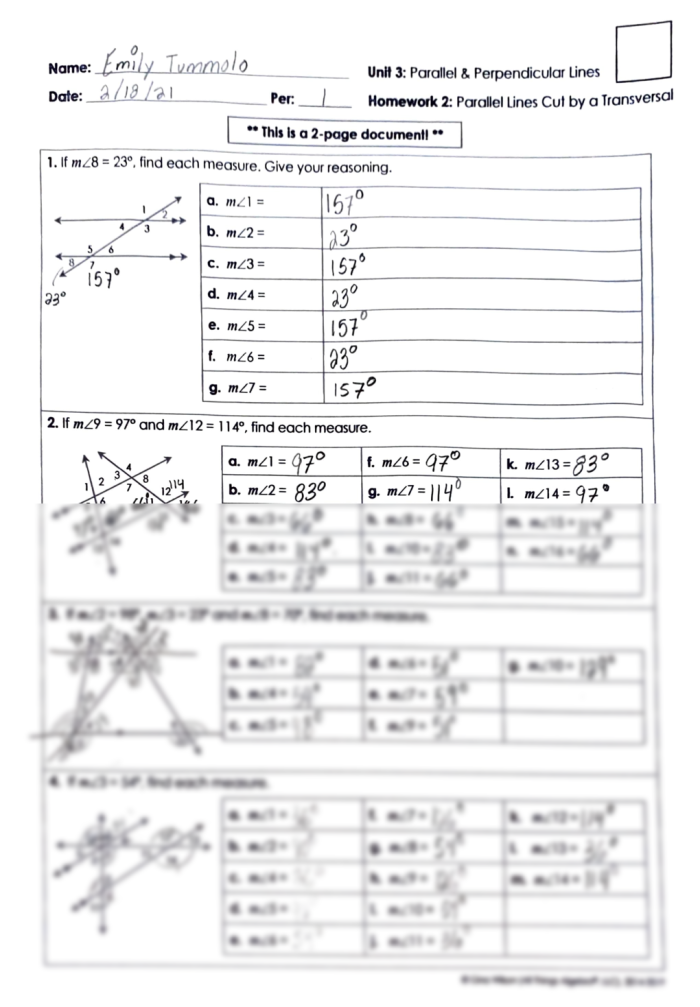
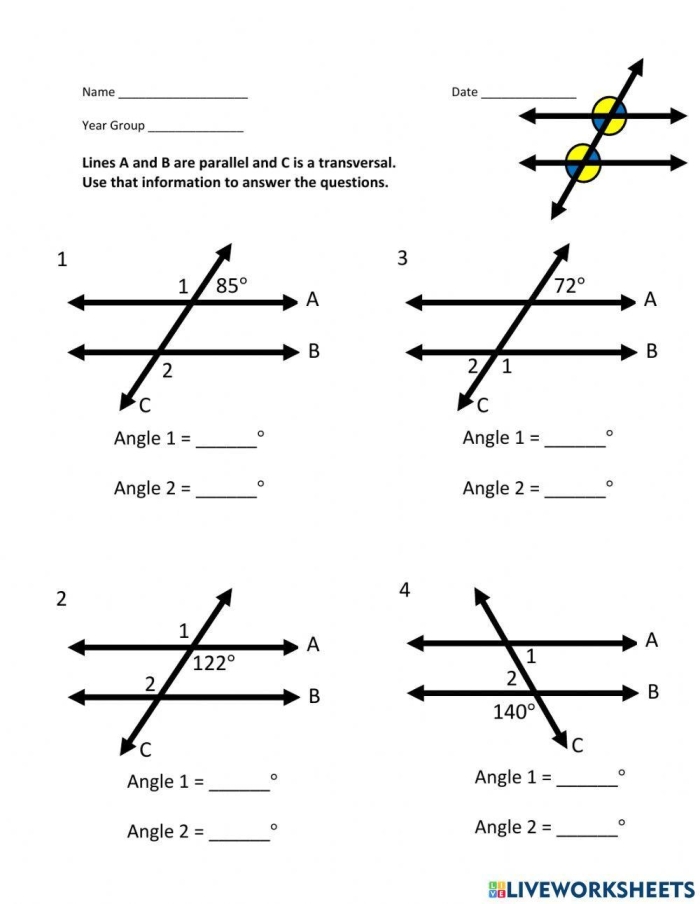
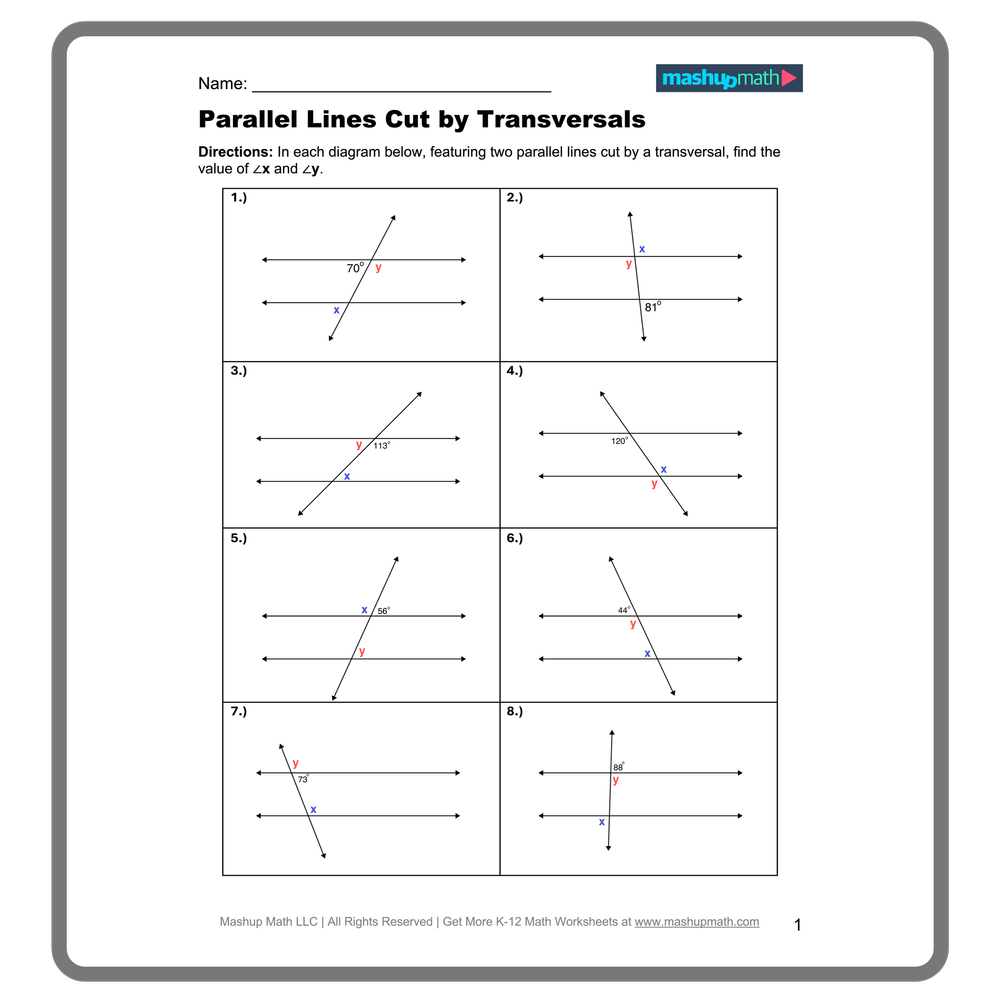
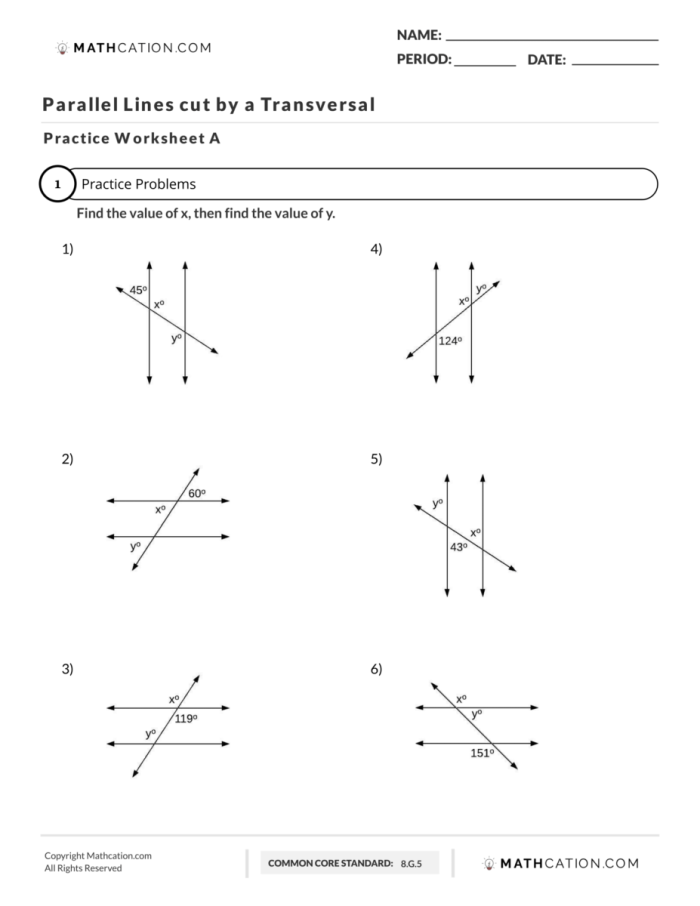
A typical worksheet presents diagrams with two parallel lines and a transversal already drawn. Students then mark or label specific angle pairs based on the definitions they’ve learned. This hands-on practice with diagrams is crucial because it trains students to recognize these patterns visually, not just memorize rules. When students work through several examples, they start seeing that corresponding angles always match, or that alternate interior angles are always equal when the lines are truly parallel.
Understanding parallel lines cut by transversals connects to broader algebra concepts too. Students who grasp angle relationships develop stronger spatial reasoning, which helps when they later work with coordinate geometry or analyze how linear equations behave. For those looking to strengthen related skills, exploring topics like graphing systems of linear equations or practicing with scatter plots can reinforce how lines interact in different mathematical contexts.
The real value of these worksheets lies in the repetition and variety. Each diagram presents angles in different positions, forcing students to think rather than apply a formula mechanically. By the end of the worksheet, most students can confidently identify any angle pair without hesitation.
Worksheet Practice Section