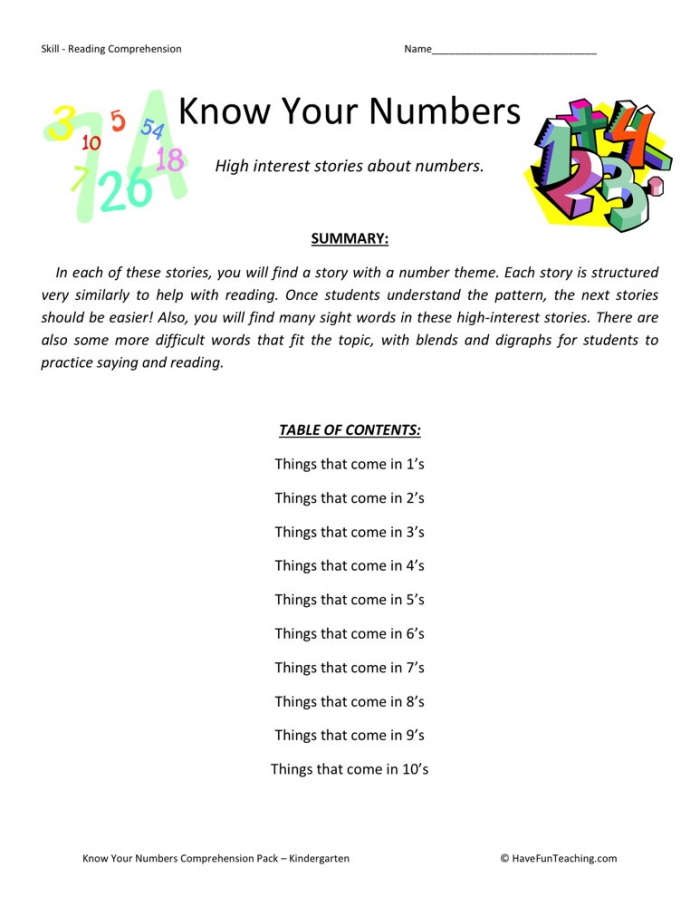
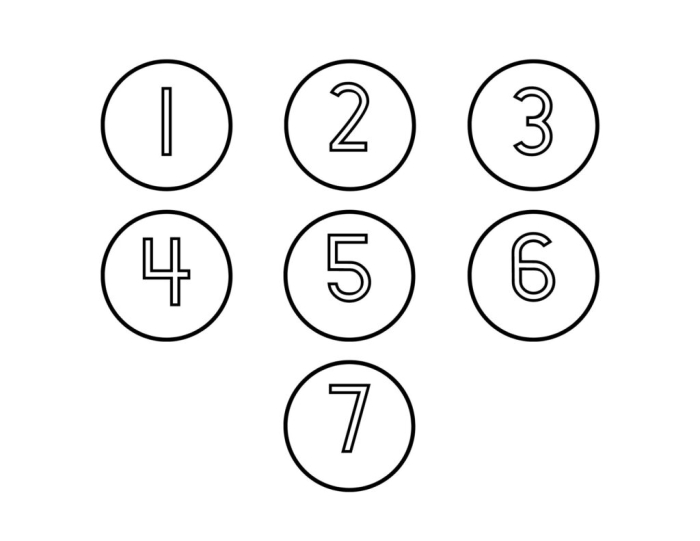
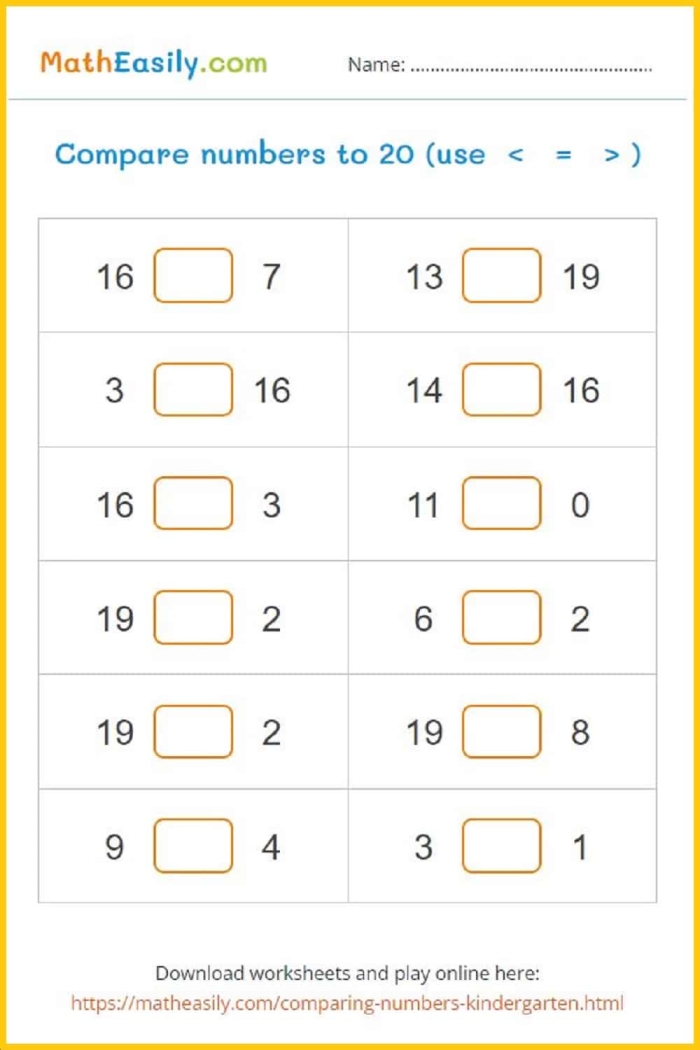
When you introduce the number 7 to a Pre-K learner, you’re laying the groundwork for counting confidence and early math understanding. A focused worksheet on this single number works better than scattered practice across multiple digits because it lets children build mastery through repetition and recognition.
The number 7 sits at an interesting place in early learning. It’s large enough that counting to it feels like a real achievement for four and five year olds, but not so large that it becomes overwhelming. Kids can count on their fingers, use objects around the room, or draw dots to understand what seven actually means. This concrete approach matters because Pre-K learners think in tangible terms, not abstractions.
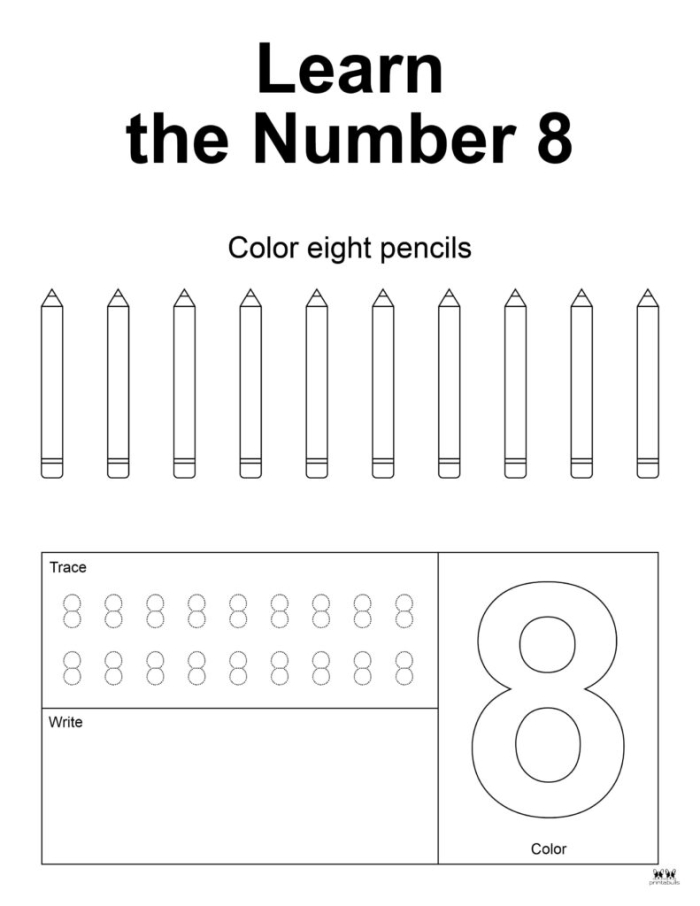
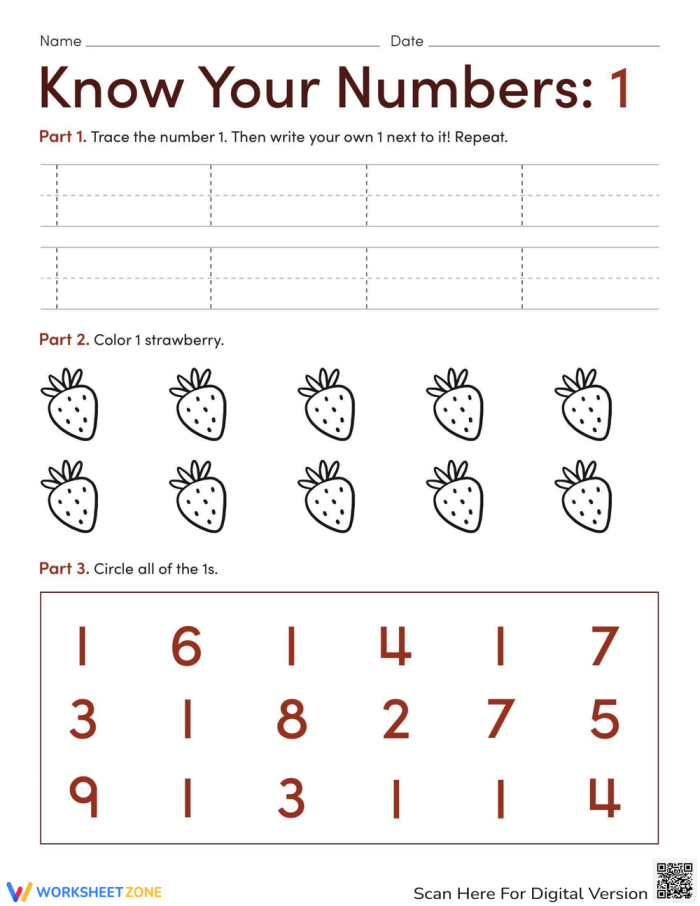
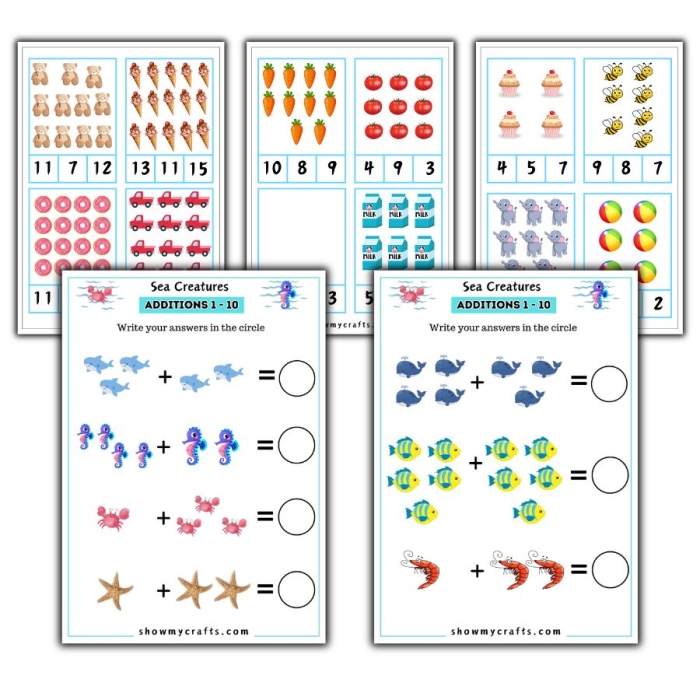
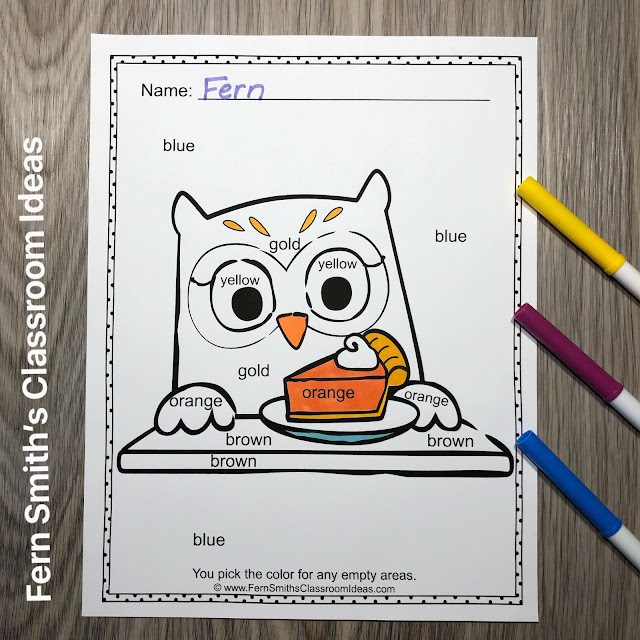
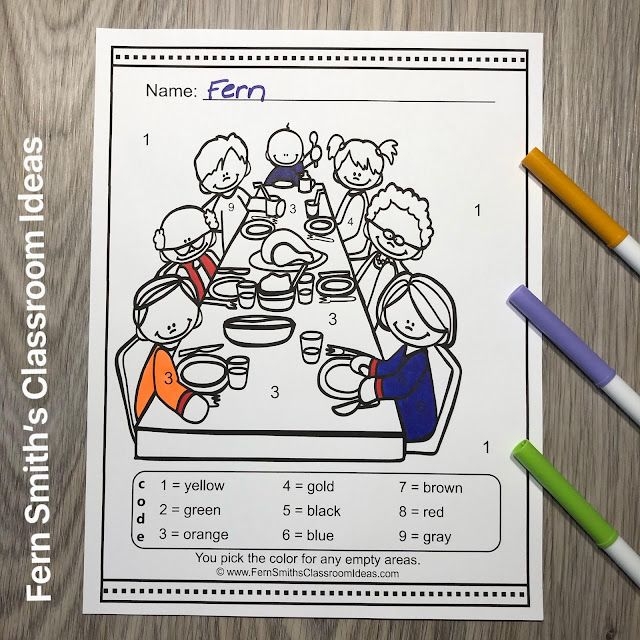
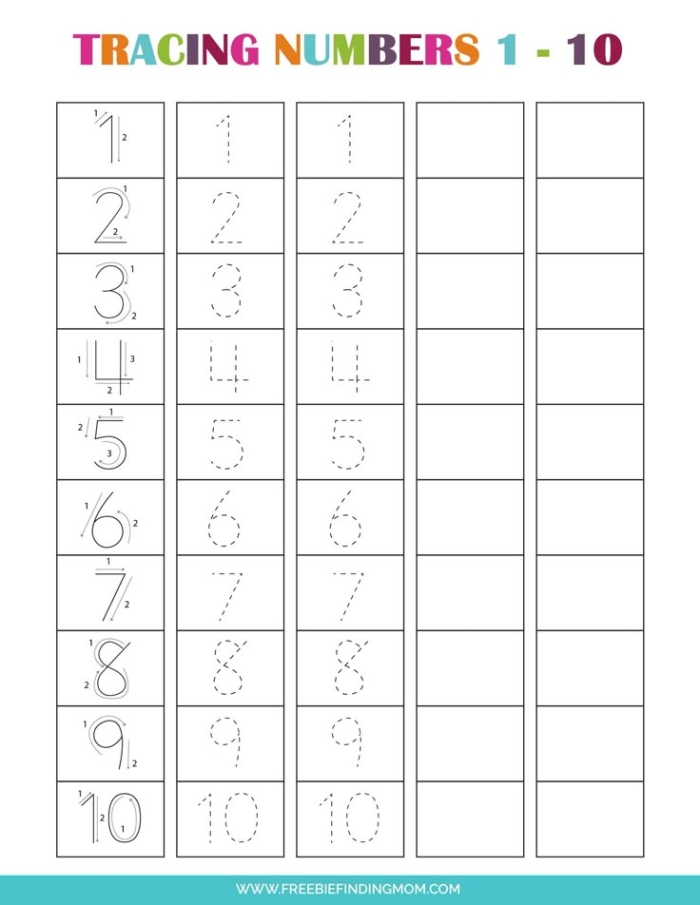
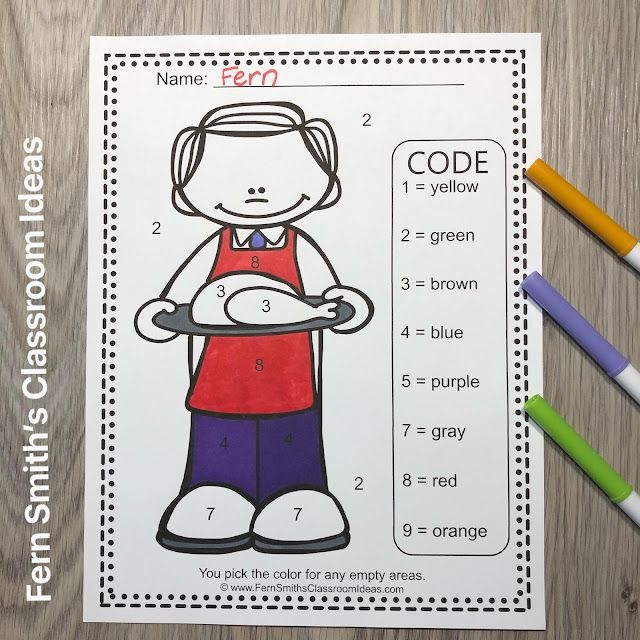
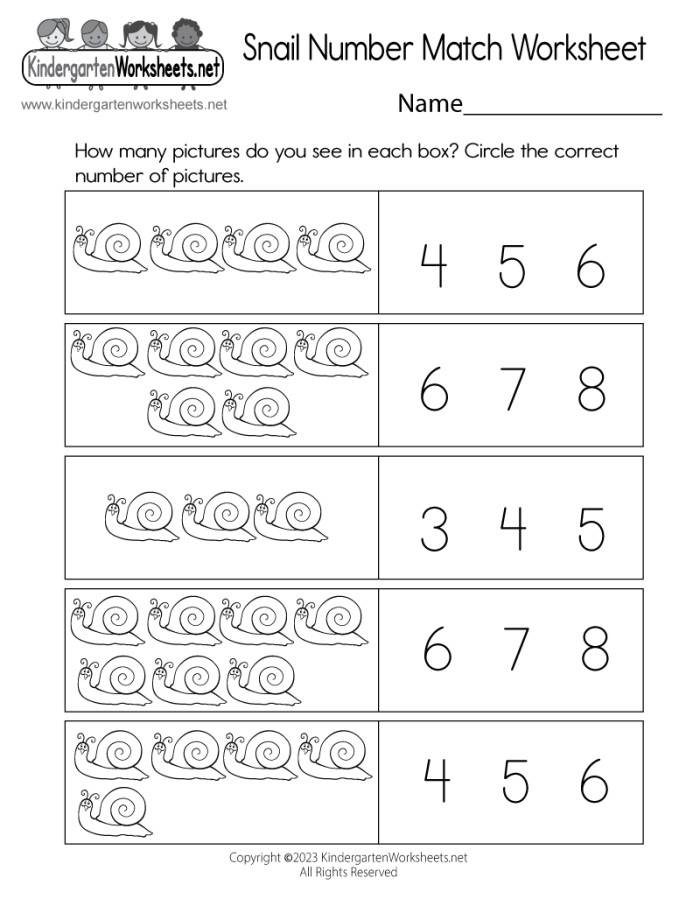
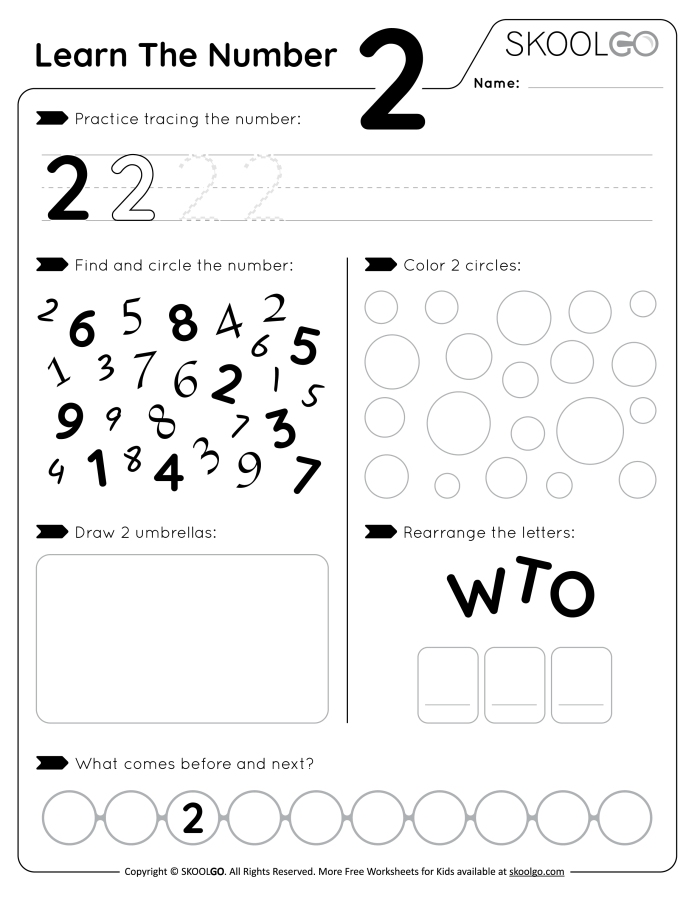
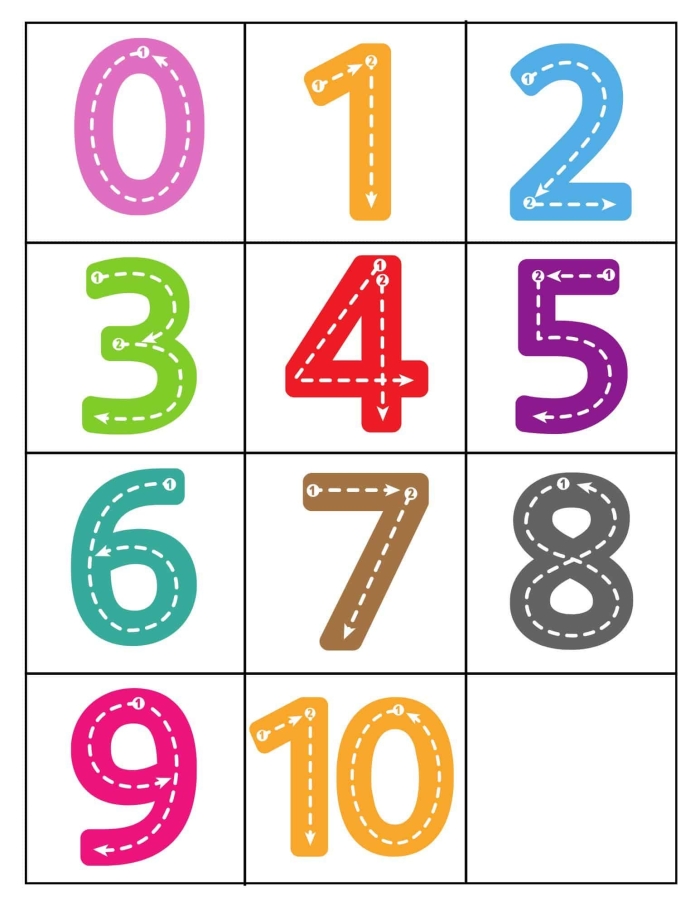
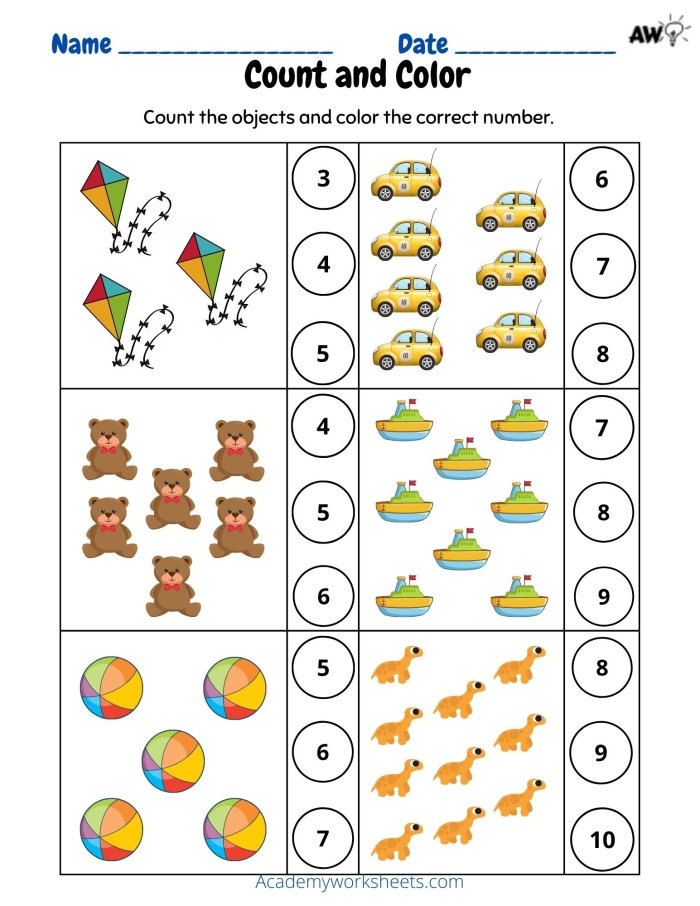
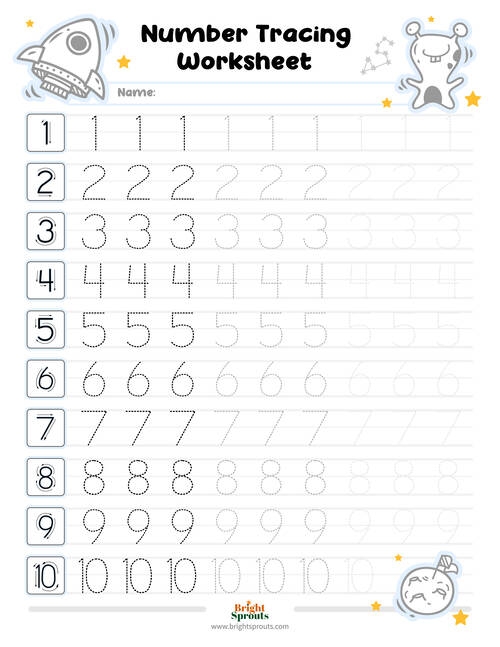
A good “Know Your Numbers: 7” worksheet typically includes several activities working together. You might find tracing exercises where children follow dotted lines to form the numeral, counting activities where they count seven objects and circle them, and matching tasks that connect the number symbol to quantities. Some worksheets include coloring sections, which serve double duty by keeping children engaged while reinforcing number recognition.
What makes data and graphing relevant at this stage is simple observation. When children count seven items and mark them on a basic chart or graph, they’re learning that numbers represent real quantities in their world. They see that seven can mean seven blocks, seven crackers, or seven pictures. This connection between the abstract symbol and concrete reality is crucial for number sense development.
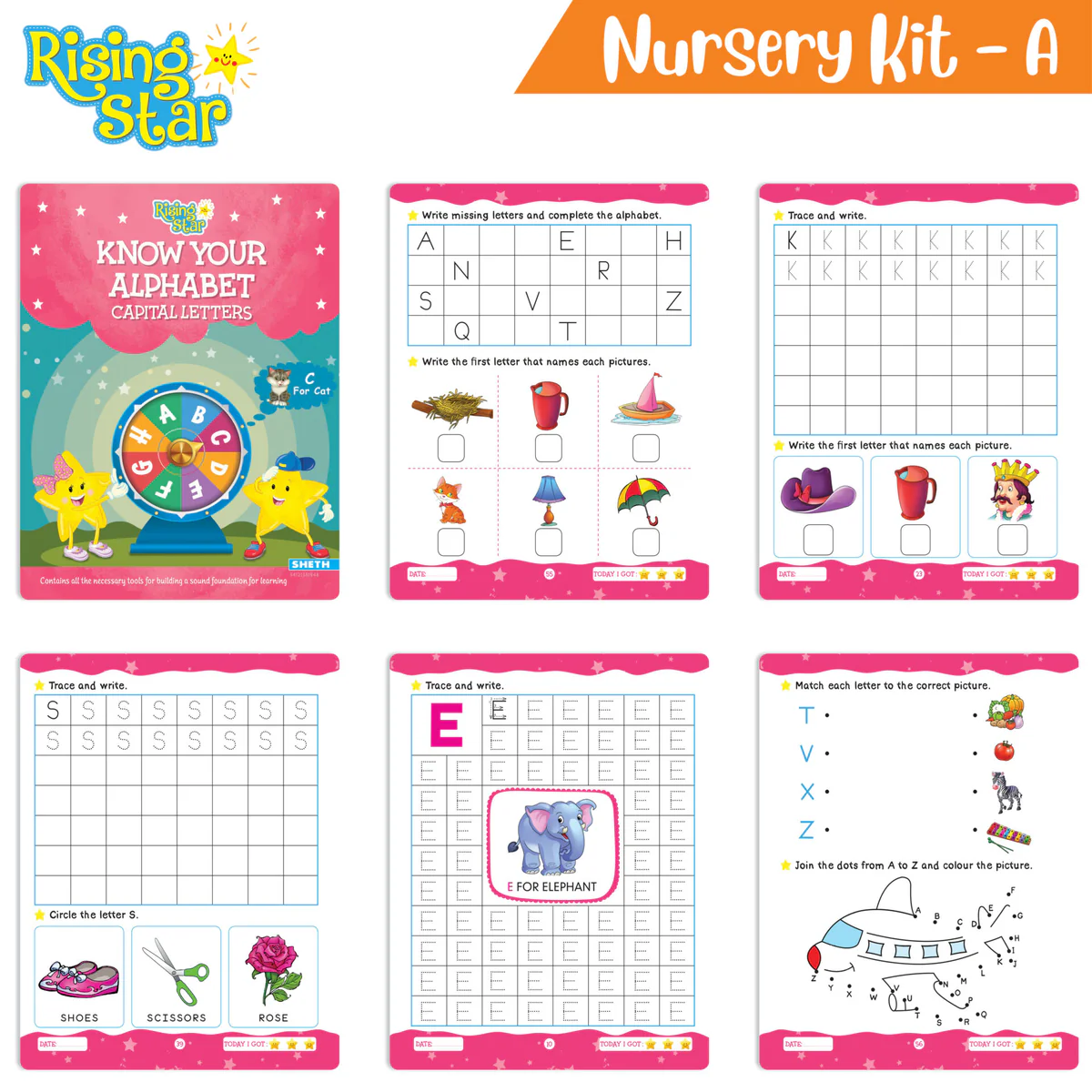
You might pair this worksheet with other early learning activities. Consider combining it with focused number 7 practice alongside work on sight words and writing skills to create a balanced learning day. Adding movement-based activities like clapping syllables keeps Pre-K learners engaged across different learning styles.
Use These Worksheets Today