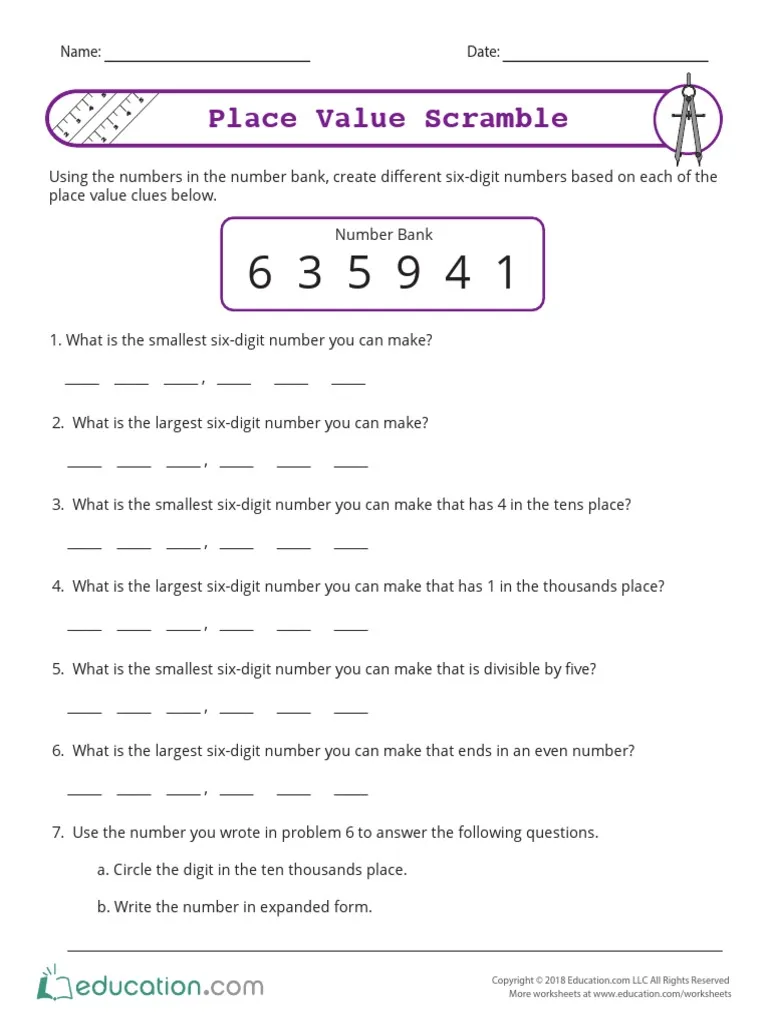
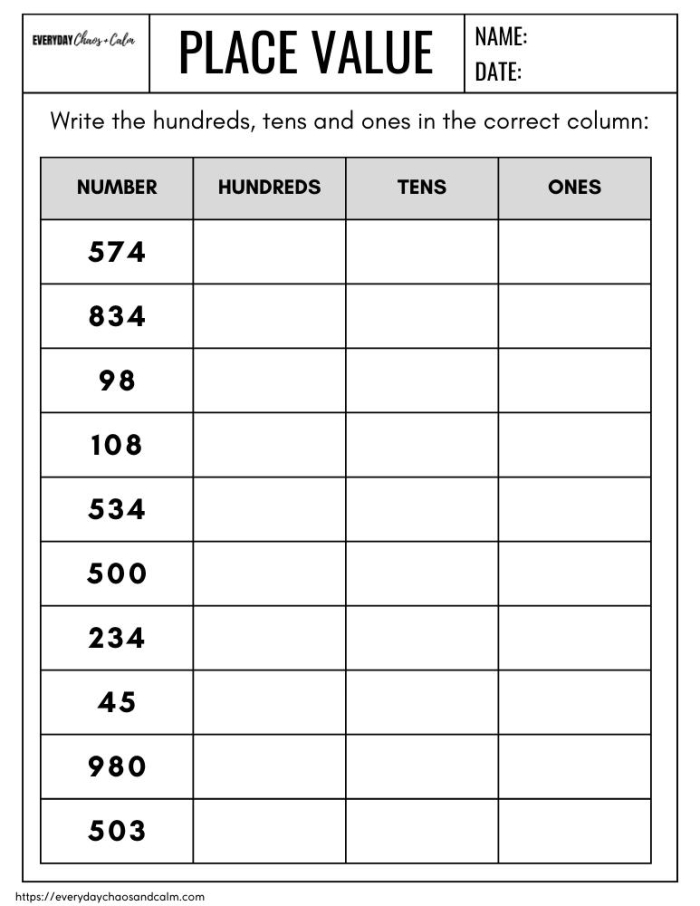
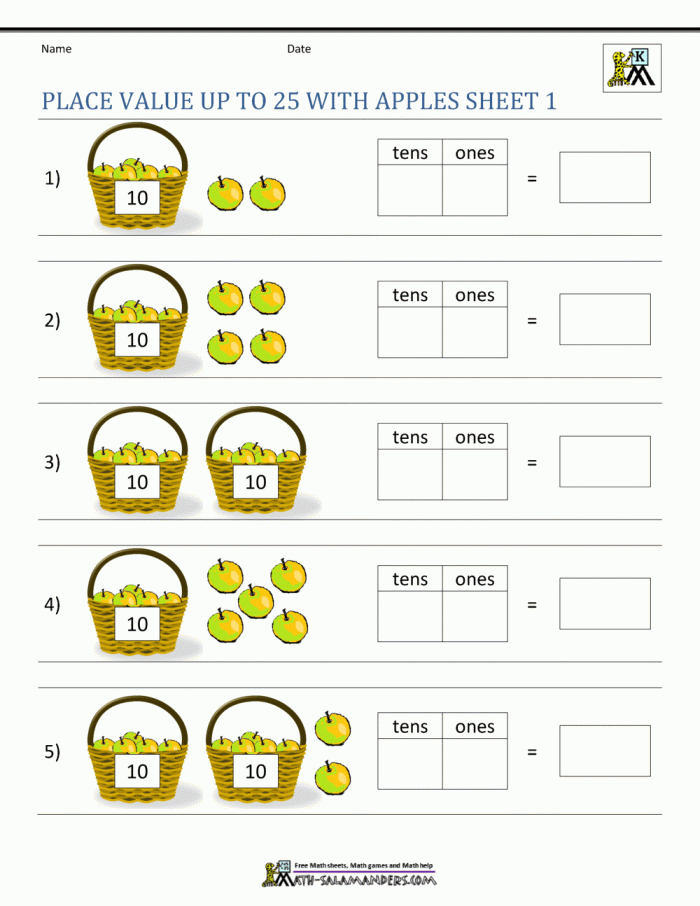
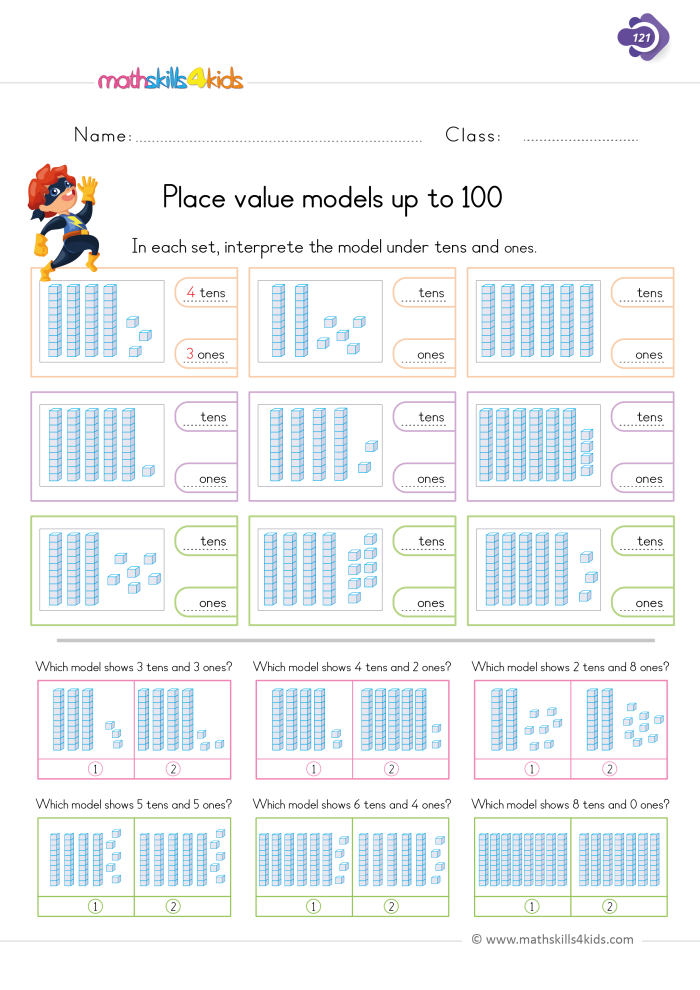
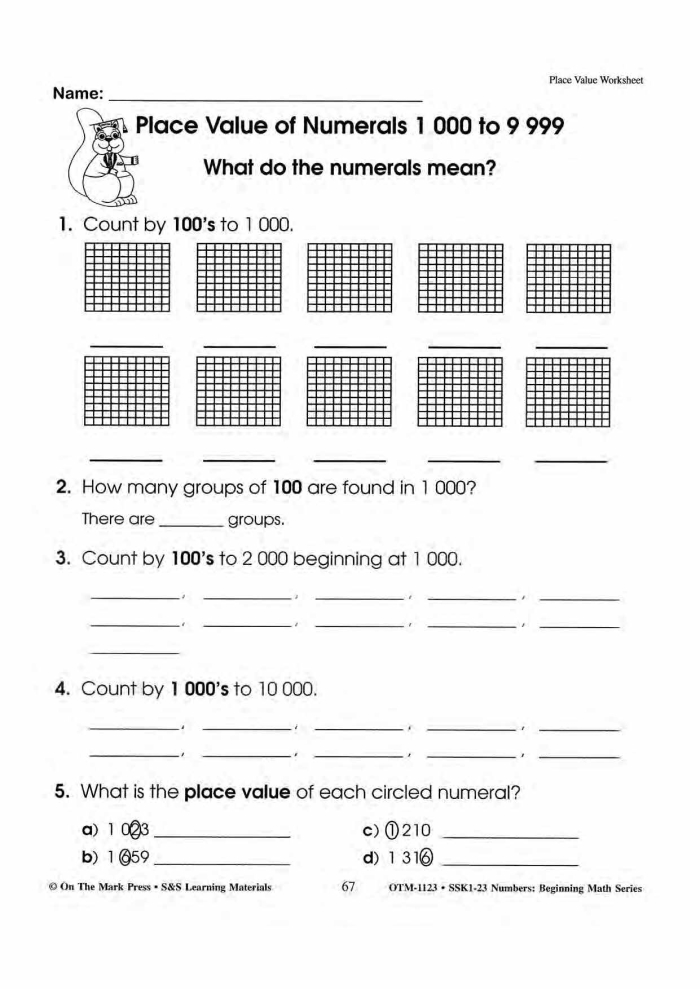
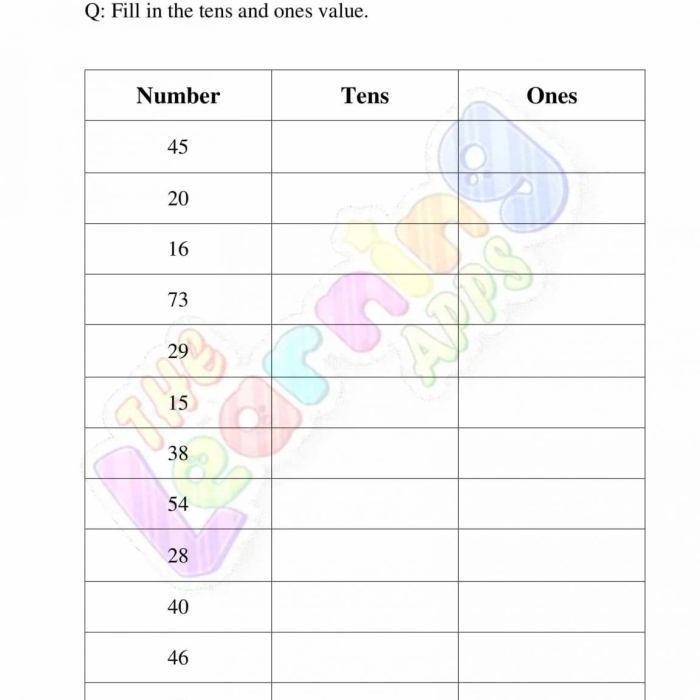
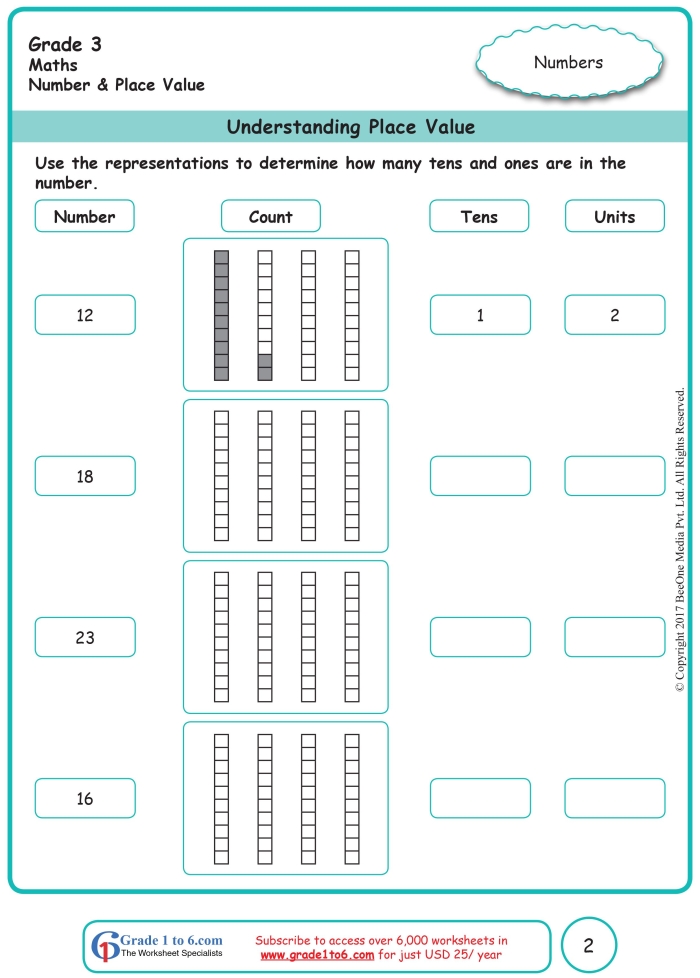
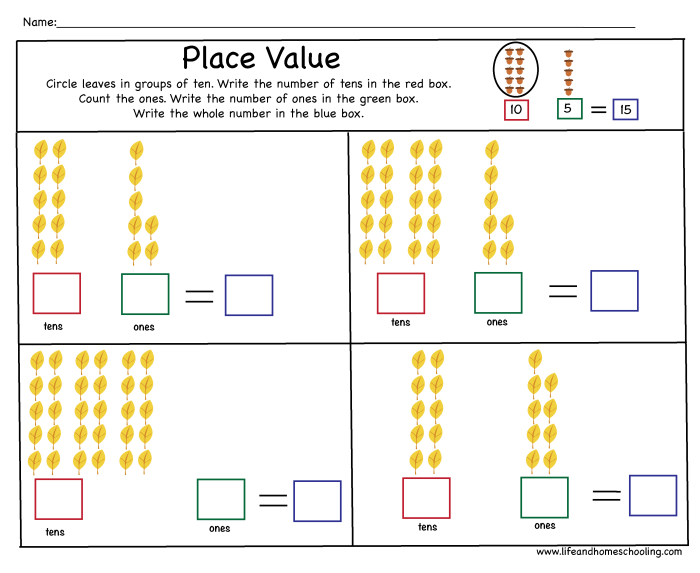
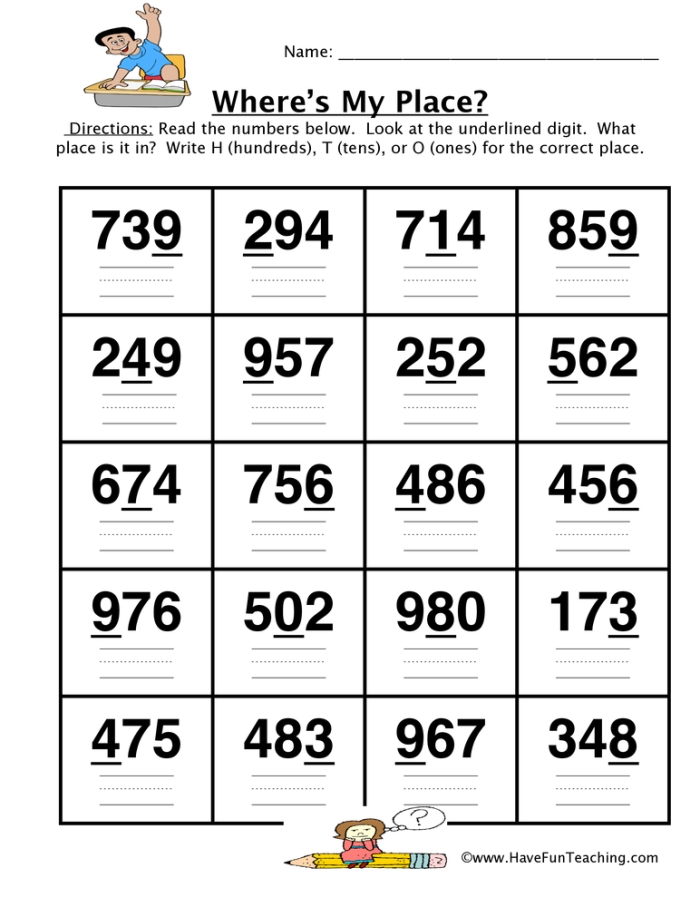
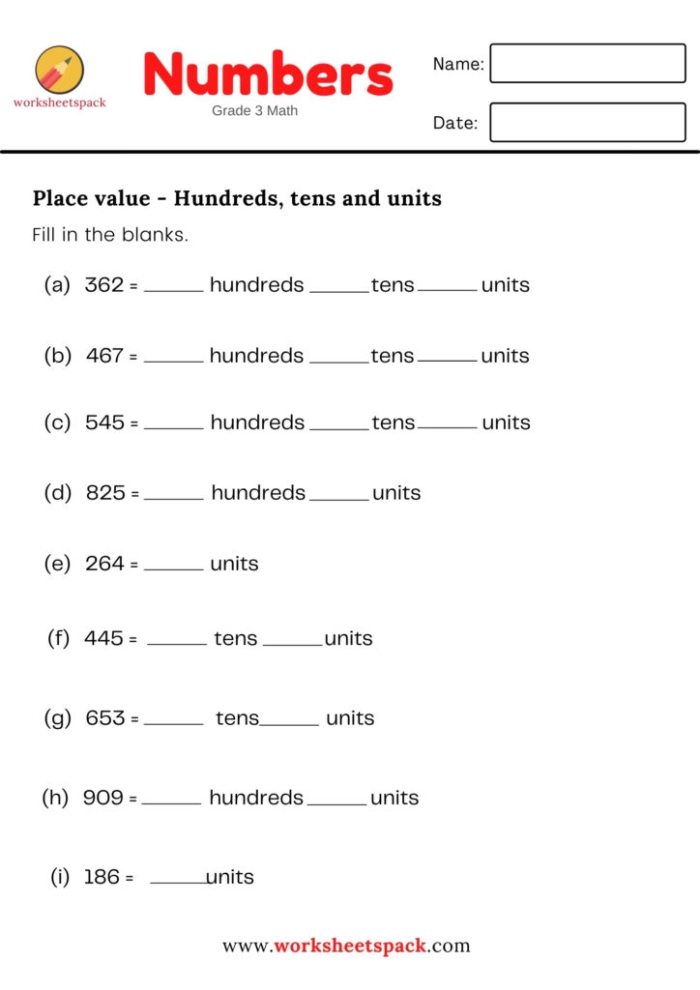
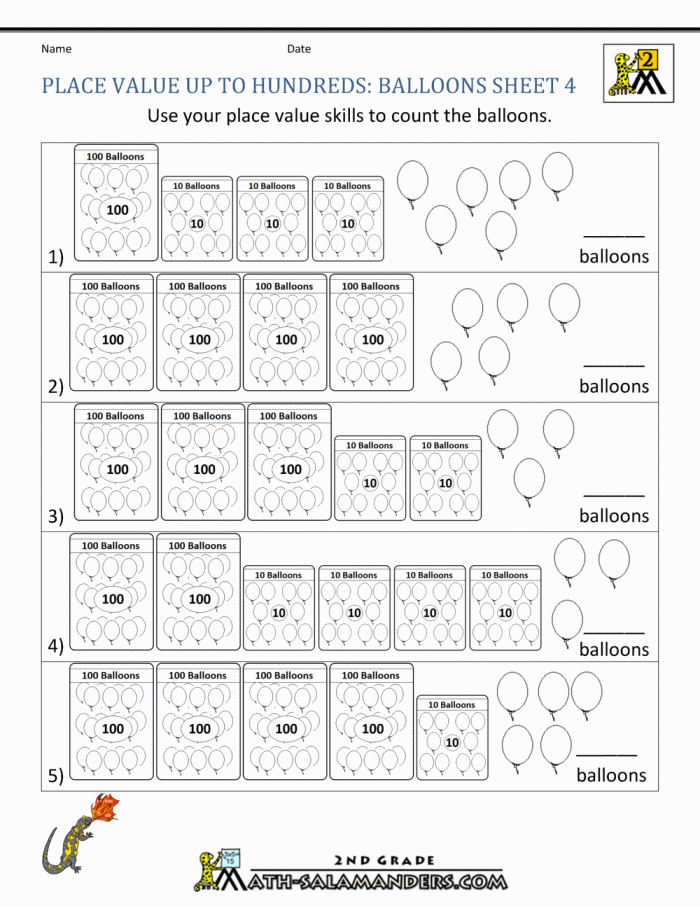
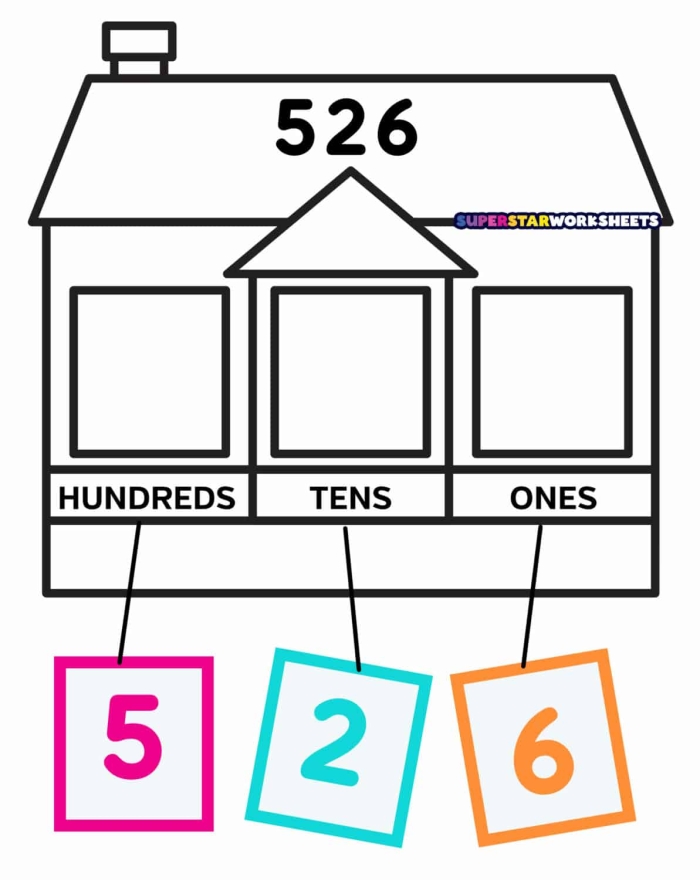
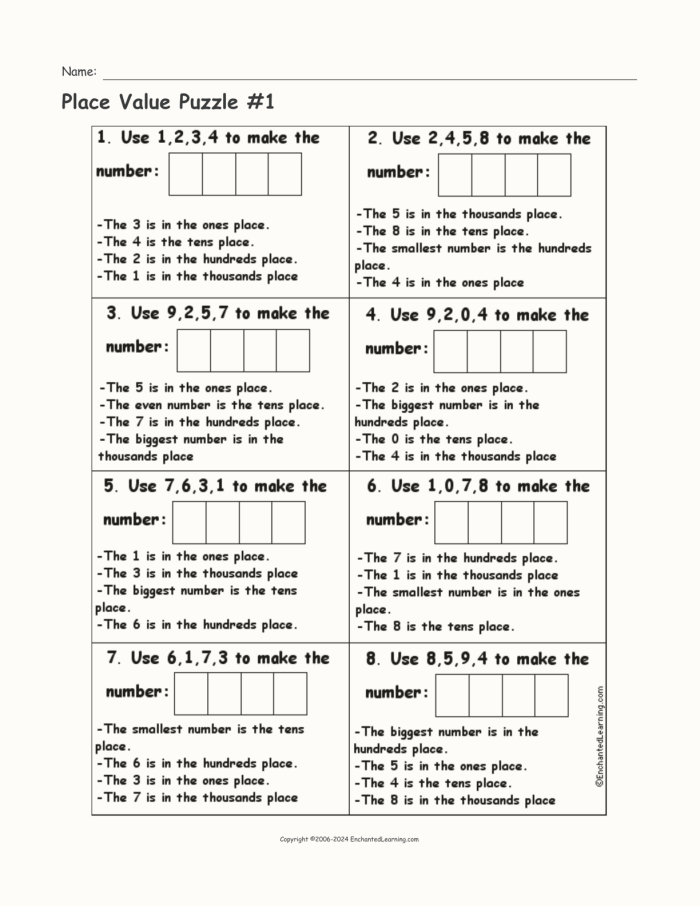
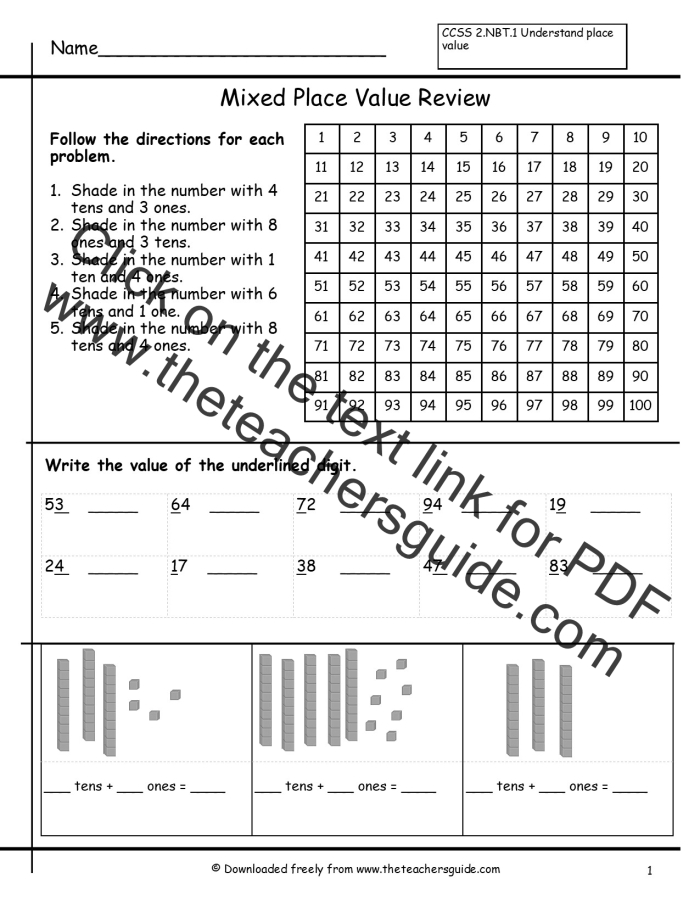
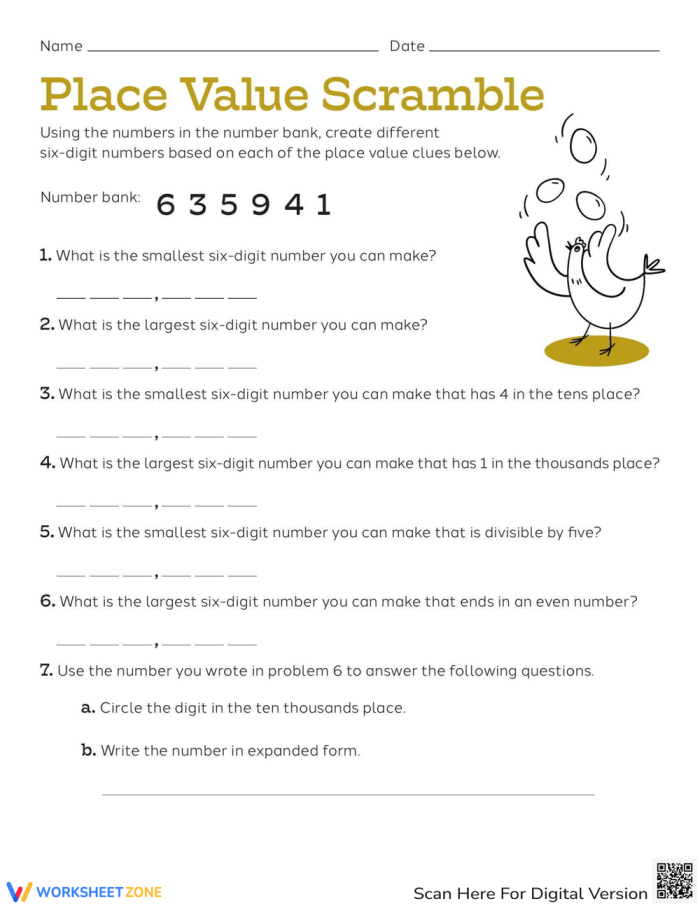
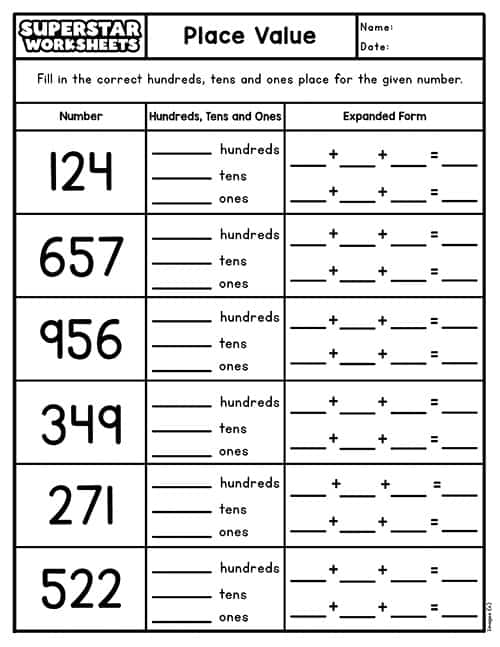
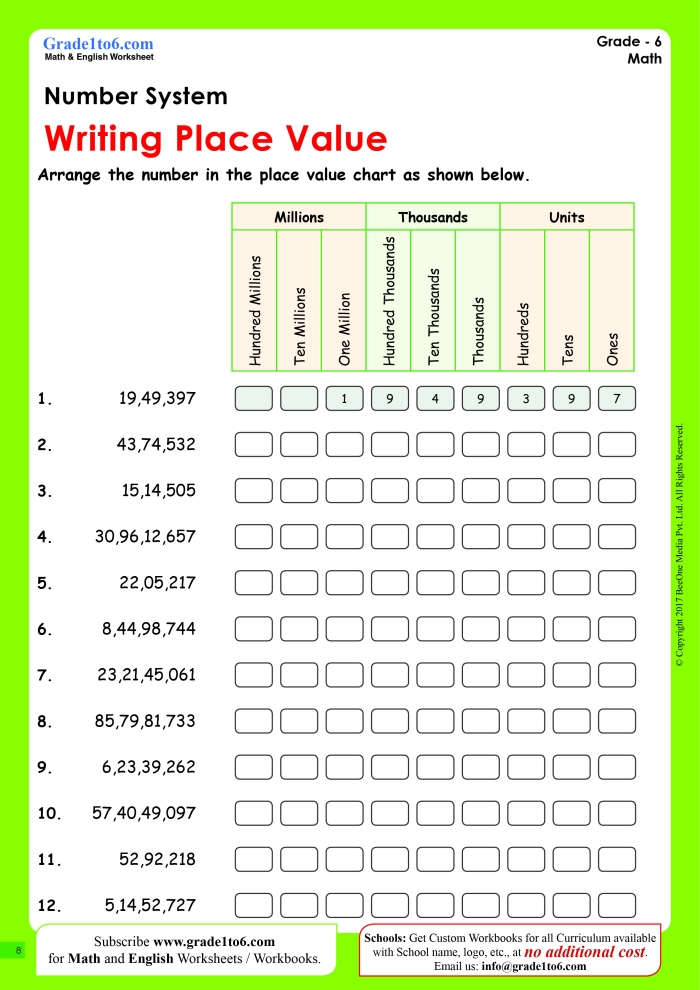
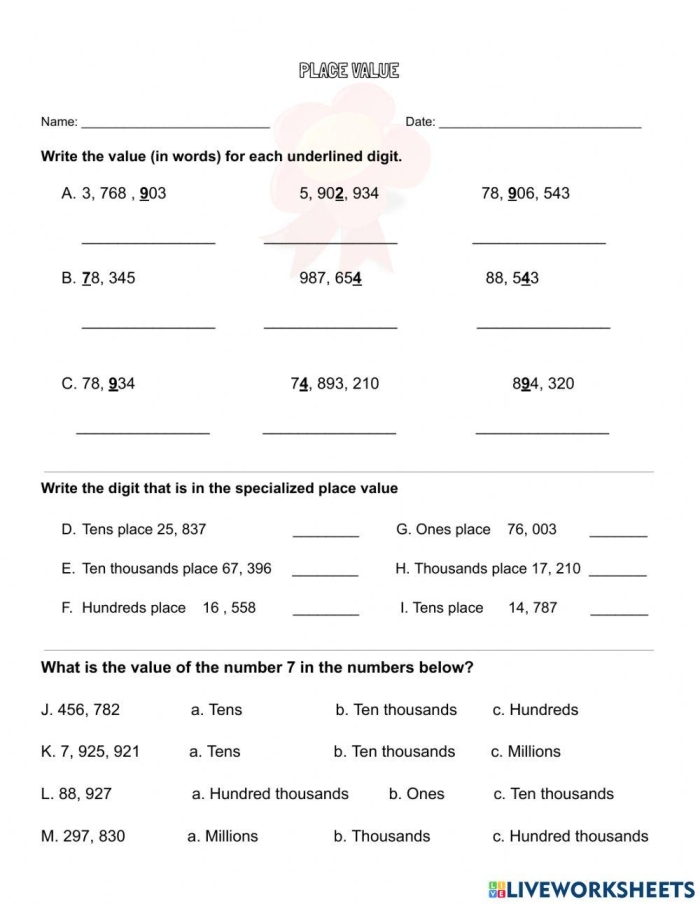
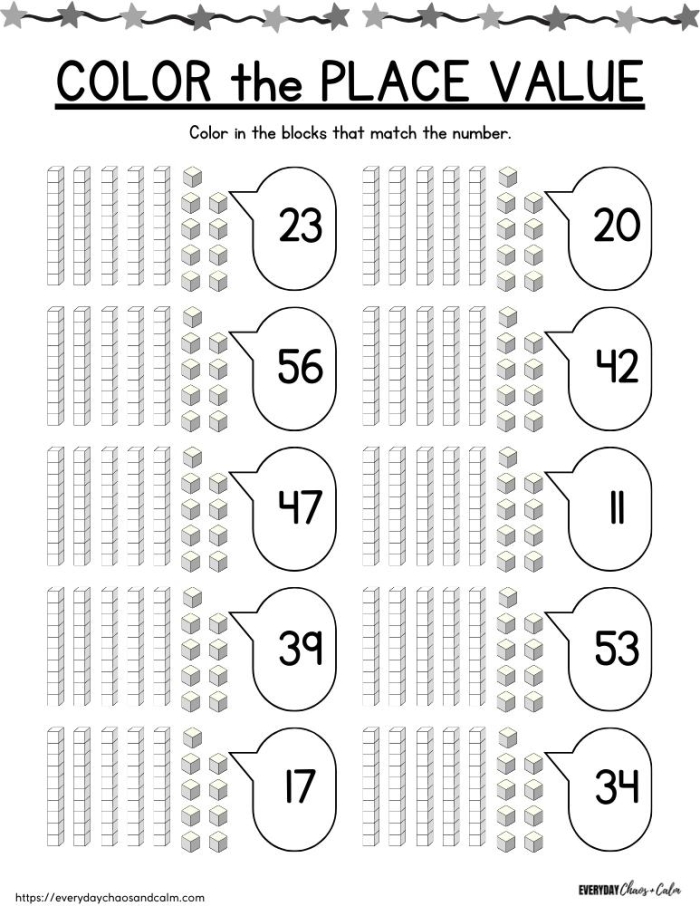
Number banks are one of the most effective tools for teaching place value because they remove the guesswork and let students focus purely on understanding how digits work together. This particular worksheet gives fourth grade learners seven distinct number-building challenges where they pick digits from a provided bank and arrange them to create specific numbers.
The structure works because students aren’t inventing numbers from thin air. Instead, they’re selecting from a limited set of digits, which reduces cognitive load and keeps attention on the actual place value concepts. Each challenge typically asks something like “Build a number where the tens digit is 4 and the ones digit is 7” or “Create the largest possible number using these digits.” This forces deliberate thinking about which digit goes in which position and why.
Fourth grade is the sweet spot for this type of practice. Students have moved past basic counting and are ready to understand that a 3 in the tens place means something completely different from a 3 in the ones place. The number bank approach bridges concrete understanding with more abstract thinking, making the transition smoother than worksheets that demand students generate answers entirely on their own.
The seven-challenge format gives enough repetition for concepts to stick without causing fatigue. Teachers often pair worksheets like this with related activities such as place value scramble exercises or practice with ten thousands to build comprehensive understanding across different number ranges.
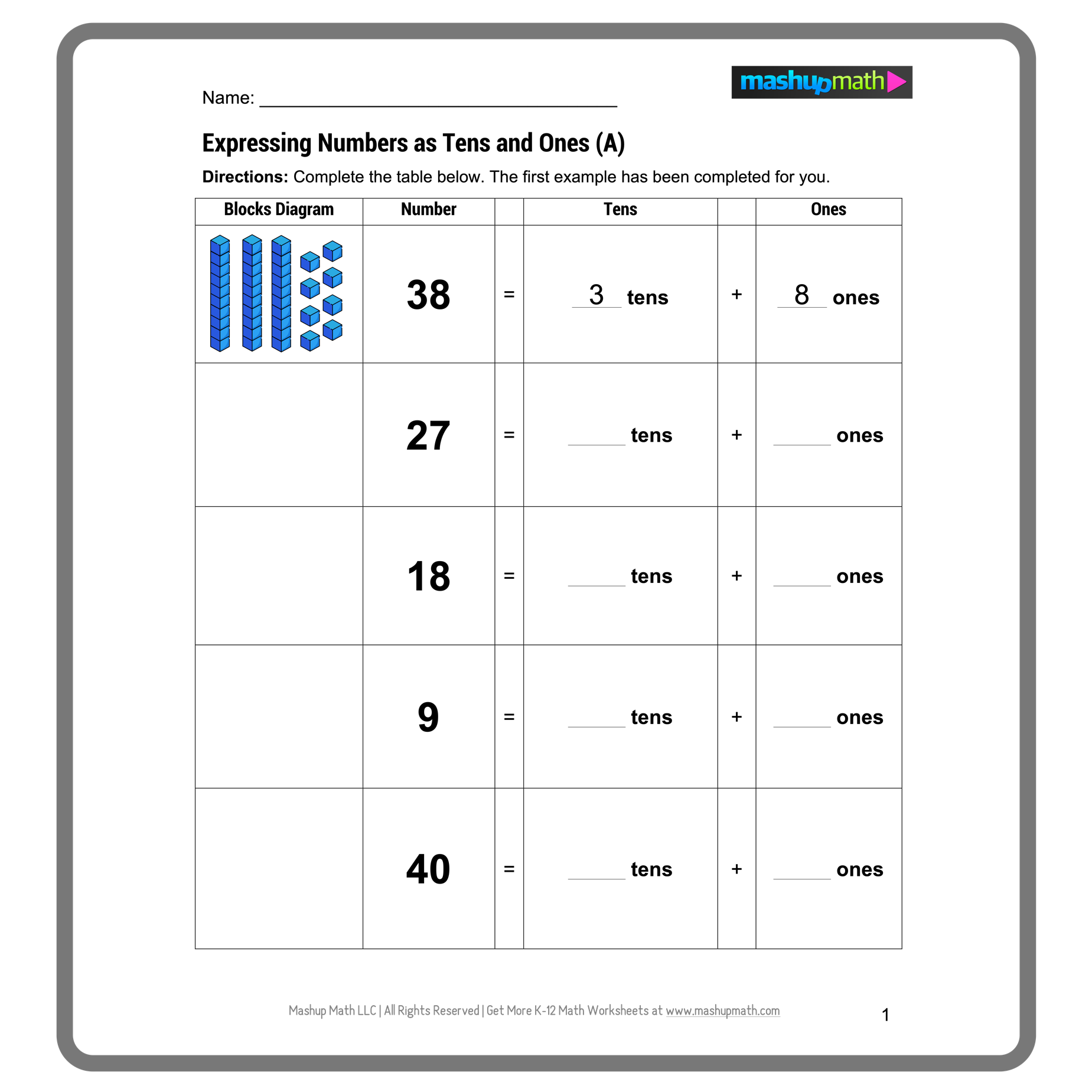
What makes this worksheet particularly useful for time and money instruction is that students develop the same digit-recognition skills needed when reading clock faces or counting currency. A child who understands that 47 is four tens and seven ones will more easily grasp that $4.70 involves similar place value logic.
Worksheet Practice Section