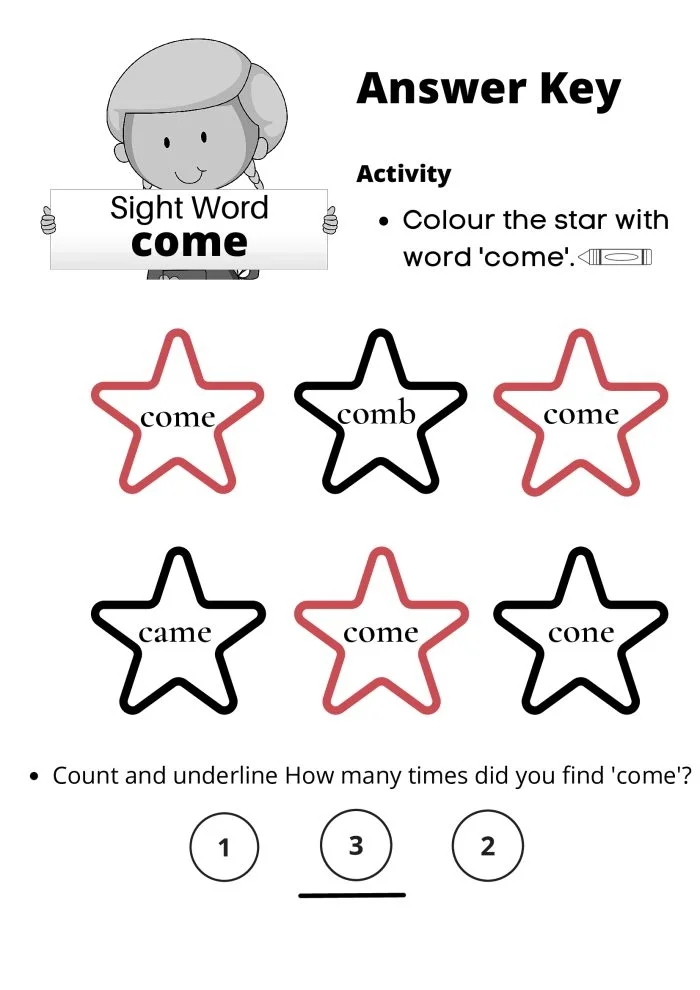
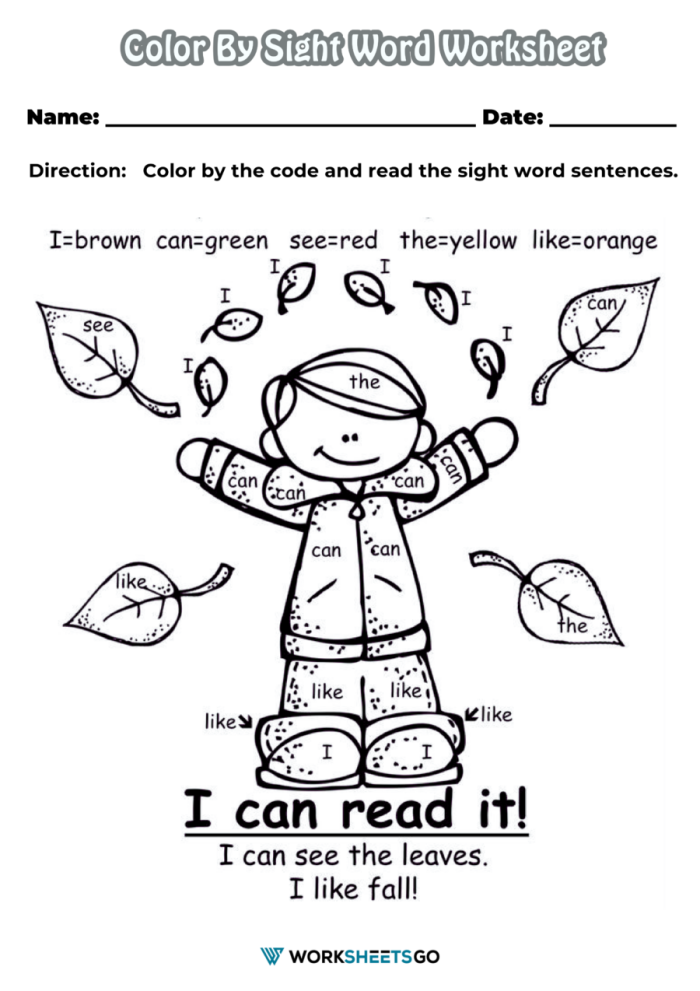
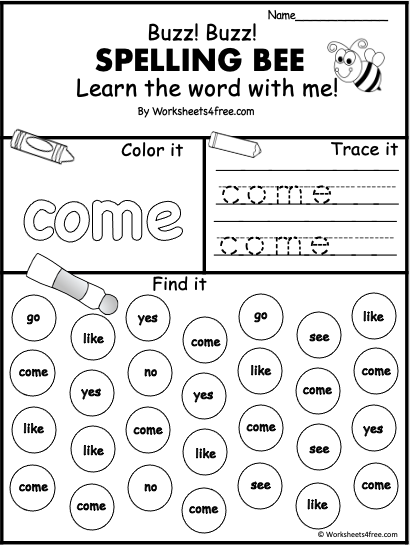
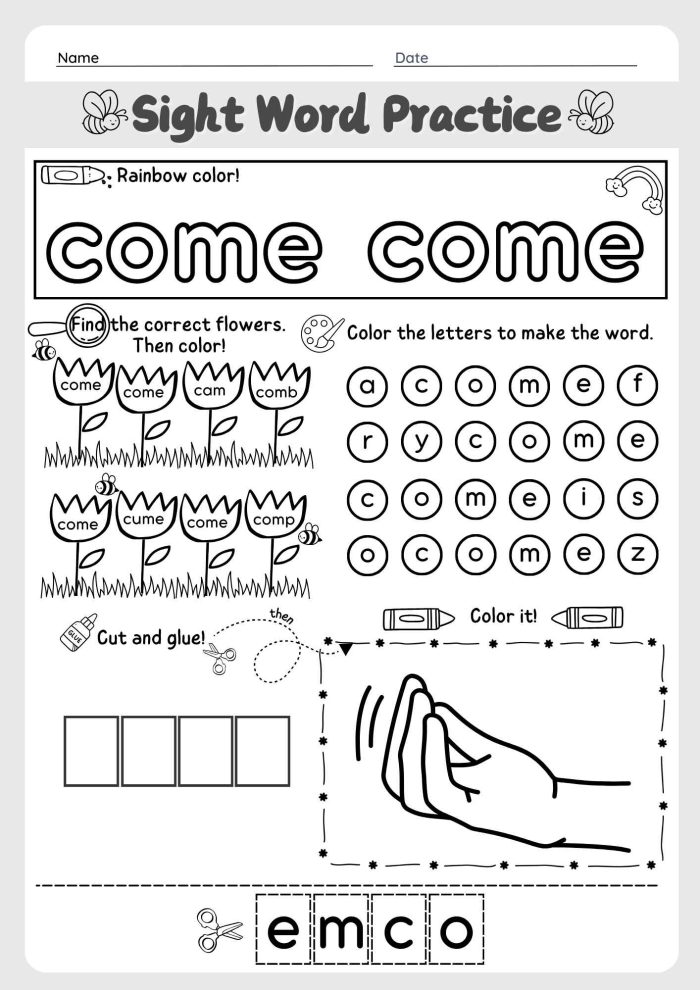
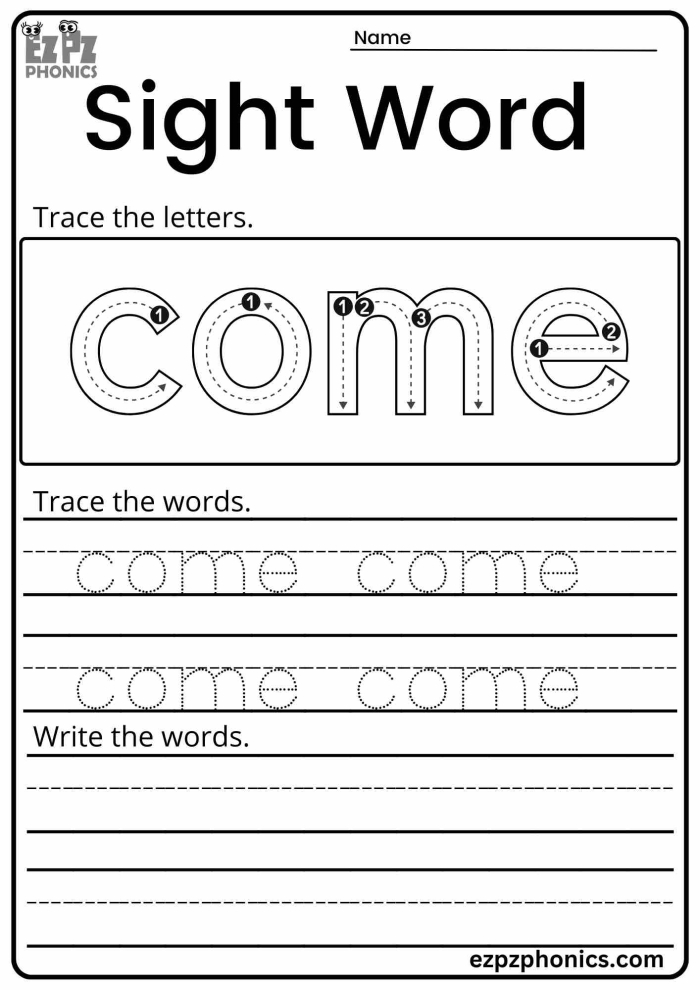
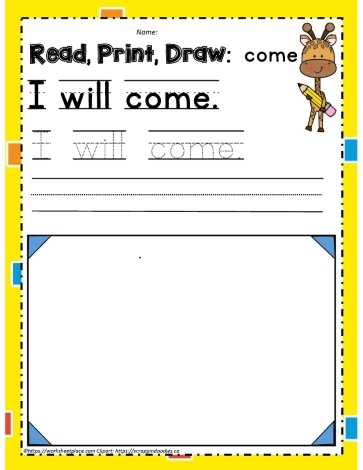
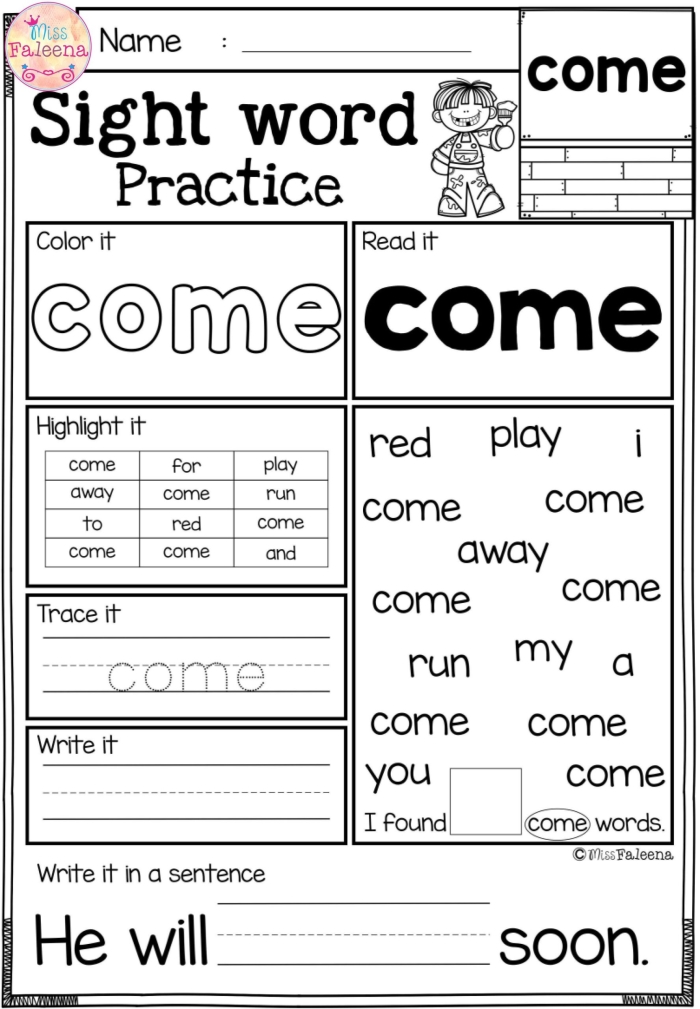
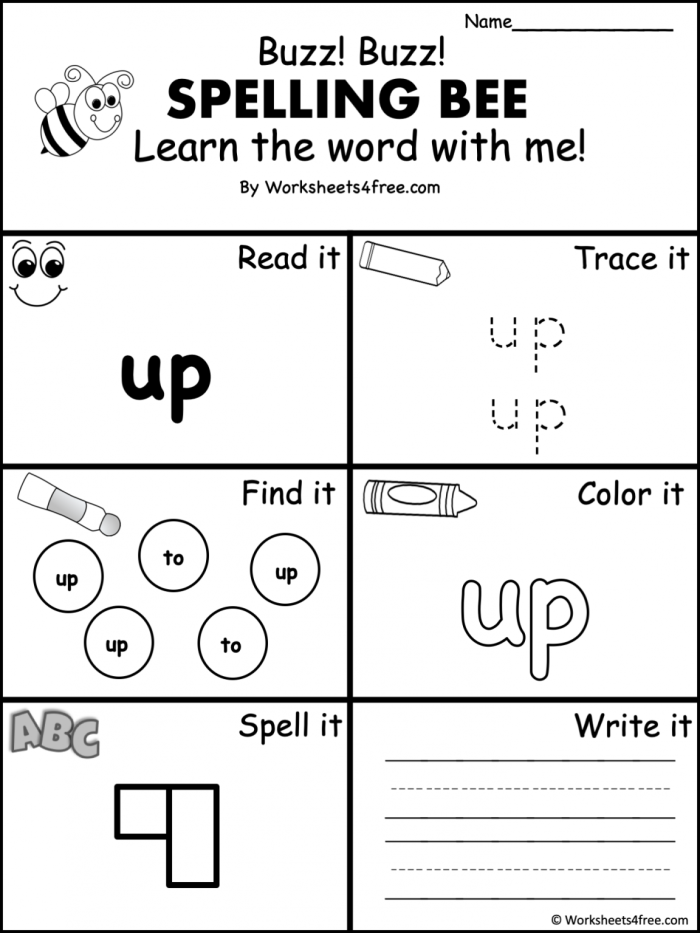
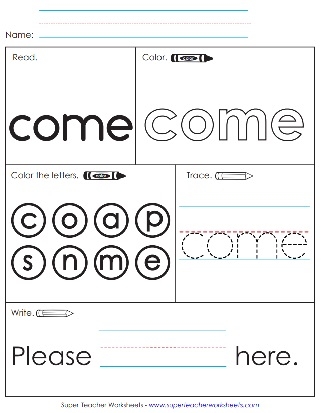
Your child sits at the table with a worksheet full of sight words, and within minutes, they’re restless and resistant. Sight words like “come,” “the,” and “is” form the foundation of early reading, yet the repetitive drills that traditionally teach them can drain a child’s enthusiasm faster than you’d expect. If your Pre-K learner has started to resist these essential building blocks, the problem likely isn’t the words themselves, but how they’re being taught.
The good news is that sight word instruction doesn’t have to feel like a chore. When you layer in activities that engage a child’s natural curiosity and creativity, learning becomes something they actually want to do. A well-designed printable worksheet can transform a frustrating lesson into a moment of genuine discovery.
Why Engagement Matters for Sight Words
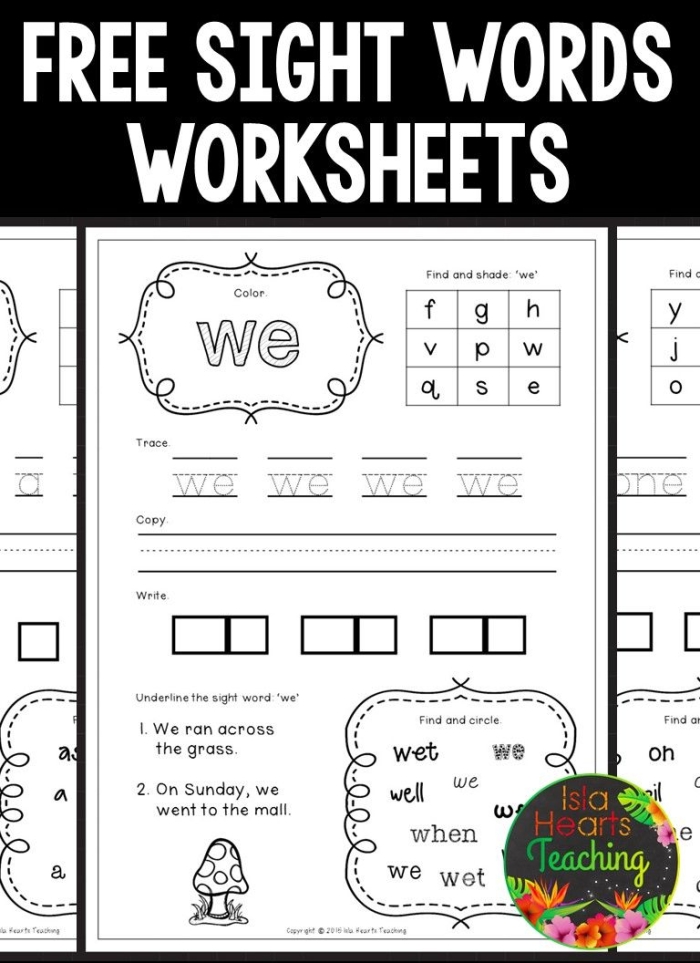
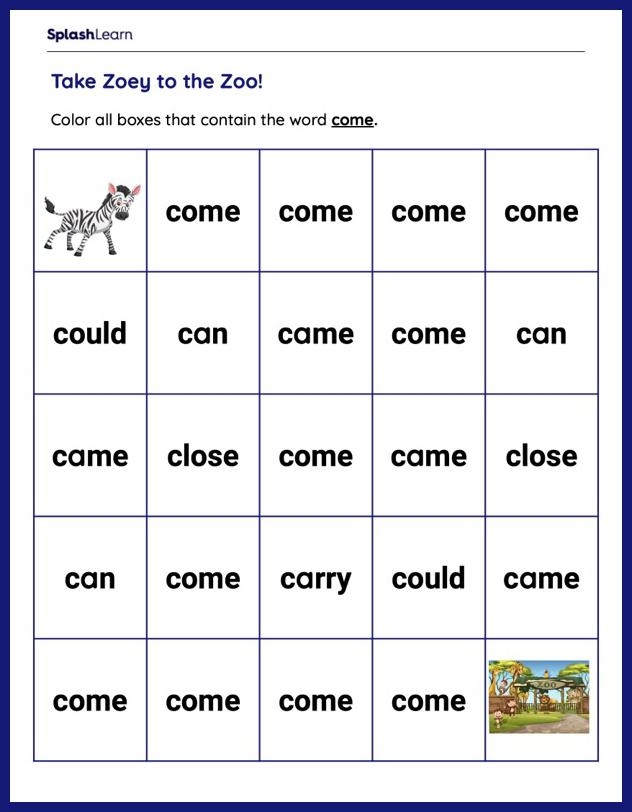
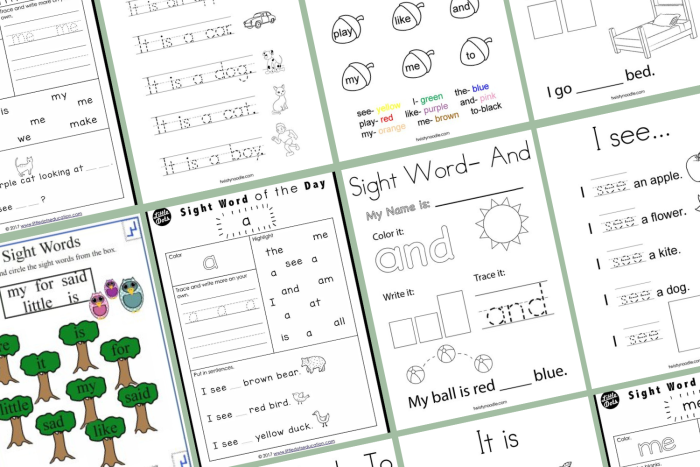
Young learners in Pre-K benefit from multi-sensory approaches that connect words to images, colors, and movement. When a child colors, traces, or matches words to pictures, they’re not just memorizing, they’re building neural pathways that make recall easier and faster. This is particularly true for high-frequency words that appear constantly in early readers.
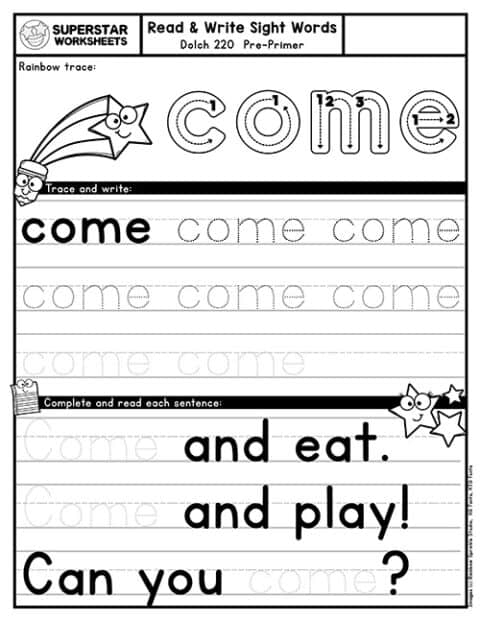
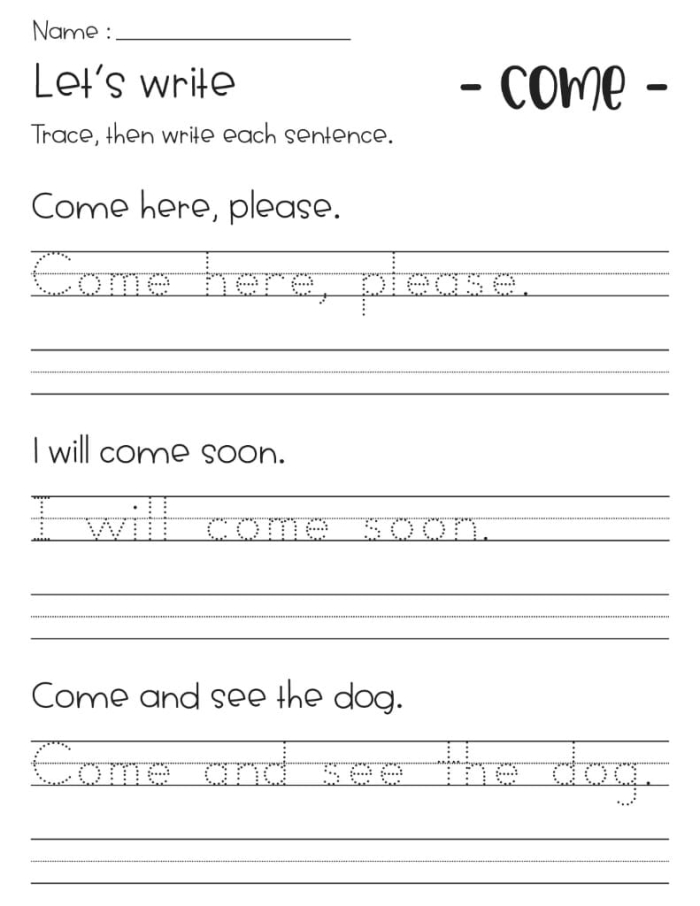
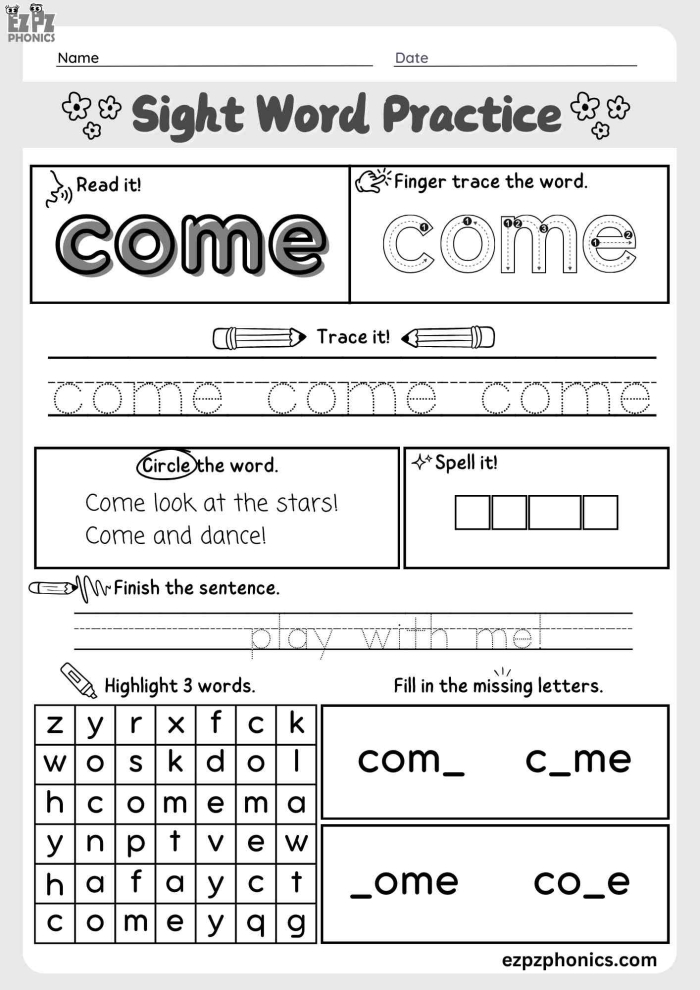
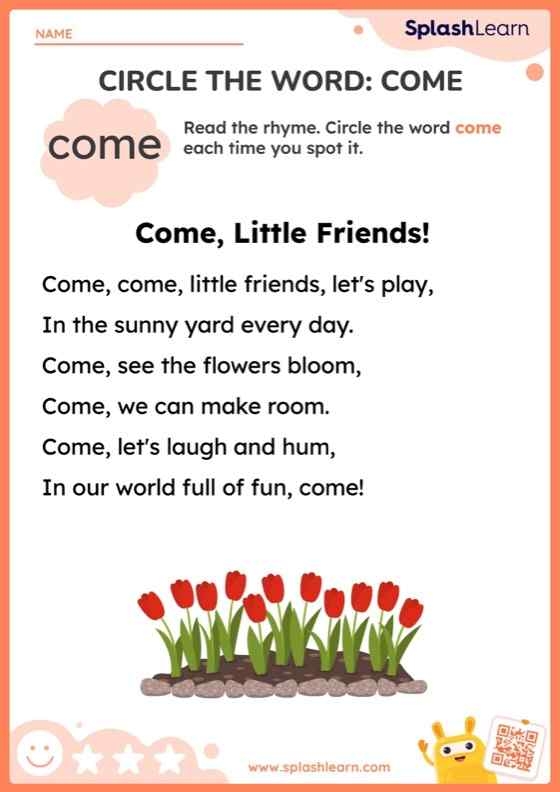
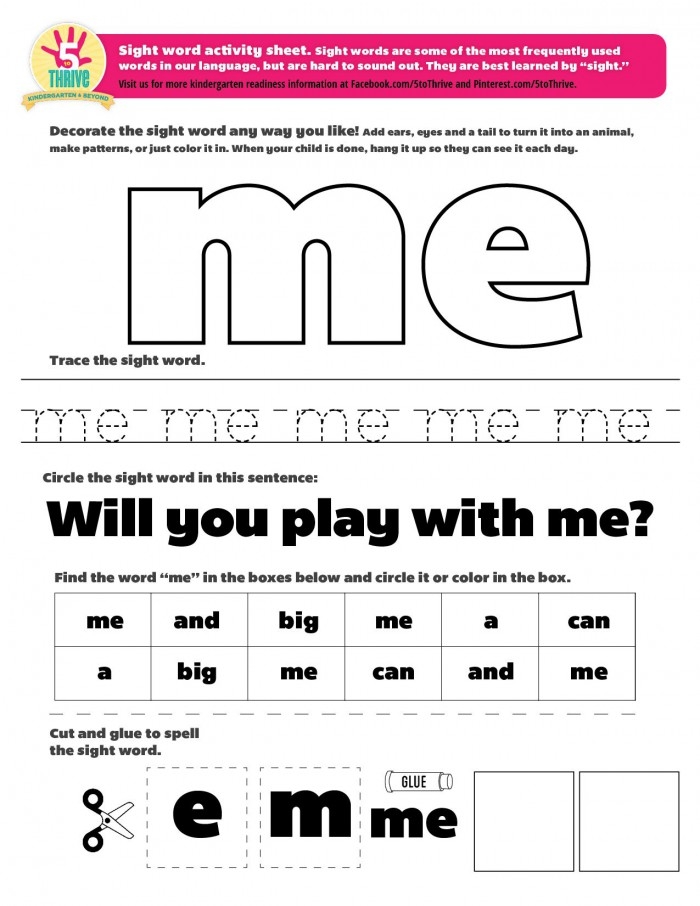
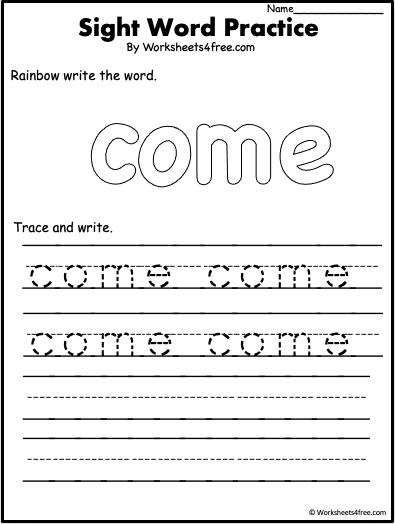
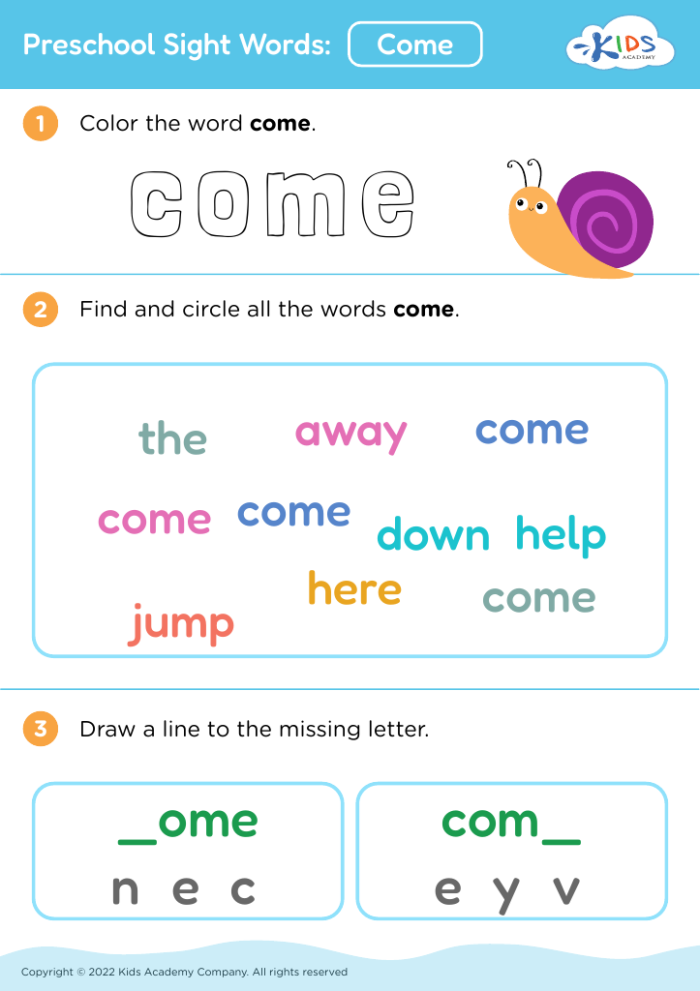
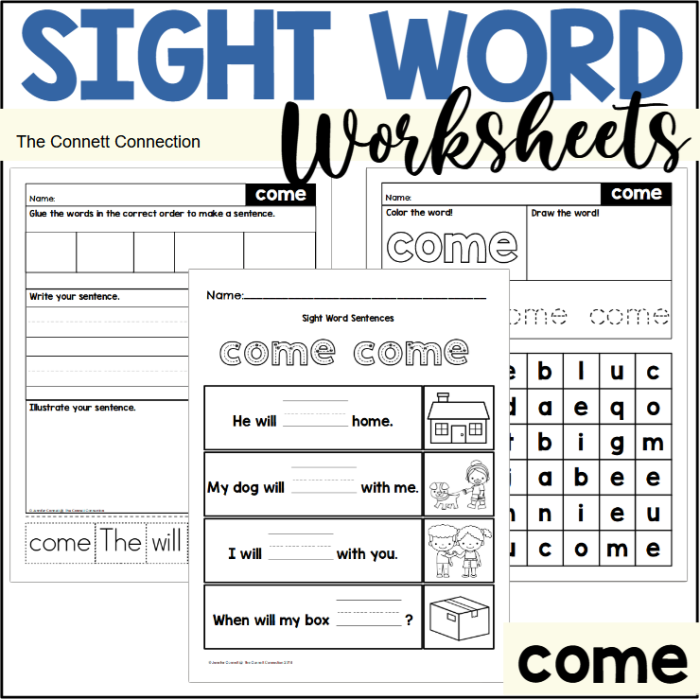
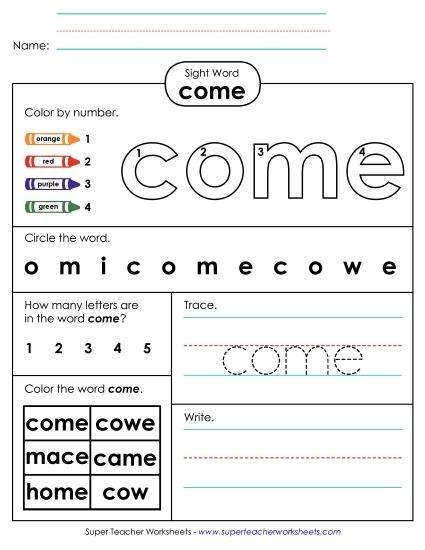
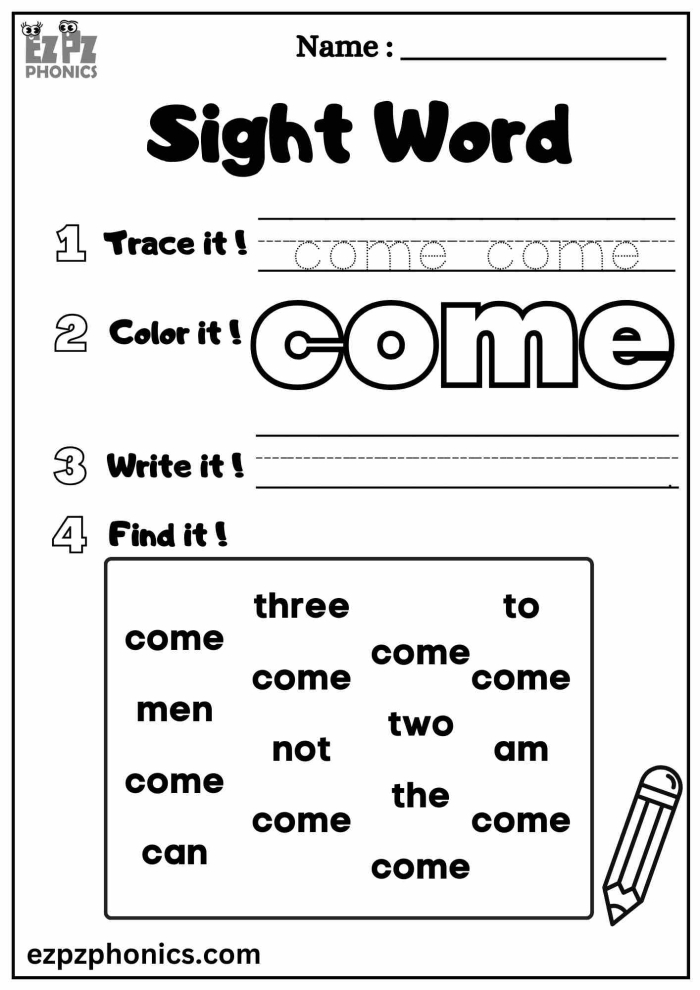
Consider starting with activities that feel less like “learning” and more like play. A worksheet that asks your child to spruce up the sight word “come” through illustration or decoration gives them ownership over the learning process. They’re not just seeing the word, they’re creating with it.
Building Momentum with Variety
Rotating through different activity types keeps things fresh. One day might focus on the word itself, while another day incorporates related Life Science themes. For instance, pairing sight words with nature-themed activities like coloring a mako shark or coloring Halloween owls keeps the brain engaged across multiple areas at once.
When your child connects words to things they find interesting, whether that’s animals, seasons, or holidays, the words stick around longer. You might also explore letter-focused activities that build phonemic awareness alongside sight word recognition, or use goal-setting activities like setting learning goals for the new year to create positive momentum.
The shift from boredom to enthusiasm happens when you stop treating sight words as isolated tasks and start weaving them into activities your child actually enjoys. That’s when real progress takes hold.
Try These Printable Worksheets