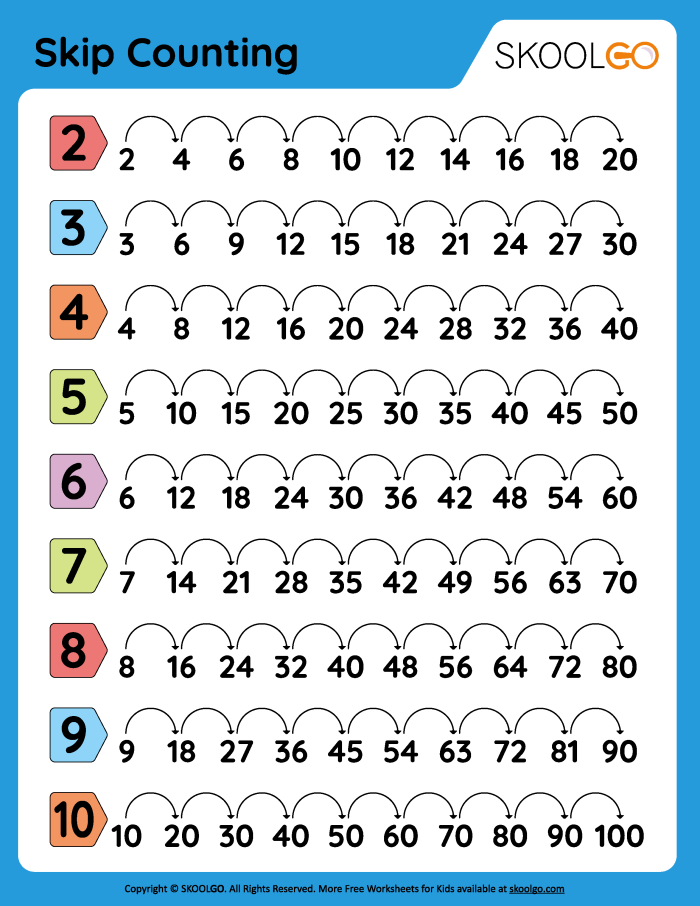
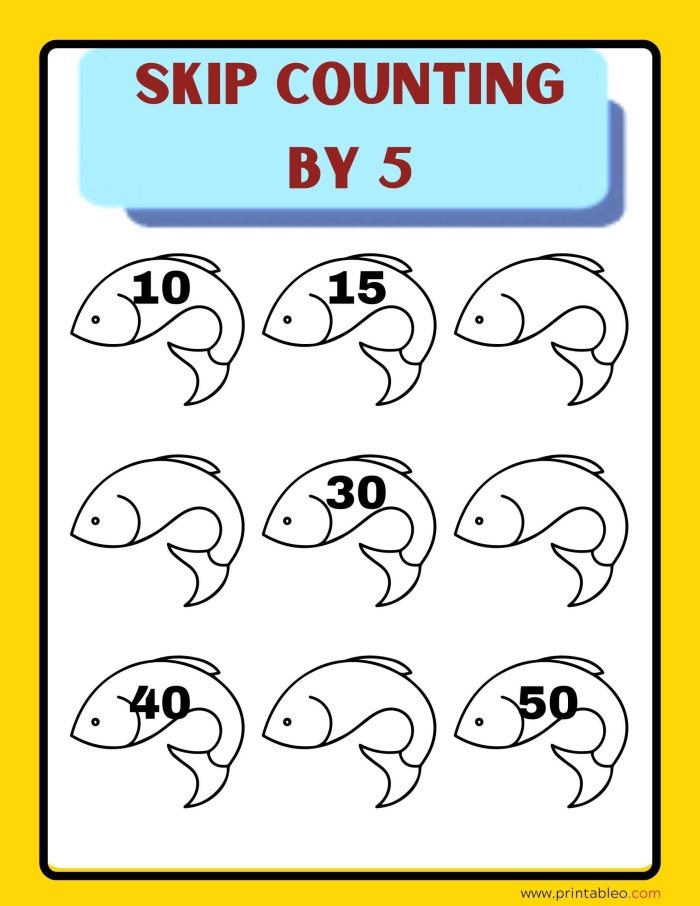
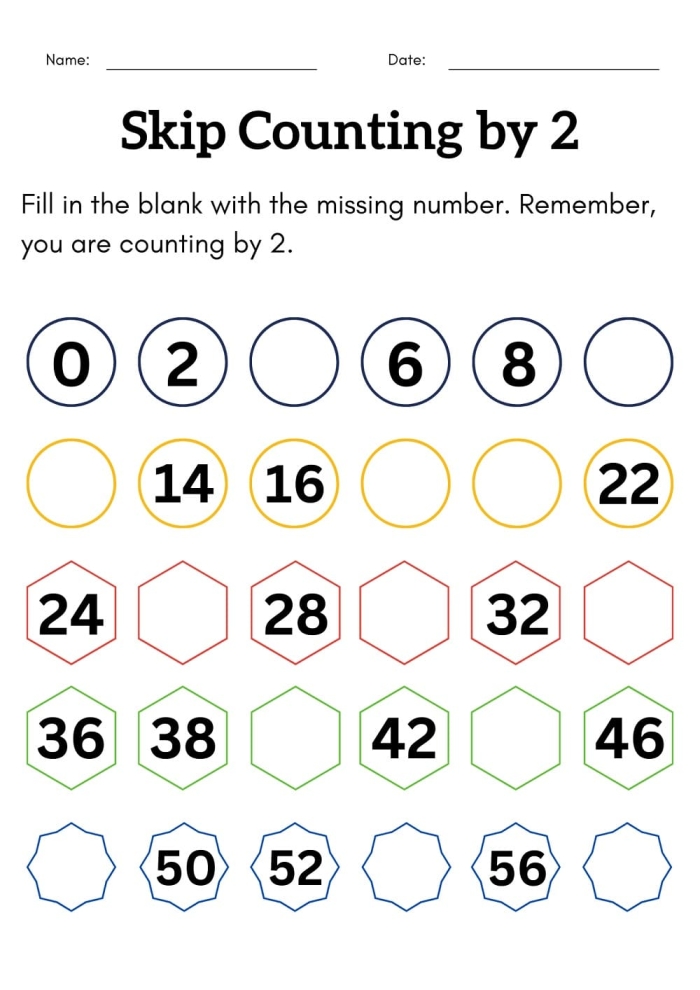
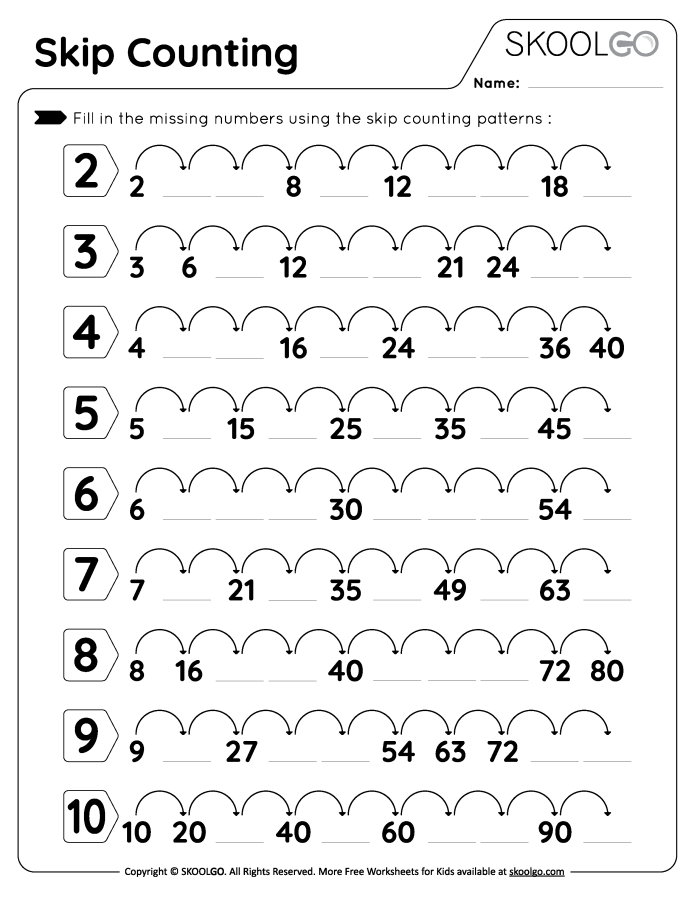
Skip counting by fives is one of those math skills that clicks differently when kids can visualize it as movement rather than just recitation. A frog hop worksheet transforms what could feel like rote memorization into an actual game, and second grade students respond well to this kind of kinesthetic connection.
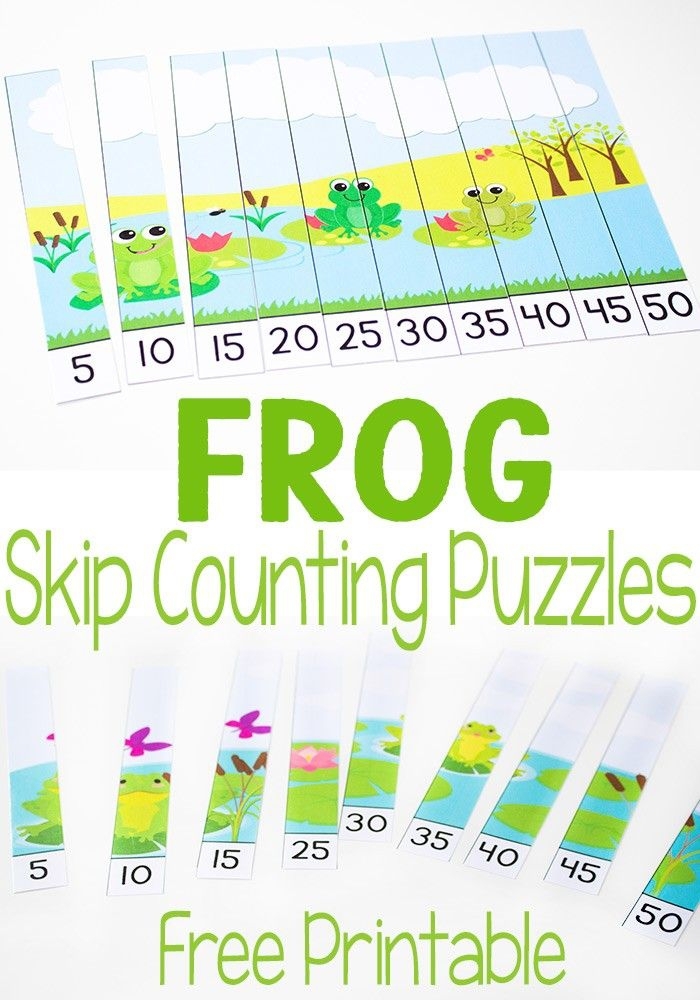
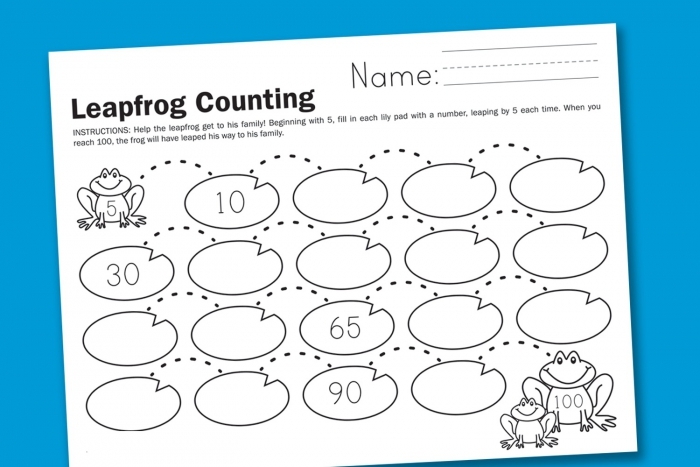
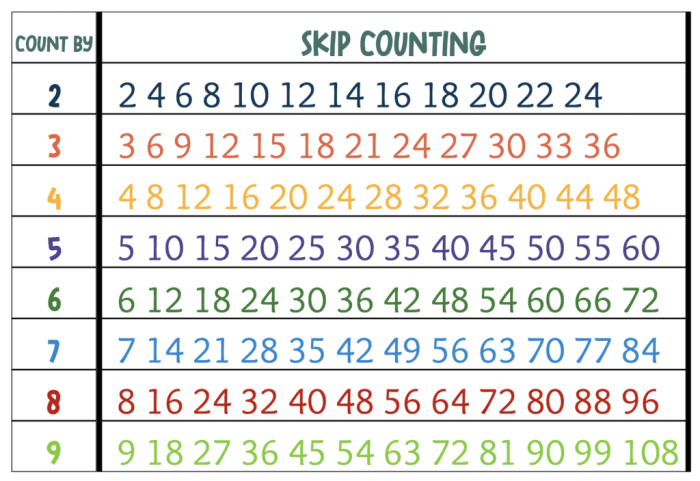
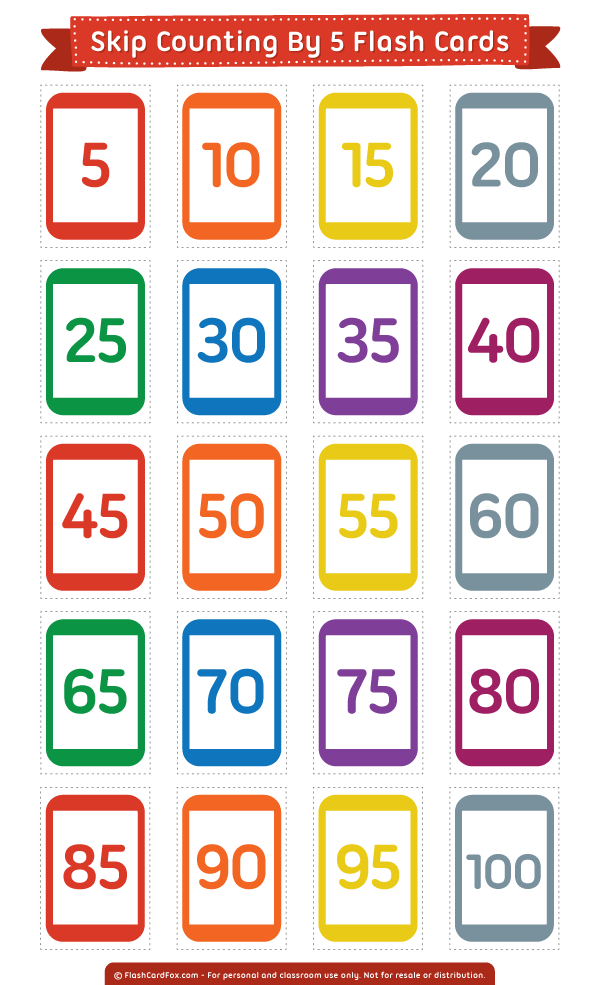
When children skip count by fives, they’re learning to jump over numbers in a predictable pattern: 5, 10, 15, 20, and so on. This builds number sense and prepares them for multiplication and division work they’ll encounter later. The frog theme works because kids already understand hopping as a physical action. A worksheet that shows a frog jumping from lily pad to lily pad, with each pad labeled with the next number in the sequence, makes the abstract concept tangible.
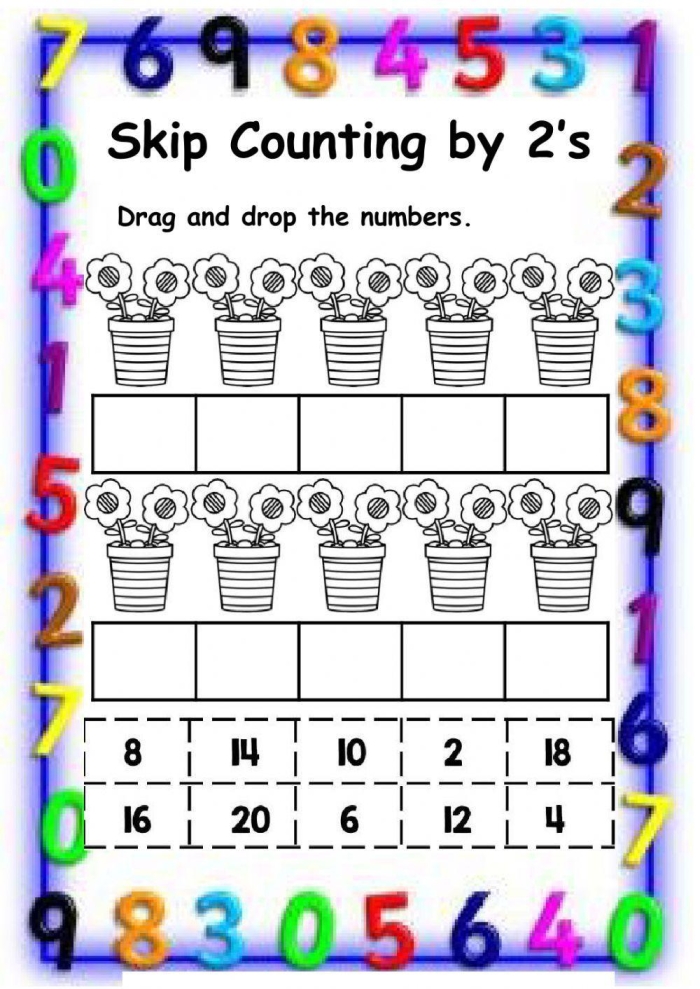
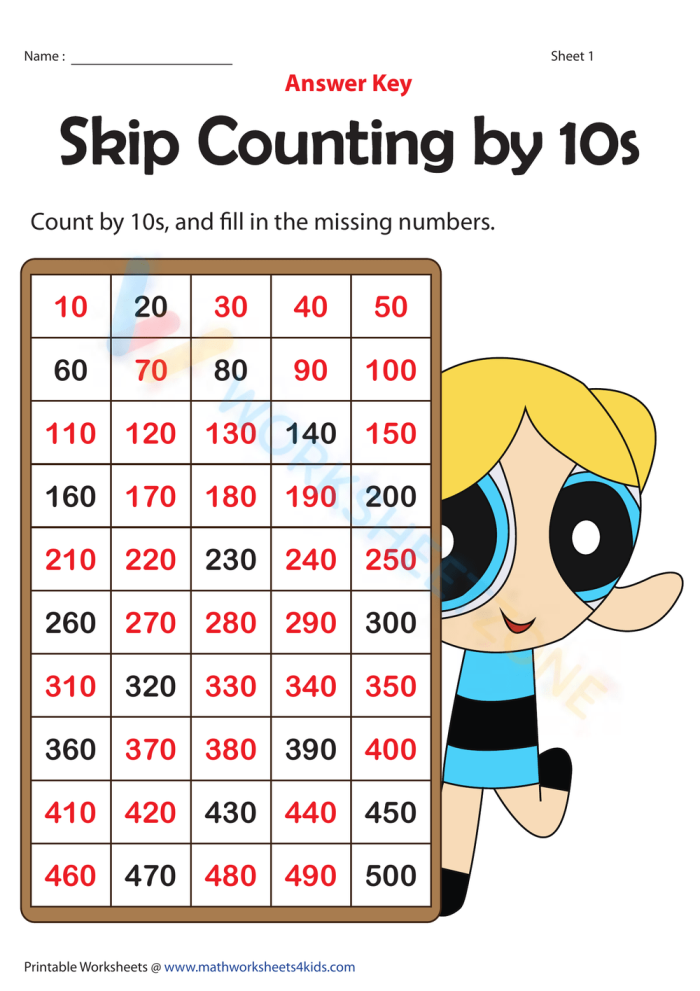
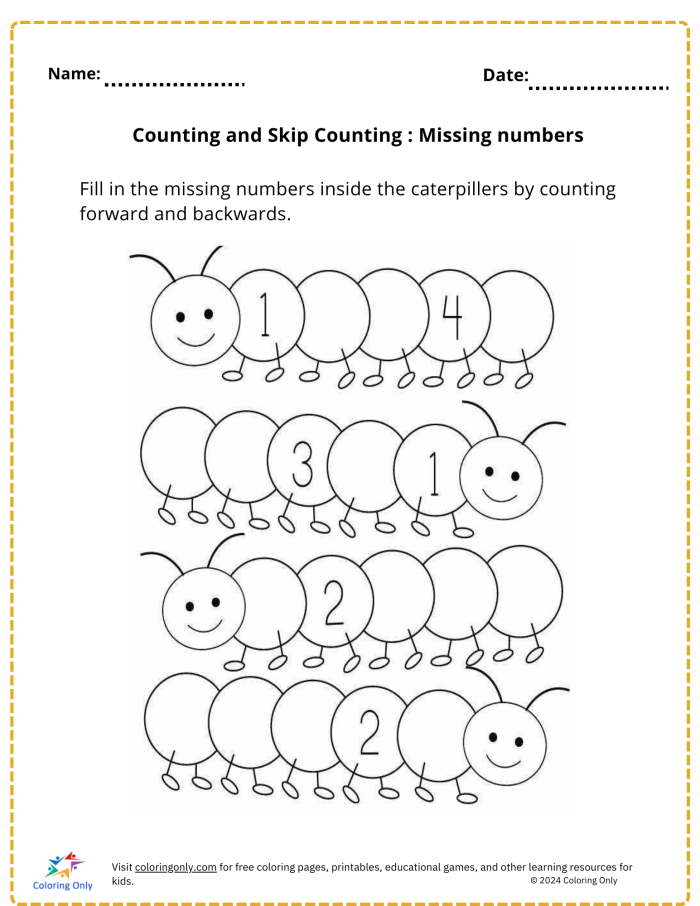
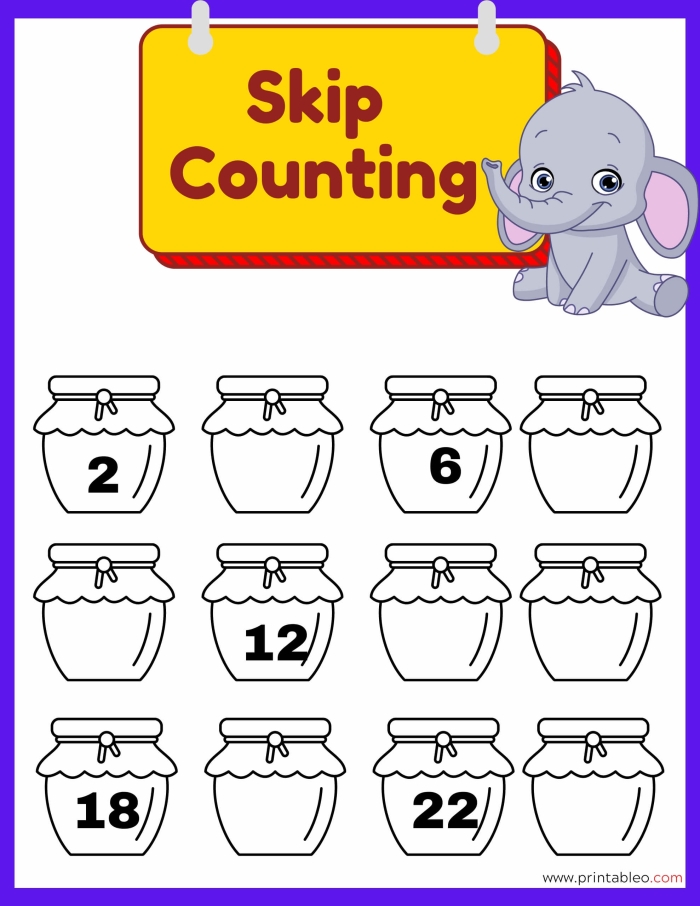
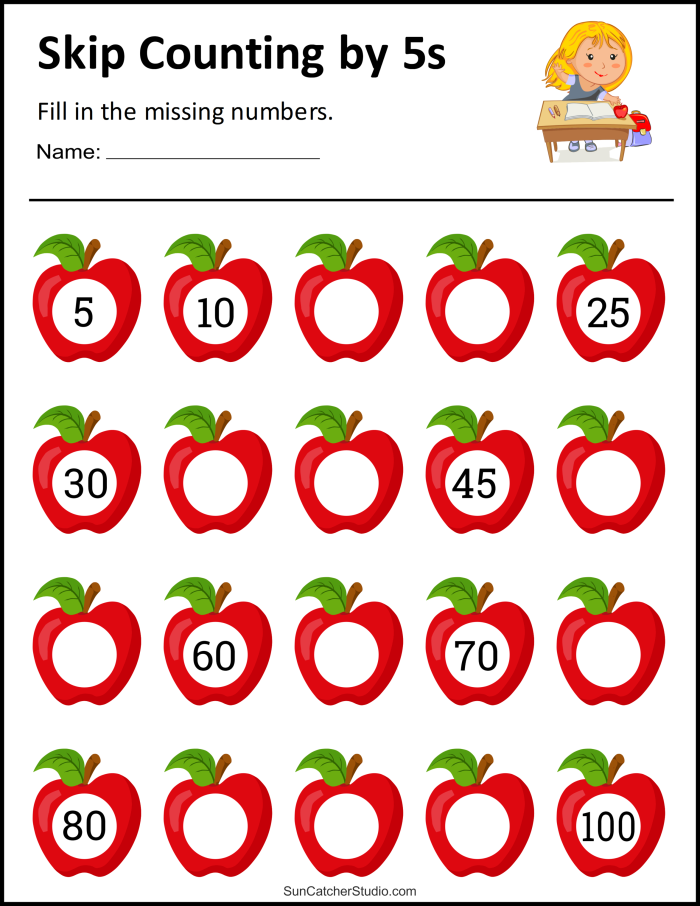
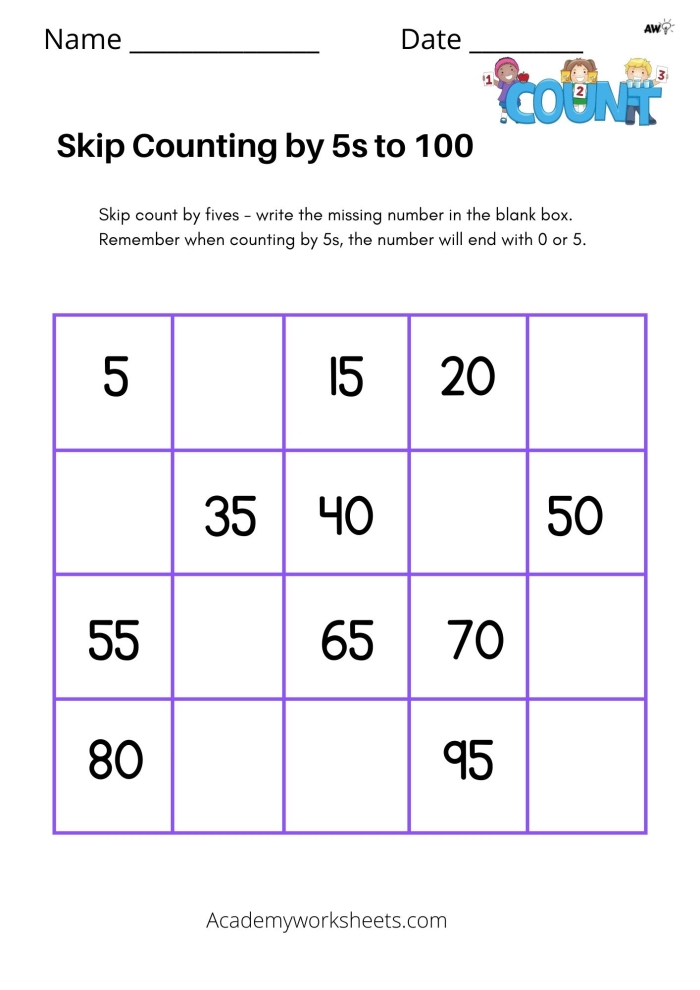
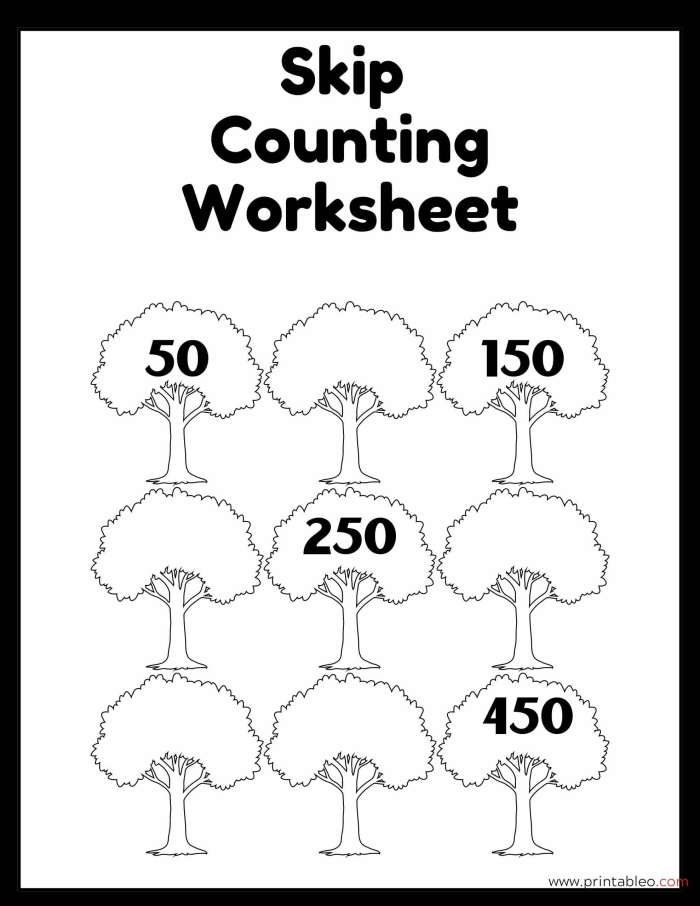
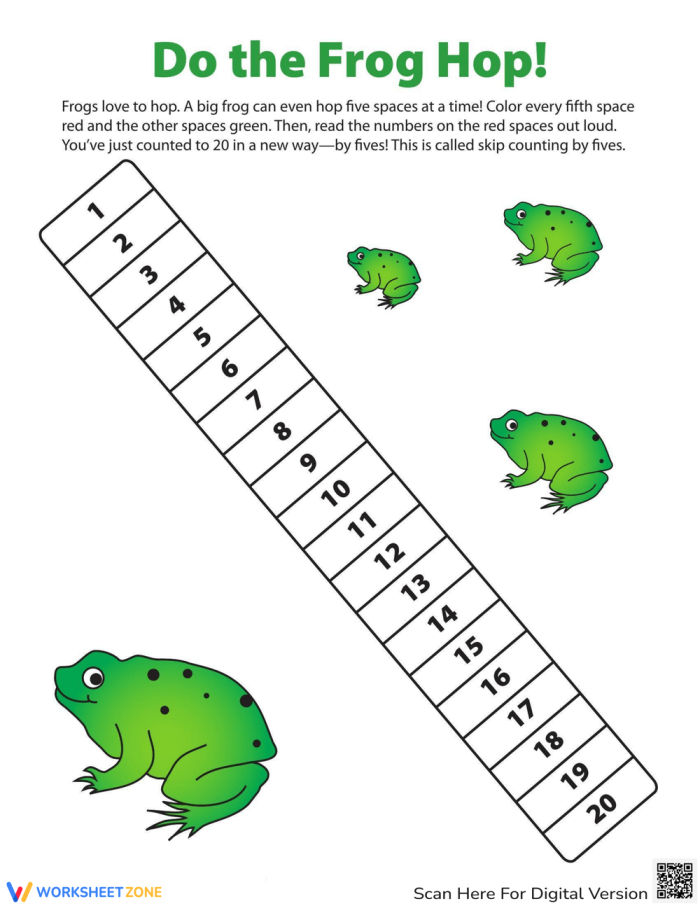
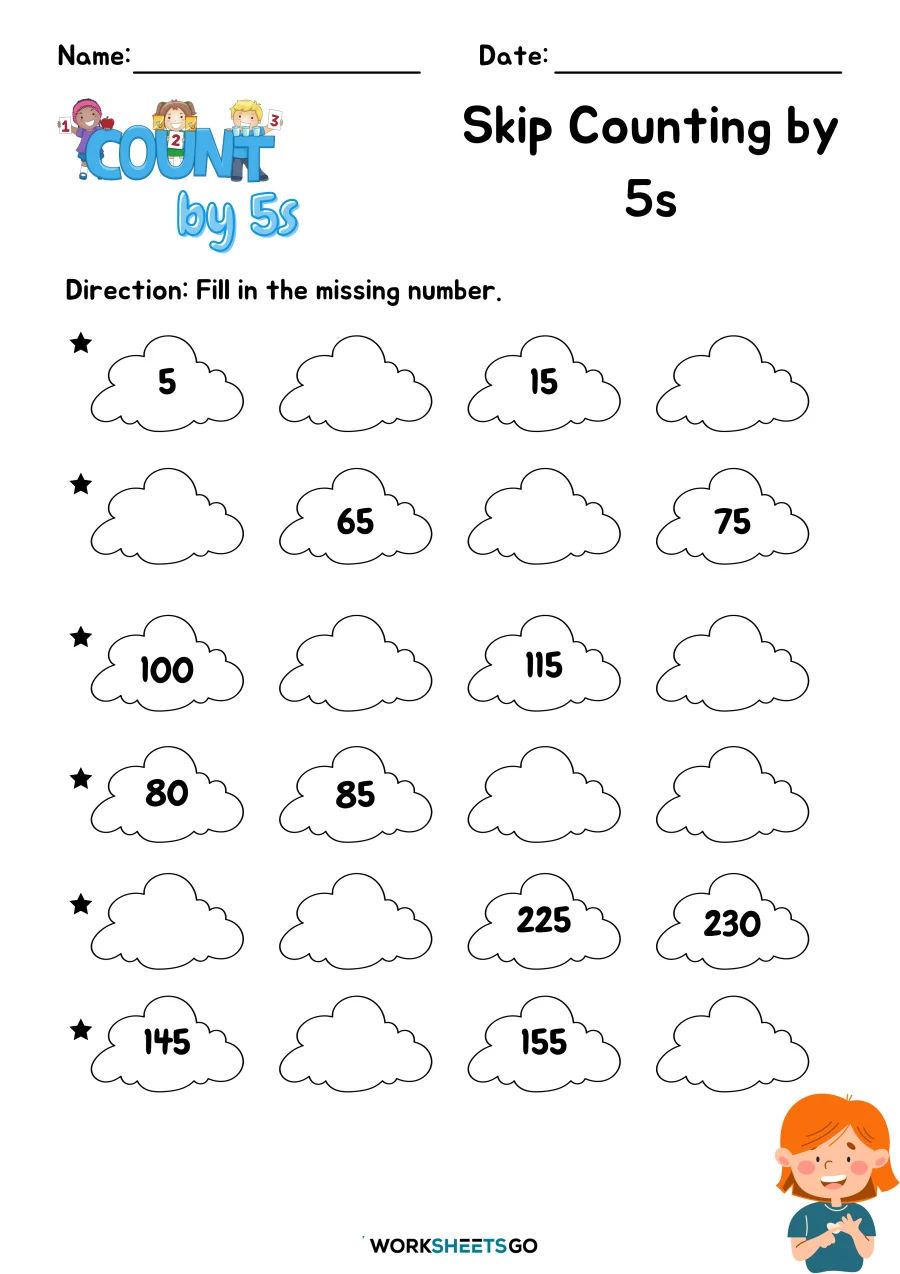
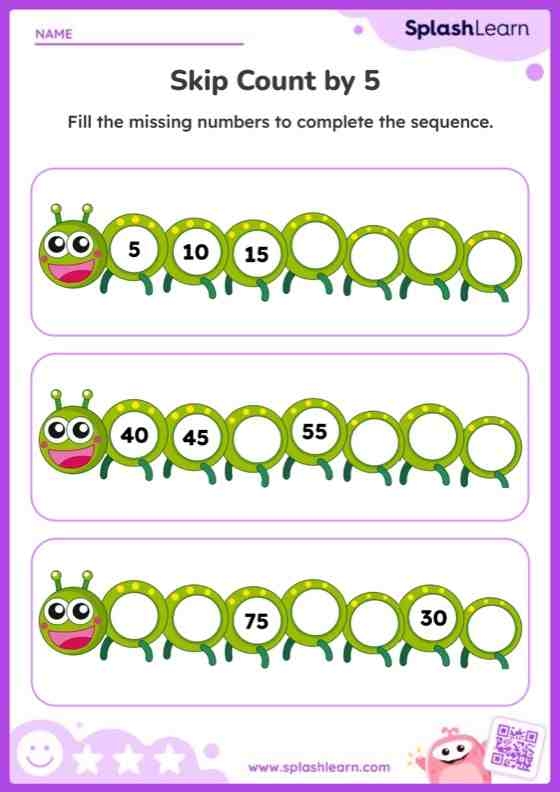
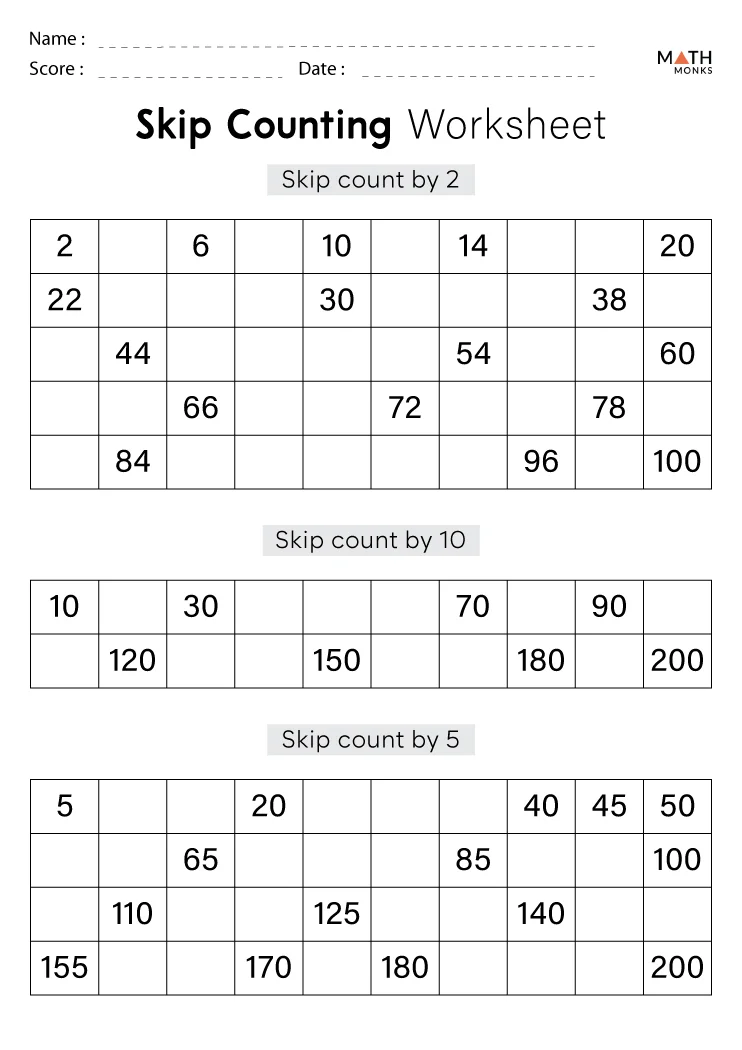
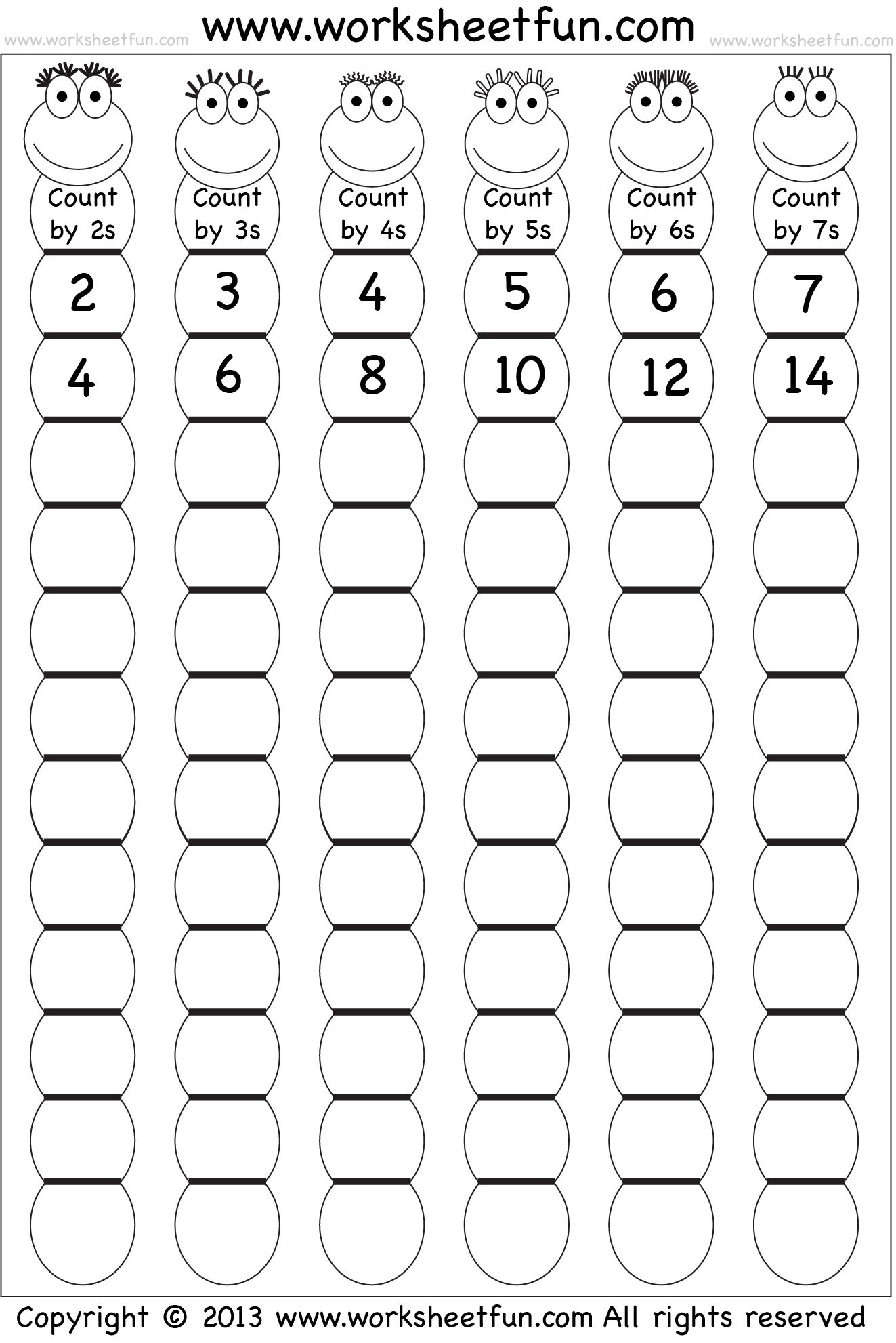
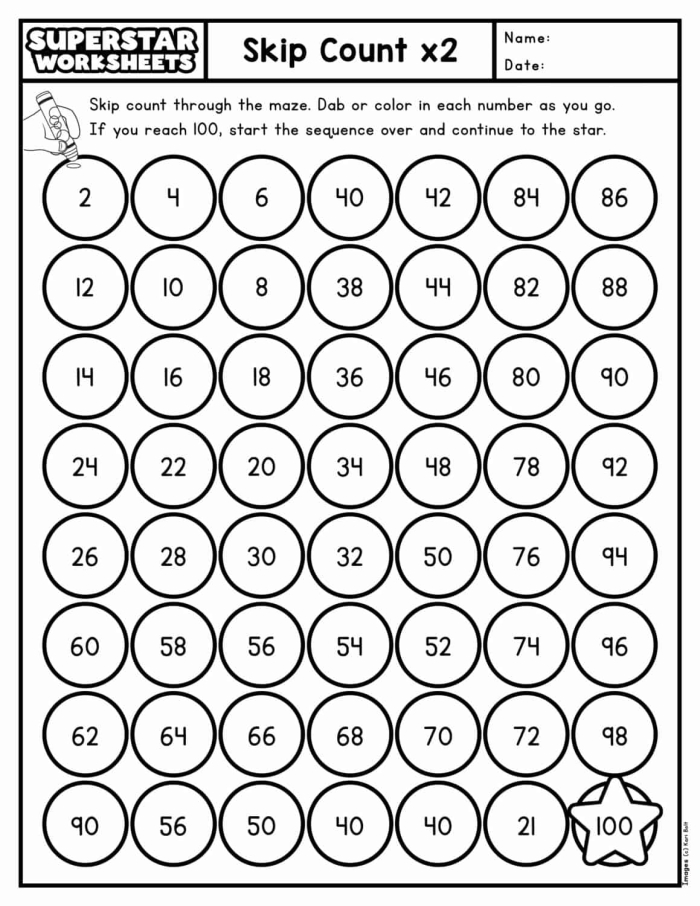
The worksheet typically includes a visual path where students either fill in missing numbers or trace the frog’s journey across the sequence. Some versions ask kids to color in every fifth number on a number grid, which reinforces pattern recognition. Second grade algebra worksheets like these serve as bridges between concrete understanding and abstract thinking.
What makes this approach effective is the repetition without monotony. Your child isn’t just writing the numbers repeatedly. They’re engaged in a story where the frog needs to reach the other side of the pond. This context matters for sustained attention, especially for learners who find pure number drills uninspiring.
You can extend the learning beyond the worksheet too. Have your child hop around your living room while counting by fives, or create their own frog hop path with paper lily pads. These printable skip counting by fives worksheets work well alongside other second grade materials, like telling time activities or language practice, as part of a balanced learning routine.
Worksheet Practice Section