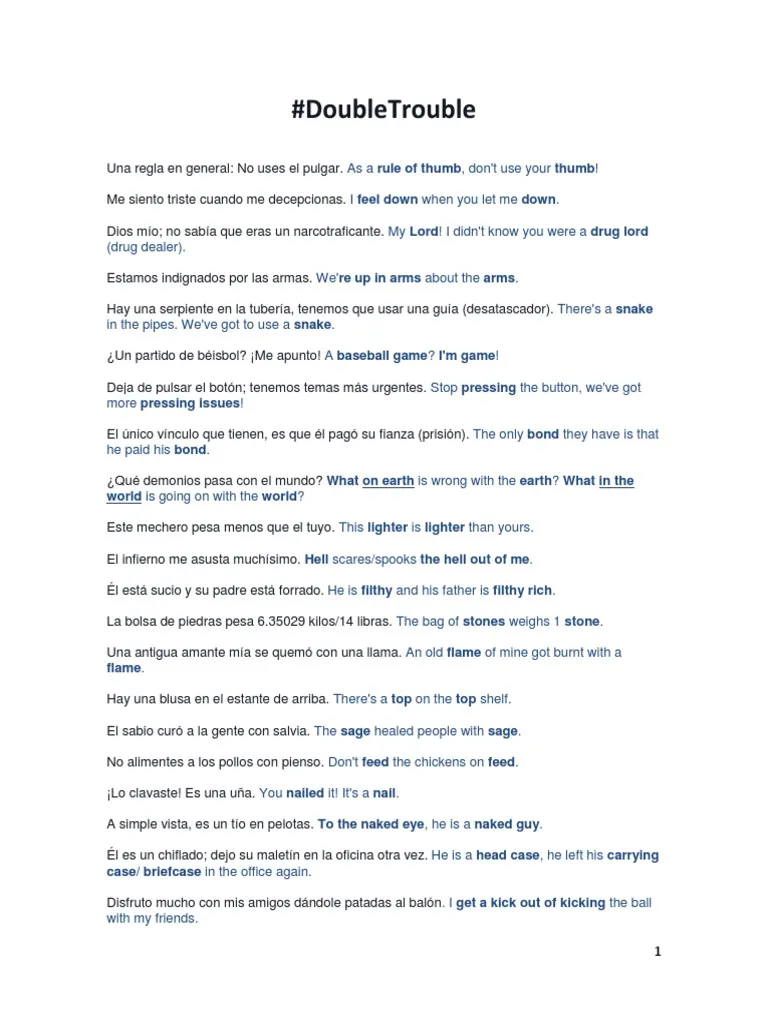
English loves to play tricks on learners, and homonyms are the ultimate culprits. These tricky words sound identical or nearly identical to other words, yet they carry completely different meanings. For fifth grade students tackling sight words, homonyms present a genuine challenge that requires attention and practice to master.
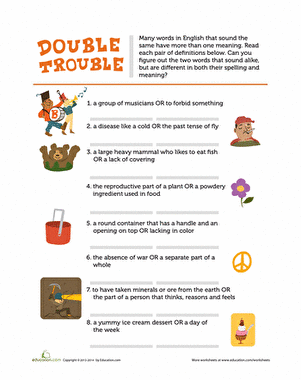
Homonyms fall into two main categories: homophones and homographs. Homophones sound the same but have different spellings and meanings, like “bear” and “bare,” or “there,” “their,” and “they’re.” Homographs, on the other hand, are spelled the same but pronounced differently and mean different things, such as “lead” (the metal) versus “lead” (to guide). This distinction matters because understanding the difference helps students read with accuracy and write with clarity.
When students encounter homonym worksheets, they’re building a critical skill that extends beyond simple word recognition. Learning to distinguish between “knight” and “night,” or “know” and “no,” trains the brain to consider context clues and sentence structure. This awareness becomes essential when reading more complex texts and writing their own compositions.
Working through homonym exercises connects naturally with other language skills. Students might practice grammar and mechanics through paraphrasing activities where homonym confusion could derail meaning. Similarly, exploring rhyme schemes in poetry helps students recognize that words sounding alike doesn’t mean they’re the same word.
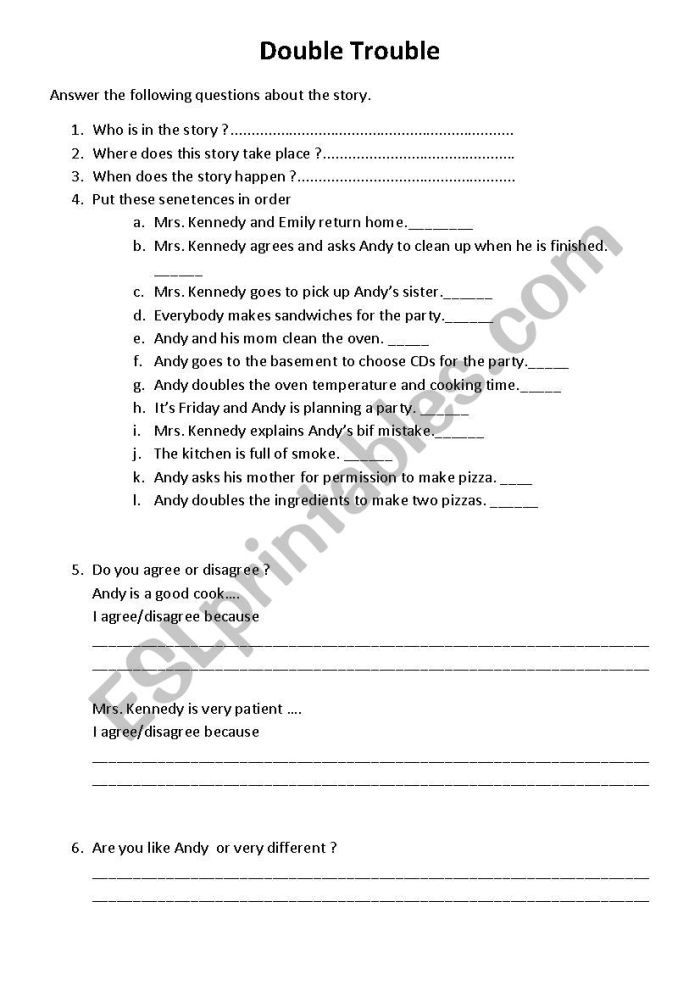
The best approach to conquering homonyms involves consistent exposure and practical application. Fifth grade students benefit from worksheets that present these words in meaningful sentences rather than isolated lists. When learners see how context determines which homonym belongs in a sentence, the double trouble becomes manageable and even enjoyable.
Printable Worksheets for Practice