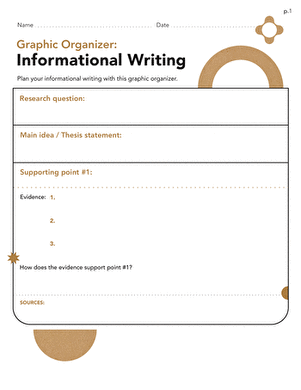
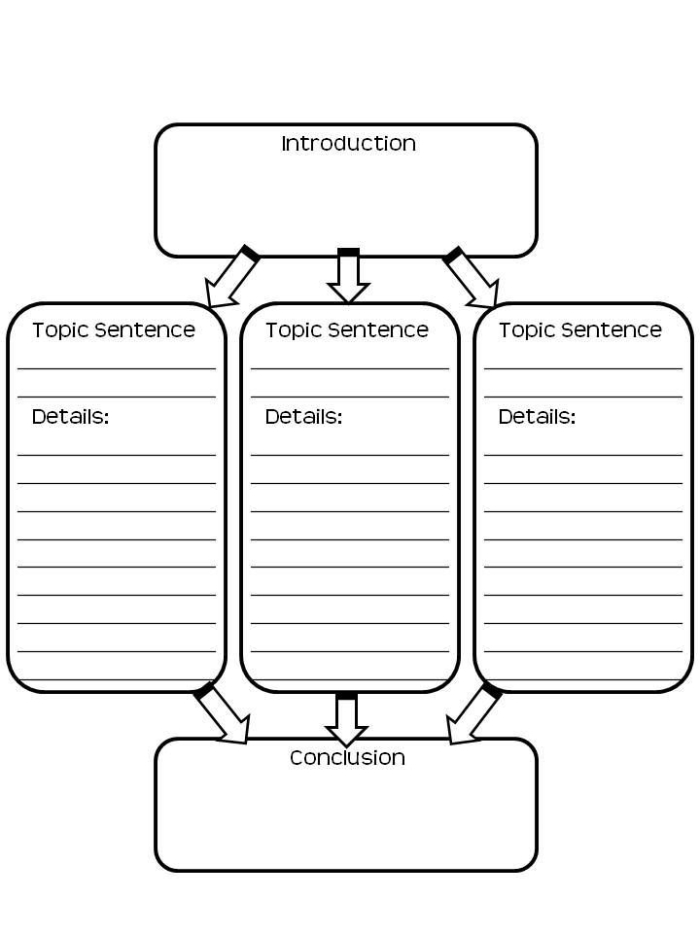
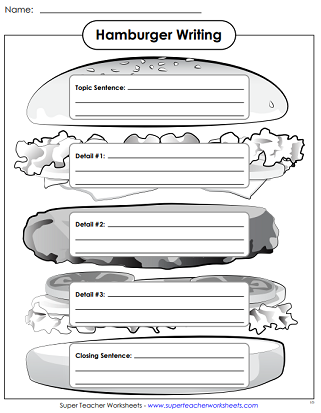
Building strong writing skills in third grade starts with understanding how information flows on a page. When young writers tackle an informative essay, they need a clear roadmap to follow. A graphic organizer serves as that roadmap, breaking down the writing process into manageable pieces that make sense.
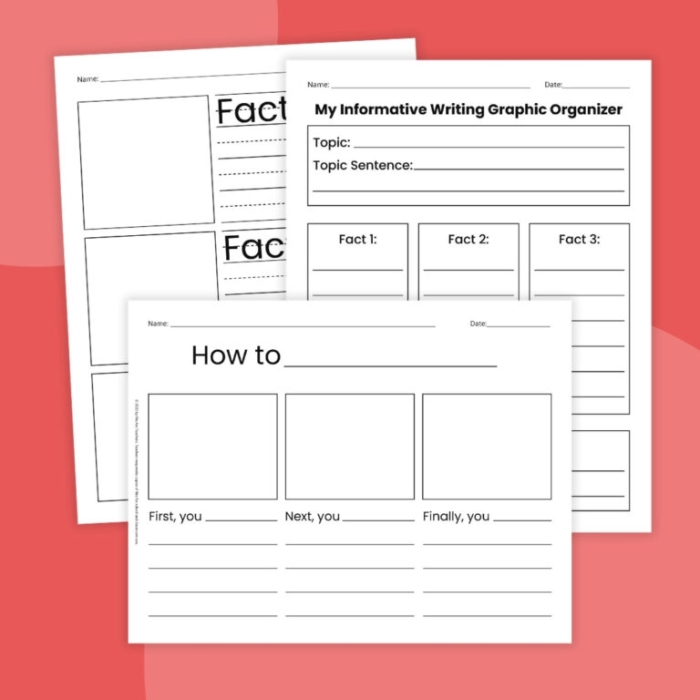
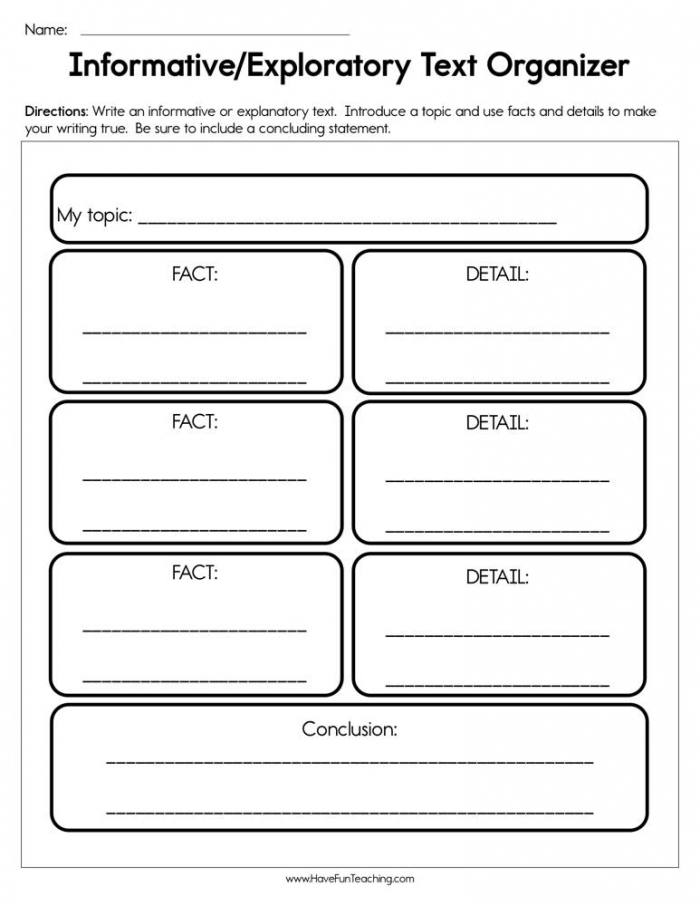
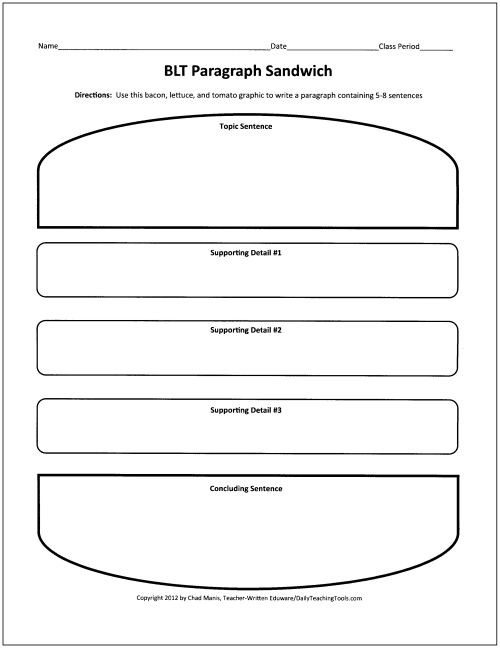
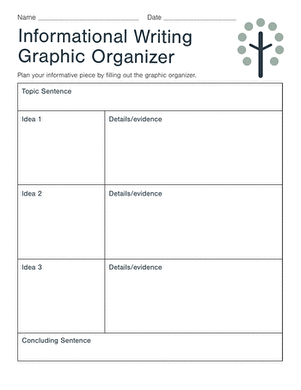
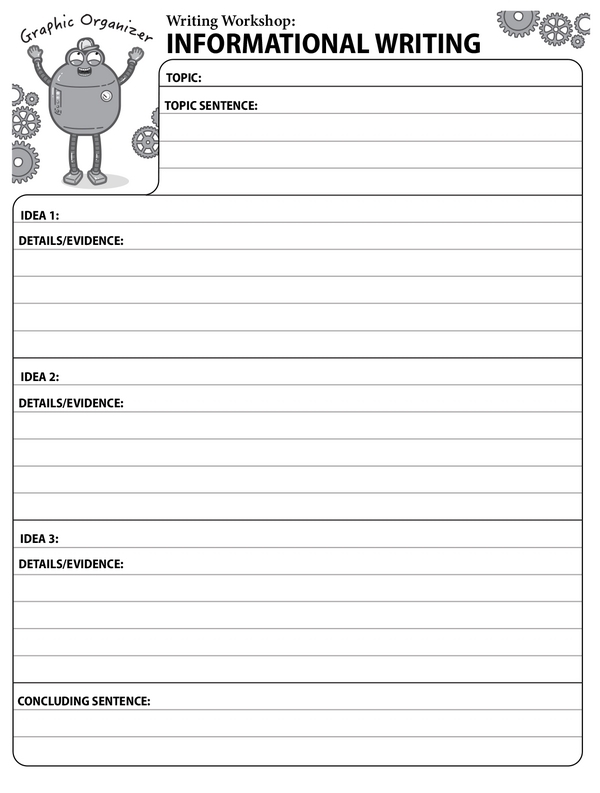
The foundation of any informative essay rests on the topic sentence. This opening statement tells readers exactly what the piece will cover. For a third grader, crafting a clear topic sentence means choosing one main idea and stating it plainly. Instead of wandering through several ideas at once, young writers learn to focus their thinking before putting pencil to paper.
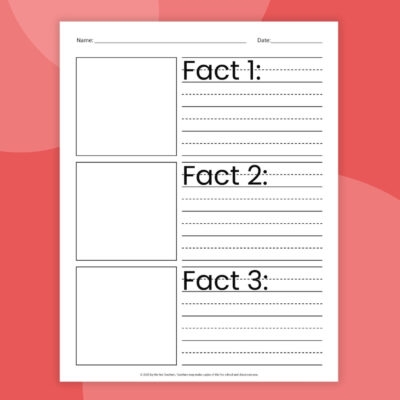
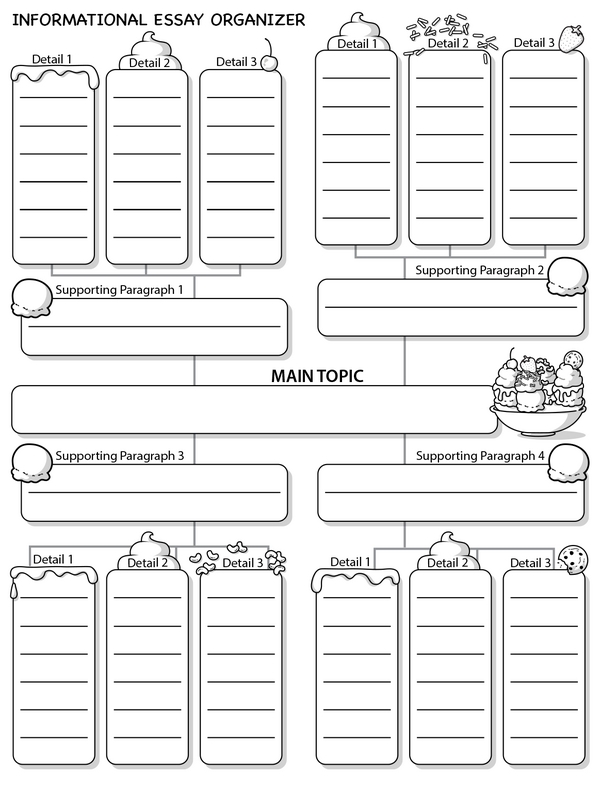
Supporting details come next, and this is where writers bring their topic to life. These details answer questions like “Why?” and “How?” A graphic organizer helps young writers list out facts, examples, and explanations that strengthen their main idea. When completing activities like exploring local government writing exercises, students practice gathering relevant information that directly connects to their topic.
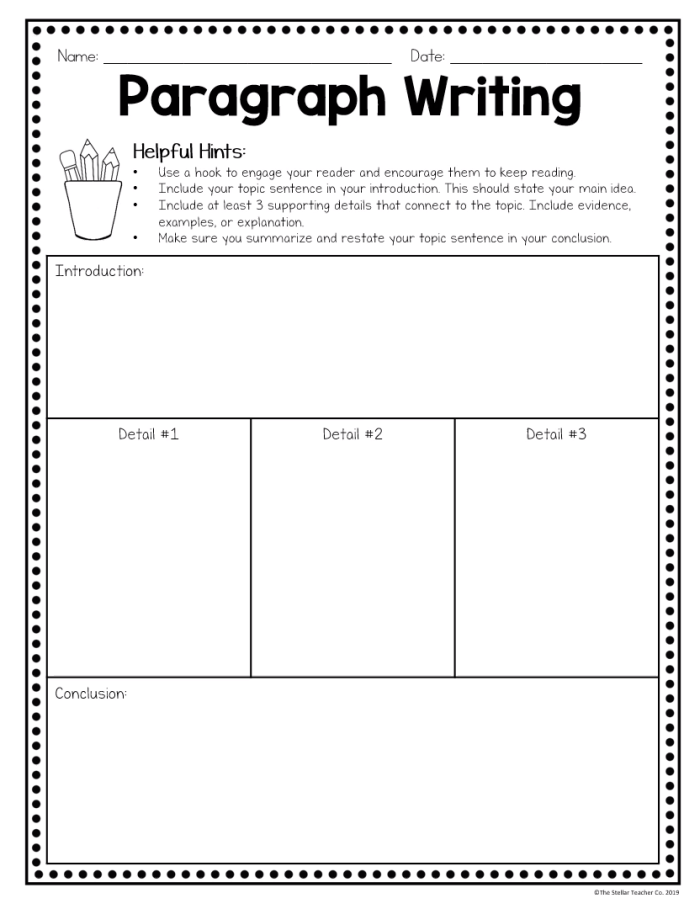
The conclusion wraps everything together. Rather than simply repeating the topic sentence, young writers learn to reflect on what they’ve shared. A strong ending reminds readers of the main idea while feeling complete and purposeful.
Using a graphic organizer during third grade writing instruction creates structure without stifling creativity. Students can see how each piece connects to the whole. Whether they’re working on alliteration in poetry or straightforward informational pieces, these tools help young writers organize their thoughts visually before drafting.
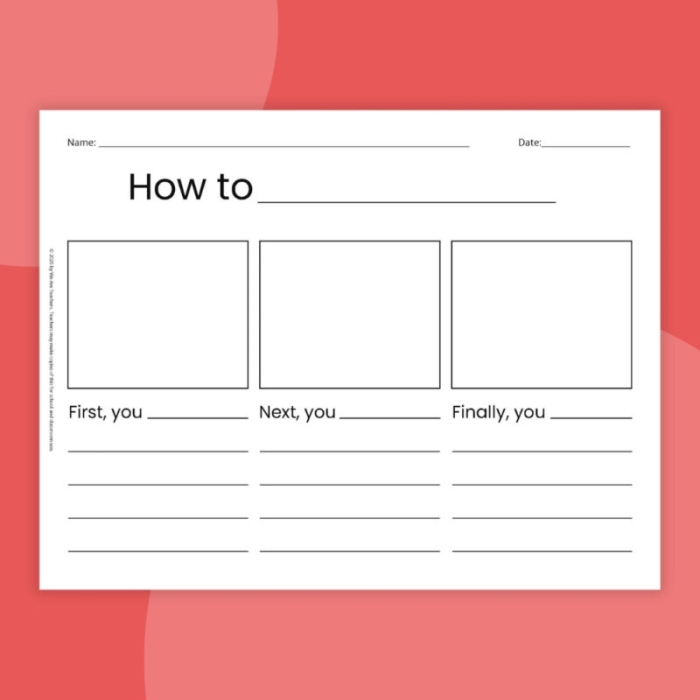
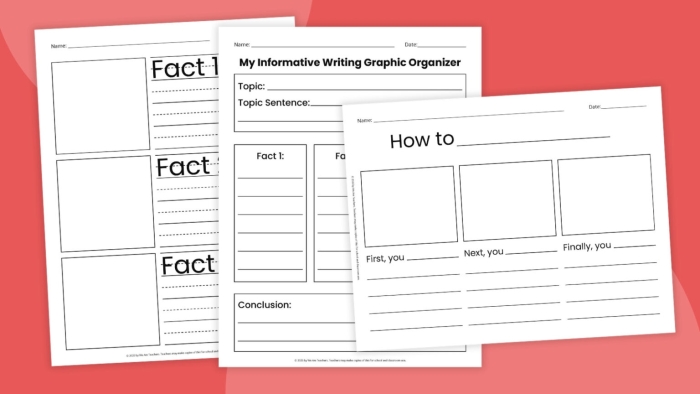
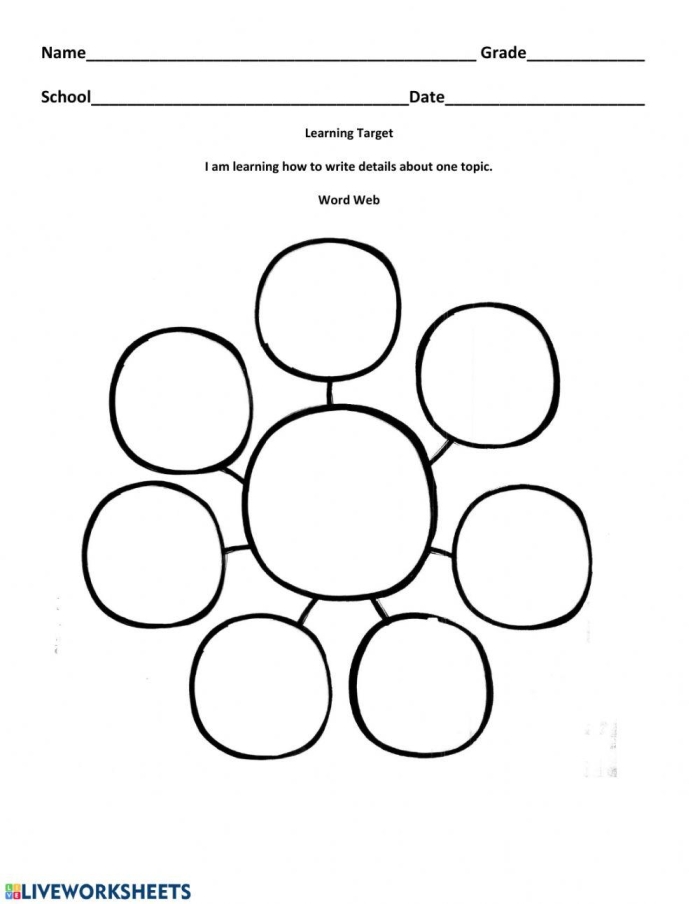
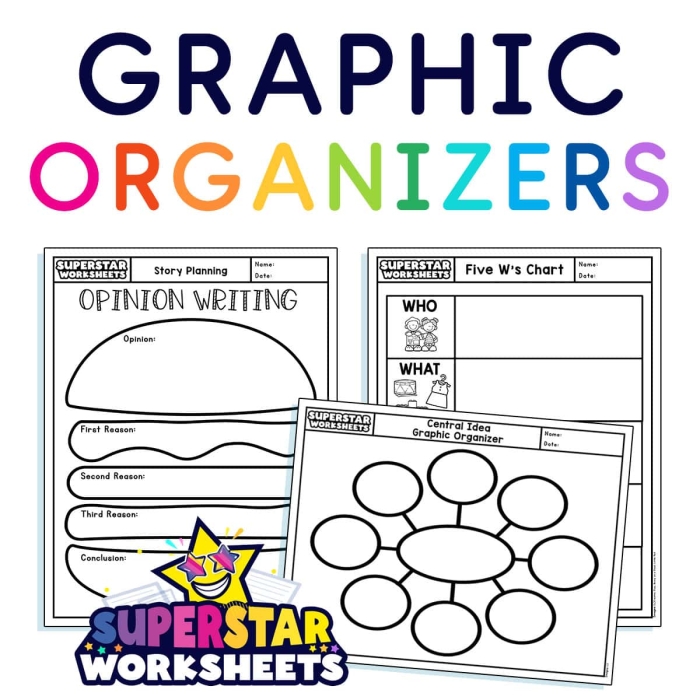
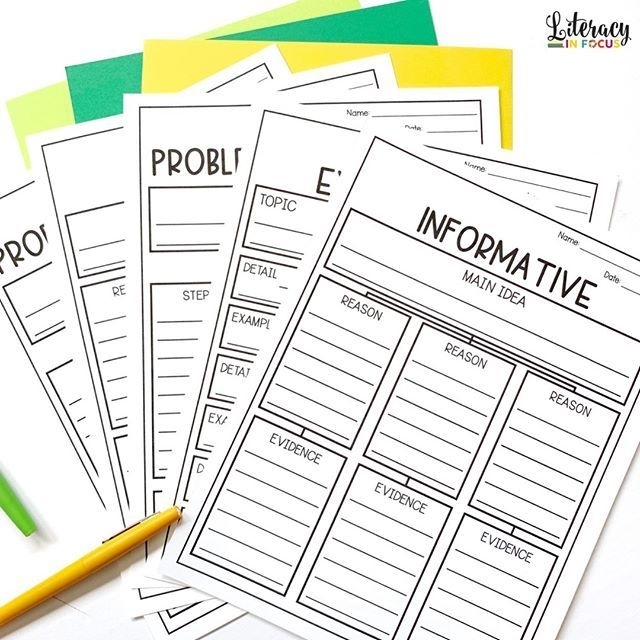
When children complete a printable informational writing graphic organizer worksheet, they’re not just filling in blanks. They’re learning a framework they’ll use throughout their writing journey. This structured approach builds confidence and clarity in young writers as they develop their voices on the page.
Printable Worksheets for Practice