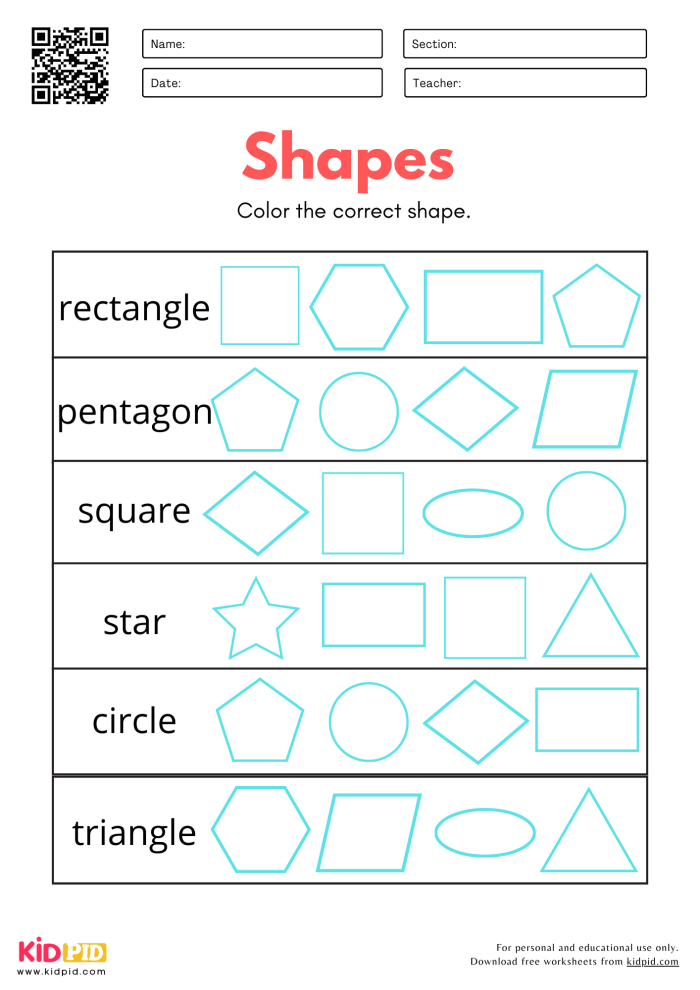
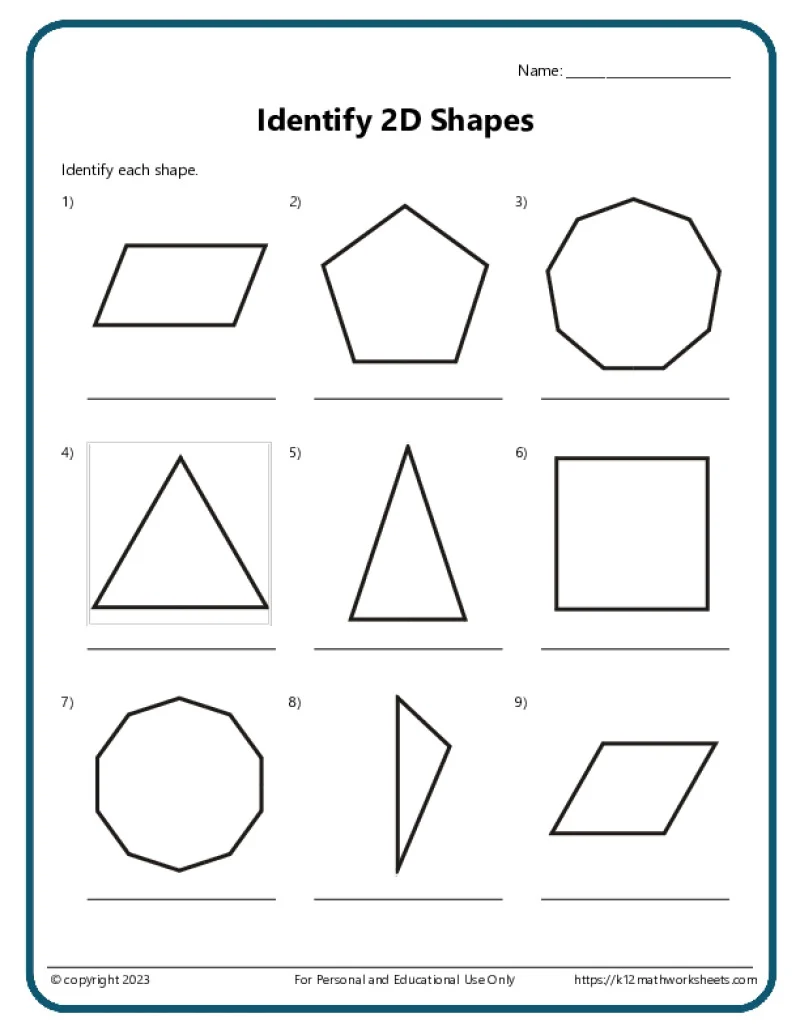
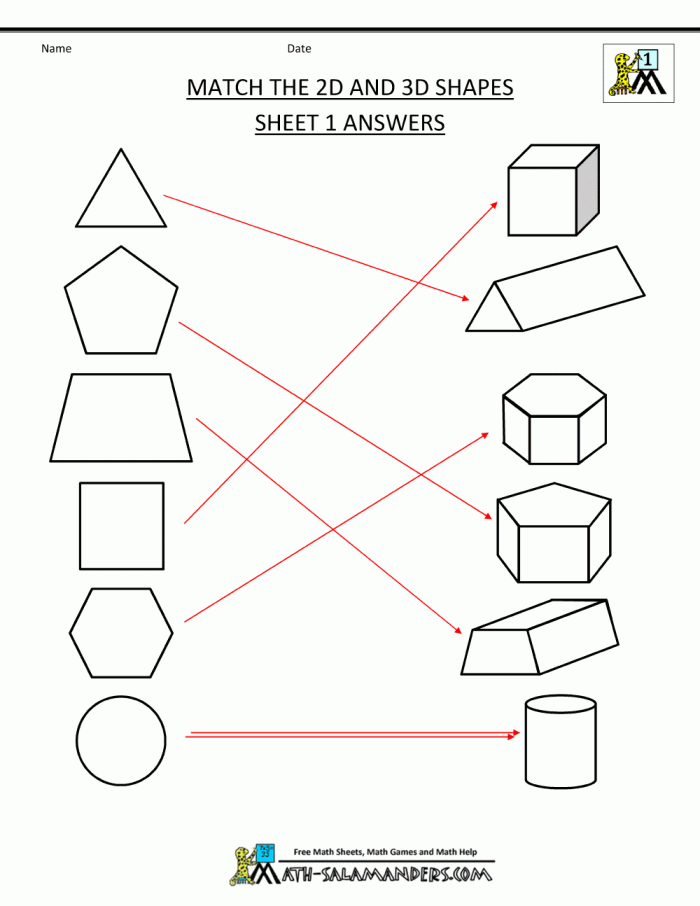
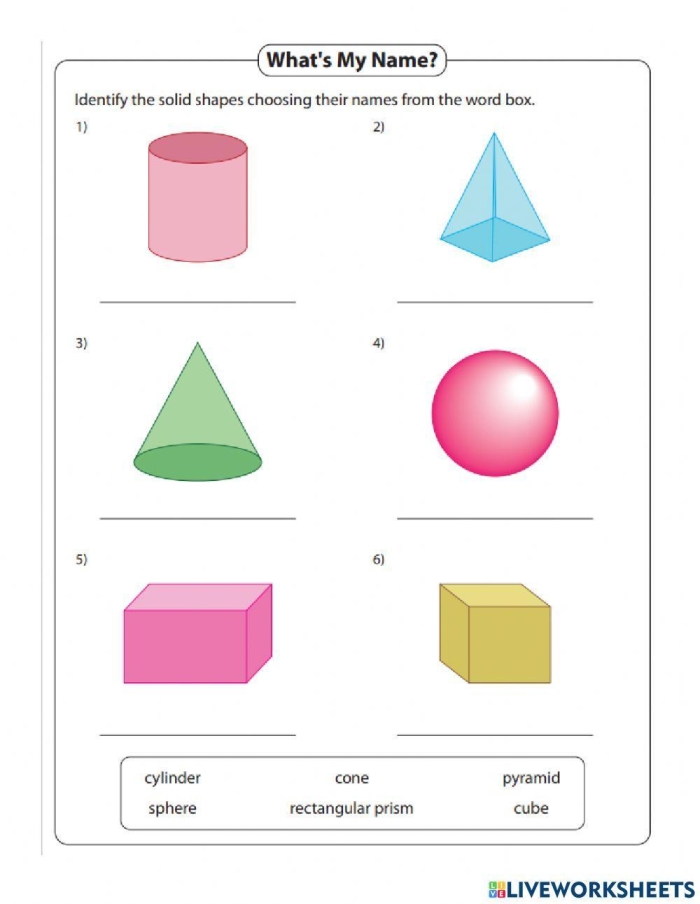
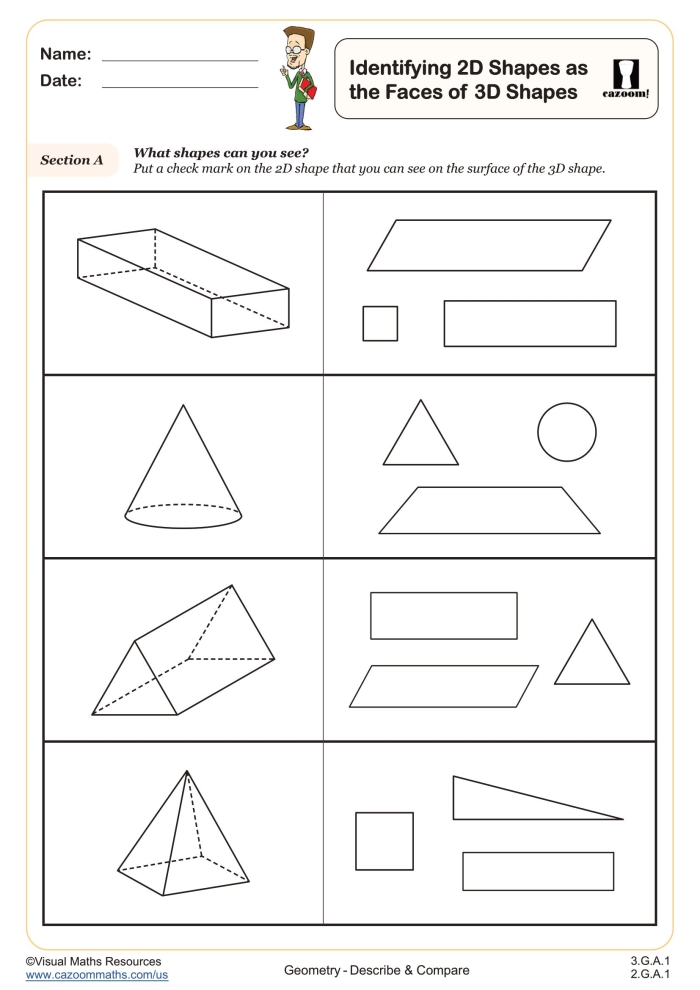
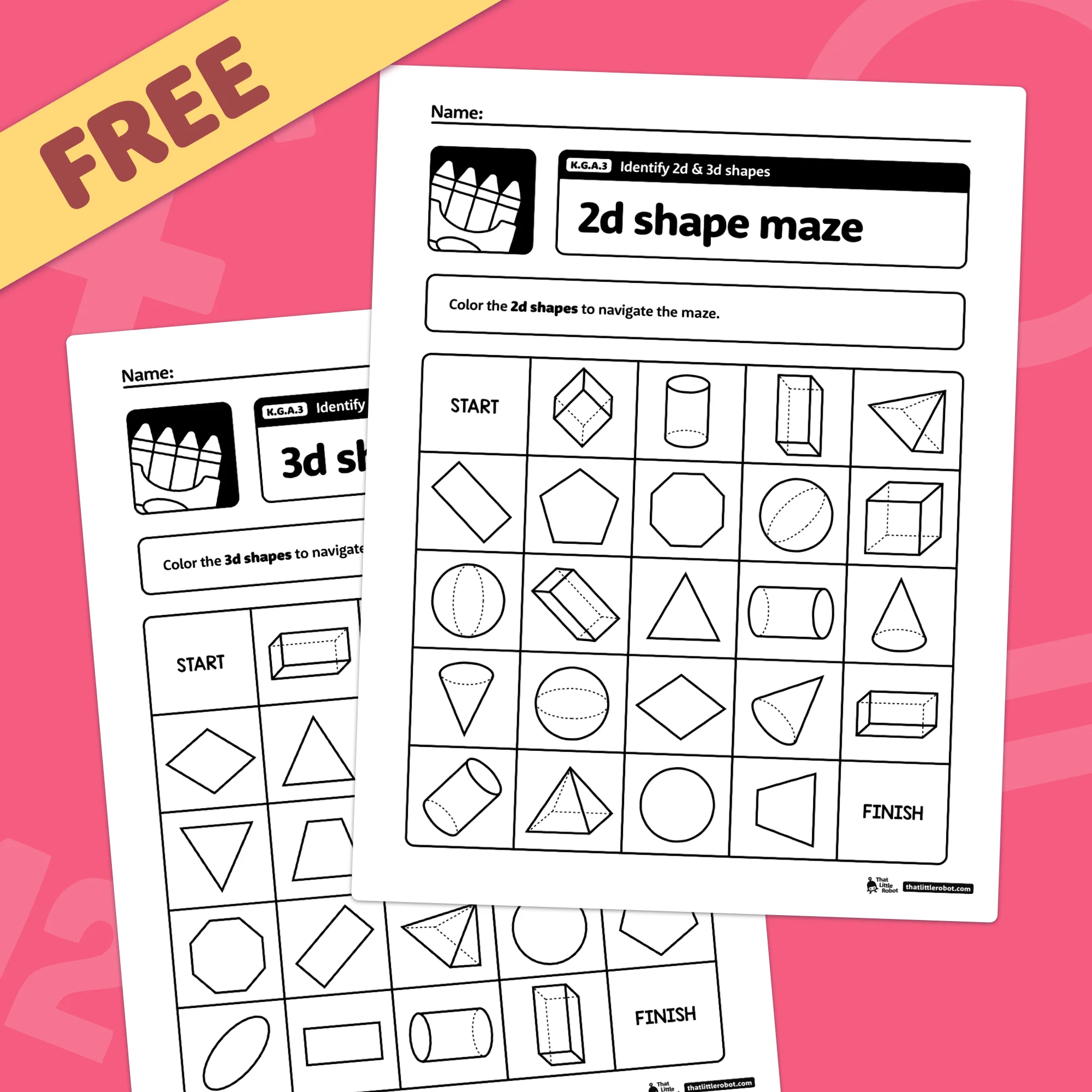
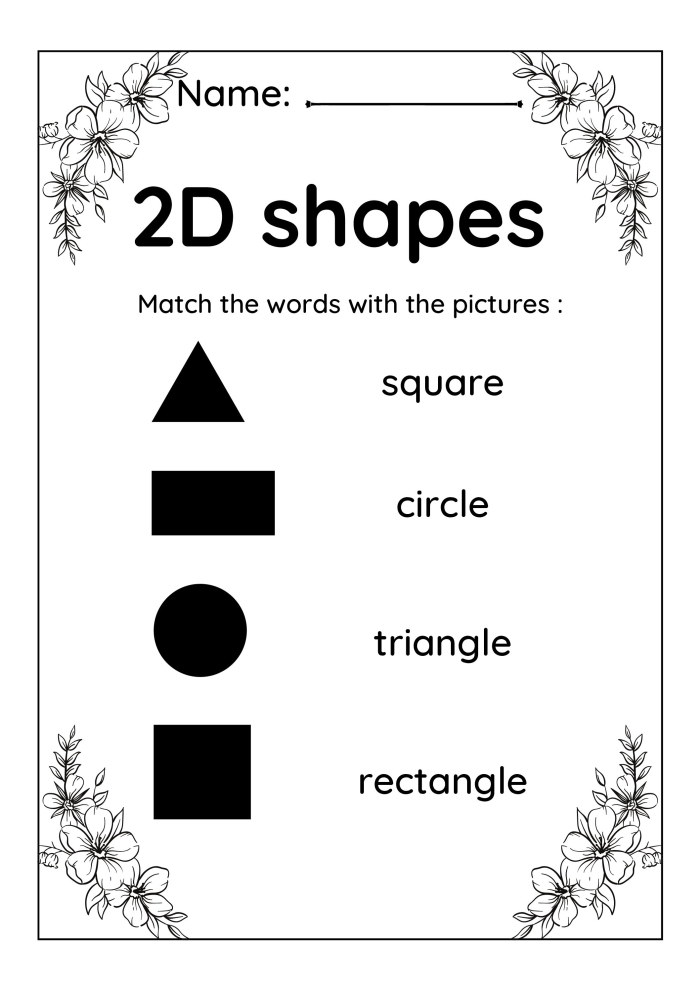
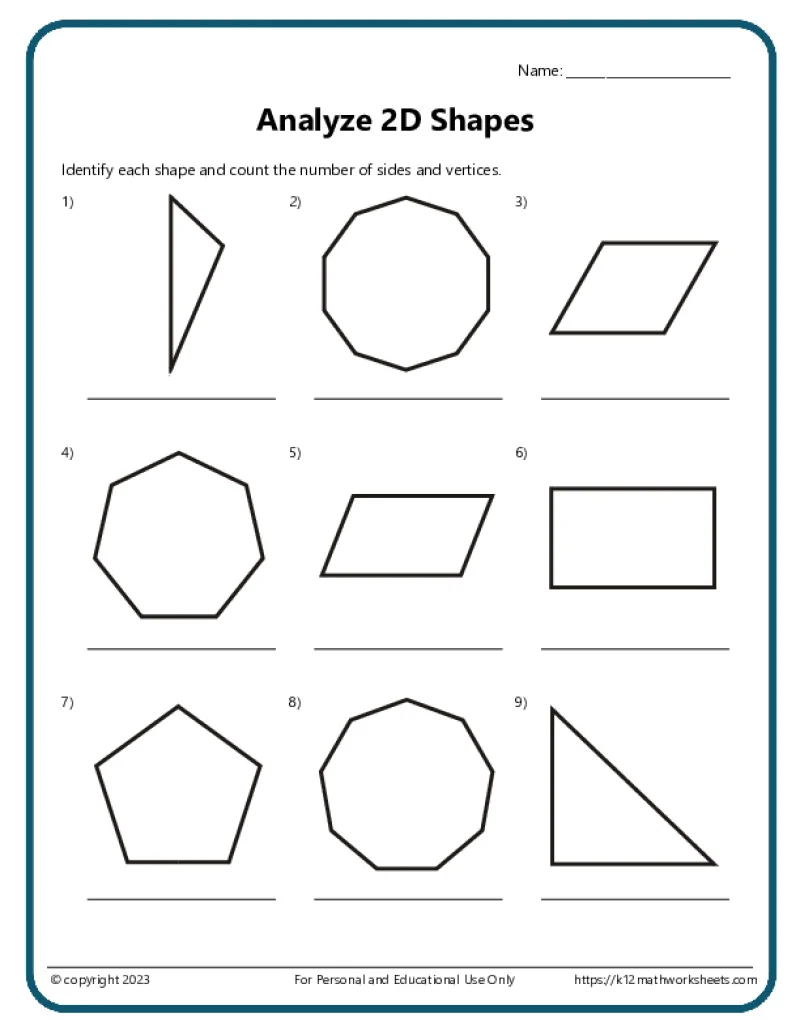
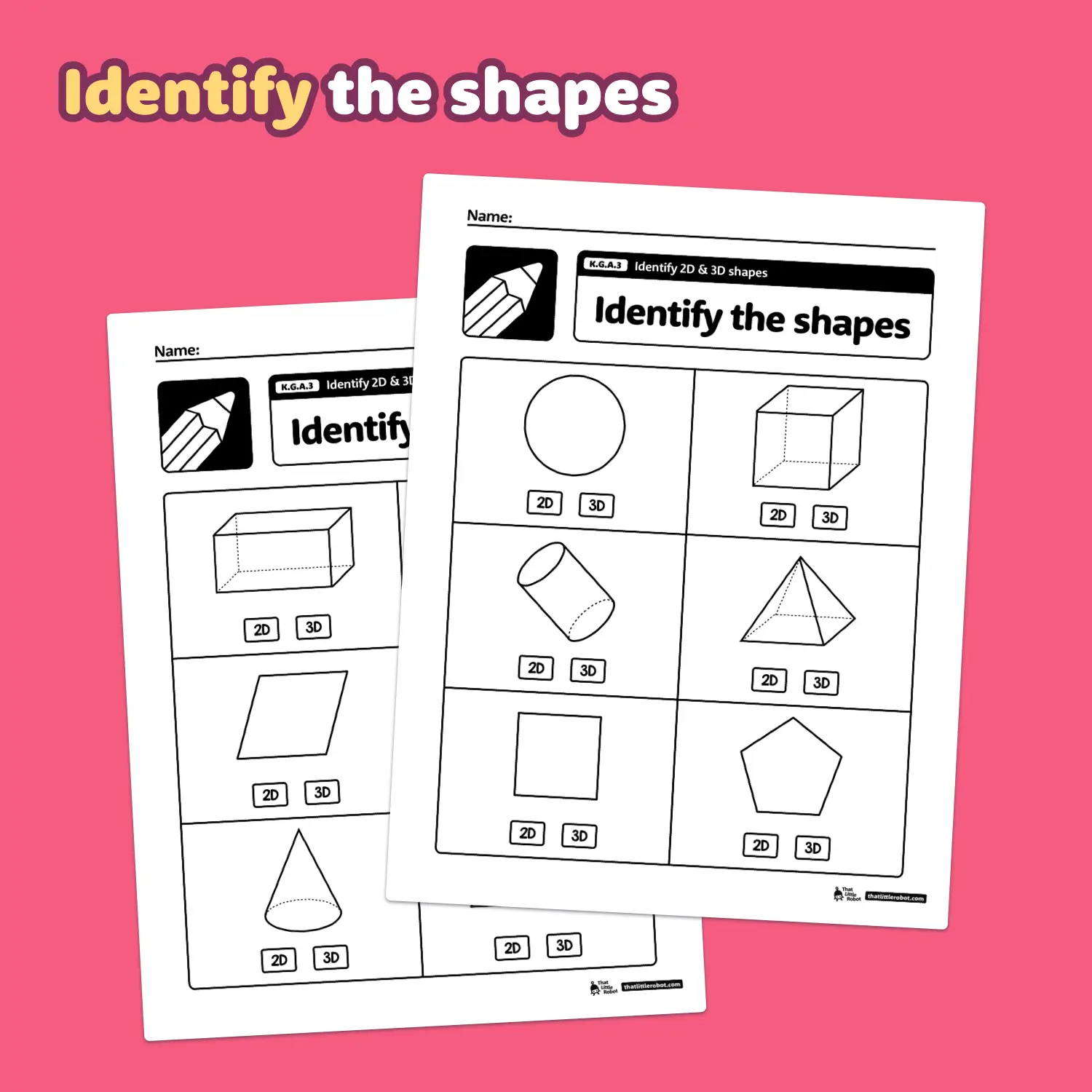
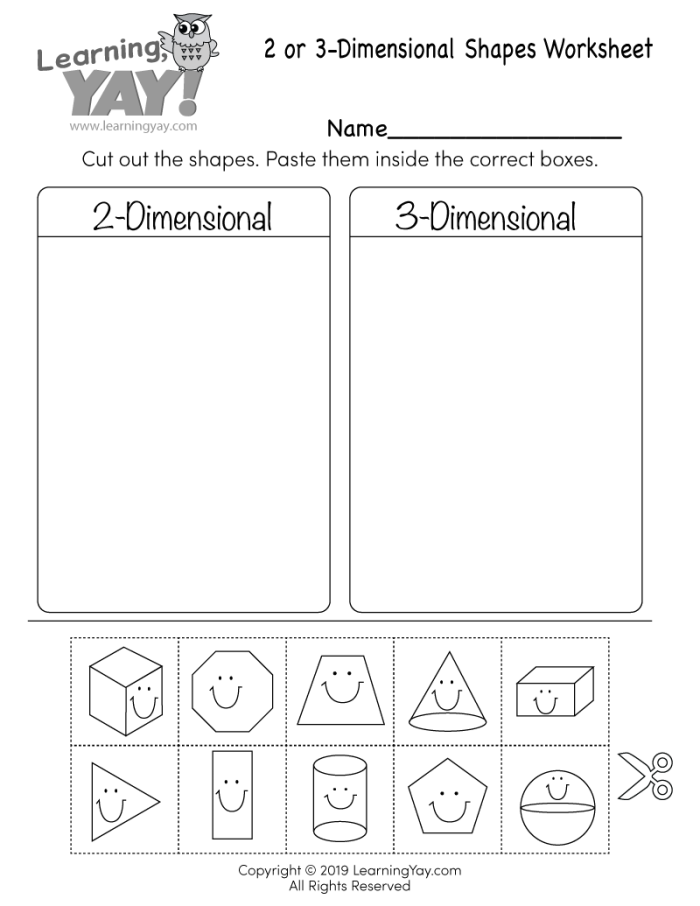
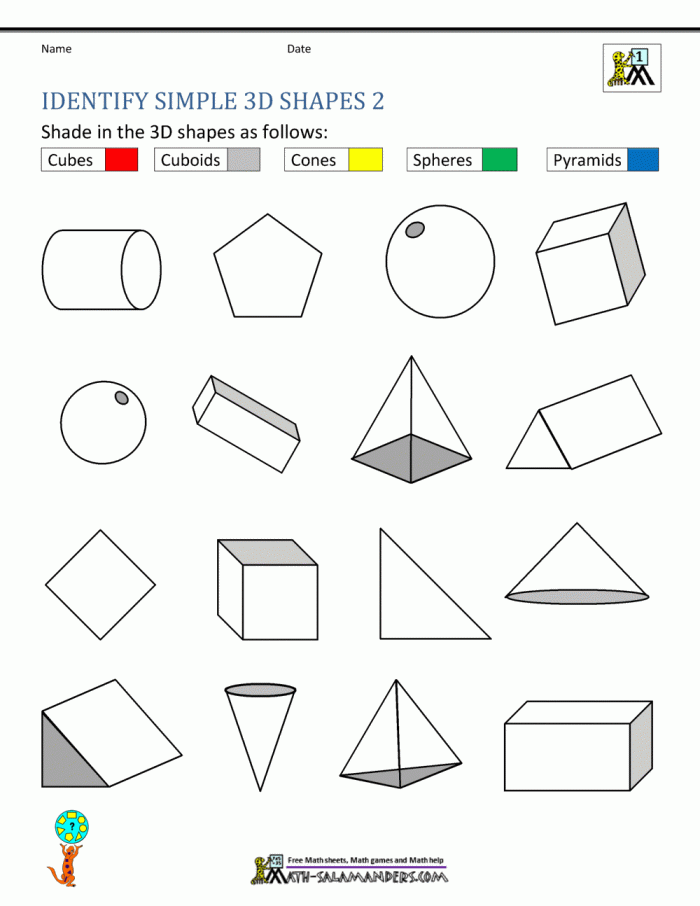
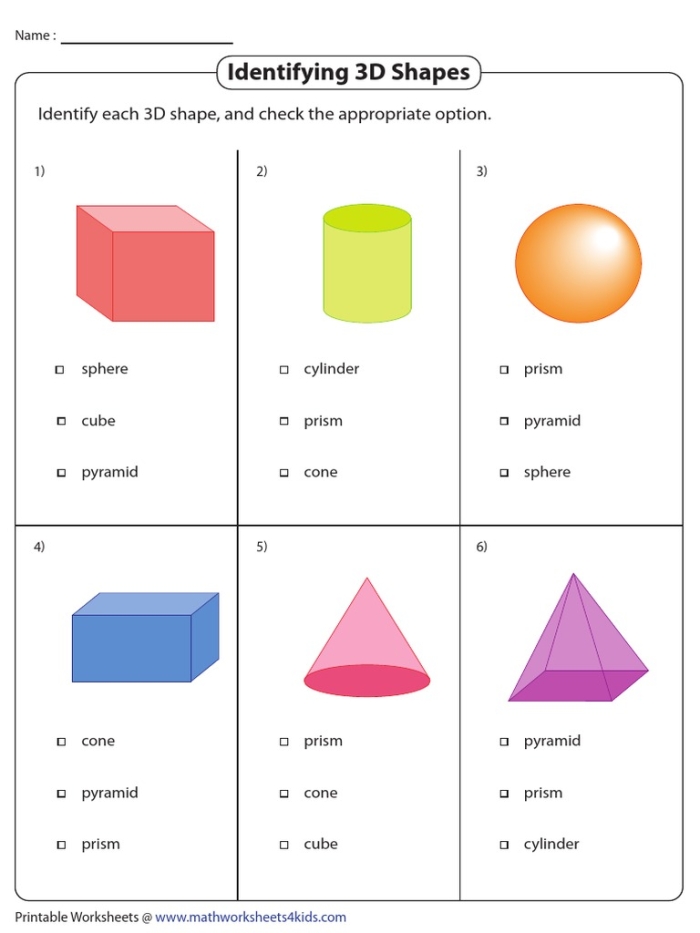
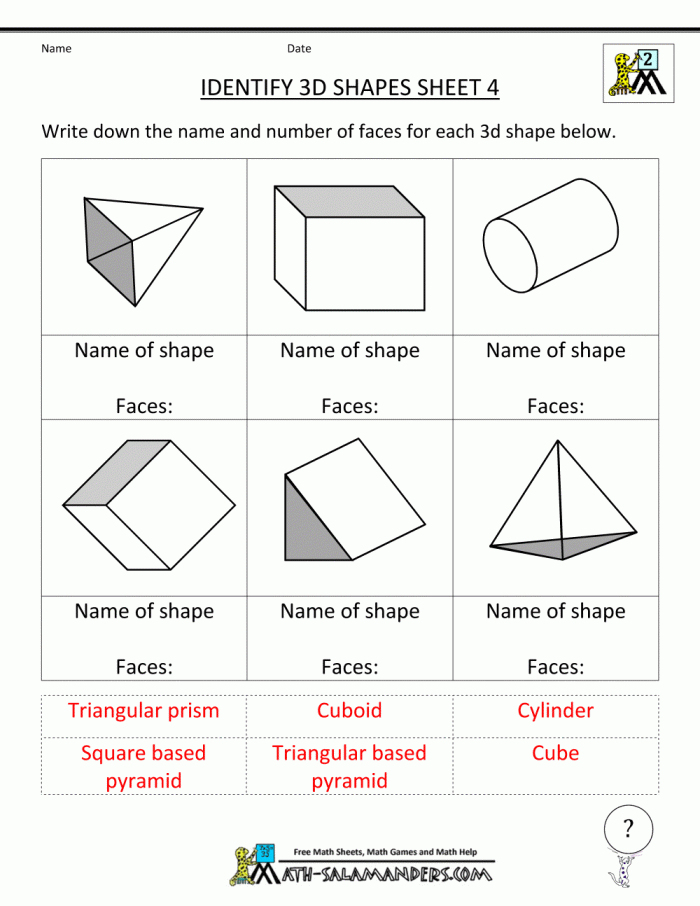
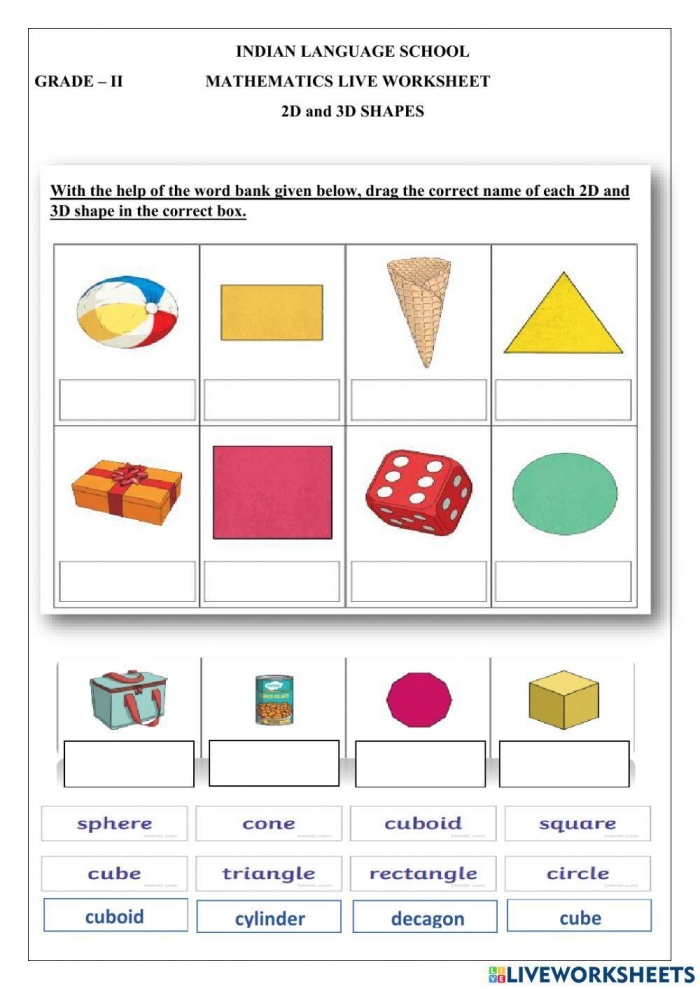
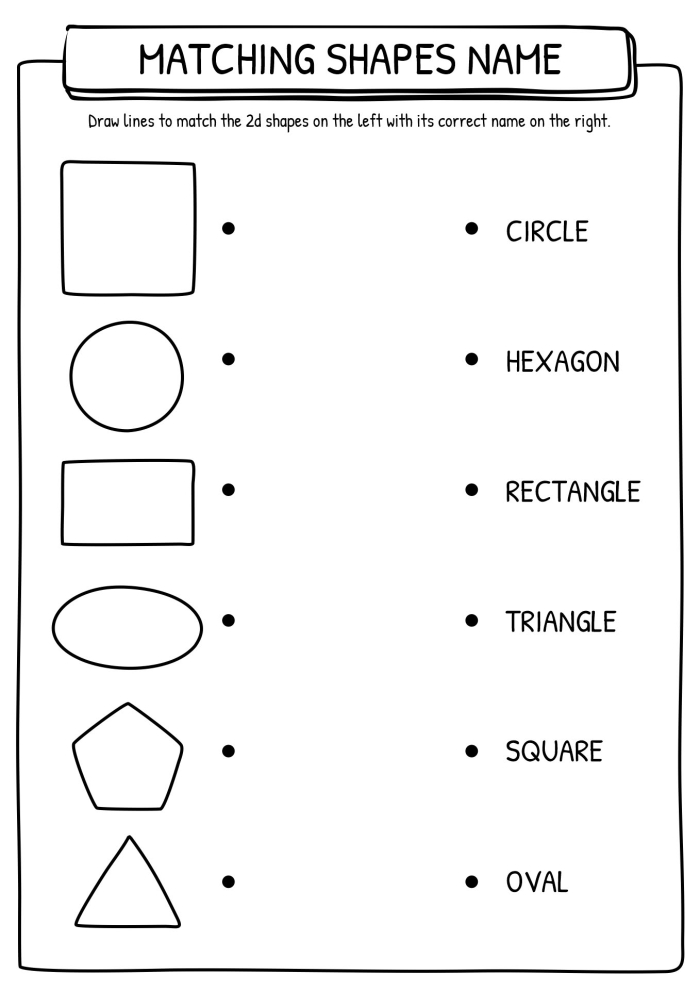
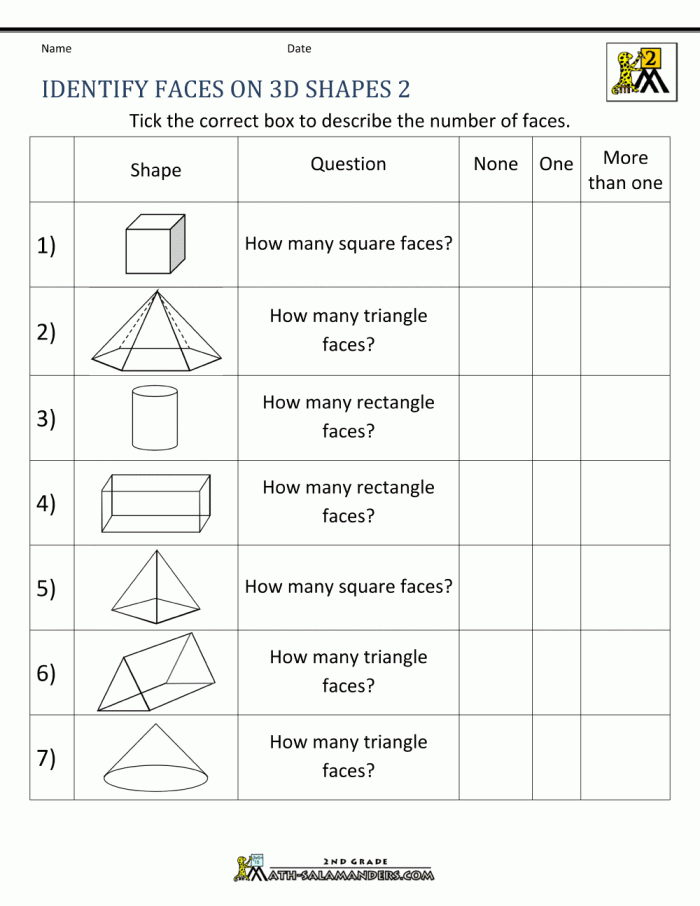
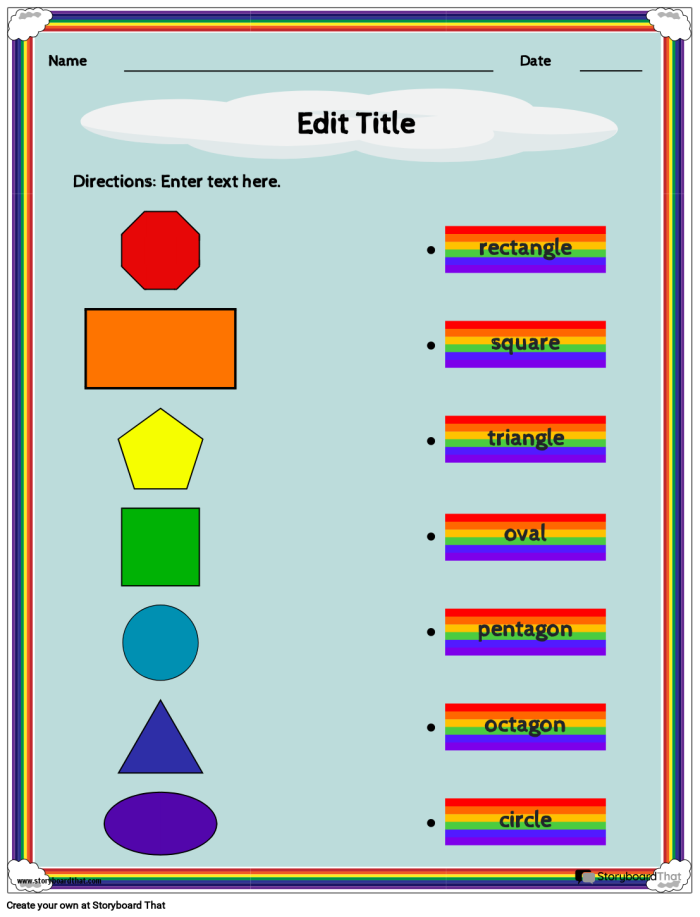
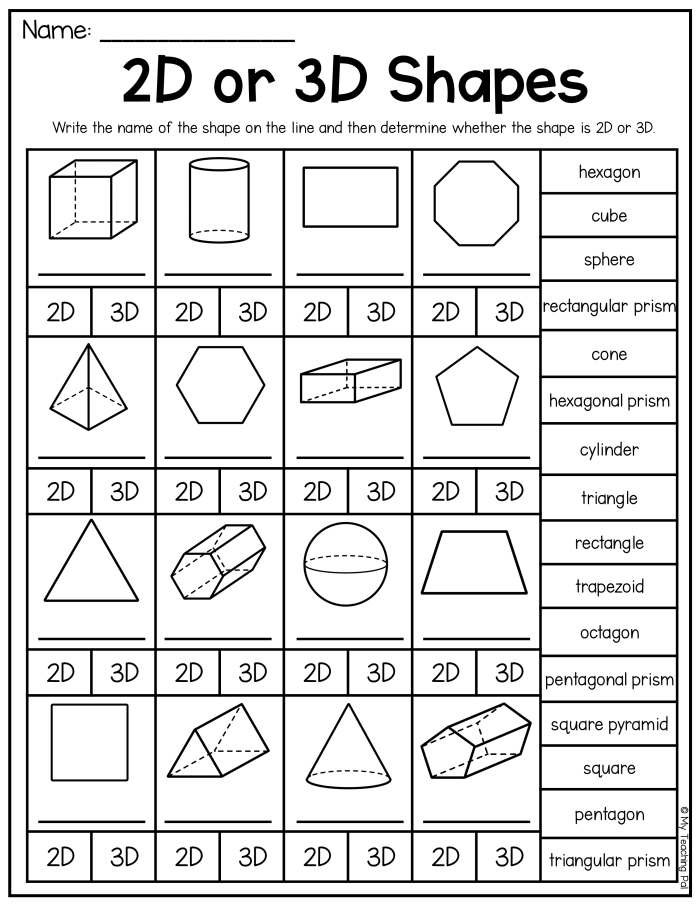
Geometry becomes real when students can point to a shape and name it correctly. Learning to identify and write the names of 2-D and 3-D shapes gives second grade students a foundation for spatial reasoning that extends far beyond the math classroom.
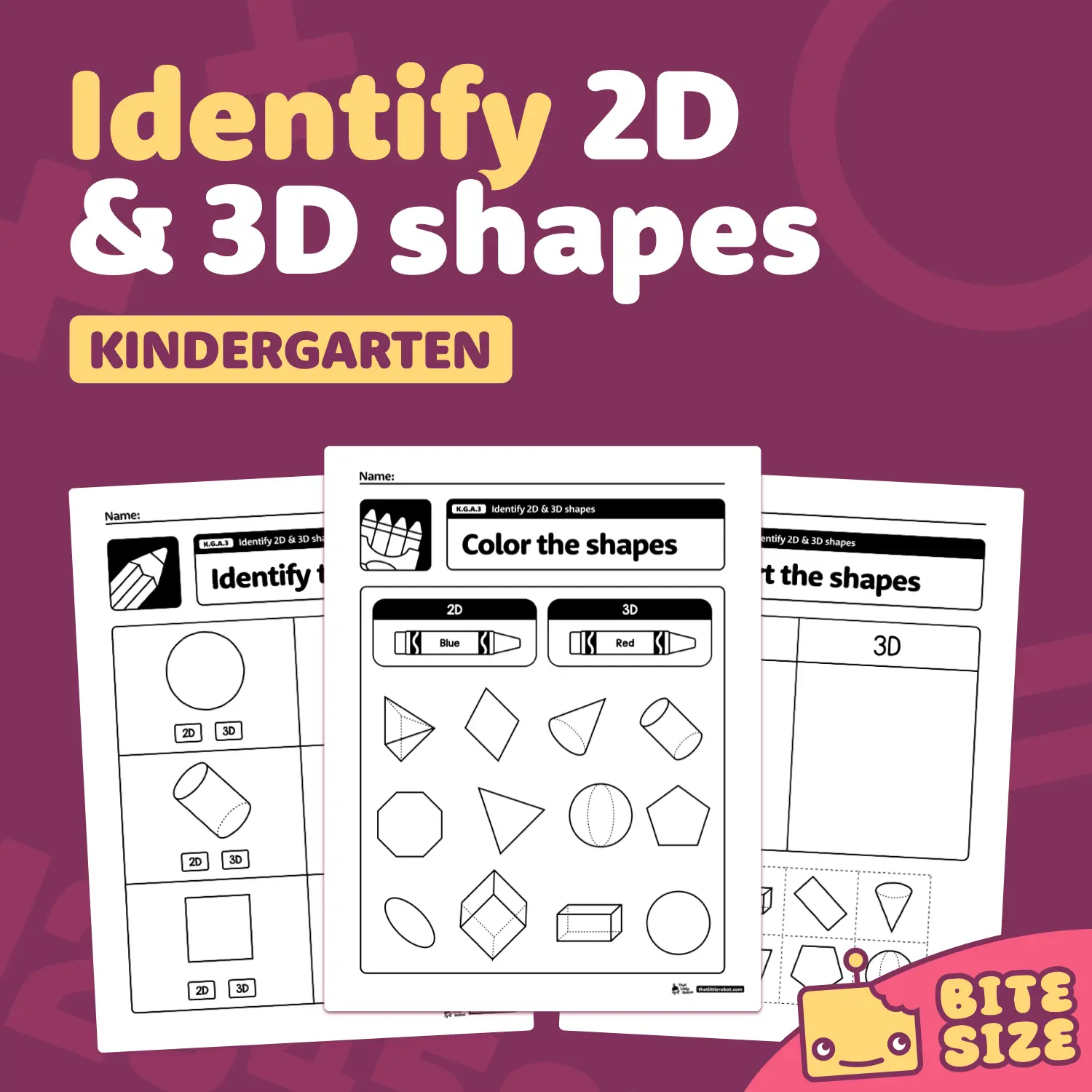
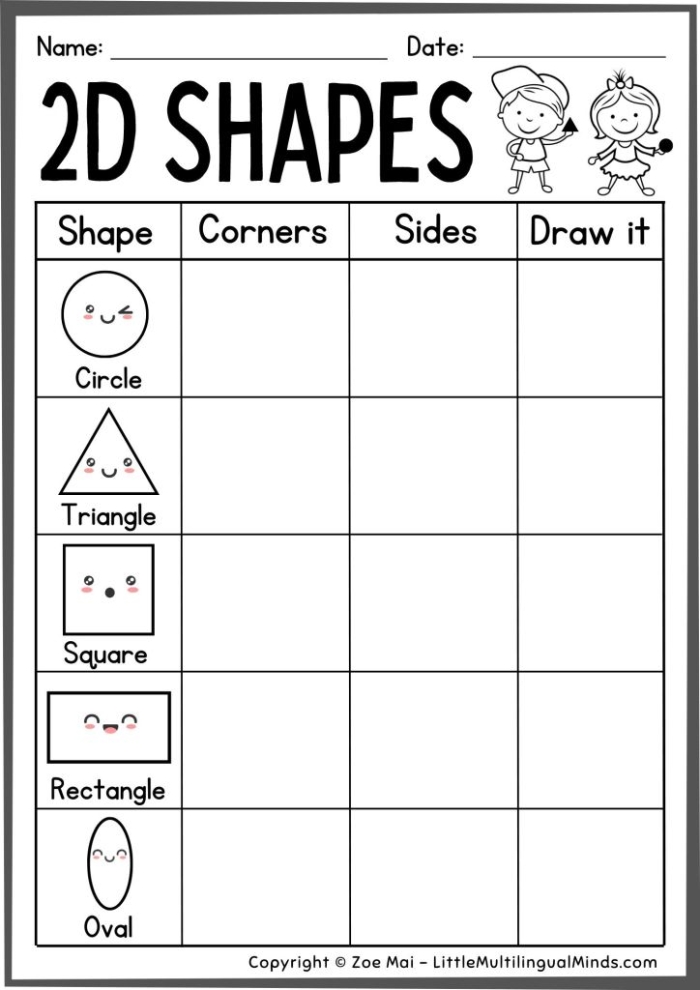
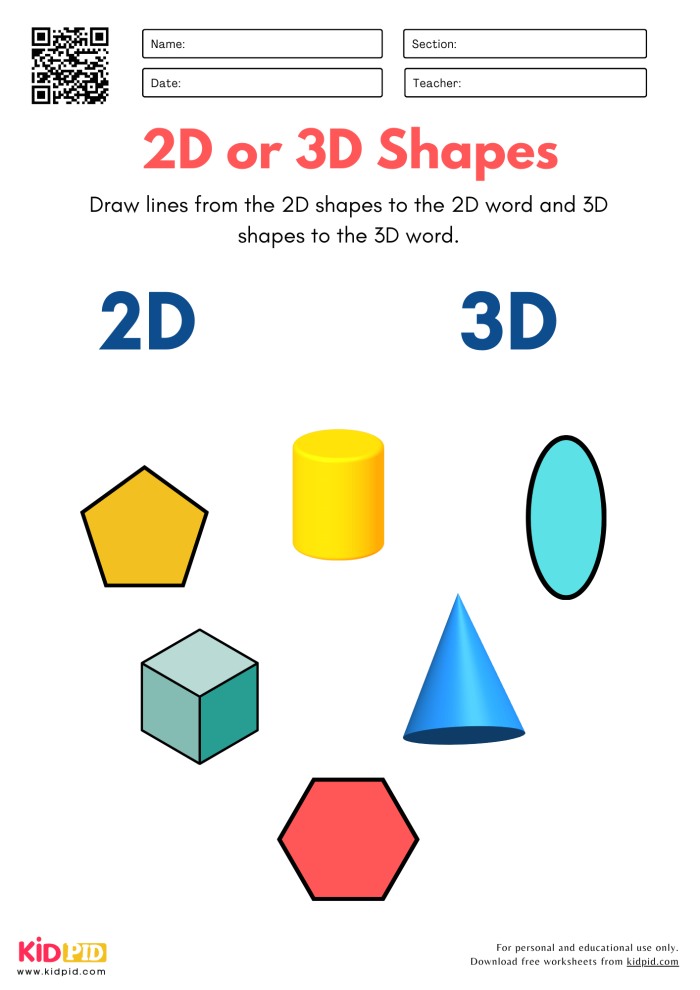
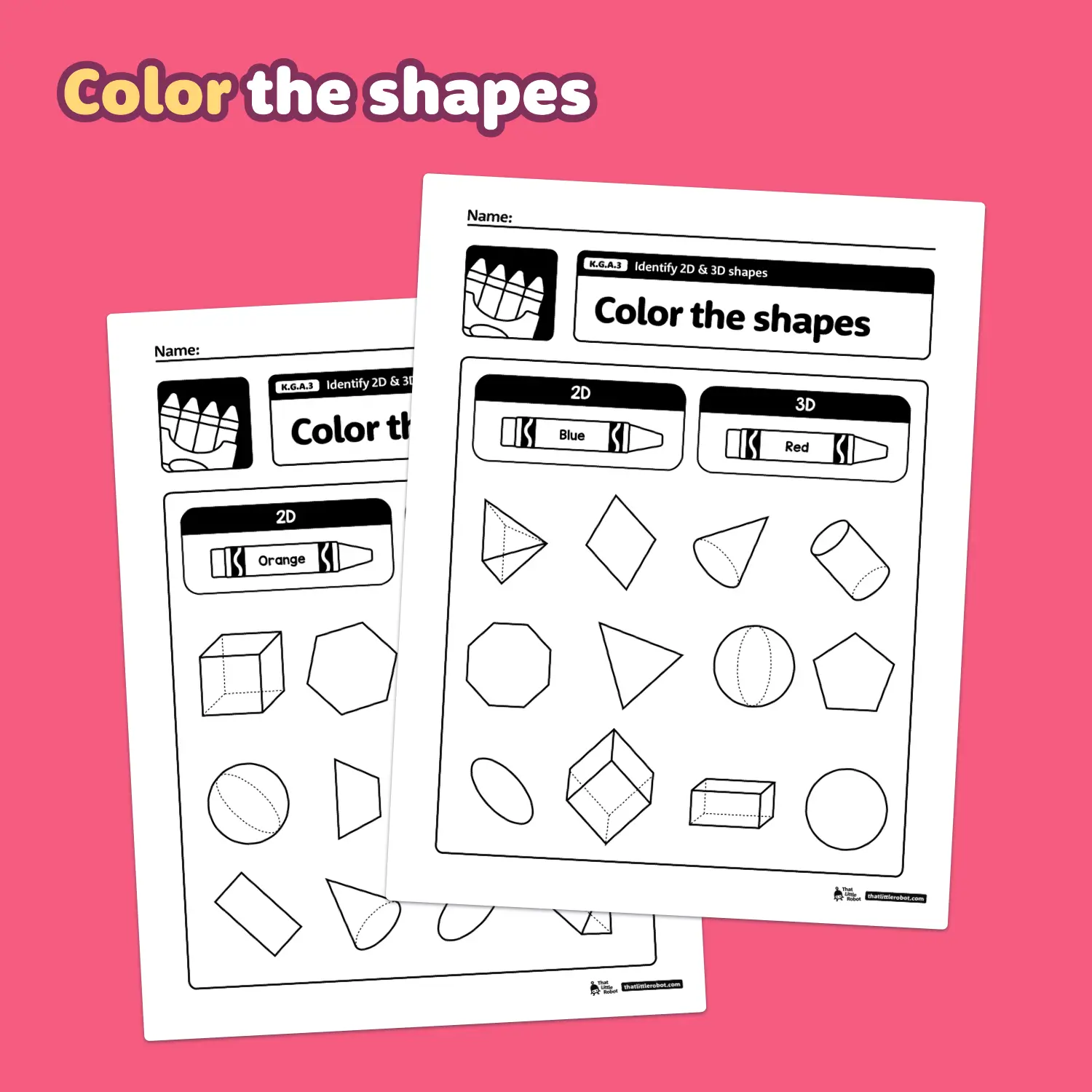
The difference between flat shapes and solid shapes matters more than it might seem at first. Two-dimensional shapes like squares, triangles, and circles exist only on a surface, while three-dimensional shapes such as cubes, spheres, and pyramids have depth and volume. When children practice naming these shapes, they’re building the vocabulary and visual recognition skills needed for everything from reading maps to understanding architecture.
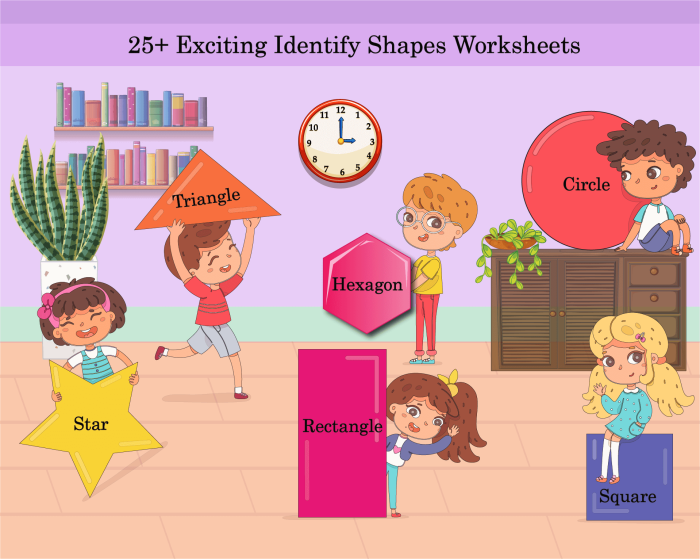
A well-designed geometry worksheet guides students through this learning in manageable steps. The best ones start with familiar shapes students see every day: the circle on a clock, the rectangle of a door, the cube of a block. Then students practice writing the names themselves, which engages a different part of their brain than simply recognizing shapes. Handwriting practice combined with geometry reinforces both skills at once.
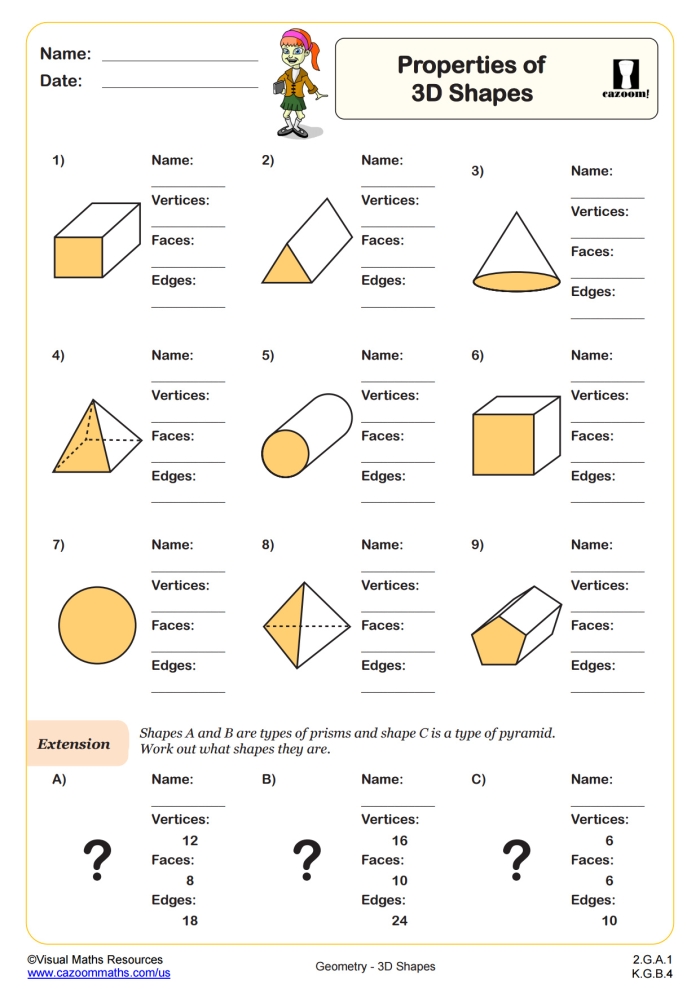
This type of targeted practice works especially well for second graders who are still developing fine motor control and spelling confidence. When worksheets include visual examples alongside writing spaces, students can refer back to the picture if they forget how to spell “pentagon” or “cylinder.” The combination of seeing, naming, and writing creates multiple pathways for learning.
Geometry worksheets fit naturally alongside other second grade learning activities. Students working through reading comprehension and cause-and-effect exercises benefit from the mental break that geometry provides, while the shape-naming practice still builds essential academic skills. The visual nature of geometry also complements reading-based learning in ways that keep classroom time varied and engaging.
Worksheet Practice Section