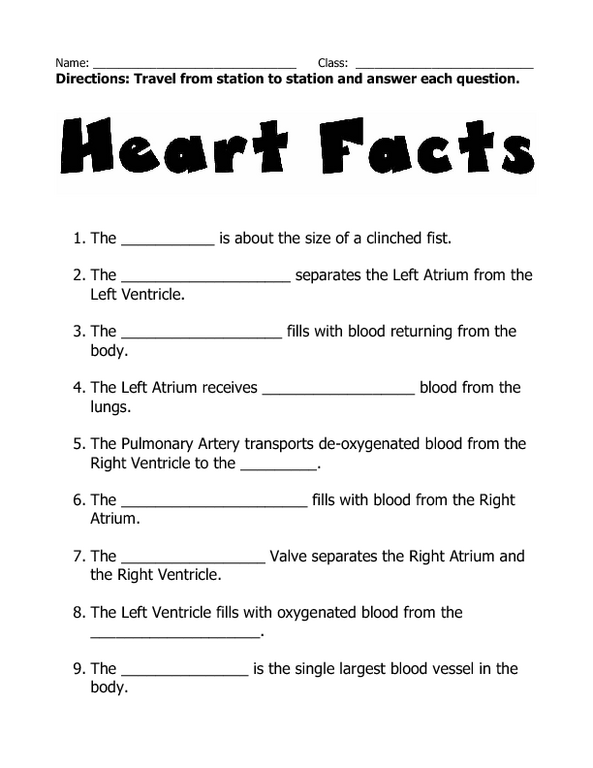
Your heart is a fist-sized muscle that never stops working, pumping blood through your body roughly 100,000 times per day. Understanding how this organ functions gives you real insight into what keeps you alive, and the Awesome Anatomy: Follow Your Heart page breaks down this process in ways that make sense for fifth grade learners.
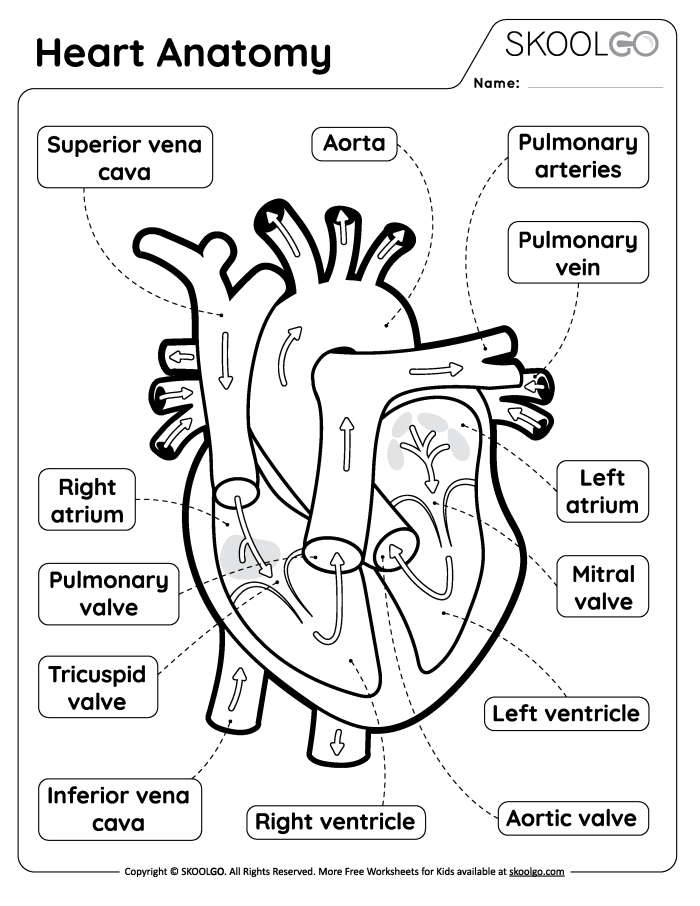
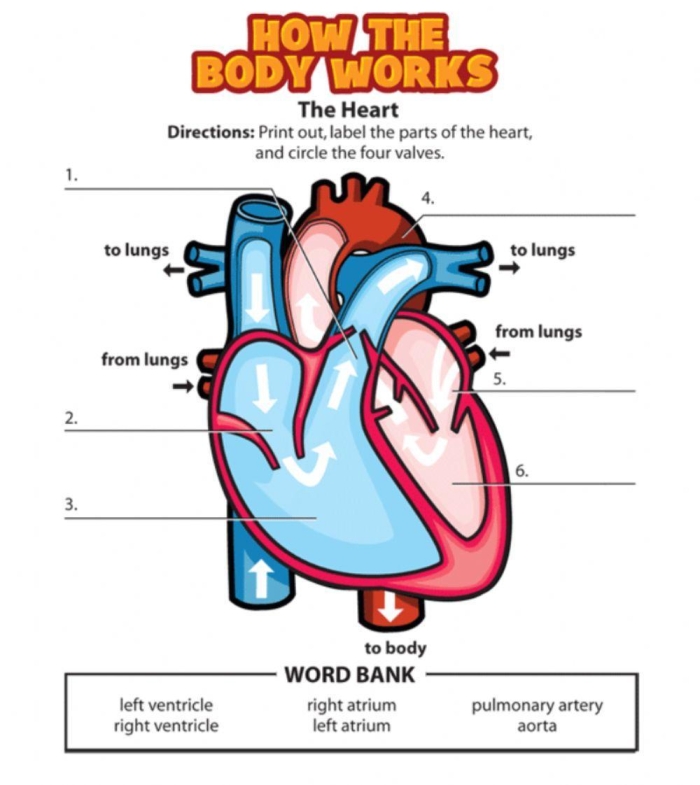
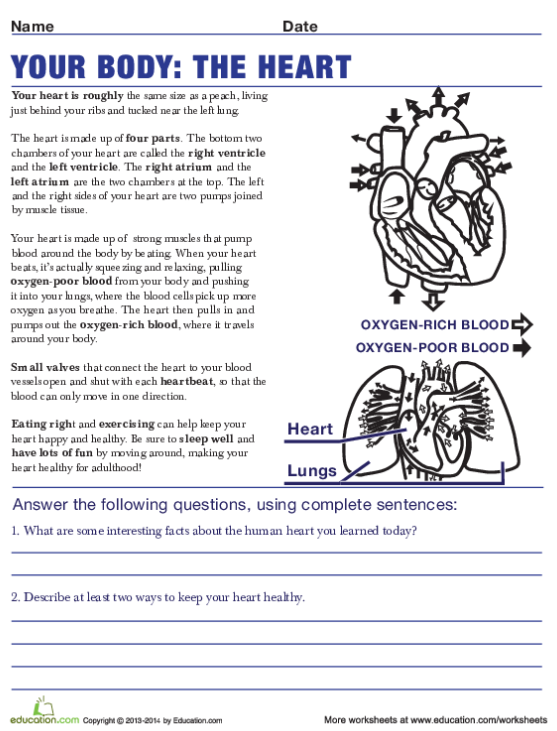
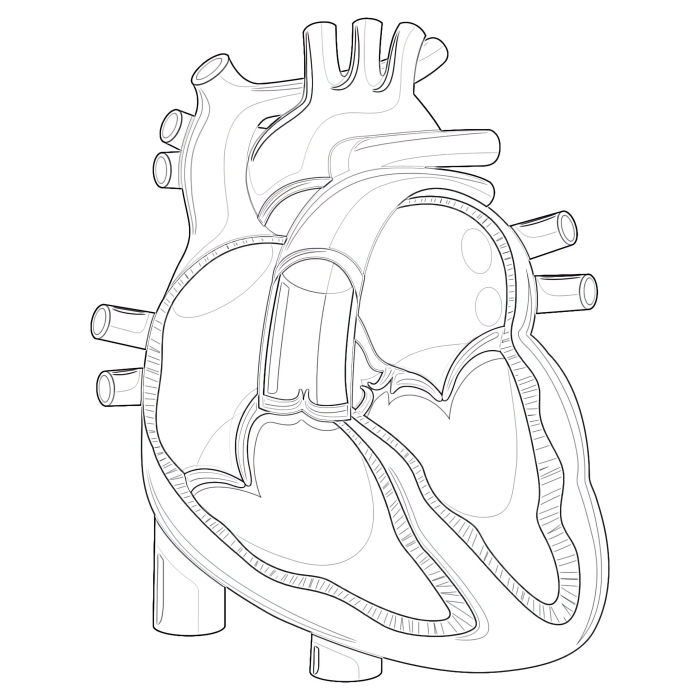
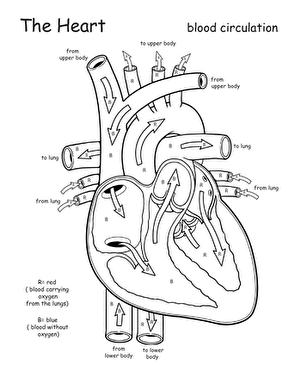
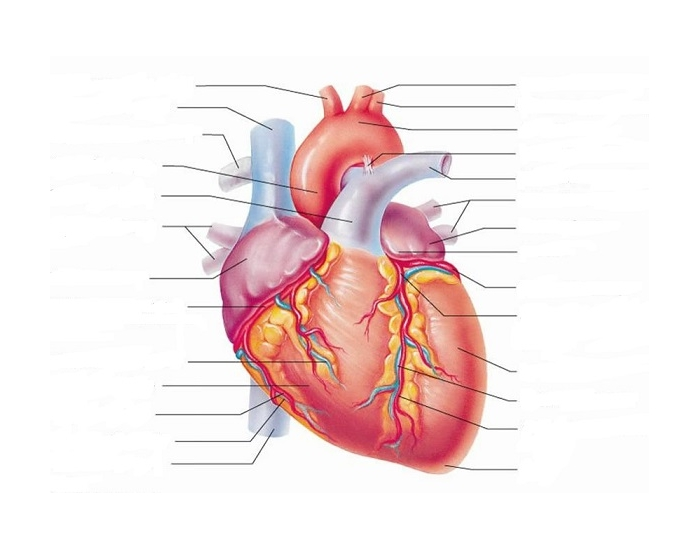
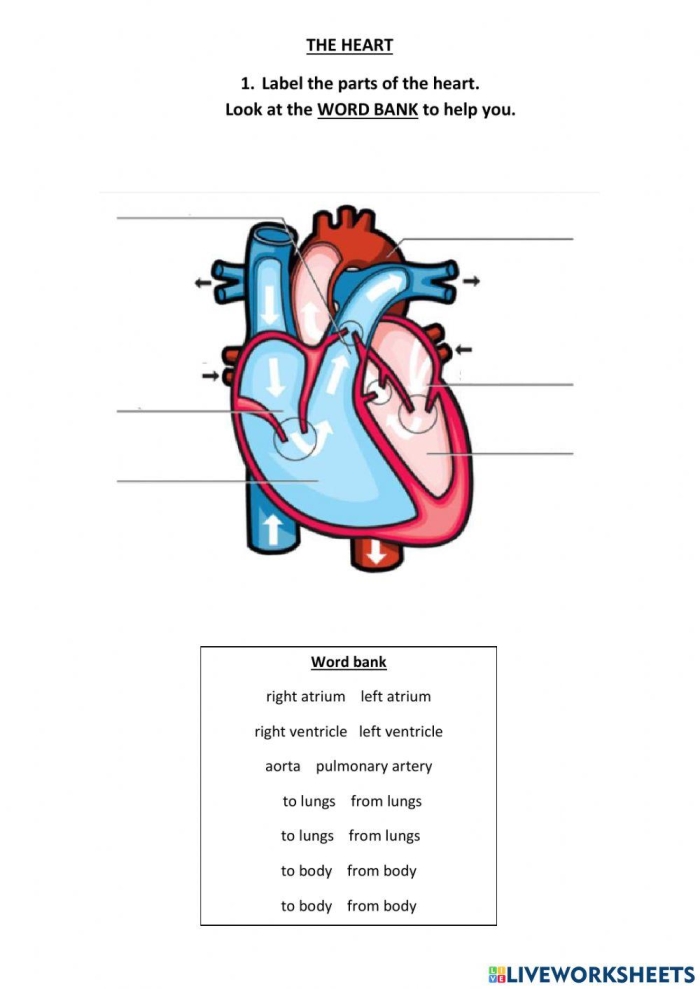
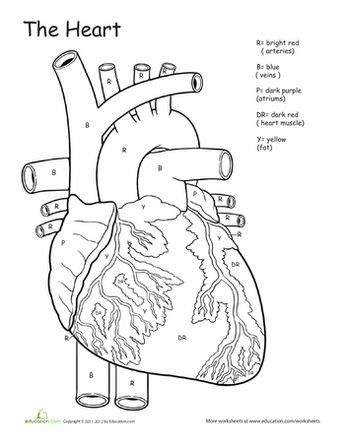
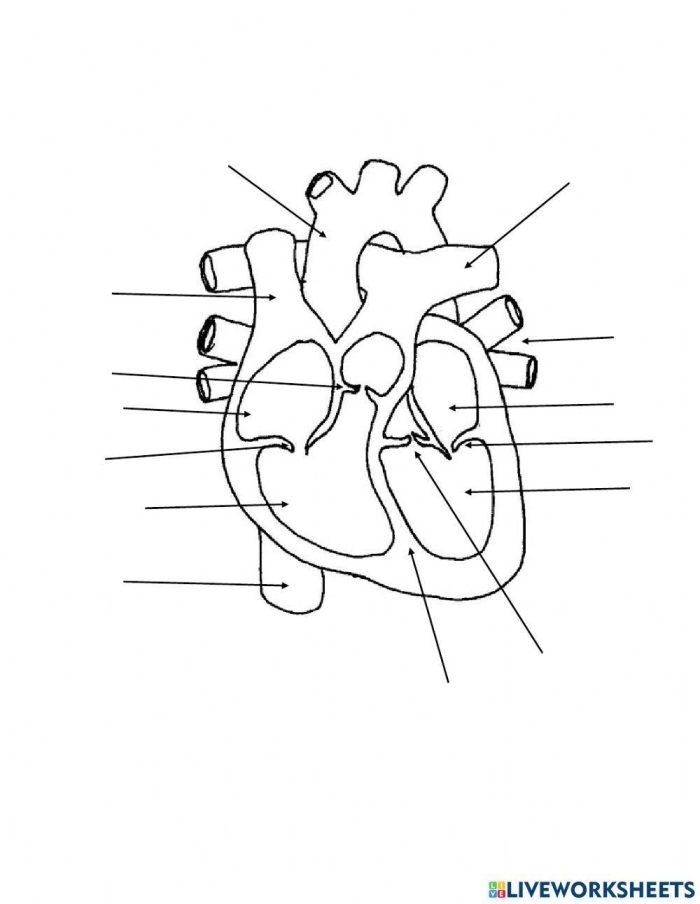
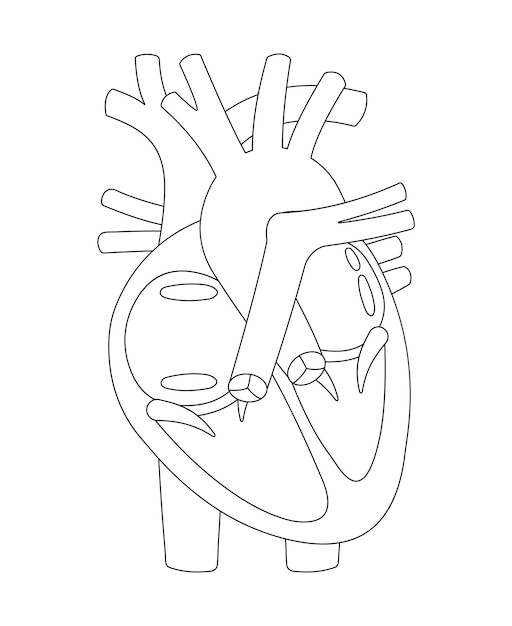
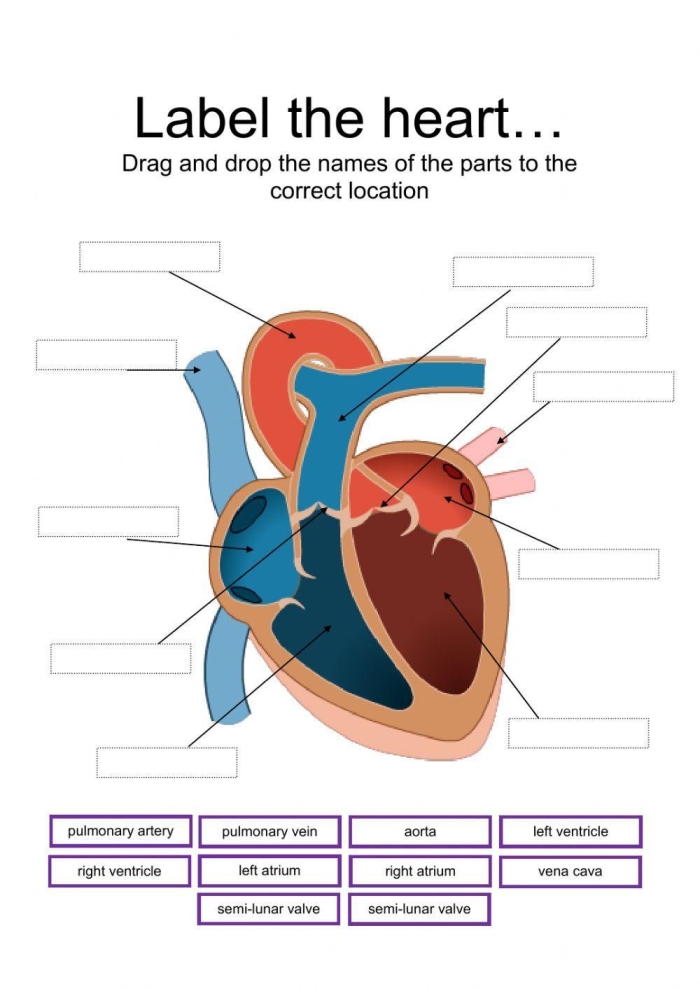
The heart operates as a four-chambered pump with two sides that work together. The right side receives oxygen-poor blood from your body and sends it to your lungs. The left side receives oxygen-rich blood from your lungs and pumps it back out to every part of your body. This cycle repeats continuously, and each complete beat moves blood through both circuits. Your pulse, which you can feel on your wrist or neck, is simply the heartbeat pushing blood through your arteries.
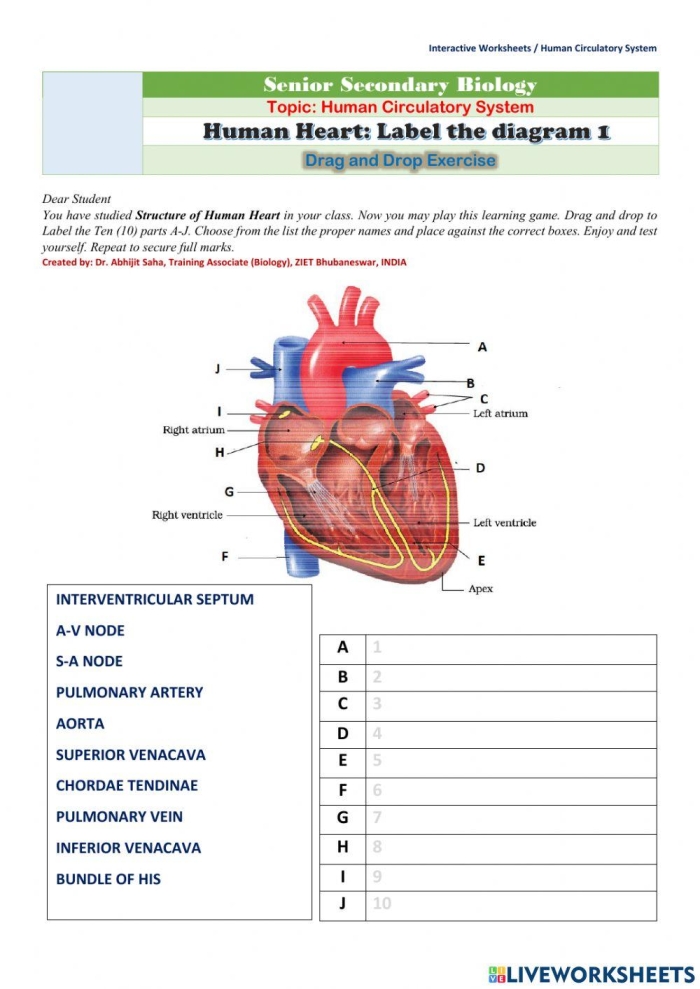
When you study the heart’s structure, you learn about valves that act like one-way doors, preventing blood from flowing backward. The four chambers work in a coordinated sequence: both upper chambers contract first to fill the lower chambers, then both lower chambers contract to push blood out. This timing is crucial for efficiency. If the valves fail or the rhythm becomes irregular, the heart cannot pump effectively, which is why doctors monitor heart health so carefully.
Learning sight words and anatomical terms together strengthens both your reading skills and science knowledge. As you work through printable Awesome Anatomy: Follow Your Heart worksheets, you’ll encounter vocabulary specific to cardiac function while reinforcing fundamental reading comprehension. These resources help fifth graders connect language learning with body systems education.
The heart’s efficiency is remarkable. It adapts to your needs: when you exercise, it beats faster to deliver more oxygen to your muscles. When you rest, it slows down. This responsiveness shows how your body’s systems communicate and adjust to keep you functioning optimally.
Start Practicing with These Worksheets