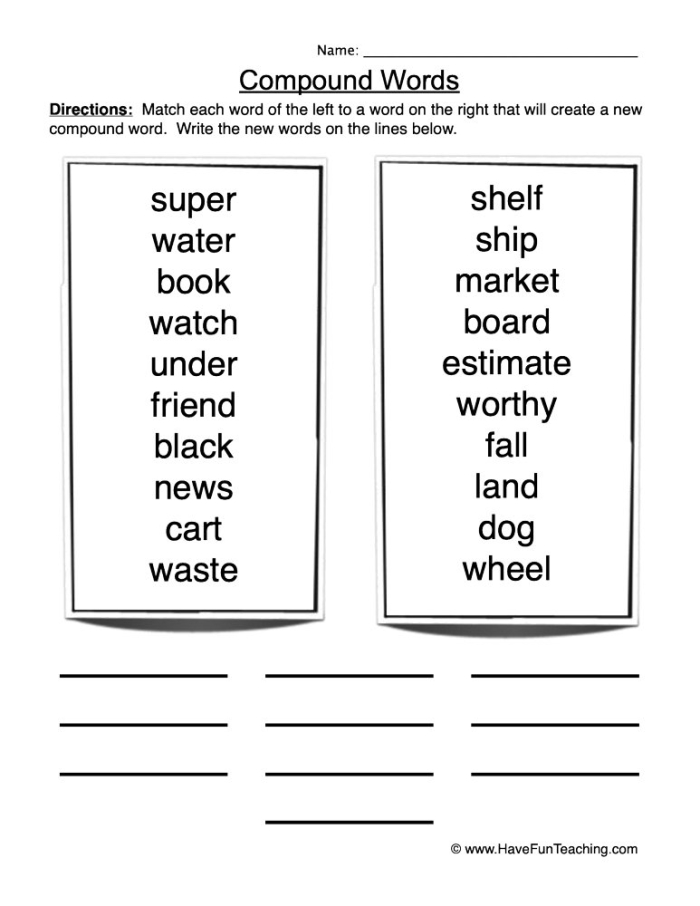
Breaking down compound words reveals how language builds meaning from smaller pieces, and second grade students benefit enormously from this hands-on approach. When children learn to separate a compound word into its component parts, they unlock a strategy that helps them decode unfamiliar words and understand how English creates new meanings by combining existing ones.
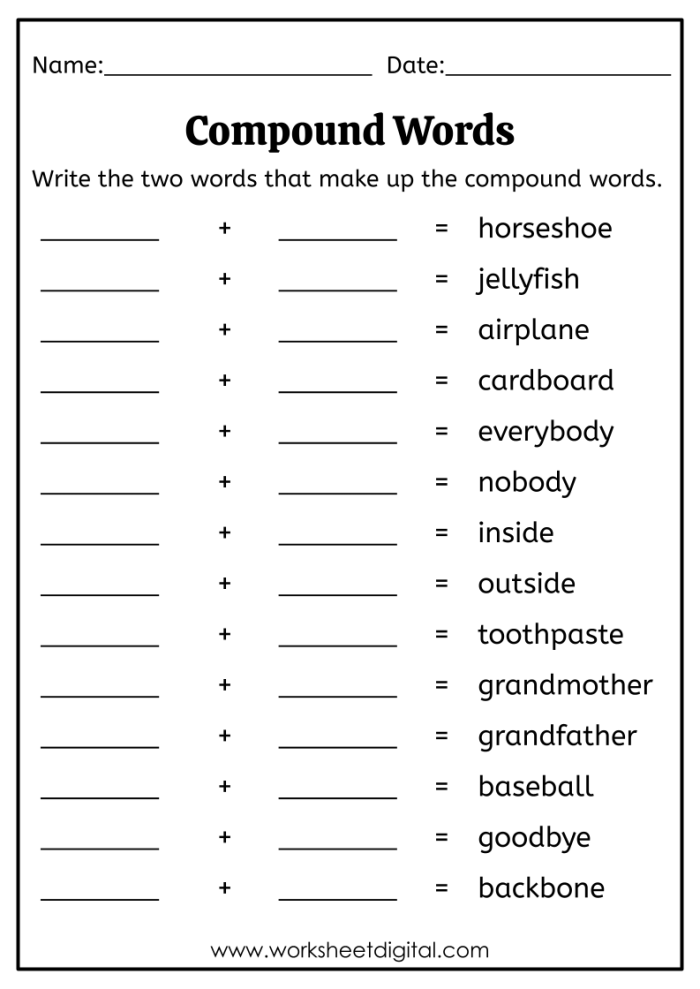
The mechanics are straightforward but powerful. A compound word like “baseball” splits into “base” and “ball,” two words students already know. By recognizing this pattern, they grasp that the combined word creates a specific meaning that relates to both parts. This isn’t just vocabulary building; it’s teaching students how language works as a system. When they encounter “sunflower” or “toothbrush,” they can apply the same strategy rather than memorizing isolated words.
Second grade is the ideal time for this instruction because students have developed enough reading fluency to recognize individual words but still need strategies for tackling longer ones. Teachers often use visual aids and physical demonstrations, having students literally separate written words or use manipulatives to show how two words join together. This concrete approach makes the abstract concept of word formation tangible.
The economics connection emerges naturally when discussing how compound words increase vocabulary efficiency. Rather than creating entirely new words, English combines existing ones to express new concepts. This economical use of language mirrors how businesses combine resources to create products, making it relevant even for young learners beginning to understand basic economic principles.
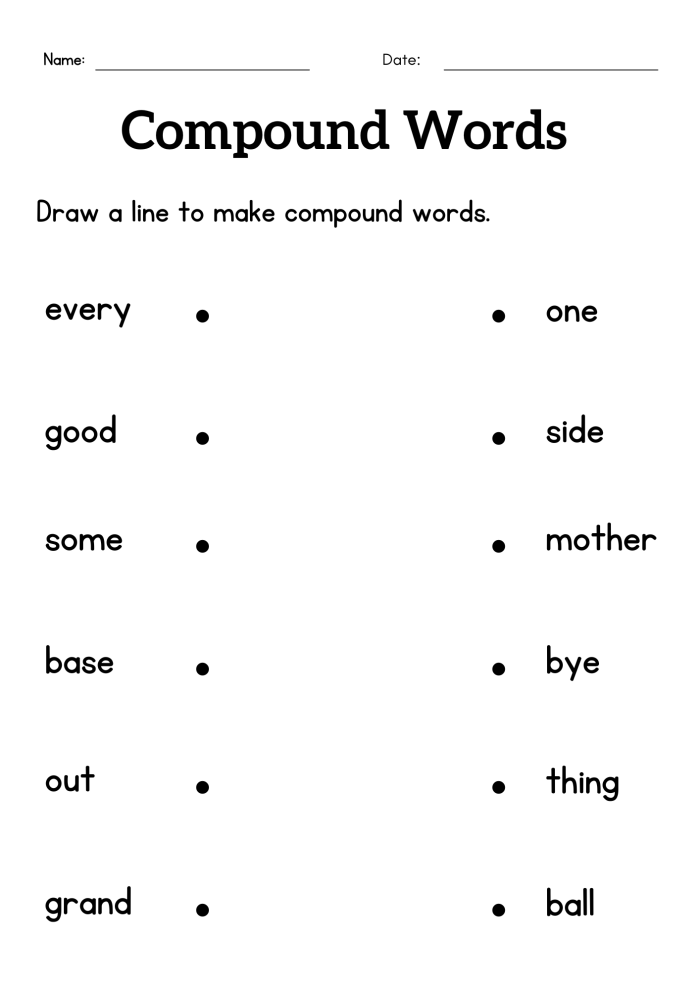
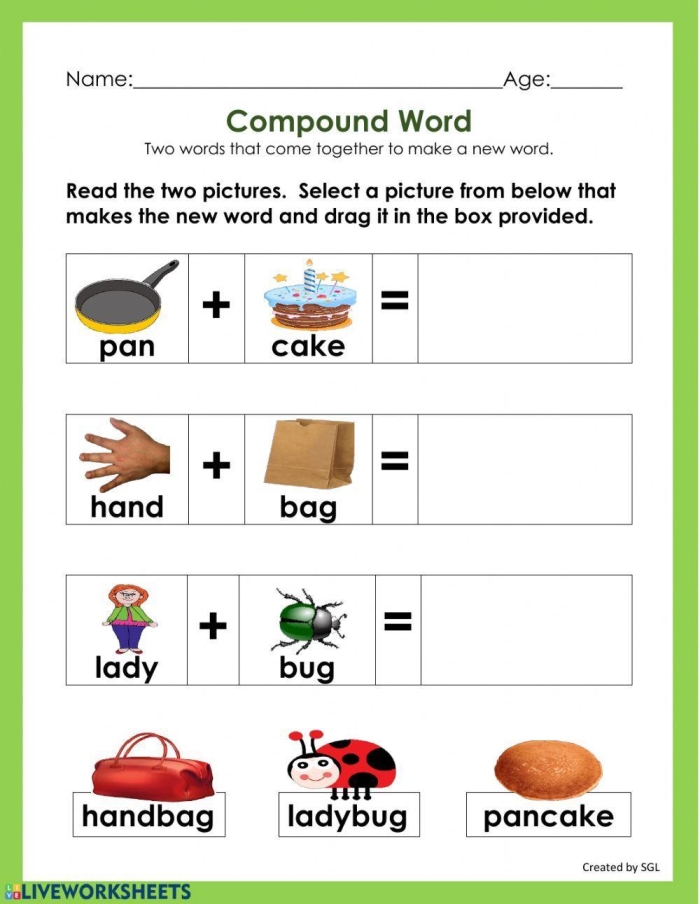
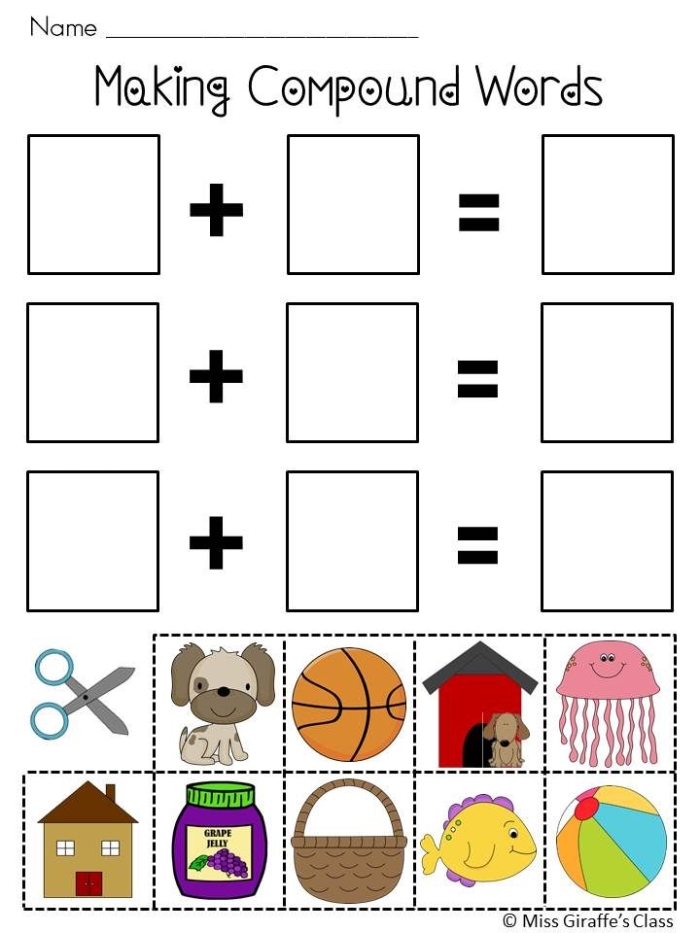
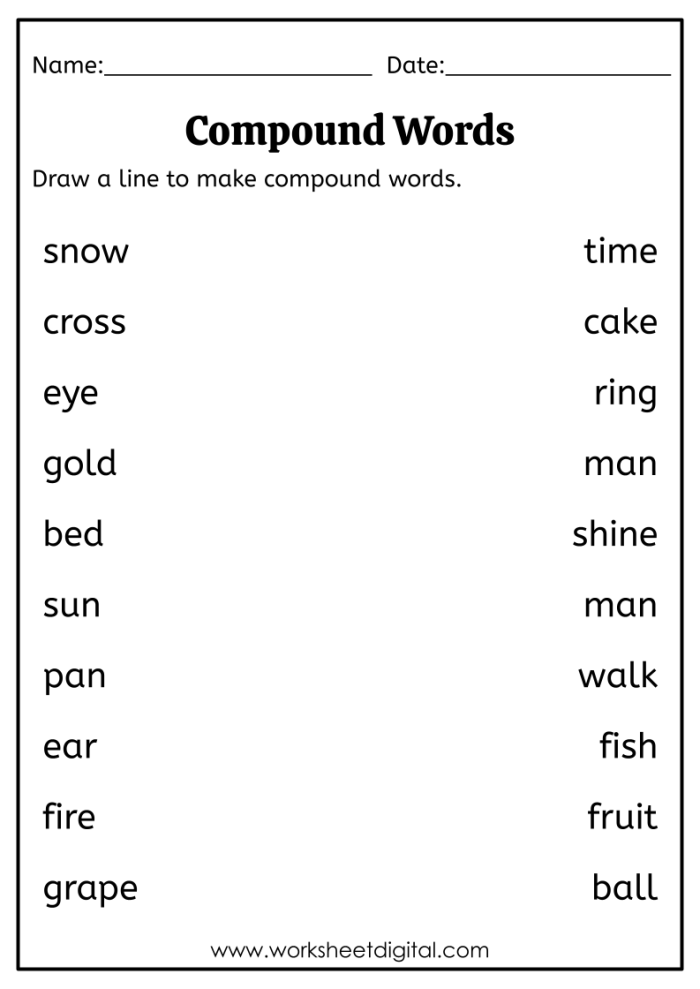
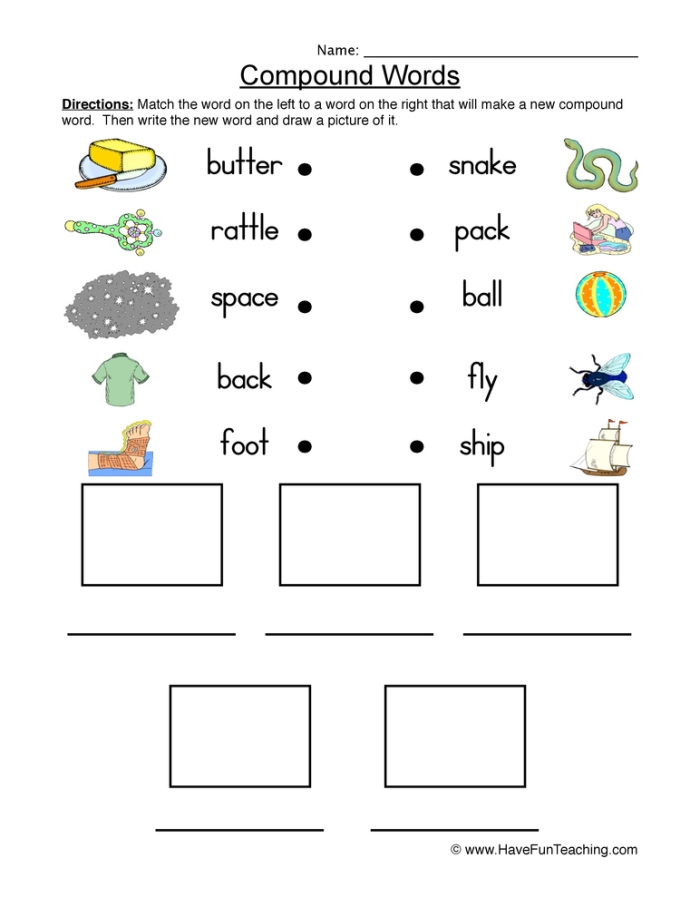
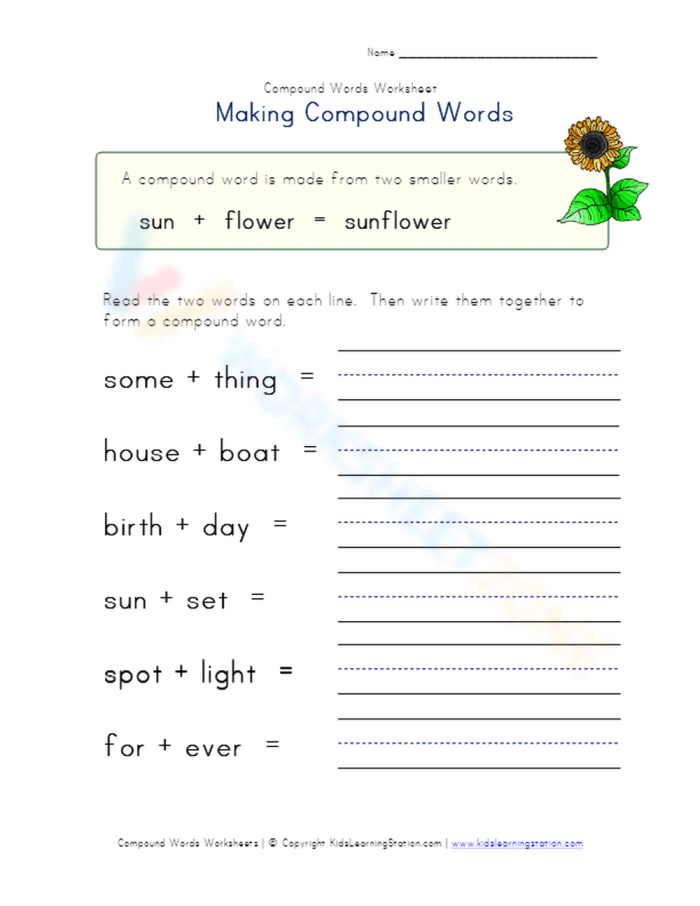
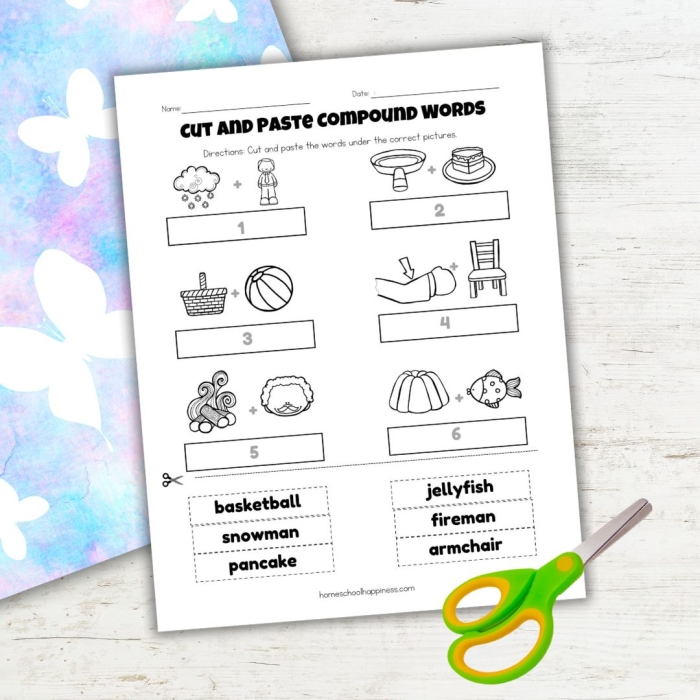
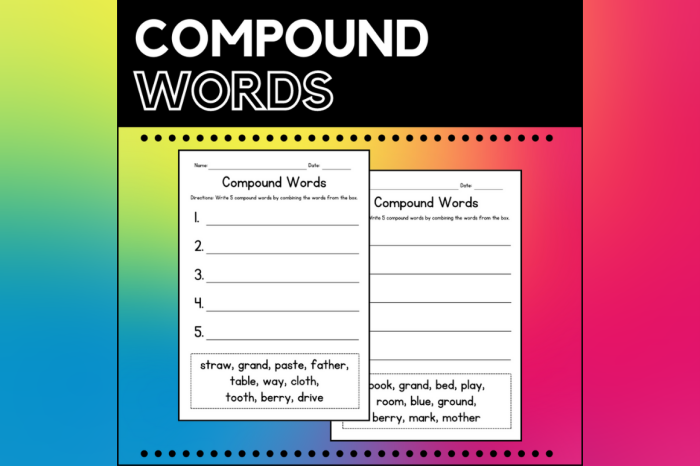
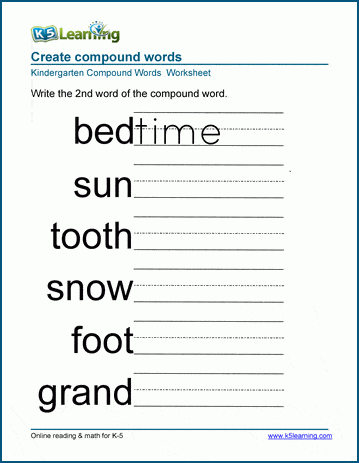
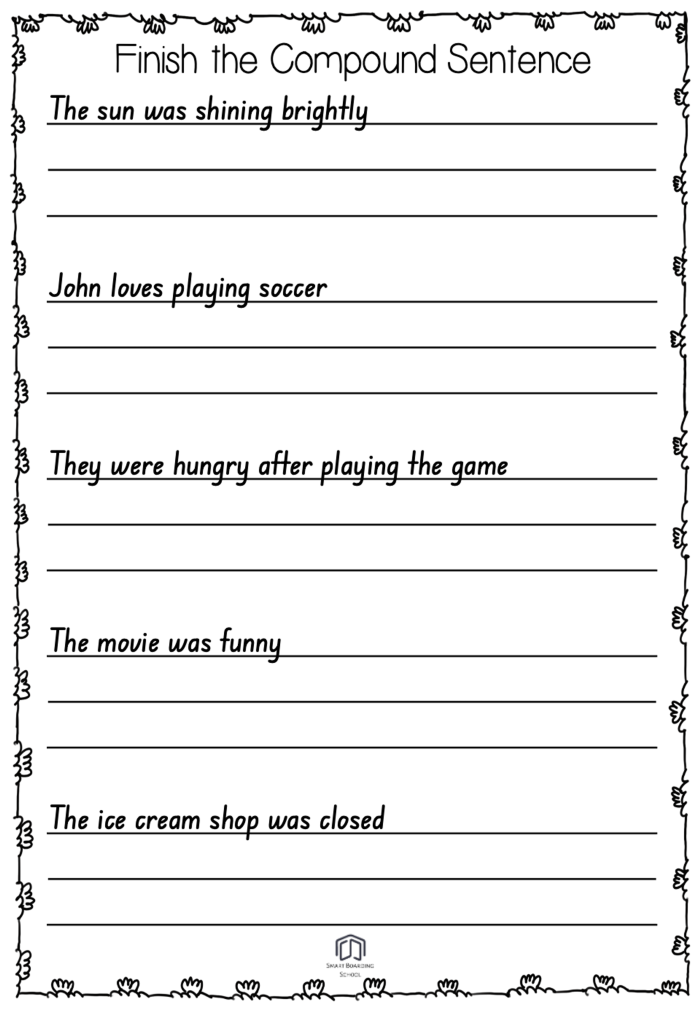
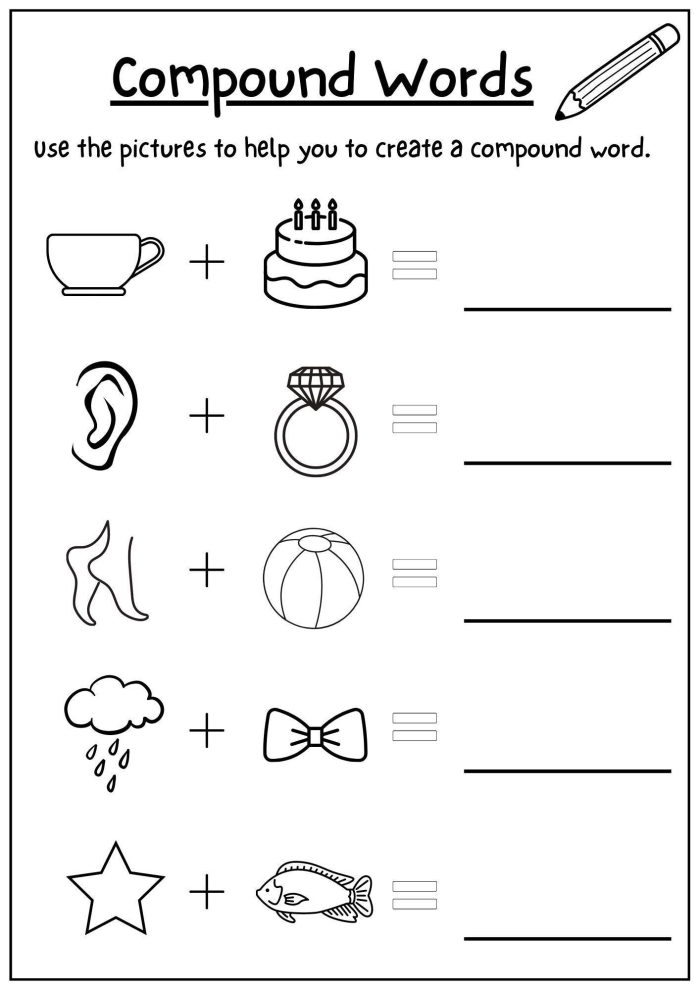
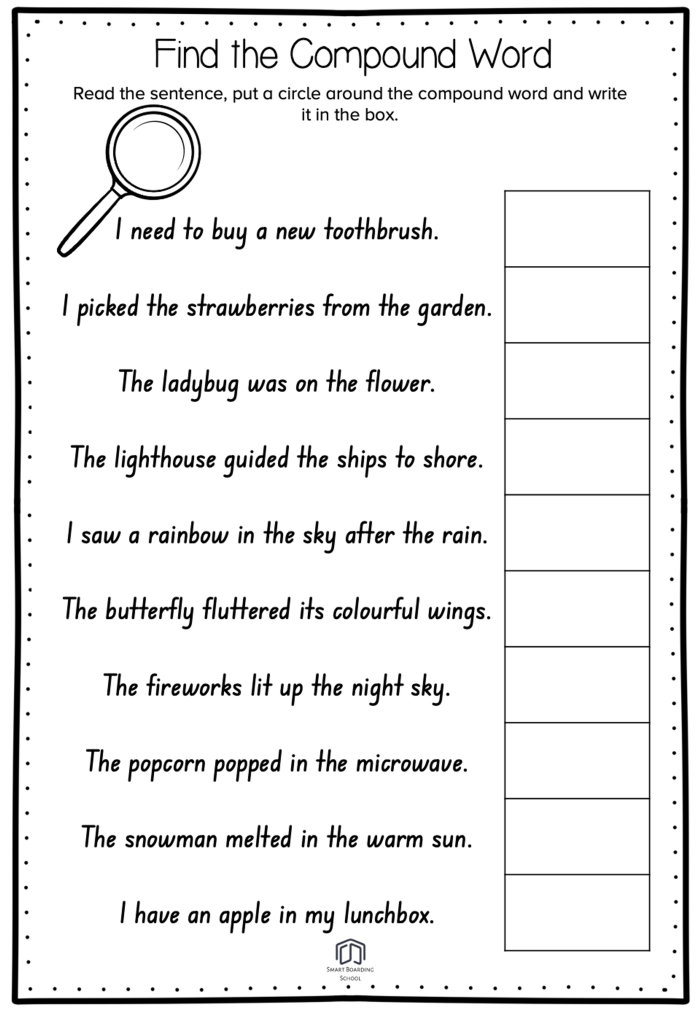
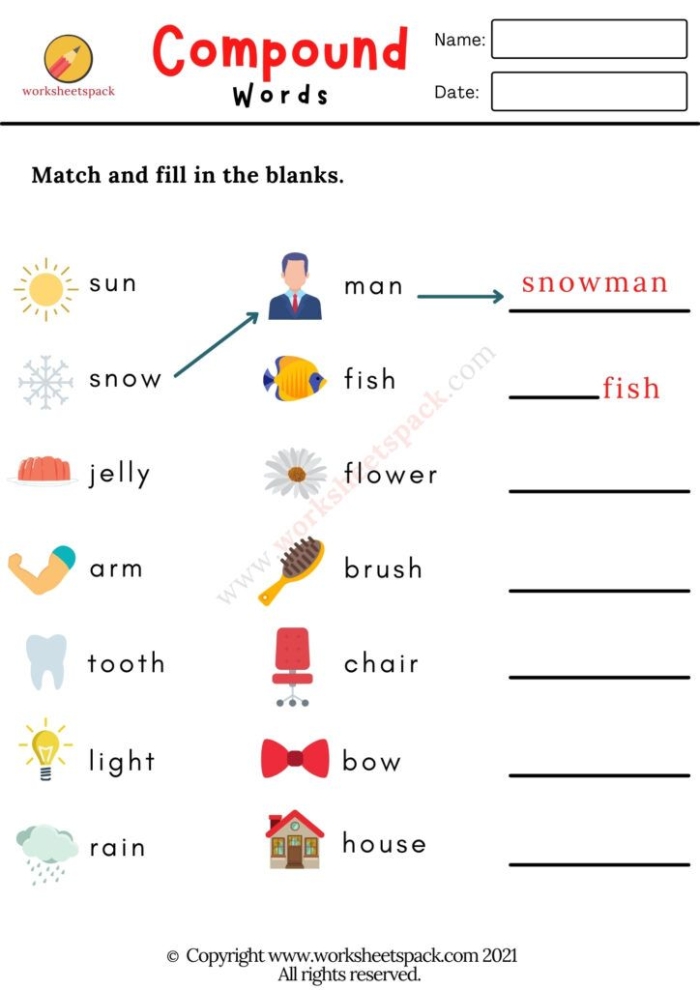
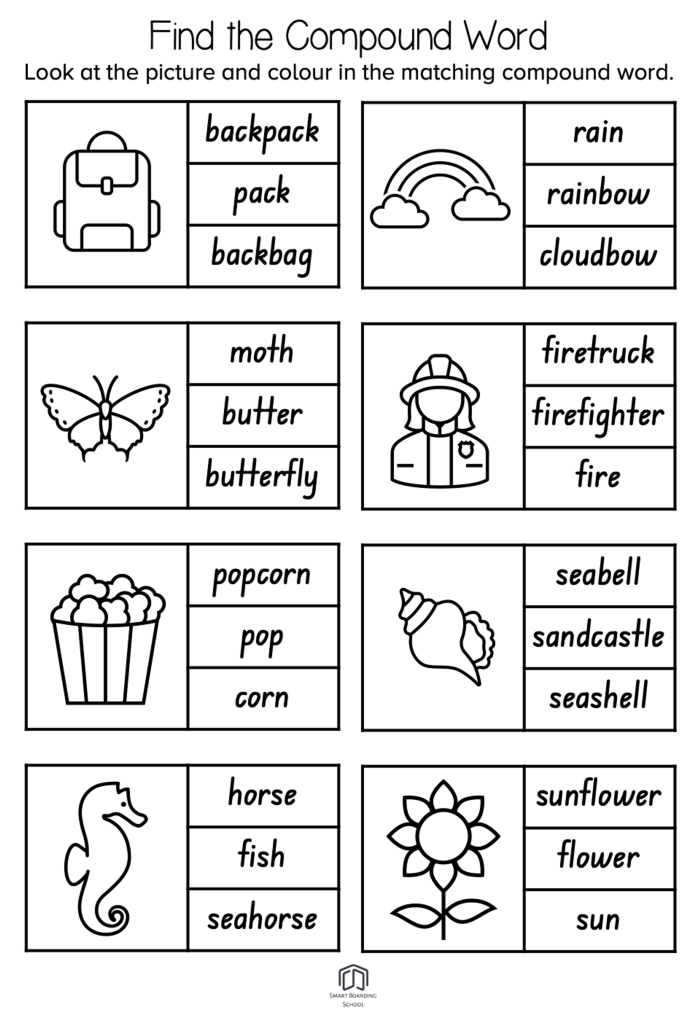
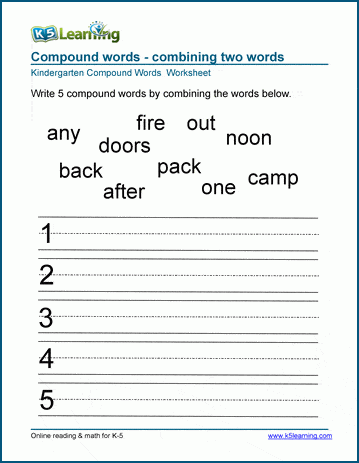
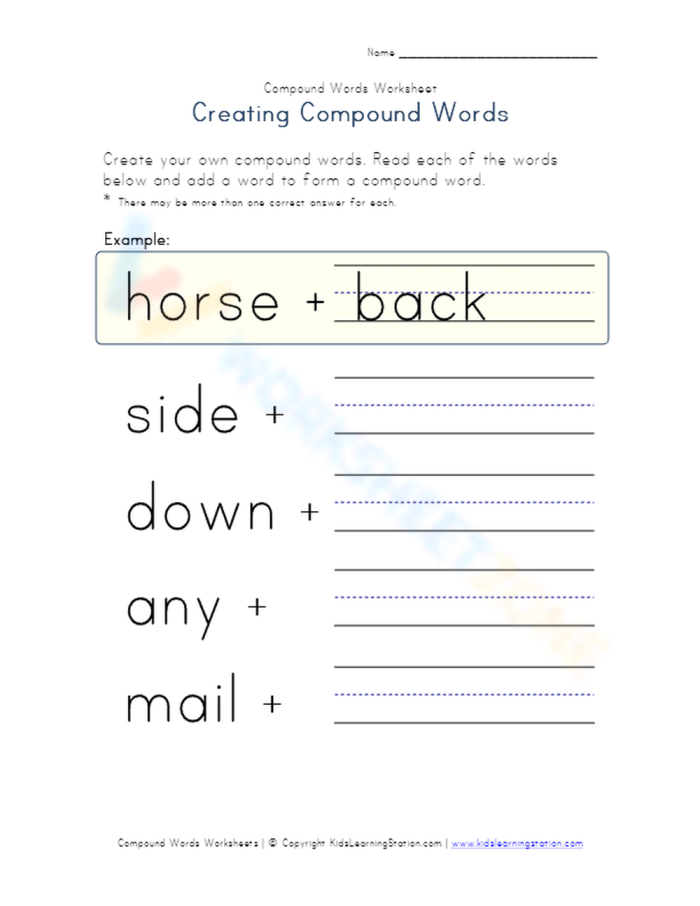
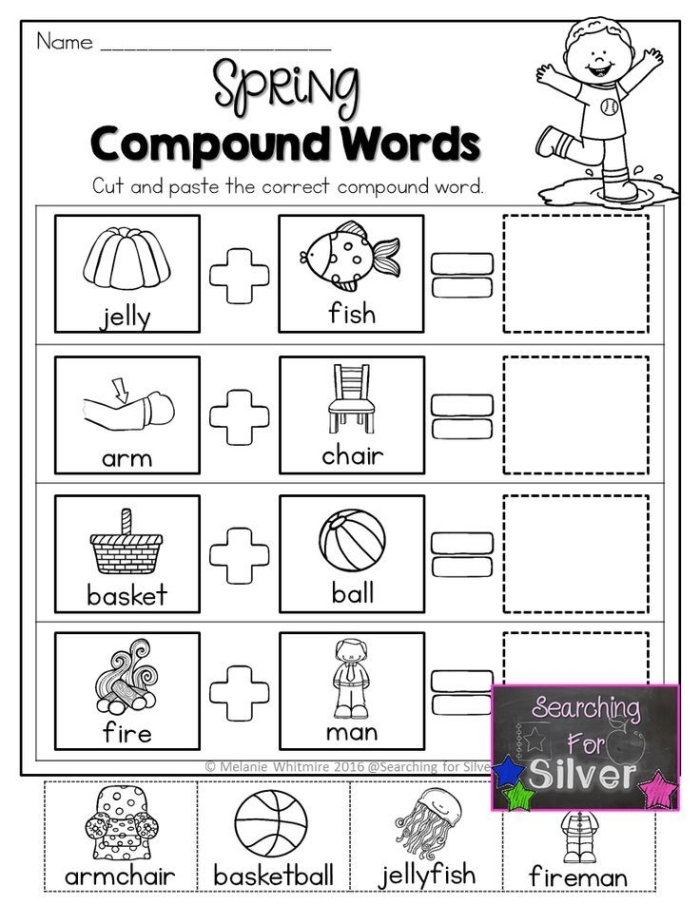
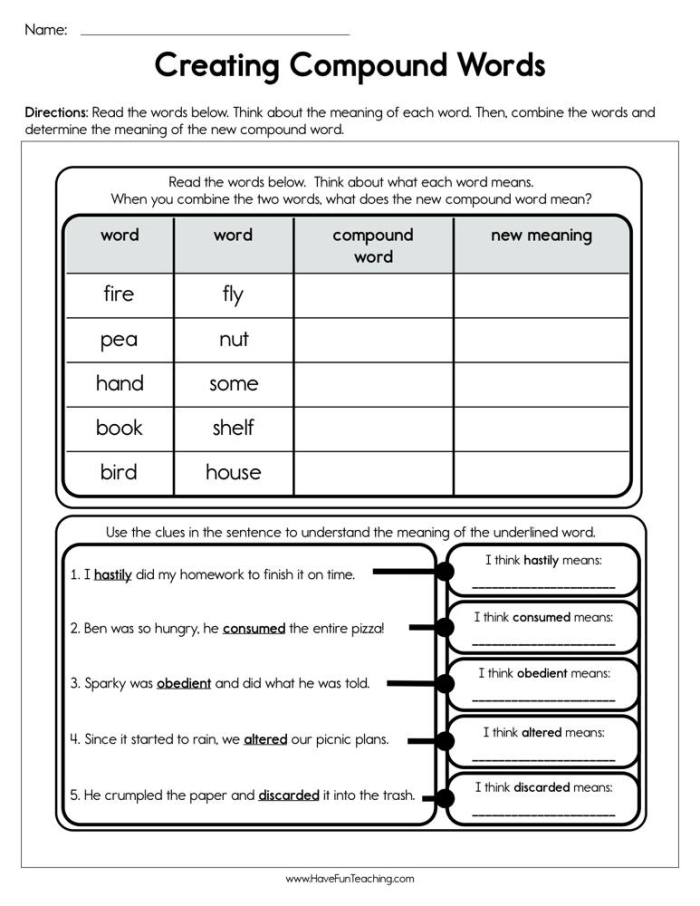
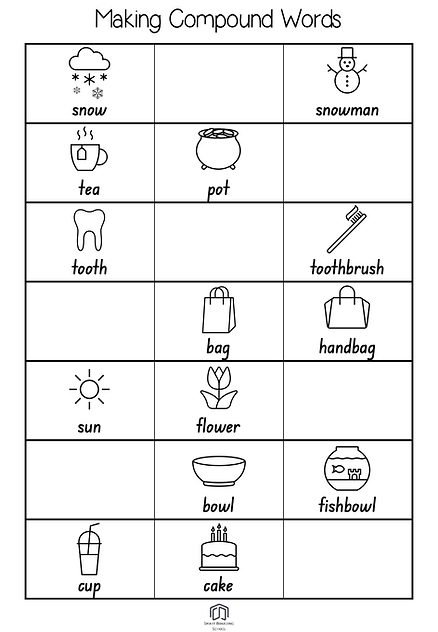
For educators seeking structured practice, printable creating compound words worksheets provide consistent reinforcement. These materials guide students through the decomposition process systematically. When combined with broader second grade curriculum, compound word study strengthens reading comprehension and writing confidence. Students who master this skill apply it across all their reading, making independent learning more accessible.
Practice with These Worksheets