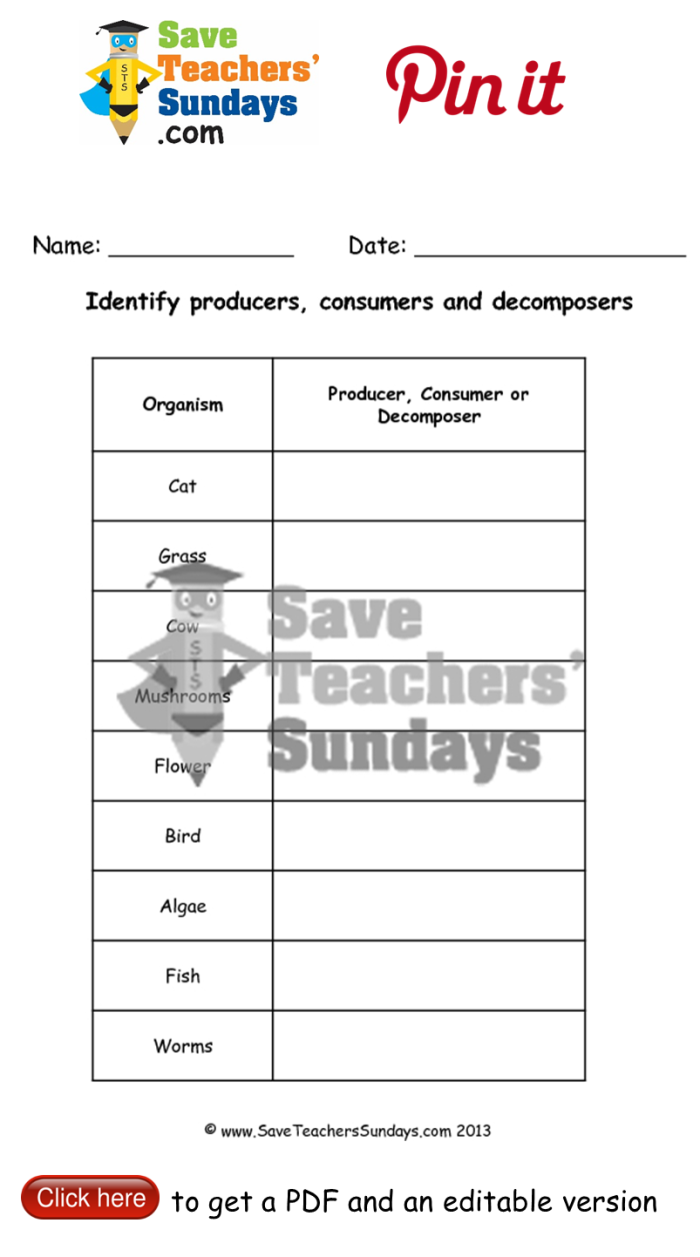
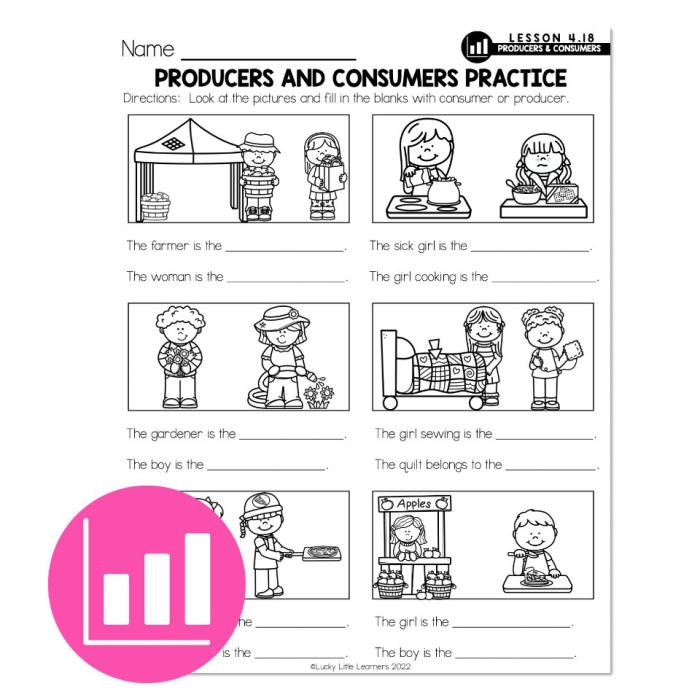
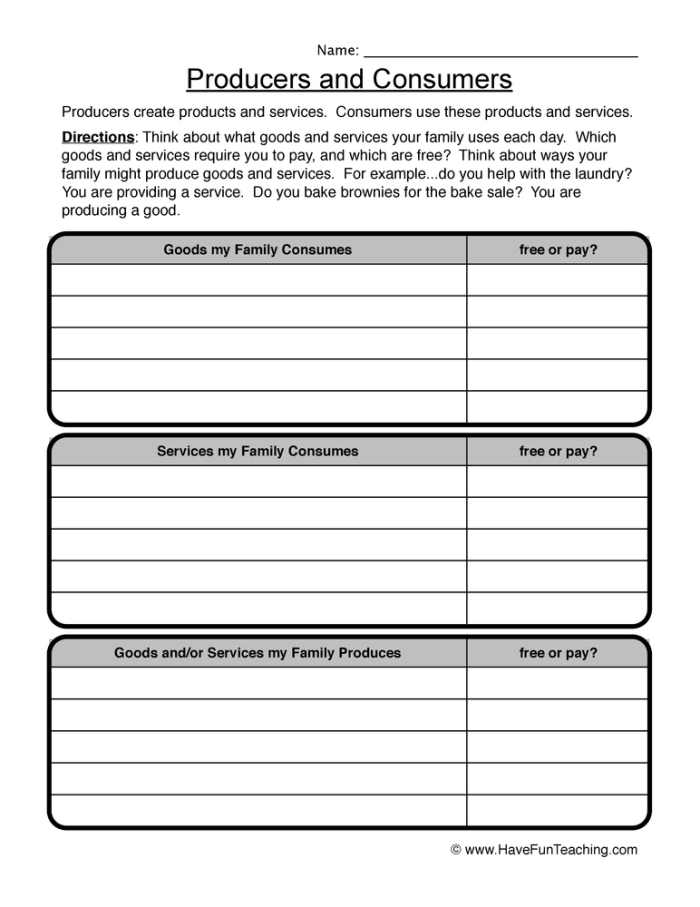
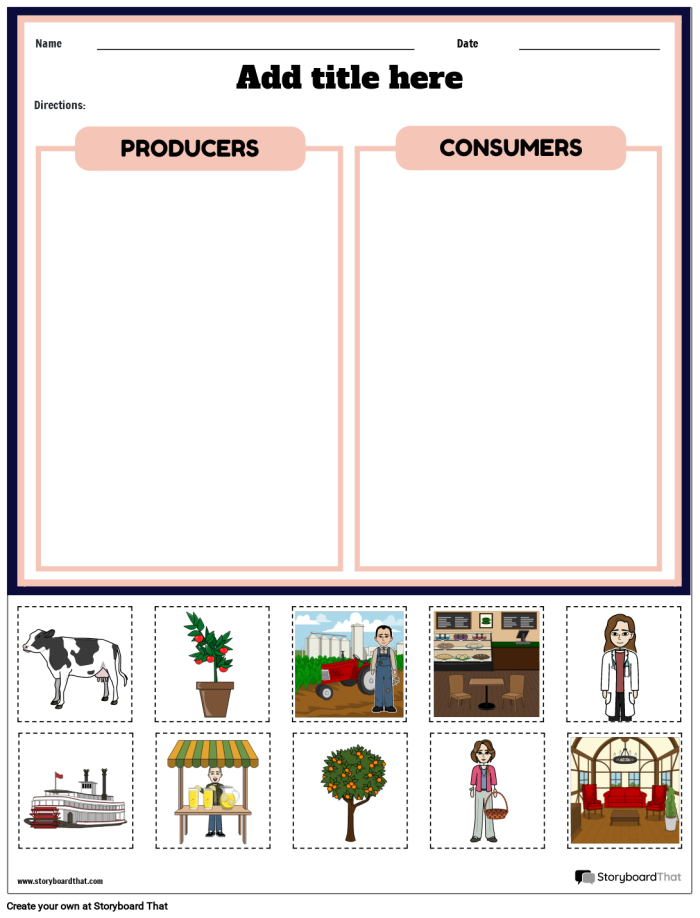
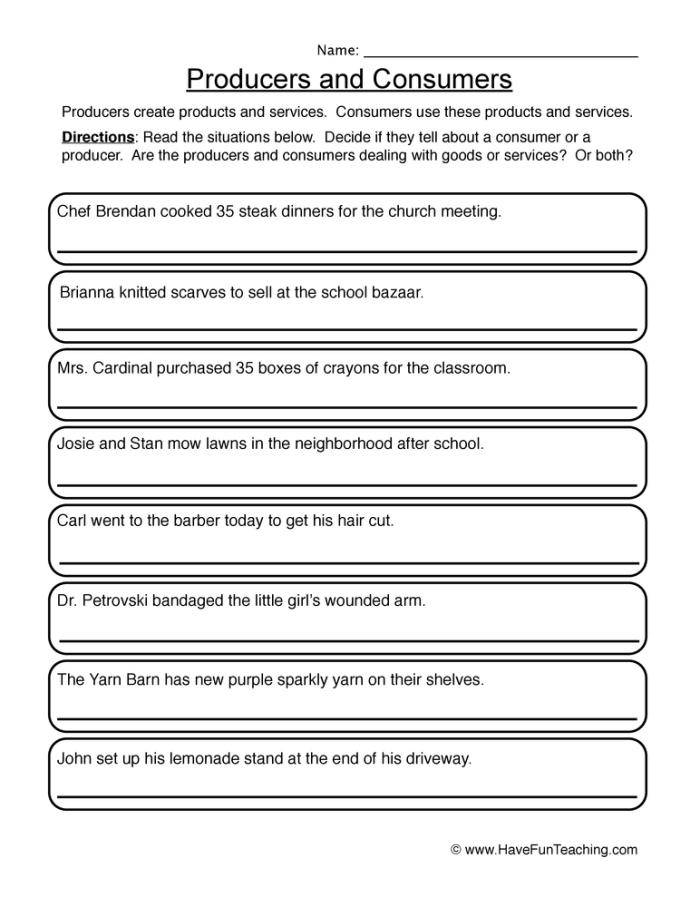
Second graders often struggle to understand how food gets to their tables and why some living things produce while others consume. A focused worksheet that explores producers and consumers gives young learners a concrete way to see these relationships in nature.
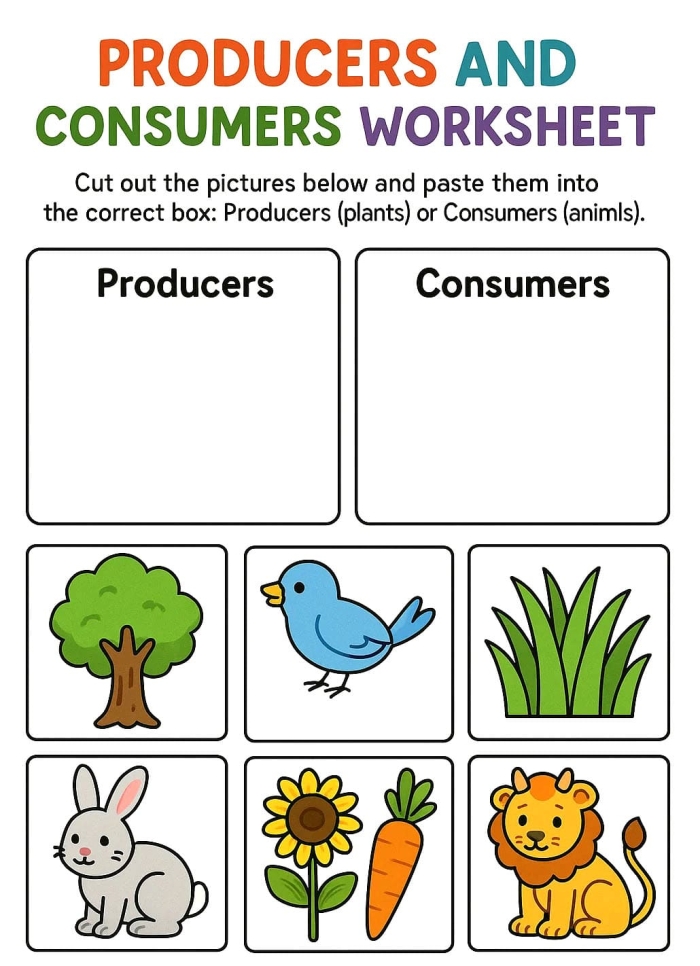
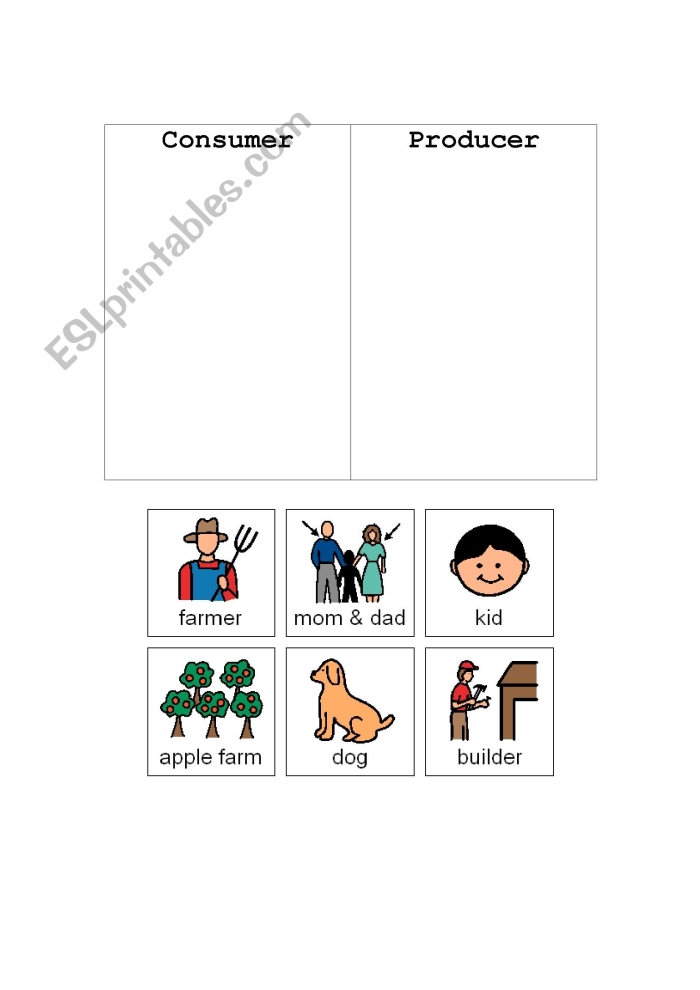
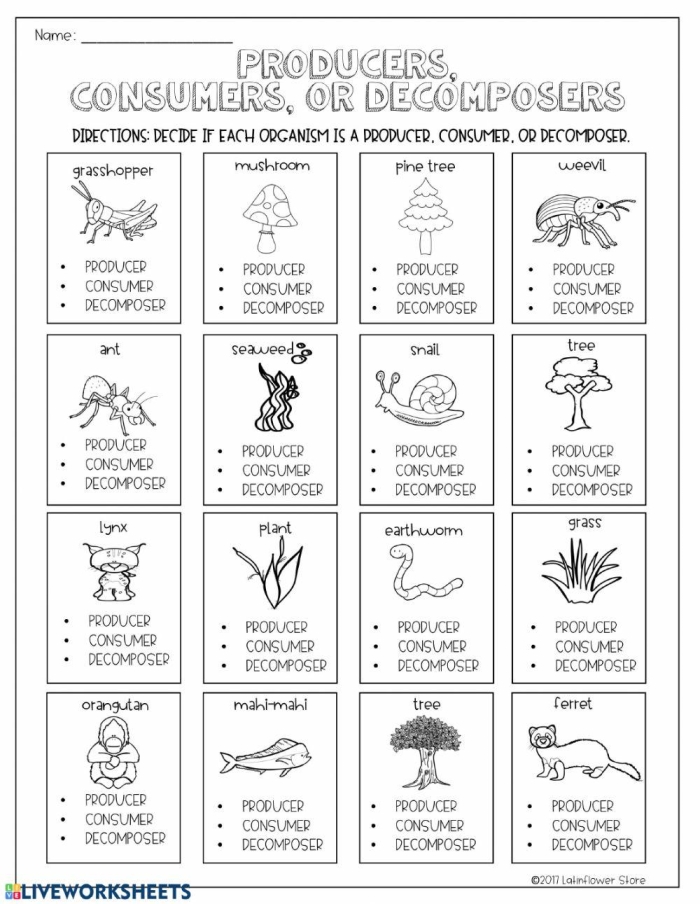
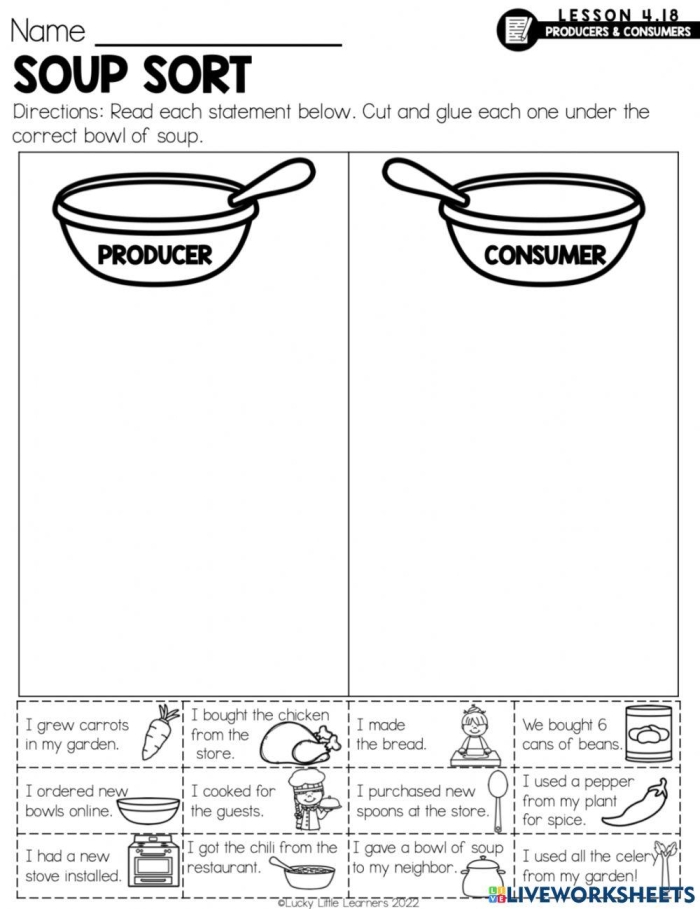
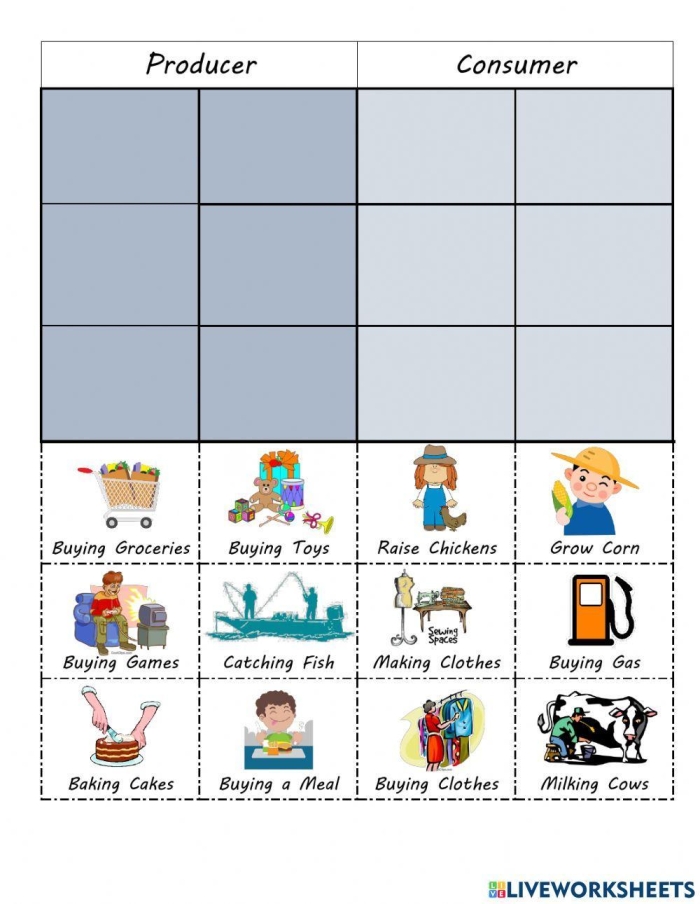
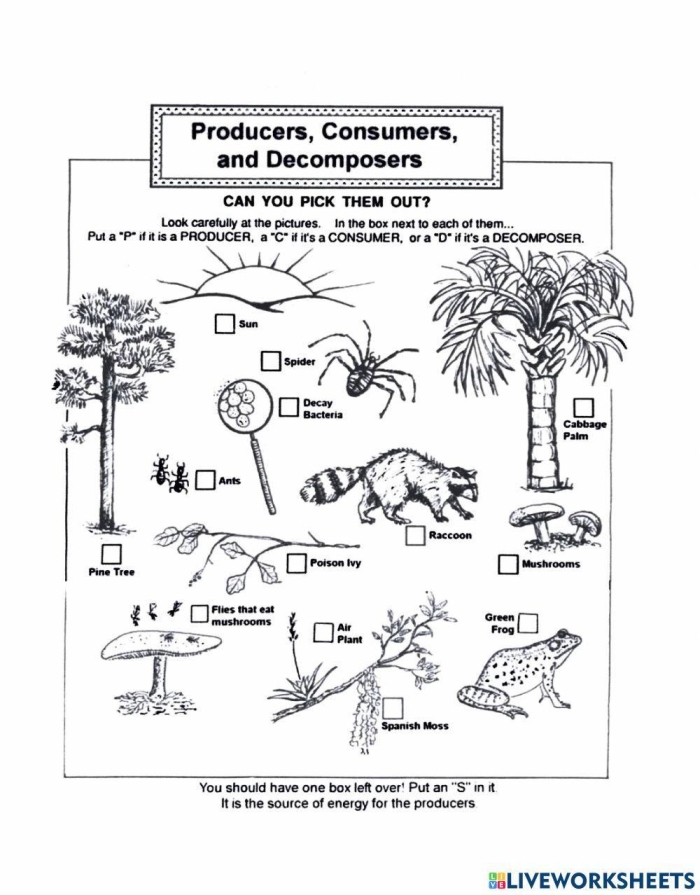
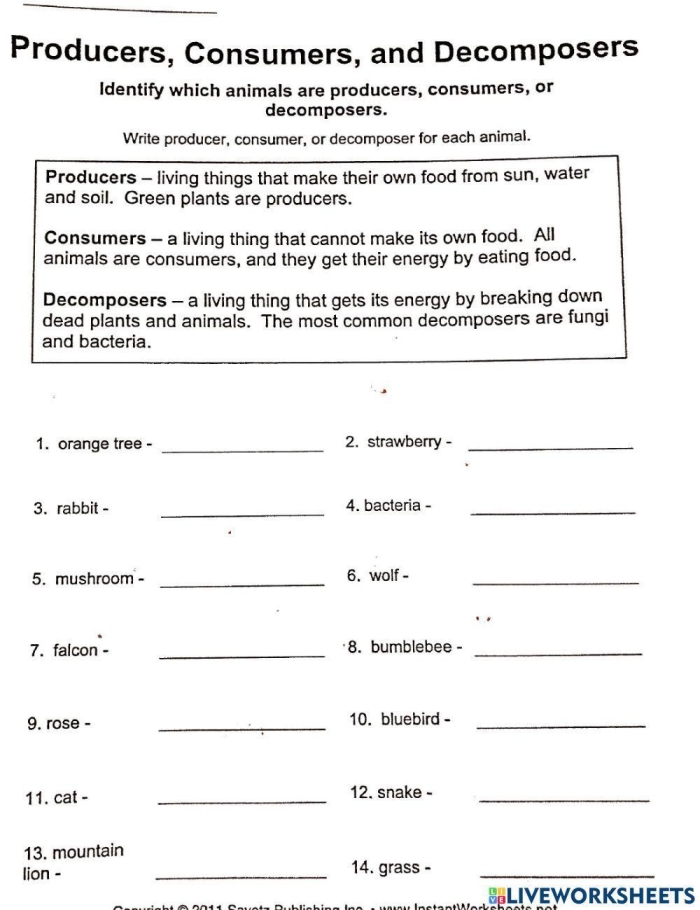
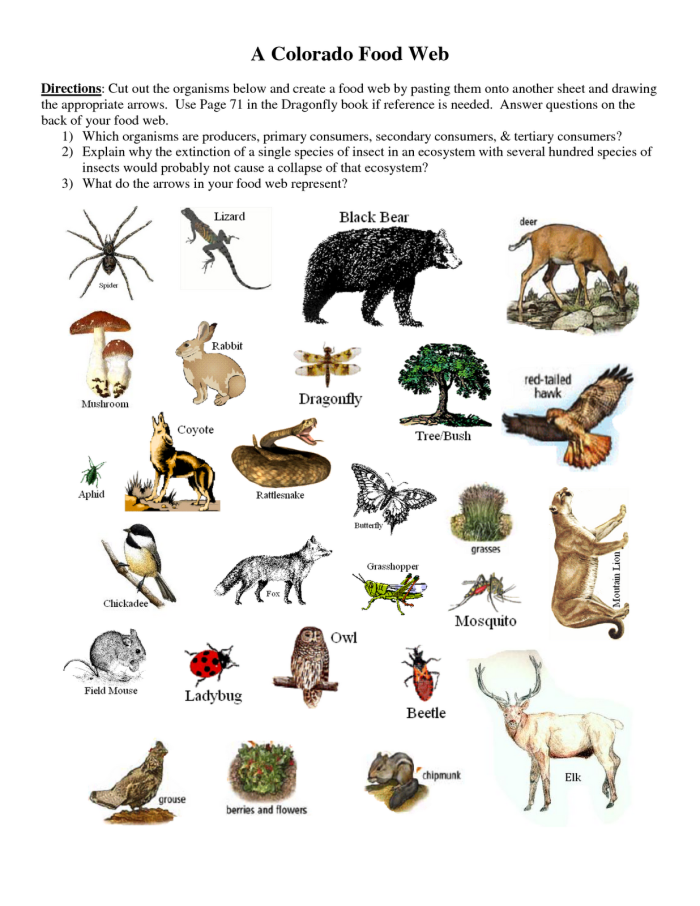
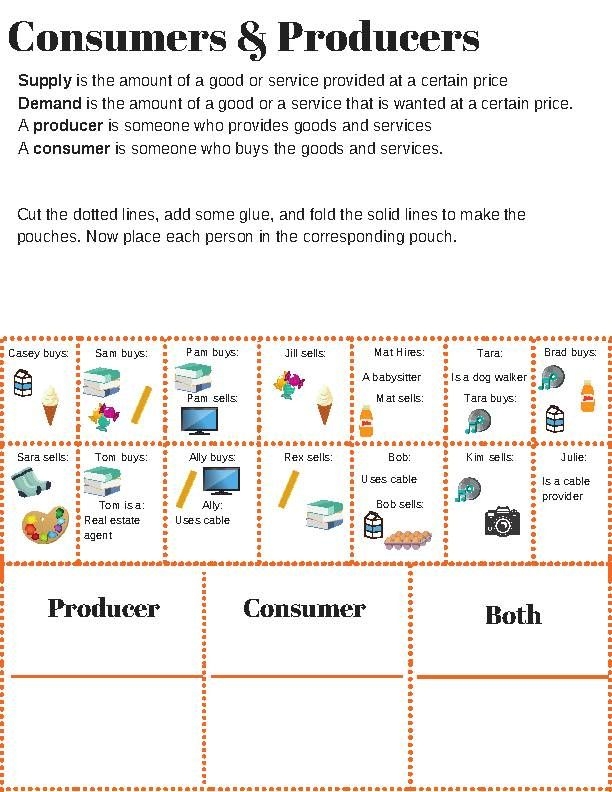
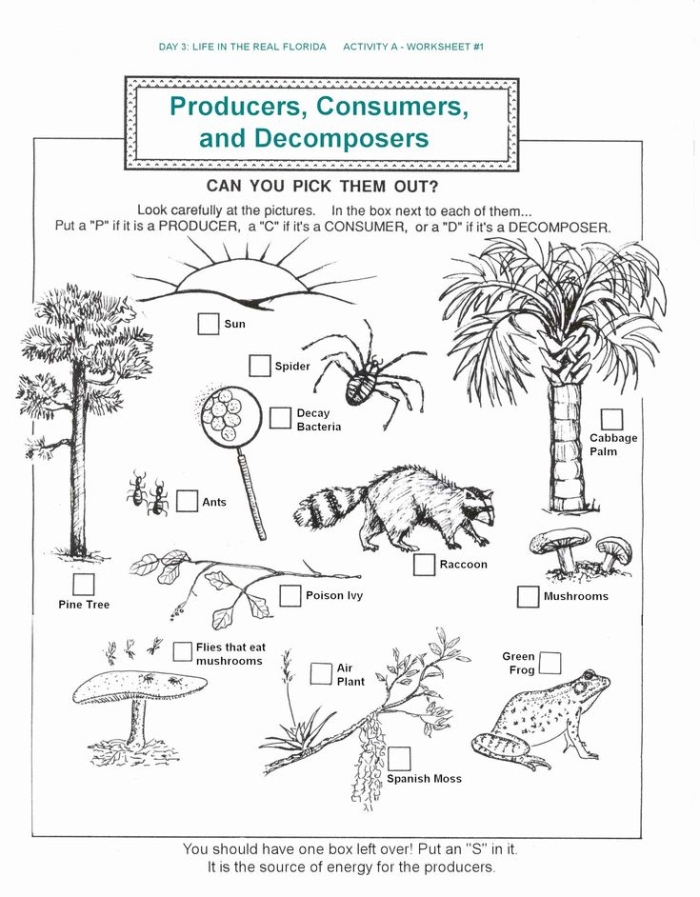
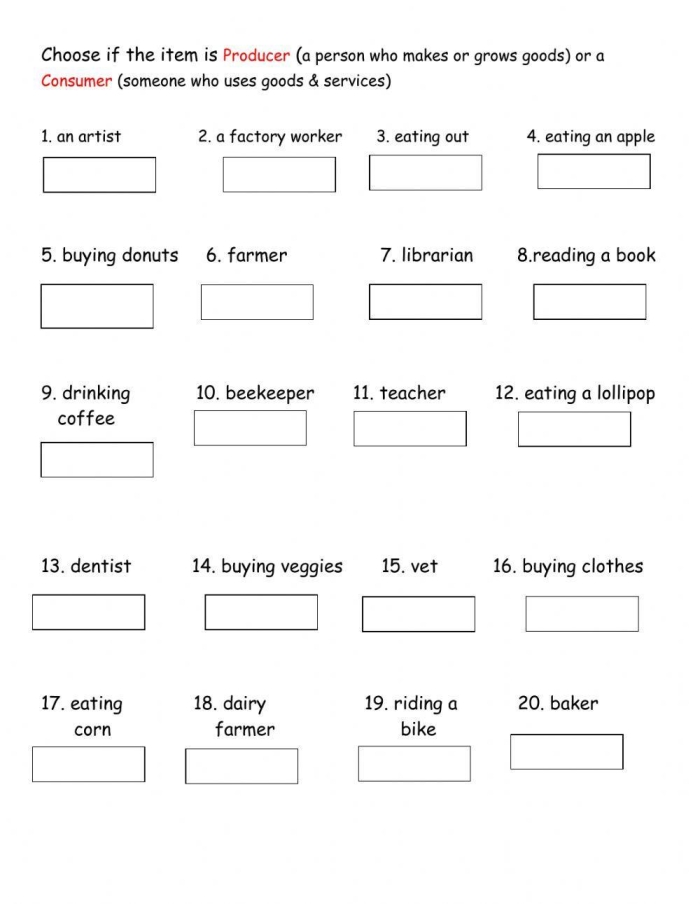
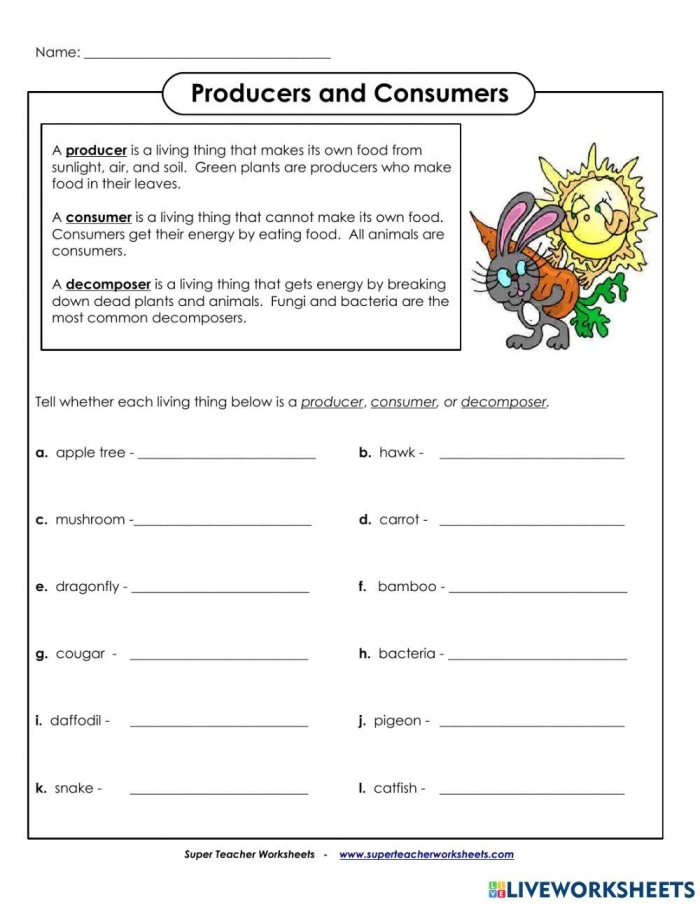
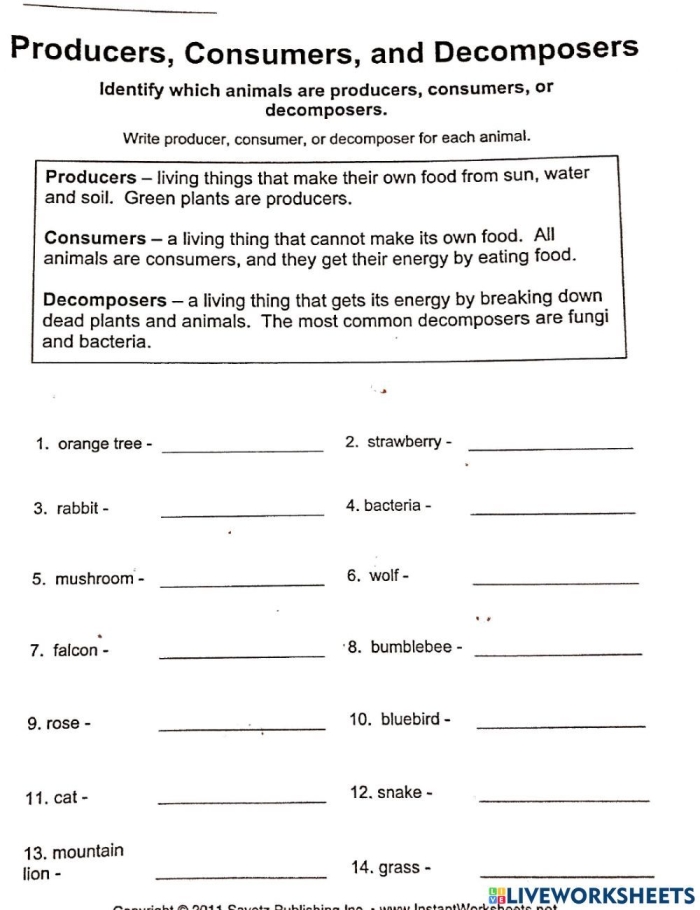
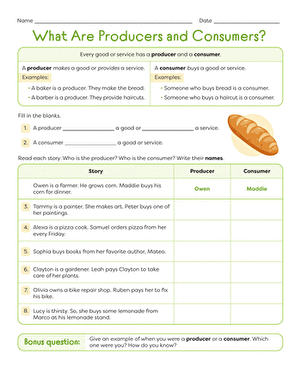
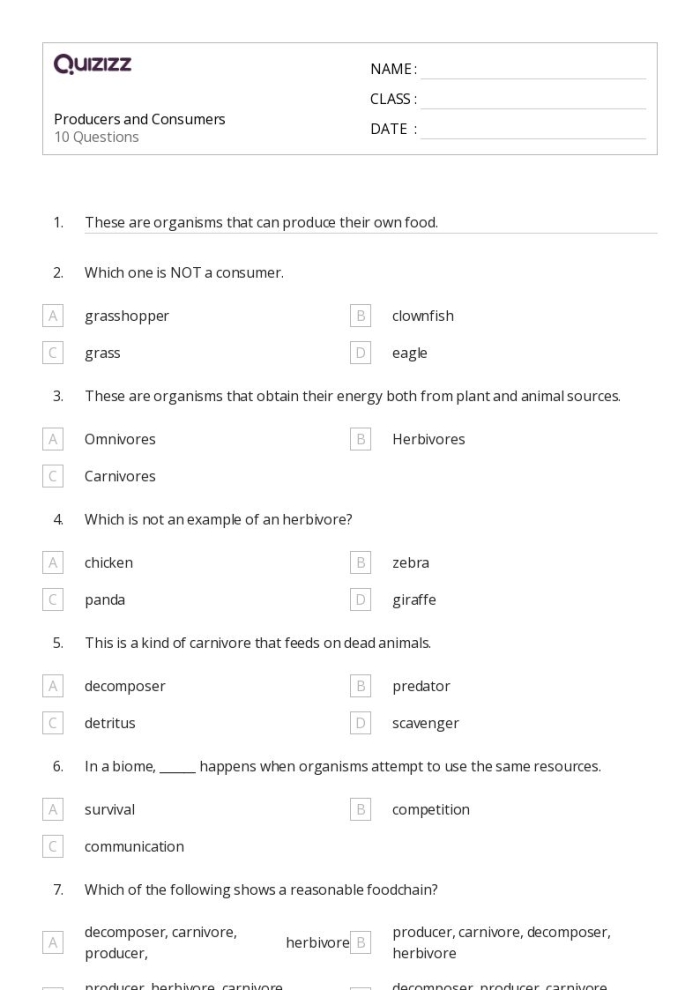
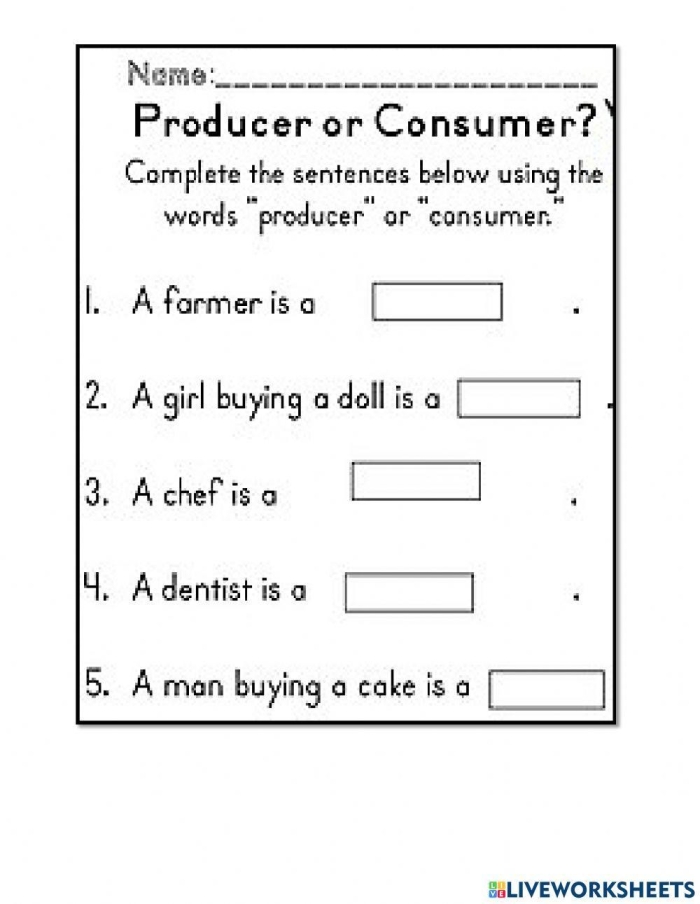
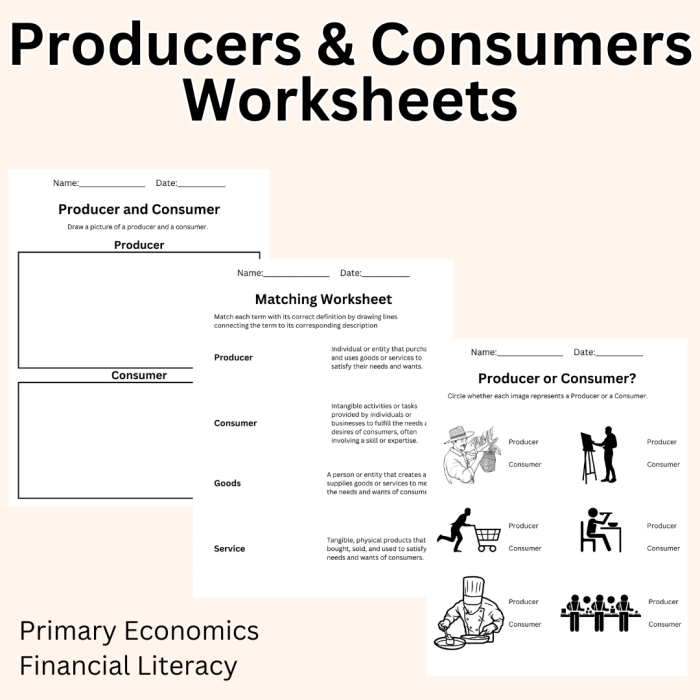
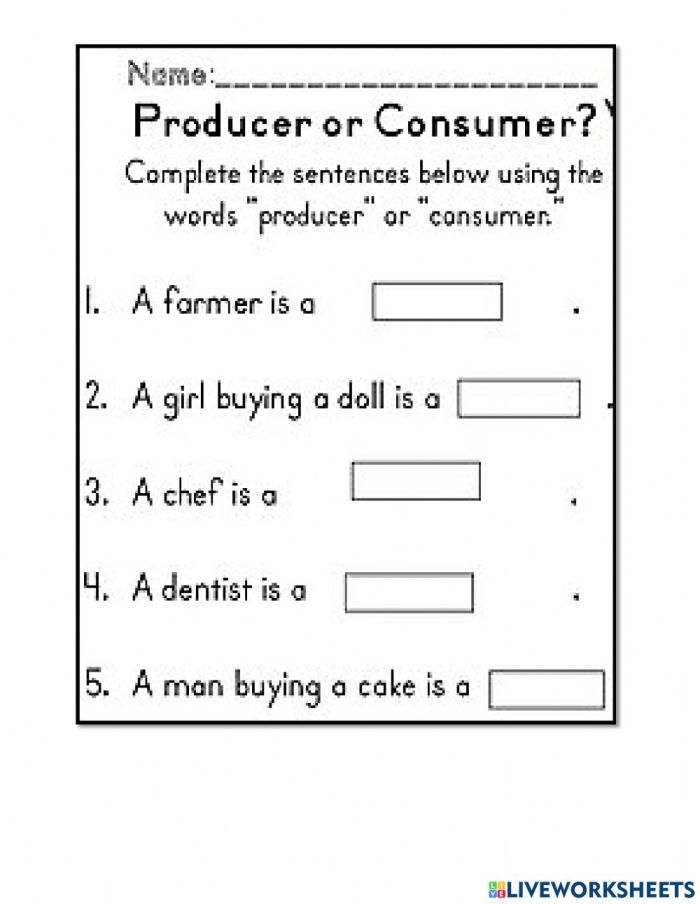
This one-page social studies worksheet breaks down the concept into manageable pieces. Students examine real-world examples, like plants making their own food and animals eating plants or other animals. The activity typically includes simple illustrations paired with questions that prompt kids to identify who produces and who consumes in different scenarios. By working through these exercises, second grade students begin recognizing patterns in food chains without getting bogged down in complex terminology.
The strength of this approach lies in its simplicity. Rather than overwhelming young learners with abstract concepts, the worksheet uses familiar examples from their own environment. A cow eating grass, a tree growing fruit, a child drinking milk—these concrete images stick with students far better than definitions alone. Teachers find that when students can point to specific producers and consumers in their own community, the concept becomes real rather than theoretical.
Pairing this worksheet with other second grade reading activities strengthens comprehension skills. Students who work through focused materials like Pete’s Pets or reading stamina charts develop better attention to detail across all subjects. The same careful observation they practice in reading transfers directly to understanding science concepts.
Once students complete this worksheet, they typically feel confident explaining why plants and animals need each other. That foundation opens doors to more advanced ecology topics in later grades. The one-page format respects classroom time constraints while delivering meaningful learning.
Start Practicing with These Worksheets