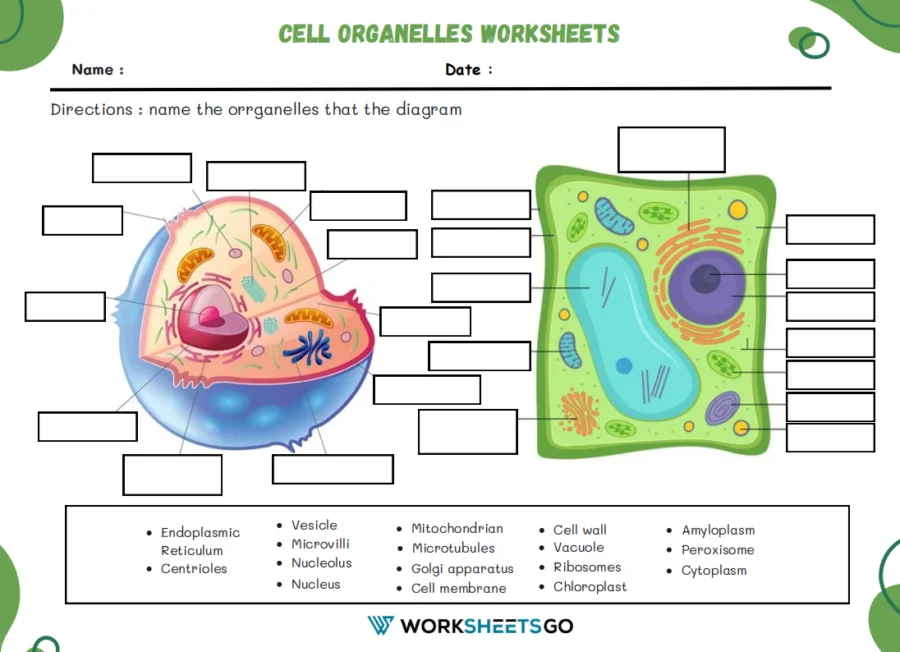
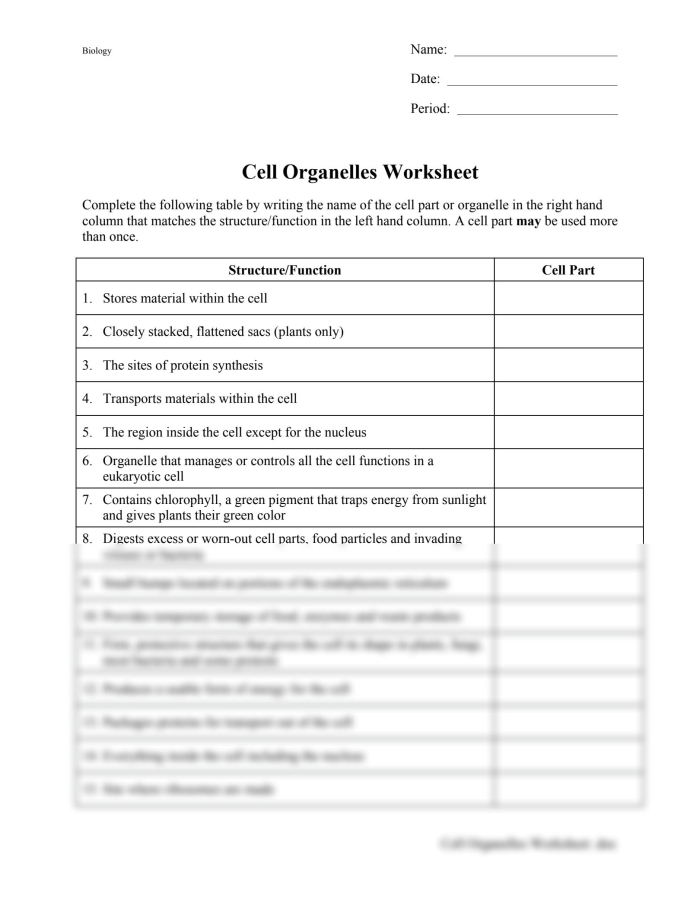
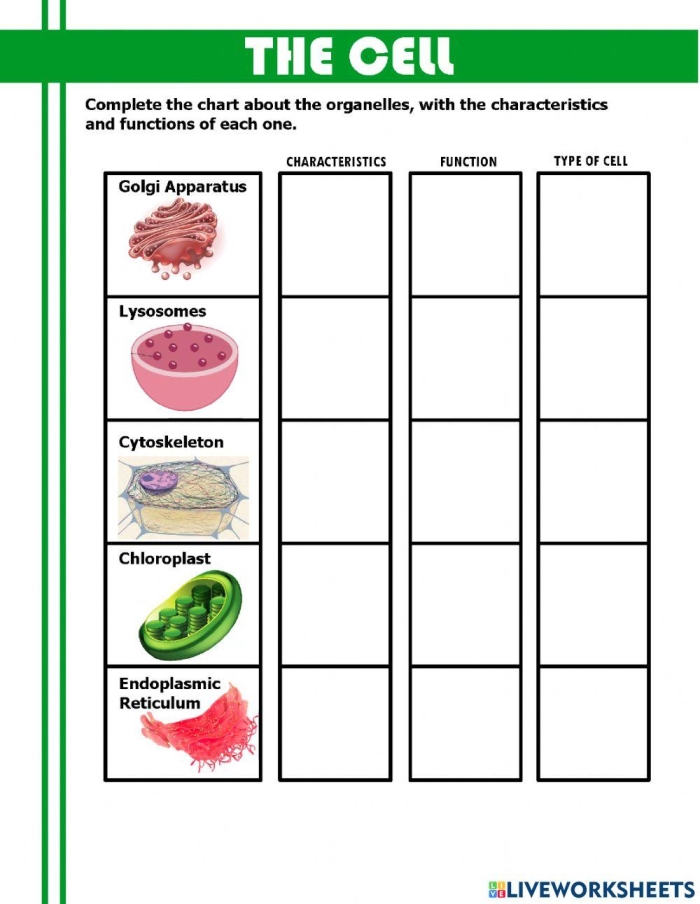
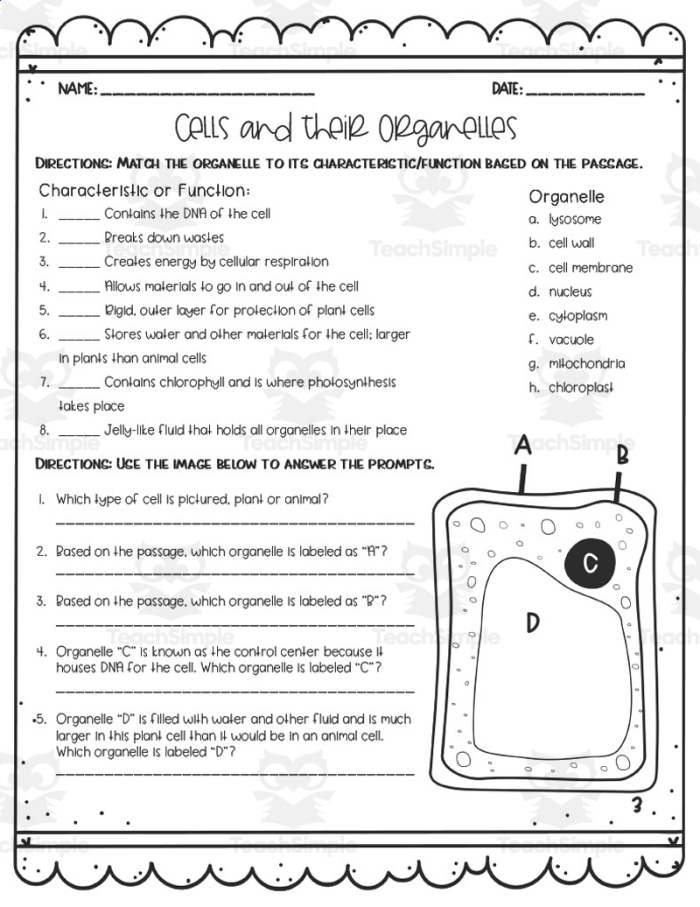
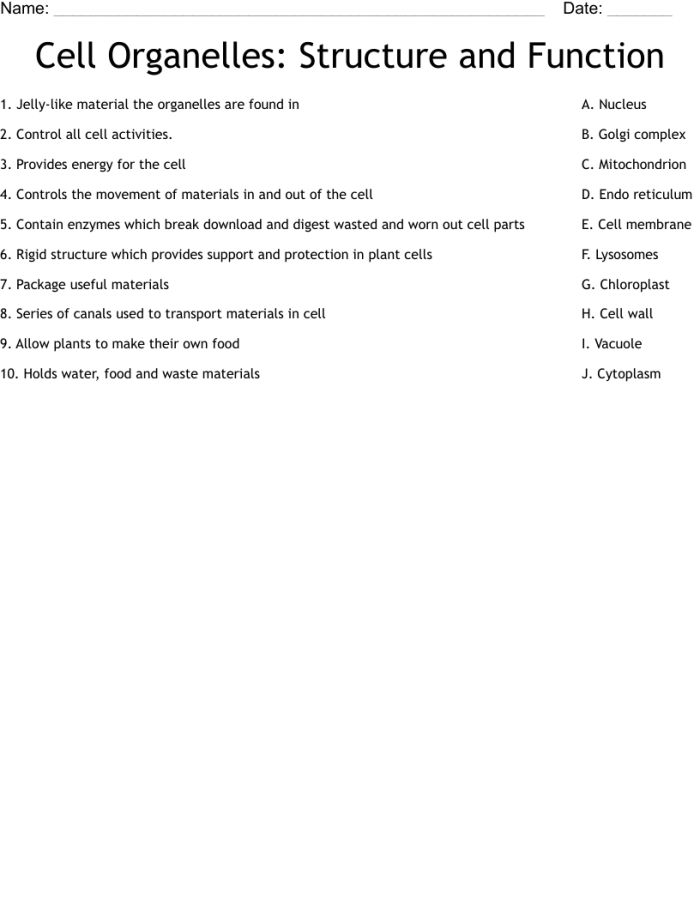
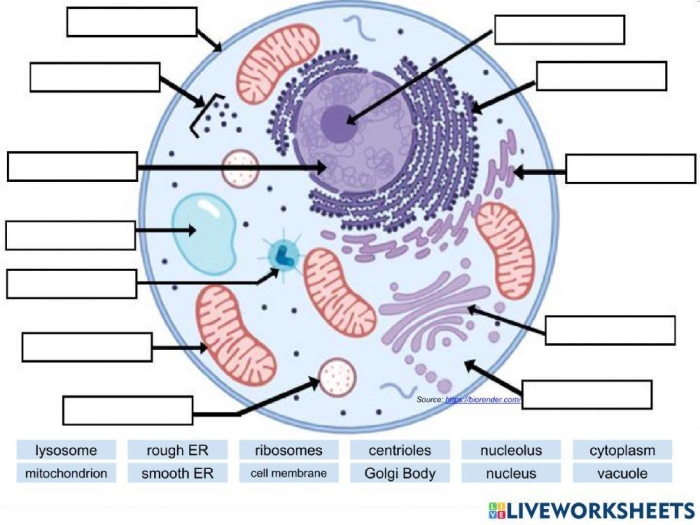
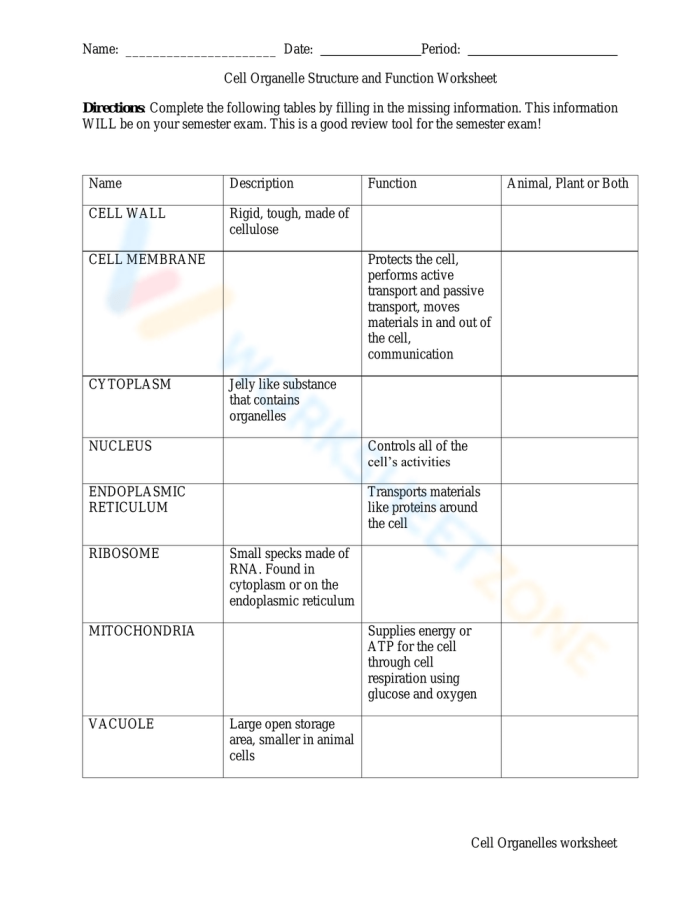
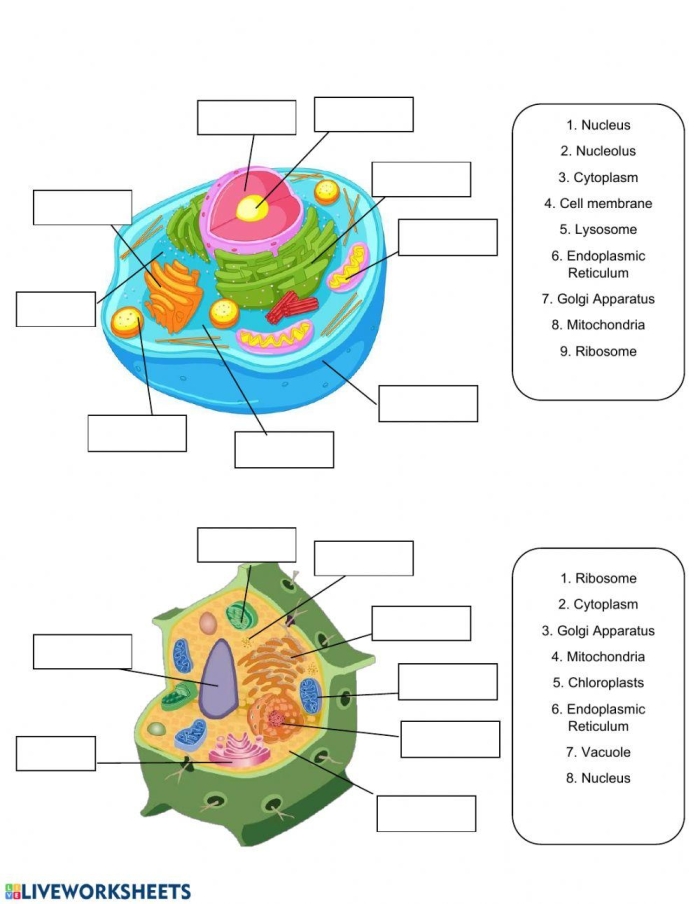
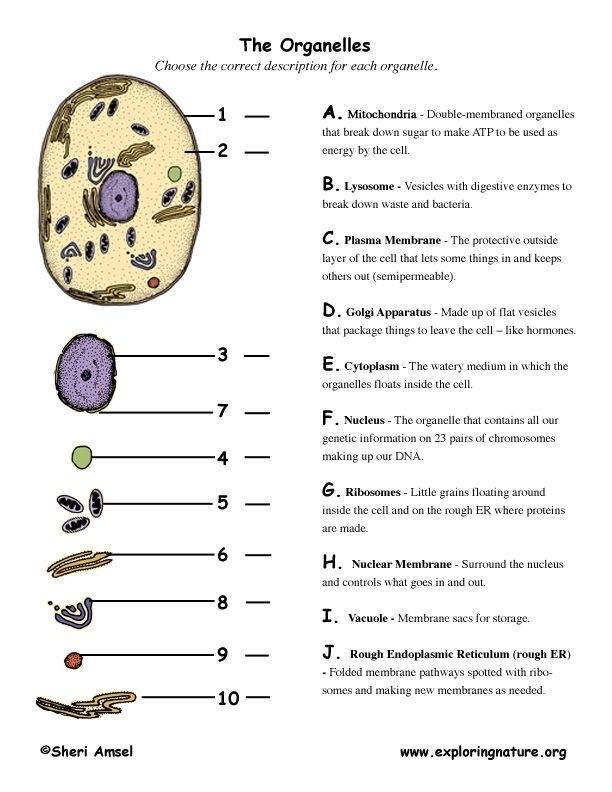
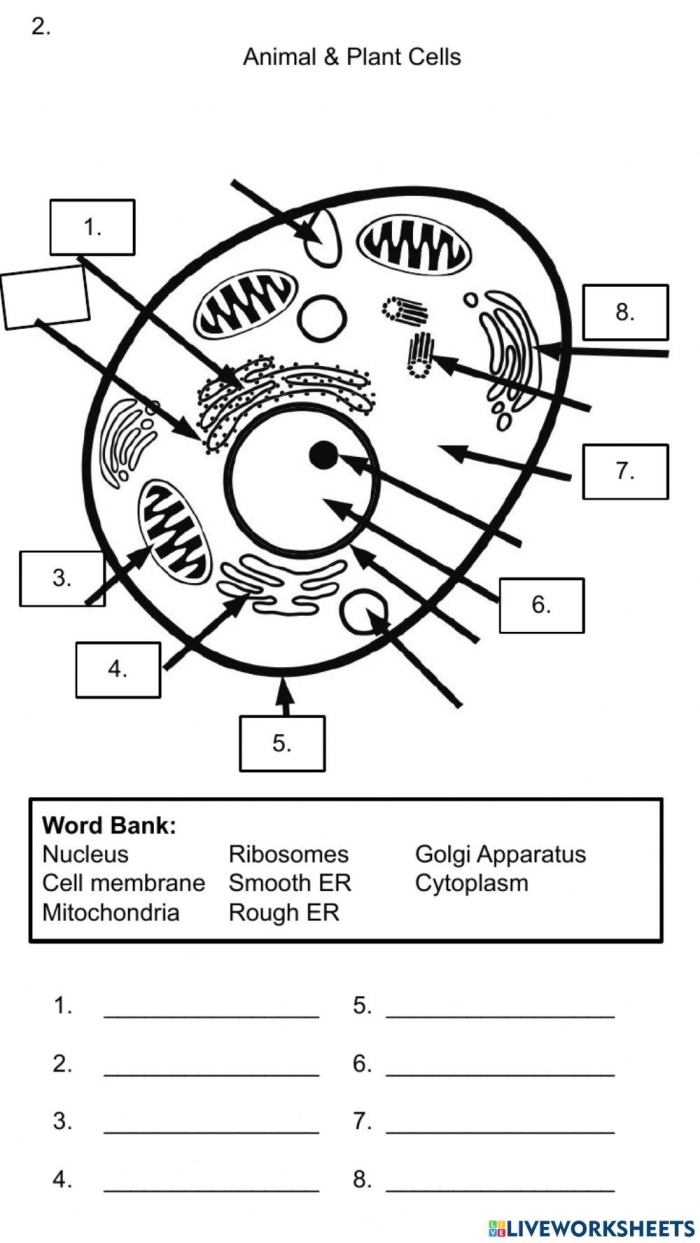
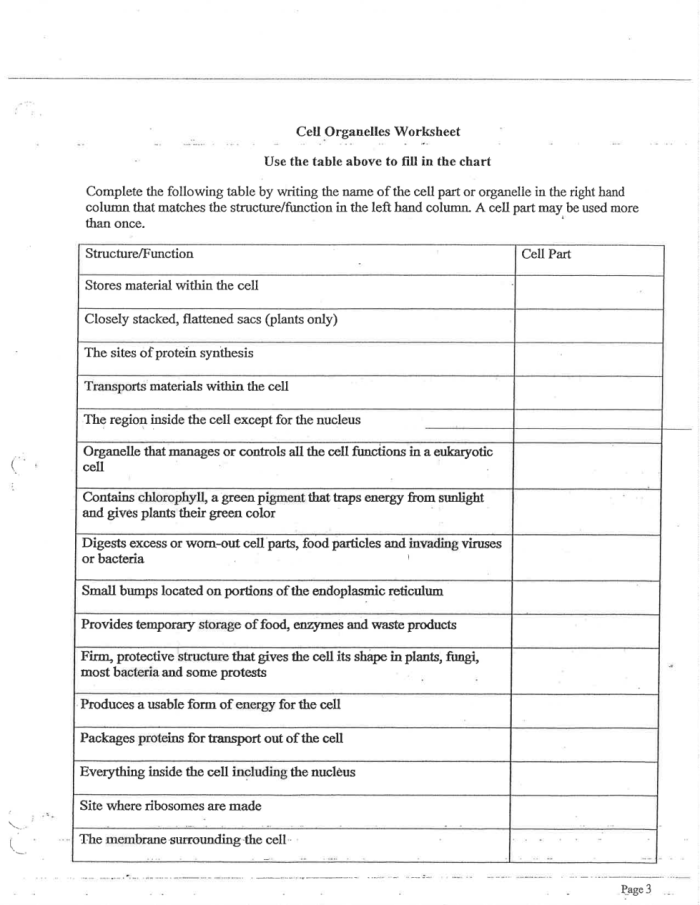
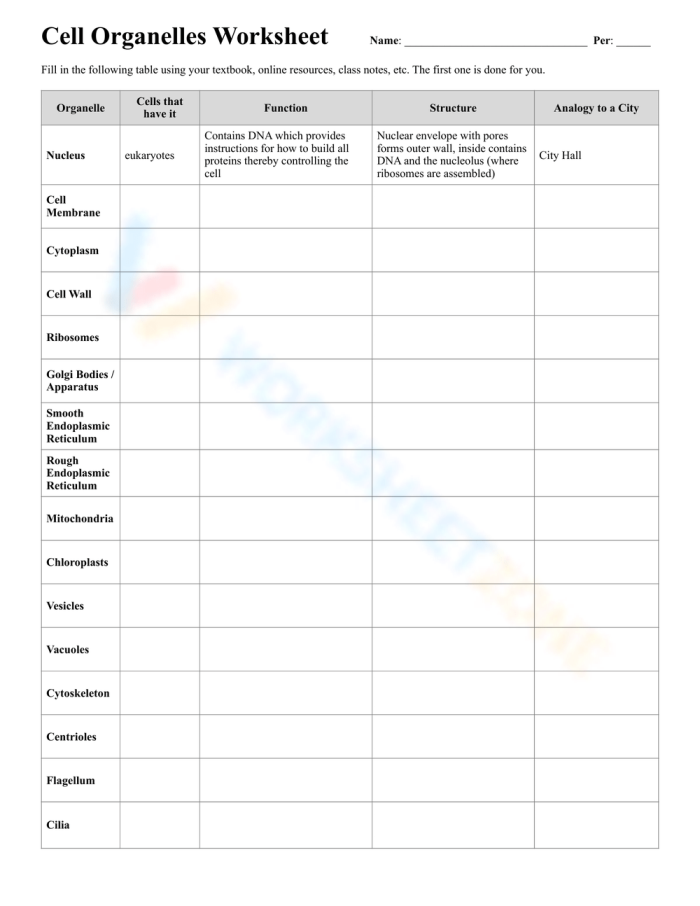
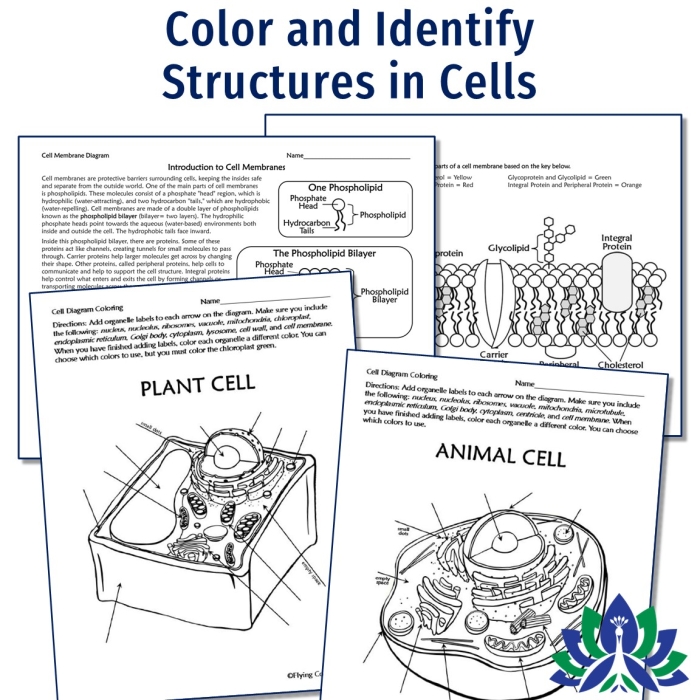
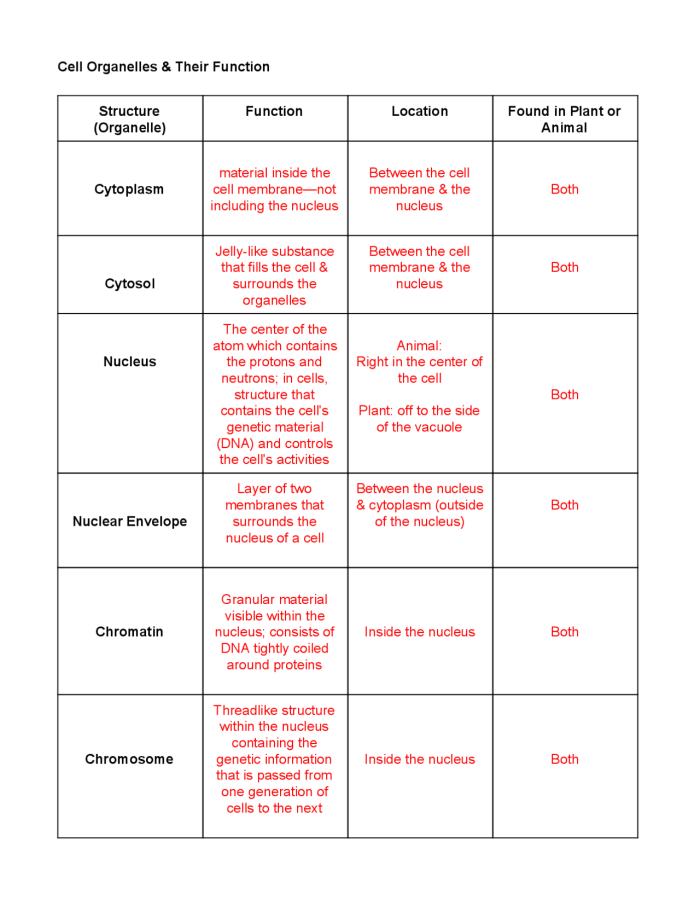
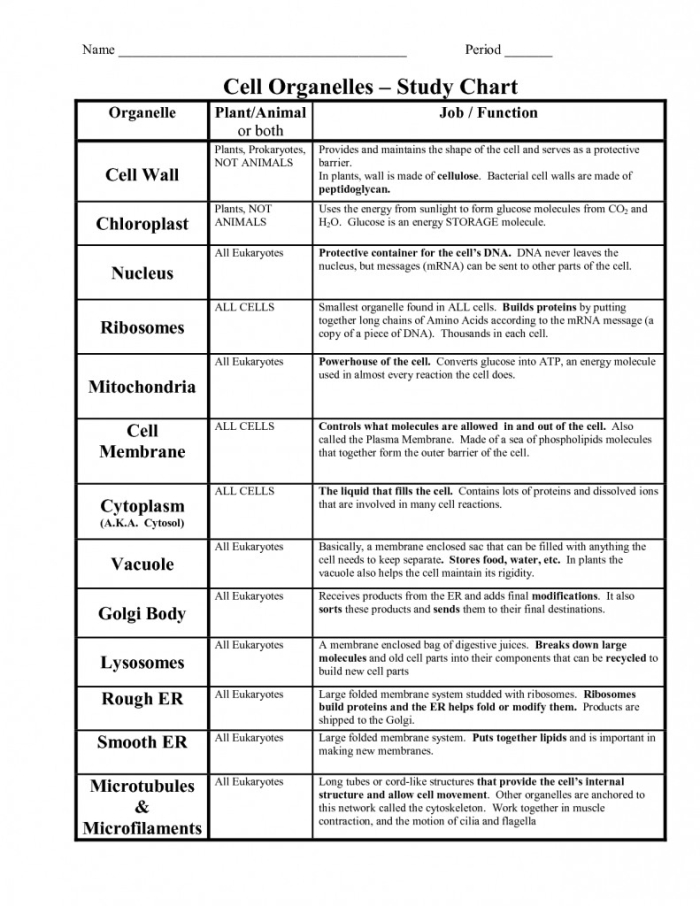
When sixth grade students encounter a cell organelles worksheet with a labeled diagram, they’re not just filling in blanks. They’re building the foundation for understanding how living systems actually work at the microscopic level. This type of assignment pushes young learners beyond memorization by requiring them to investigate what each structure does and why it matters.
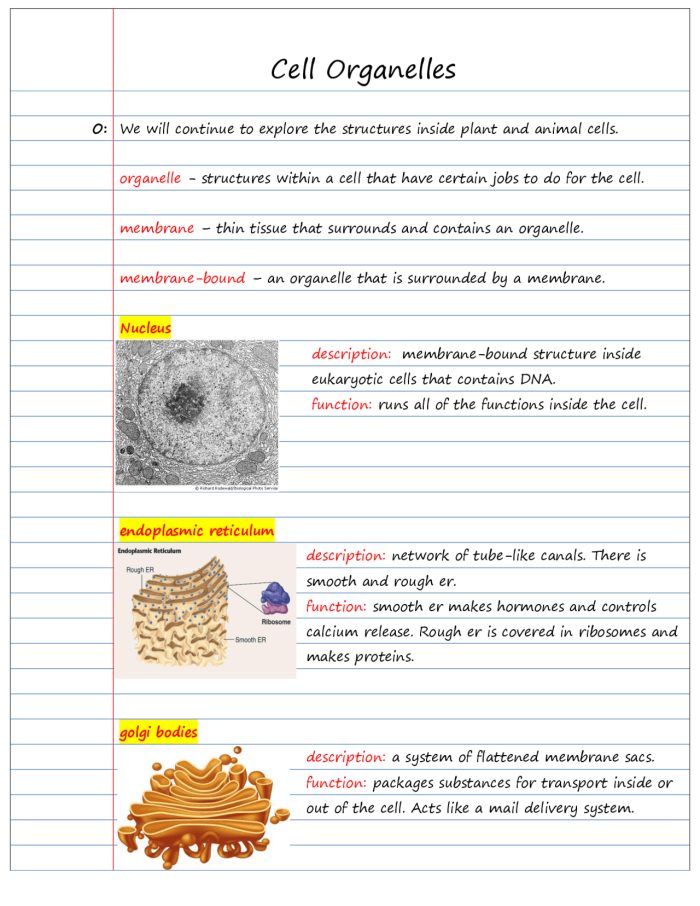
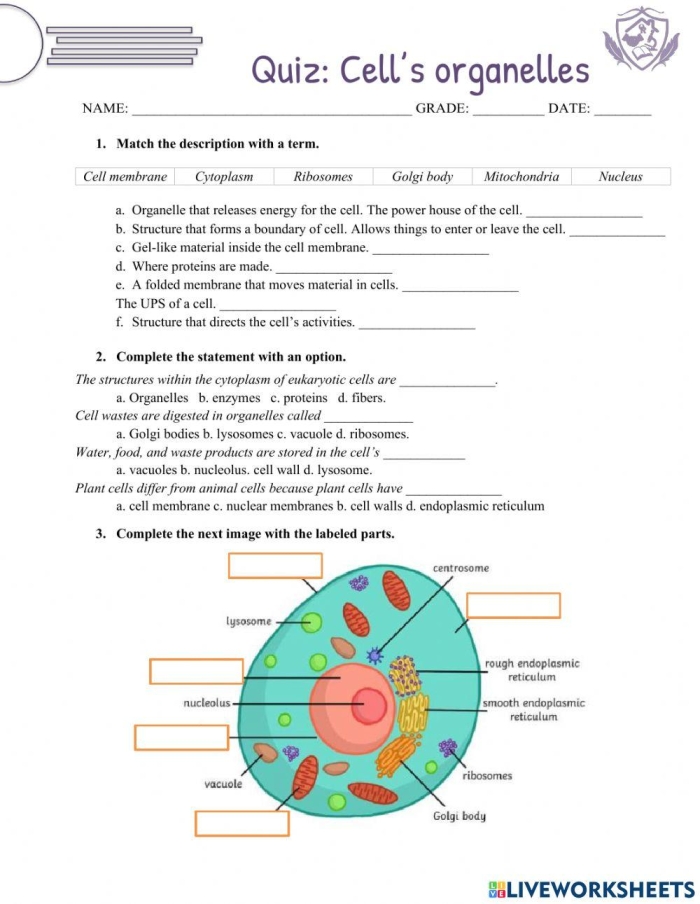
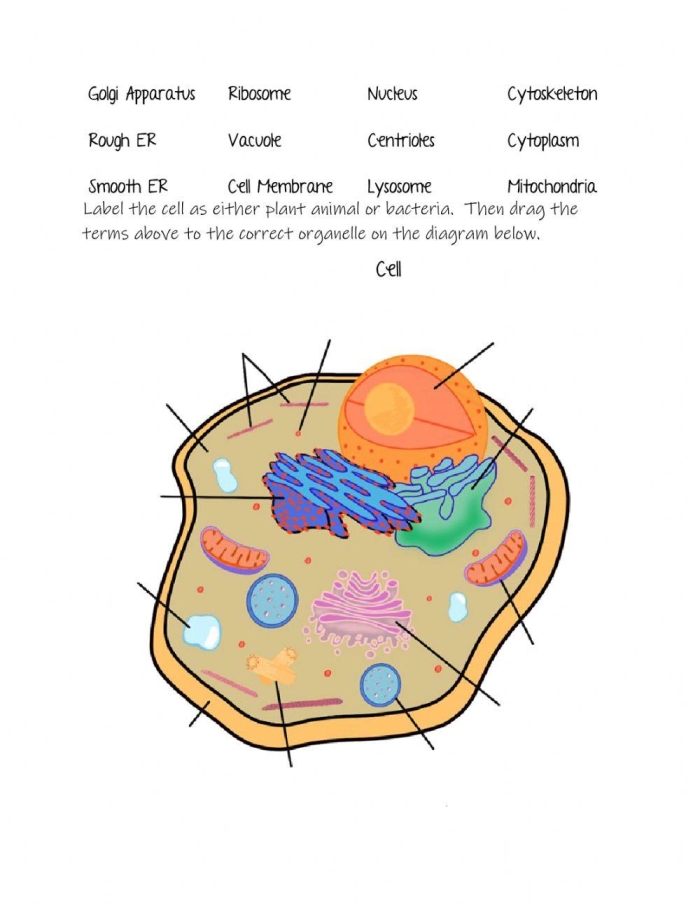
The strength of this approach lies in how it mirrors real scientific thinking. Rather than passively reading that mitochondria are the “powerhouse of the cell,” students research the process of cellular respiration and discover why that nickname exists. They examine the nucleus, endoplasmic reticulum, Golgi apparatus, and lysosomes not as isolated facts but as interconnected components with specific jobs. When a student traces how the rough endoplasmic reticulum works with the Golgi apparatus to process and package proteins, the cell transforms from a confusing diagram into a logical system.
For sixth grade writing assignments, this worksheet structure encourages students to explain complex processes in their own words. They practice scientific vocabulary while developing clarity and precision in communication. The research component means they’re not relying solely on their textbook. They consult multiple sources, evaluate information, and synthesize what they learn into coherent explanations.
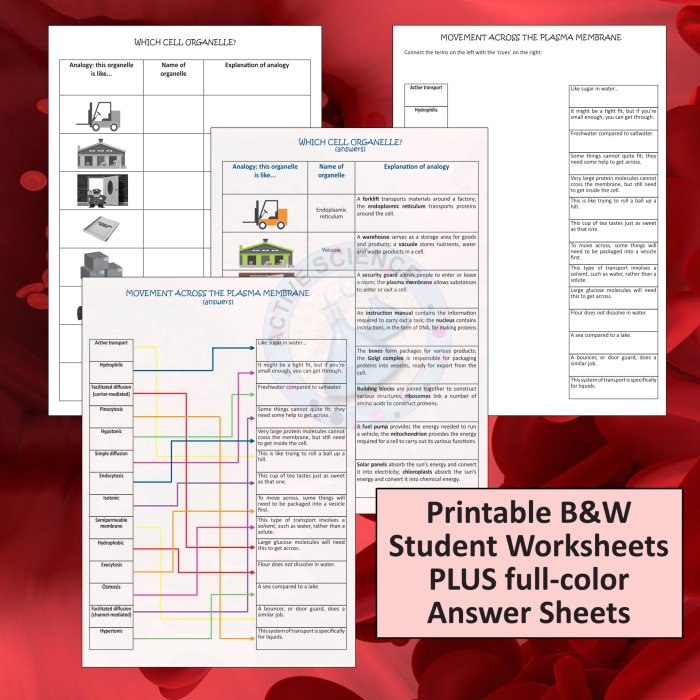
This hands-on investigation approach works particularly well when paired with other cell organelles writing worksheets that build on foundational knowledge. Students who engage with research-based assignments develop stronger retention and genuine curiosity about biology. They begin to see cells as dynamic, functioning entities rather than static diagrams to memorize for a test.
The practical value becomes clear when these same students later encounter more advanced biology concepts. They already understand the cellular basis for life processes, making photosynthesis, metabolism, and disease mechanisms far more comprehensible.
Printable Worksheets for Practice