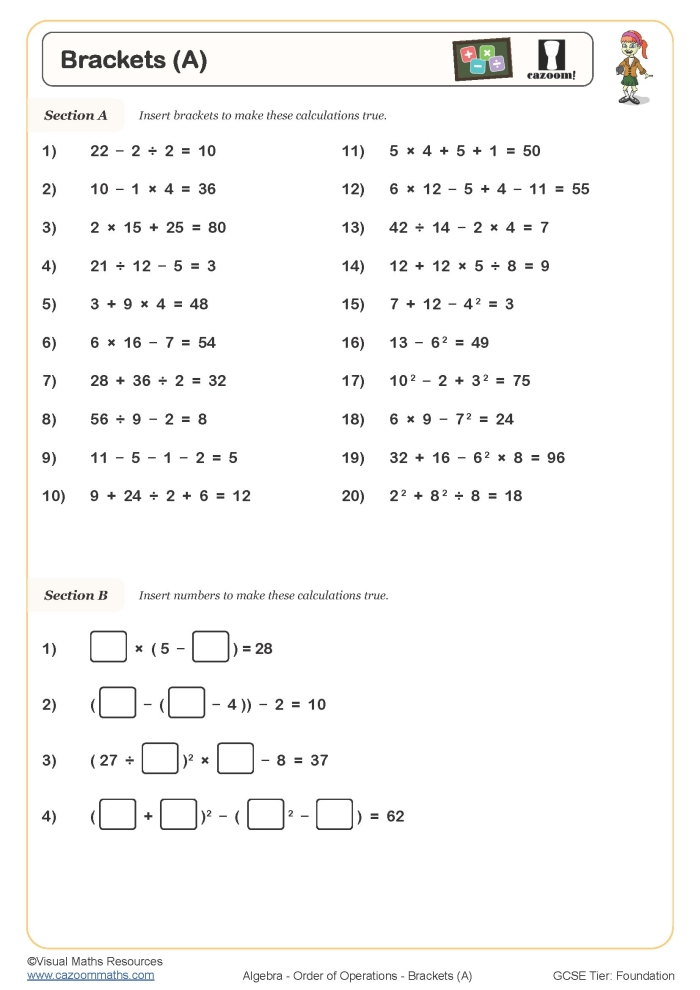
When seventh grade students first encounter equations with parentheses, many freeze. The symbols feel intimidating, and the order of operations suddenly matters in ways that weren’t obvious before. But here’s what I’ve found works: starting with division as your first move can actually make these problems feel manageable rather than overwhelming.
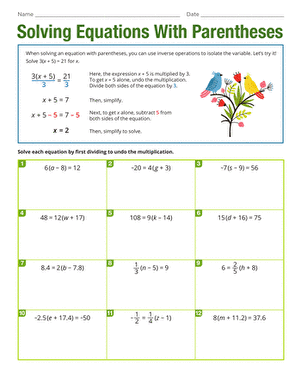
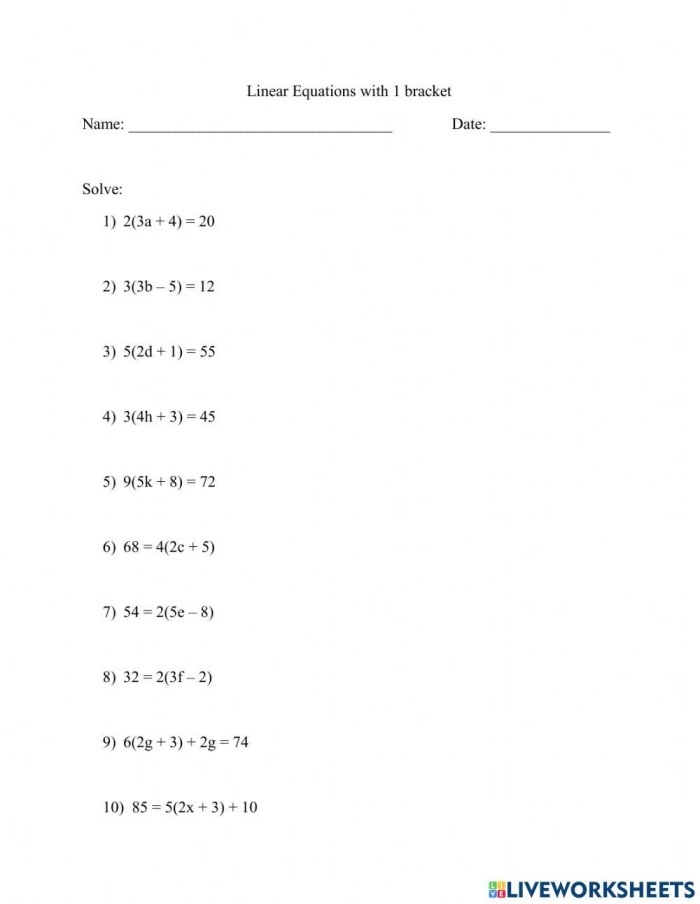
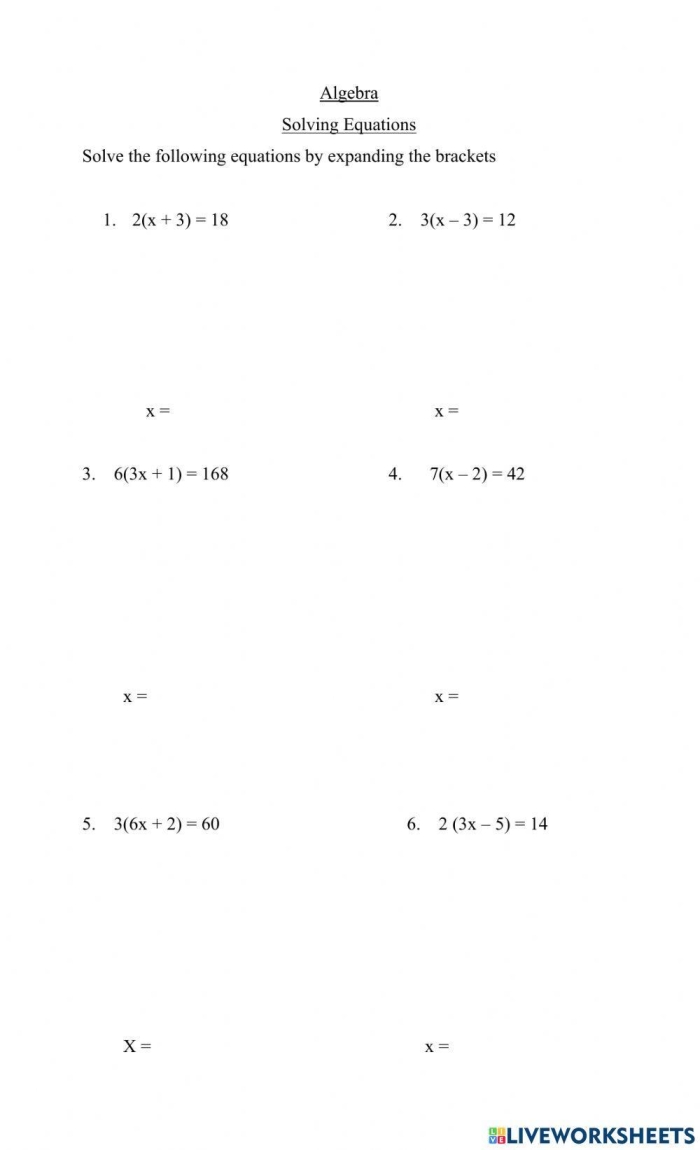
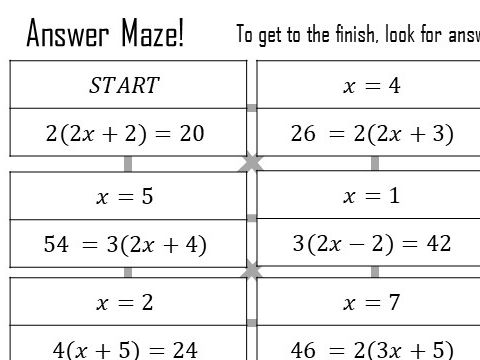
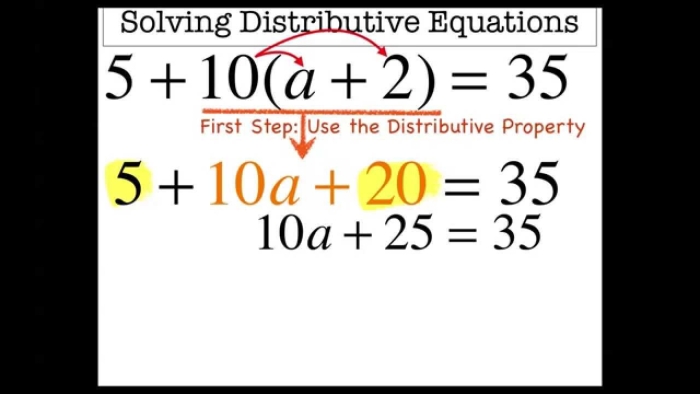
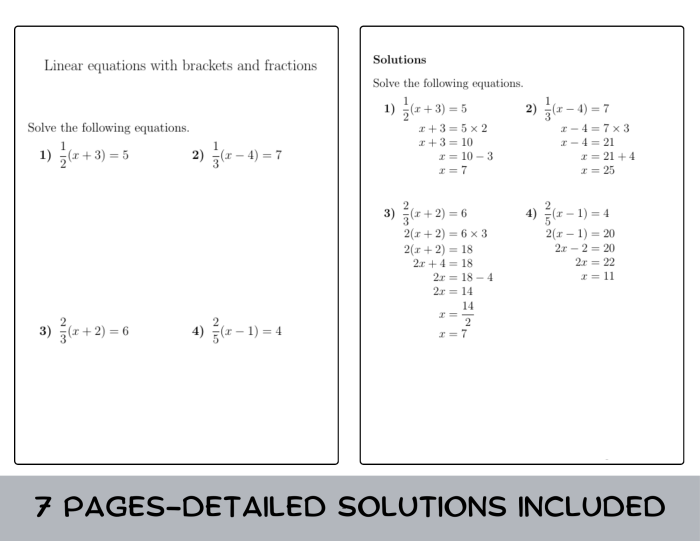
Most algebra worksheets ask students to distribute first, which makes sense mathematically but can create unnecessary complexity. When you reverse the approach and divide both sides of the equation by a coefficient before dealing with the parentheses, you’re reducing the mental load significantly. For example, with an equation like 3(x + 5) = 24, dividing both sides by 3 immediately gives you x + 5 = 8, which is far simpler to solve than expanding the left side first.
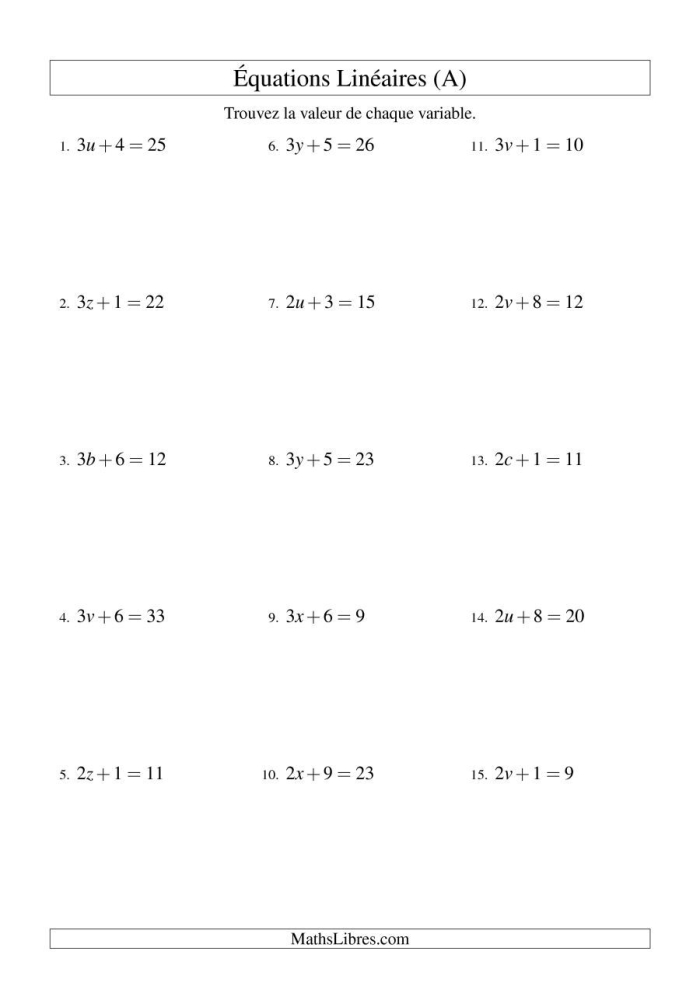
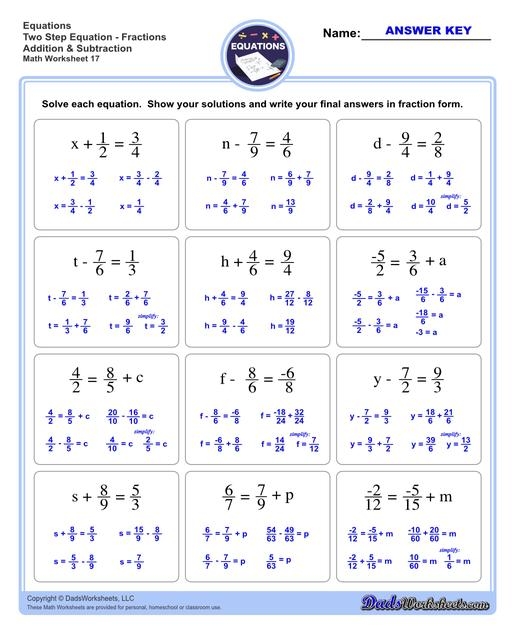
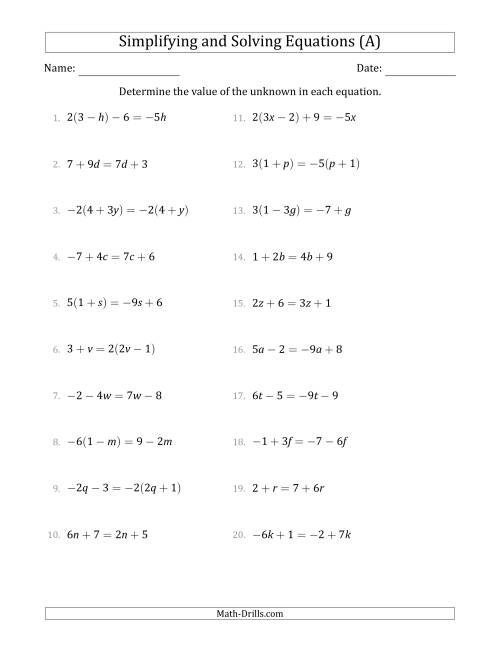
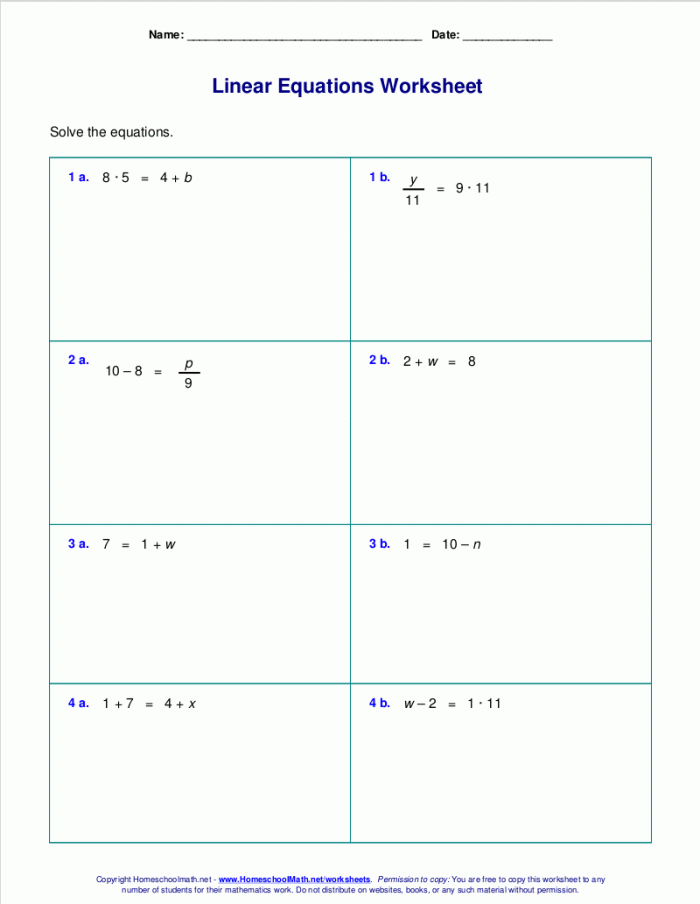
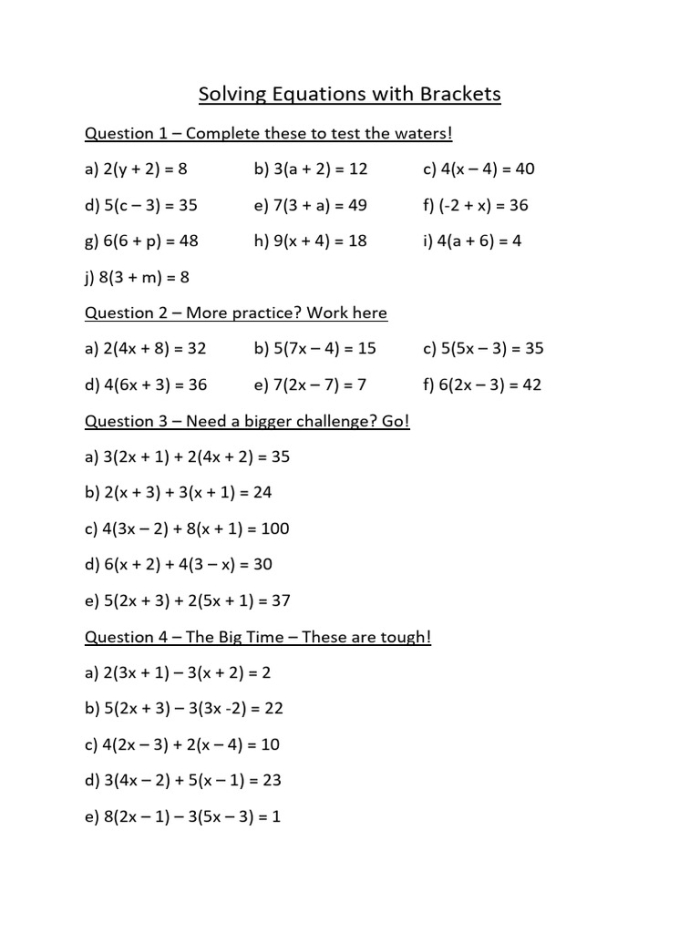
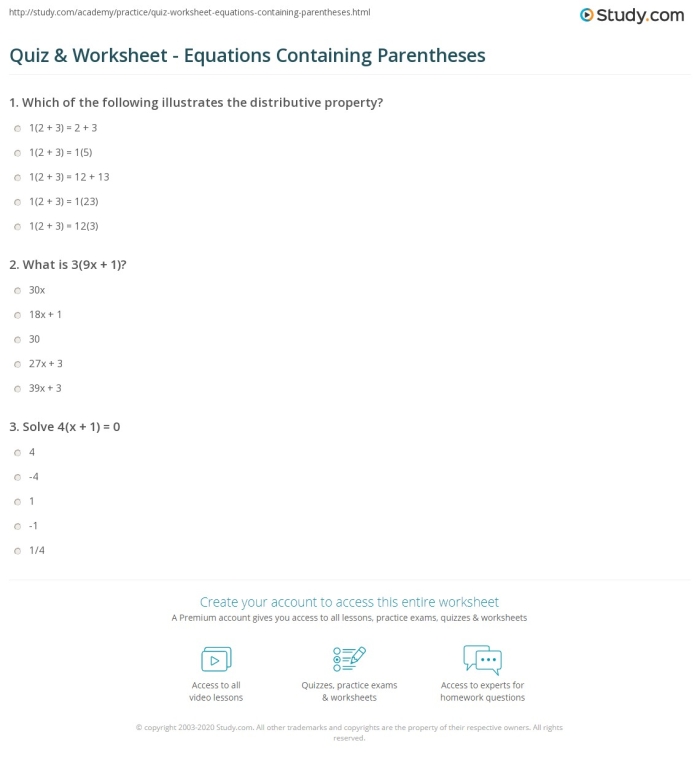
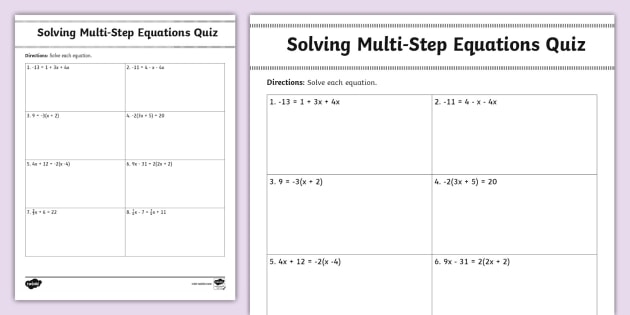
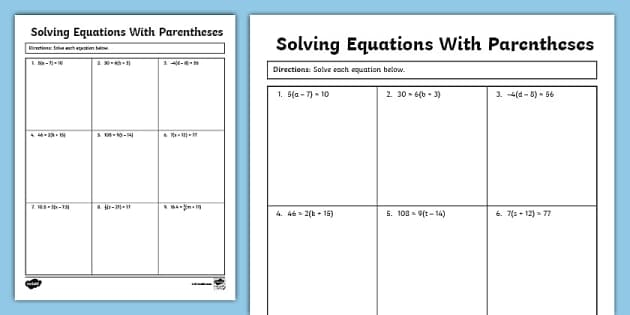
This one-page worksheet focuses specifically on that division-first strategy. Students work through problems where the parentheses contain a variable expression and a constant multiplied by that entire group. The format keeps everything on a single page, which means less flipping back and forth and more focused practice time.
The worksheet works well alongside other seventh grade math resources. If your students are also working on writing equations for proportional relationships from tables, they’ll recognize similar problem-solving patterns here. Both require understanding how operations interact with variables.
What makes this approach effective is that it builds confidence before complexity. Students see that they can handle parentheses without getting lost in multiple steps. Once they master division-first equations, the traditional distribution method becomes a choice rather than the only path forward. That flexibility in problem-solving is what seventh graders actually need to develop as they move into more advanced algebra.
Practice with These Worksheets