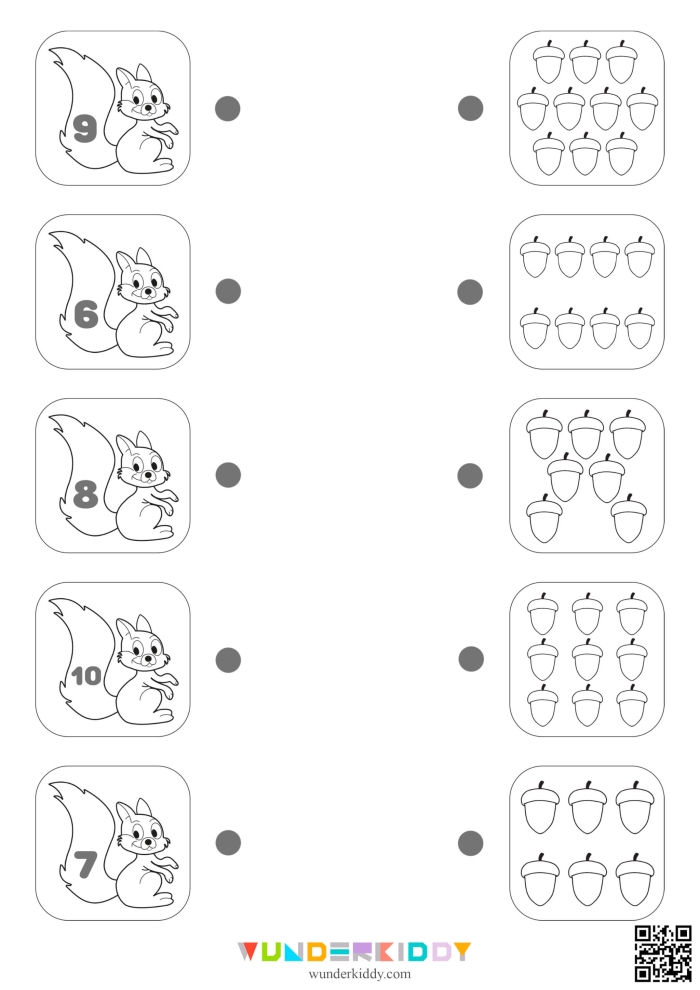
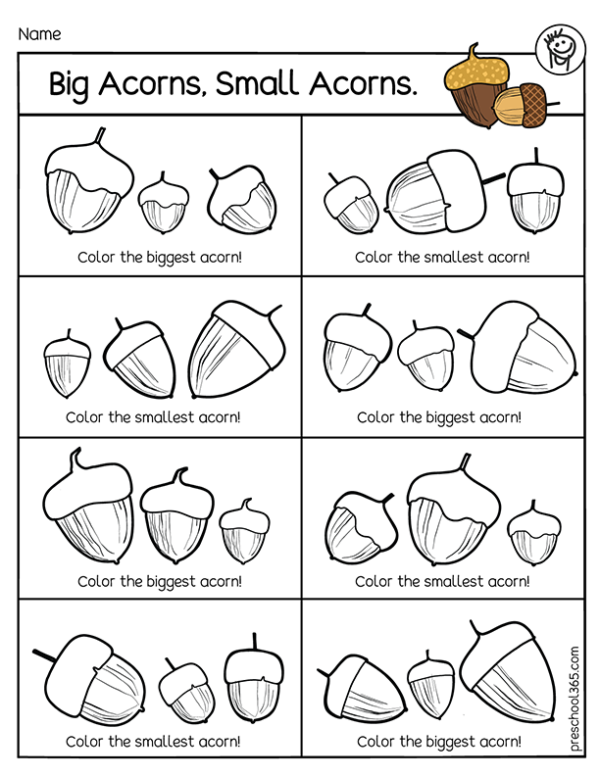
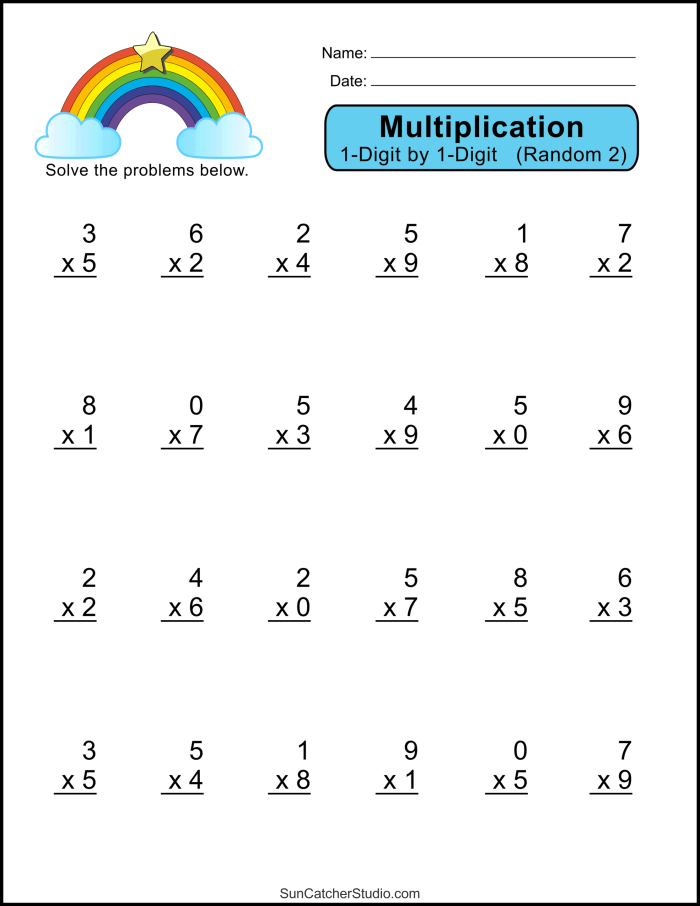
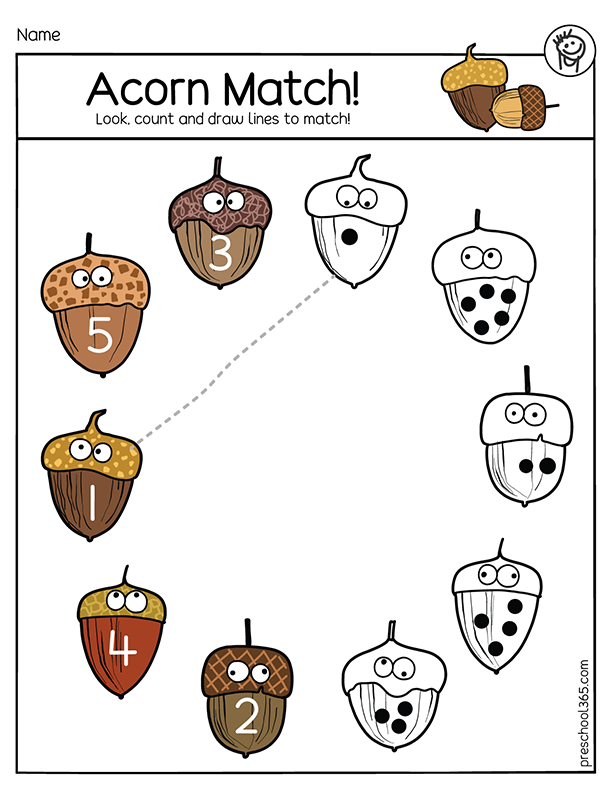
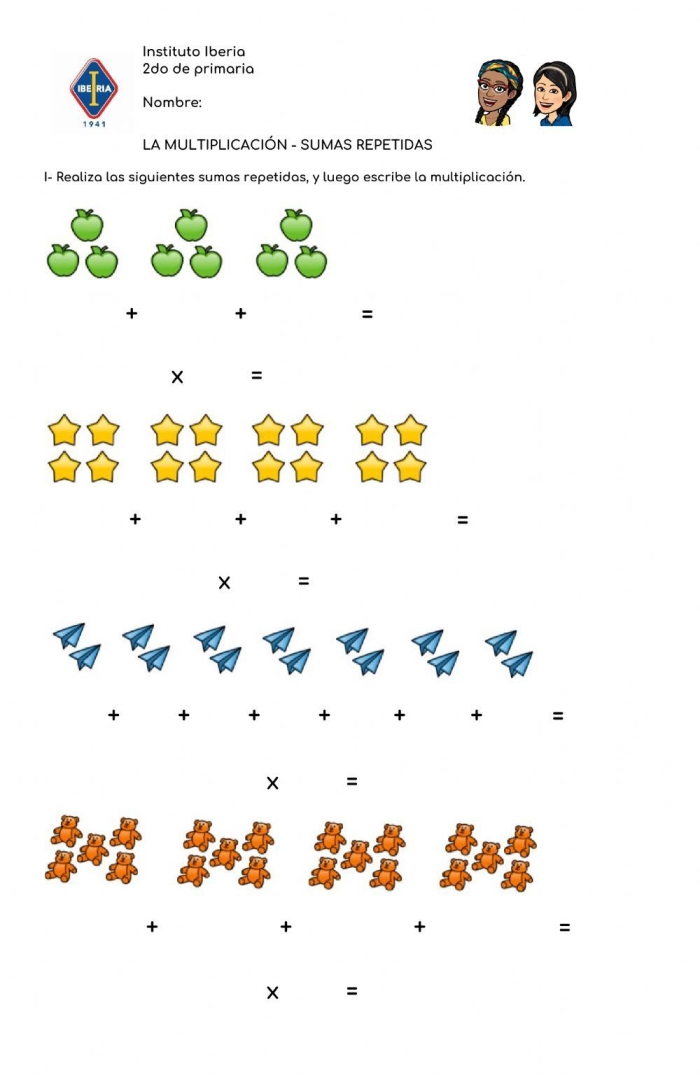
When third graders see acorns scattered across a worksheet, they’re looking at more than just autumn imagery. Those falling acorns represent a concrete way to understand how addition and multiplication work together, turning abstract number concepts into something they can visualize and count.
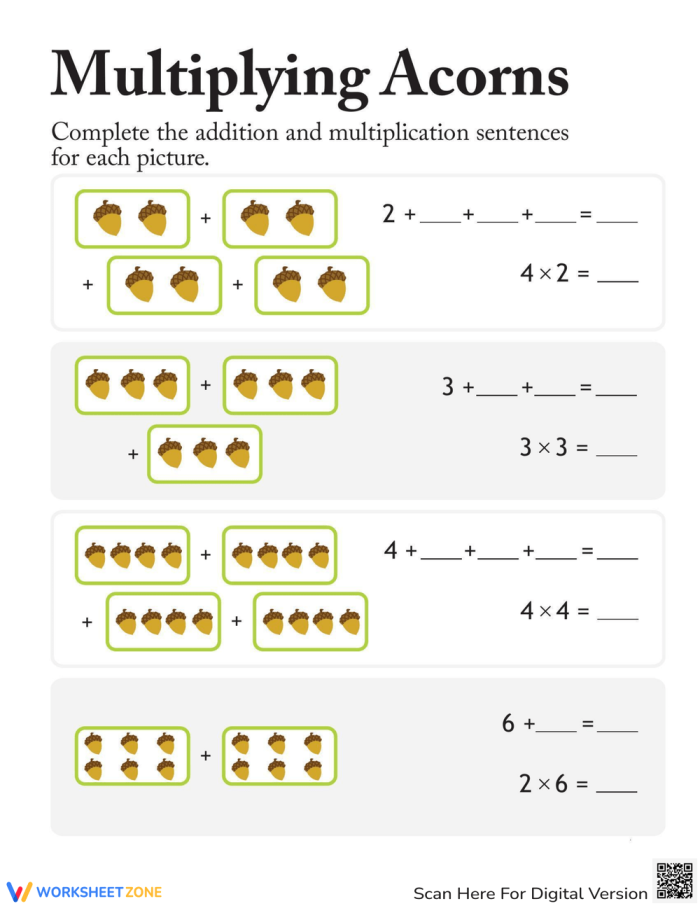
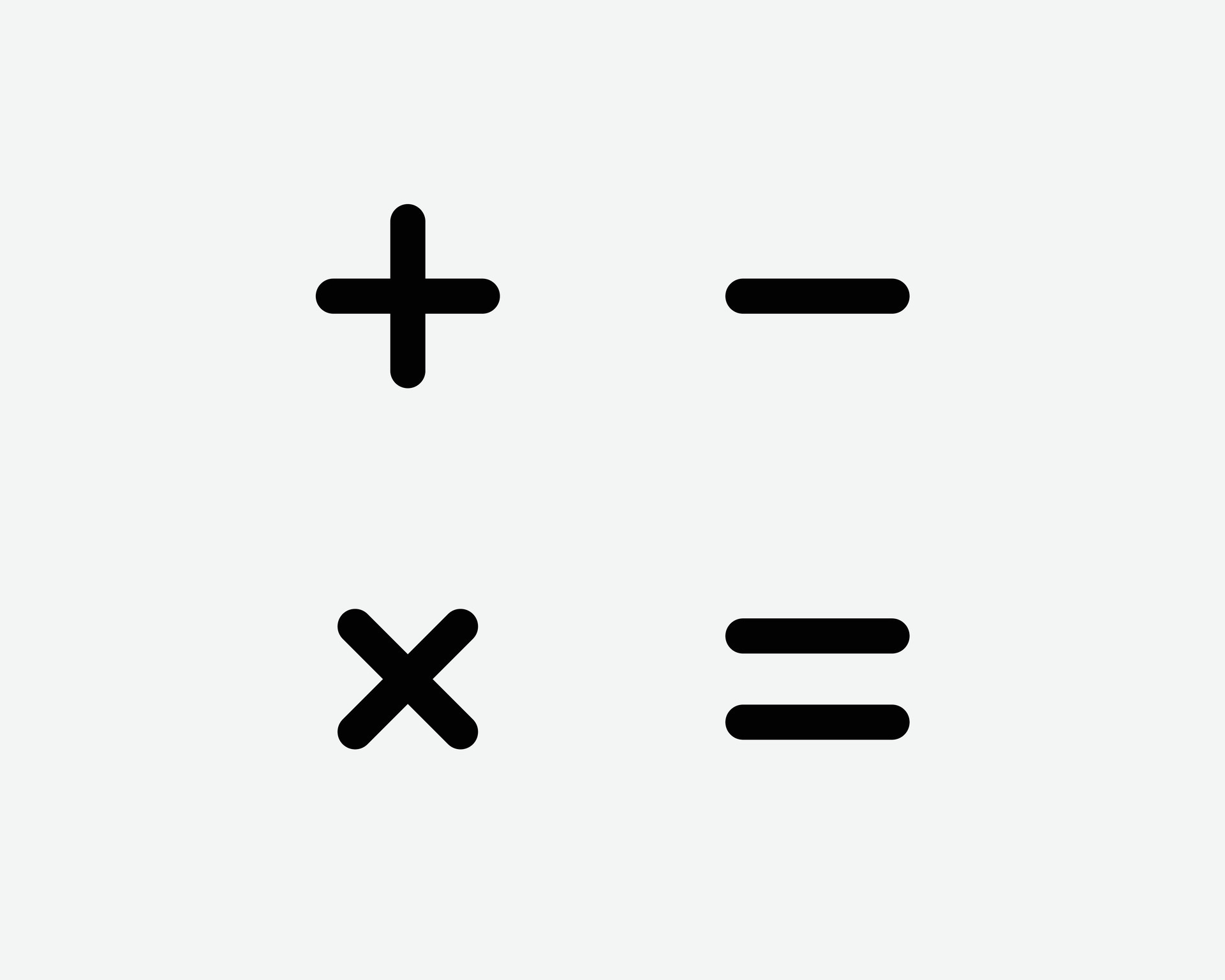
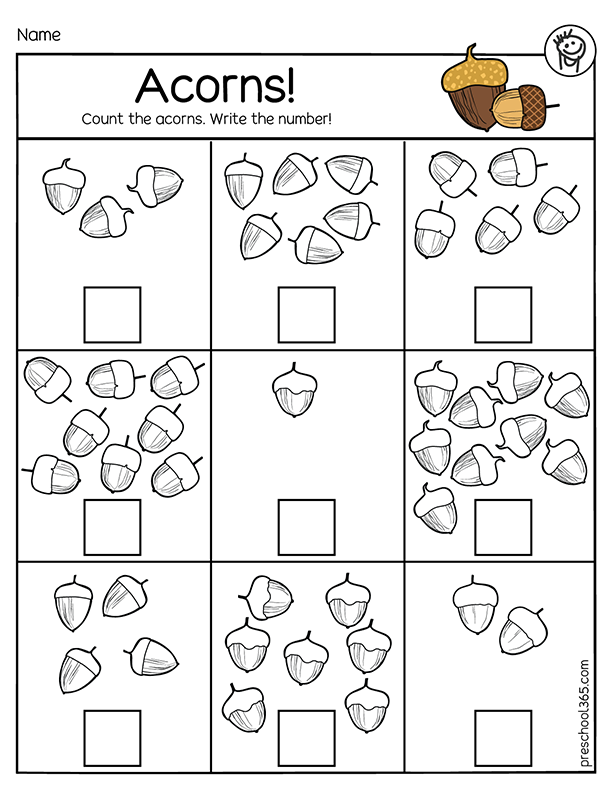
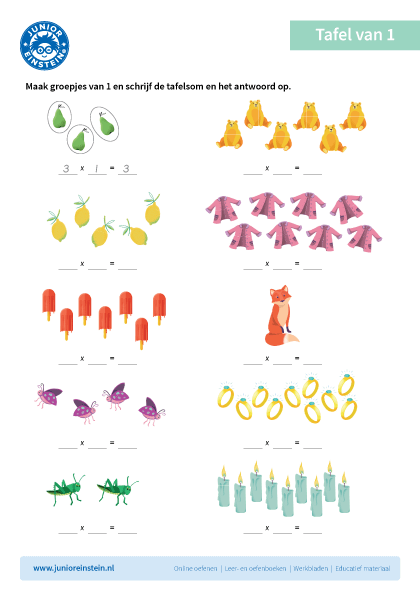
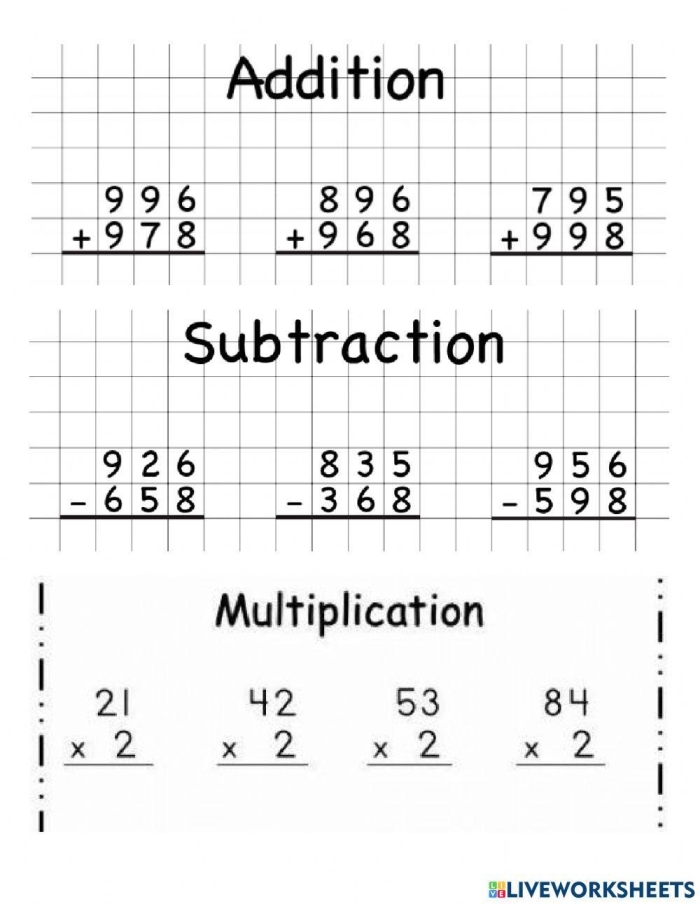
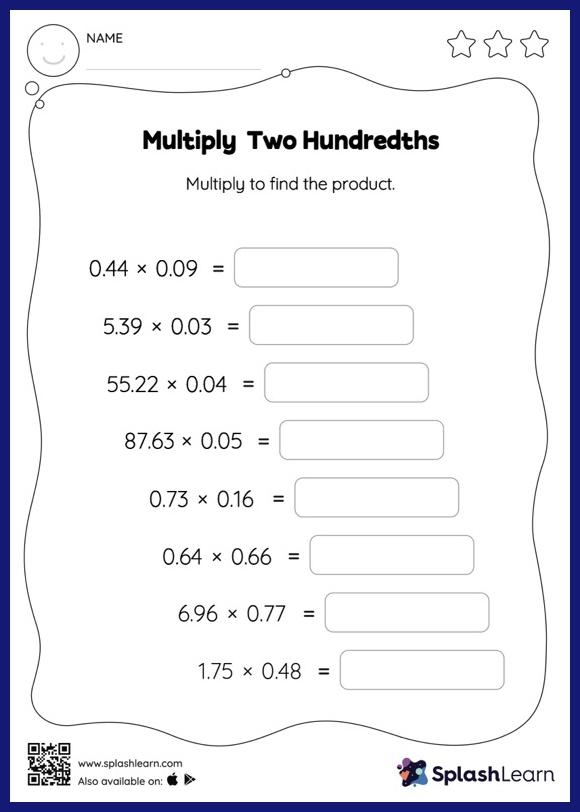
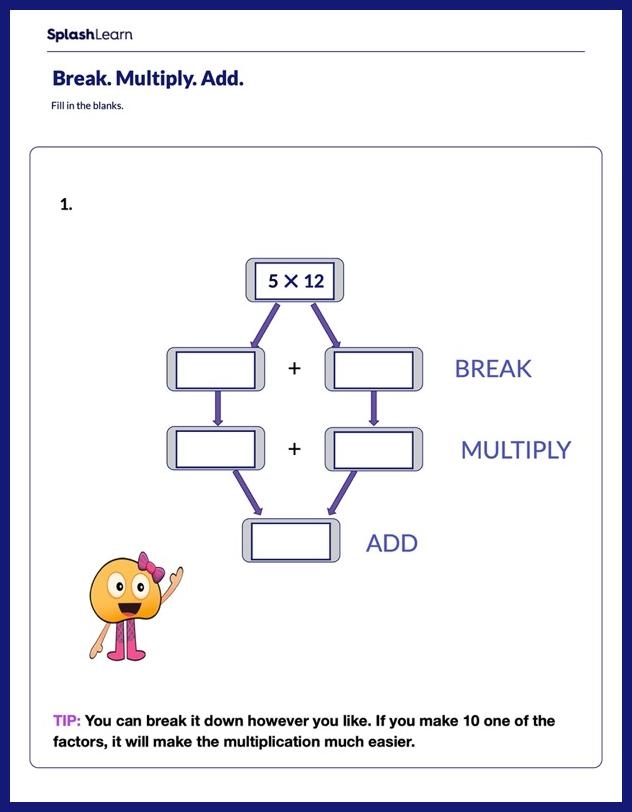
The acorn multiplication activity works by showing groups of acorns that students must first add together, then recognize as a multiplication problem. For example, if three groups of four acorns appear on the page, a child might count 4 + 4 + 4 = 12, then write the same answer as 3 × 4 = 12. This dual approach helps students see that multiplication is really repeated addition with a faster shortcut.
What makes this strategy effective for third grade learners is the visual anchor. Rather than staring at abstract numbers, students engage with a picture they can touch, count on their fingers, or mark off as they work. The acorn theme also creates a natural seasonal connection that keeps the math lesson from feeling isolated from the world around them.
The alphabet component appears through the structure of worksheet sets, where problems progress in difficulty or where letter labels organize different problem groups. This organizational method helps students track their progress and understand that math skills build sequentially, much like learning letters leads to reading words.
These worksheets serve a practical purpose in the classroom. Teachers use them to assess whether students understand that groups can be counted additively or multiplicatively. Parents working through these exercises at home get clear insight into whether their child grasps the relationship between these two operations.
If you’re looking for similar visual approaches to building number sense, worksheets featuring dinosaur fact families for alphabet practice offer another engaging way to combine thematic learning with foundational math concepts.
Boost Skills with These Worksheets