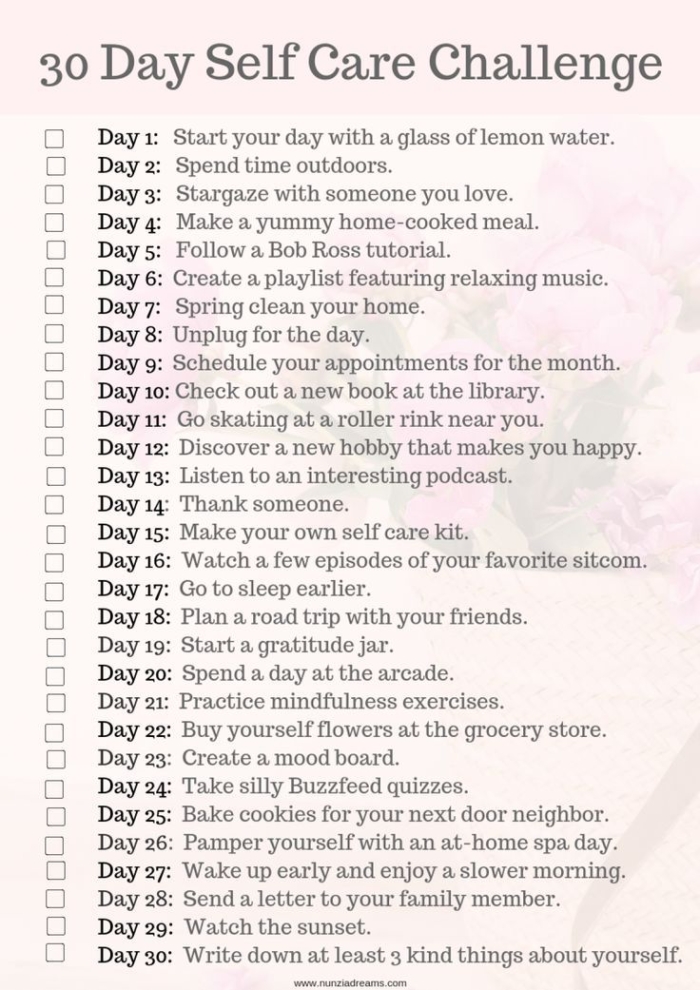
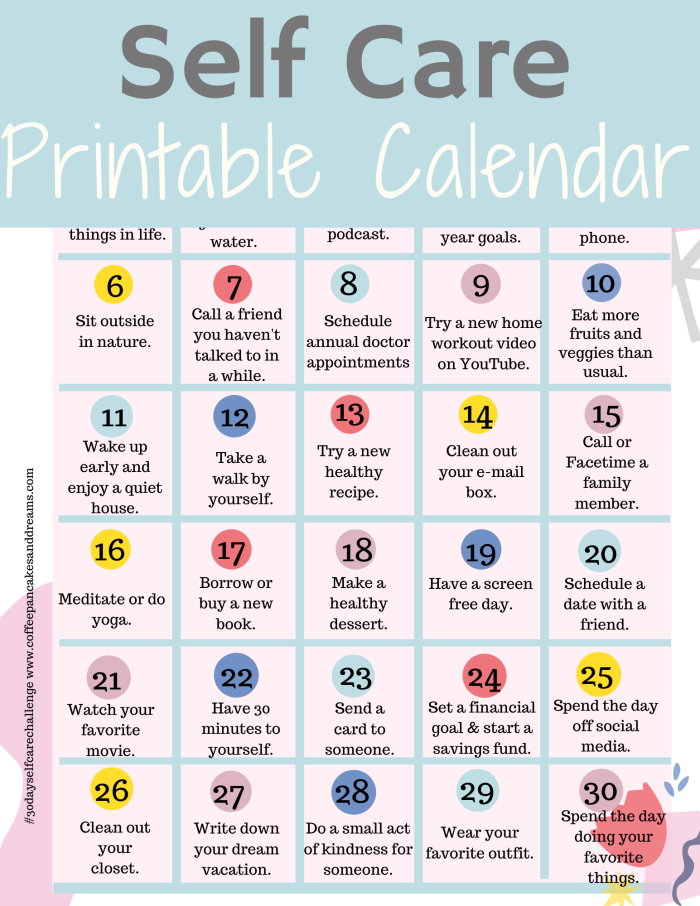
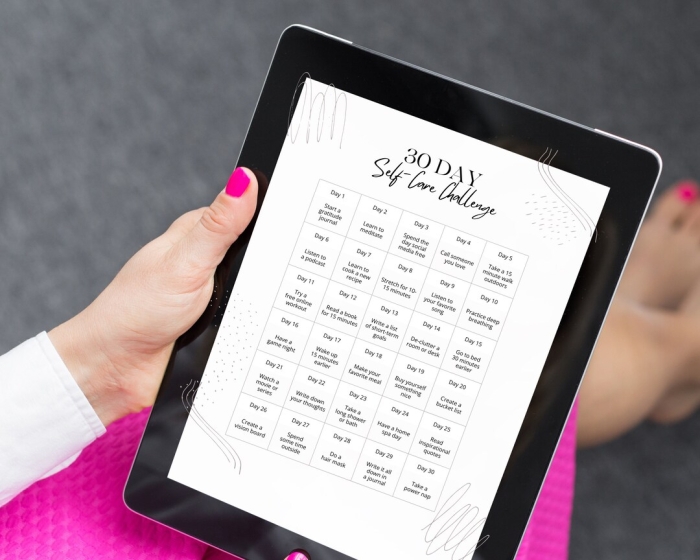
Building a self-care routine doesn’t require a complete life overhaul. What actually works is committing to small, consistent actions over 30 days until they stick naturally. This challenge approach transforms self-care from something you know you should do into something you actually do.
The beauty of a 30-day framework is that it matches how habits form in your brain. Research from habit formation studies suggests that around 30 days is when repetitive actions start feeling automatic rather than forced. By day 15, you’ll notice you’re reaching for these habits without thinking about them as much. By day 30, they’re genuinely part of your routine.
For sixth graders and their parents, self-care during these years matters more than people realize. This age brings physical changes, academic pressure, and social navigation that can feel overwhelming. A structured challenge gives young people permission to prioritize their own wellbeing without guilt. Whether it’s drinking water consistently, moving your body, getting better sleep, or managing stress through breathing exercises, each day builds on the last.
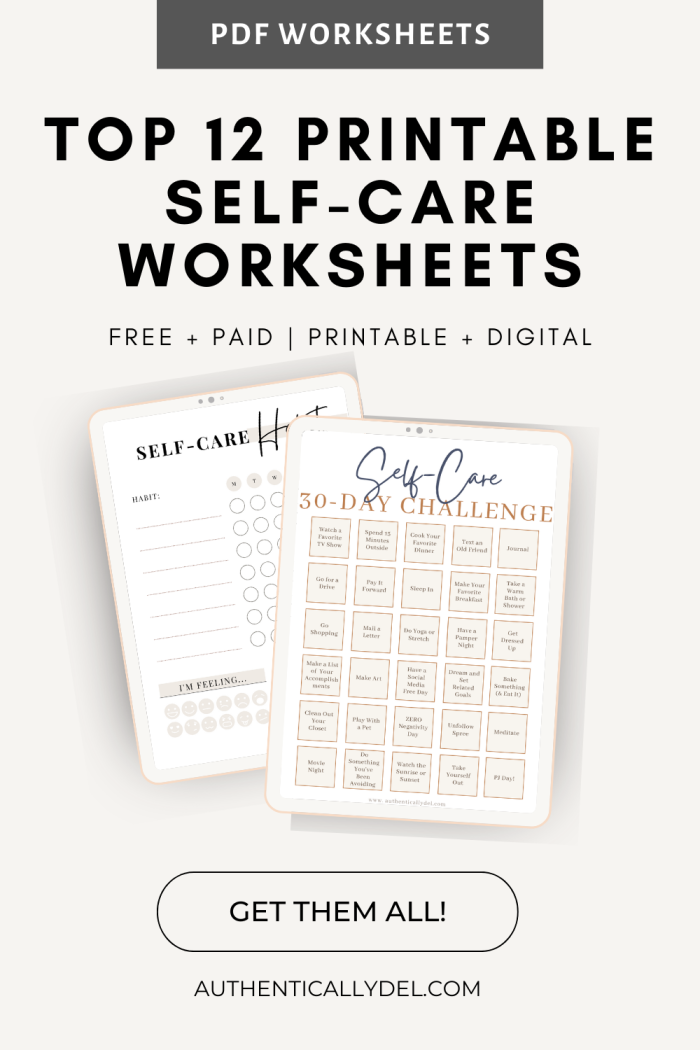
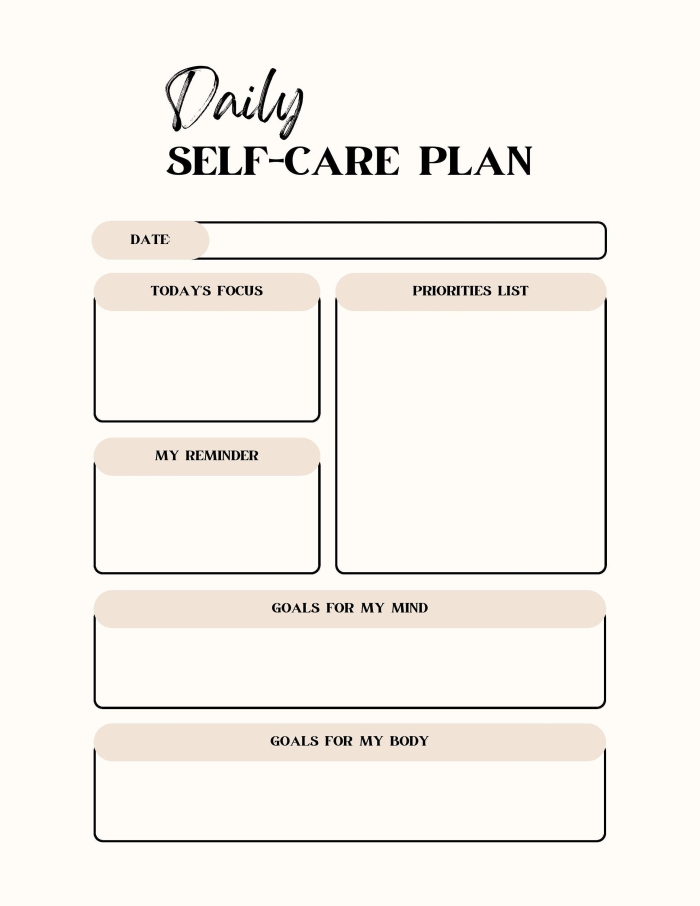
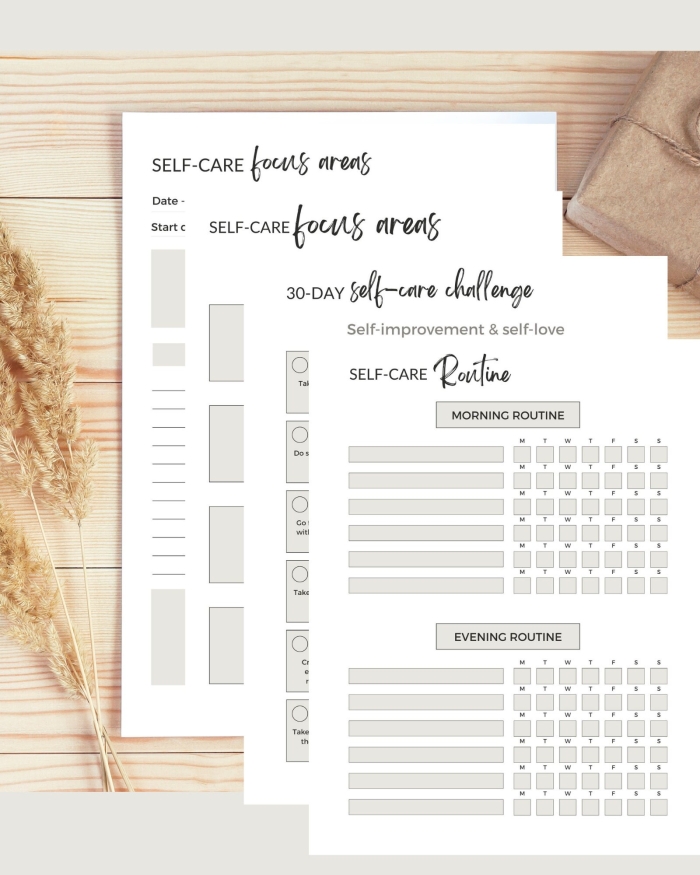
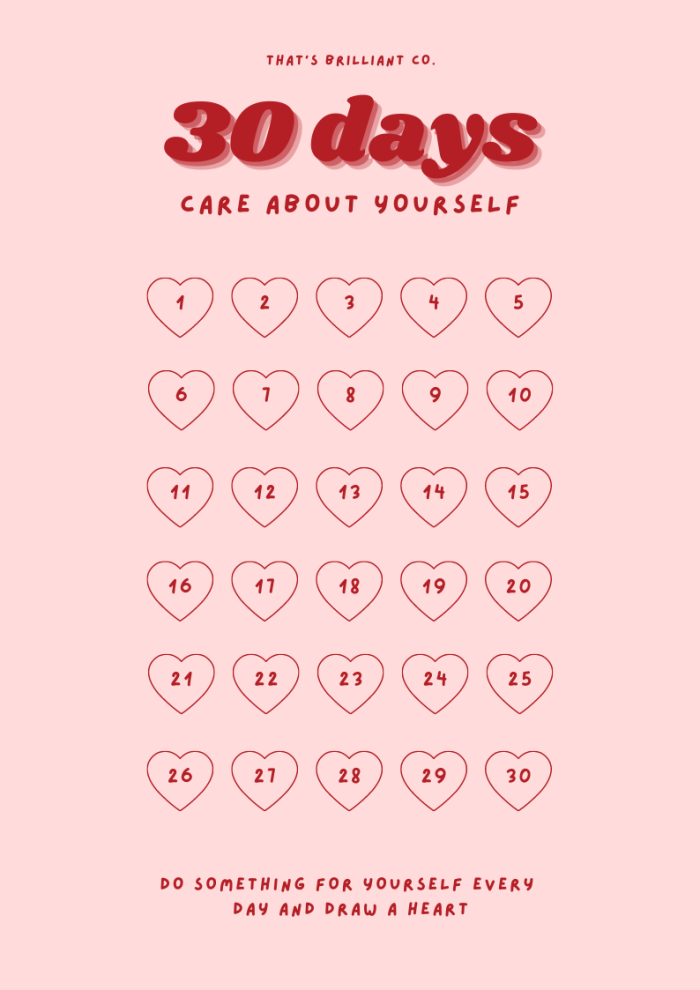
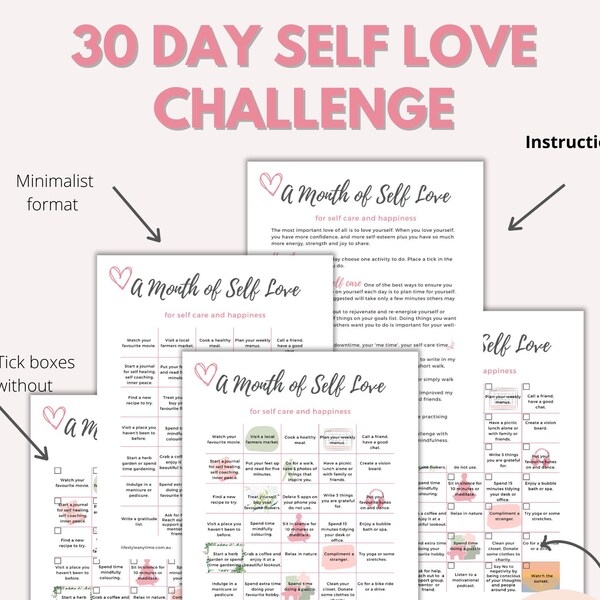
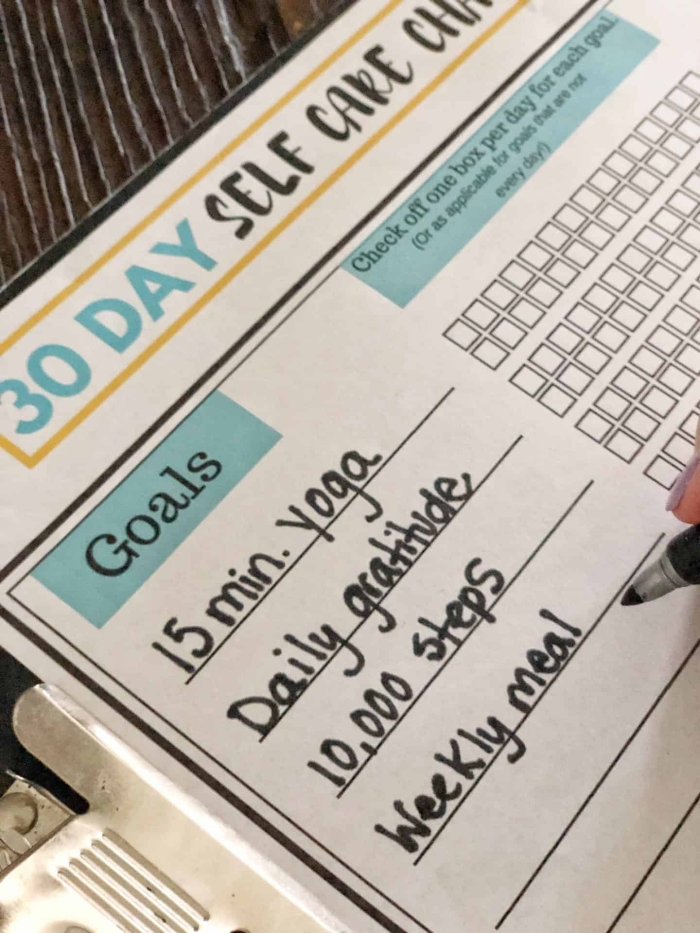
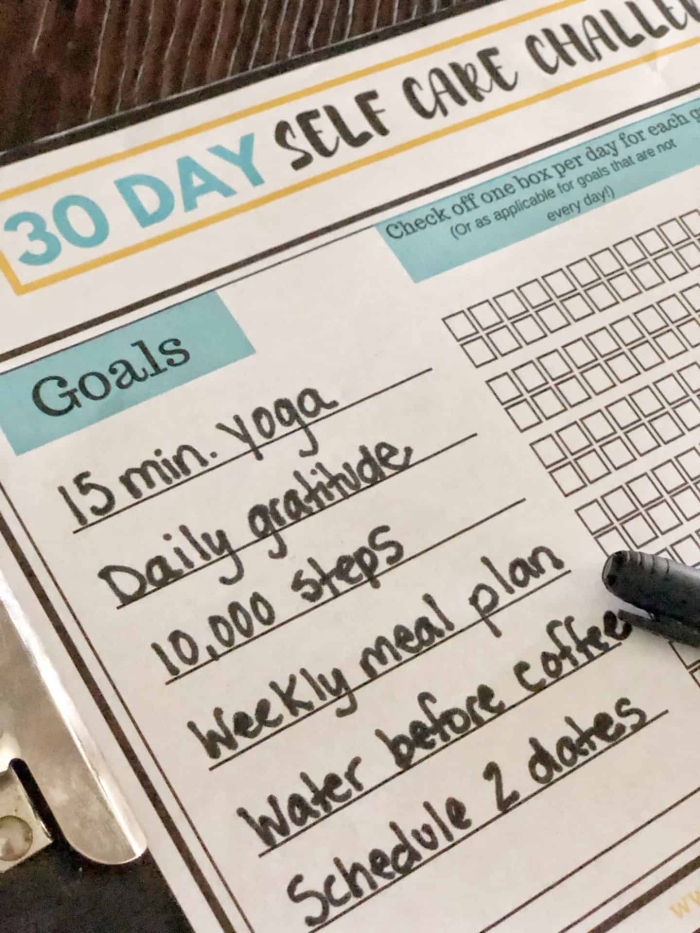
The challenge works best when you track progress visually. Many students find that using tracking sheets similar to ratio tables helps them see patterns in what they’re doing. This same principle of visual progress tracking applies whether you’re monitoring earth and space science concepts or personal wellness habits.
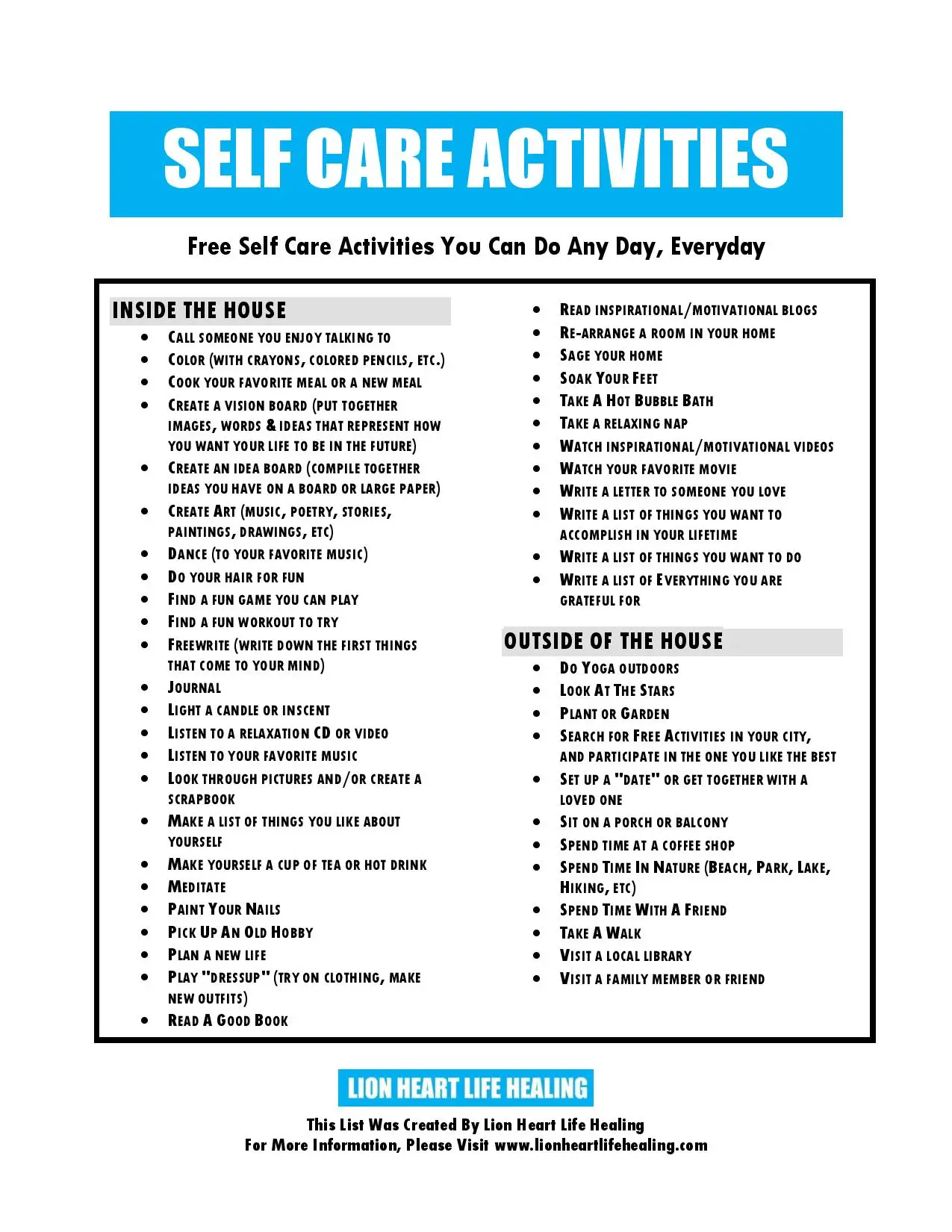
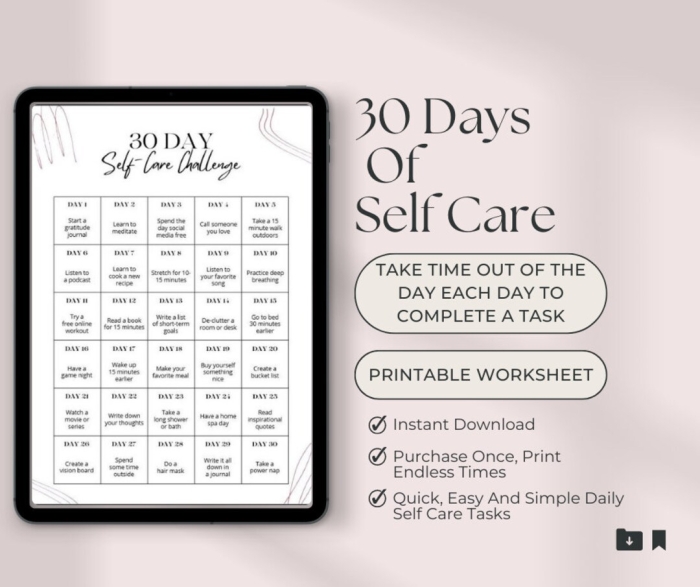
Start with three to five self-care actions you’ll repeat daily. Keep them realistic: a 10-minute walk, drinking eight glasses of water, stretching before bed, or journaling for five minutes. The specificity matters. Vague goals like “be healthier” fail. Clear actions like “stretch for five minutes after breakfast” succeed.
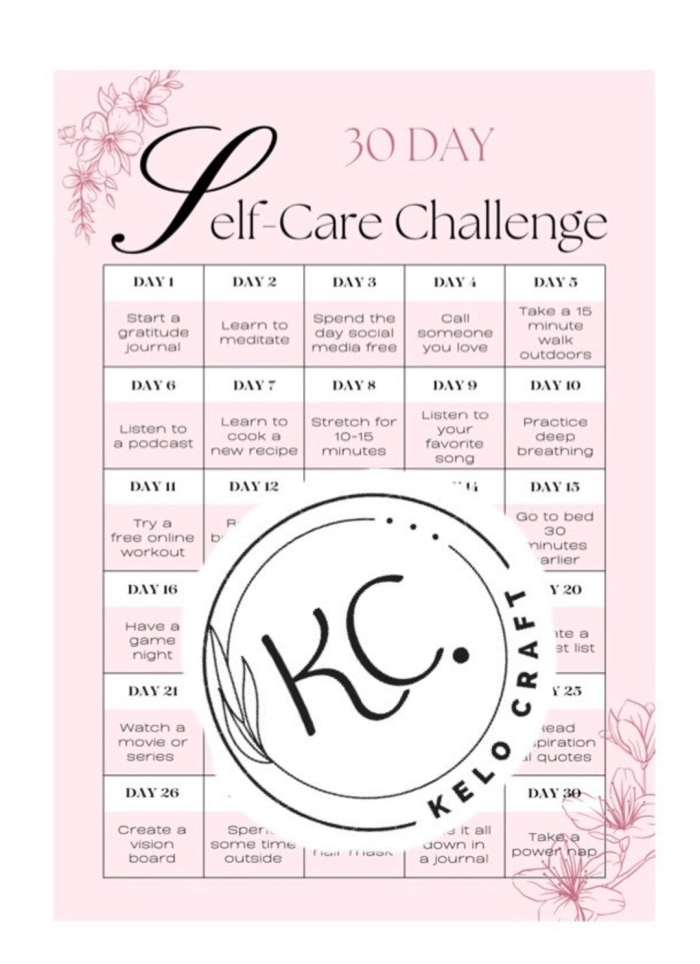
Day one feels easy. Days 7 through 12 get harder when novelty wears off. Push through anyway. By day 20, momentum carries you. On day 30, you won’t want to stop because these habits finally feel like yours.
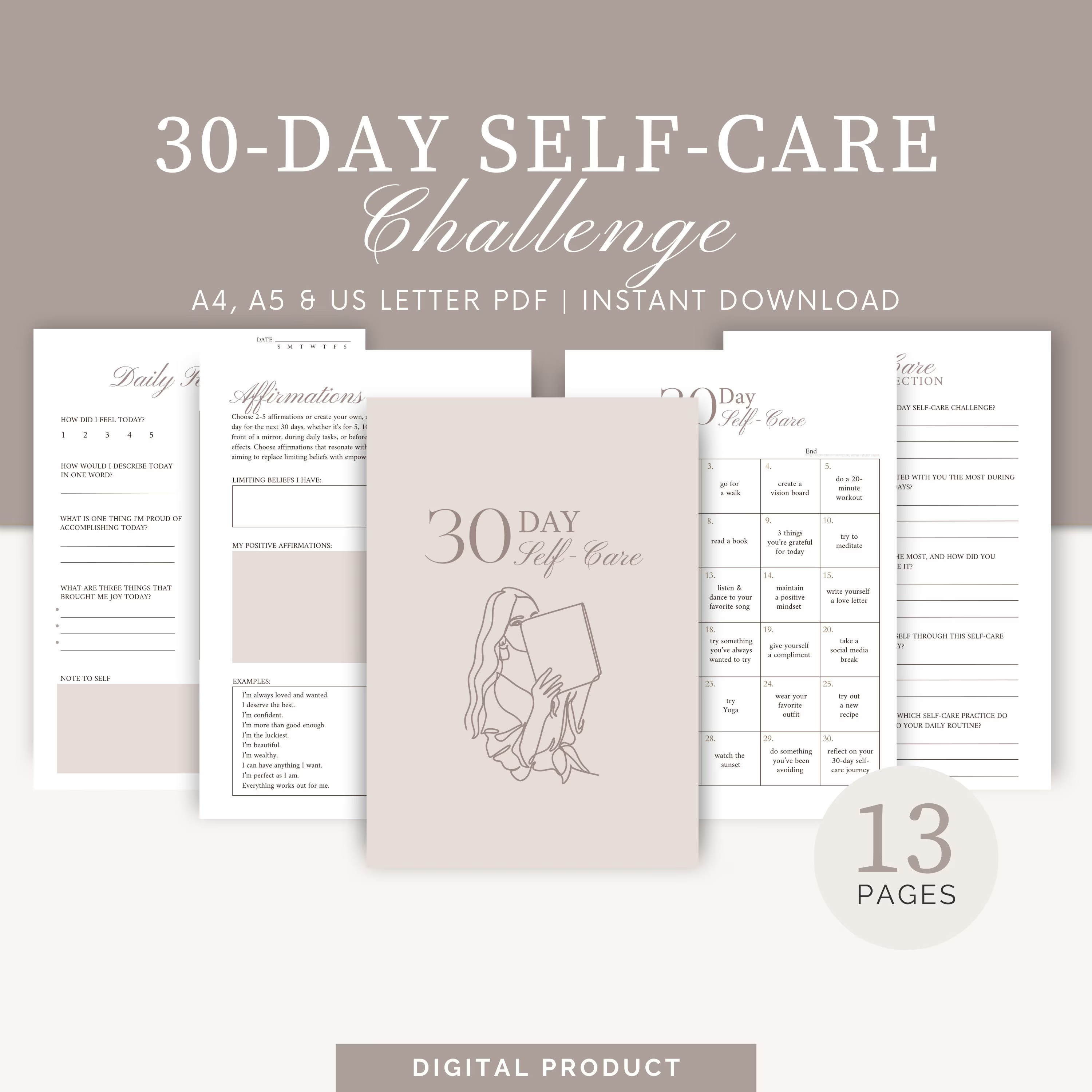
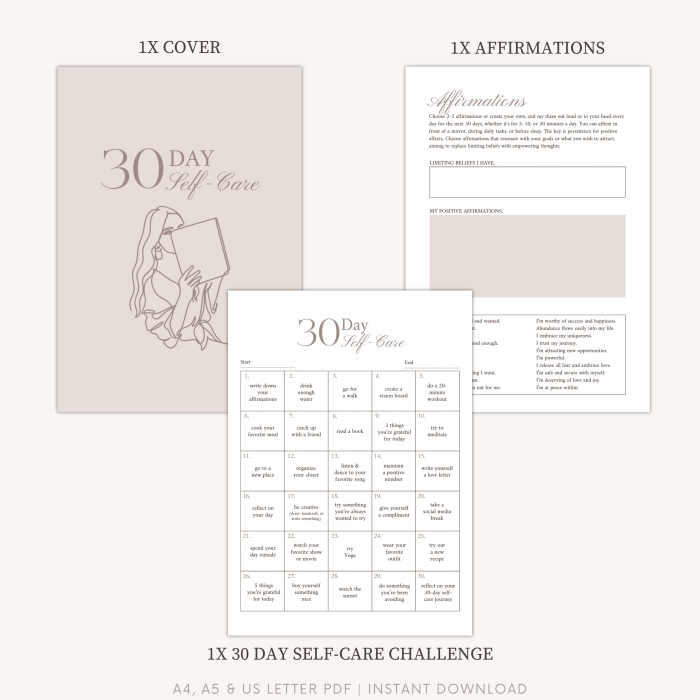
Printable Worksheets for Practice