Your backbone is one of the most important parts of your body, and it’s something you share with millions of other animals on Earth. Not every creature has one, though, and understanding the difference between animals with spines and those without is one of the coolest discoveries you can make in second grade science.
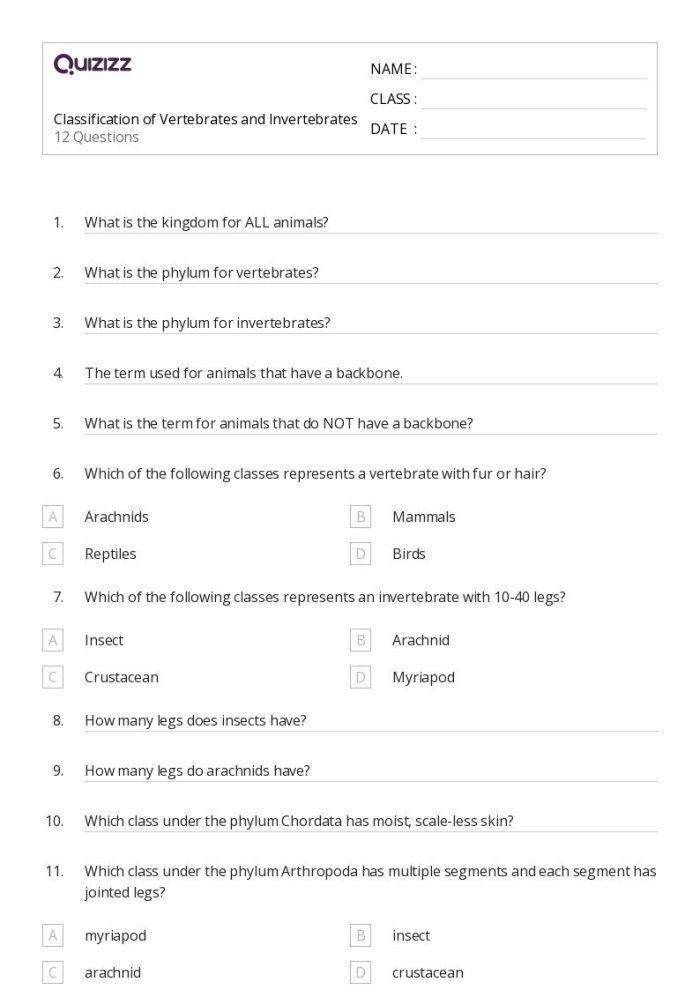
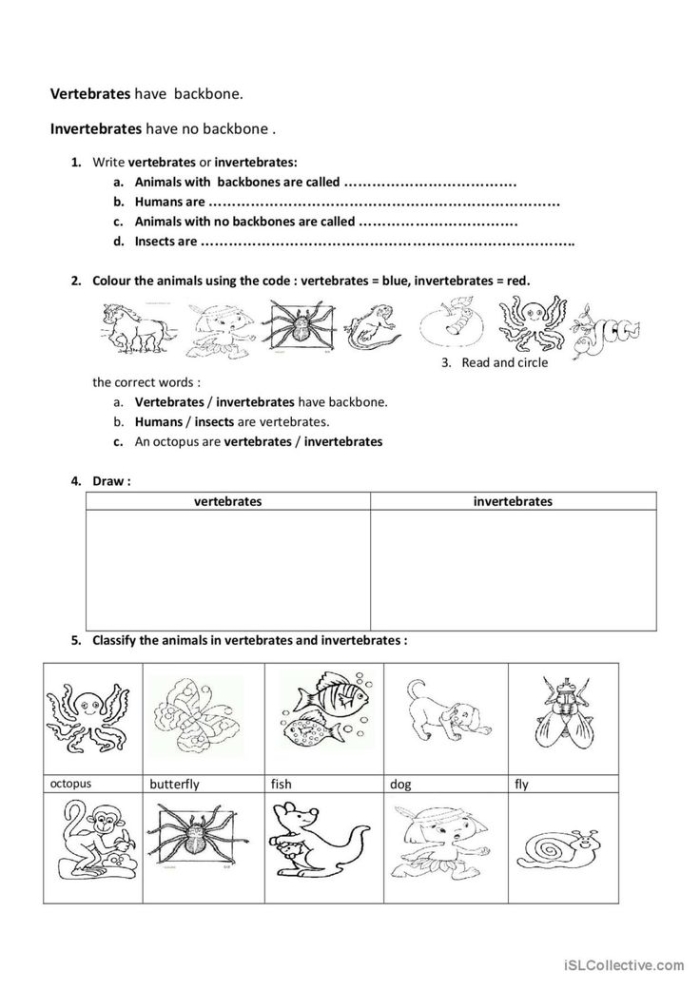
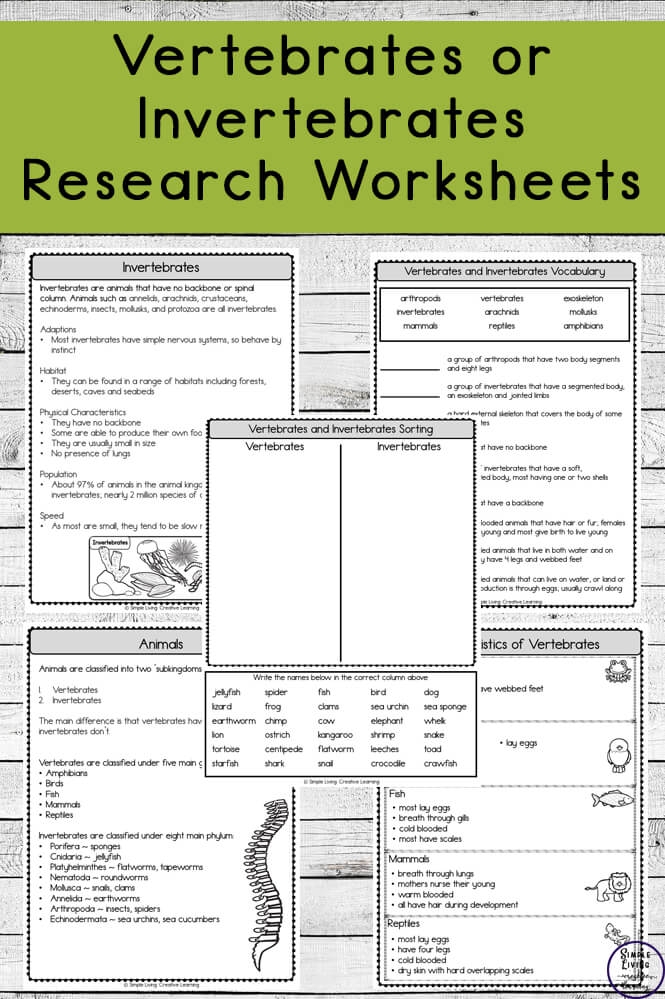
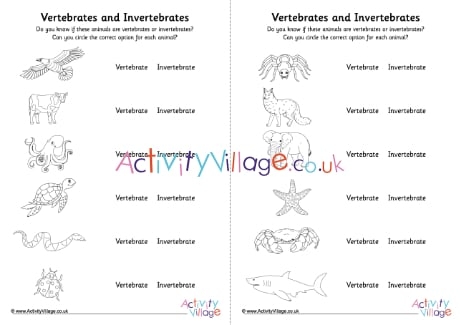
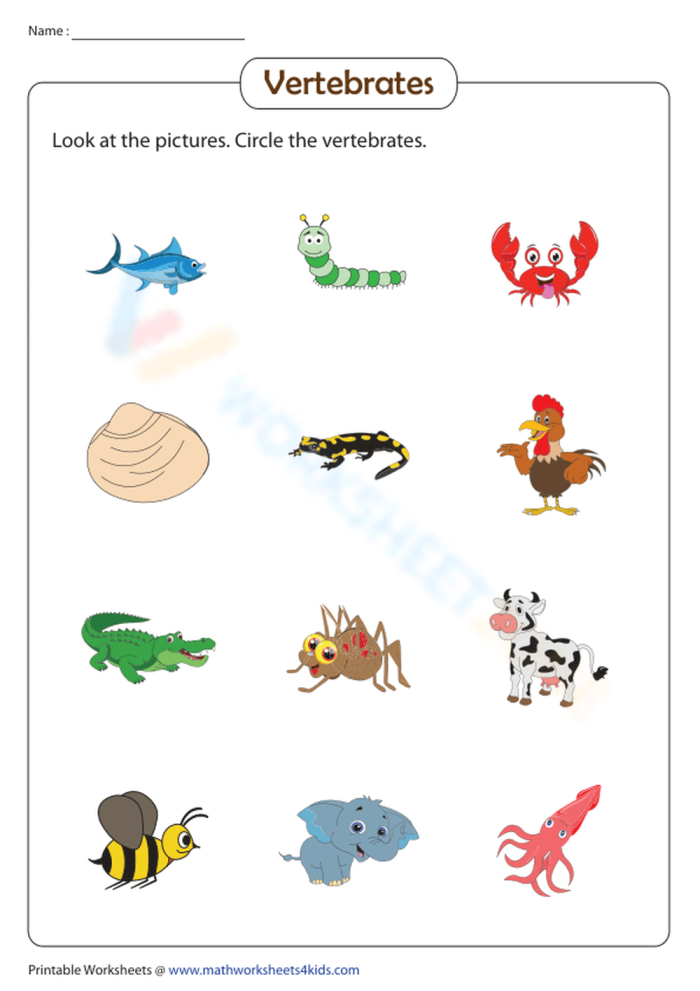
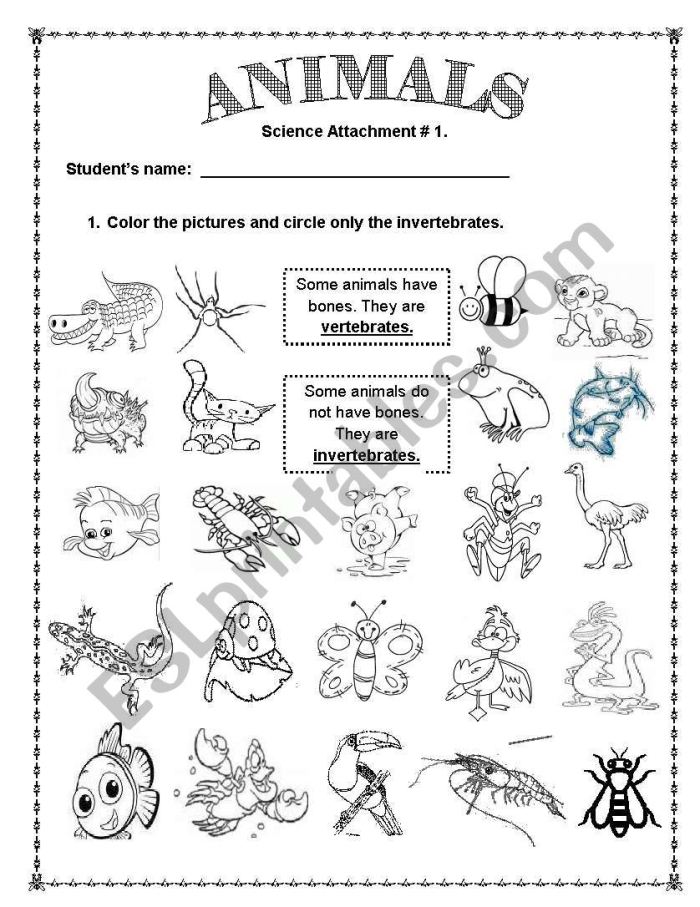
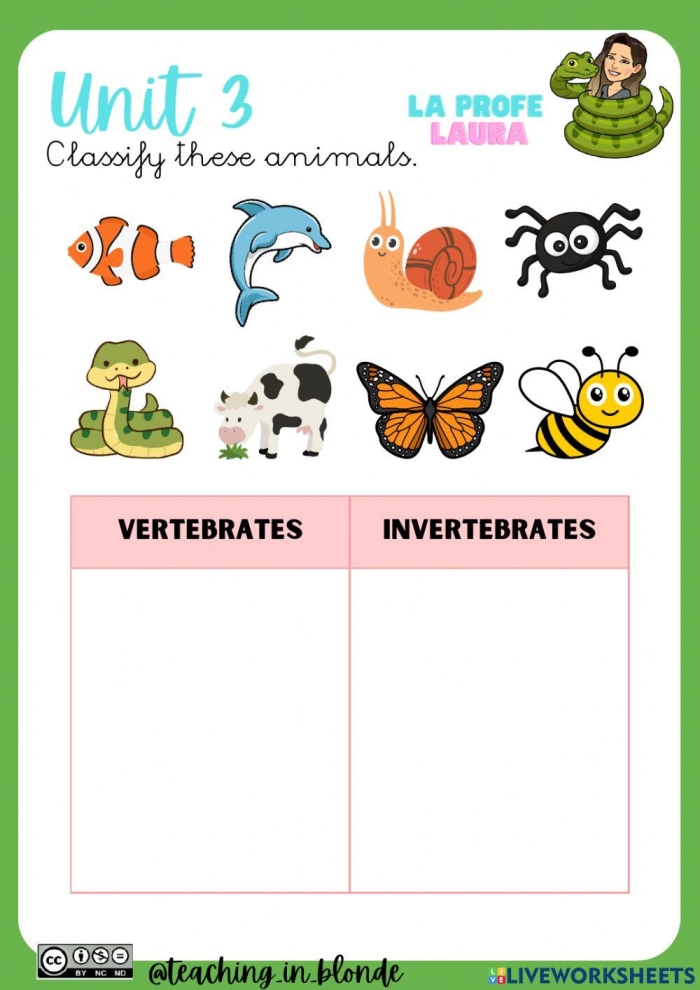
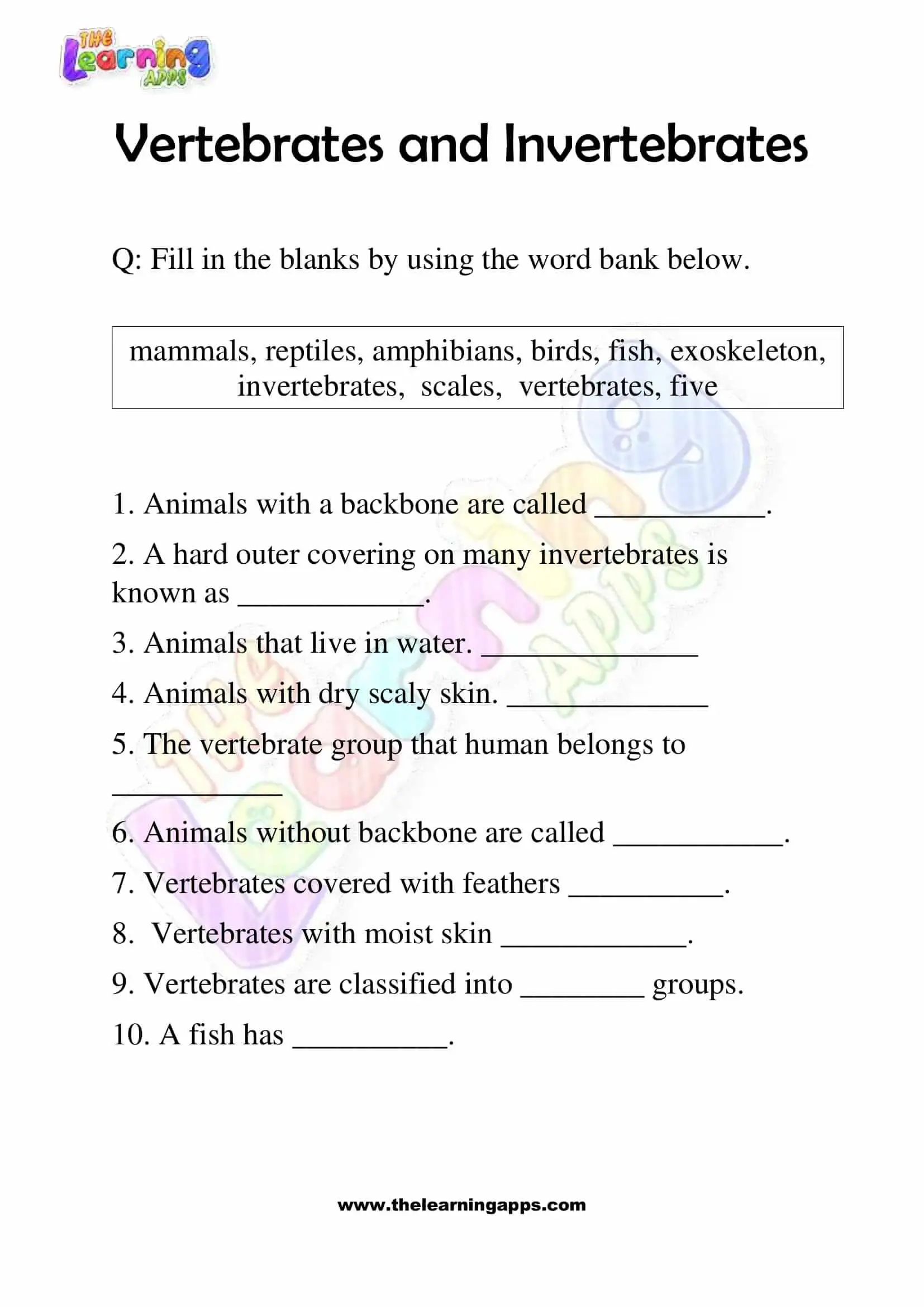
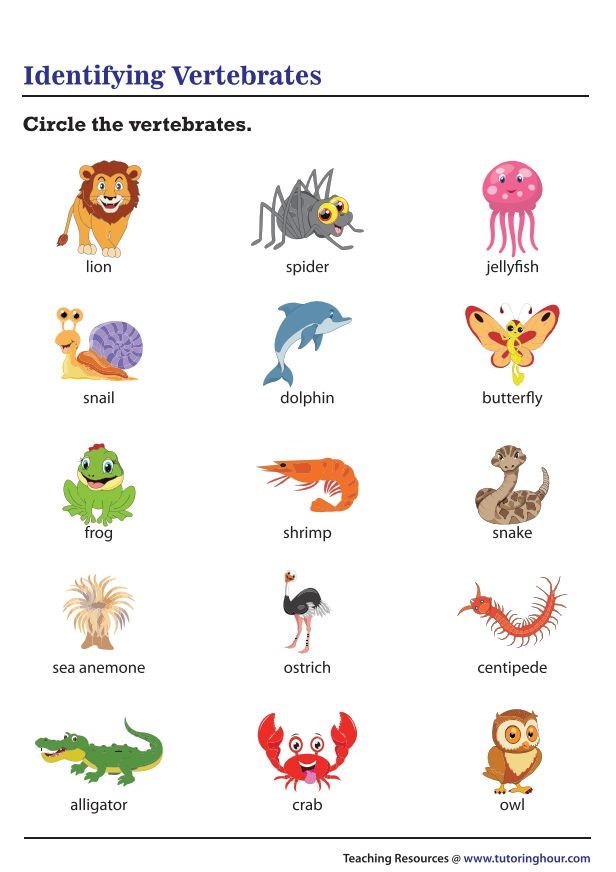
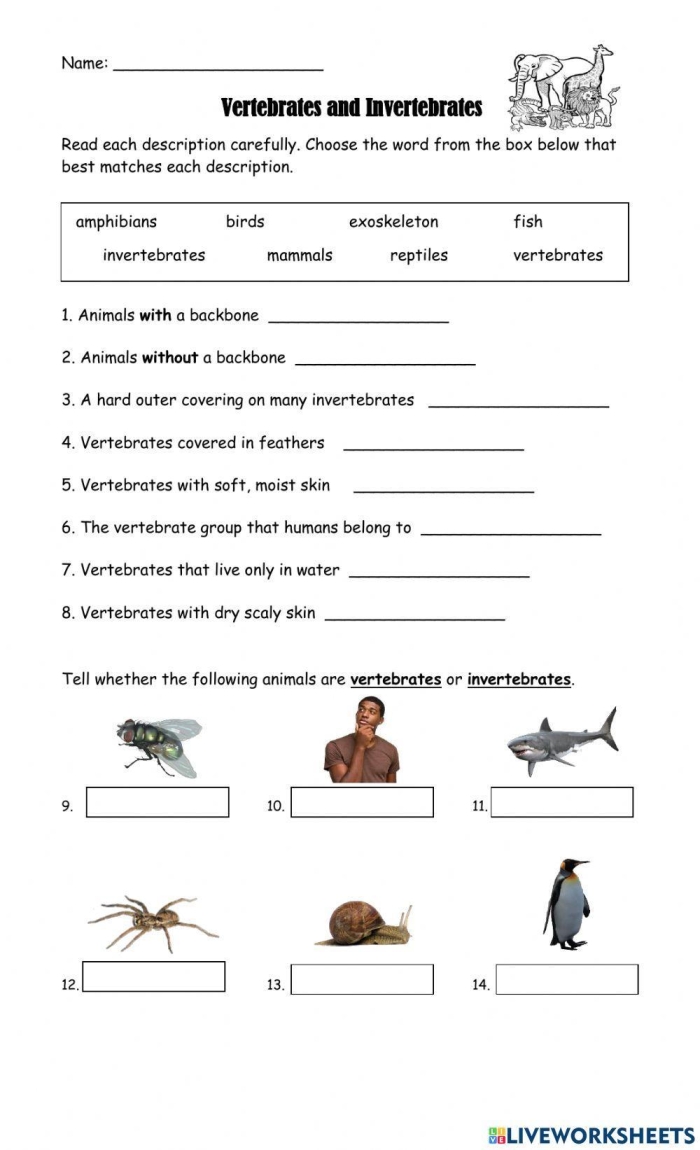
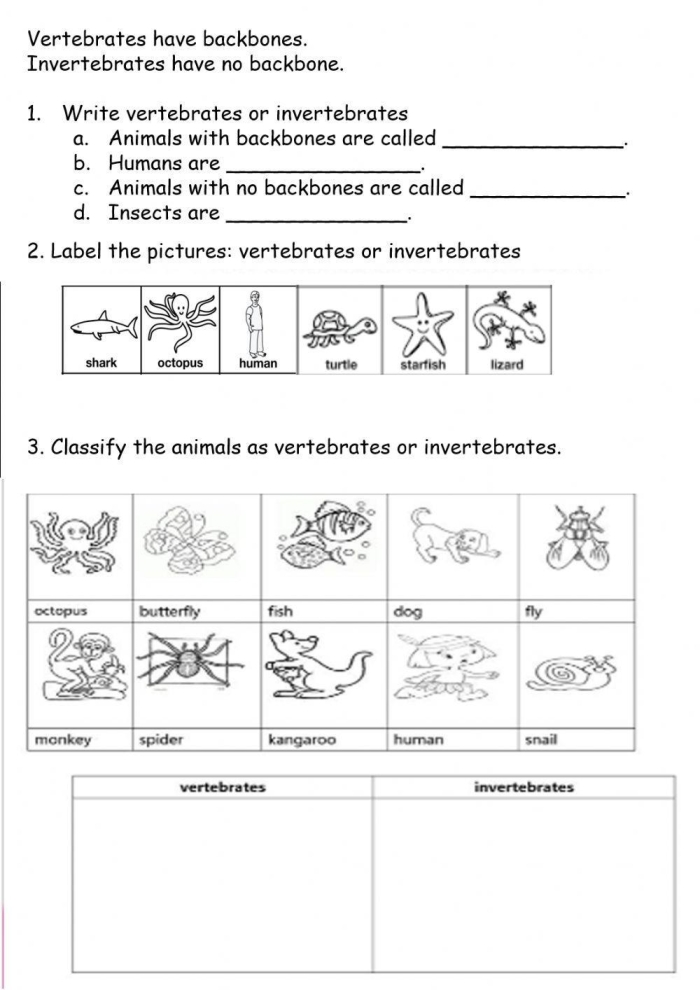
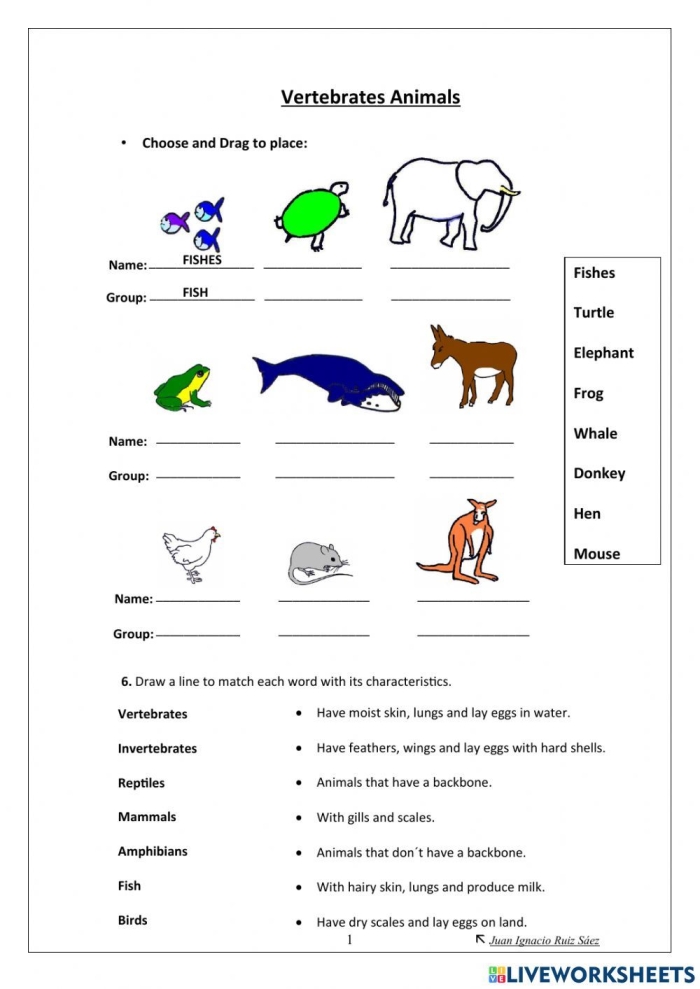
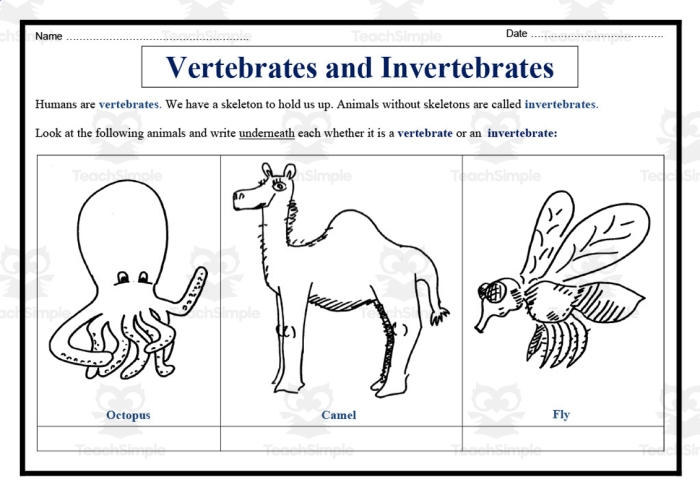
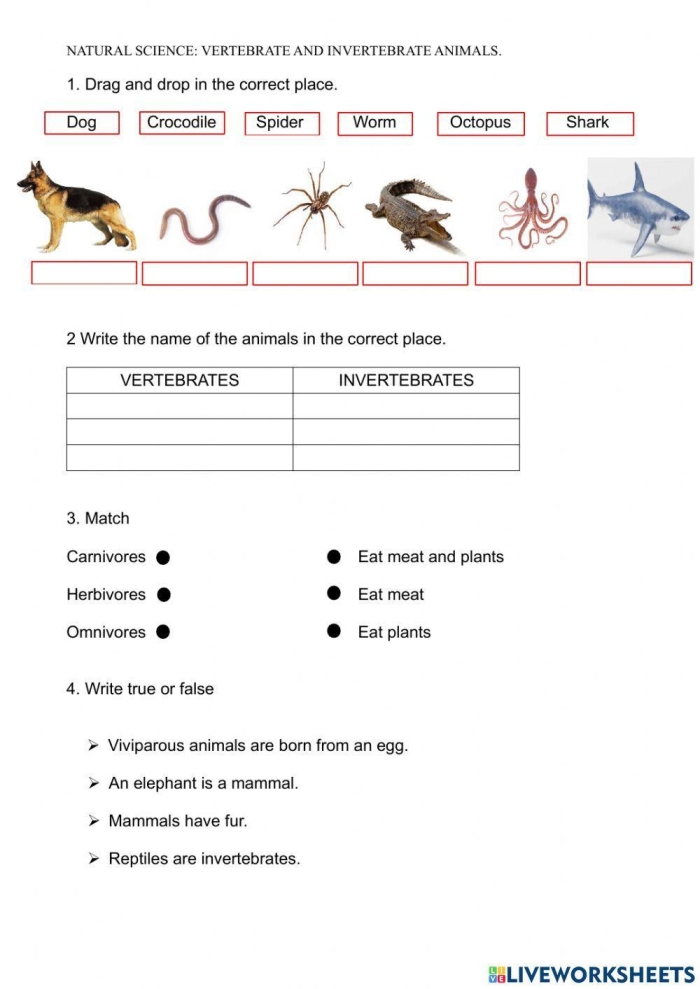
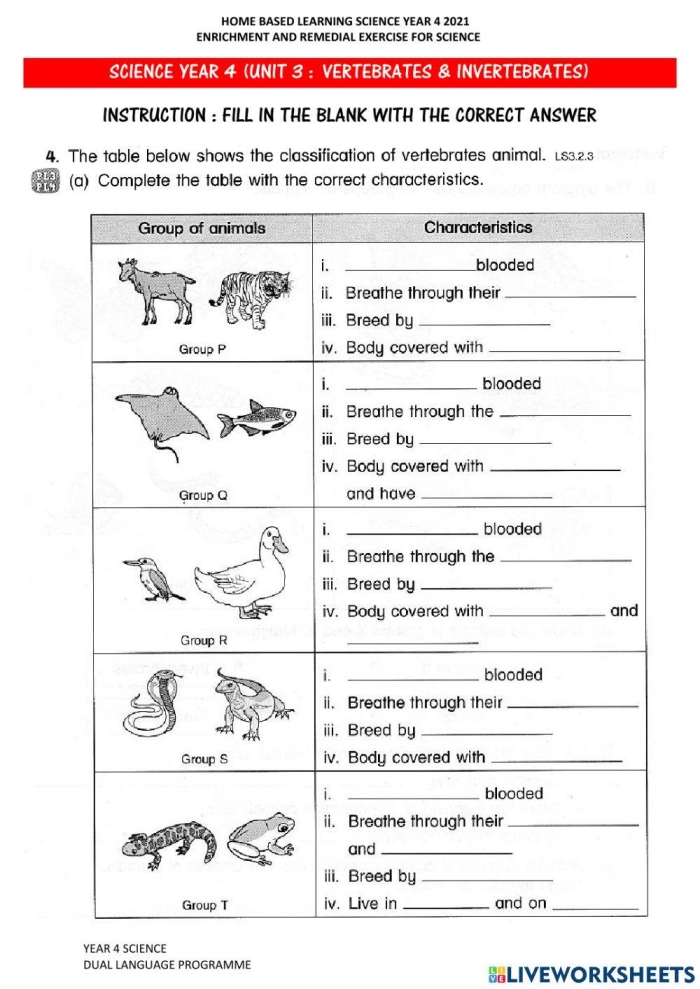
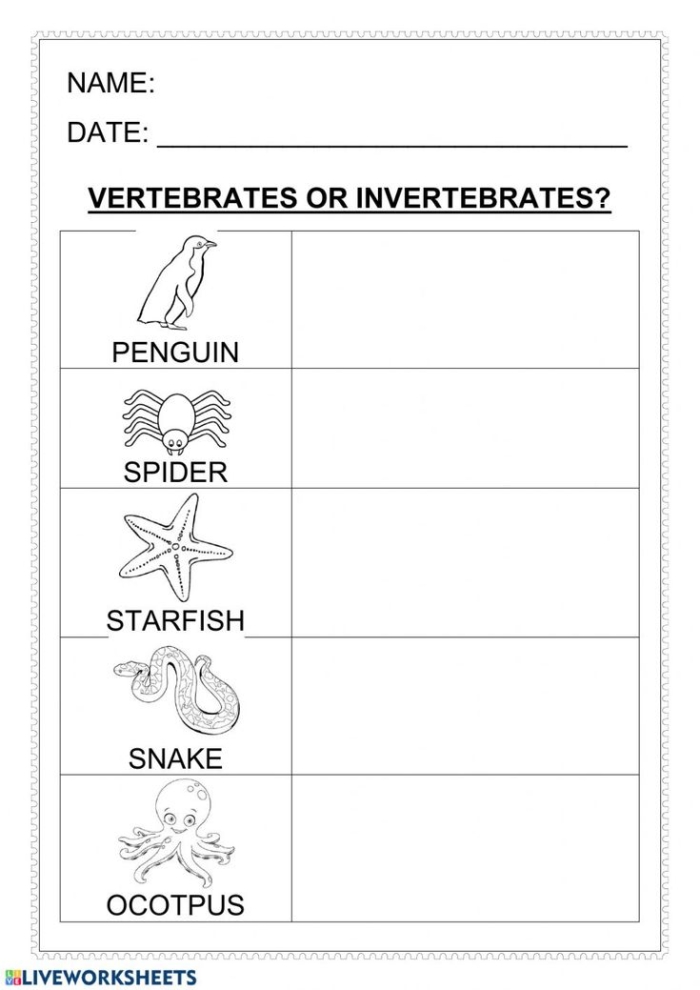
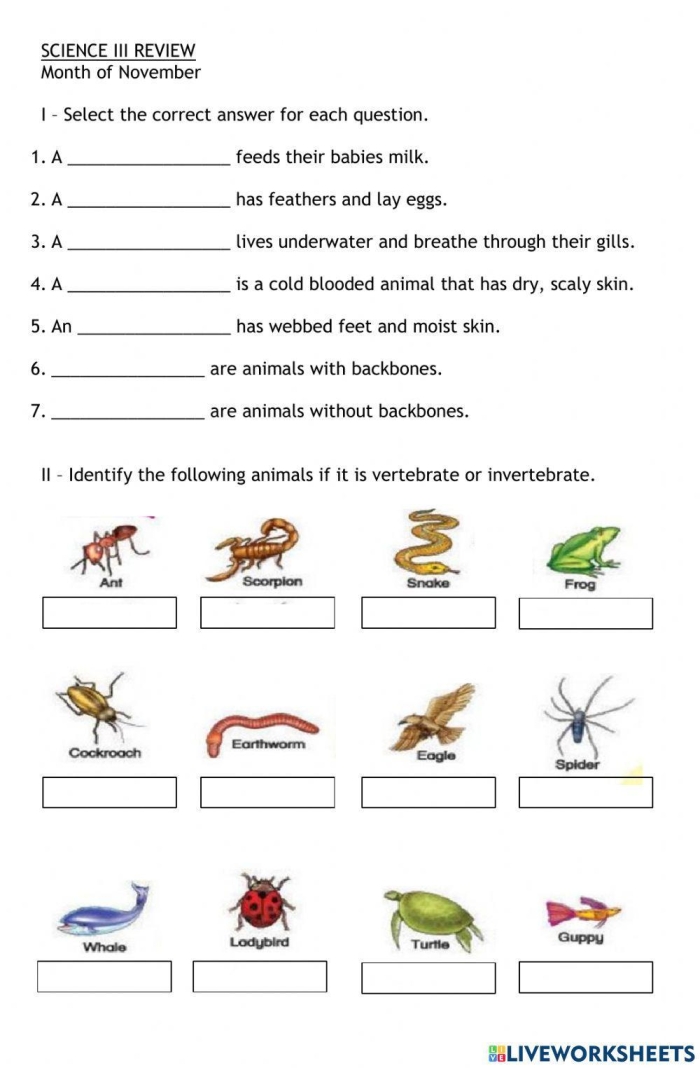
Animals with backbones are called vertebrates. This group includes all the animals you probably think of first: dogs, cats, birds, fish, snakes, and humans. Your spine, or vertebral column, is made up of small bones stacked on top of each other, protecting your spinal cord and giving your body structure and support. Vertebrates come in five main classes: fish, amphibians, reptiles, birds, and mammals. Each group has adapted its backbone in different ways. A giraffe’s neck has the same number of vertebrae as a human neck, just stretched out much longer. A snake’s spine has over 300 vertebrae, which is why it can move and coil so smoothly.
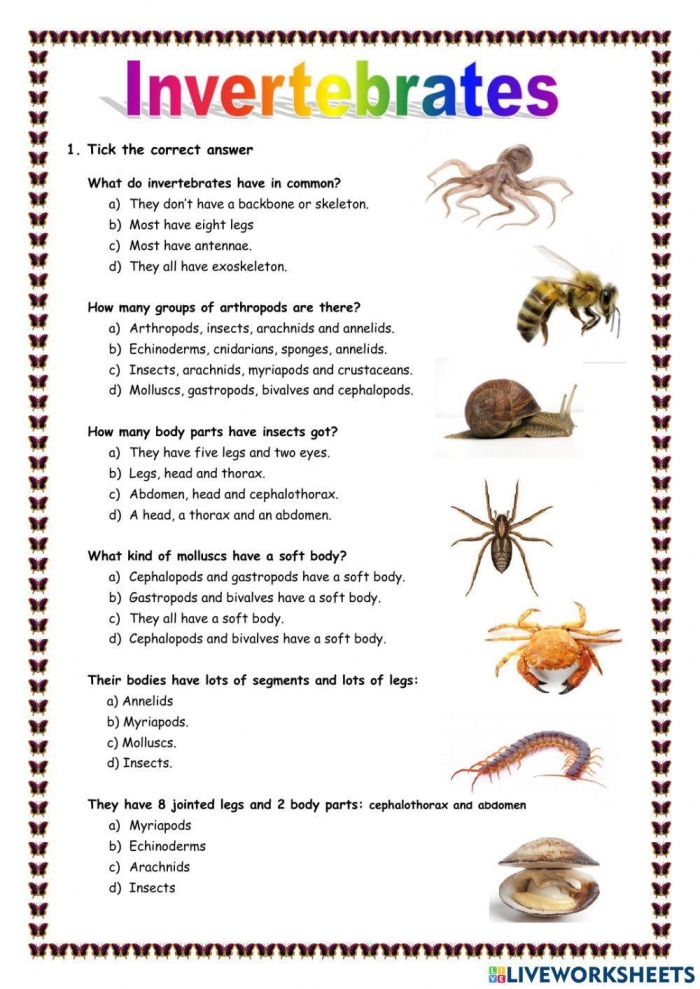
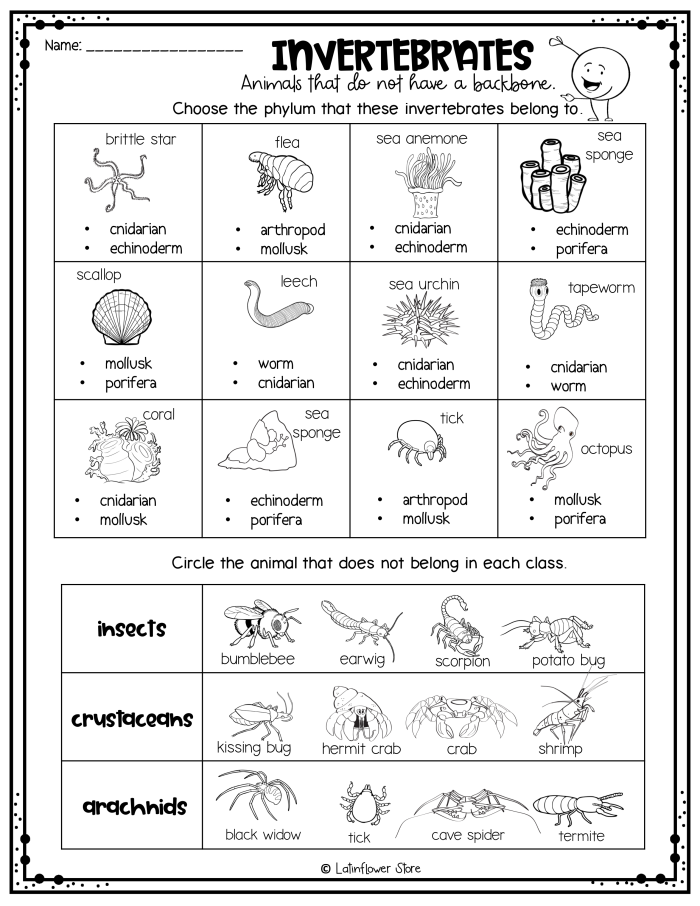
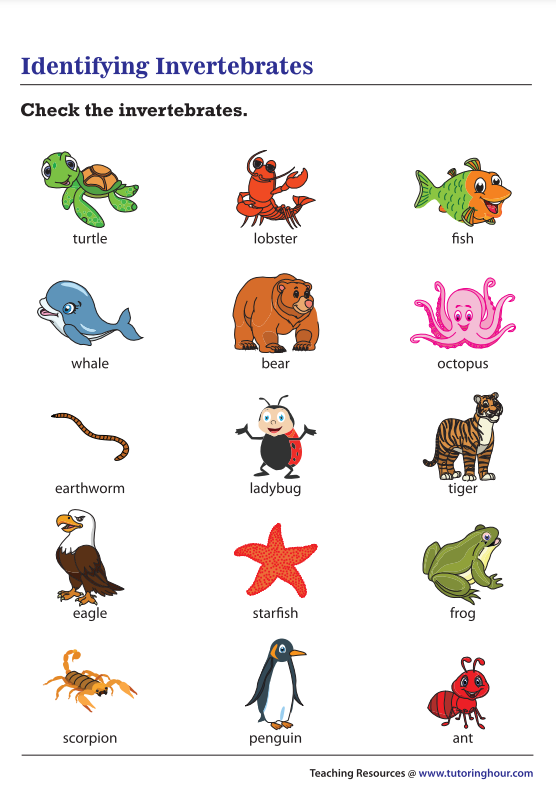
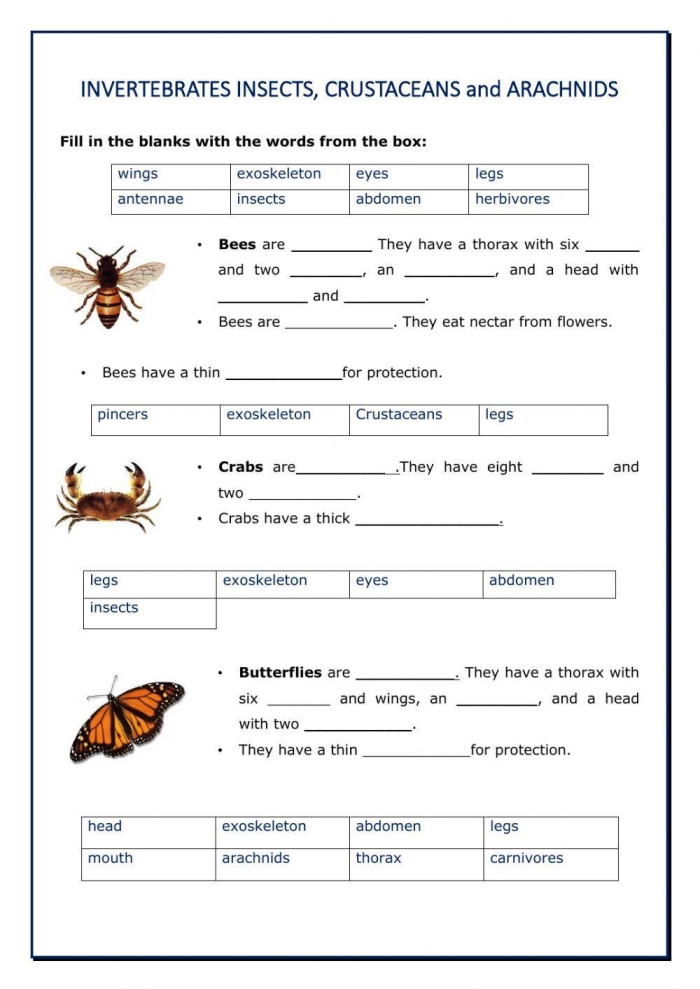
Then there are invertebrates, animals without backbones at all. Insects, spiders, worms, jellyfish, and octopuses are all invertebrates. They make up about 97 percent of all animal species on Earth. Many invertebrates have hard outer shells or exoskeletons instead of internal skeletons. A beetle’s tough shell protects it just as well as a vertebrate’s bones protect them. Some invertebrates, like worms and jellyfish, have no skeleton at all but still survive and thrive in their environments.
Learning about these two groups helps you understand how different animals are built for their specific lifestyles. When you’re studying vertebrates and invertebrates in your second grade class, try using facts about geckos to see how a real vertebrate adapts its spine and body. You can also strengthen your understanding by working through making your own inferences about why certain animals have the bodies they do, or organize your observations using blank number lines to track animal sizes and features.
The more you explore this topic, the more you’ll realize that a backbone isn’t just a bone. It’s a key feature that shapes how animals move, eat, and survive in their world.
Grab These Worksheets Now