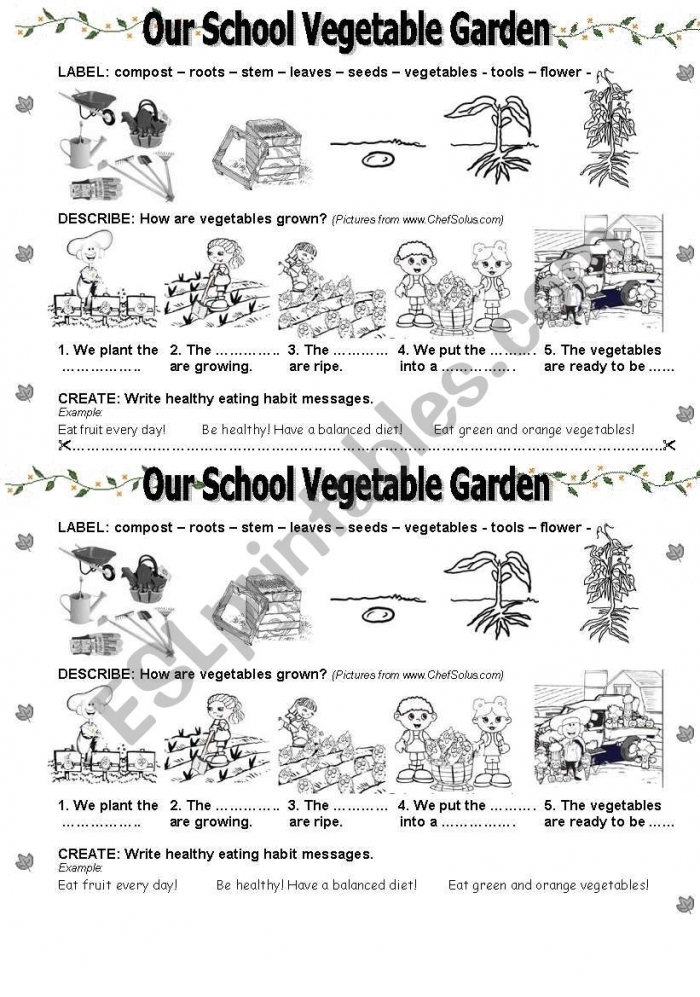
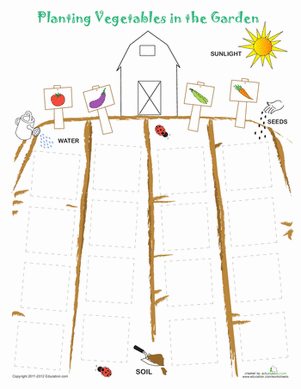
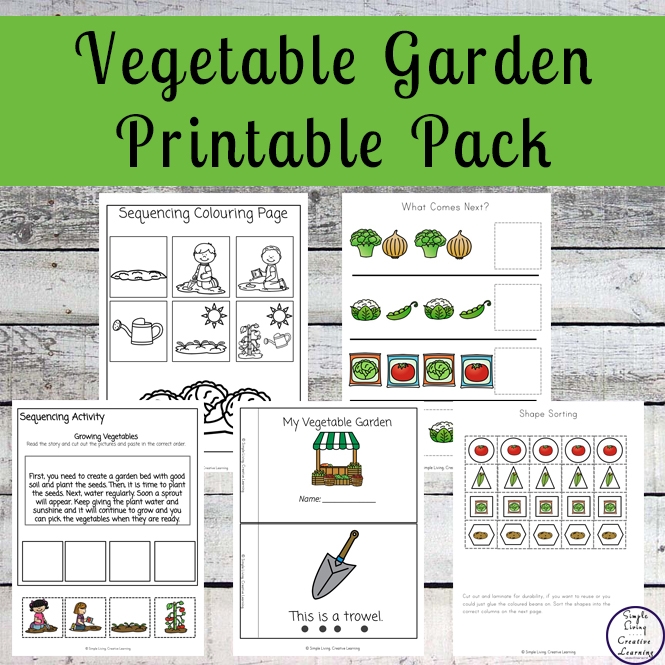
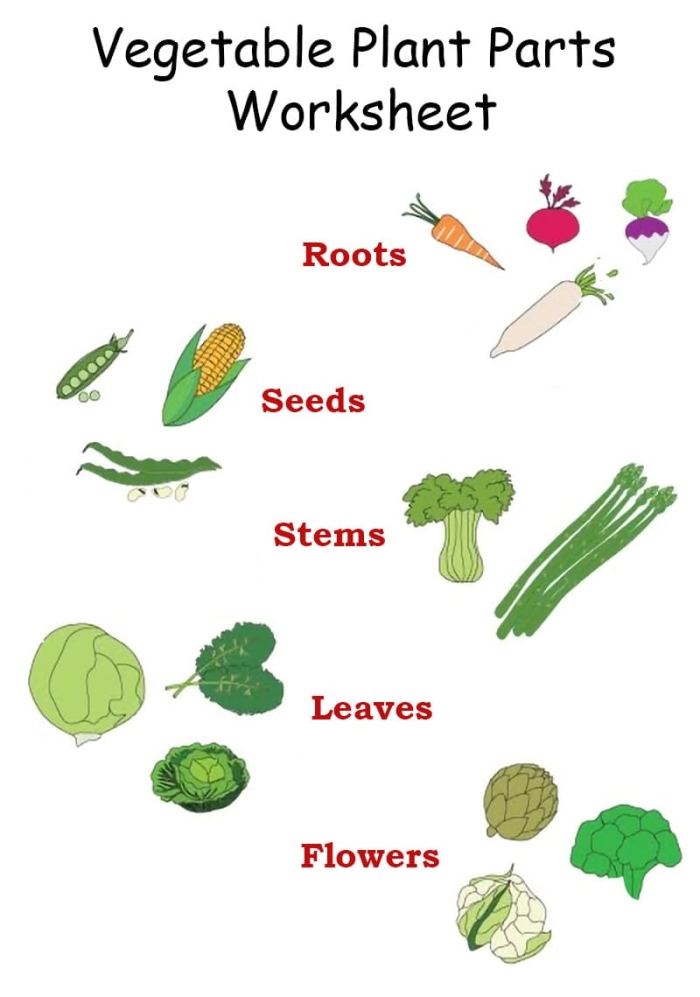
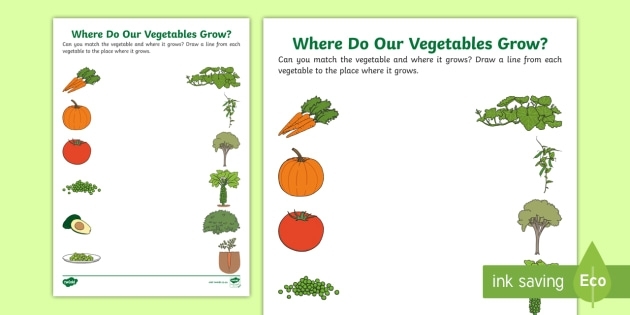
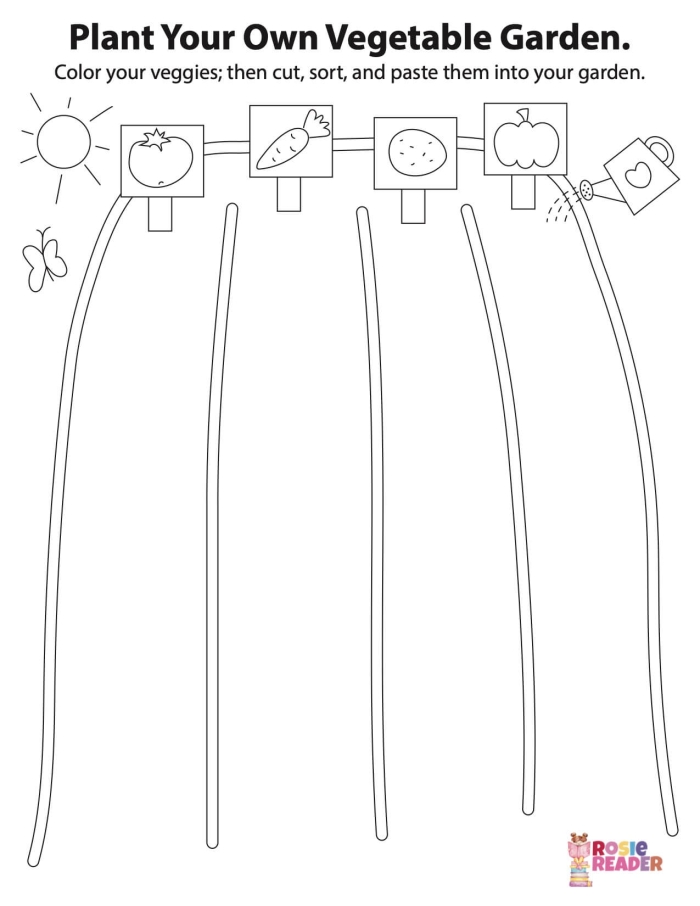
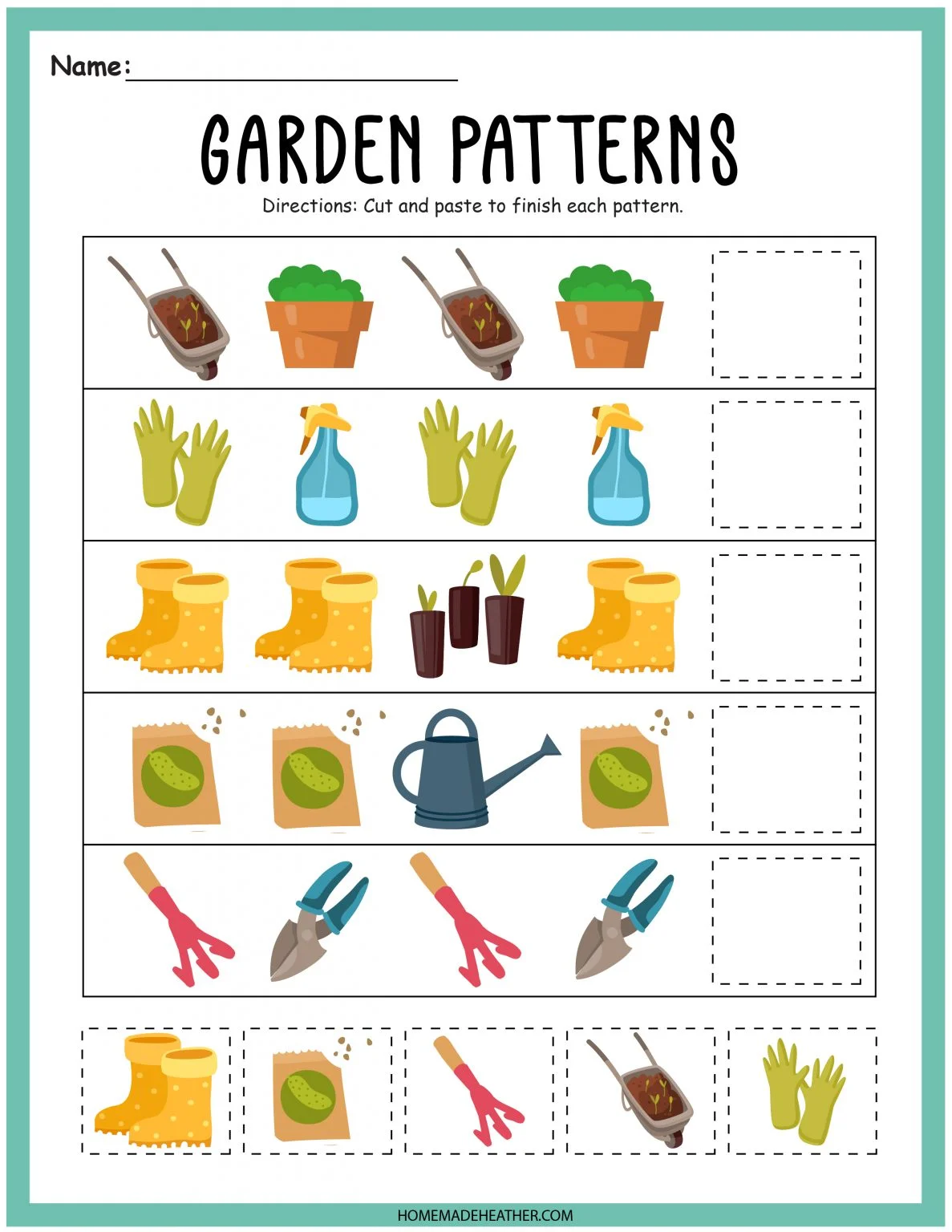
Paper gardens offer Pre-K students a hands-on way to understand how plants grow, and this activity combines art with early science learning in ways that keep young learners engaged. Instead of waiting months to see real vegetables sprout, children get immediate, colorful results by creating their own garden on paper.
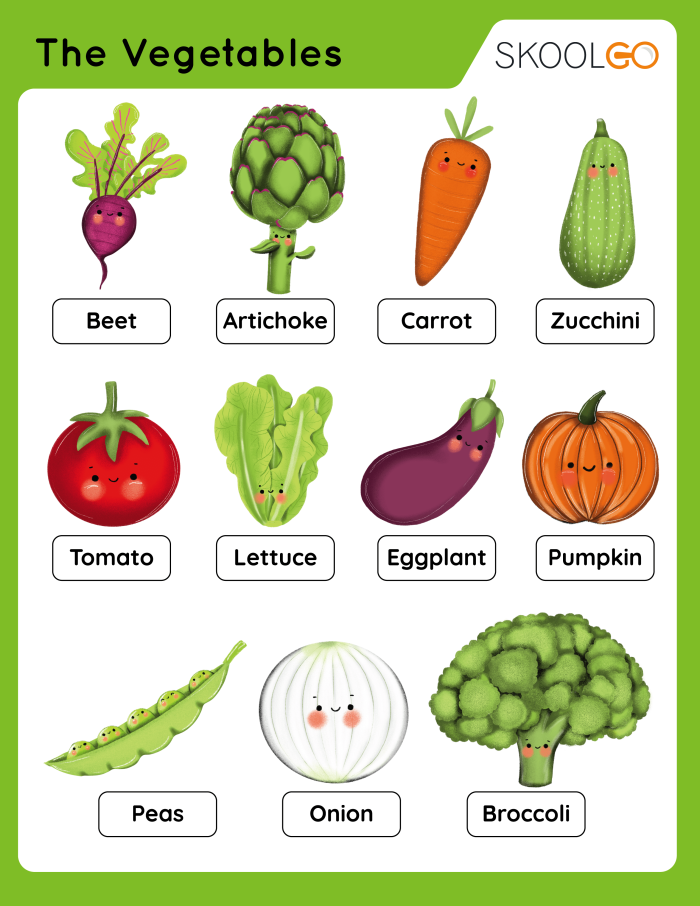
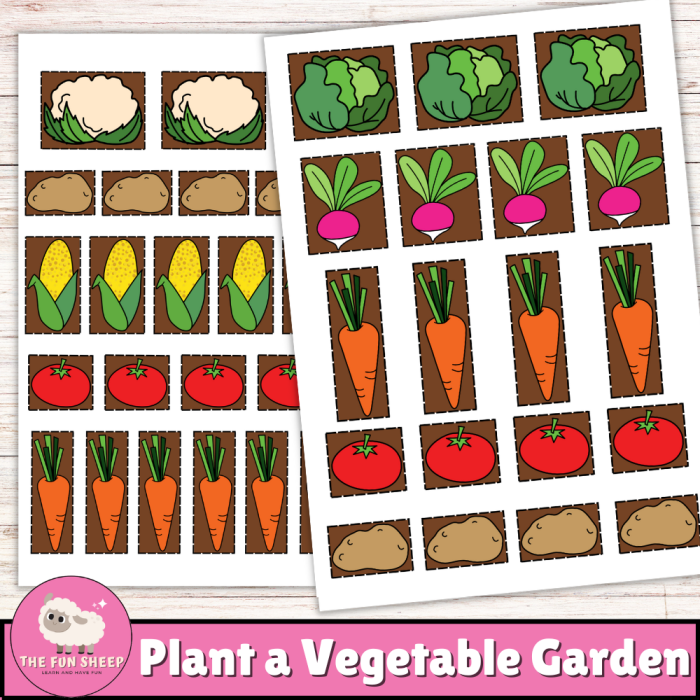
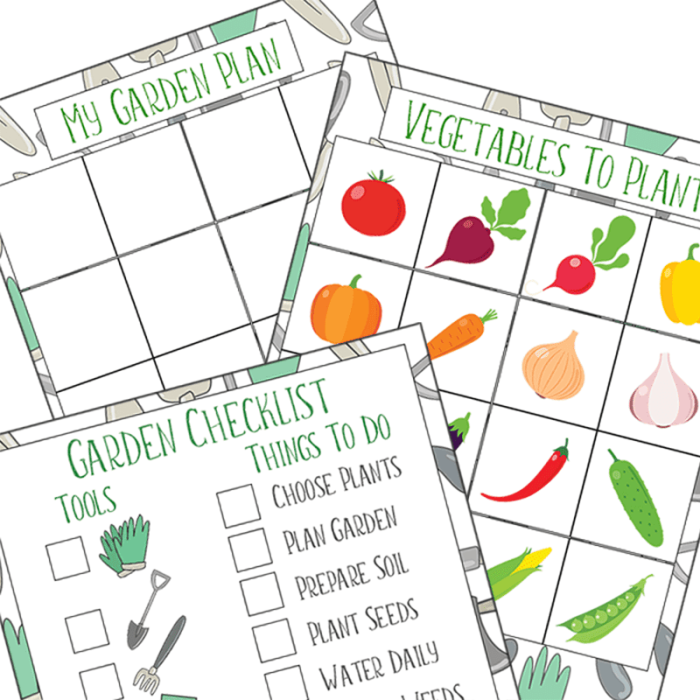
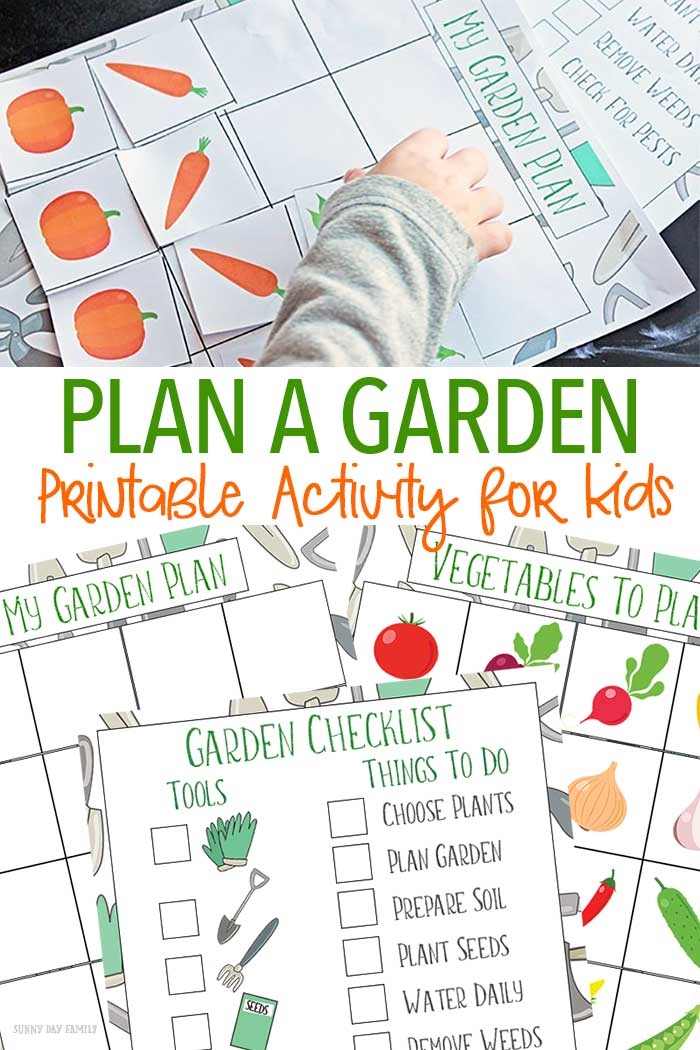
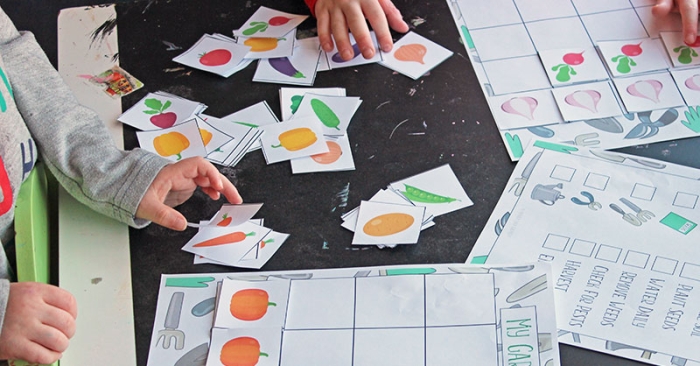
The activity works because it layers multiple skills into one project. Kids color vegetable illustrations, which strengthens fine motor control and color recognition. Then they cut out each veggie shape, practicing scissor skills that develop hand strength and coordination. Finally, they sort the vegetables by type, size, or color, introducing basic classification concepts that form the foundation for later scientific thinking.
What makes this approach particularly effective for Pre-K learners is how it uses figurative language naturally. When you describe a tomato as “round like a ball” or carrots as “long orange sticks,” children begin connecting abstract concepts to familiar objects. This language play helps them build vocabulary while understanding that words can paint pictures in our minds. Teachers can expand this by asking questions: “What does your lettuce look like? Can you think of other things that are that shape?”
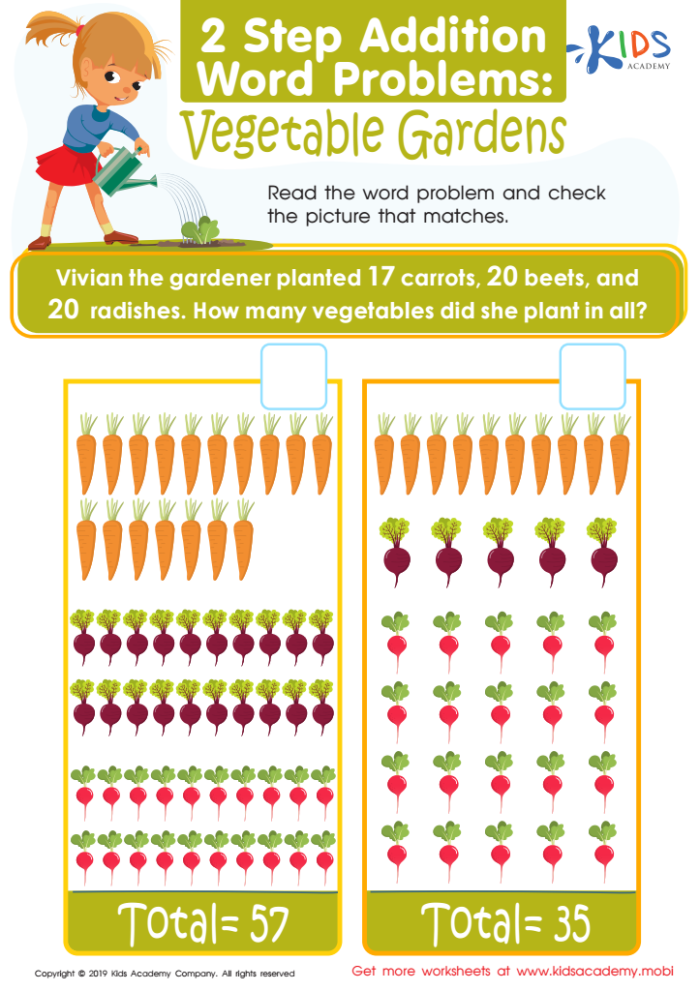
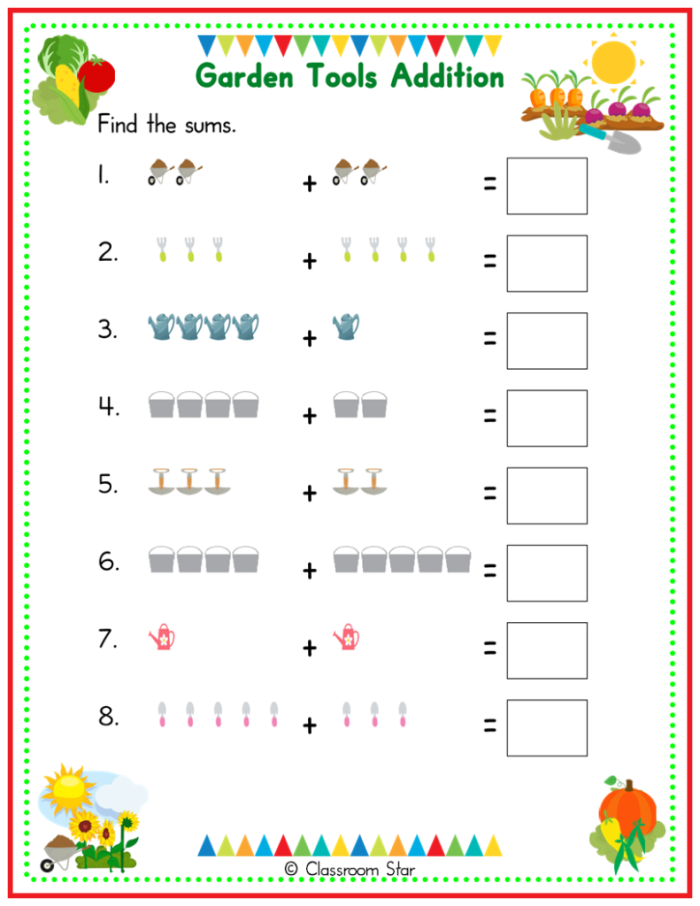
The sorting component deserves special attention. Young learners benefit from organizing items into groups, whether by matching vegetables to their colors or arranging them by size. This foundational work in categorization supports later math skills like practice finding range and addition work they’ll encounter in upper grades.
You can extend the activity by having children create simple sentences about their paper gardens or use their finished projects as springboards for discussing what real farmers do. Some teachers photograph the completed gardens and create a classroom display, giving each child recognition for their work. The beauty of this activity lies in its simplicity: it requires only paper, markers, scissors, and imagination, yet it builds genuine understanding about where food comes from.
Start Practicing with These Worksheets