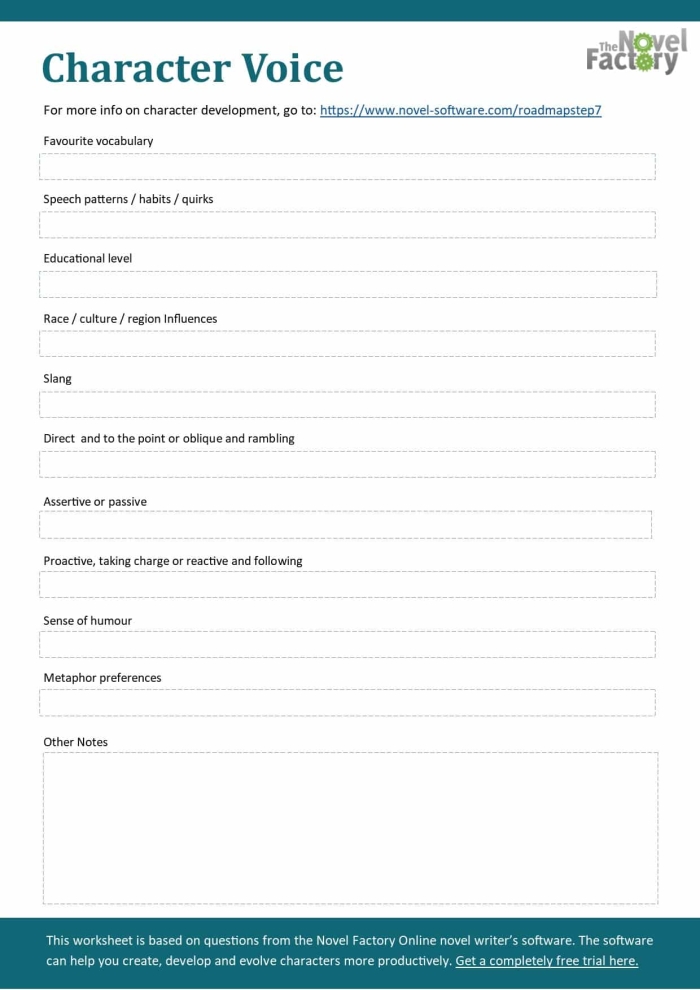
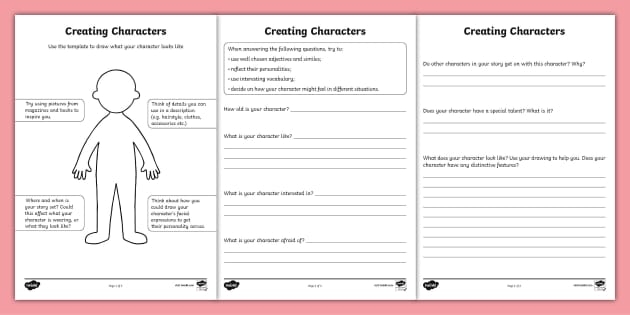
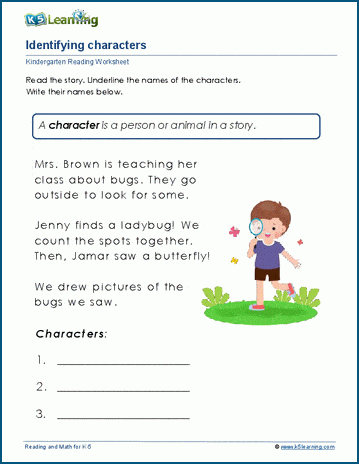
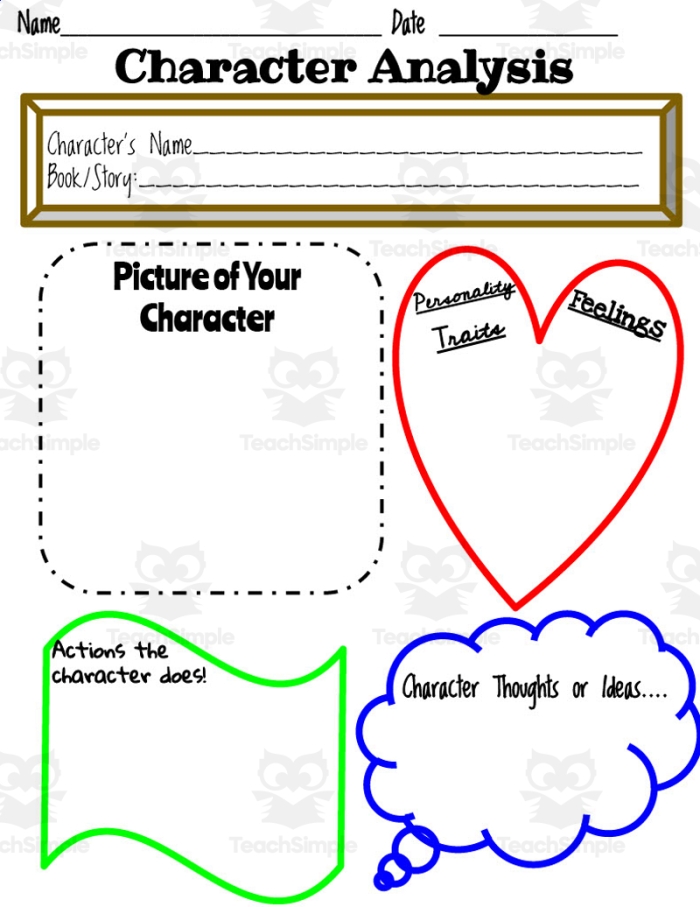
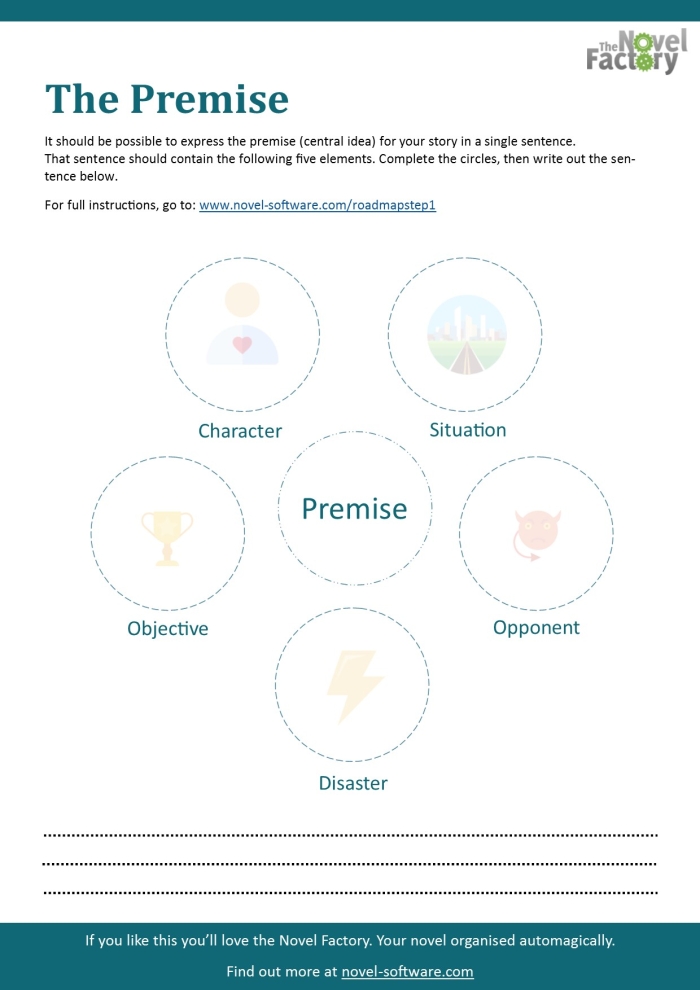
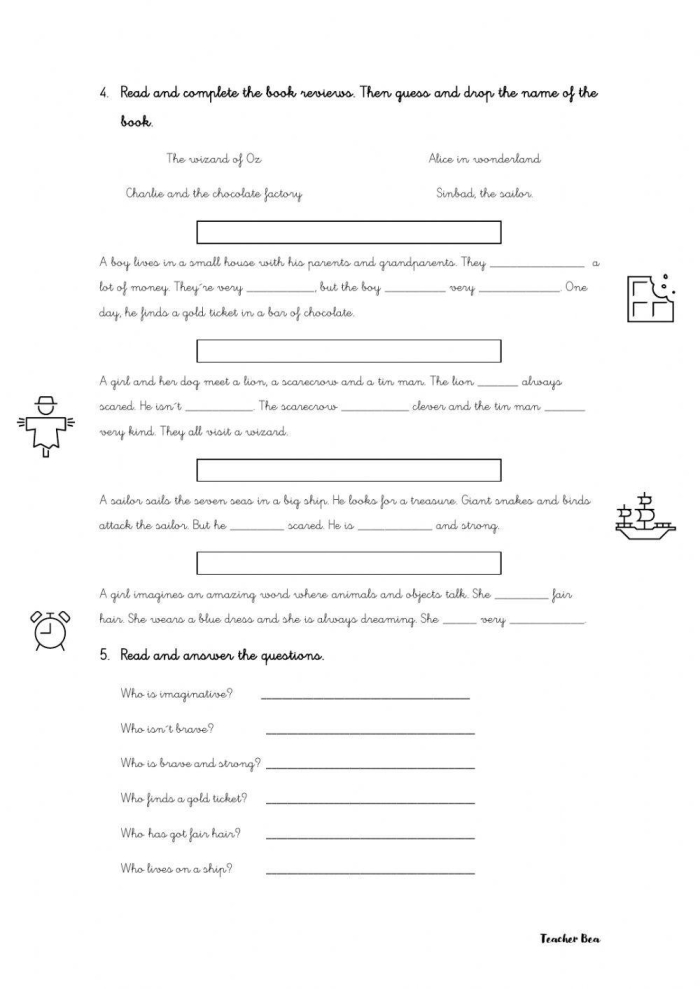
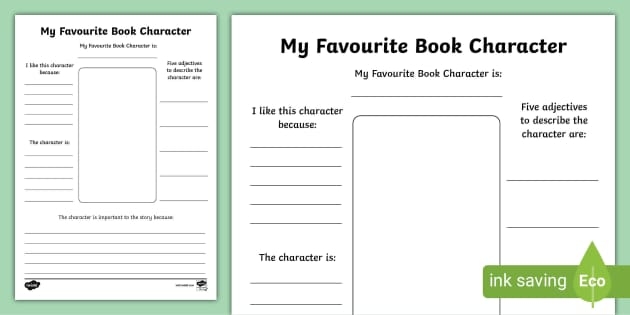
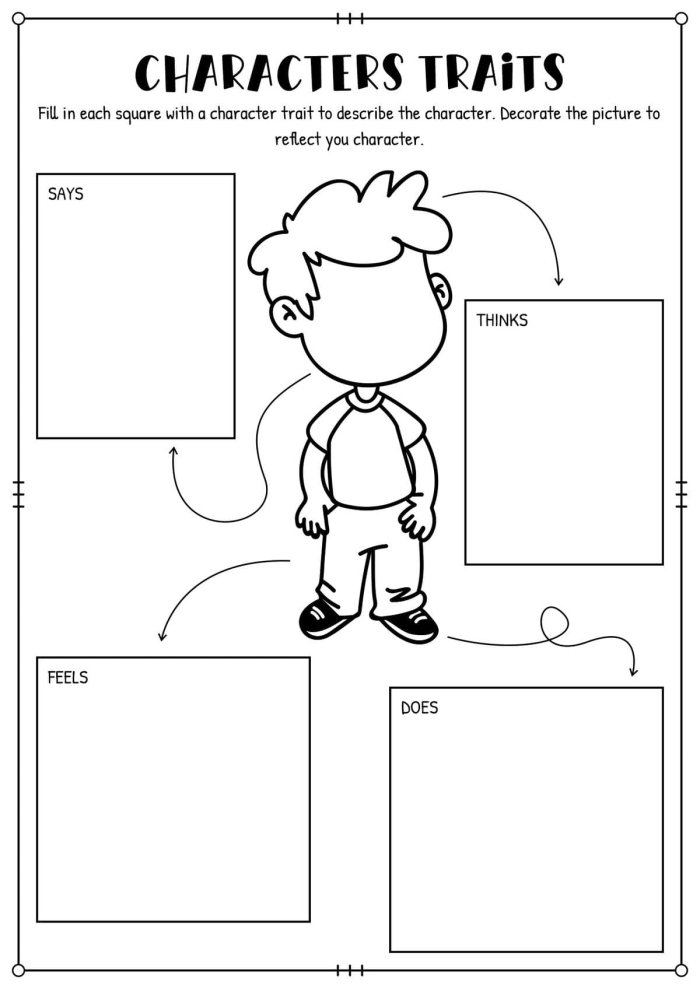
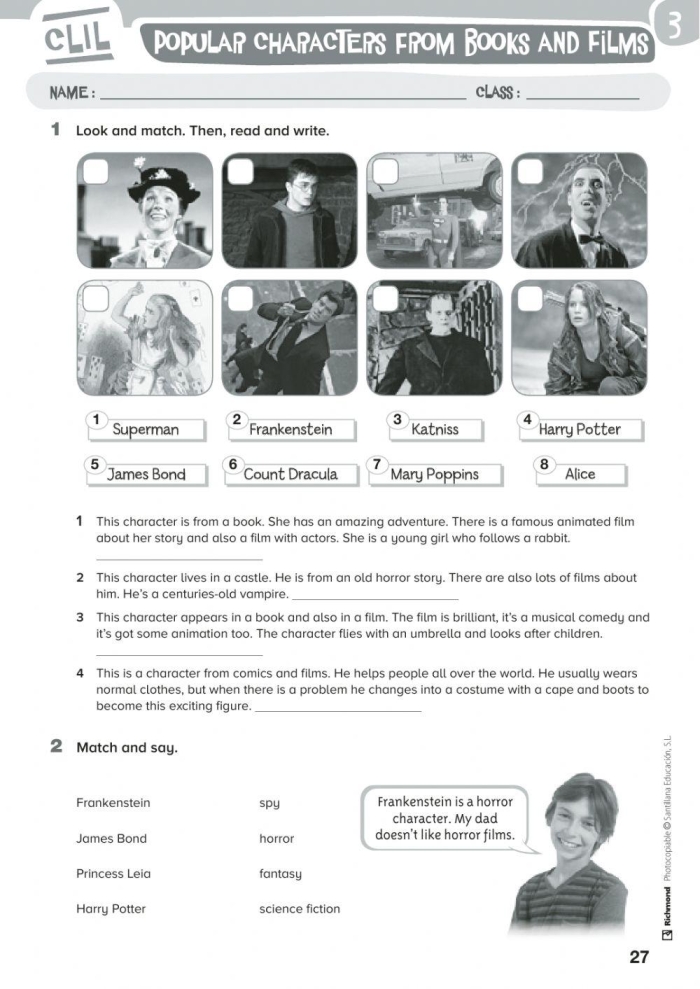
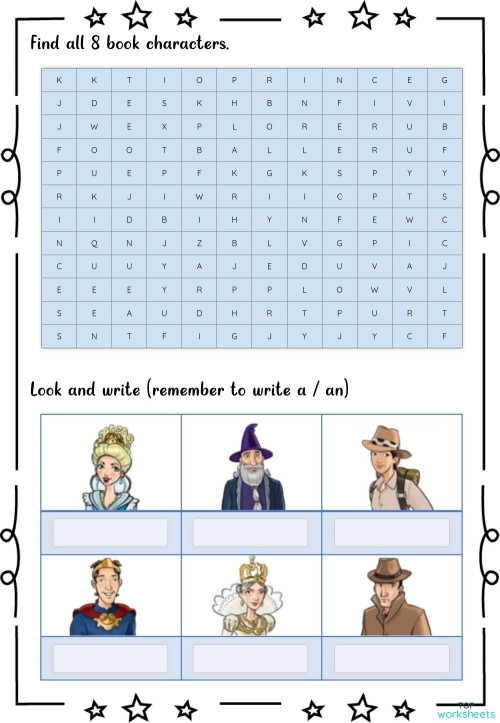
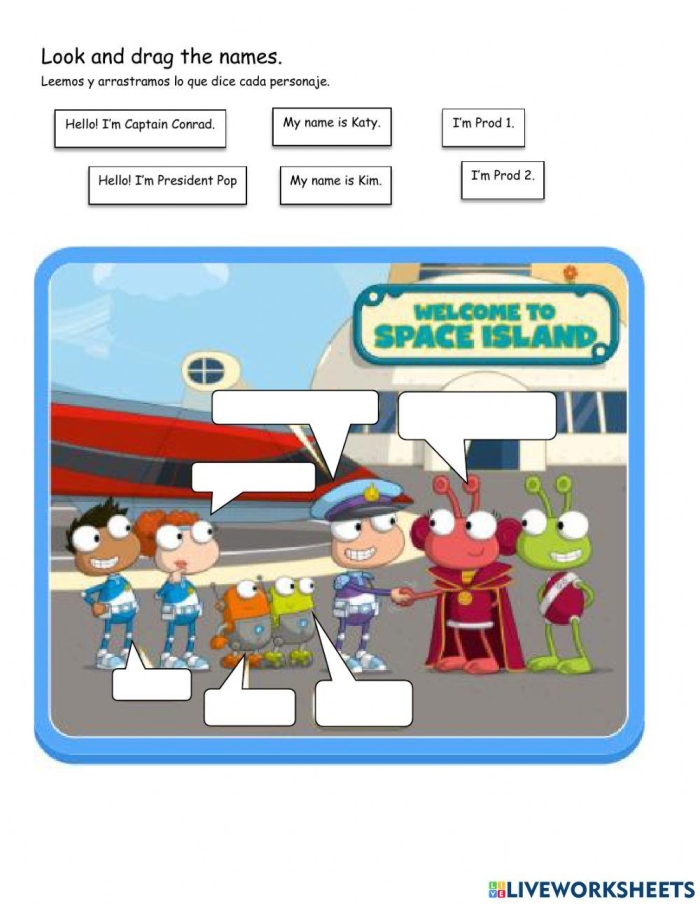
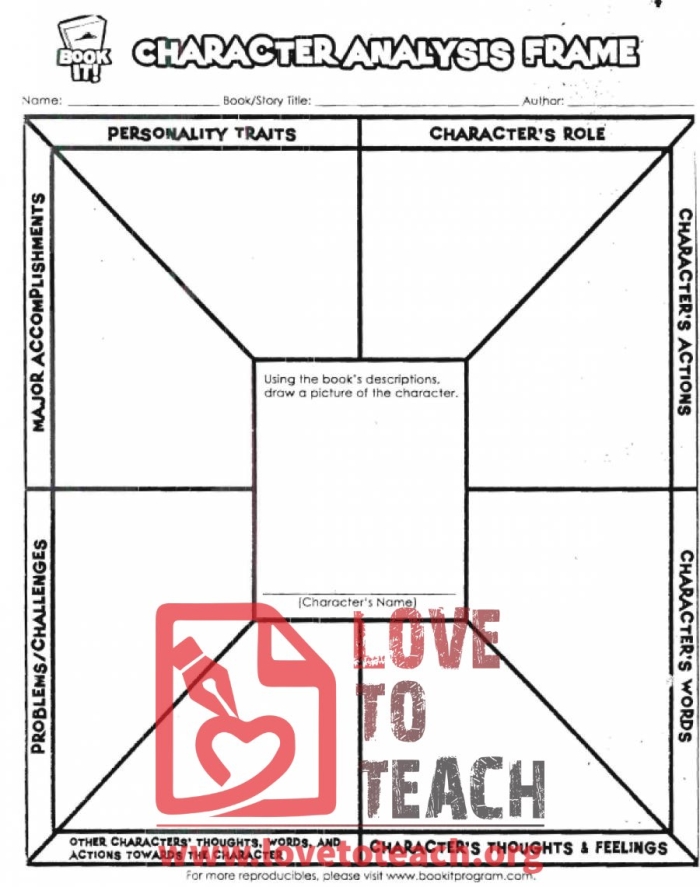
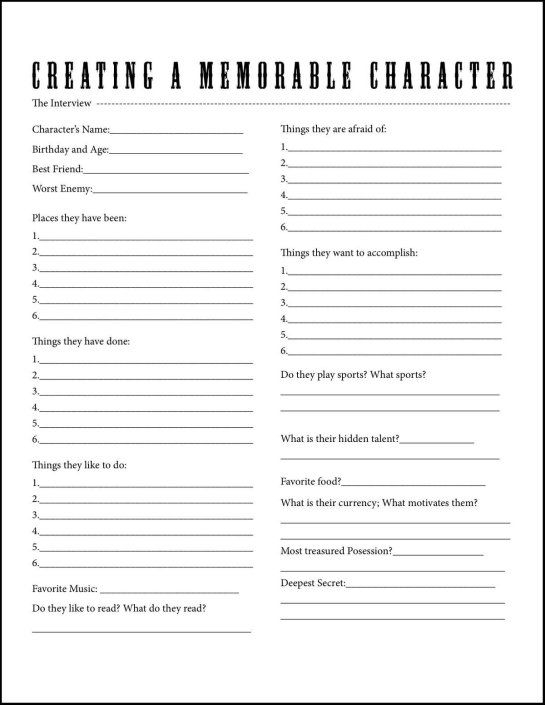
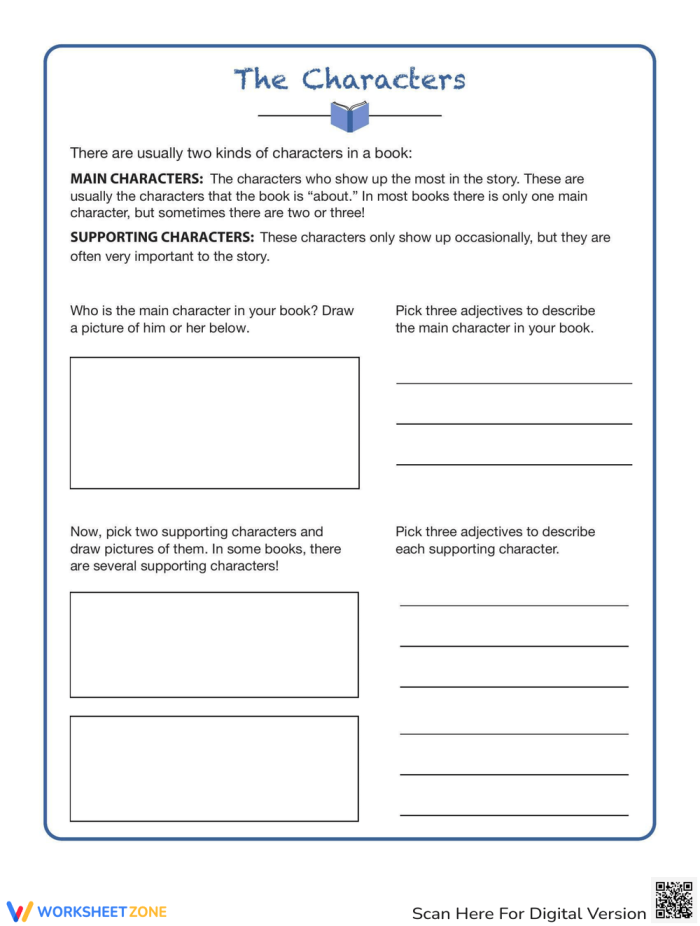
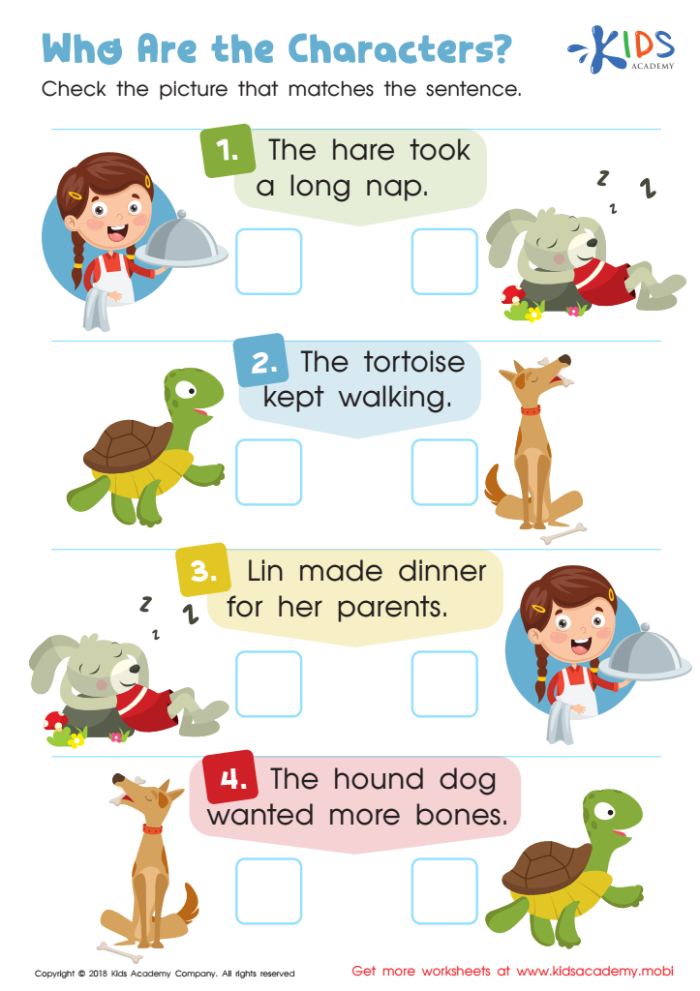
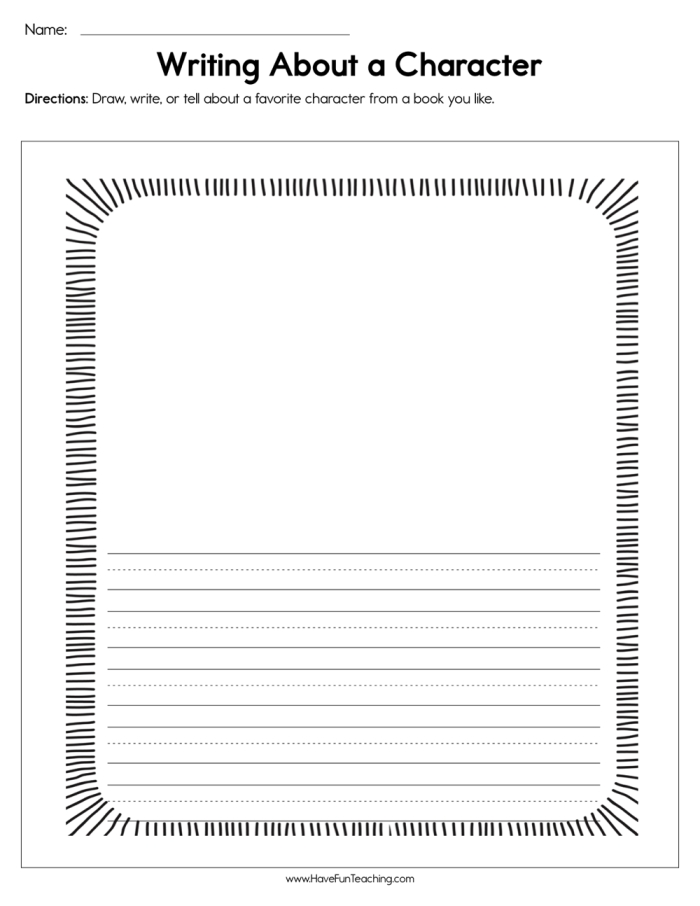
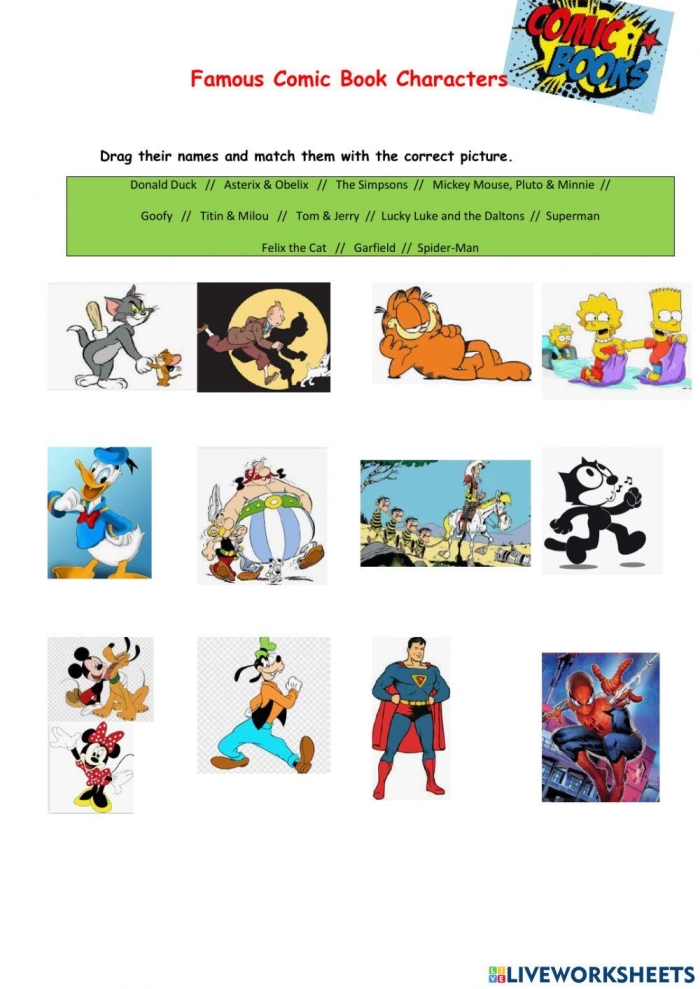
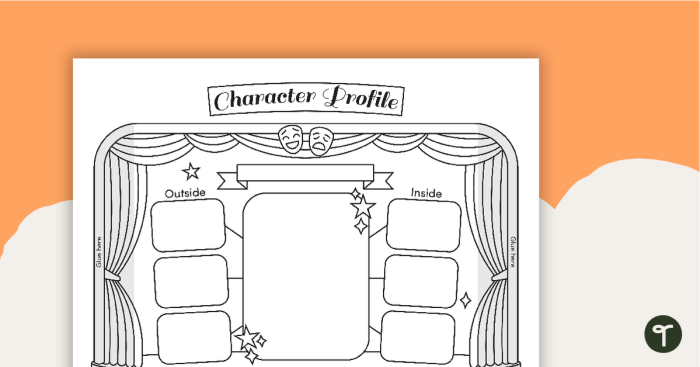
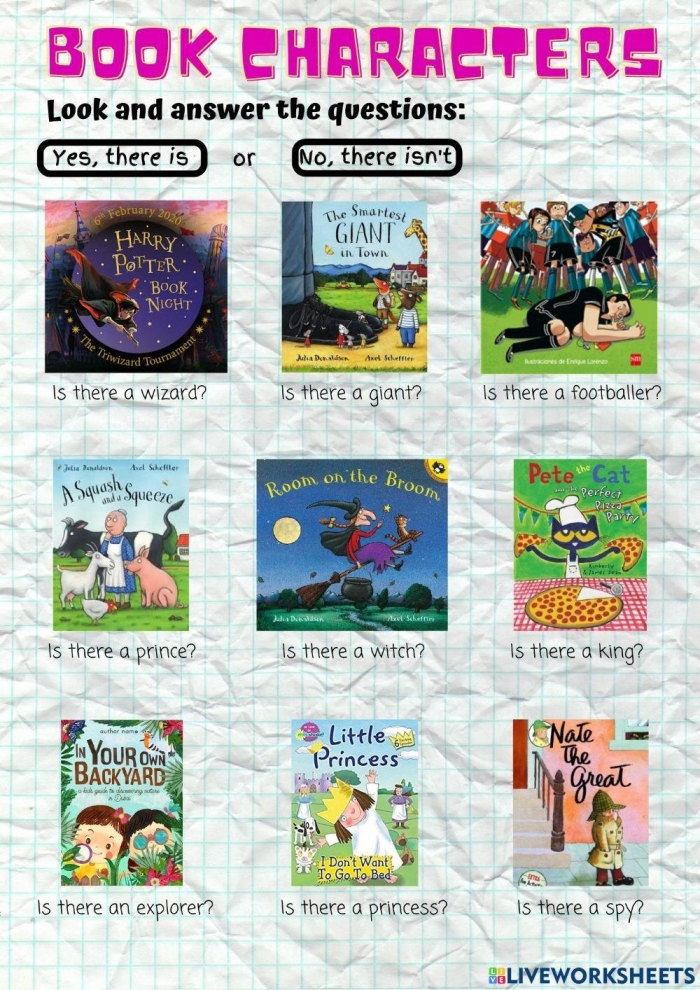
Character analysis doesn’t come naturally to most fourth graders, but it’s a skill that separates surface-level reading from genuine comprehension. A five-page reading comprehension worksheet focused on characters in books gives young readers a structured way to examine how fictional people think, act, and change throughout a story.
When students work through character analysis exercises, they learn to look beyond what characters do and start asking why. Does the protagonist make decisions out of fear, ambition, or kindness? What motivates the antagonist? These questions push readers to connect actions to emotions and consequences. This practice builds critical thinking skills that transfer to every subject, including how they approach problems in math. Just as solving addition problems requires understanding the relationship between numbers, analyzing characters requires understanding the relationships between motivations and actions.
The five-page format works well for this age group because it provides enough space for varied question types without overwhelming students. A typical worksheet might include multiple-choice questions about character traits, short-answer prompts asking students to support their observations with evidence from the text, and fill-in-the-blank sections that reinforce vocabulary related to character development.
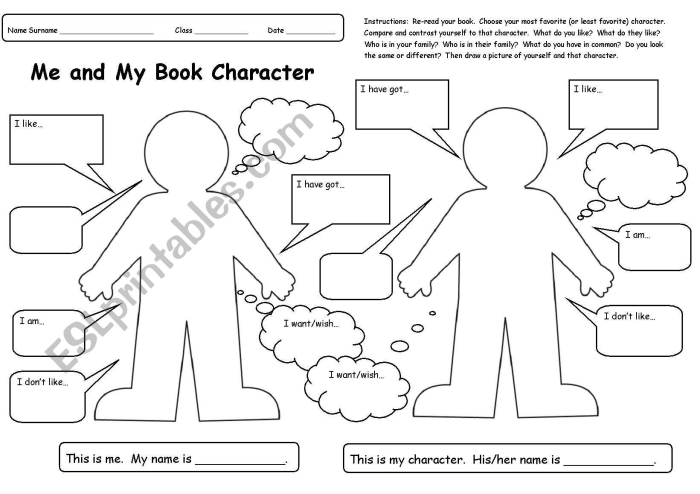
Fourth graders benefit from seeing how character analysis connects to their own lives. When they read about a character facing a difficult choice, they recognize that real people, including themselves, make decisions based on their values and circumstances. This connection makes reading feel relevant rather than like an isolated classroom task.
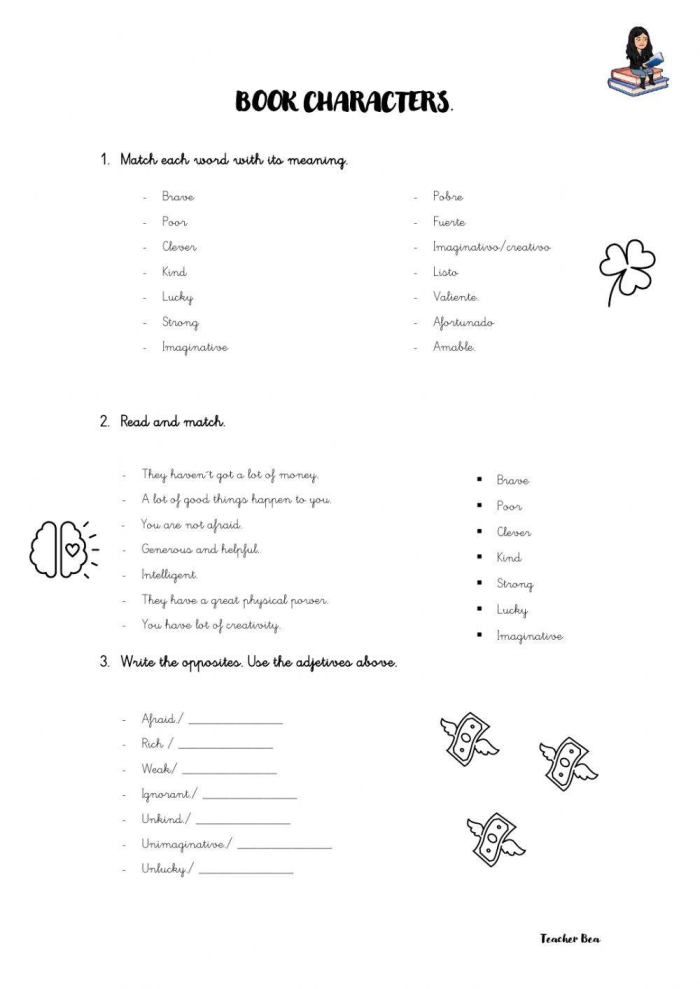
Worksheets like these also help teachers assess whether students are actually understanding what they read. A student might tell you they finished a book, but a comprehension worksheet reveals whether they grasped the character’s journey. Teachers often pair character analysis work with other skill-building activities, like when students practice matching antonyms to expand their vocabulary for describing characters more precisely.
The goal is to develop readers who engage actively with stories, asking questions and forming interpretations rather than passively consuming words on a page.
Grab These Worksheets Now