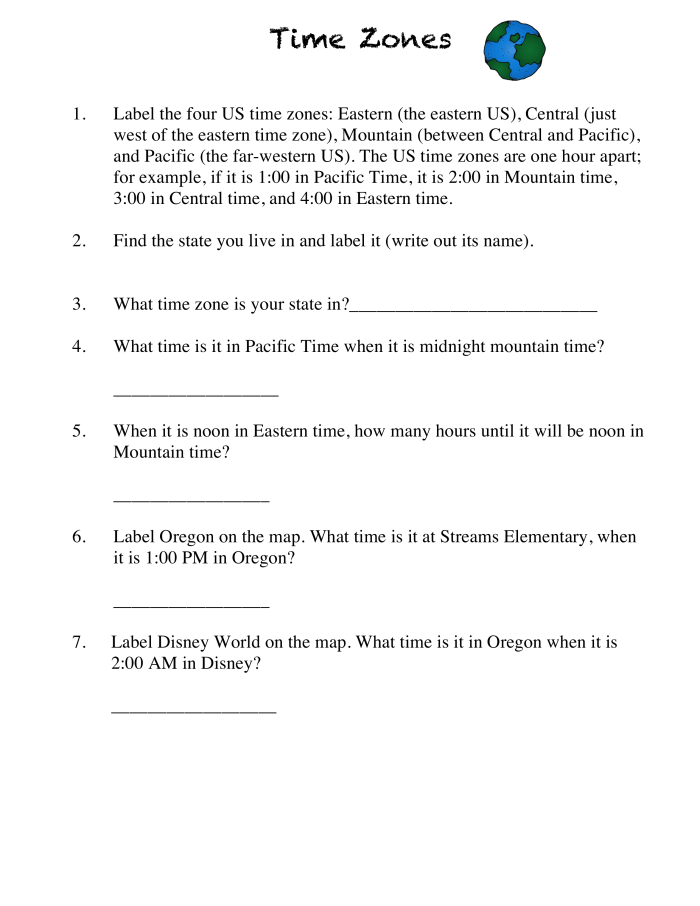
Calculating time across different regions sounds complicated, but third grade students can master this skill with the right worksheet approach. When you understand how time zones work, you unlock a practical ability that connects math directly to real-world geography.
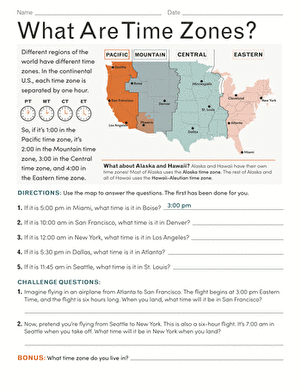
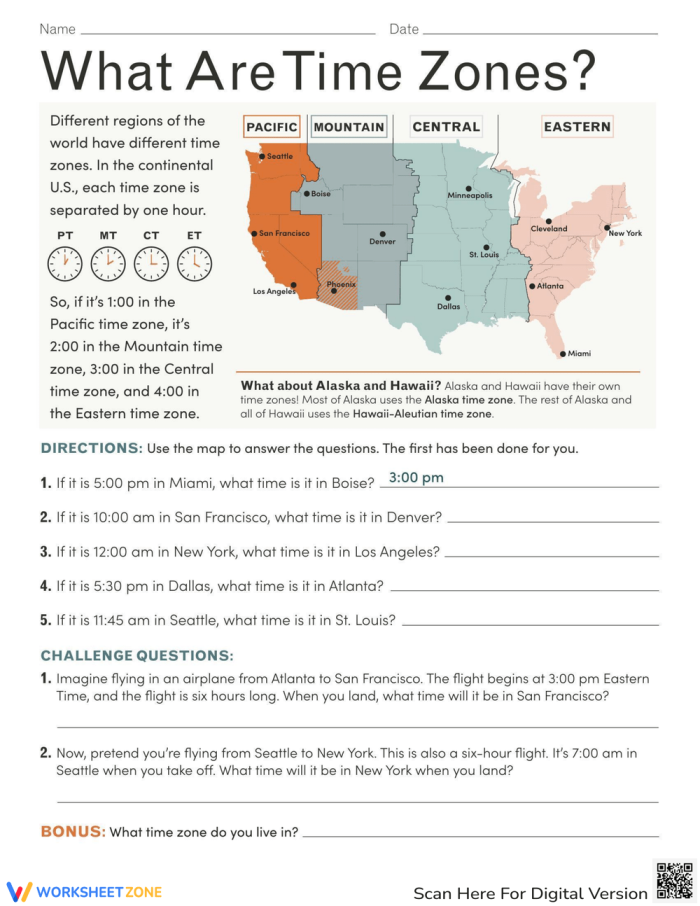
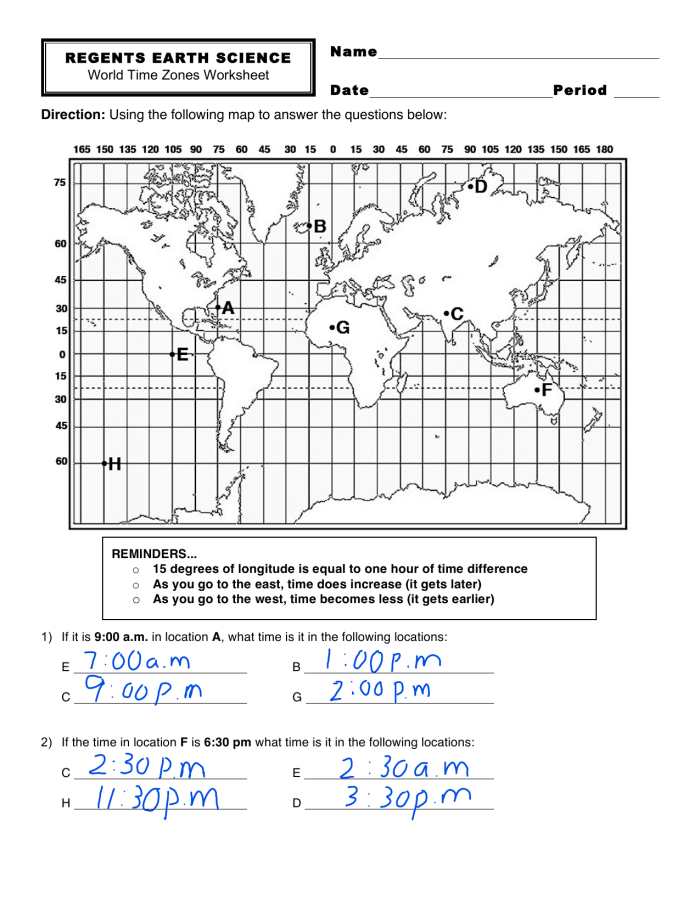
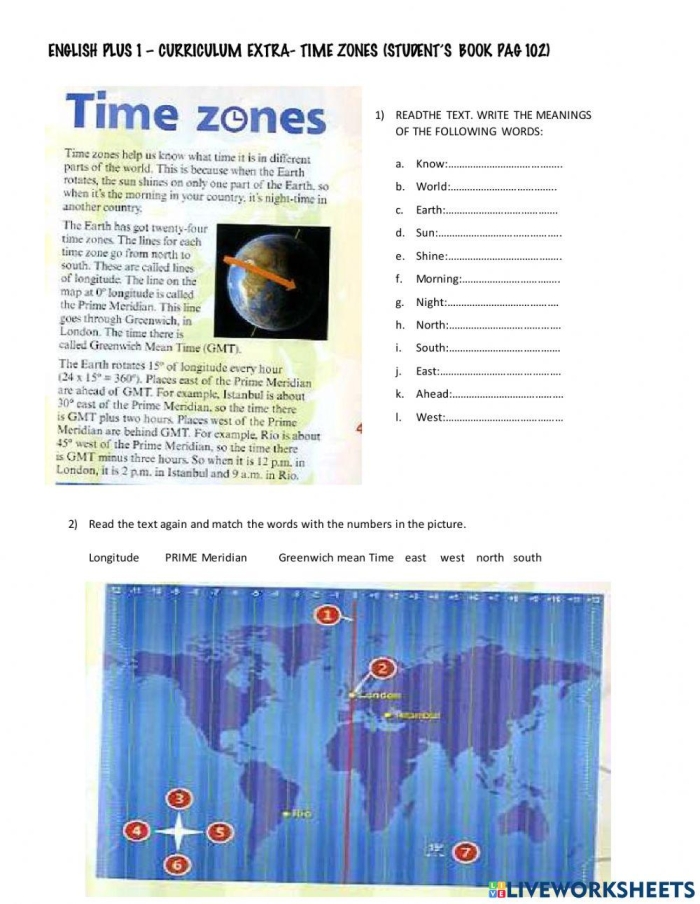
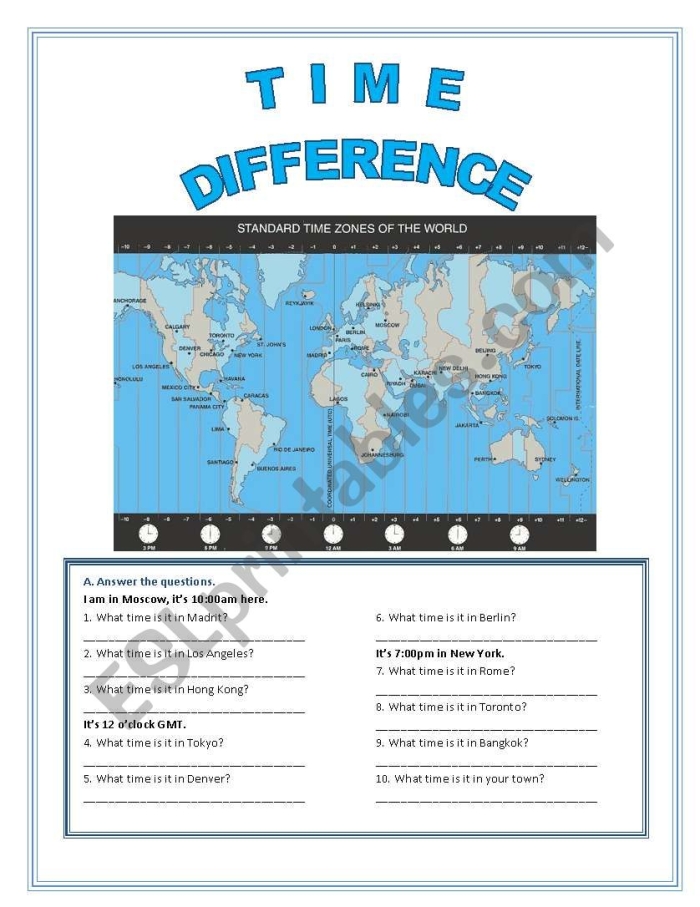
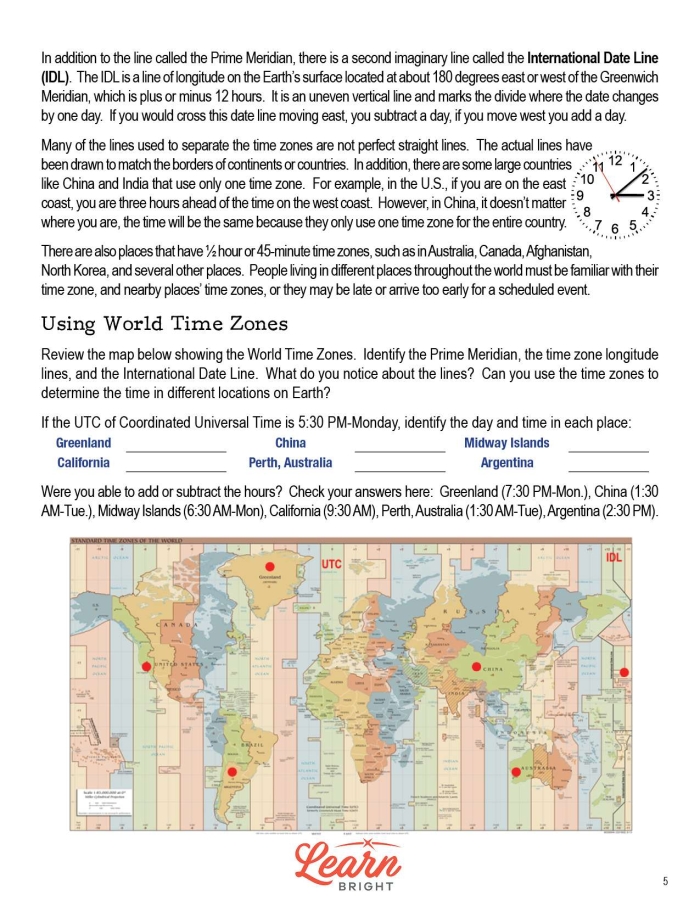
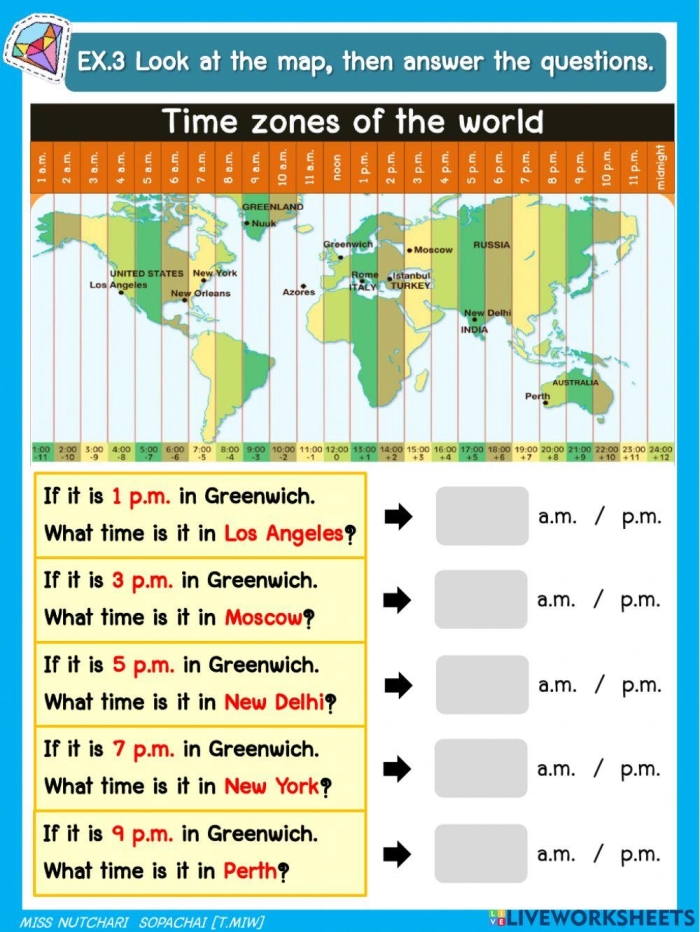
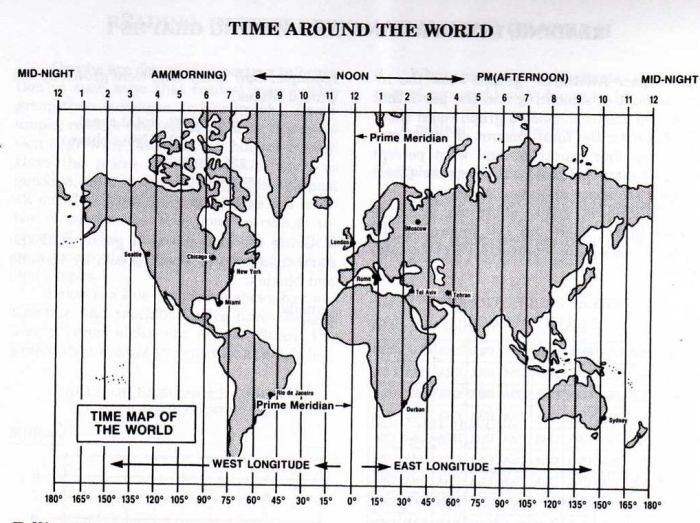
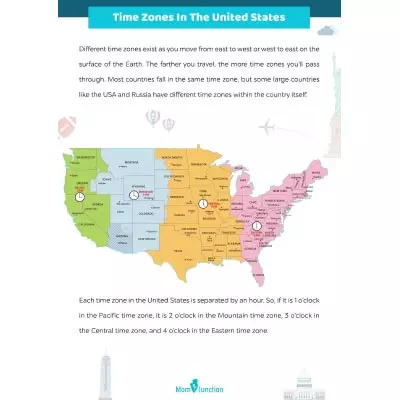
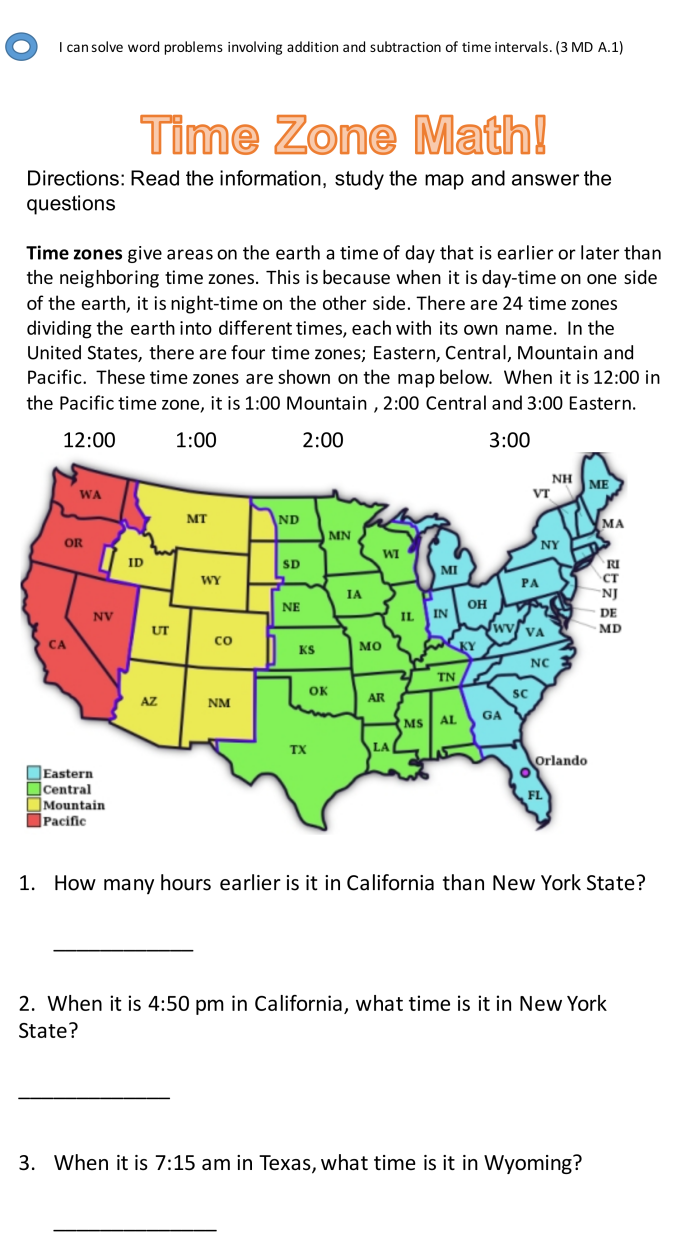
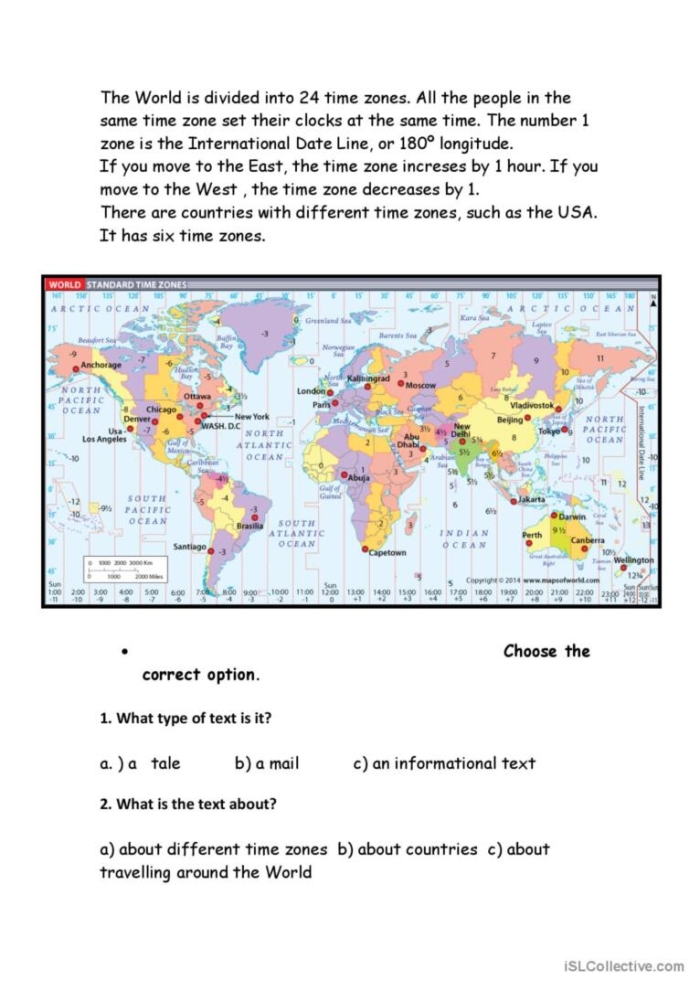
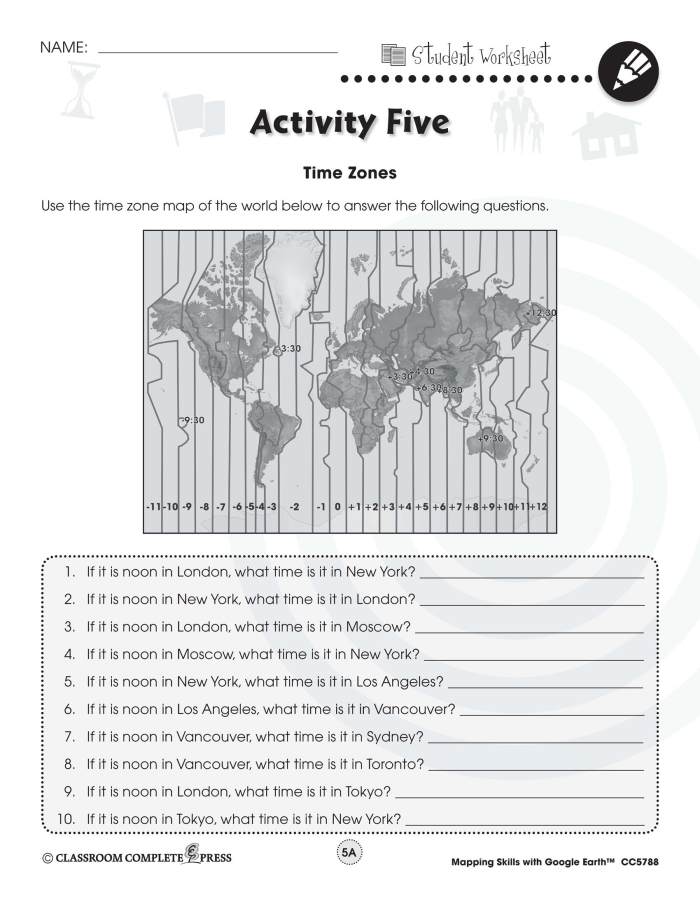
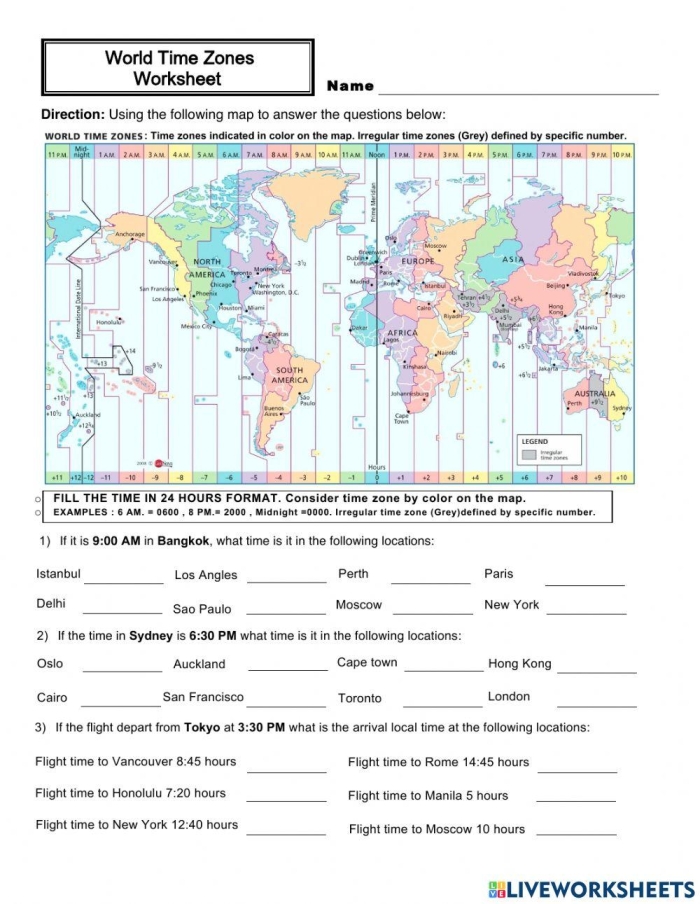
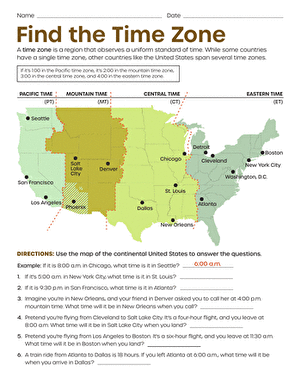
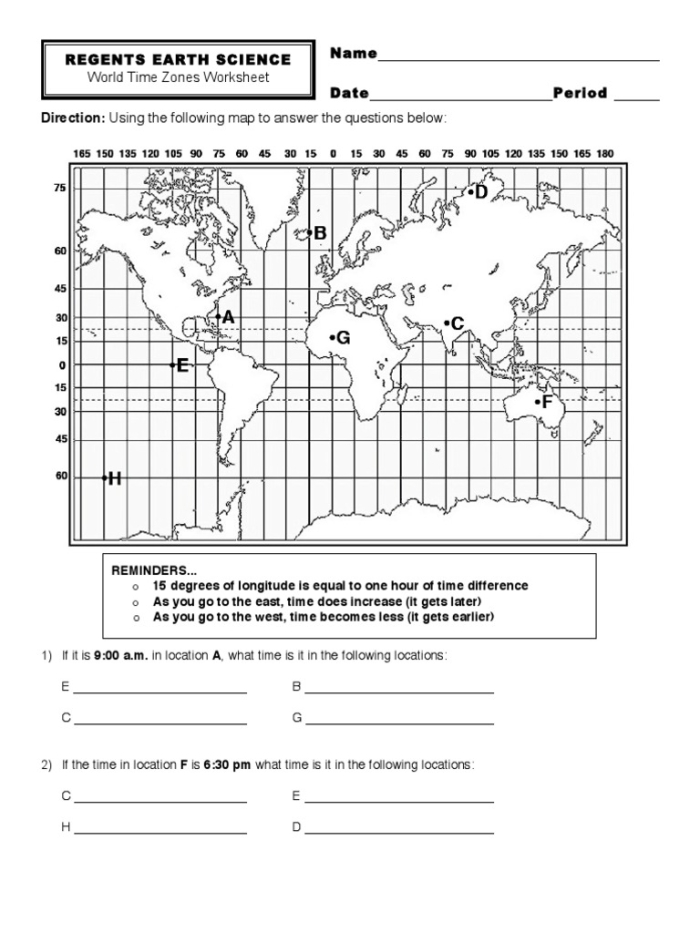
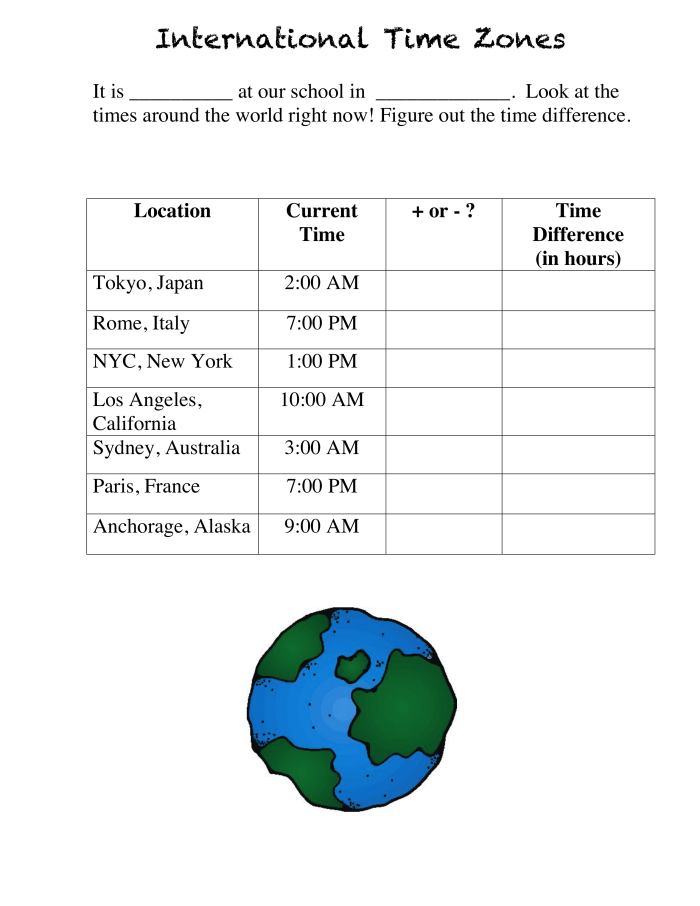
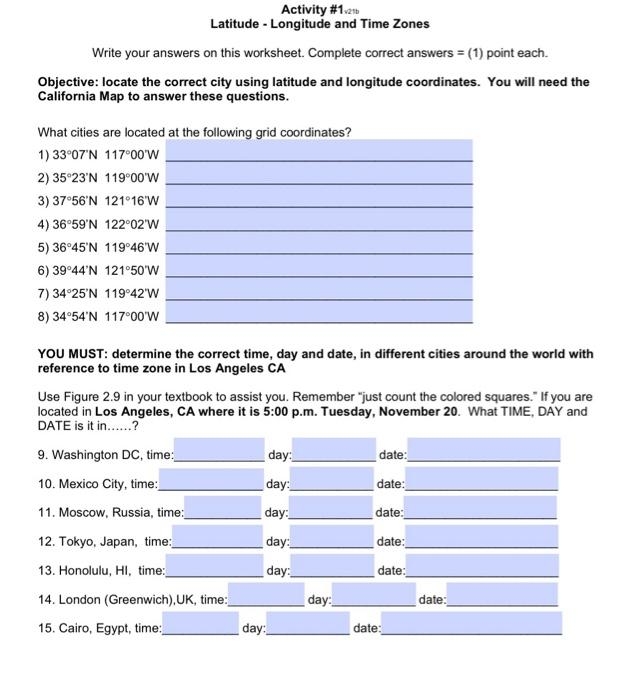
Time zones exist because the Earth rotates, and different parts of the planet experience daylight at different moments. The United States alone spans four main time zones, each separated by one hour. When it’s noon in New York, it’s 9 a.m. in Los Angeles. This simple fact forms the foundation of time zone math. Students learn that adding or subtracting hours depends on direction: moving west means subtracting hours, while moving east means adding them.
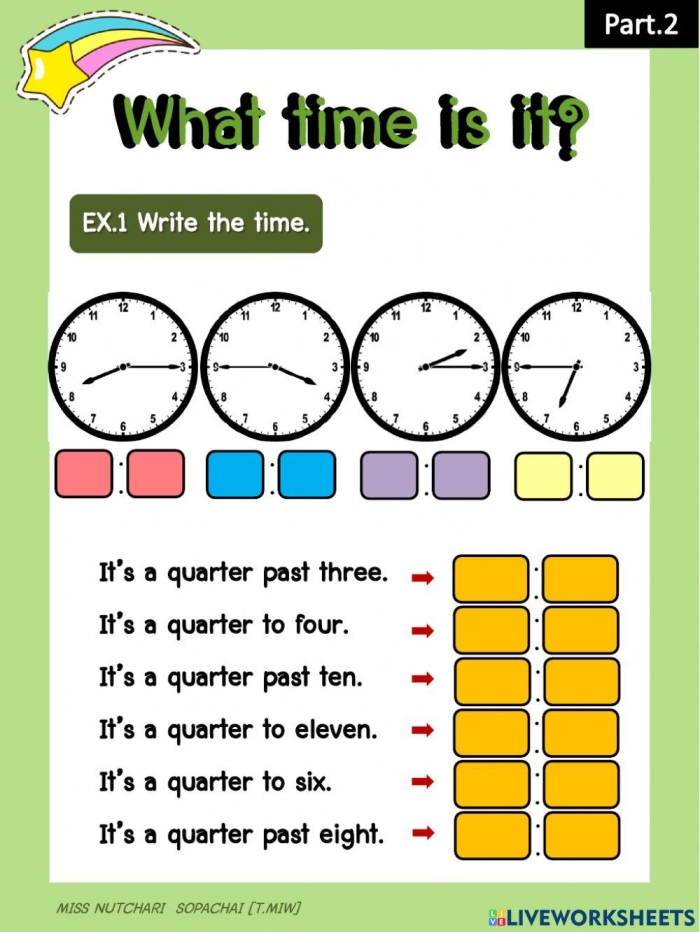
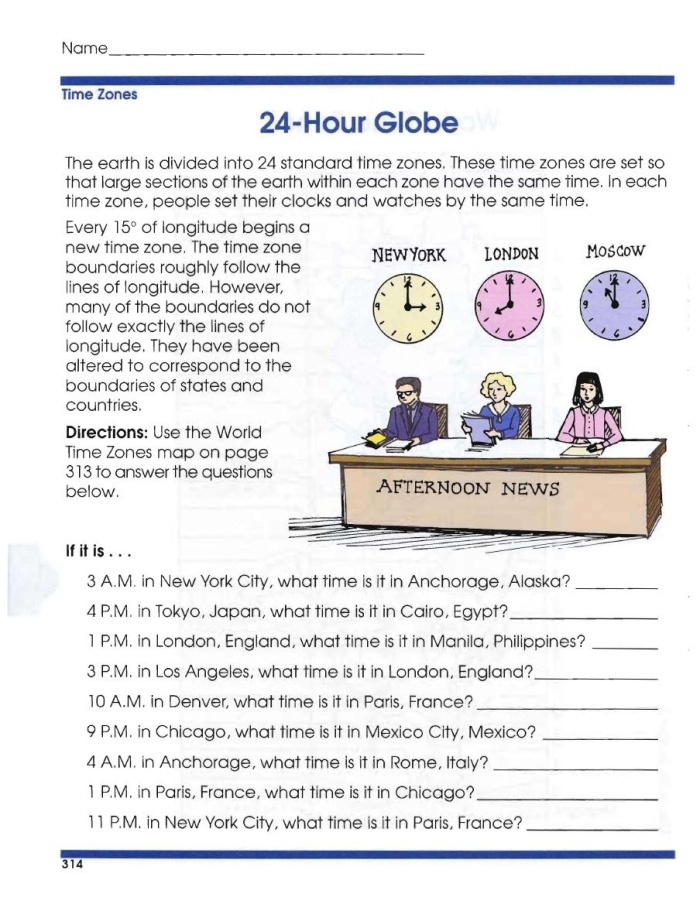
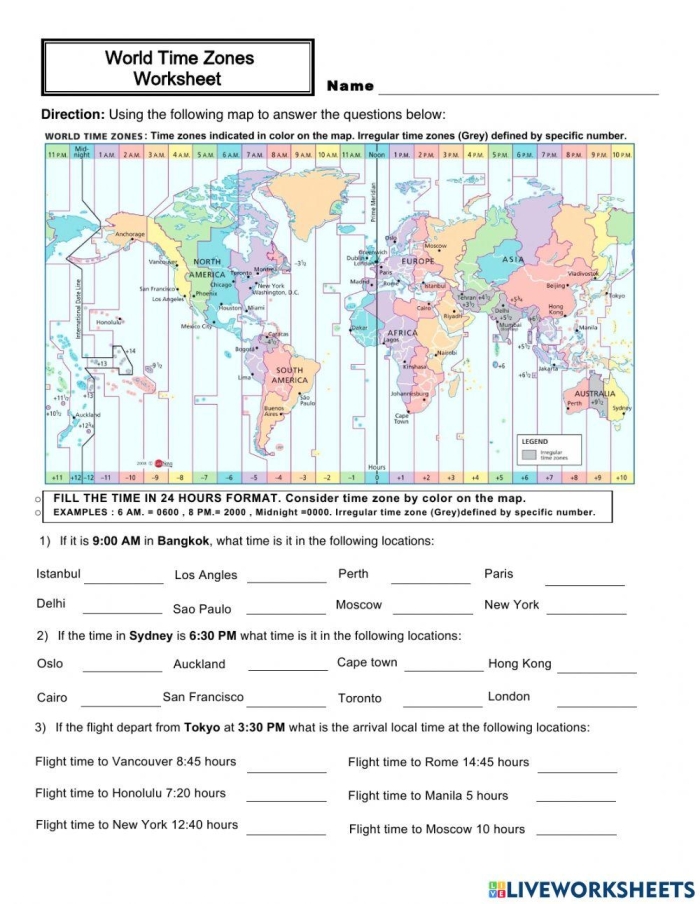
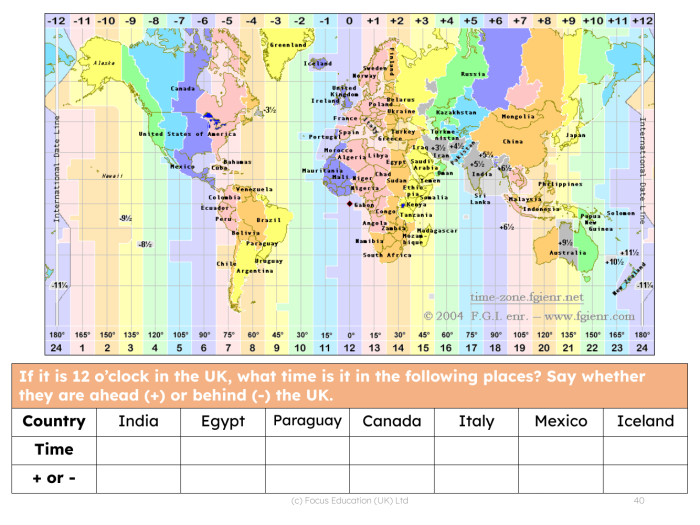
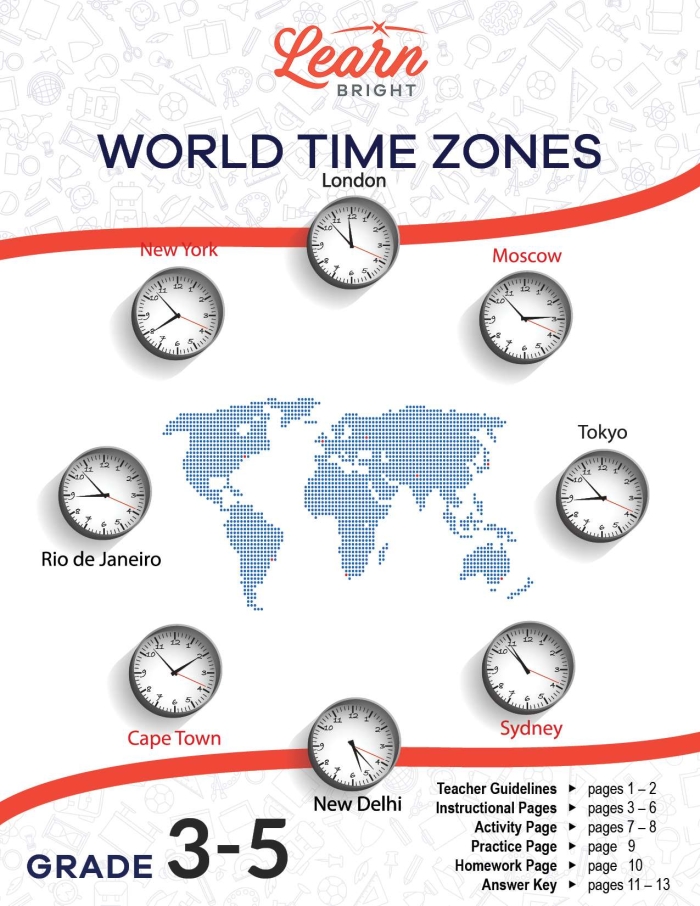
A solid worksheet combines place value practice with geography context. Third graders benefit from visual representations showing clock faces alongside maps, helping them see the connection between location and time. Understanding what time zones are gives students the conceptual foundation they need before tackling calculations.
The math involved strengthens arithmetic skills naturally. If a student needs to figure out what time it is in another zone, they’re performing addition and subtraction within meaningful contexts. This approach works better than abstract drills because the problem has real significance. A child can imagine calling a grandparent in a different state and understand why the timing matters.
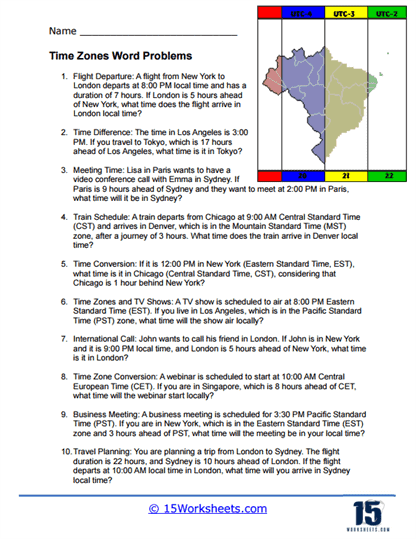
Many worksheets include scenarios like airplane departures, video call times with pen pals, or television broadcast schedules. These situations make the math feel purposeful. When combined with other place value exercises like multiplying by four or studying Midwestern states geography, students build a comprehensive understanding of how numbers and locations interact. The skill develops confidence in handling multi-step problems while keeping geography engaging and relevant.
Worksheet Practice Section