Skip counting by twos opens a door to understanding how addition actually works, and first grade is the perfect time to introduce this concept. When kids count by twos, they’re not just reciting numbers in a new pattern, they’re building a foundation for multiplication and seeing groups of objects in action.
The beauty of this approach lies in its simplicity. Instead of adding 2+2+2+2 on paper, a child can count 2, 4, 6, 8 and arrive at the same answer through a more intuitive method. This bridges the gap between concrete thinking and abstract math. A first grade student might use their fingers, skip along a number line, or hop through a worksheet to practice this skill, and each method reinforces the same underlying concept: repeated addition.
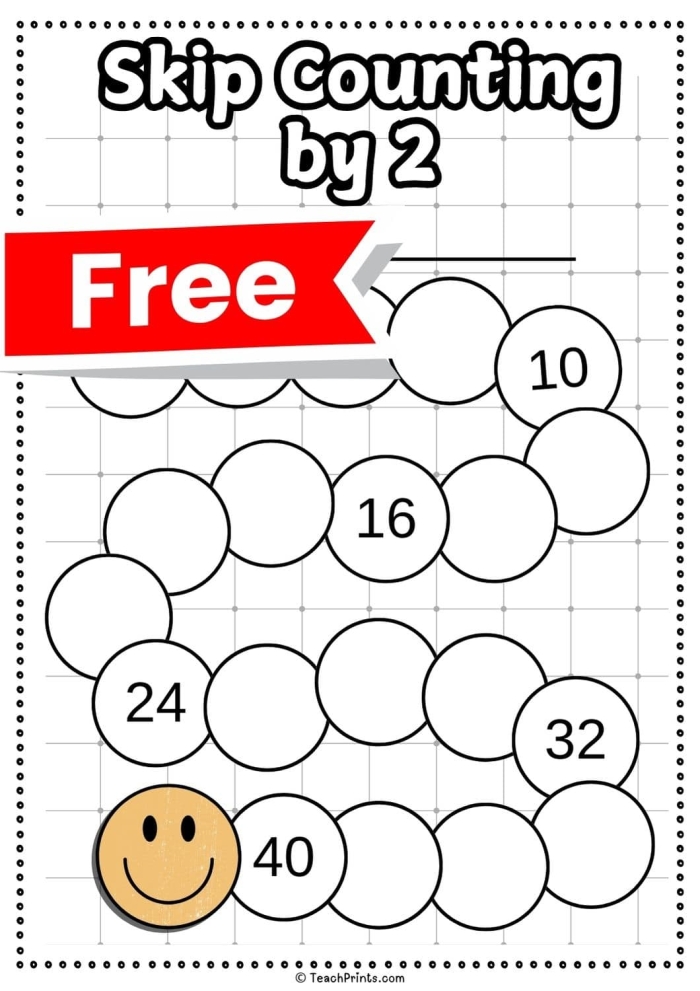
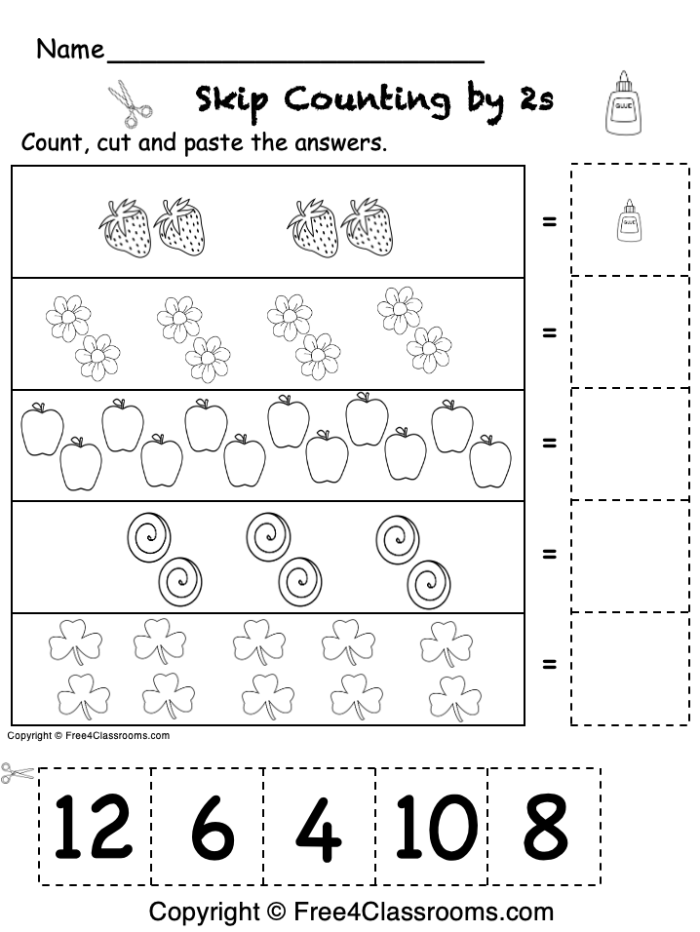
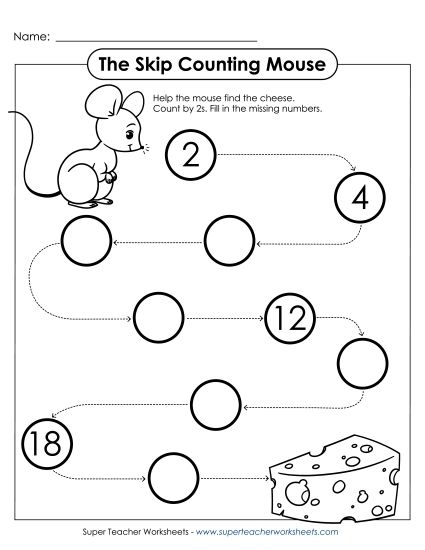
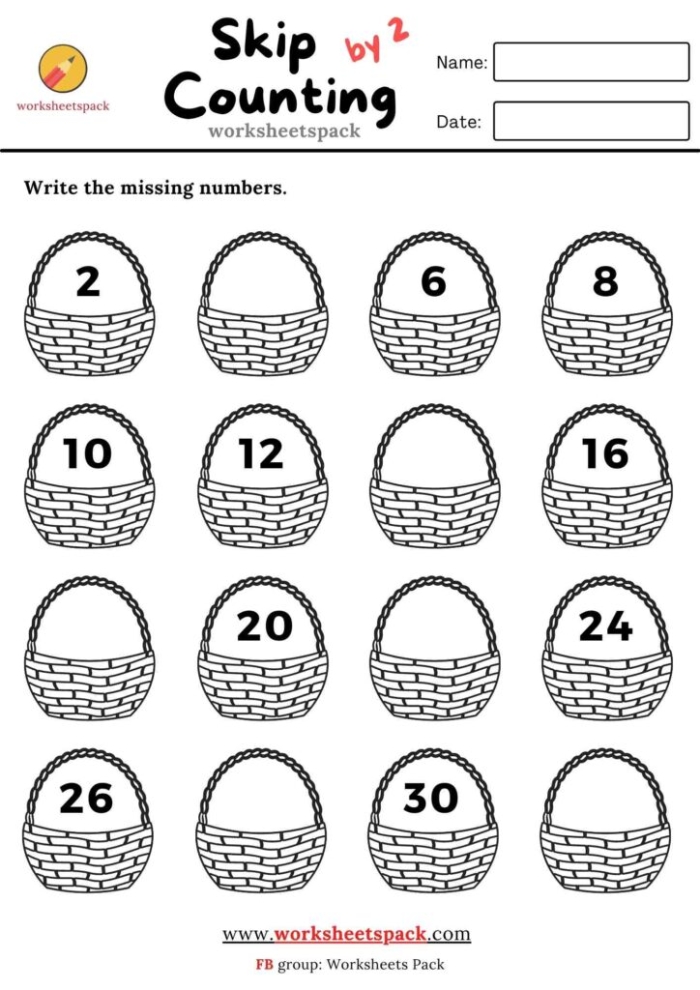
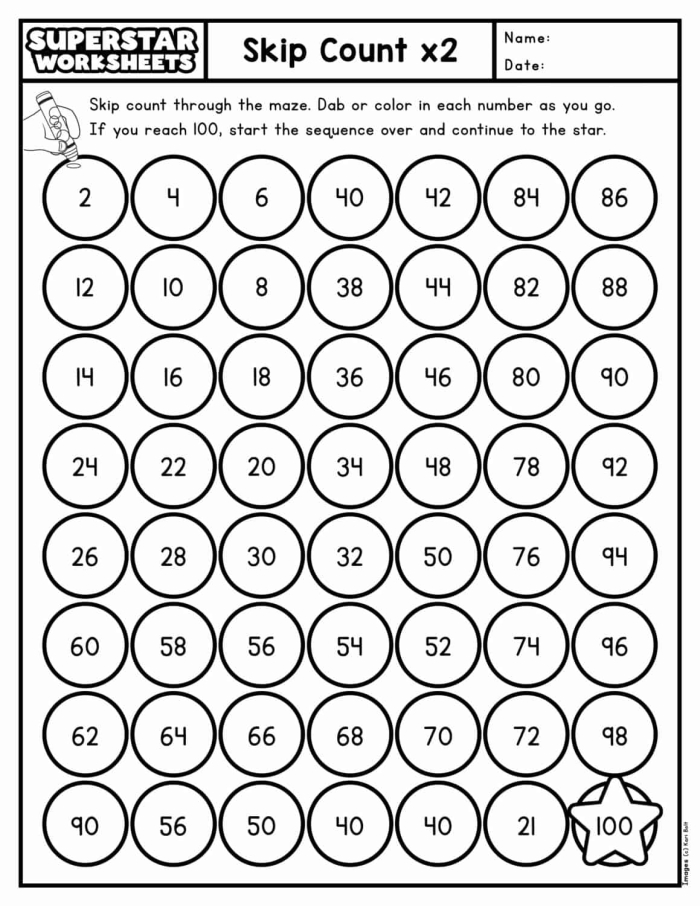
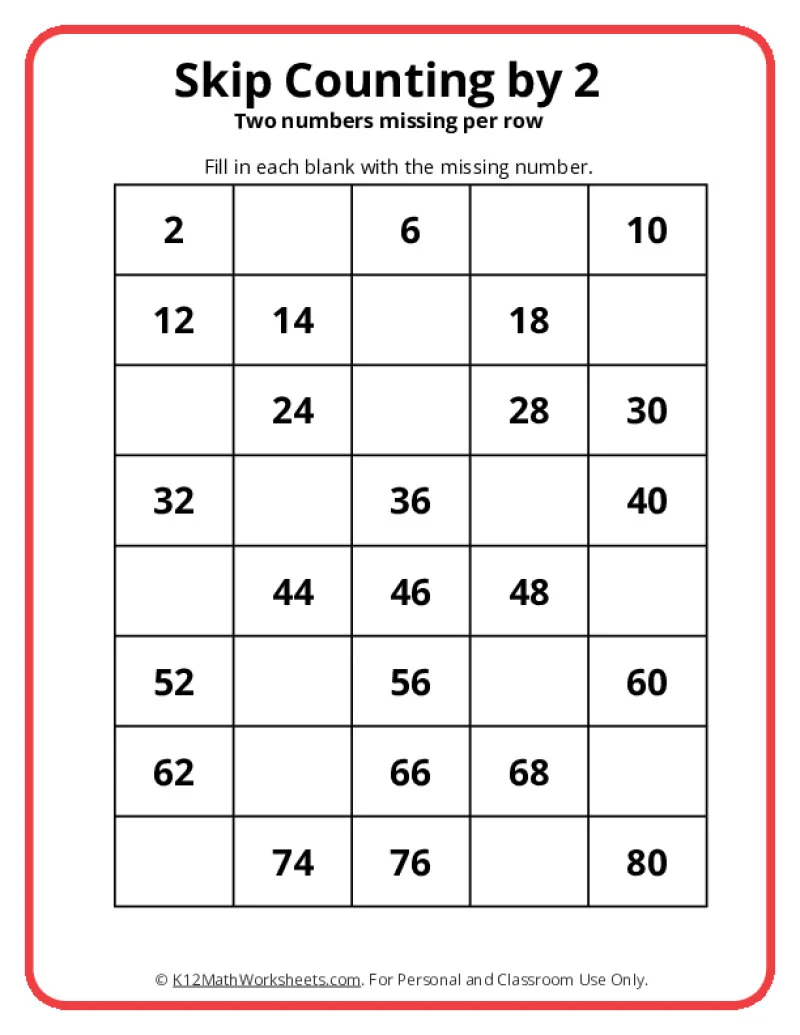
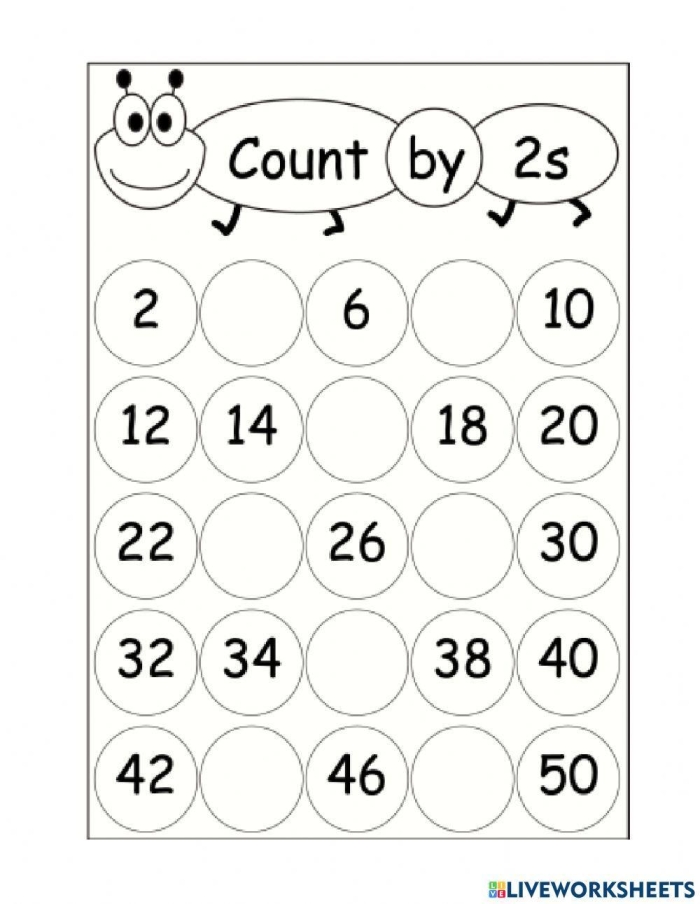
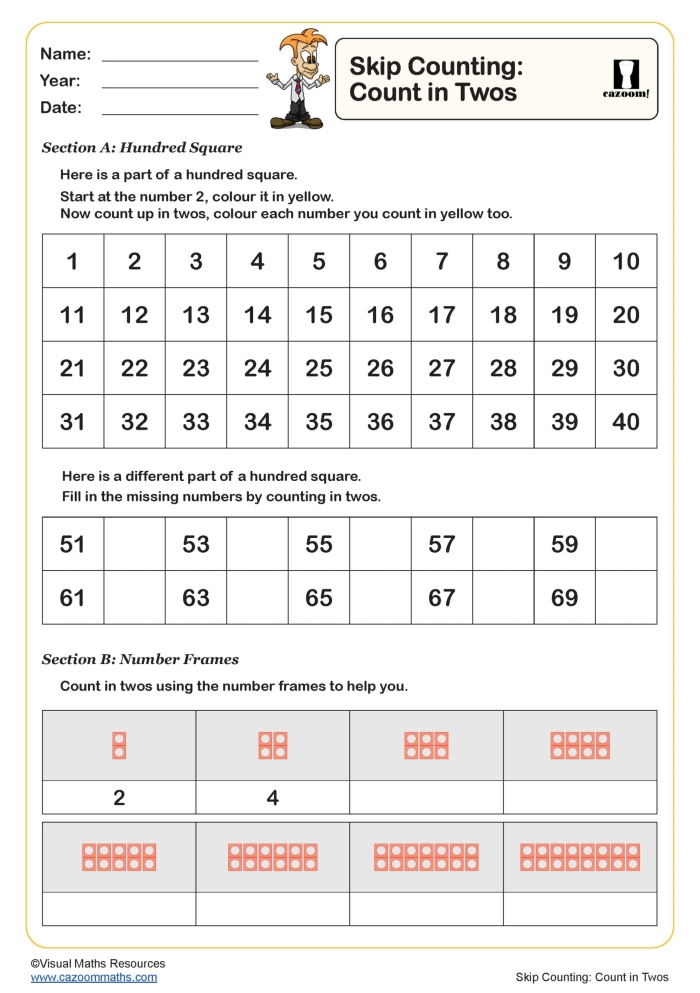
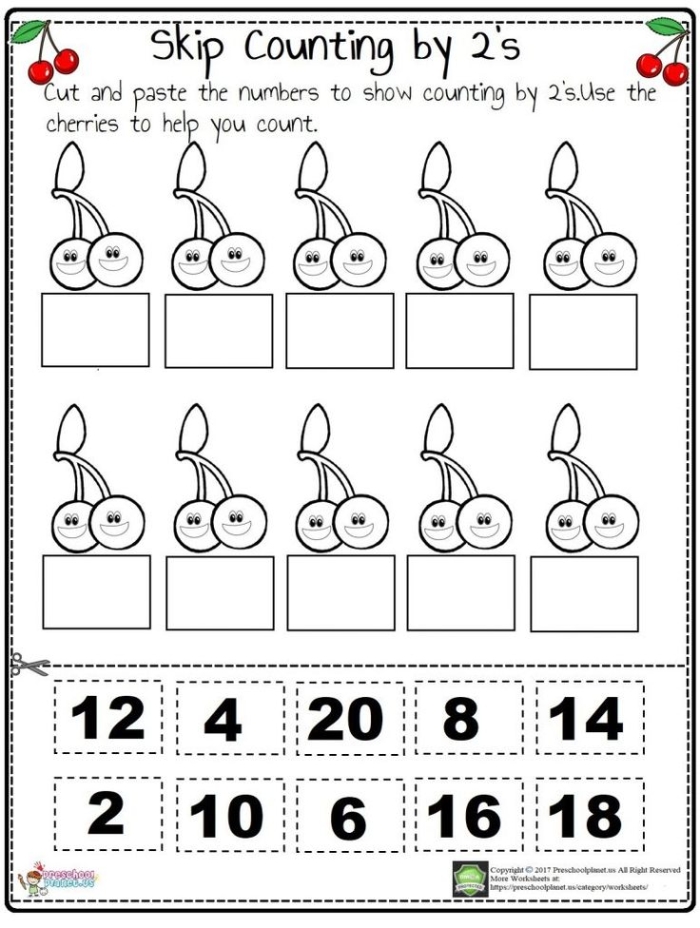
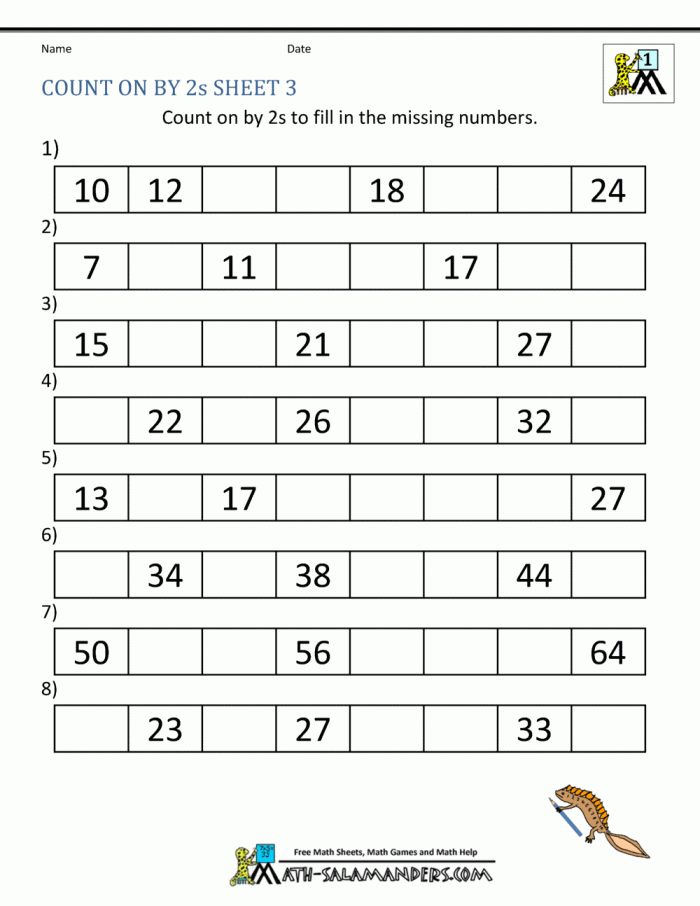
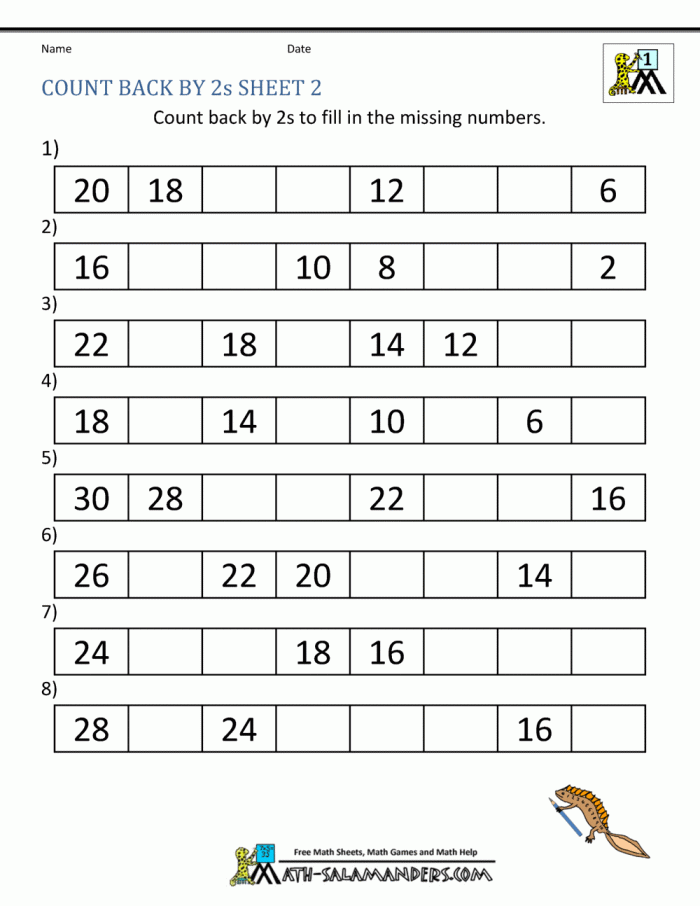
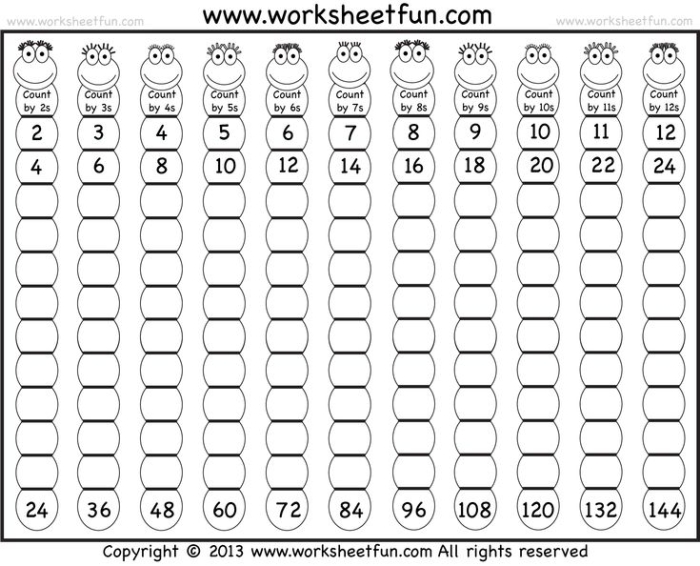
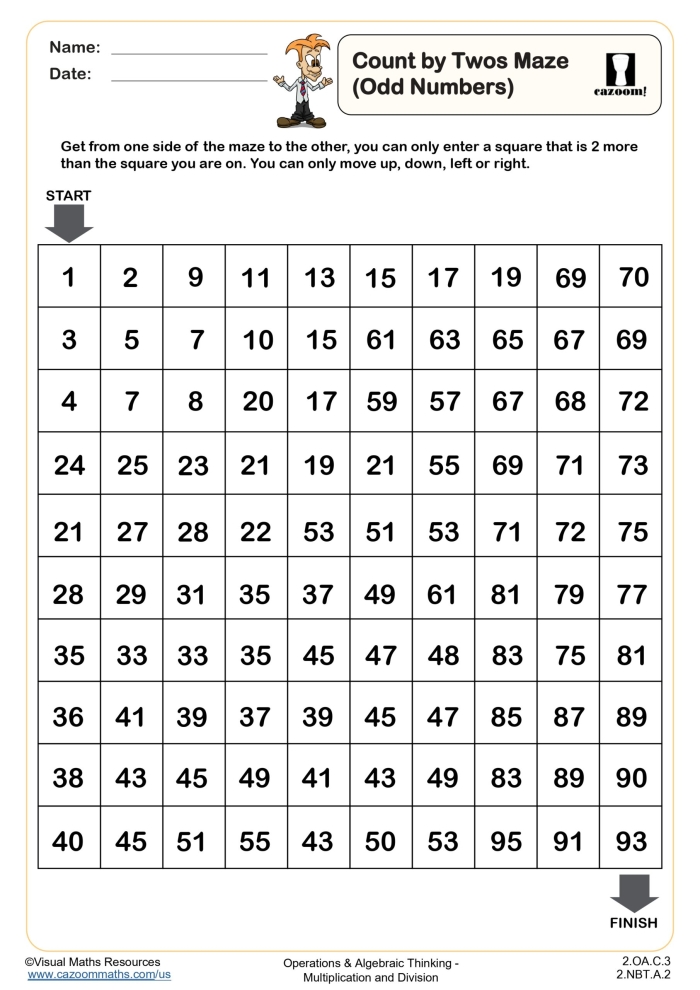
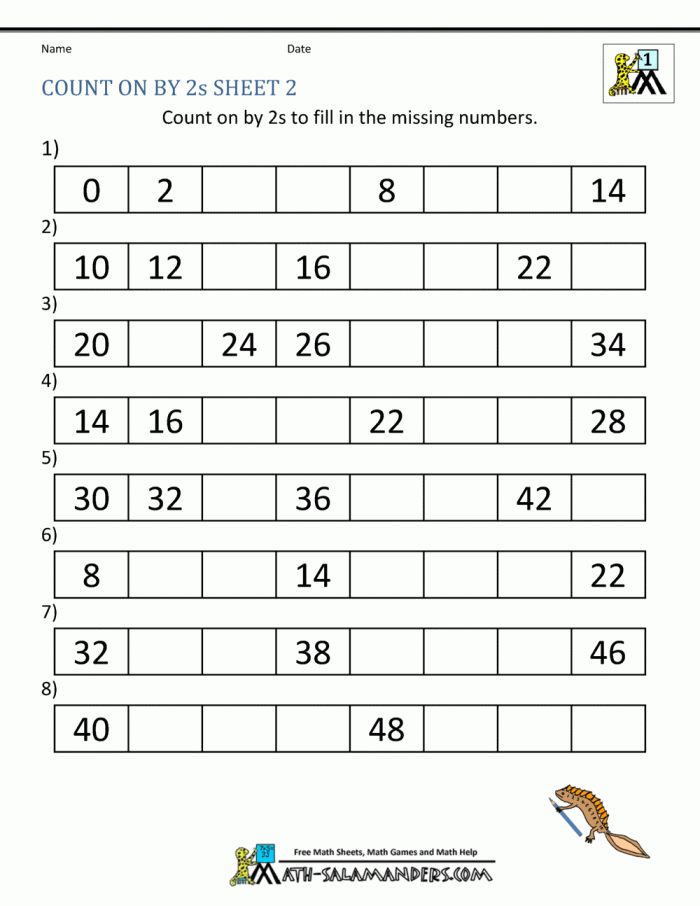
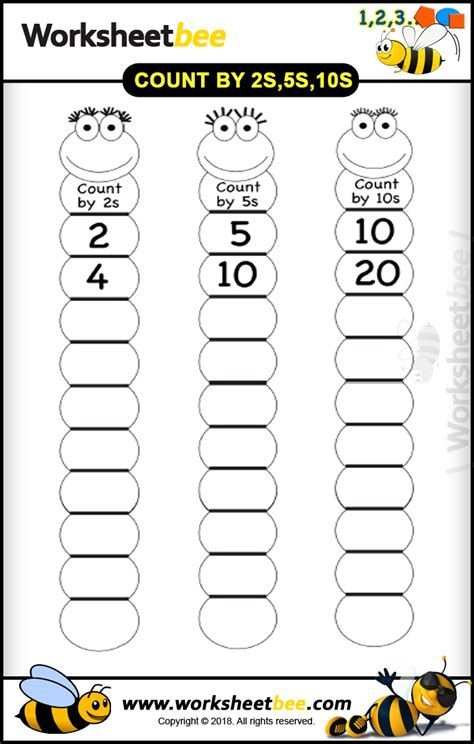
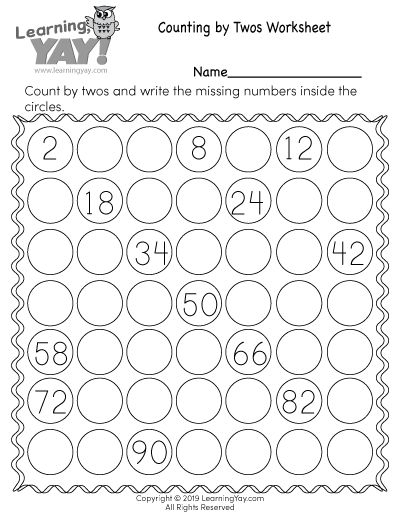
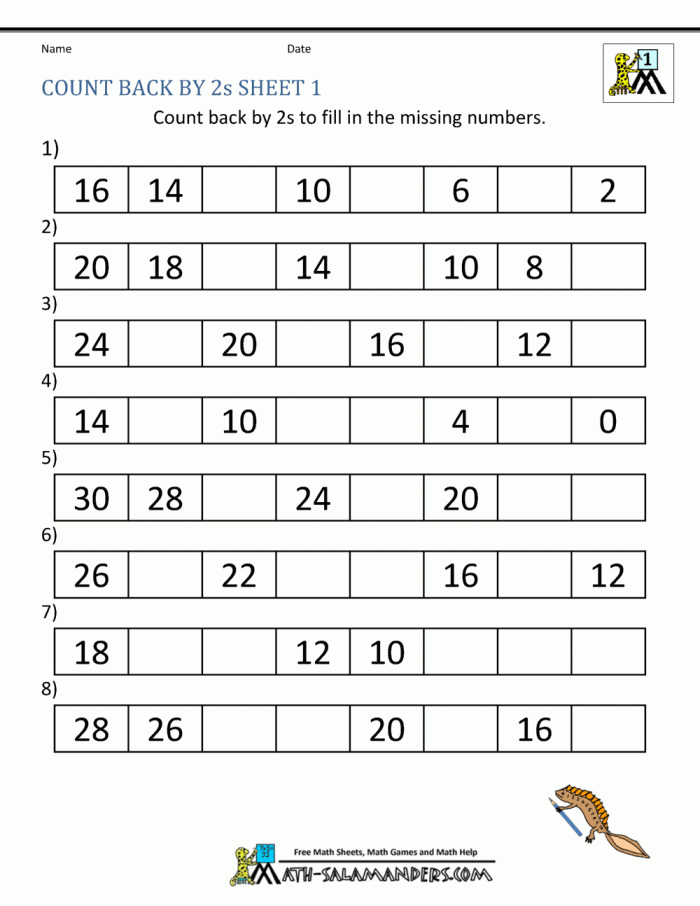
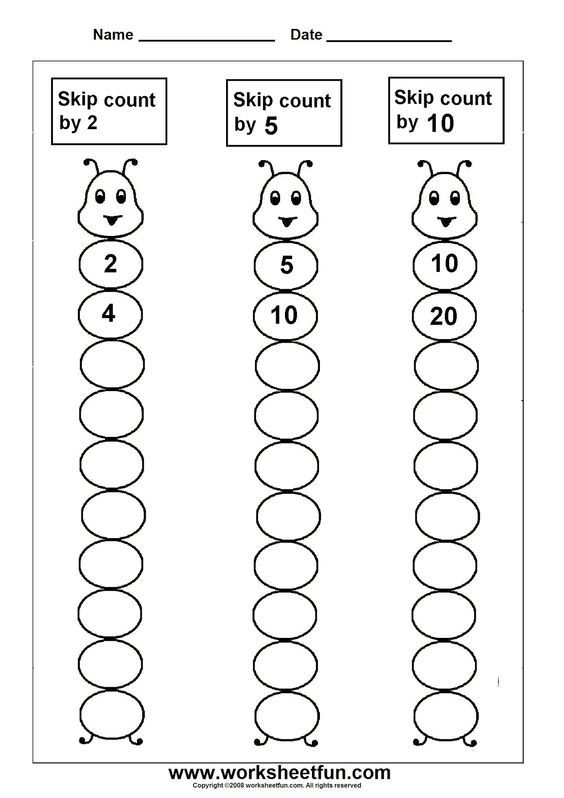
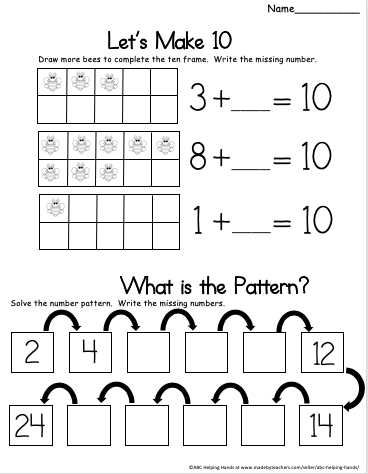
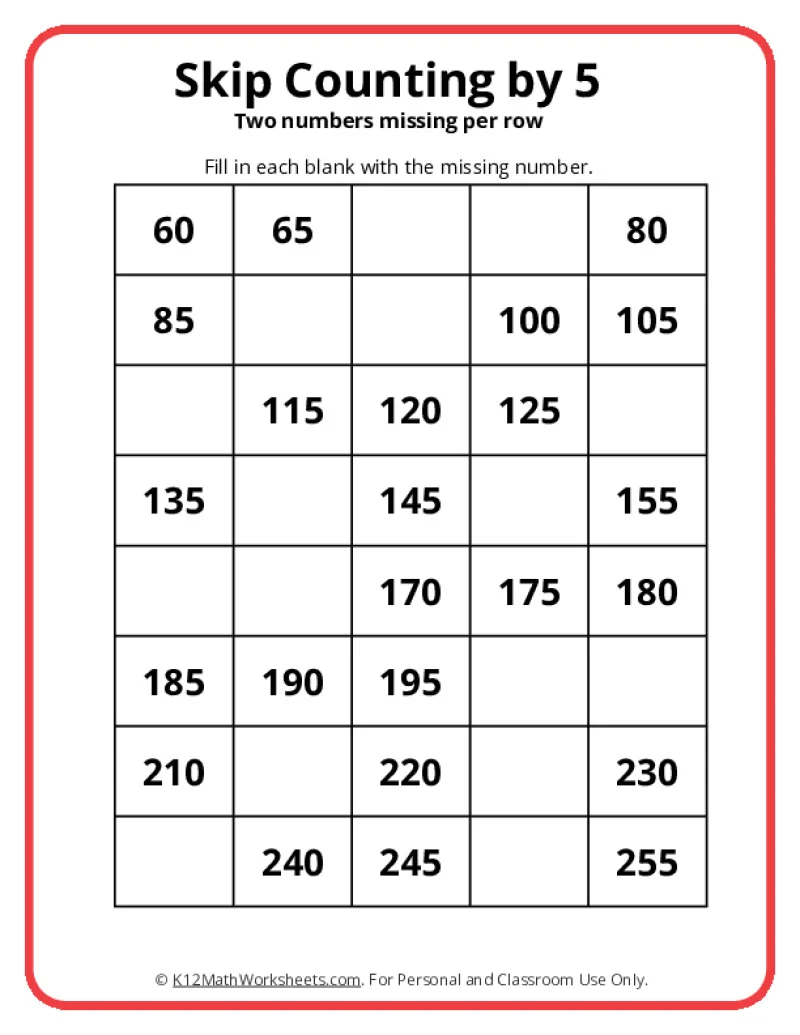
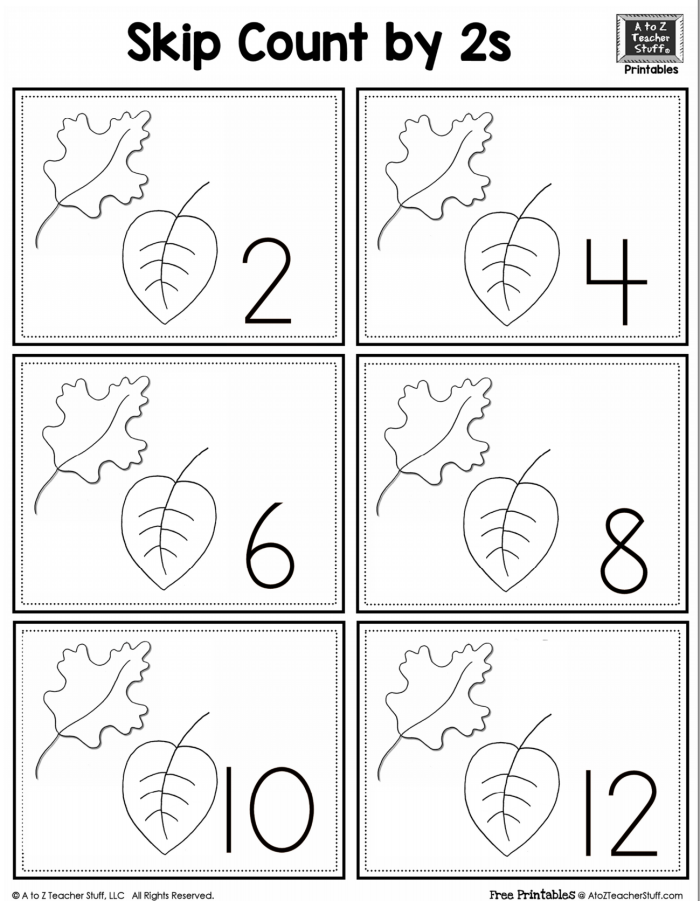
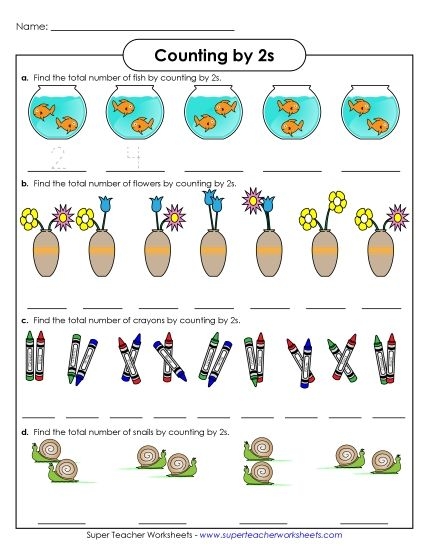
On a printable count by twos worksheet, children typically see sequences with missing numbers or visual representations like pairs of objects they need to count. These exercises help them recognize patterns and build automaticity with even numbers. The repetition isn’t boring when kids see how the numbers grow in predictable ways.
Teachers and parents often pair skip counting activities with other algebra foundations. You might combine a count by twos exercise with position and direction activities to help children understand spatial relationships alongside numerical patterns. Some educators also incorporate connect the dots worksheets where skip counting becomes part of a fun drawing activity.
The real advantage of skip counting by twos in first grade is that it makes math feel like a game rather than a chore. Kids discover they can predict what comes next, which builds confidence and encourages them to explore more complex patterns as they advance.
Start Practicing with These Worksheets