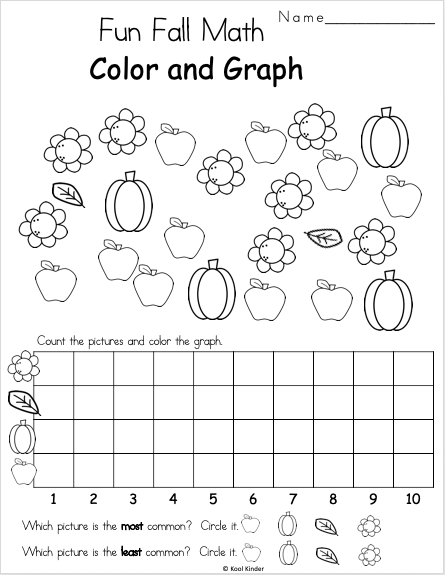
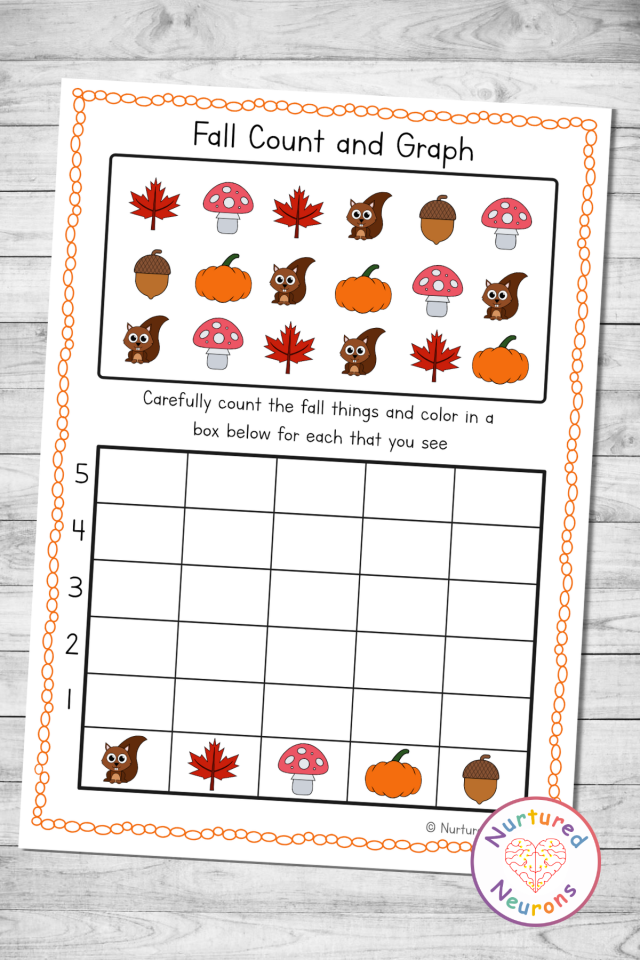
Graph skills tend to slip away quickly if second graders don’t practice them regularly. Over the summer or during busy school months, kids forget how to interpret the visual information that bars and pictures convey. That’s why revisiting graphs with your child matters more than you might think.
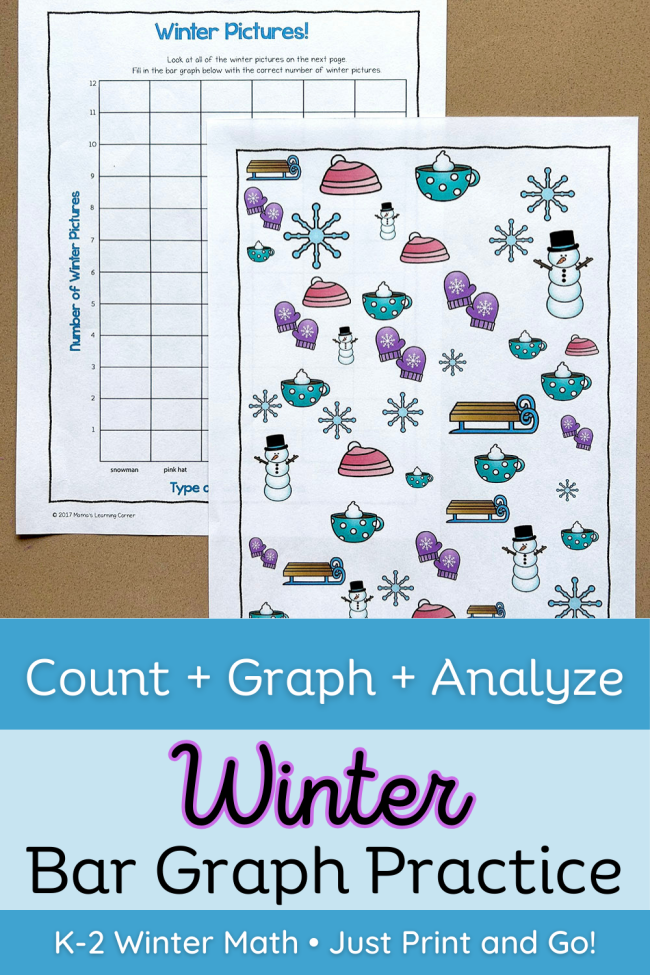
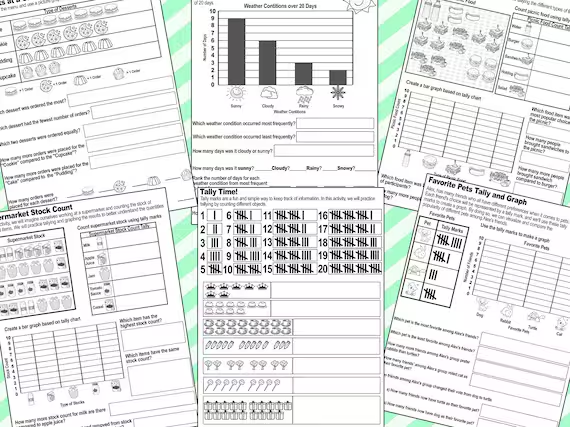
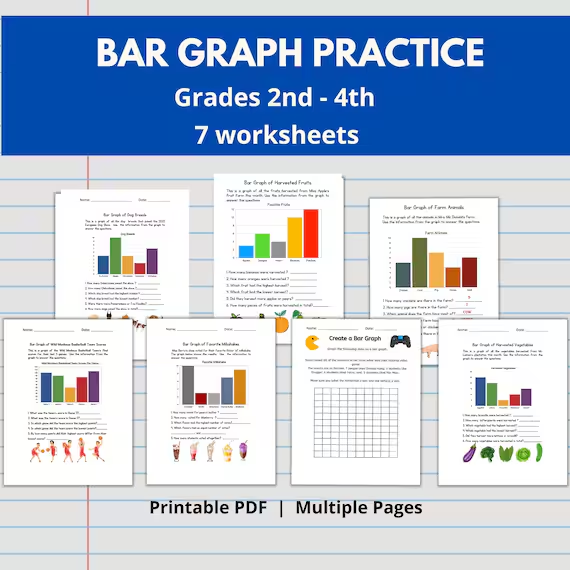
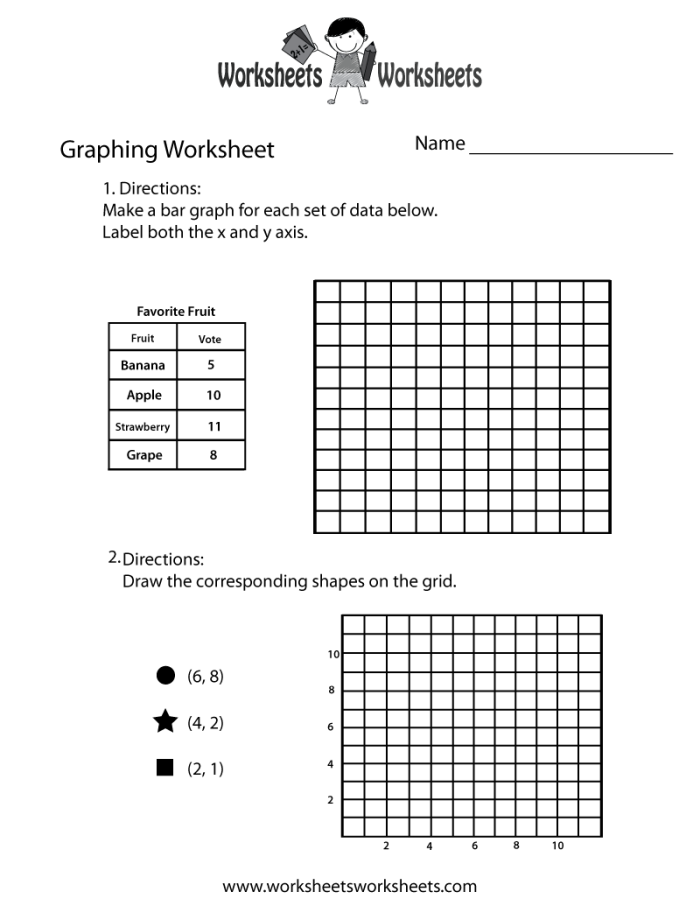
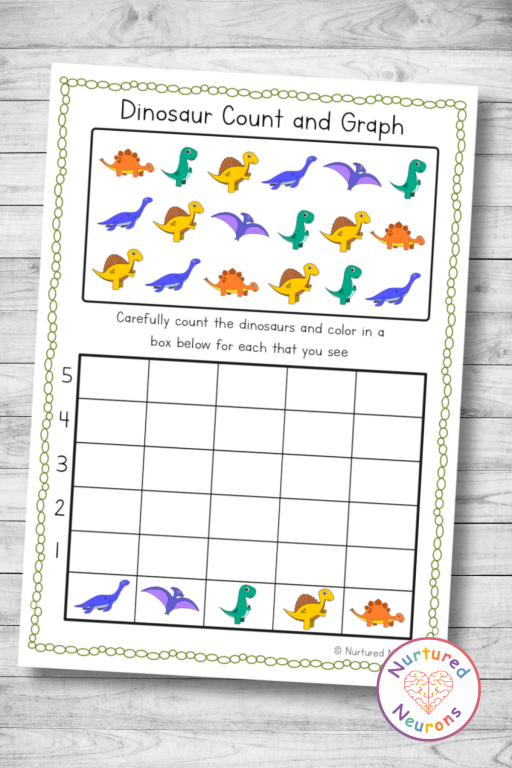
Bar graphs and pictographs are foundational tools for understanding data. A bar graph uses rectangular columns to show quantities, making it easy to compare values at a glance. A pictograph uses small images or symbols to represent numbers, which appeals to younger learners who still think visually. Both formats teach children to extract information from a visual representation and answer questions based on what they see.
When your second grader works through graph practice reading worksheets, they’re building more than just math skills. They’re learning to read data, which connects directly to reading comprehension itself. The ability to understand what a visual is communicating carries over to other areas of learning.
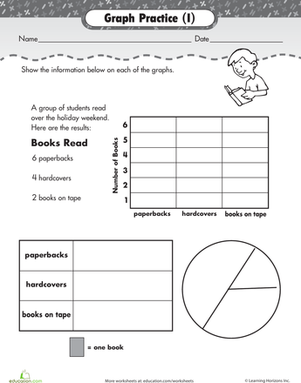
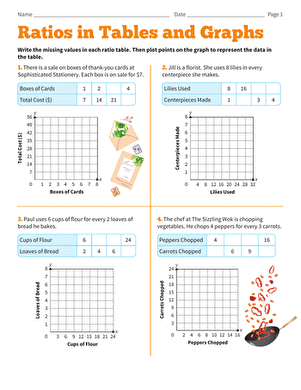
A solid worksheet will ask your child straightforward questions like “Which category has the most?” or “How many more dogs than cats?” These questions force them to look carefully at the graph, locate the correct information, and think about what the numbers mean. Some worksheets even combine graph skills with other second grade reading activities, like those focused on identifying main ideas.
The best approach is to make graph practice a regular habit rather than cramming it all at once. Even ten minutes a week keeps these skills fresh and prevents the frustration that comes when kids have to relearn something they’ve already mastered. Your second grader will feel confident tackling graphs in their classroom when they’ve had consistent practice at home.
Worksheet Practice Section