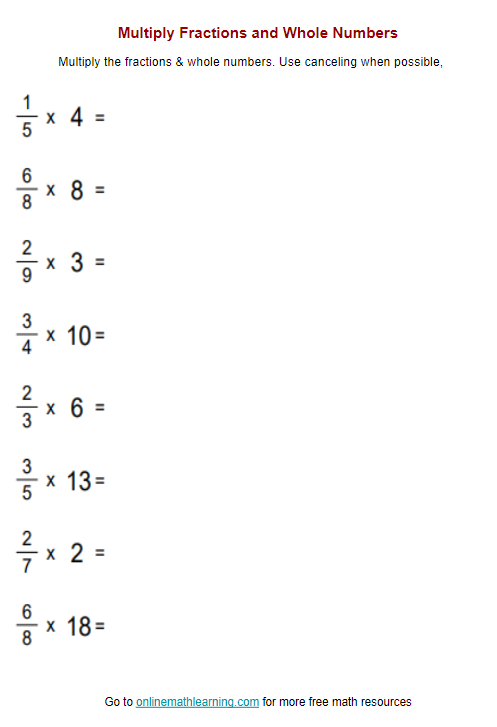
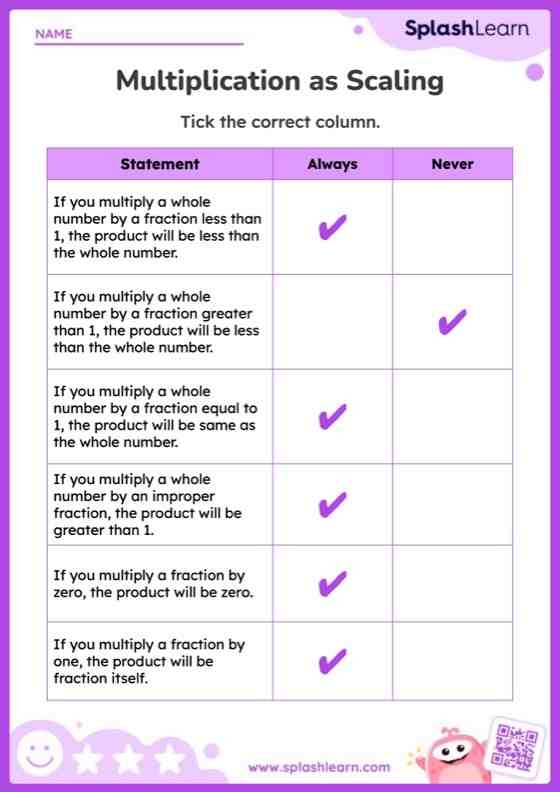
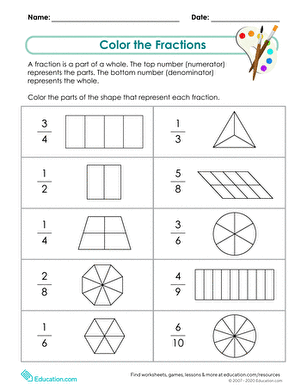
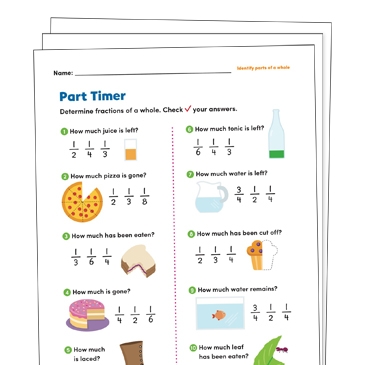
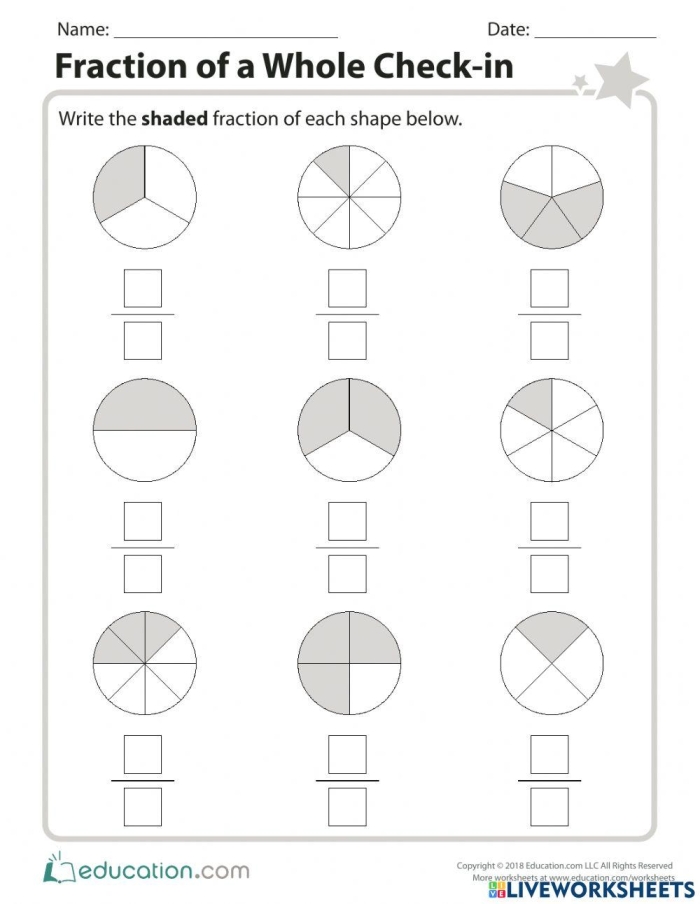
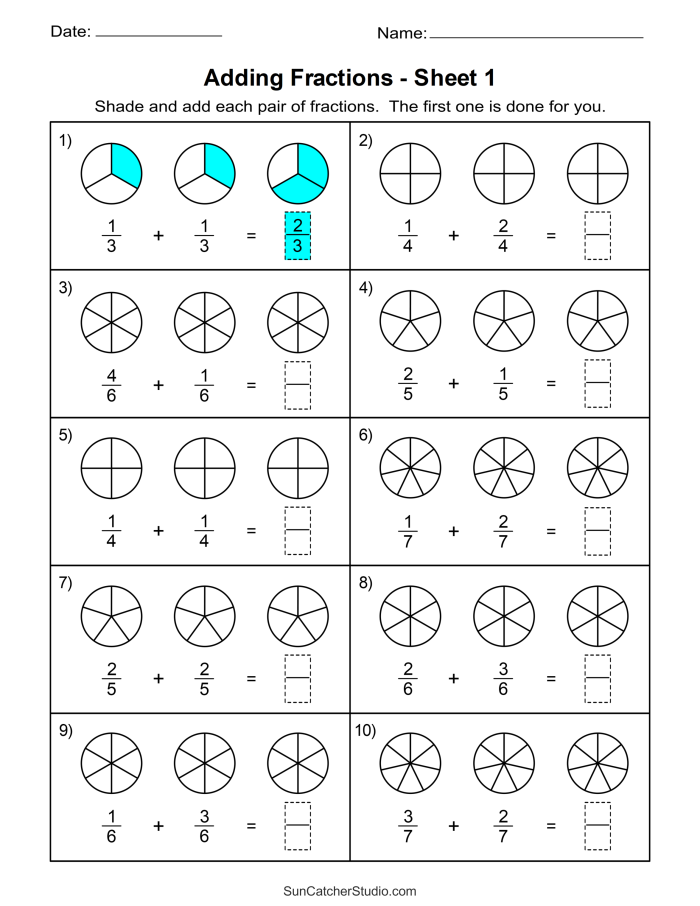
Your third grade students have spent months building their understanding of fractions, and now comes the moment to measure that progress. An end-of-year fraction of a whole check-in gives you concrete insight into where each student stands before moving forward. Rather than guessing whether they’ve truly grasped the concept, you’ll have clear evidence of their mastery.
Fractions represent one of the trickier concepts in third grade geometry and math. Students need to understand that a whole can be divided into equal parts, and that each part has a specific name and value. Many children can recite “one-half” or “one-fourth” without actually comprehending what those words mean when applied to a pizza slice or a chocolate bar. A proper check-in reveals the difference between memorization and genuine understanding.
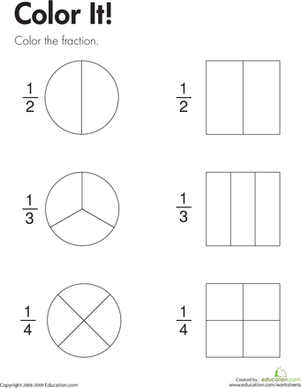
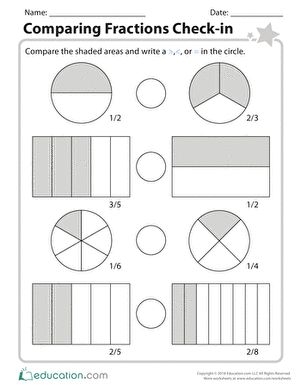
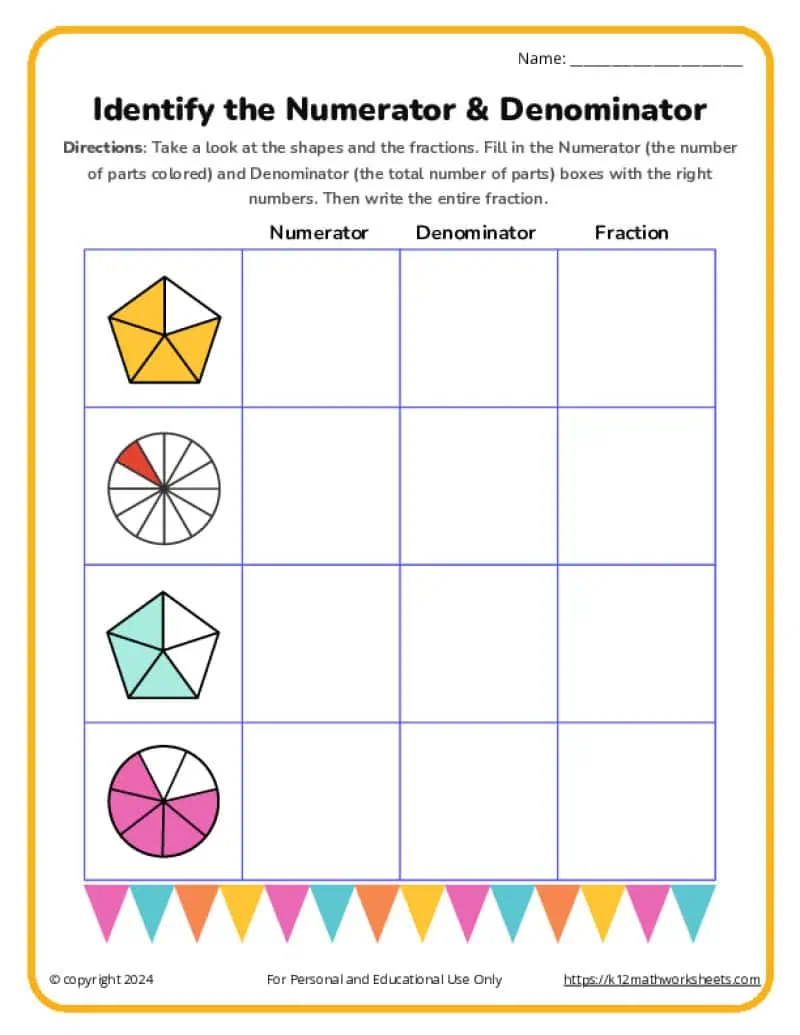
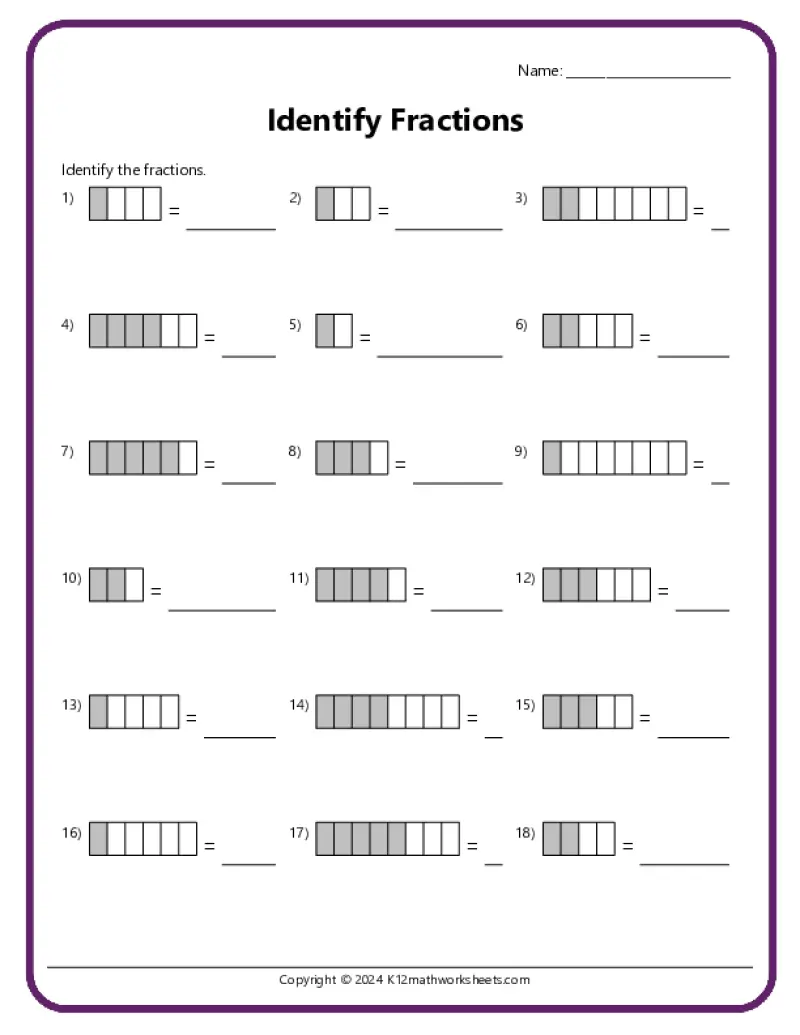
When you assess simple fractions of wholes, you’re looking for students who can identify halves, thirds, and quarters in visual representations. They should recognize that four equal parts make fourths, not that any four pieces constitute fourths. They need to see that a half of a rectangle looks different from a half of a circle, yet both represent the same fractional value. These distinctions matter enormously for building stronger math skills in later grades.
The check-in process works best when you include varied visual formats. Some students excel with shapes divided into sections, while others connect better with real-world objects. Mixing different presentation styles ensures you’re capturing their true comprehension rather than their ability to follow a single format.
Beyond fractions, third grade encompasses many geometry skills. Understanding naming shapes and their attributes provides a foundation for fraction work. Students who can identify and describe shapes find it easier to divide them into equal parts. Similarly, concepts like perimeter connect to spatial reasoning that supports fraction visualization.
Use your check-in results to identify which students need additional practice and which are ready to move toward more complex fractional concepts. This assessment becomes your roadmap for instruction moving forward.
Start Practicing with These Worksheets