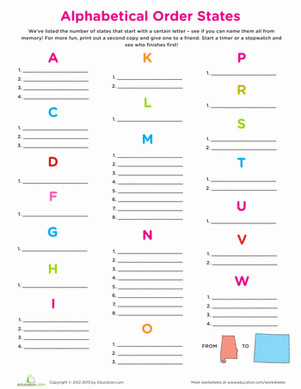
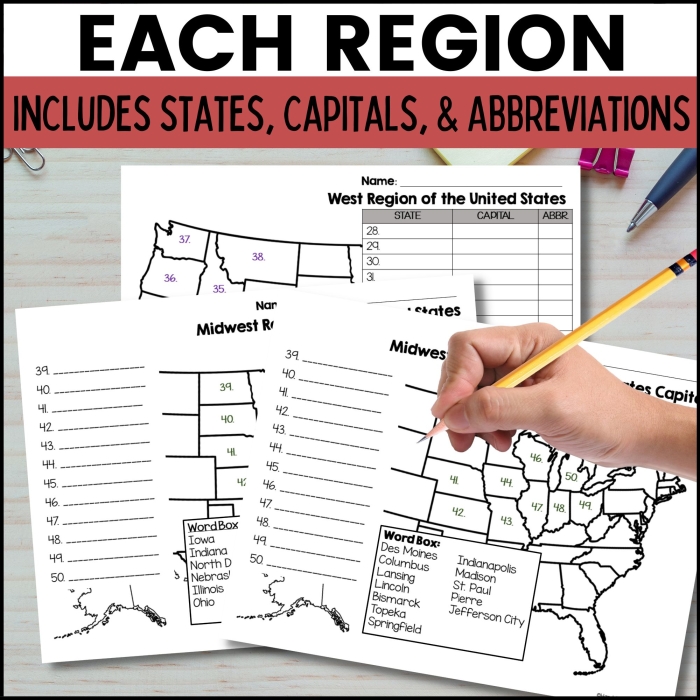
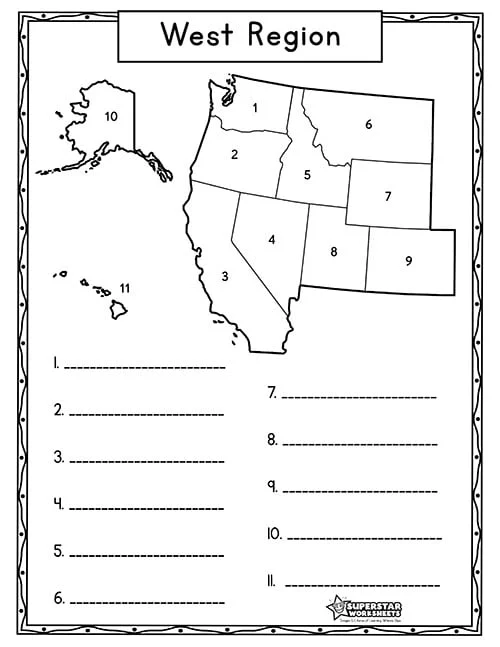
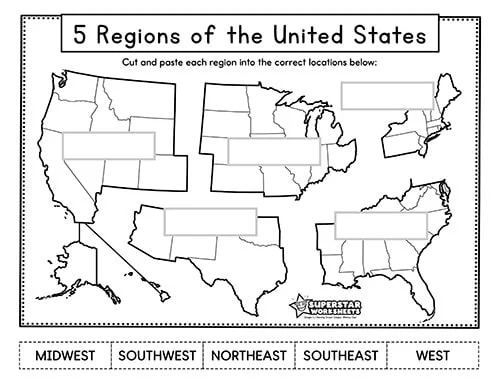
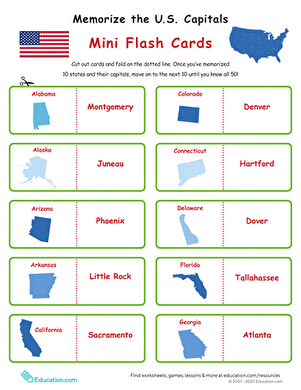
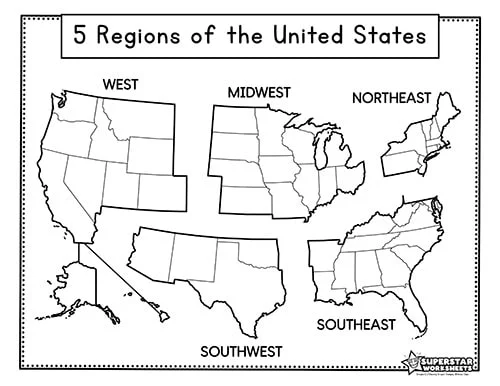
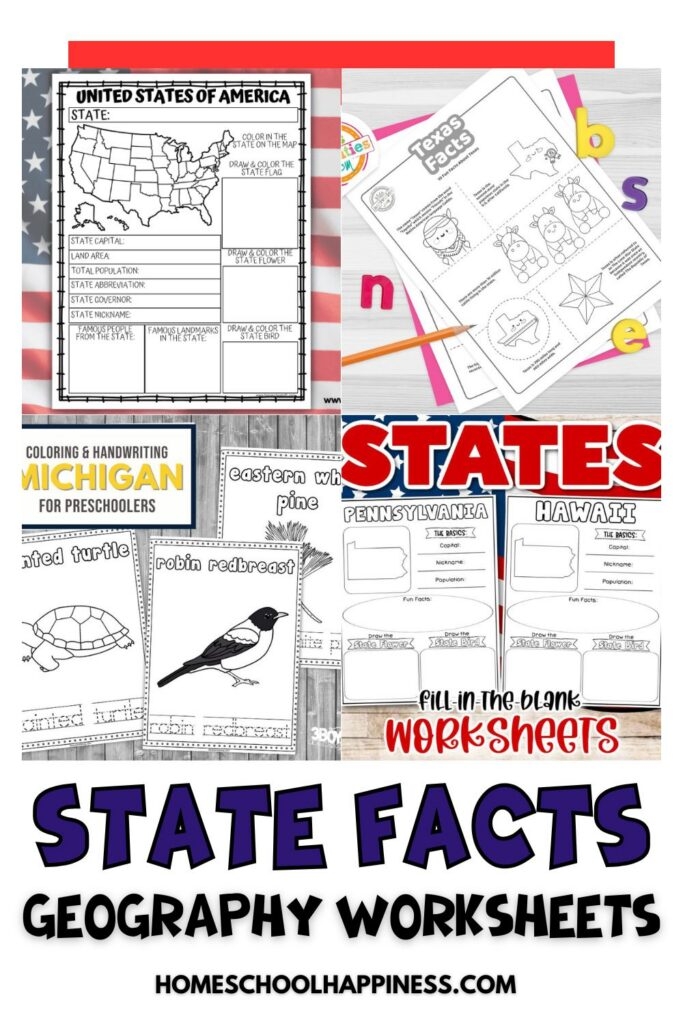
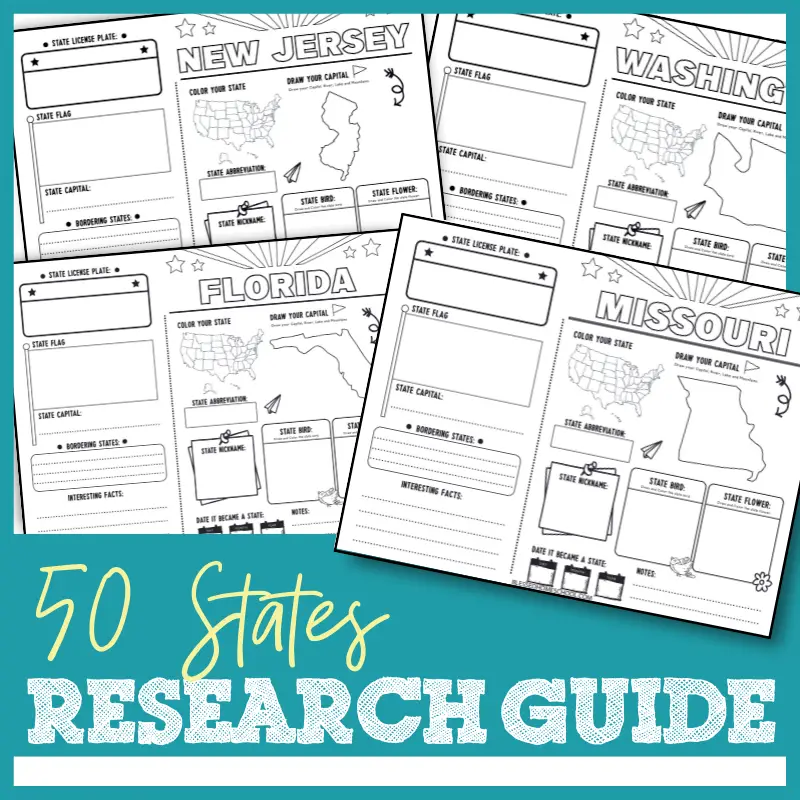
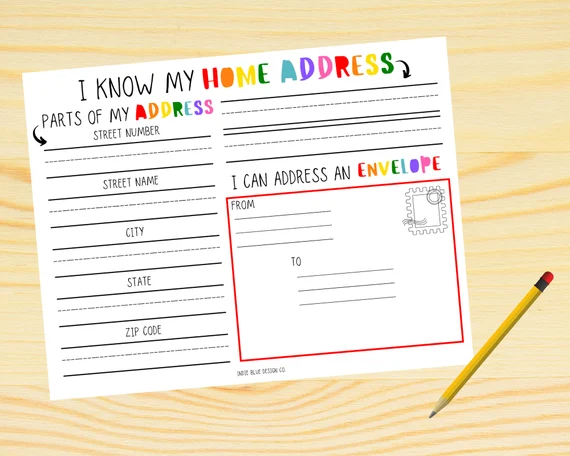
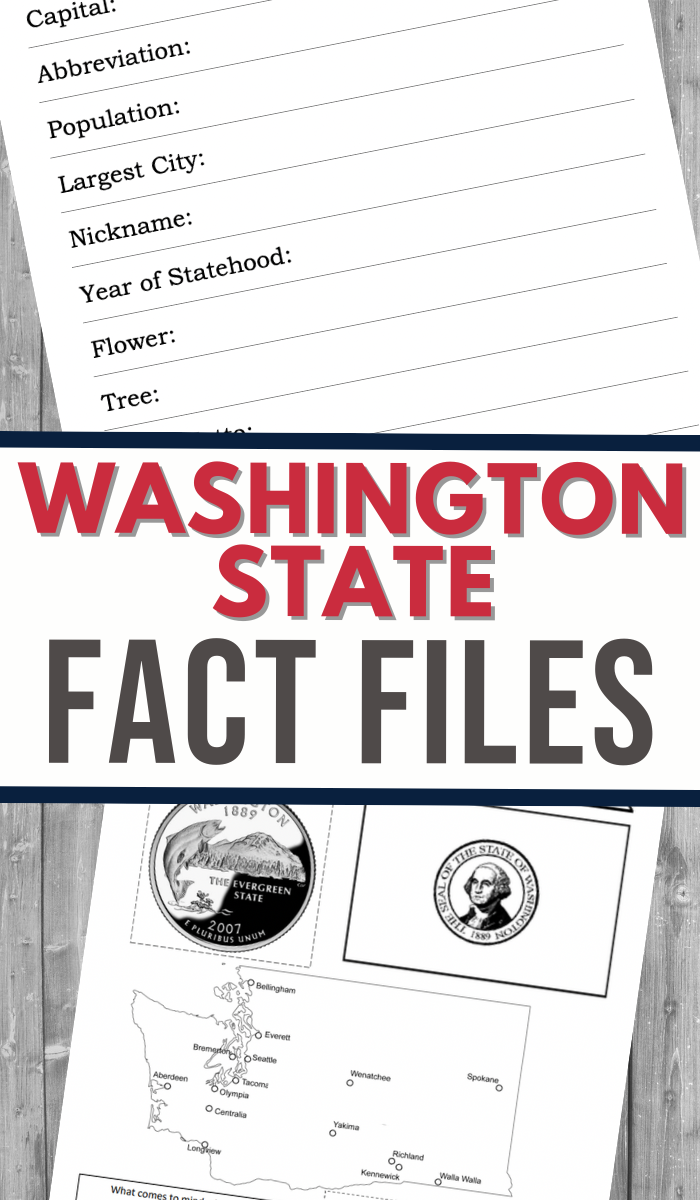
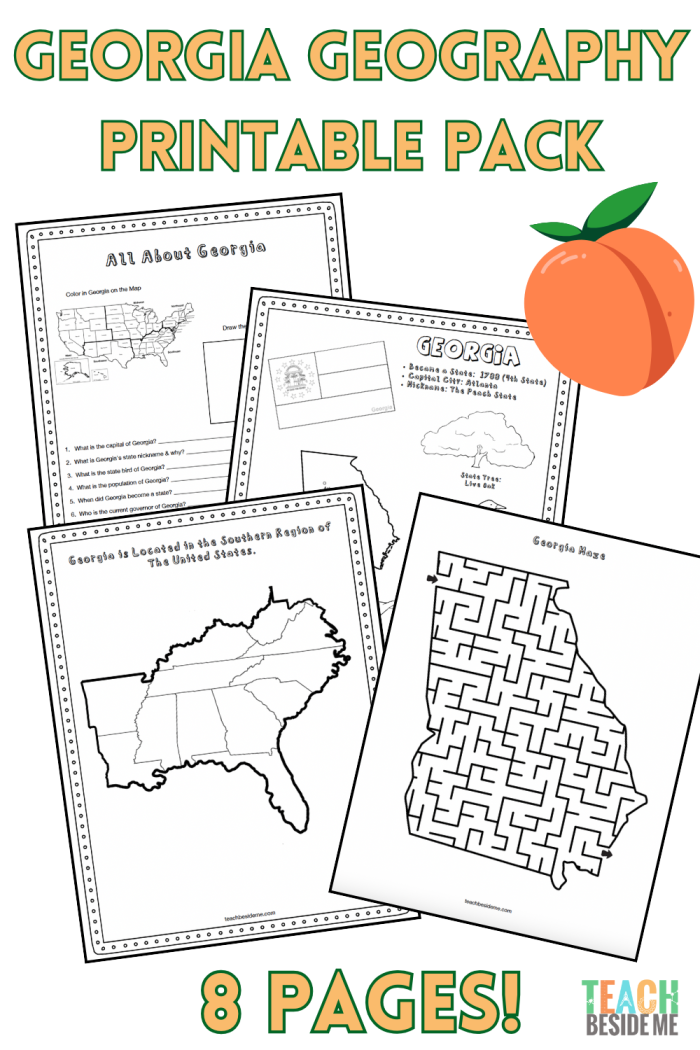
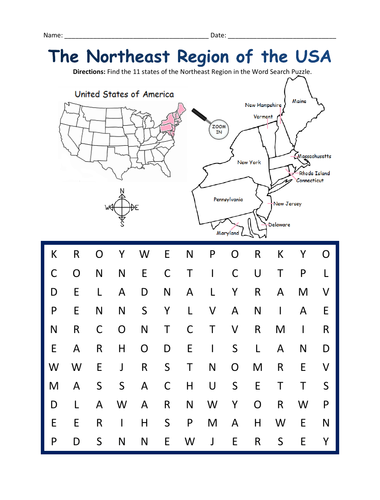
Getting third graders to think about where they live can feel like pulling teeth. Most kids that age focus on their immediate world: their classroom, their neighborhood, maybe their favorite restaurant. But there’s real value in helping them develop a stronger connection to their home state through guided exploration and reflection.
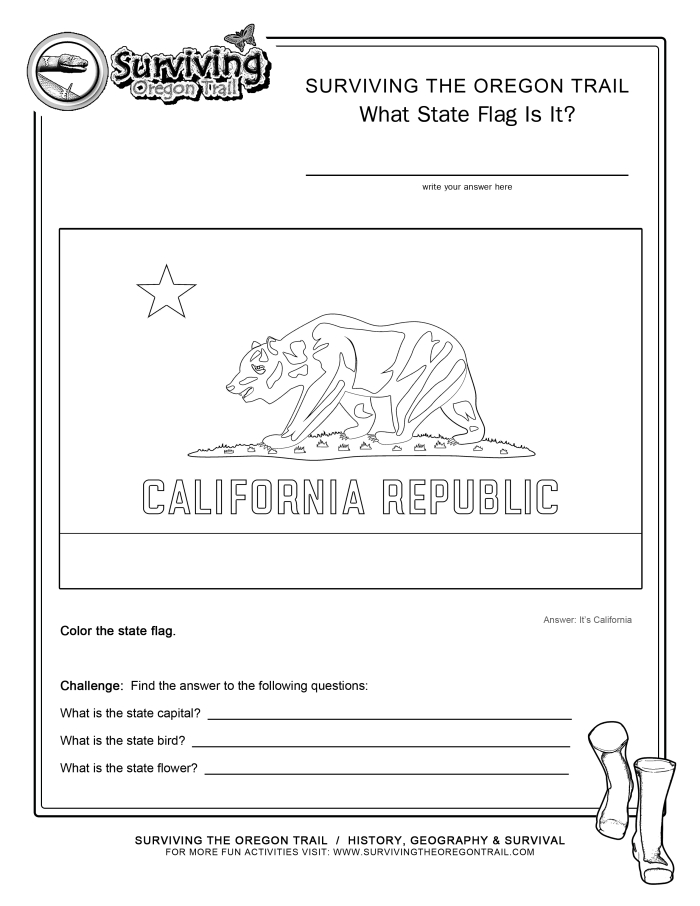
A series of questions and prompts works well because it gives children a framework without feeling like a lecture. Instead of telling them facts about their state, you’re inviting them to discover things themselves. Questions might ask about state symbols, famous landmarks, local industries, or historical figures. Some prompts could encourage them to think about what makes their state unique compared to neighboring states, or what natural features define the landscape around them.
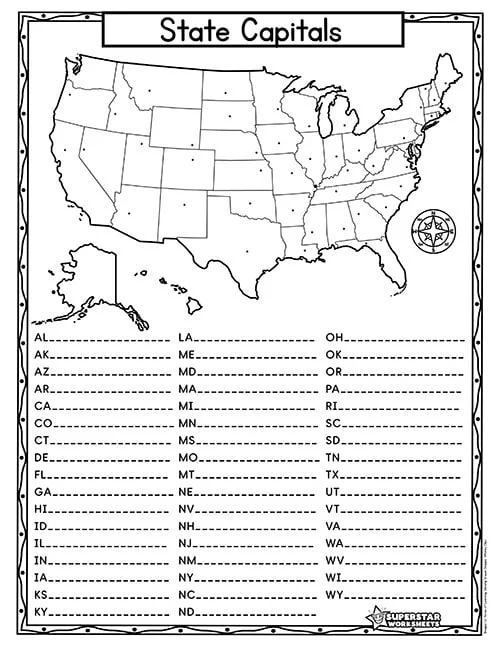
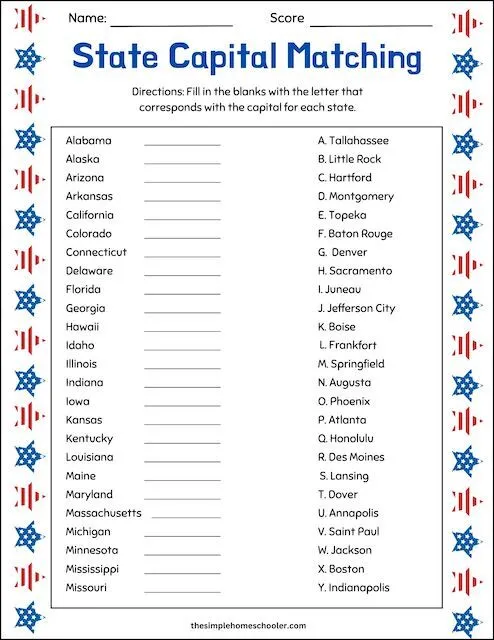
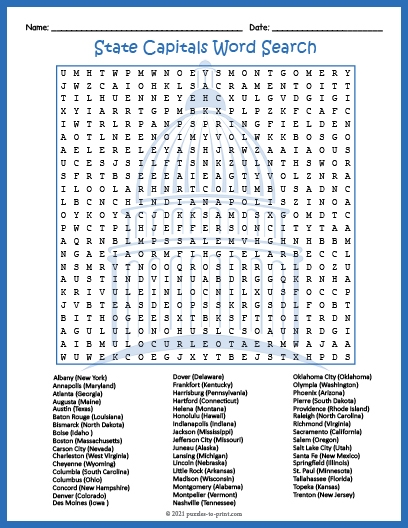
For third grade vocabulary development, this kind of activity introduces new words in context. Children encounter terms related to geography, history, and civic life naturally as they explore. They might learn about state capitals, borders, natural resources, or indigenous peoples who lived there first. When vocabulary appears in a meaningful context rather than isolated word lists, it sticks better.
You can structure these prompts to work with other learning areas too. Pairing questions about your state with informational writing activities helps children organize their thoughts. Some prompts might connect to reading comprehension if you include short passages about state history or geography. Even math connections exist, like exploring number patterns related to population or geographic measurements.
The real benefit comes from making kids active participants in learning rather than passive receivers of information. When they answer their own questions about their state, they build ownership over that knowledge.
Grab These Worksheets Now