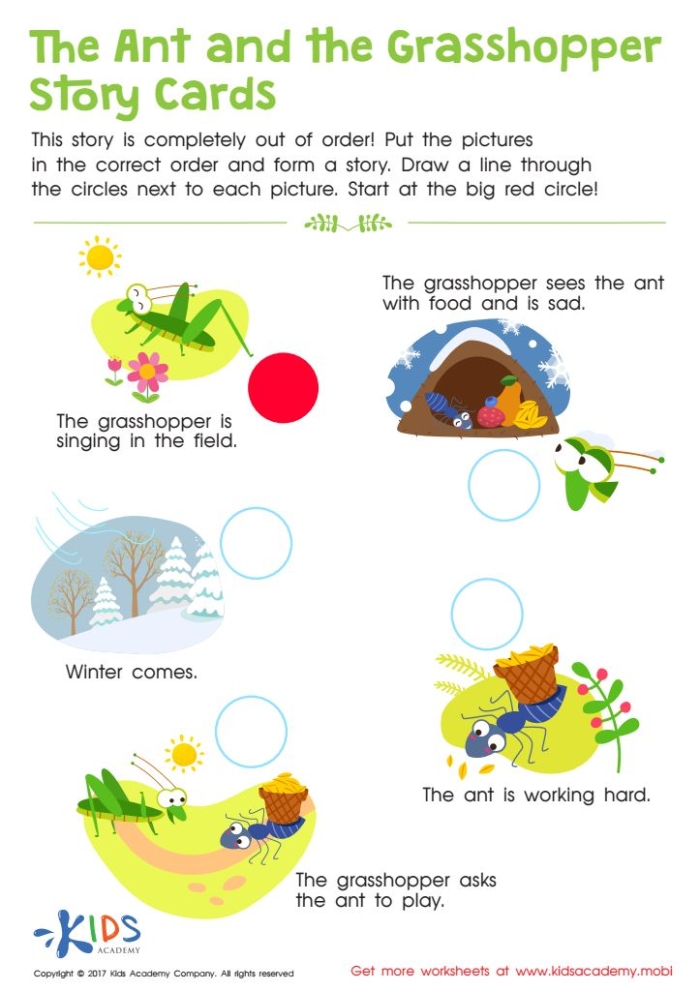
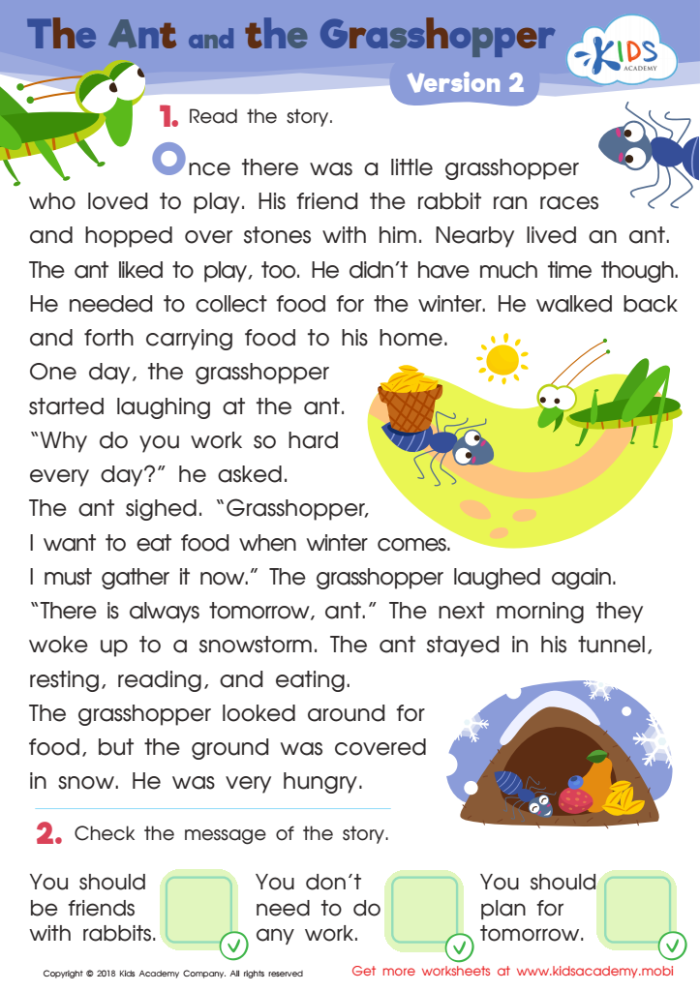
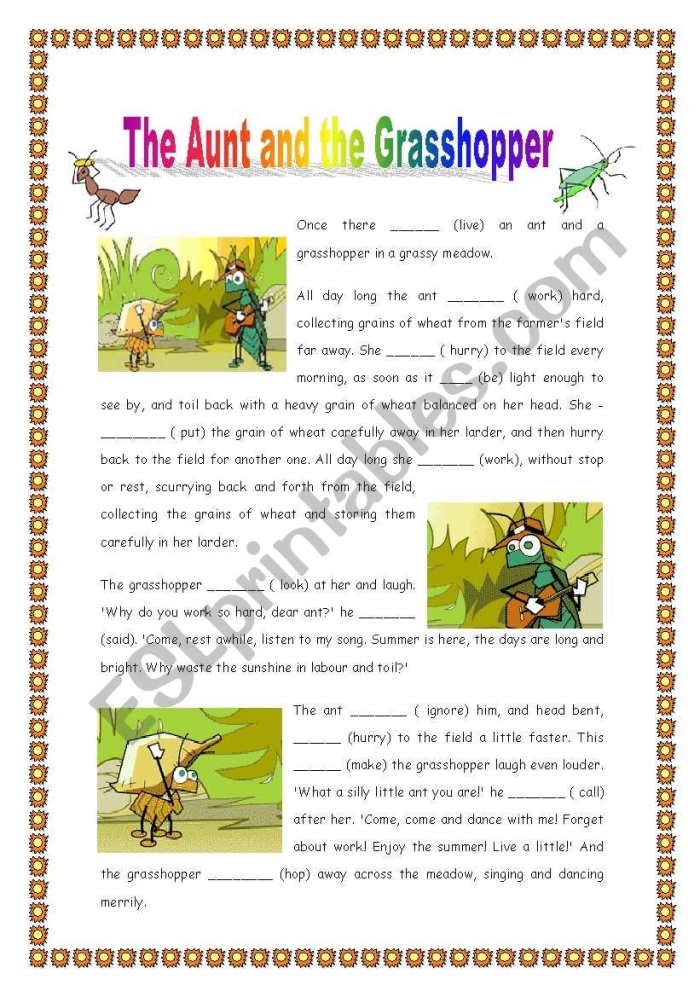
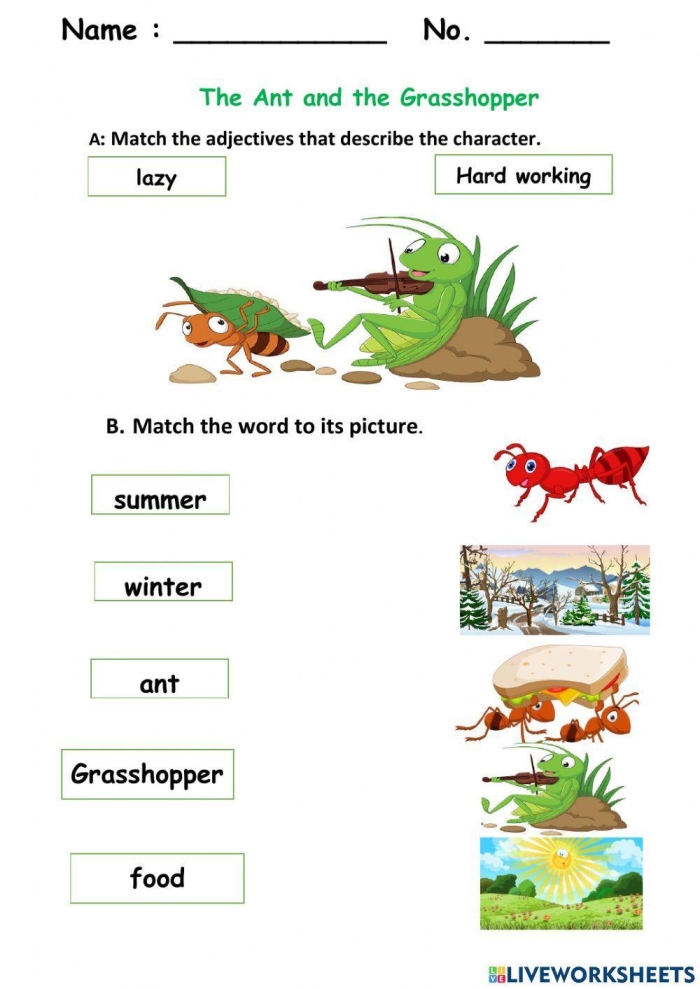
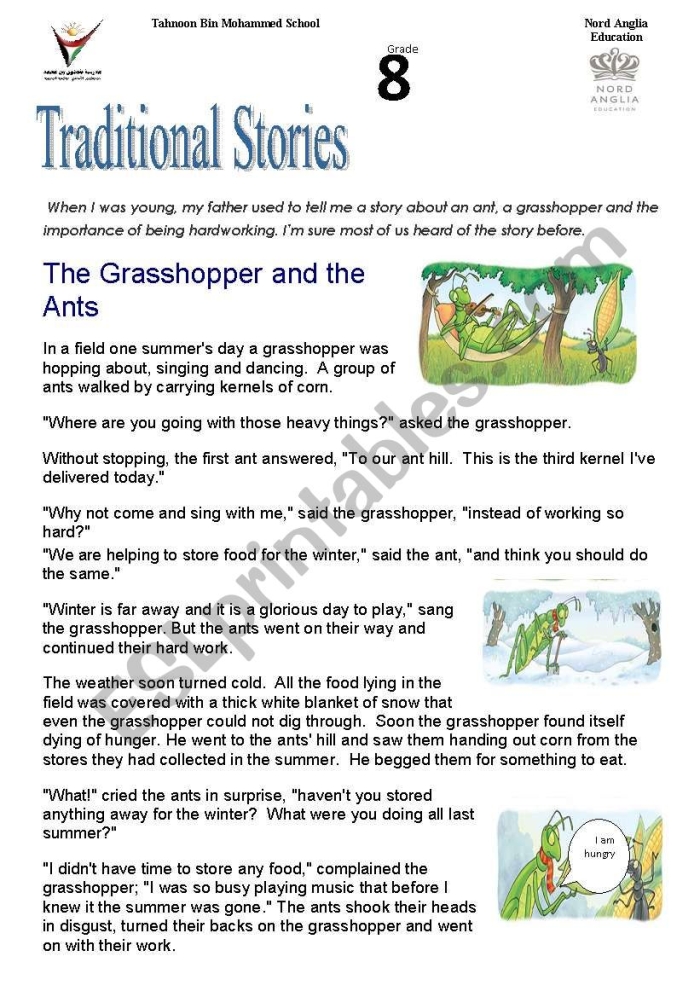
Aesop’s fables work best when students actually read them, sit with the story for a moment, and then think through what happened. The Ants and the Grasshopper is one of the most effective fables for first grade because it tells a straightforward story with a clear lesson, without getting bogged down in complex language or too many characters.
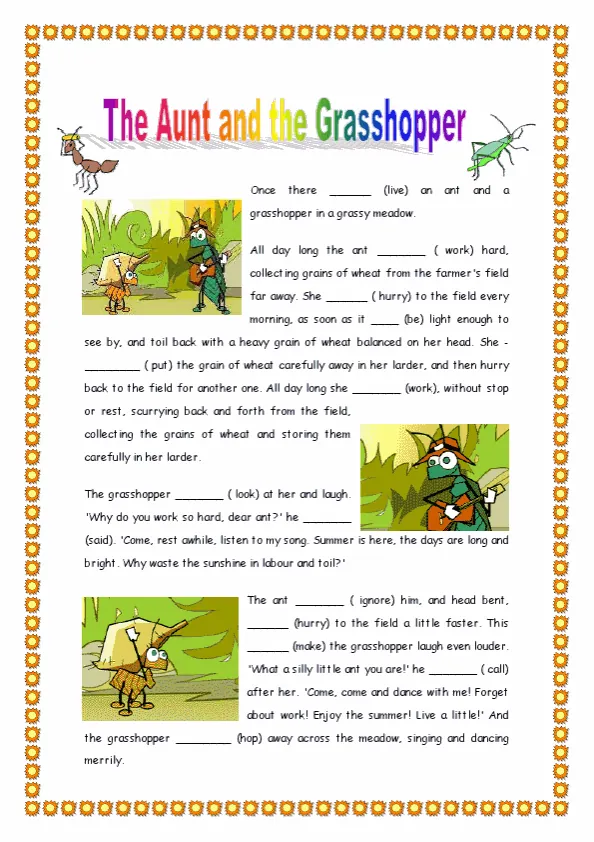
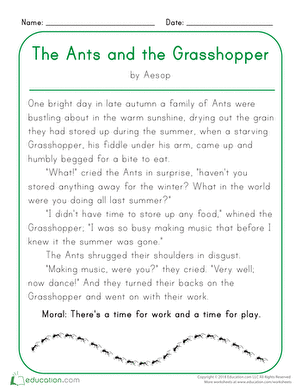
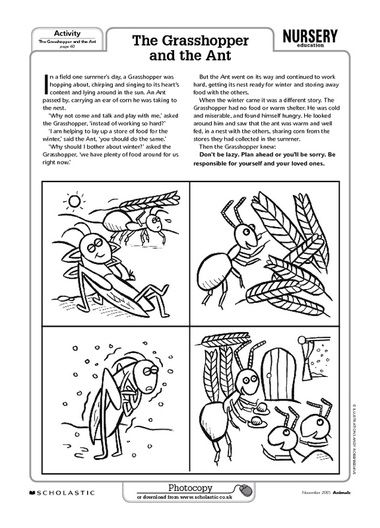
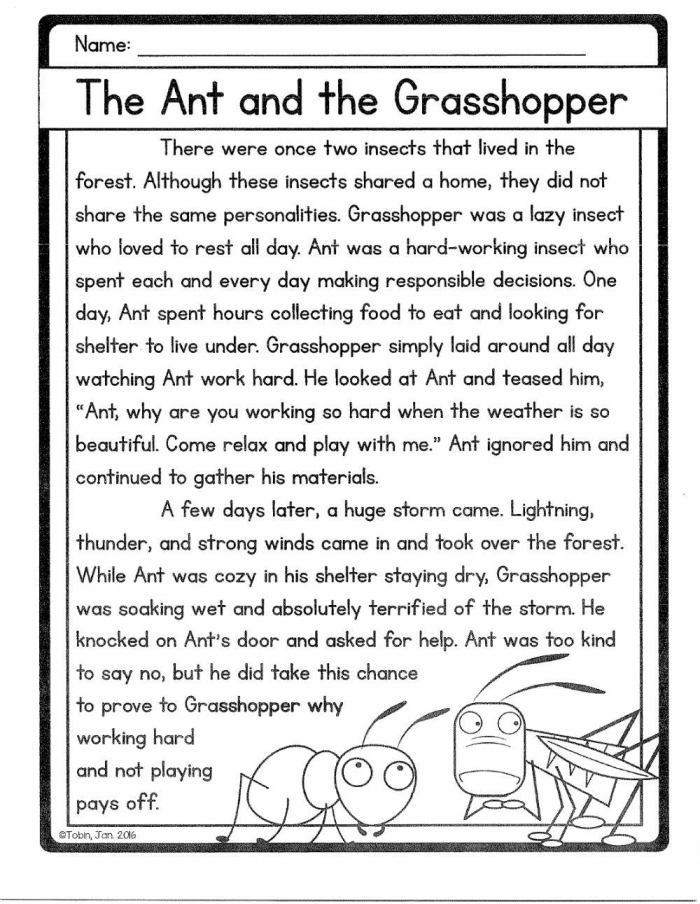
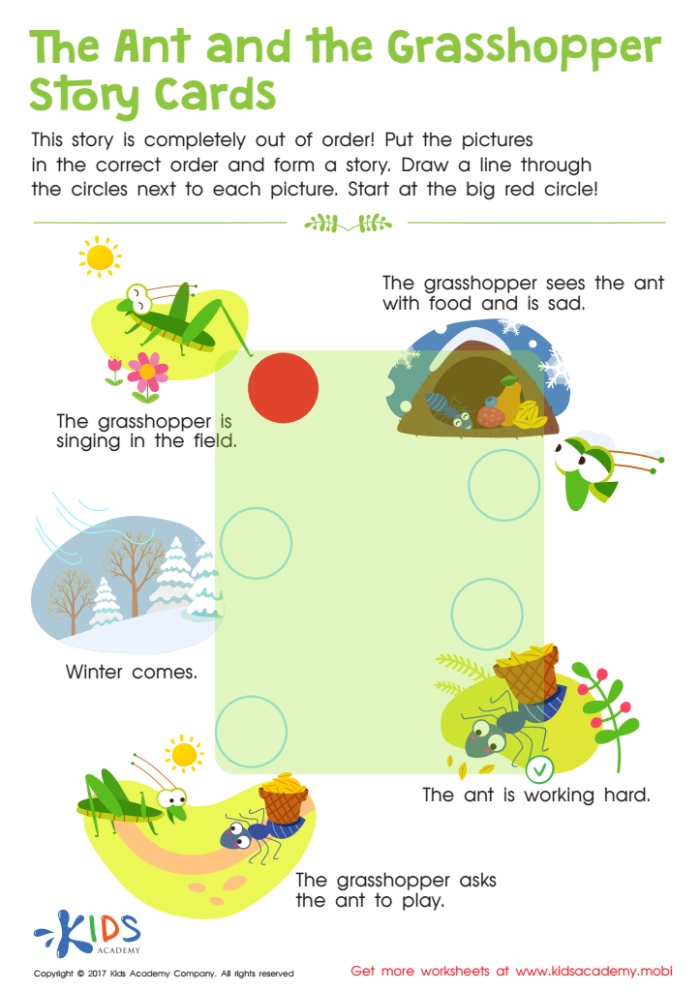
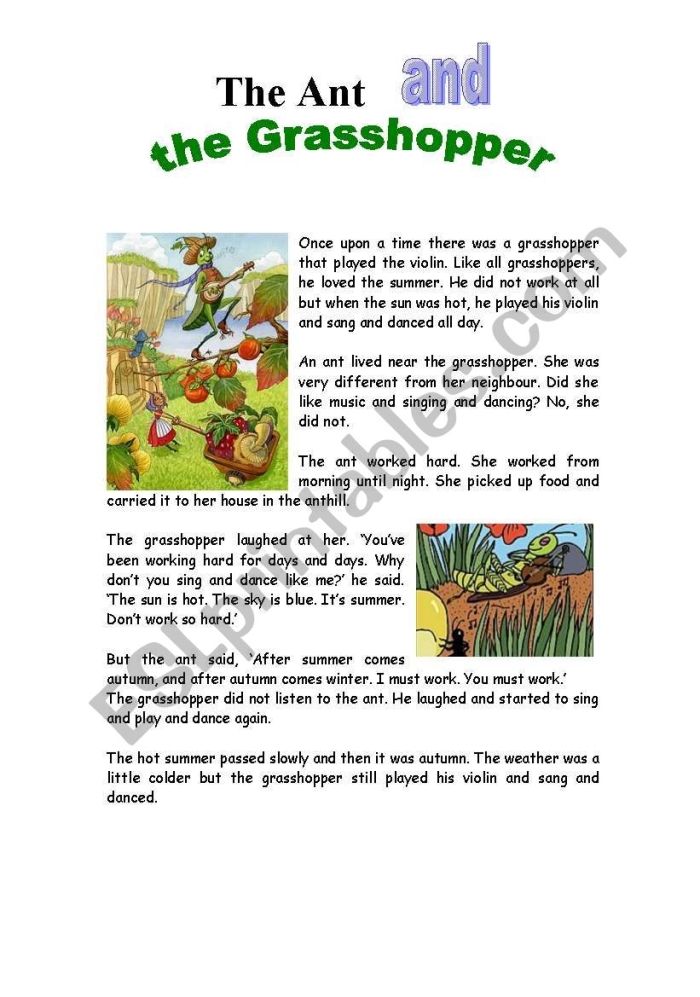
When you read the fable aloud to your class, students hear about the grasshopper who plays all summer while the ants work to gather food. Come winter, the grasshopper has nothing, and the ants are prepared. The moral about planning ahead and working diligently lands naturally without feeling preachy. First grade students can understand cause and effect here: the grasshopper’s choices lead to consequences.
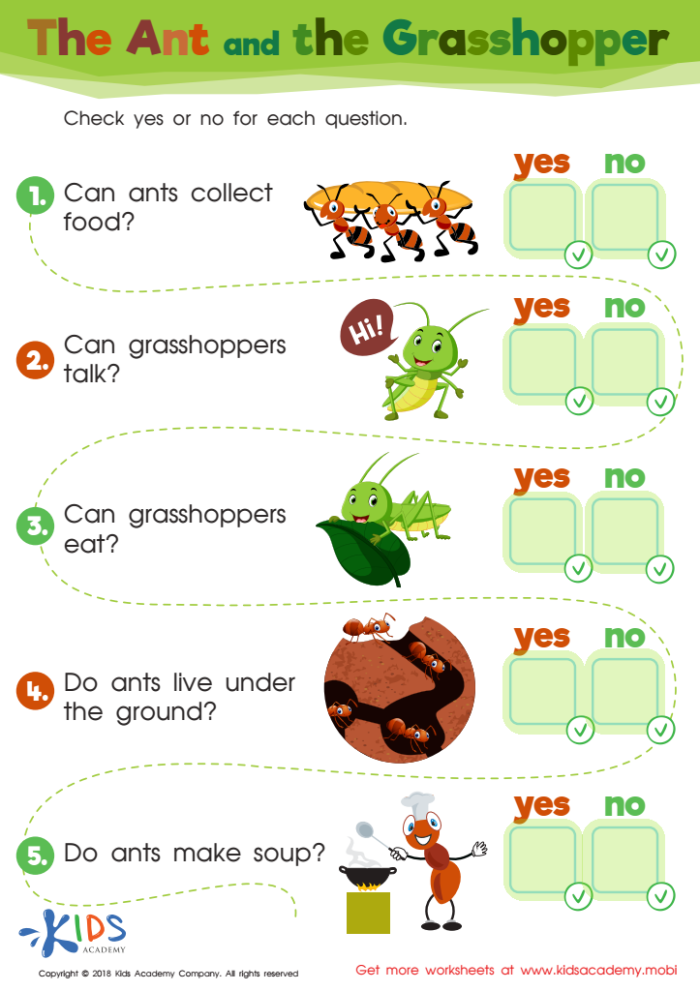
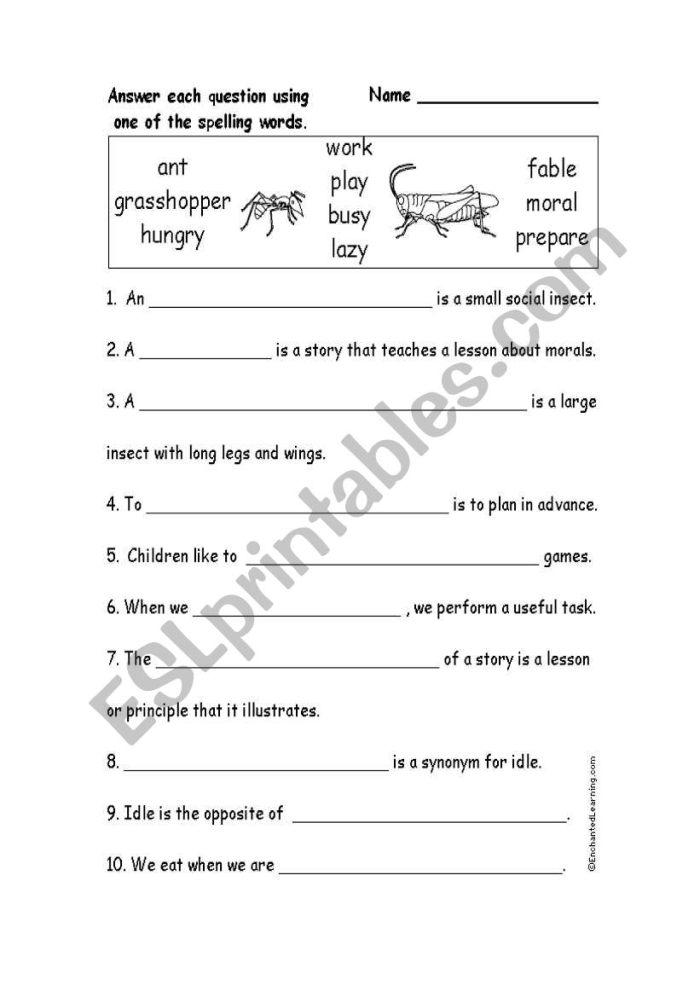
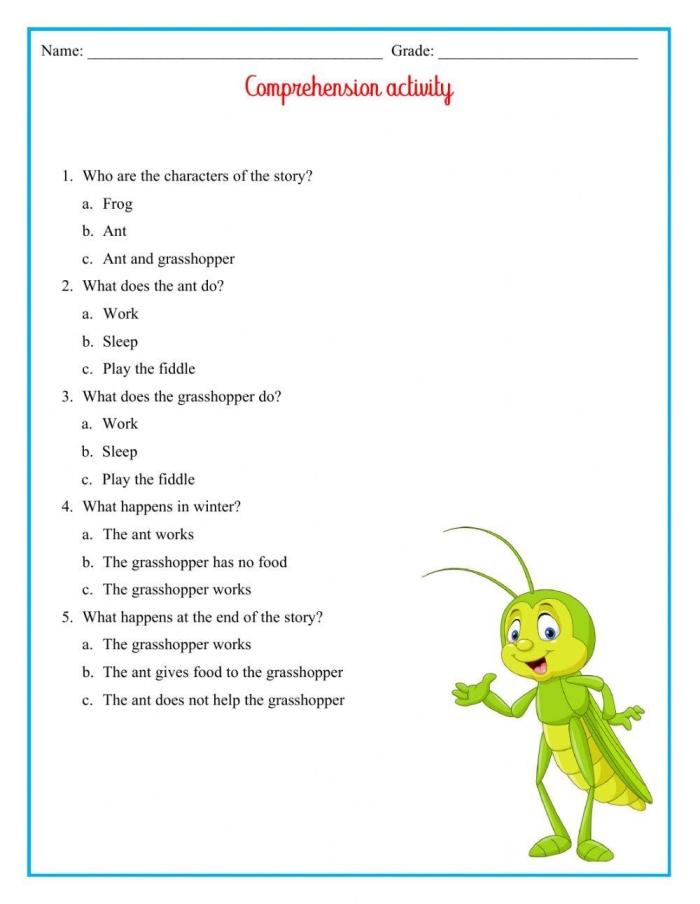
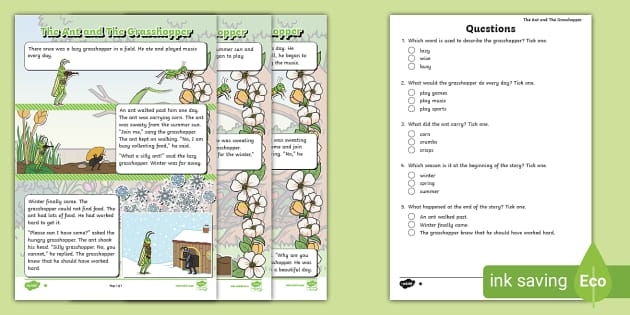
After reading, comprehension questions help students prove they understood the story. Ask them who worked during the summer, what the grasshopper did instead, and why the ants had food when winter came. These questions aren’t tricks. They’re designed to confirm that students followed the narrative and grasped the basic conflict.
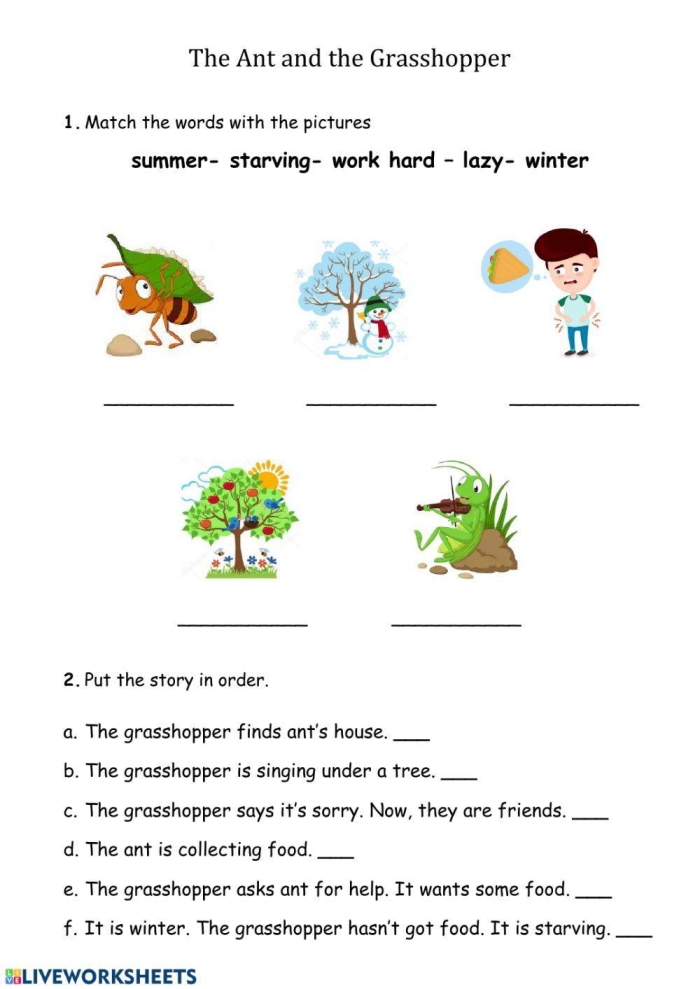
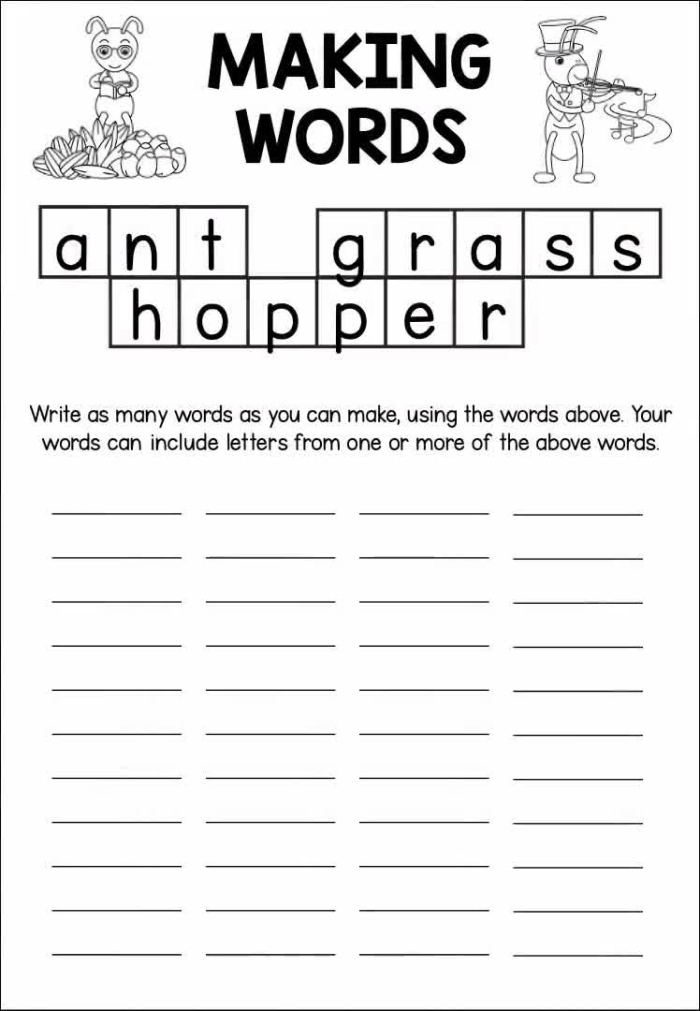
Pairing reading comprehension with writing activities makes the lesson stick longer. You might have students draw the grasshopper and ants, then write simple sentences about what each one did. This combines literacy skills across reading and writing for first grade learners.
If you want to expand the lesson, consider using related activities like The Farmer and His Son, another fable that teaches similar values. You could also incorporate sight word activities to reinforce vocabulary from the story, or try acrostic poem writing where students describe the characters using their names as a starting point.
The beauty of Aesop’s fables is their durability. They’ve worked for centuries because they’re simple, memorable, and honest about how the world works.
Printable Worksheets for Practice