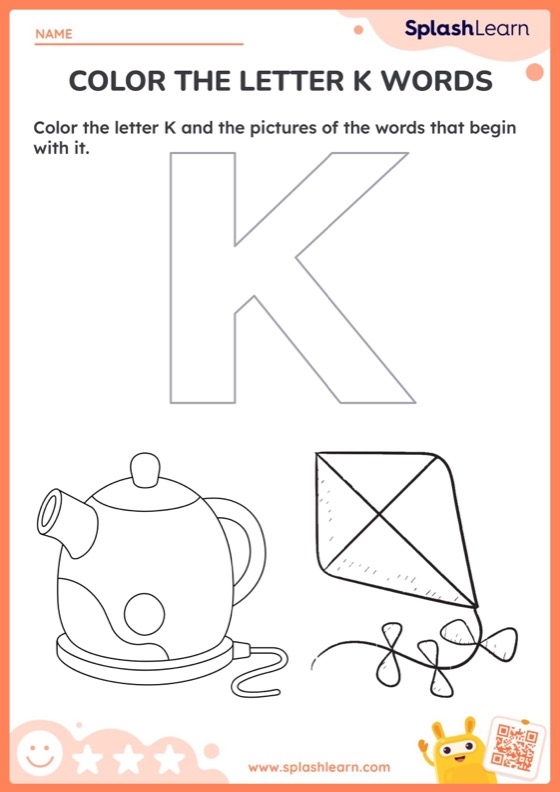
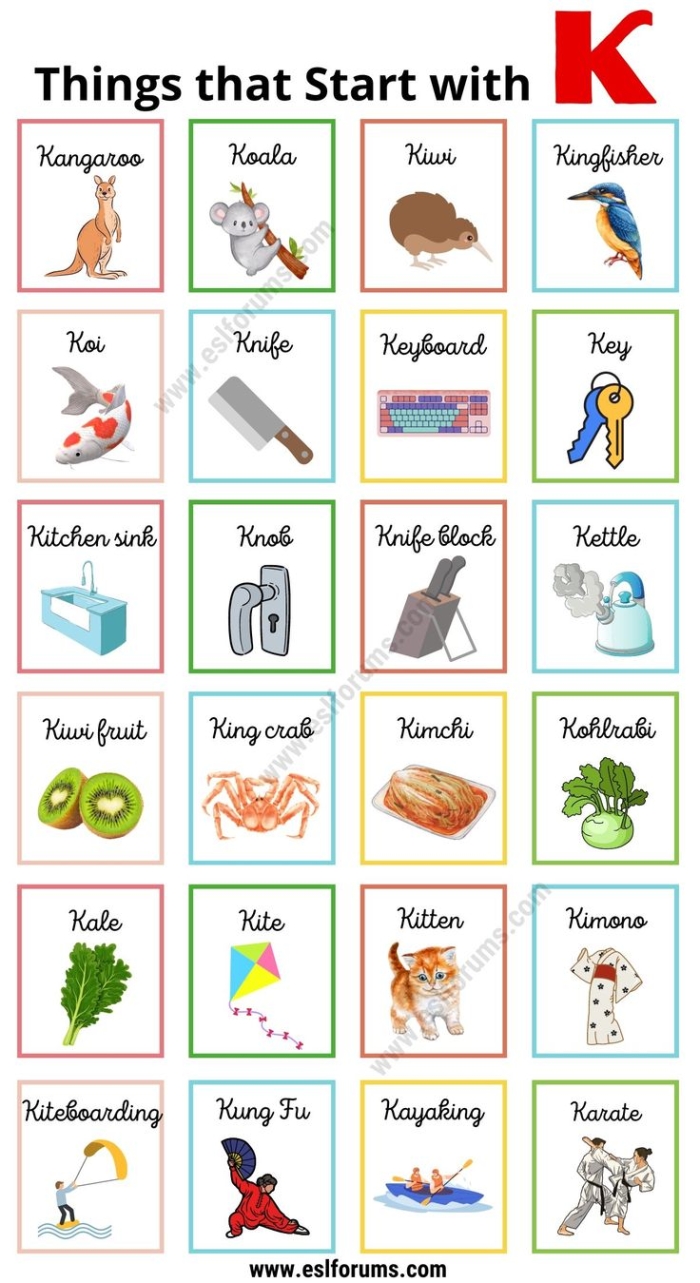
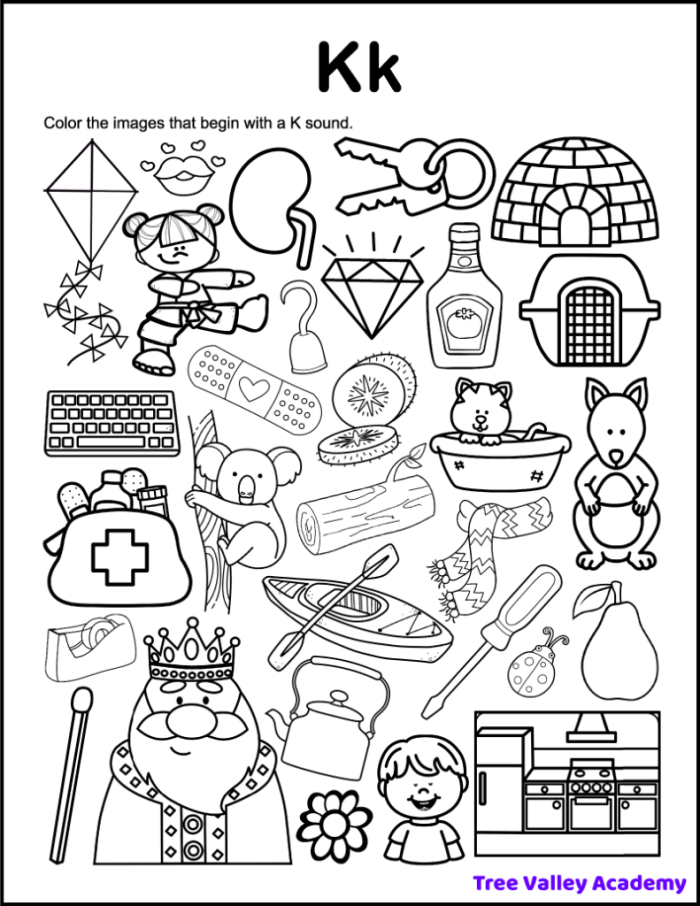
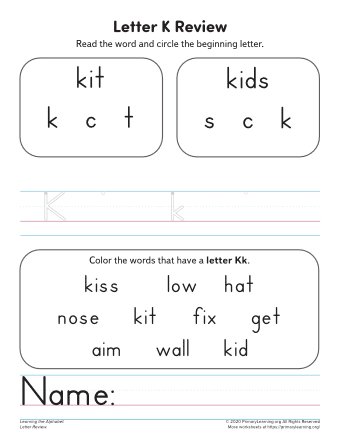
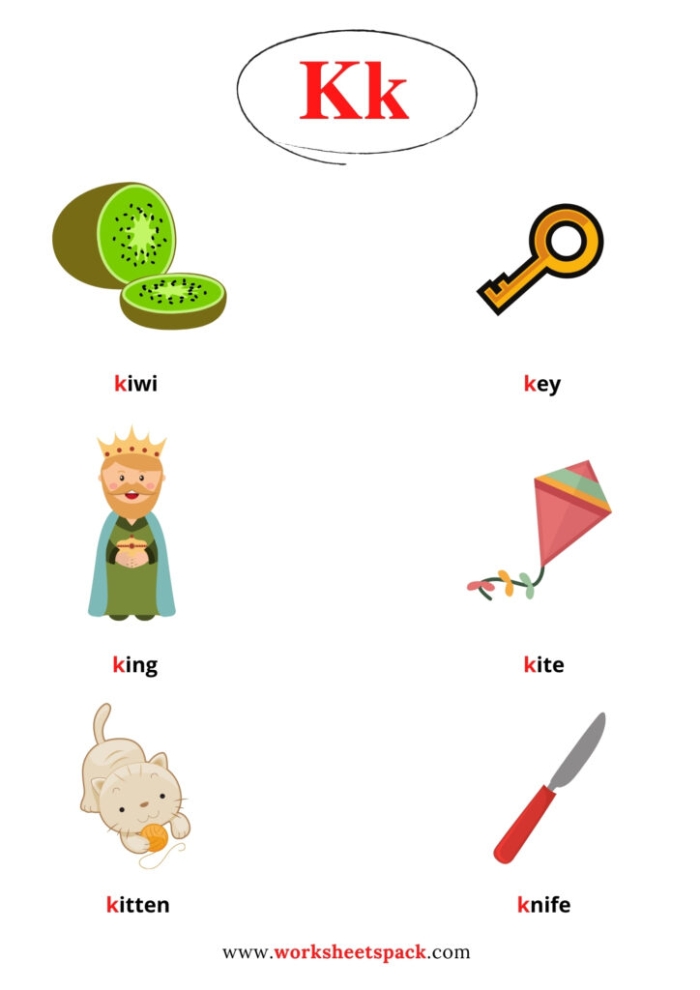
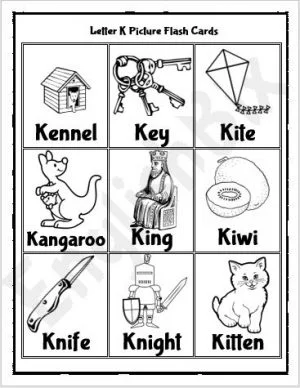
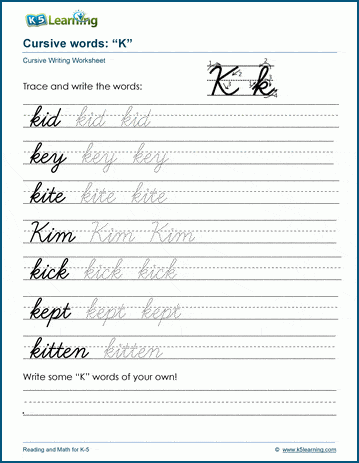
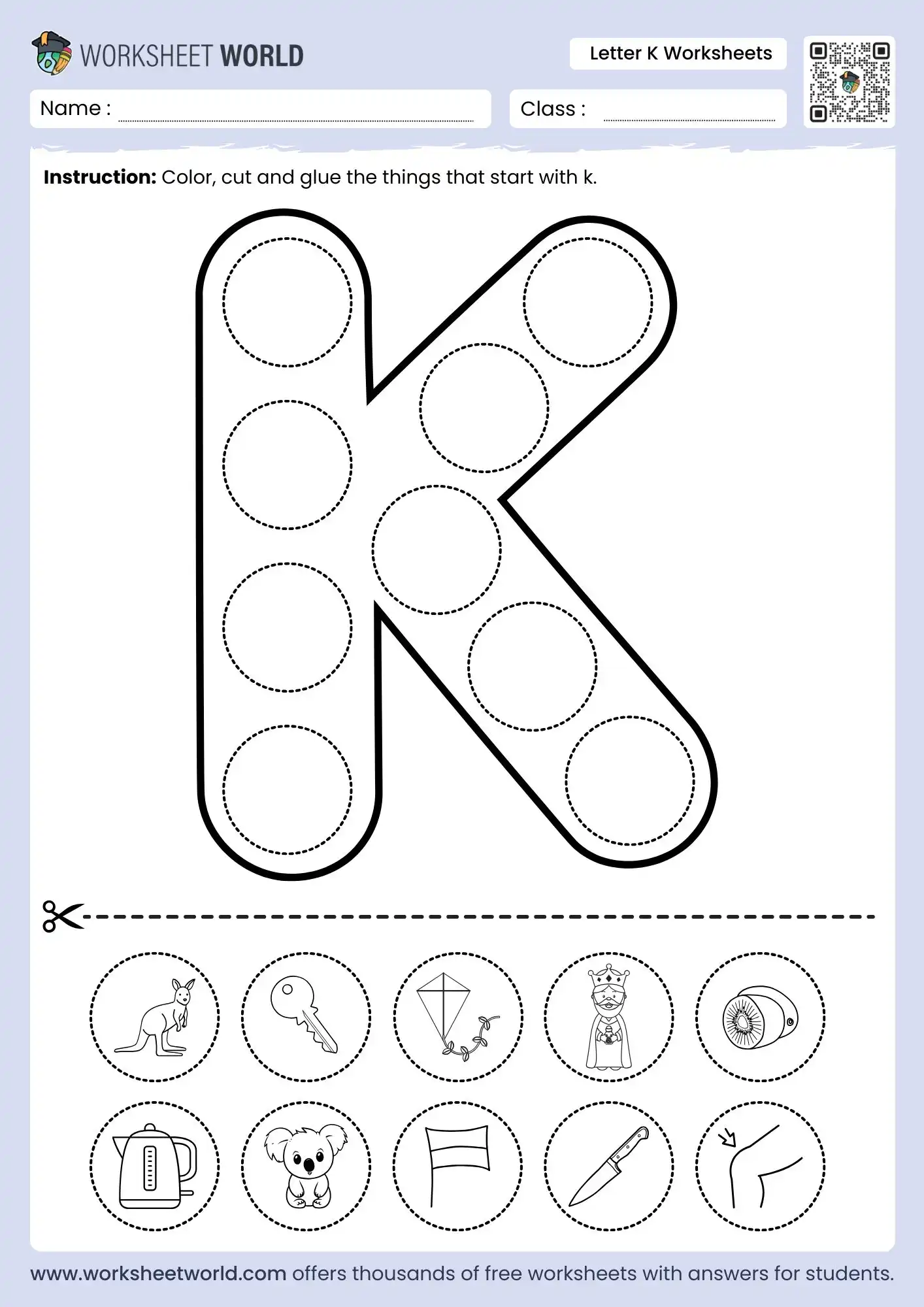
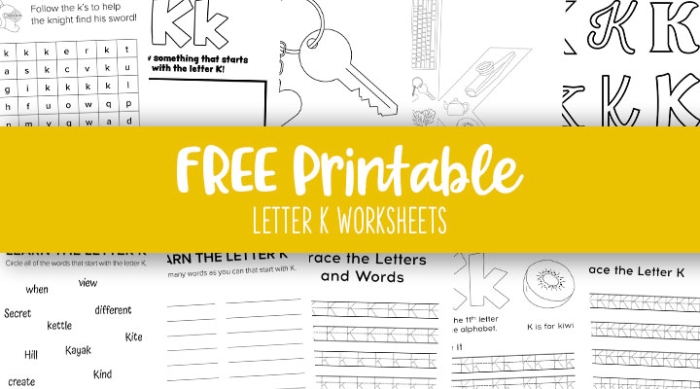
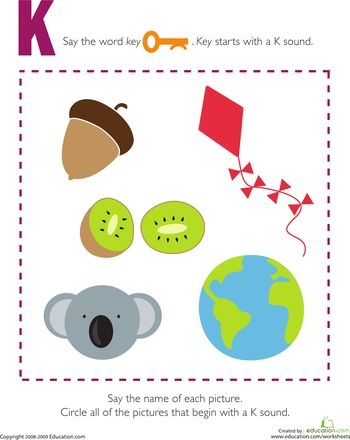
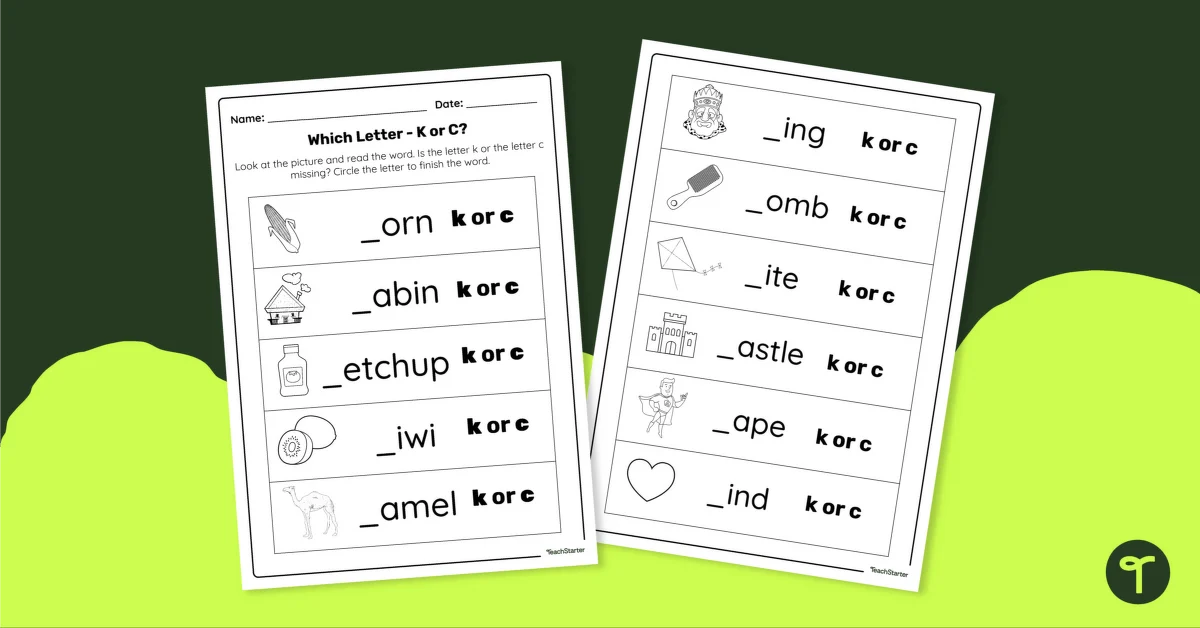
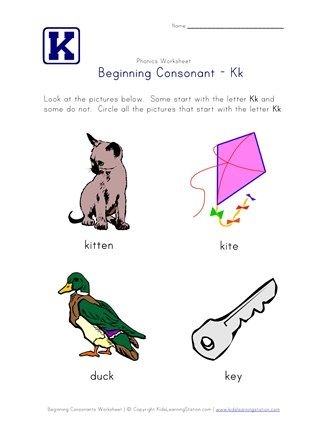
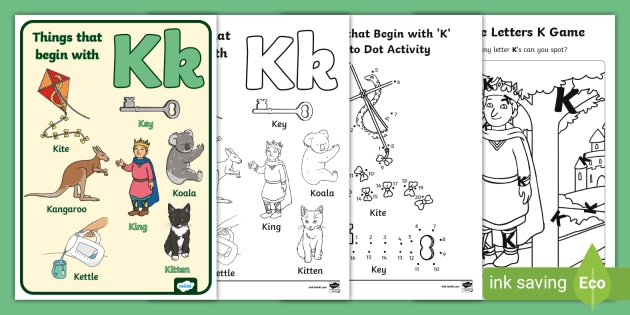
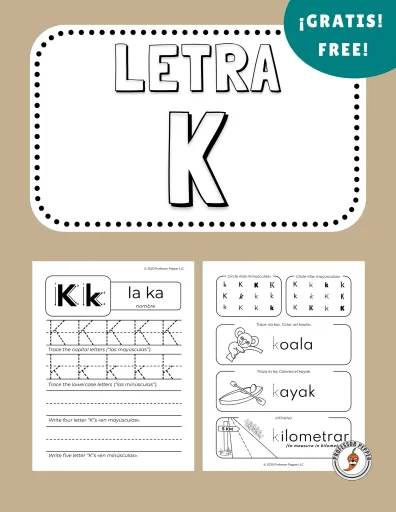
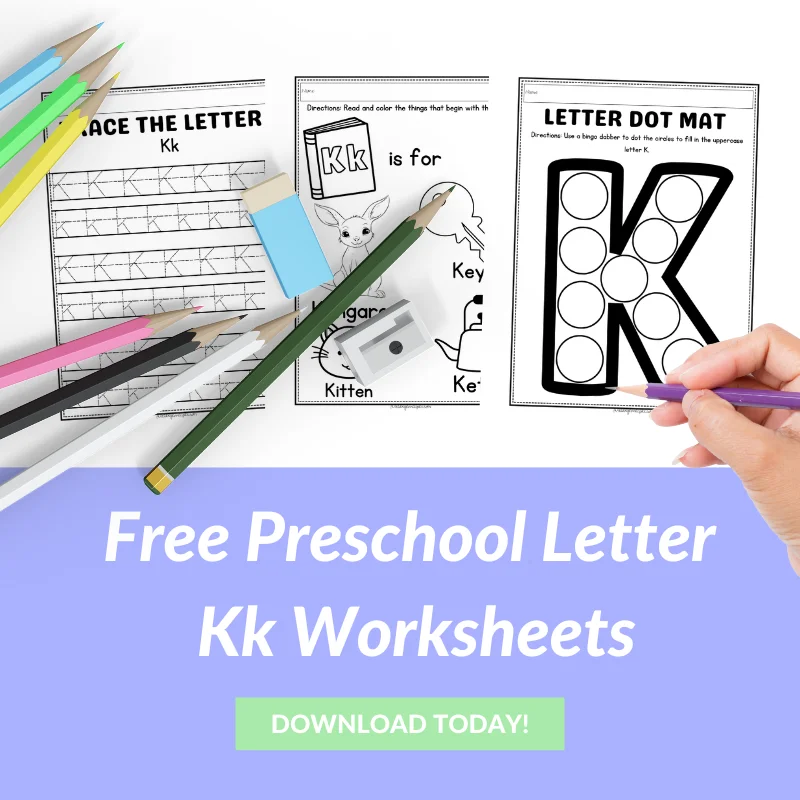
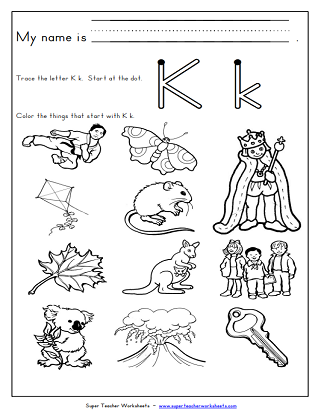
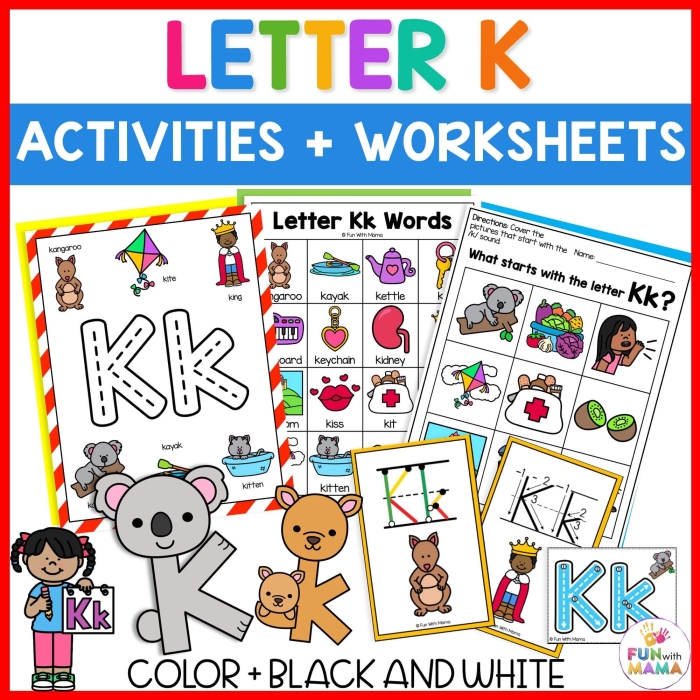
Your Pre-K learner is ready to hunt for objects on the page, and this game format makes phonics practice feel less like work and more like play. The letter K presents a fun challenge because it has a distinct sound that kids can easily recognize once they tune their ears to it.
When children search a picture-filled page for things that start with K, they’re doing more than just identifying images. They’re training their brains to connect the letter shape with its sound, which is the foundation of reading. A kite, a kangaroo, a key, a kitten—each discovery reinforces the /k/ sound in their memory. This active search method works better than passive listening because kids are engaged in the hunt itself.
The physical science element comes into play when your child encounters real-world objects on the page. Seeing a kite teaches them about how wind interacts with objects, or recognizing a kettle introduces them to how heat works. These connections between letters and tangible things help anchor learning in reality rather than keeping it abstract.
To extend this activity beyond the game page, you might create your own K-hunt around your home. Ask your child to find kitchen items, keys, or kinetic toys. This real-world application deepens the learning and shows that phonics skills apply everywhere, not just on worksheets.
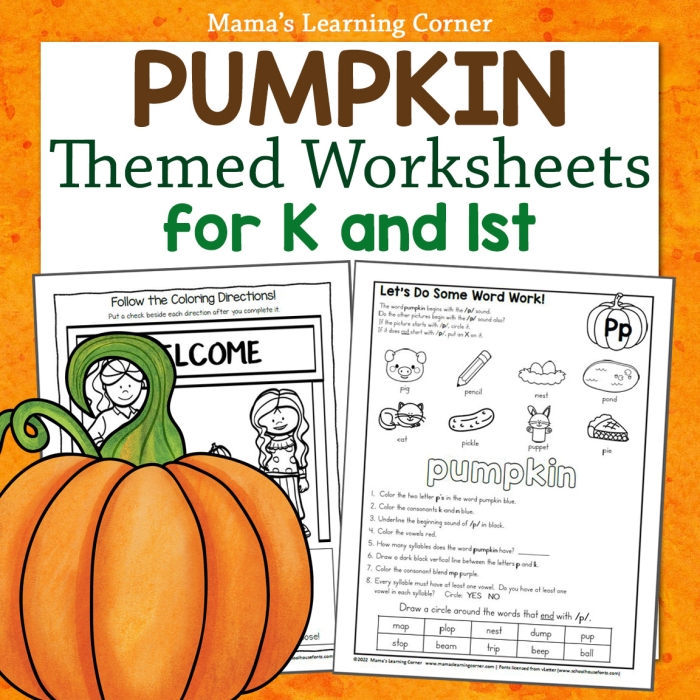
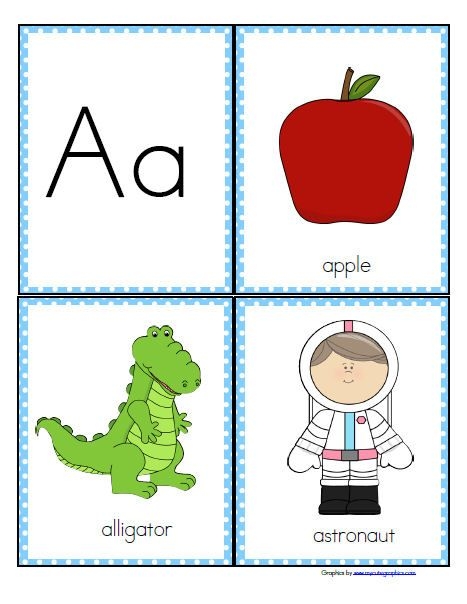
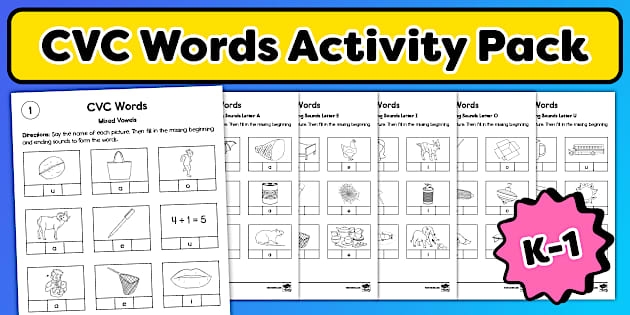
If your child enjoys this letter-focused approach, similar activities work well for other letters too. You might explore letter I activities or letter P worksheets to build a complete alphabet foundation. Pairing alphabet work with sight word practice, like activities focused on the word “go”, helps children see how letters combine into meaningful language they use every day.
Use These Worksheets Today