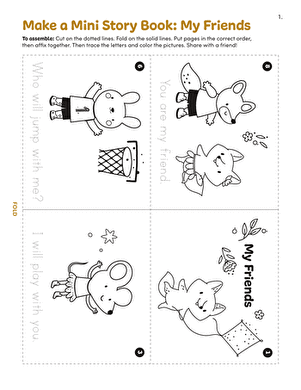
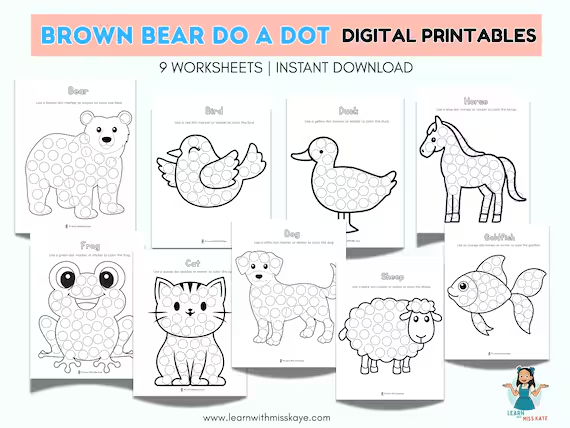
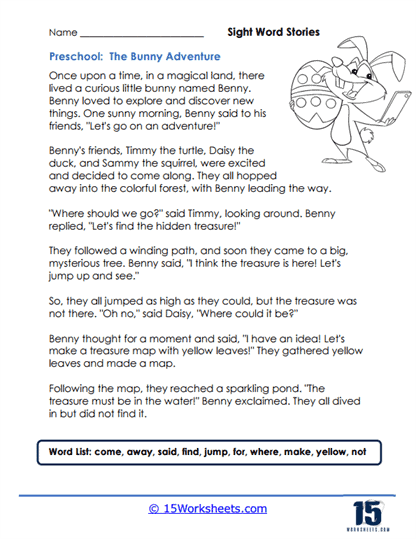
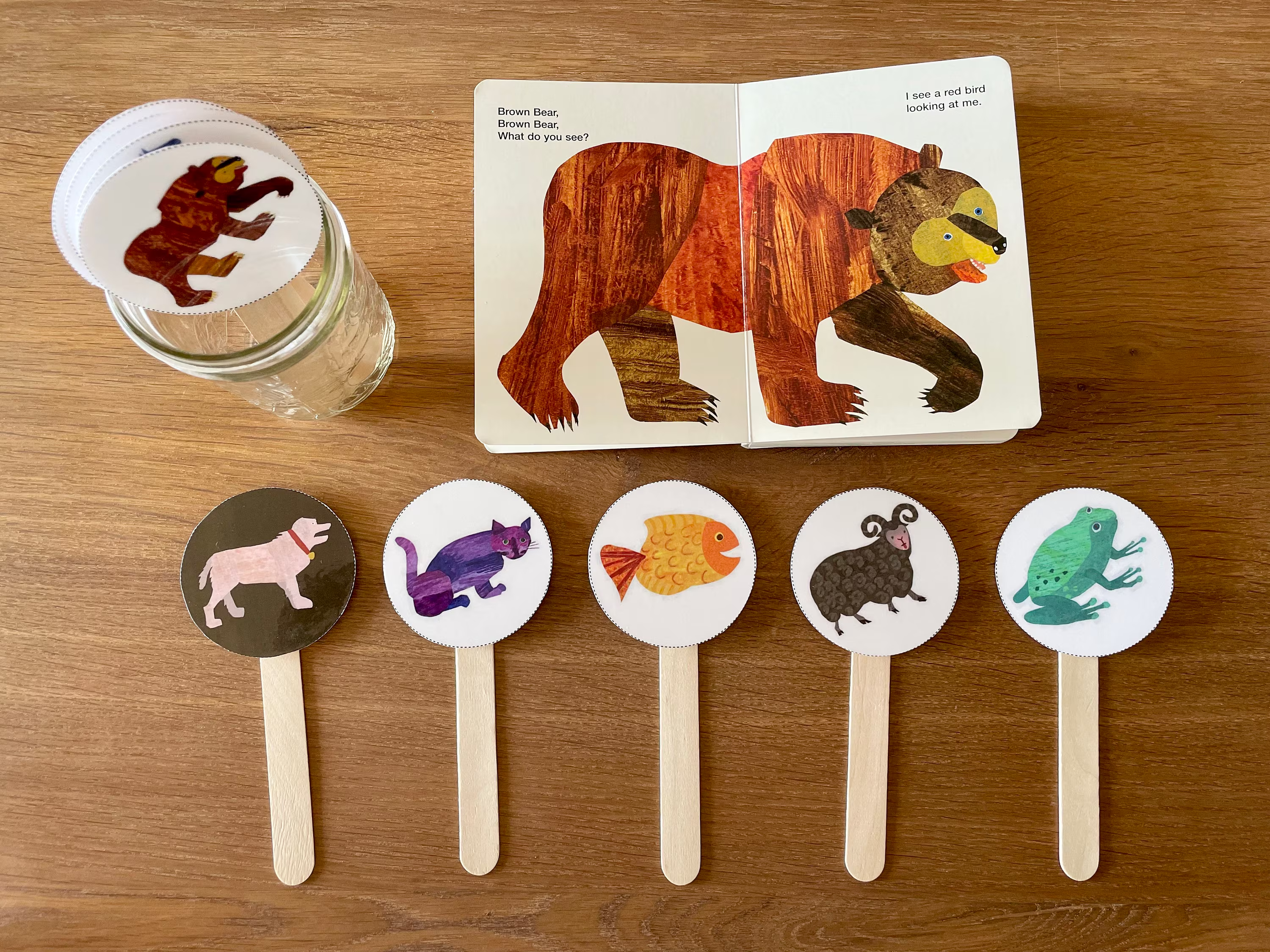
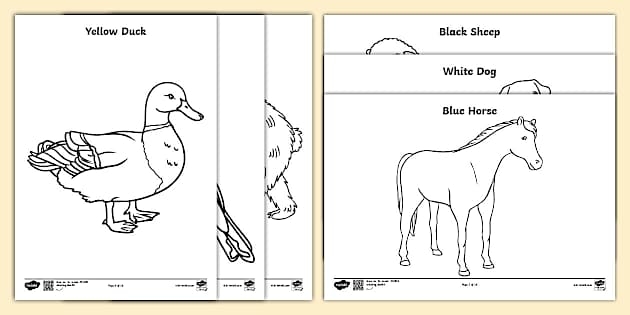
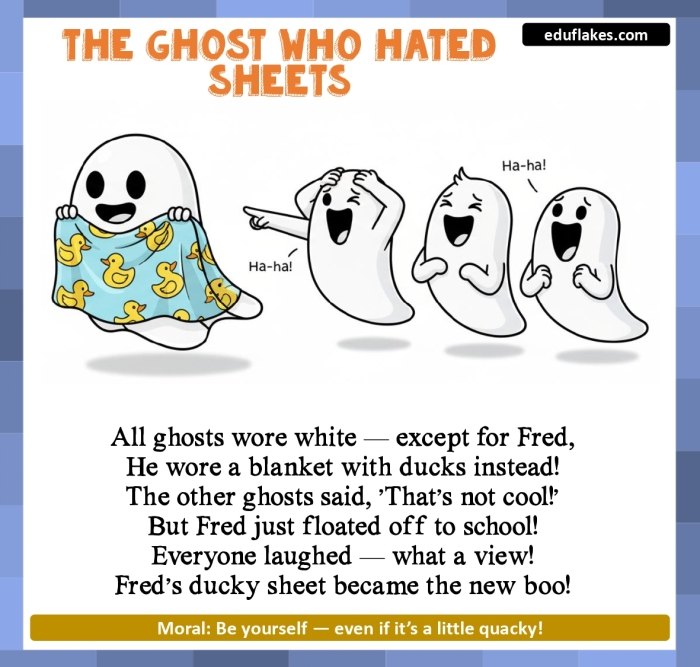
A hungry duck waddling through a pond might seem like a simple story, but it becomes a powerful learning tool when you turn it into a printable mini book for kindergarten students. This type of hands-on activity transforms reading from a passive task into an interactive experience where children actively construct their own understanding of the narrative.
The mini book format works particularly well for early readers because it breaks the story into manageable chunks. Instead of facing a full page of text, children encounter one or two sentences per page alongside illustrations. This structure prevents the overwhelm that can discourage beginning readers and allows them to focus on decoding words and following the plot simultaneously.
When working through a story about a duck searching for food, kindergarten students naturally practice phonics skills. They encounter repetitive word patterns and simple sentence structures that reinforce letter-sound relationships. As they read about the duck’s journey, they’re not just learning to recognize words, they’re building comprehension habits by predicting what happens next and remembering details from earlier pages.
The physical act of assembling a mini book also matters. Kids fold, cut, and arrange pages, which engages their fine motor skills while building investment in the finished product. They’re more likely to read something they’ve helped create.
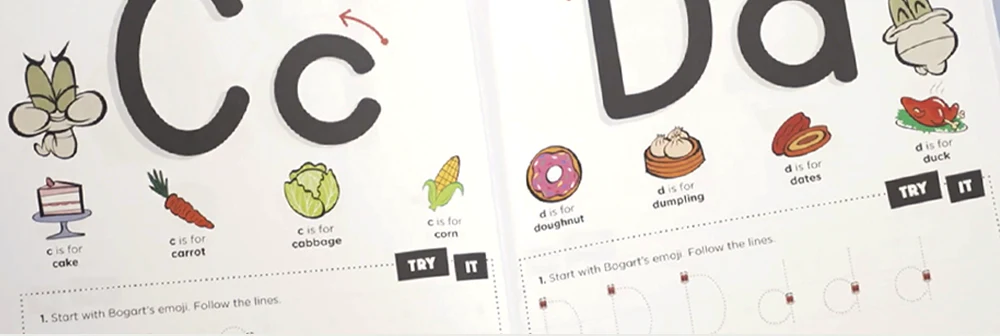
This type of printable resource pairs well with other kindergarten phonics activities. Students working on CVC word patterns can identify similar sounds in the duck story. Those practicing number recognition might count how many times the duck visits different locations. The mini book becomes a springboard for deeper learning across multiple skill areas.
Start Practicing with These Worksheets