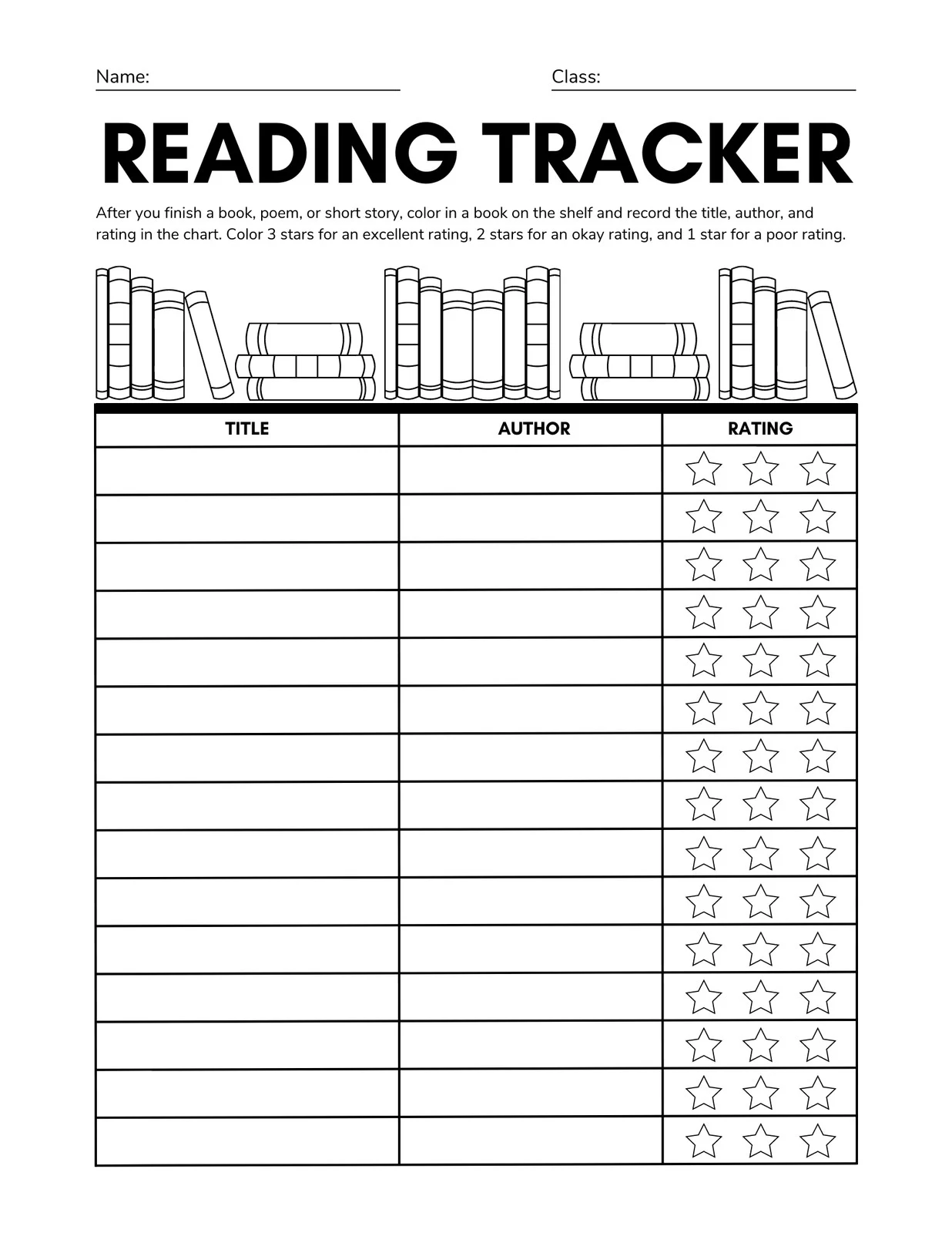
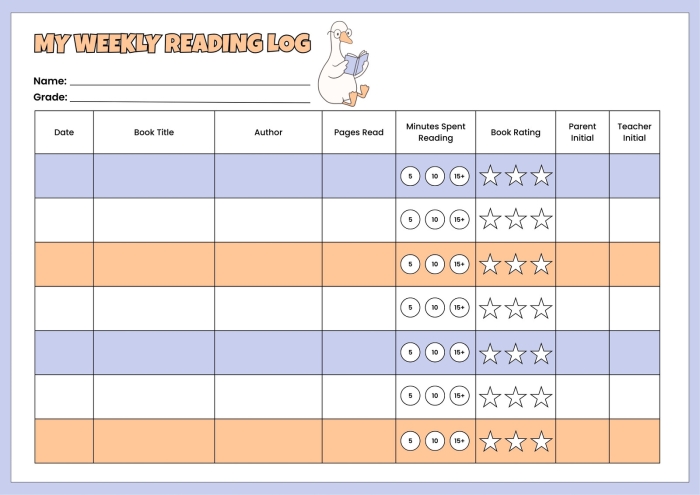
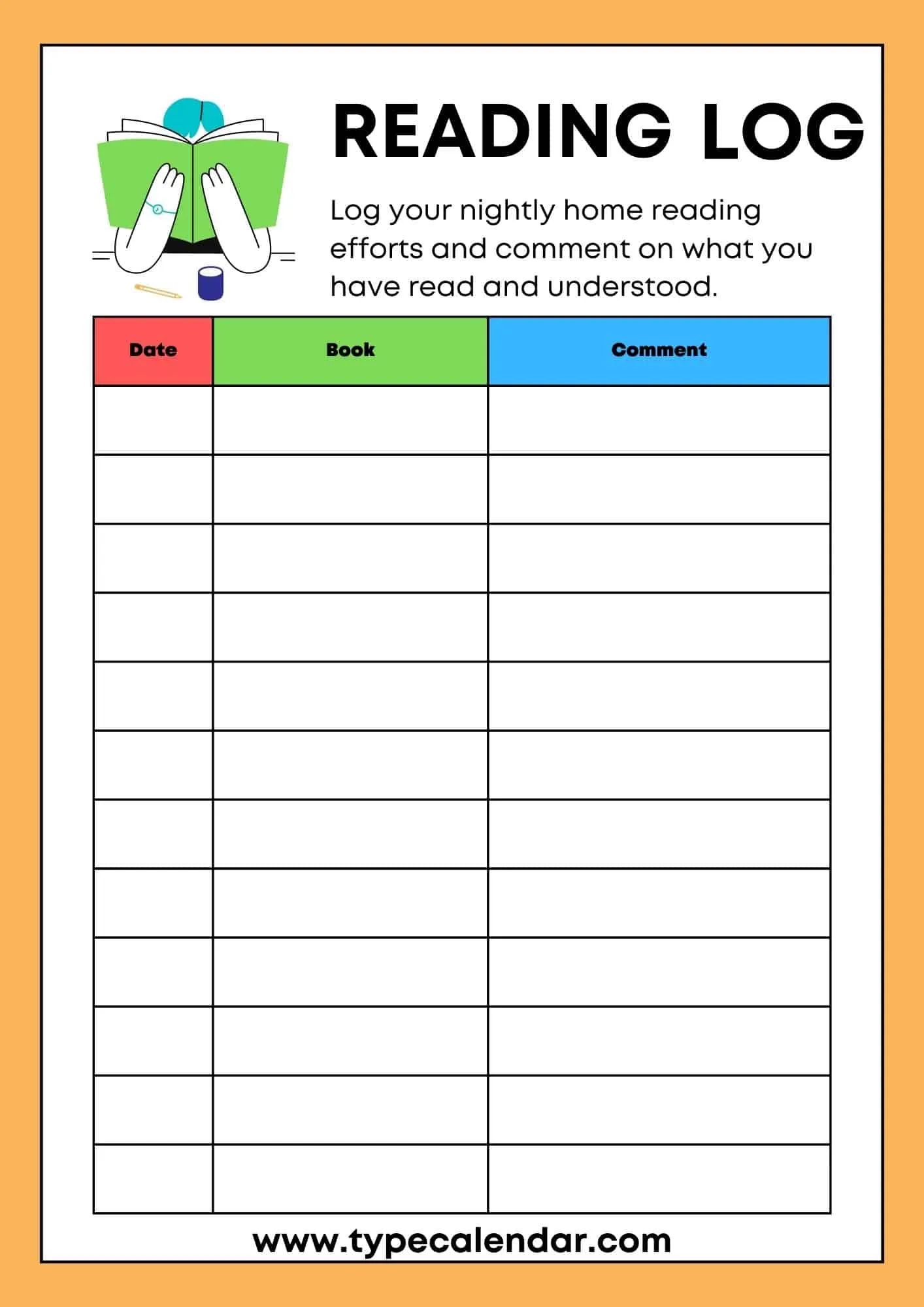
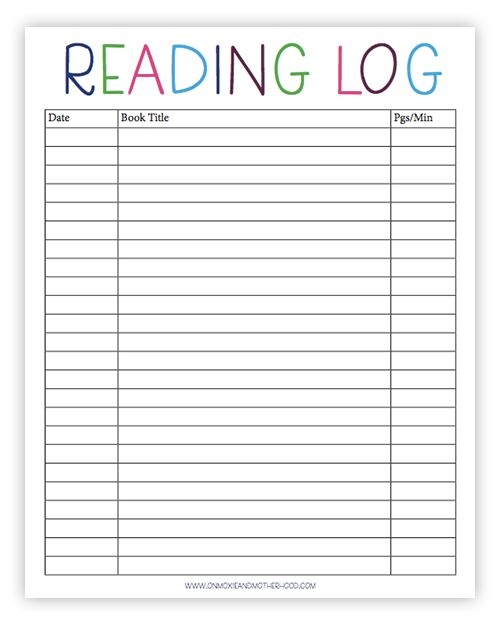
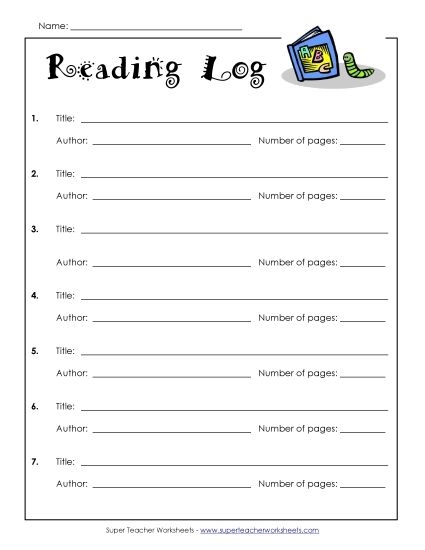
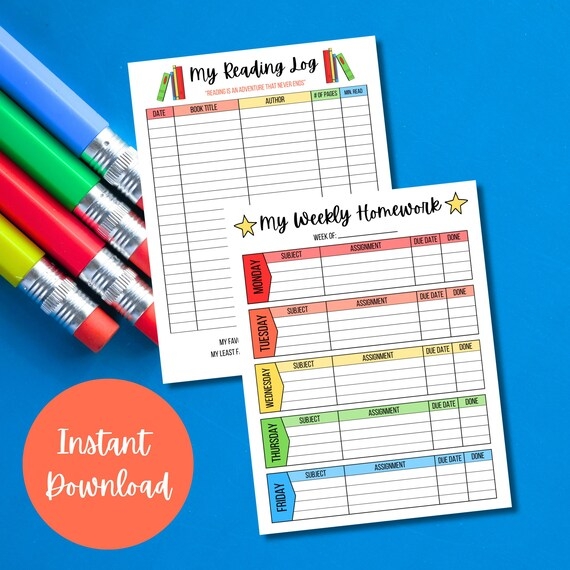
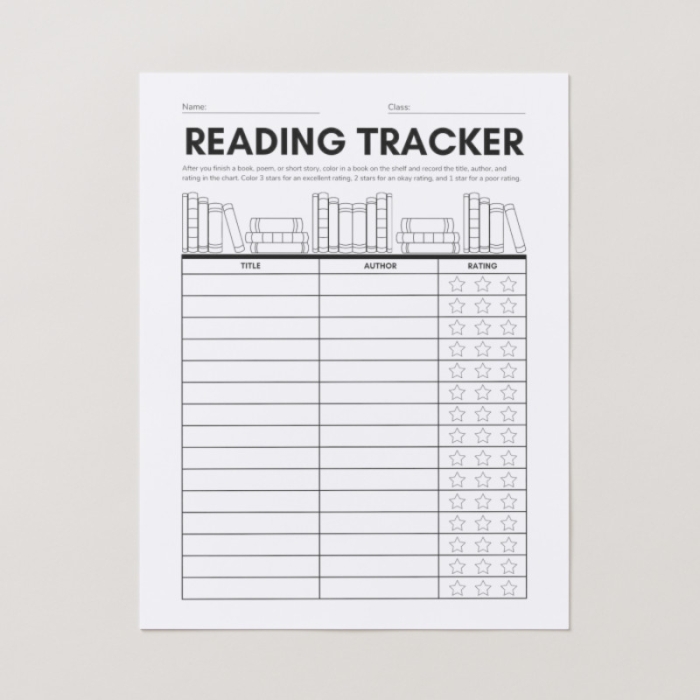
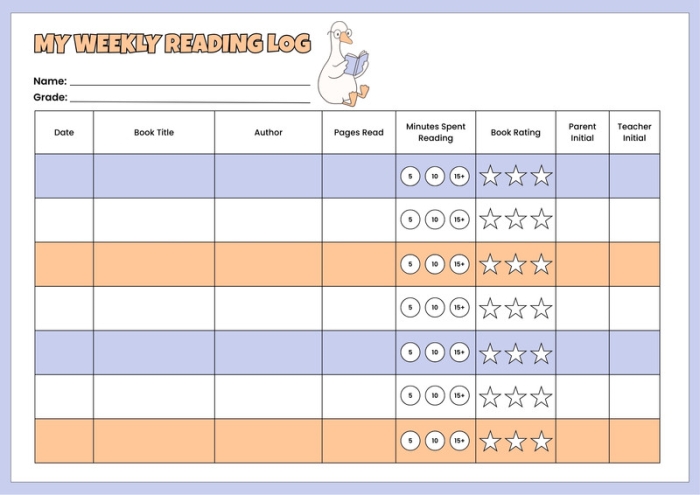
When second graders sit down with a book, something shifts. They’re no longer just reading words on a page, they’re building a habit that will shape their entire academic journey. A reading log becomes the bridge between casual page-turning and genuine literacy development, giving young readers a concrete way to see themselves as capable, progressing learners.
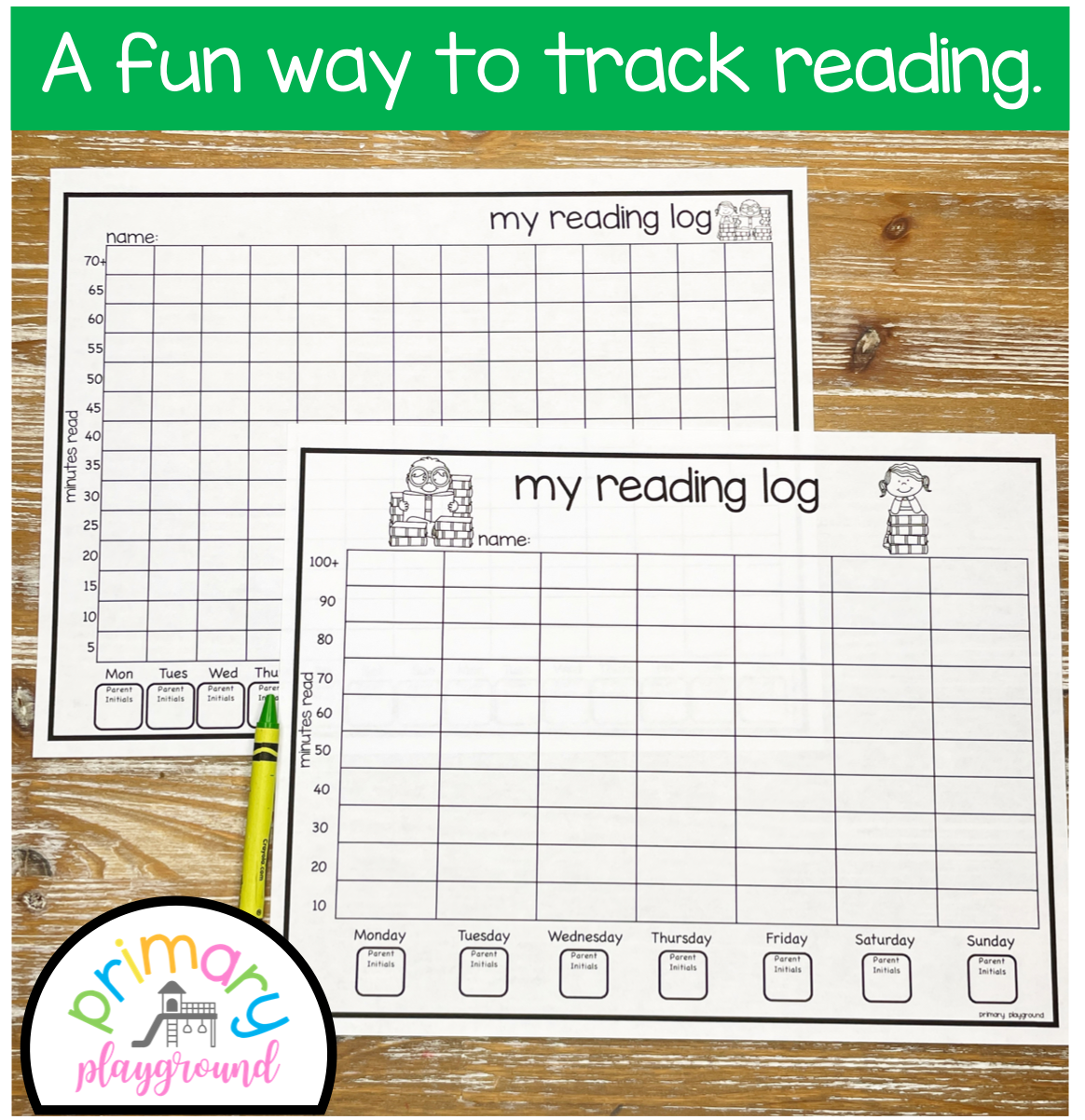
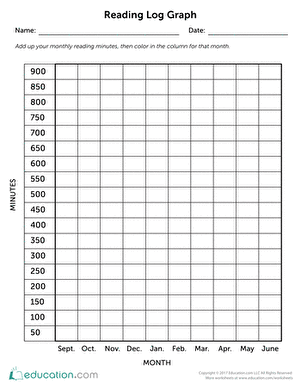
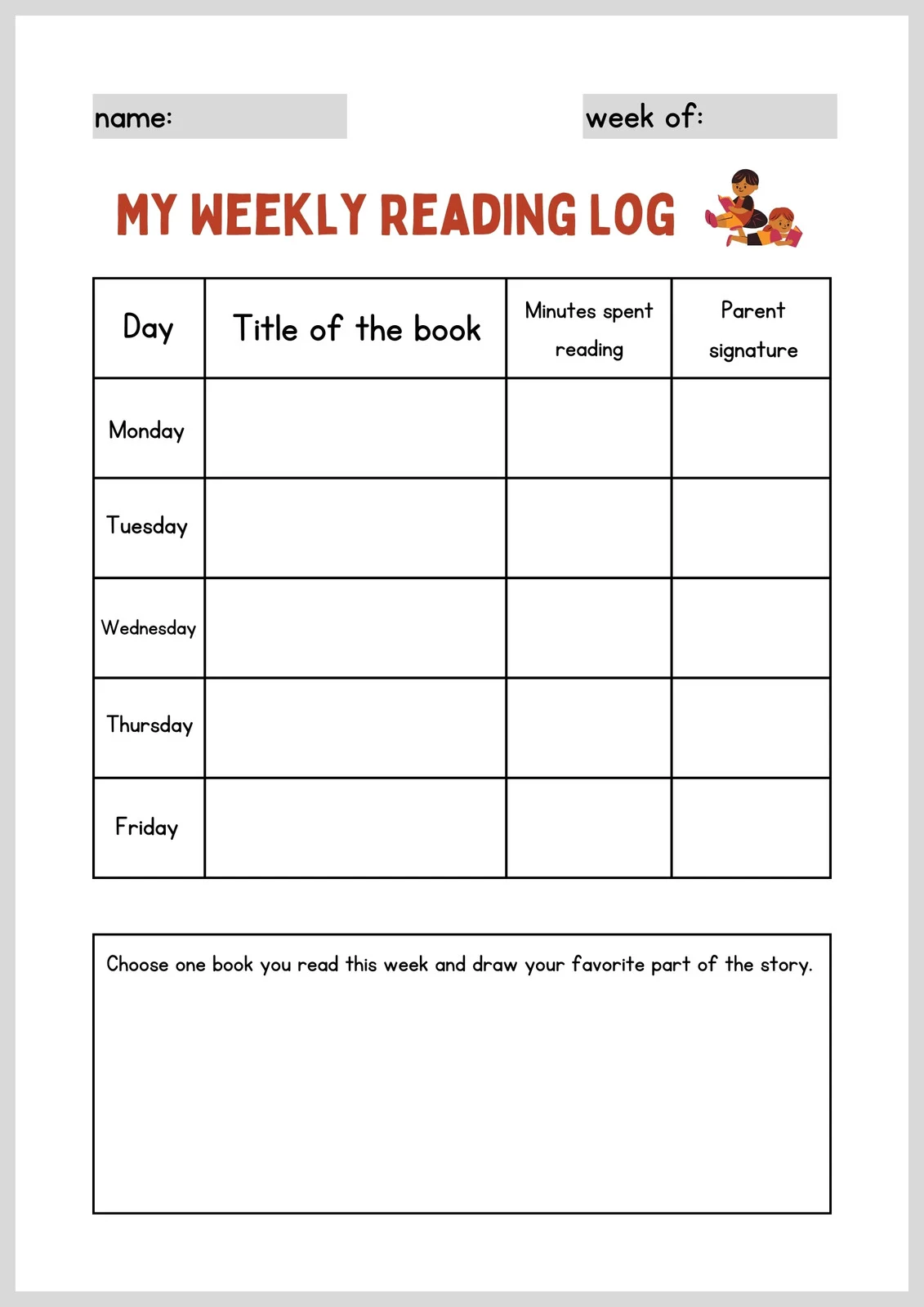
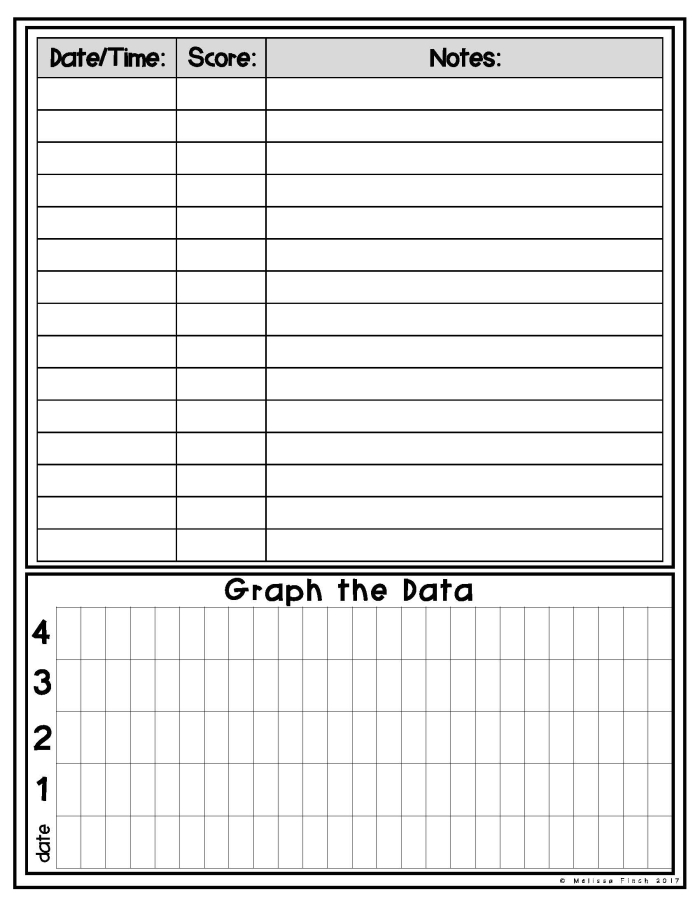
The power of a reading log lies in its simplicity. Children record how much time they spent reading each day, and over weeks and months, a pattern emerges. When students graph their reading time, they move beyond abstract numbers and see their progress as a visual line climbing upward on paper. This tangible evidence matters more than you might think. A second grader who watches their graph grow develops confidence and ownership over their reading practice in ways that praise alone cannot achieve.
Building reading fluency requires consistent practice, and a log creates accountability without pressure. Students begin to understand that reading is something they do regularly, like brushing their teeth or eating lunch. As they log their sessions, they’re also building stamina, gradually extending the length of time they can focus on a text. What starts as five-minute reading sessions often stretches to fifteen or twenty minutes as children become more engaged with stories.
Setting goals becomes natural when you have data. A child might notice they read for ten minutes on Monday and decide to reach twelve minutes by Friday. These modest, self-directed targets teach young learners how to work toward improvement without external pressure. You can reinforce this goal-setting by pairing reading logs with complementary activities like having students work through a book outline worksheet to reflect on what they’ve read, or practicing related skills such as plural nouns they encounter in their stories.
Reading logs work best when they’re part of a broader literacy ecosystem. Combine them with engaging texts and follow-up activities that keep children excited about reading. The log itself is just the framework, but within that framework, real growth happens.
Grab These Worksheets Now