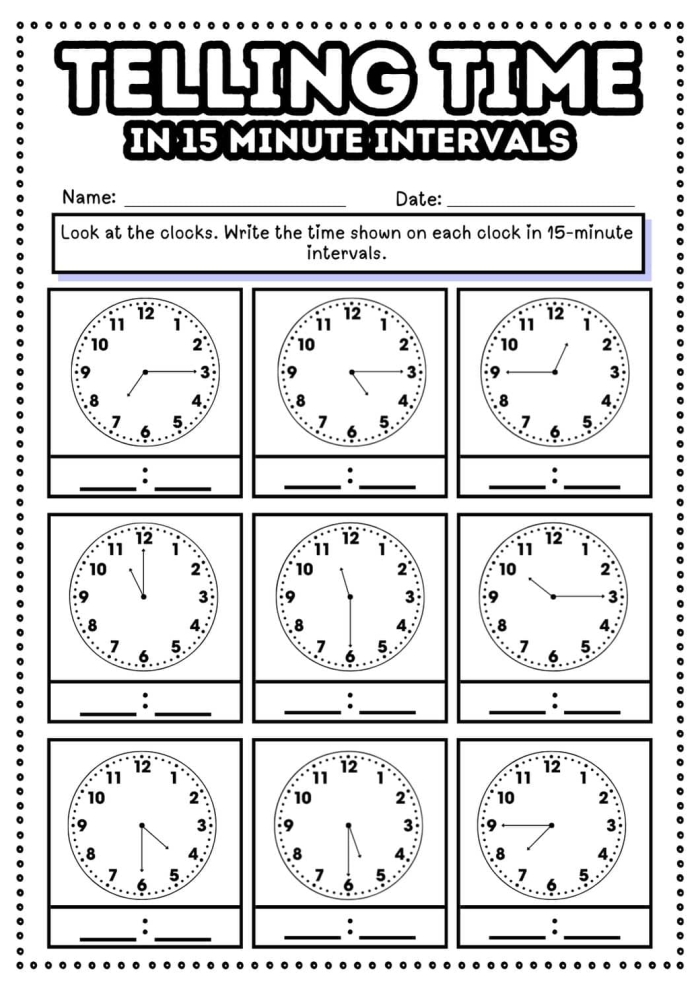
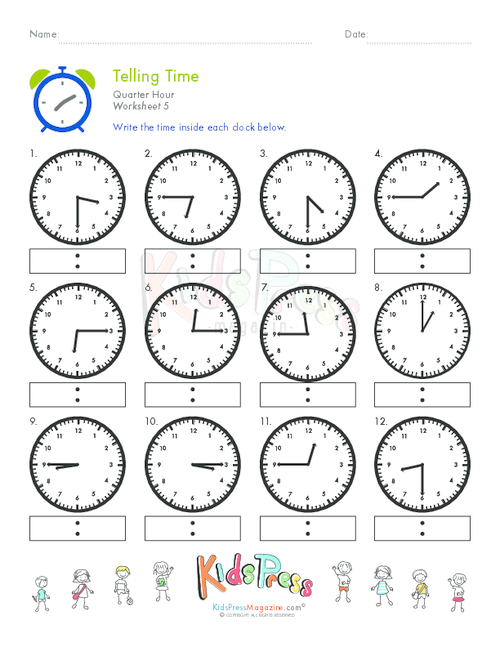
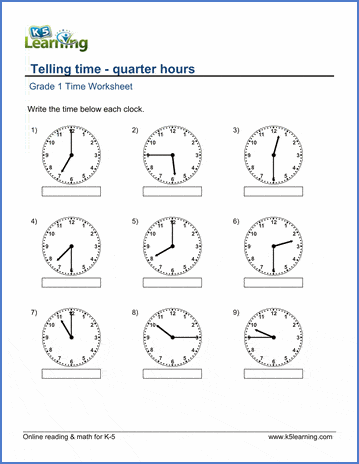
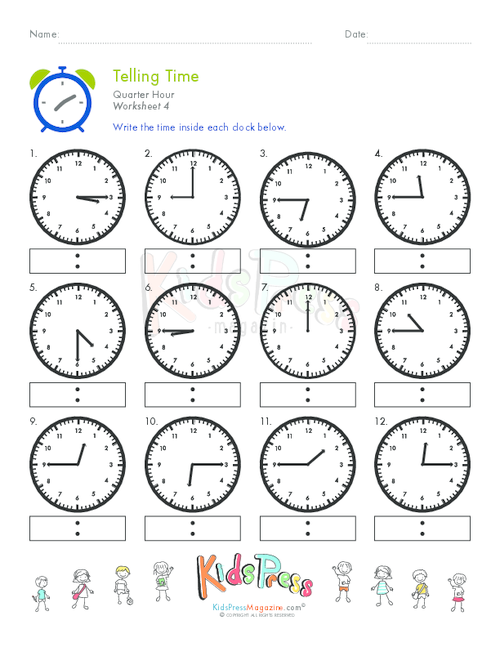
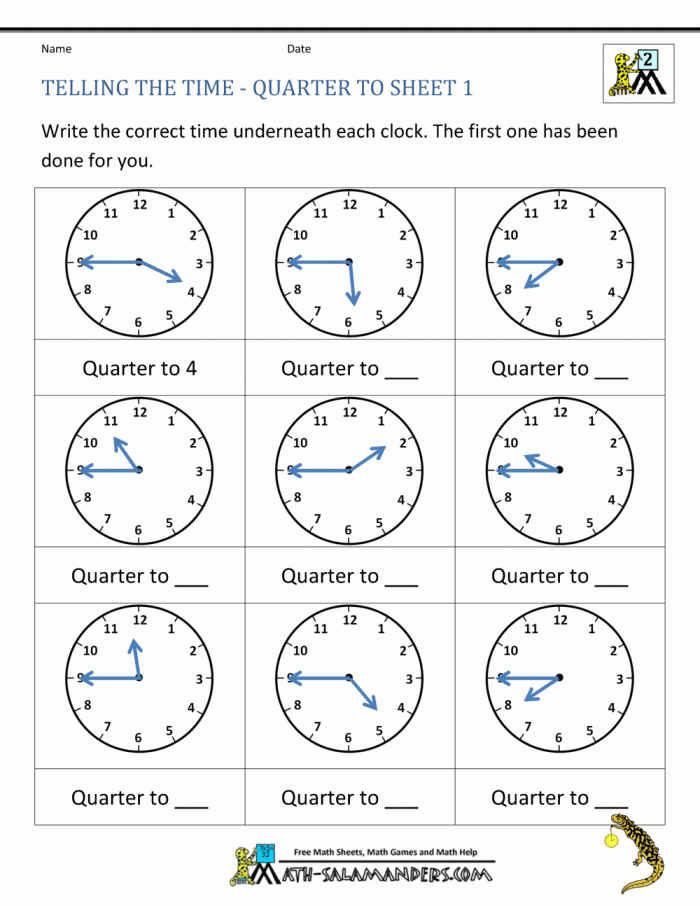
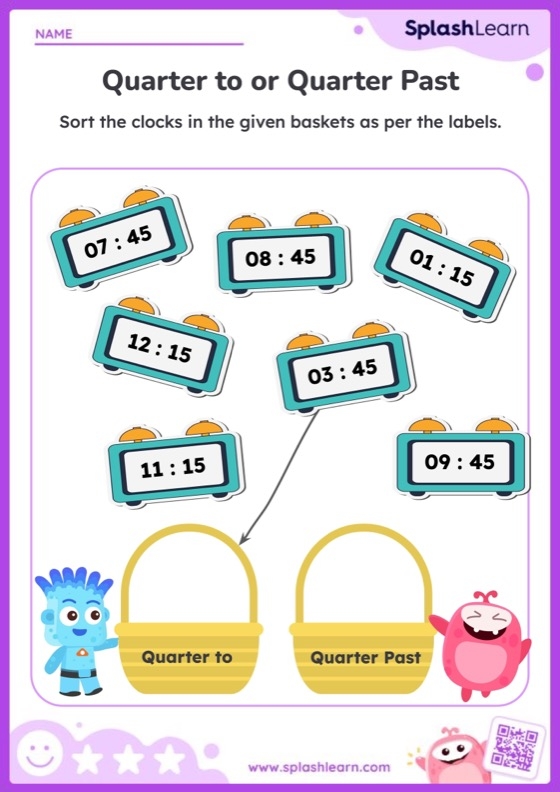
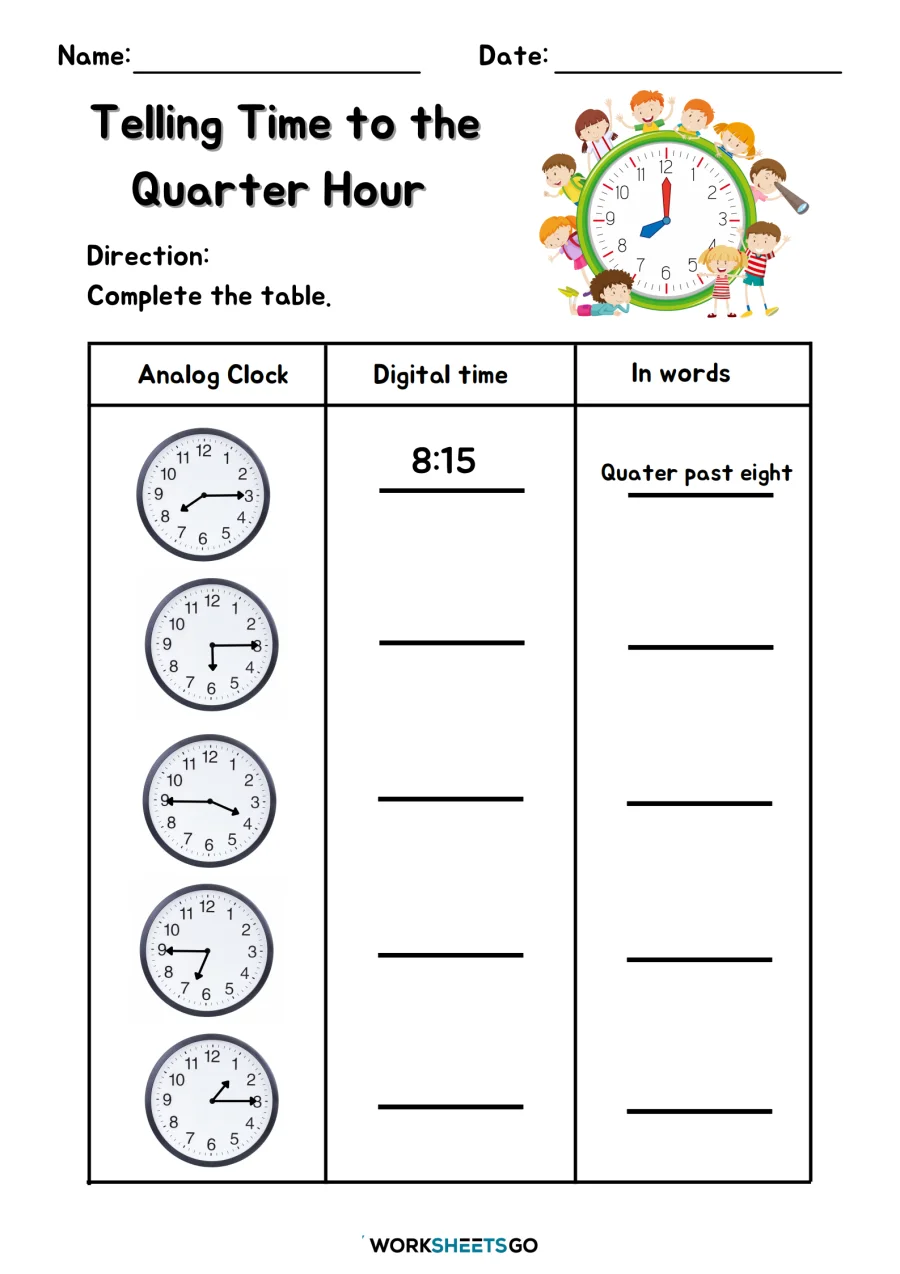
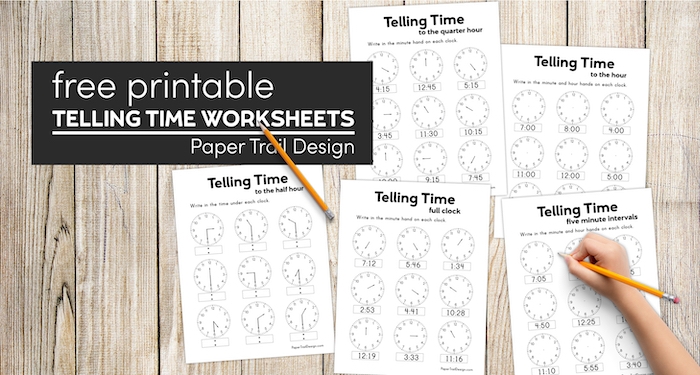
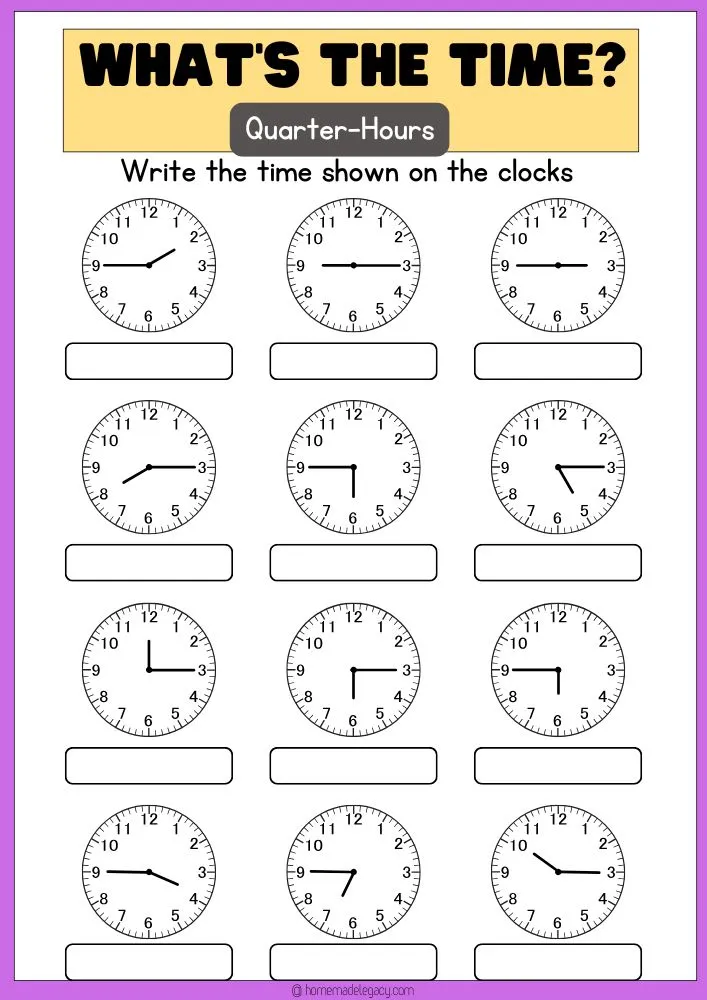
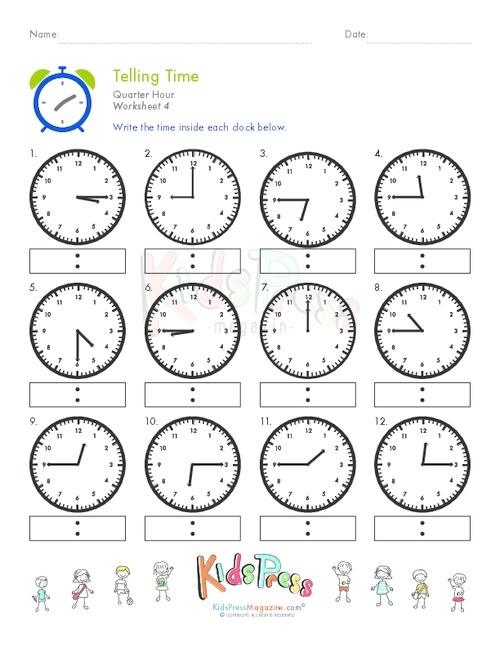
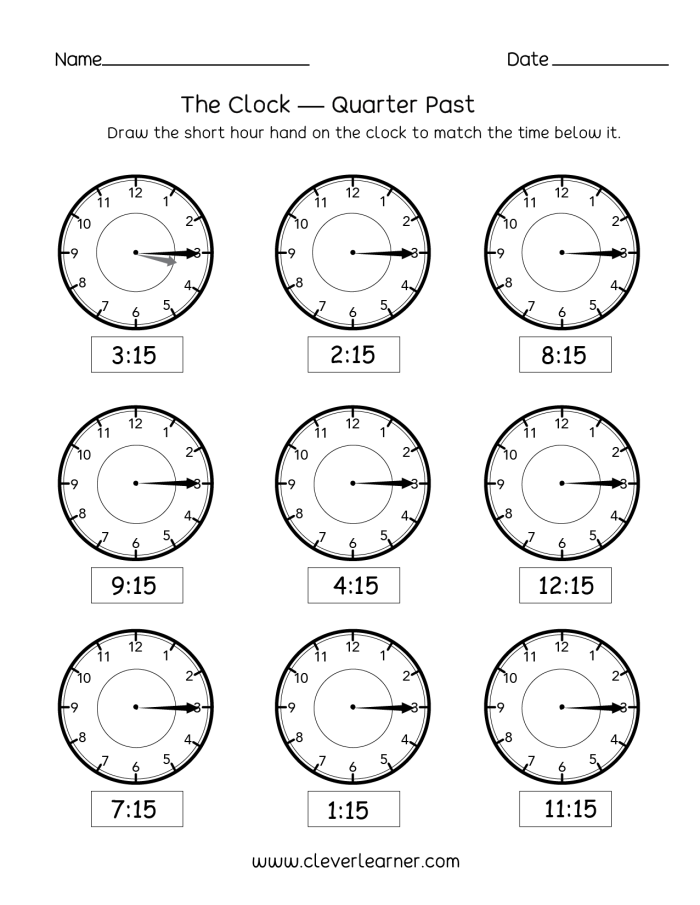
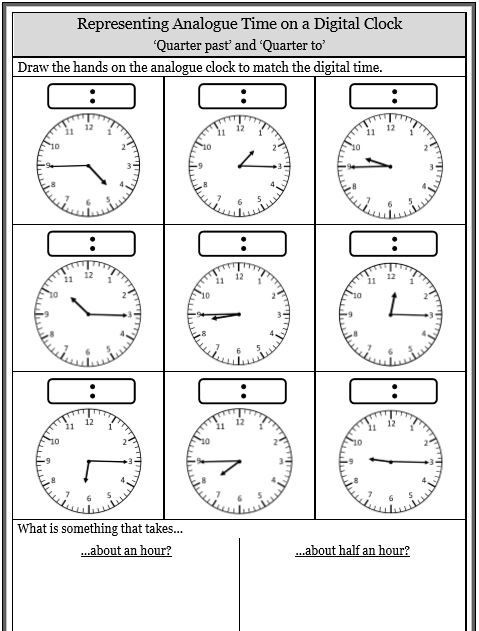
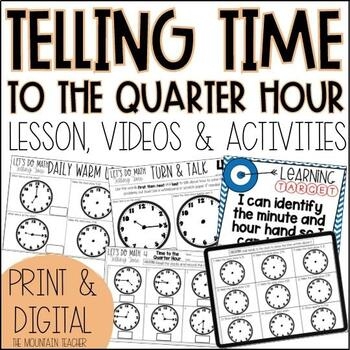
Quarter hours represent one of the trickiest concepts for second grade students learning to tell time. Unlike whole hours or half hours, the quarter hour requires students to understand that 15 minutes equals one quarter of the clock face, and 45 minutes equals three quarters. An introductory worksheet designed specifically for this skill can bridge the gap between basic hour recognition and more complex time-telling.
When you introduce quarter hours to your class, you’re building on foundational knowledge they’ve already developed. Second grade students typically understand the clock’s basic structure, but grasping quarter increments demands a different kind of thinking. They need to visualize the clock as divided into four equal parts, then connect those visual divisions to actual minutes. This is where a focused worksheet becomes invaluable.
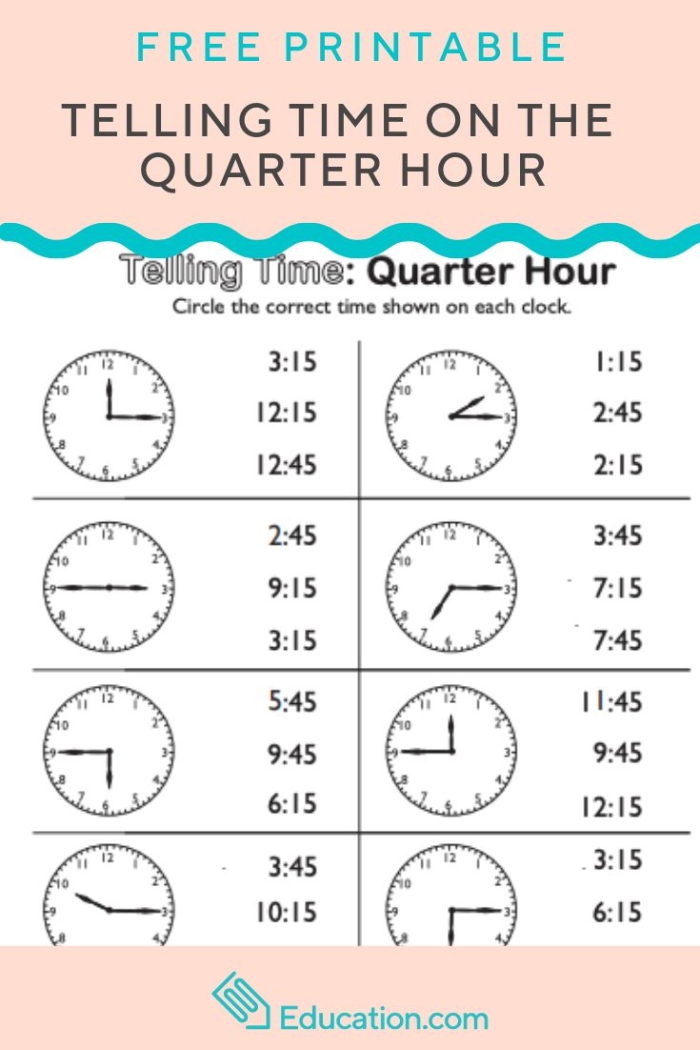
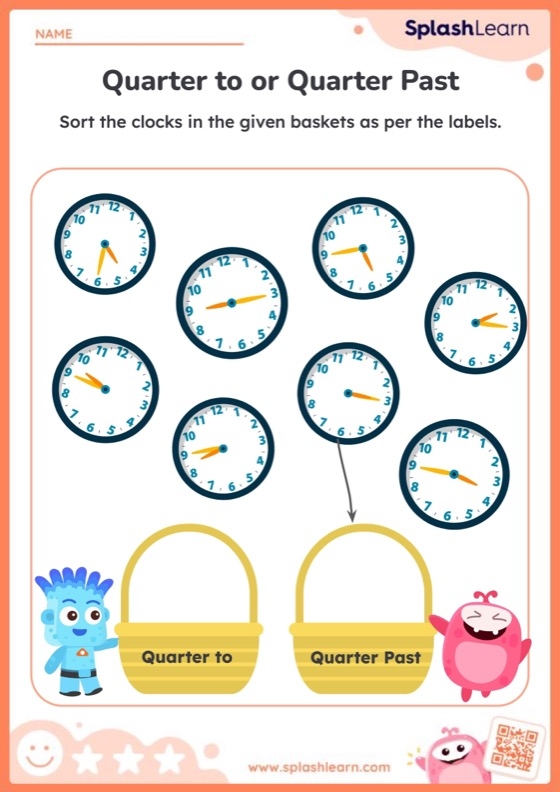
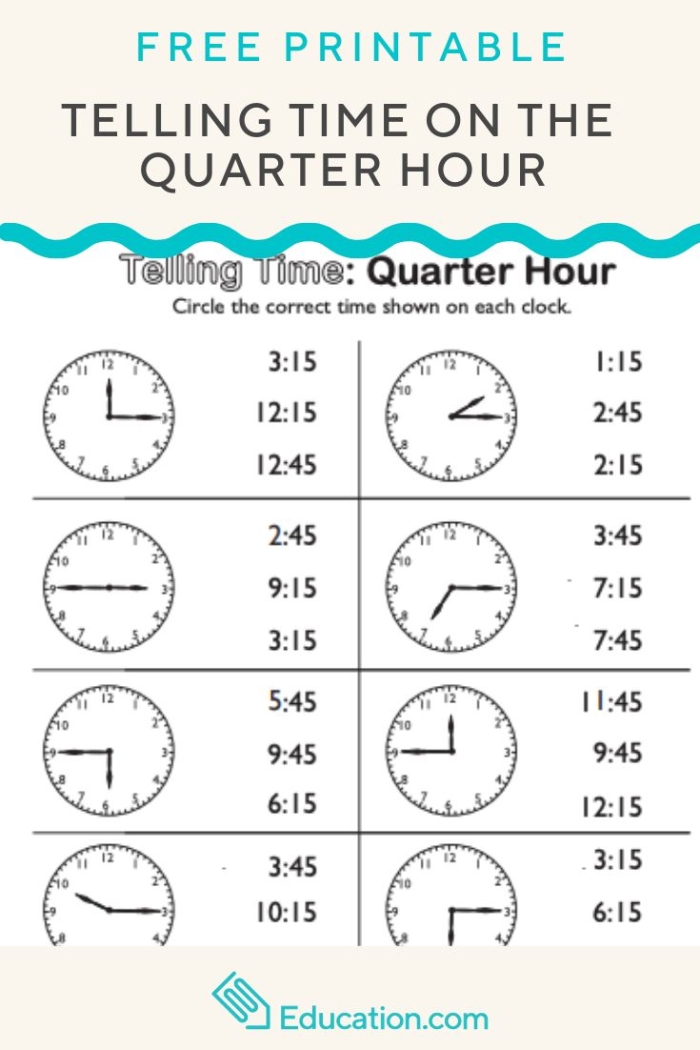
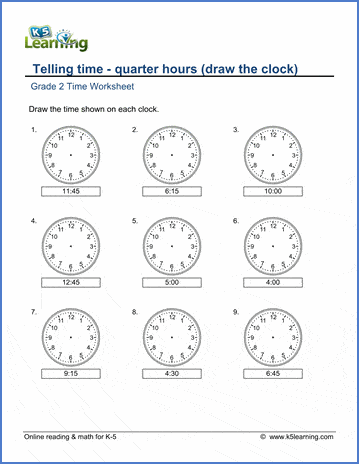
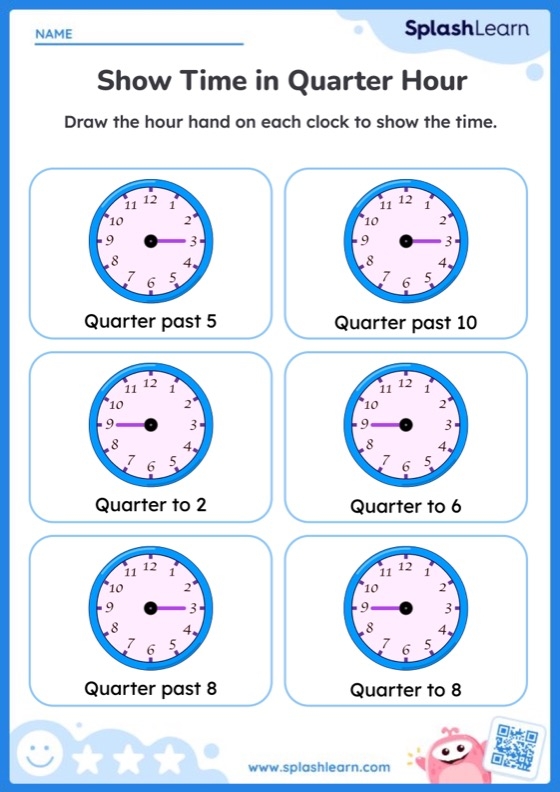
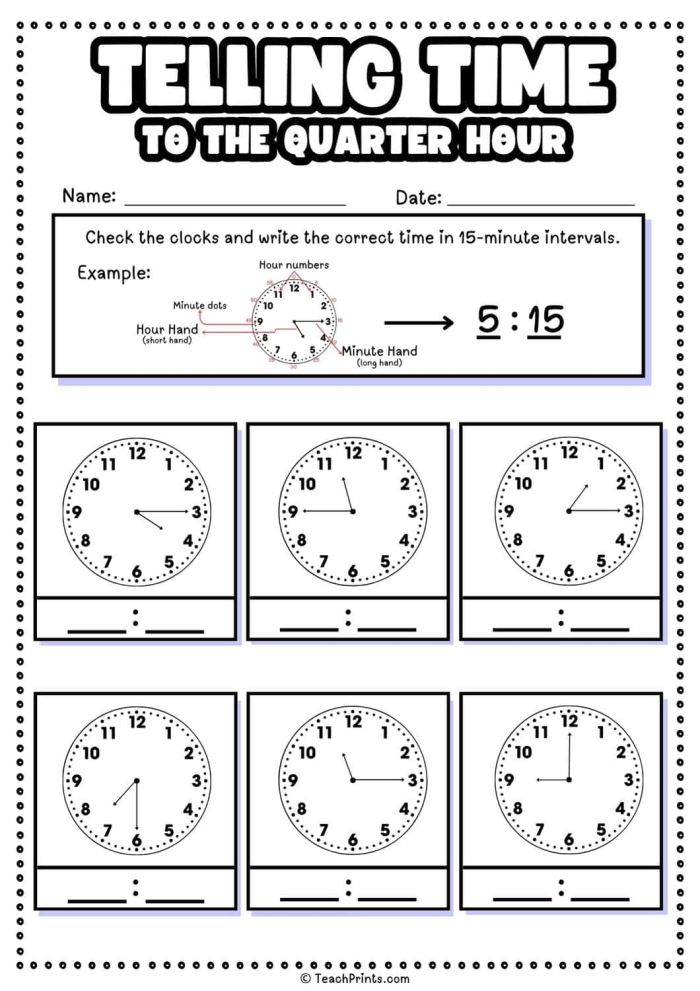
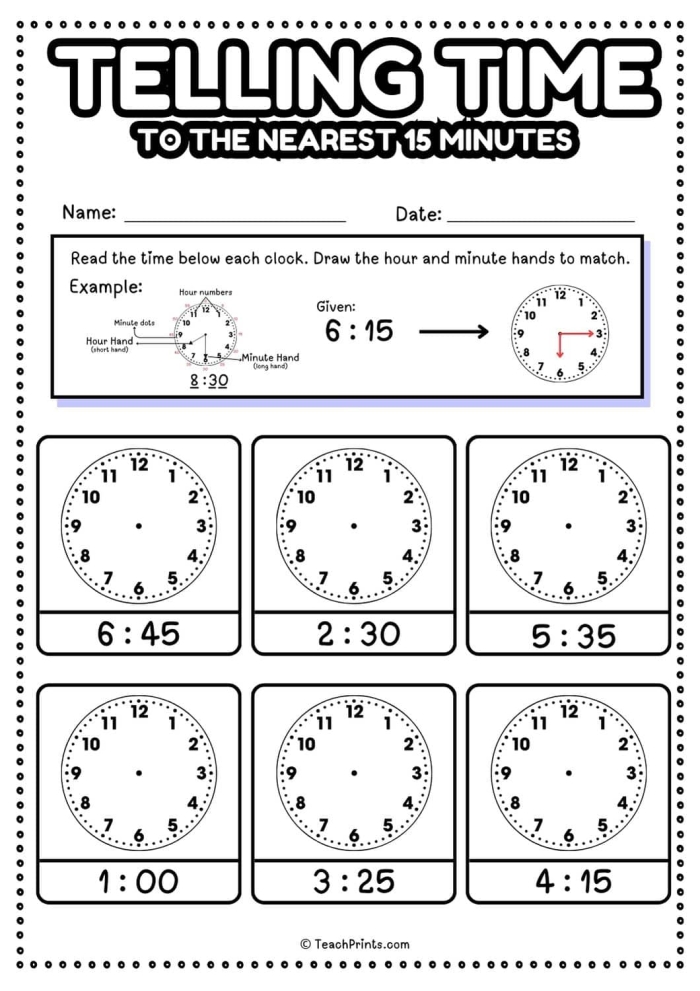
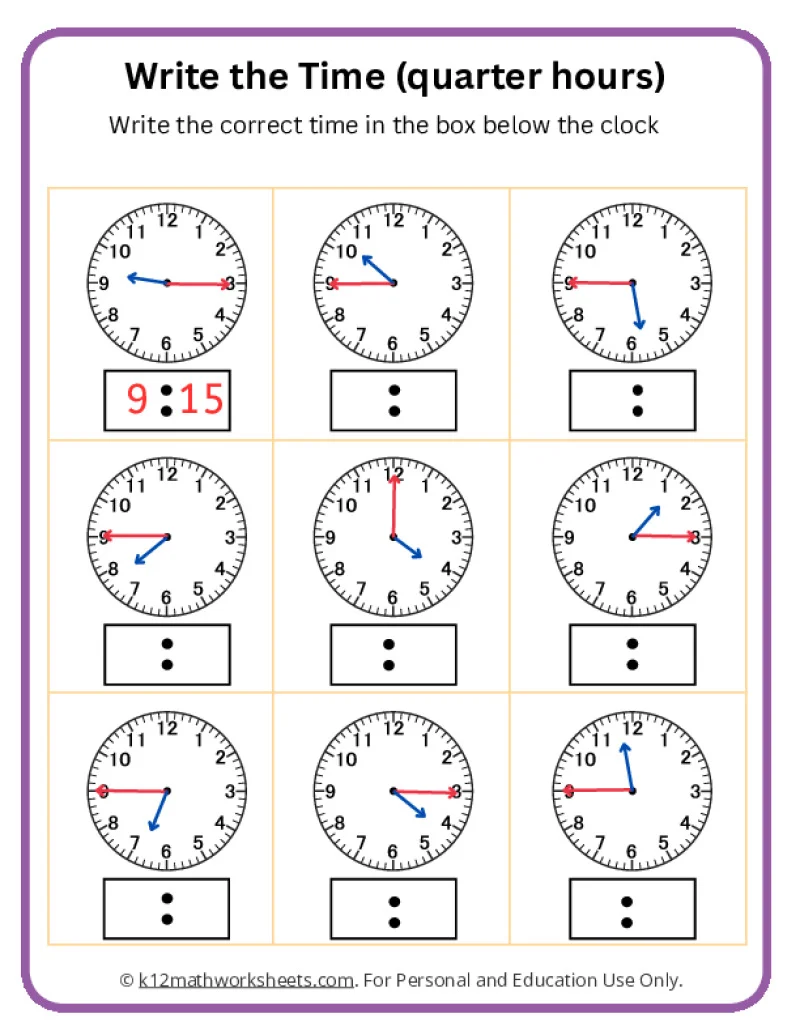
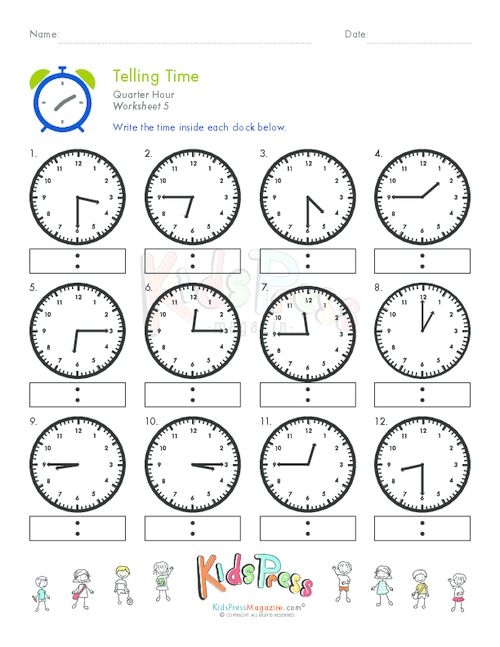
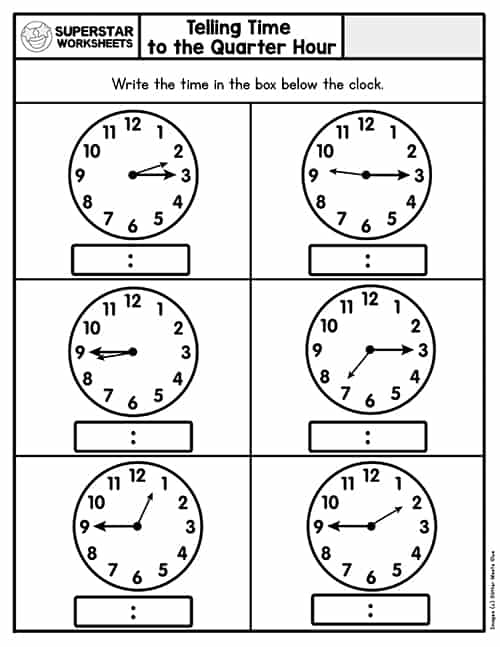
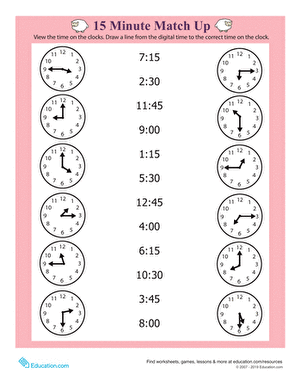
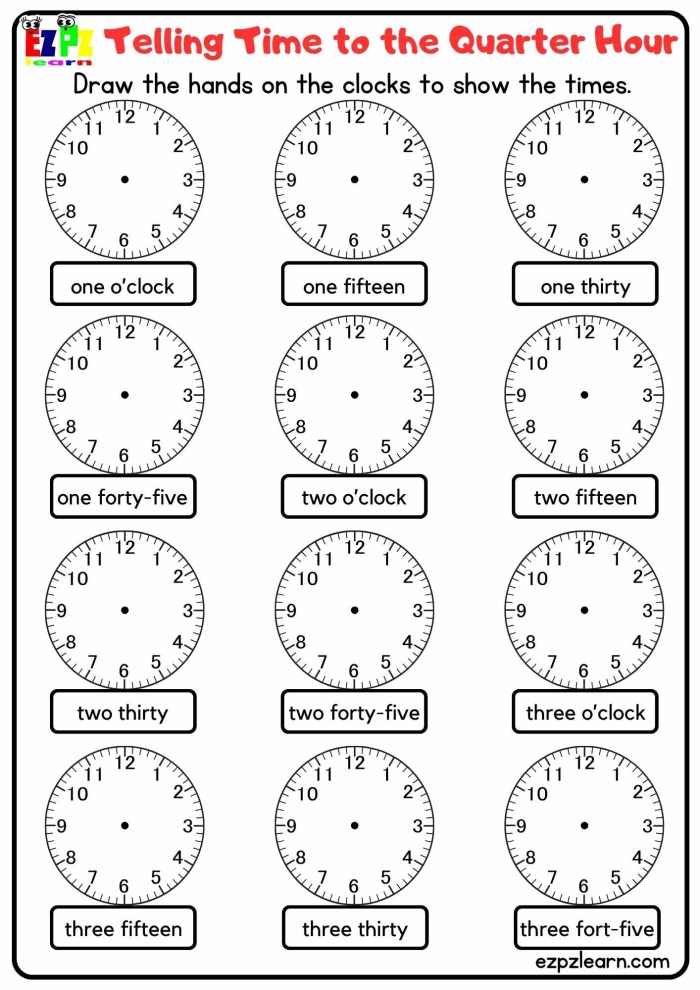
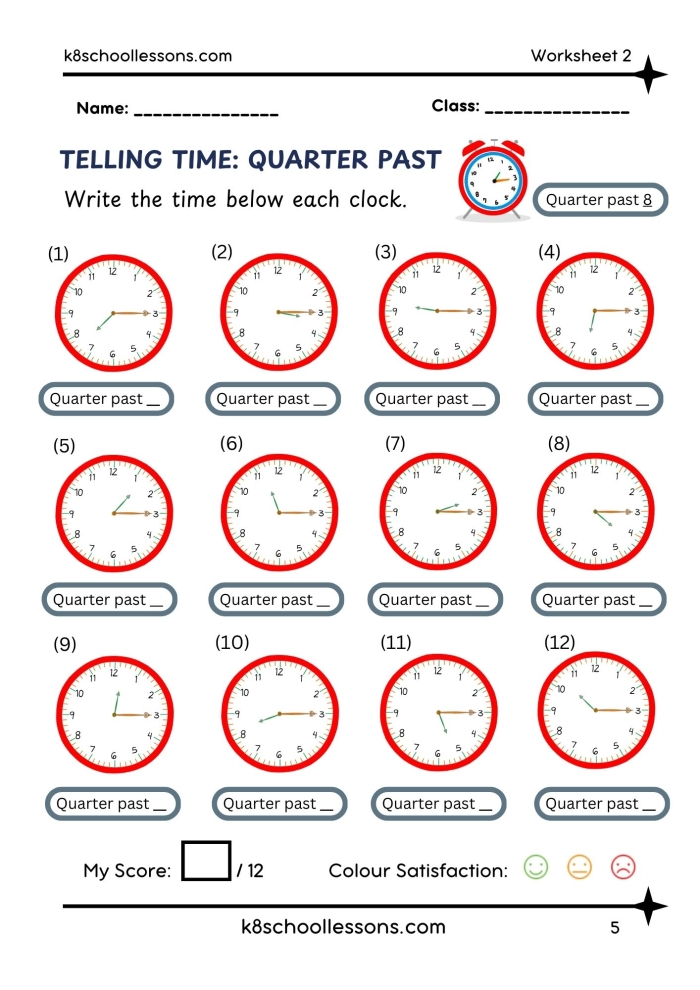
A solid intro worksheet should include clocks with hour and minute hands already positioned at quarter-hour intervals, paired with multiple-choice or fill-in-the-blank answer options. Students benefit from seeing the same concept presented several different ways on a single page. Some problems might show the clock and ask them to write the time, while others present the time in words and ask them to draw the hands.
The beauty of an introductory approach is that it removes the pressure of mastery. Students can practice identifying quarter past, quarter to, and the two and three quarter positions without worrying about other time concepts simultaneously. This focused practice builds confidence before you layer in additional skills.
You might also integrate quarter-hour practice with other second grade concepts. Pairing time-telling worksheets with activities like cardinal directions or measurement activities creates a well-rounded math experience that shows students how different skills connect in real situations.
Download These Worksheets for Practice