Watching temperature numbers rise and fall can be a fascinating way for a fourth grader to connect with the world around them. When your meteorologist in the making starts investigating winter temperatures, she’s not just reading numbers—she’s learning how to spot patterns and understand the story those numbers tell. Charting and graphing this data turns abstract figures into visual insights, making it easier to see how temperatures change day by day.
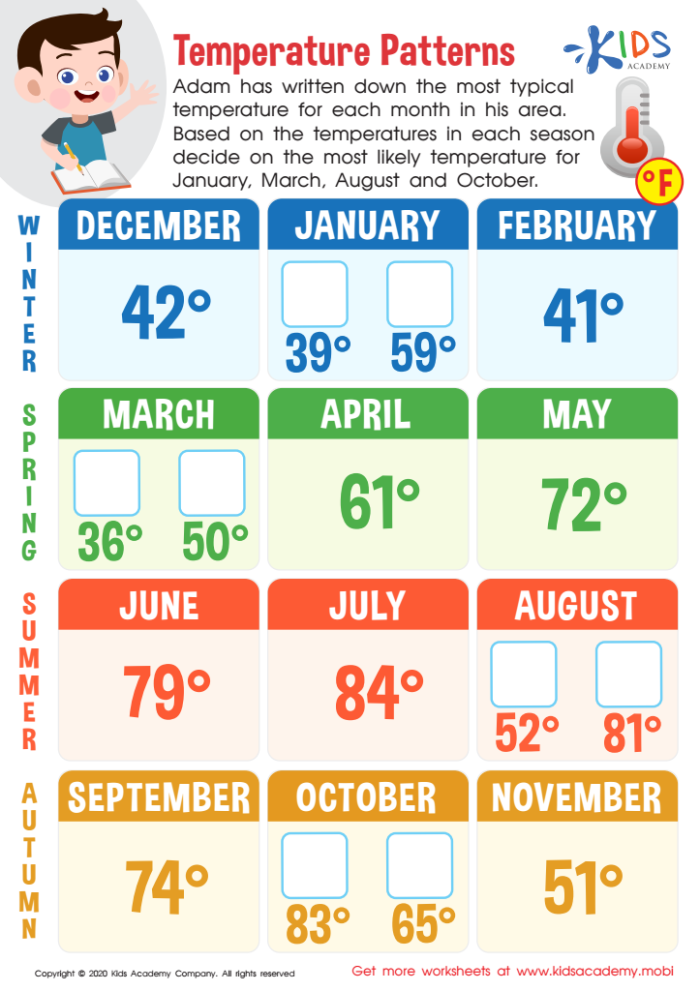
For example, by recording daily temperatures over a week, your child can observe how mornings might be colder than afternoons or notice sudden drops after a snowfall. This hands-on activity encourages skills in both science and math, as she organizes data into clear charts and uses graphing tools to map it out. It also strengthens phonics and reading abilities when she reads instructions and interprets labels on worksheets designed for fourth grade.
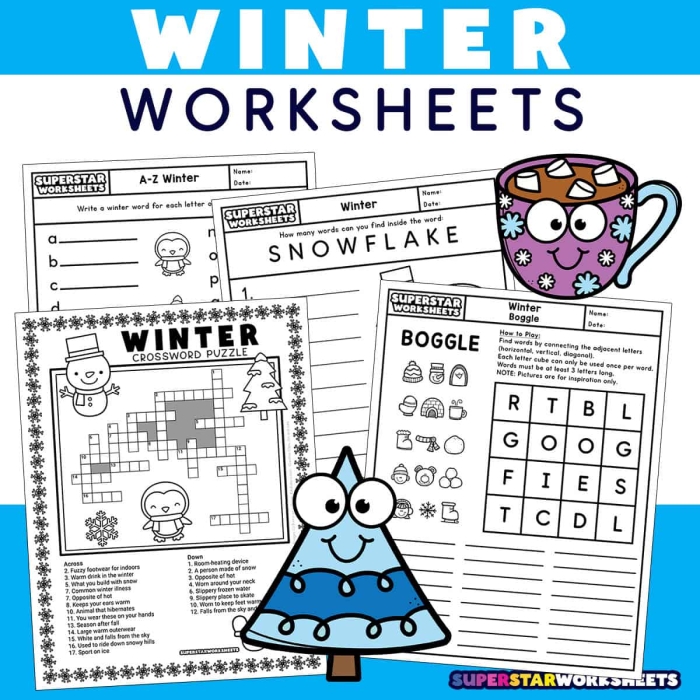
Printable winter temperatures worksheets provide a structured way to practice these skills. They often include exercises where students read temperature readings, compare values, and plot points on graphs. These worksheets can be especially helpful for children who are still developing confidence in reading or math because they combine visual learning with clear, straightforward language typical of phonics-focused materials.
One useful approach is to compare temperature changes with other measurable quantities, such as liquid volume or electrical circuits, which can be found in related resources. This comparison introduces broader scientific concepts while keeping the focus on data interpretation. For instance, understanding how a thermometer works involves basic principles of circuits and liquids expanding or contracting with temperature.
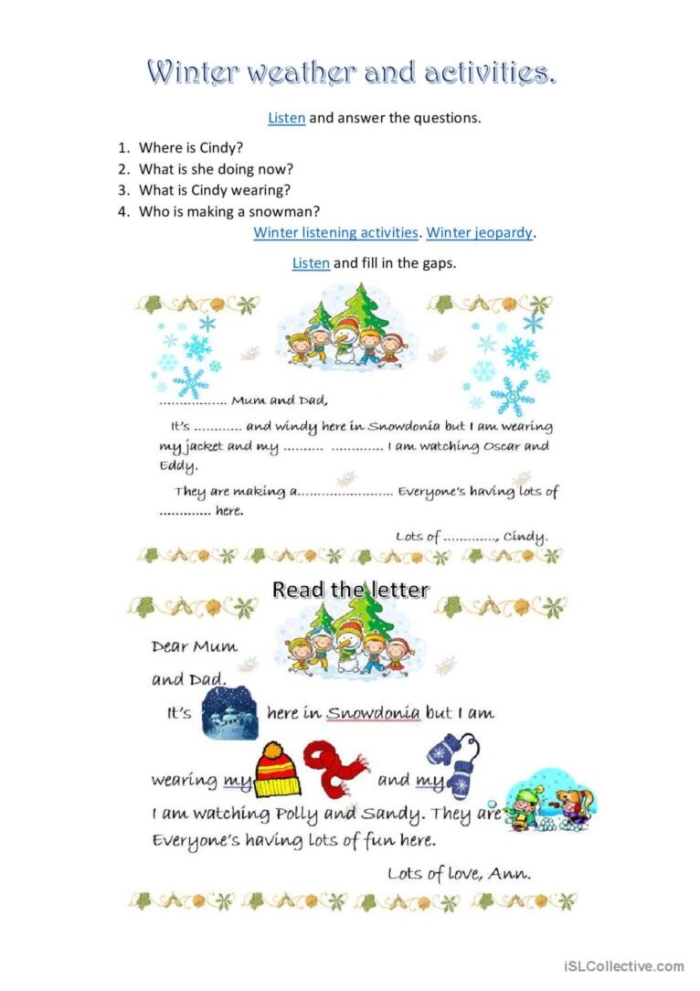
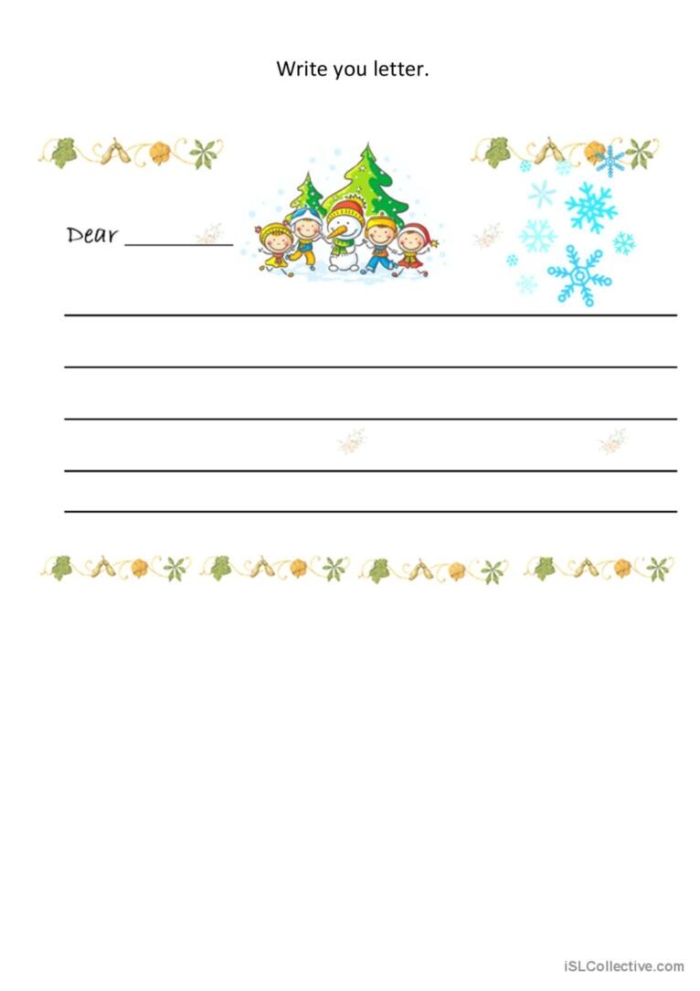
Encouraging your child to write about these observations, perhaps in a reading response letter format, reinforces comprehension and communication skills. It also makes the learning process interactive, turning abstract winter temperature data into a story she can tell.
By combining phonics-based reading exercises with practical data handling, young learners build a solid foundation not only in meteorology but also in critical thinking and literacy. This blend of skills prepares them well for future science explorations and everyday problem-solving.
Hands-On Worksheet Activities