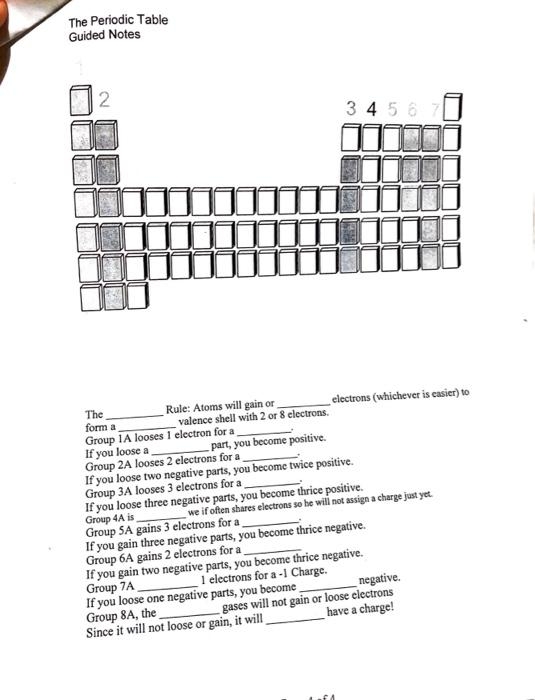
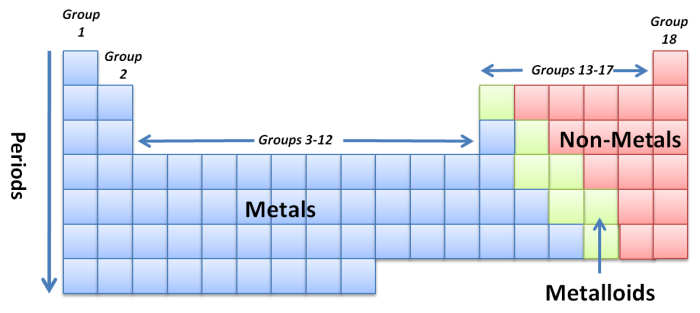
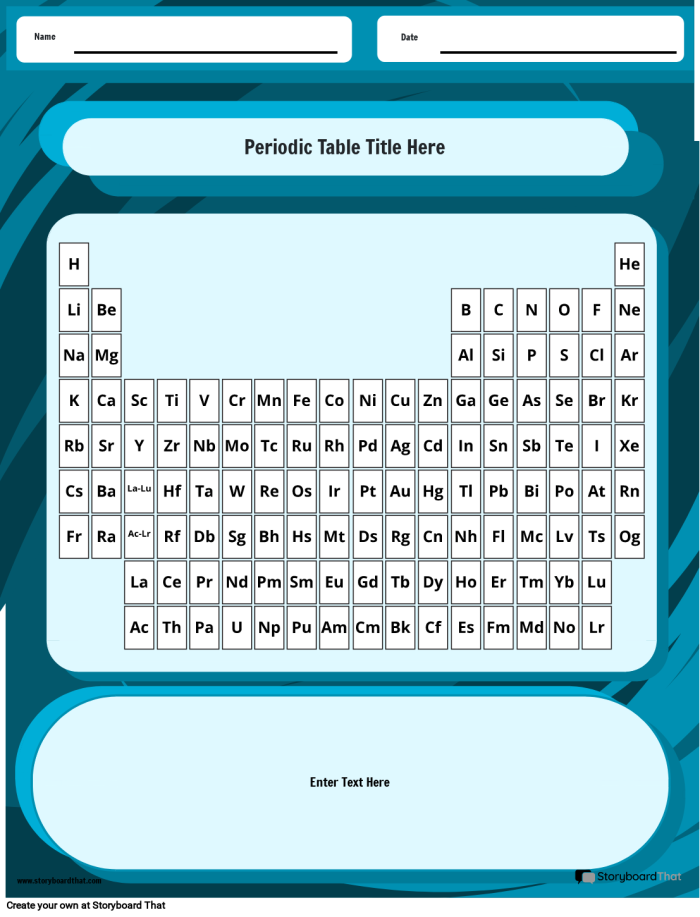
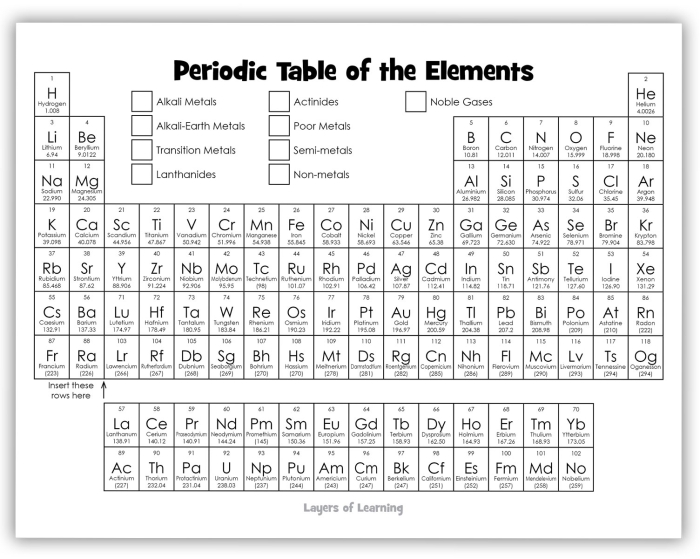
The periodic table of the elements serves as a powerful tool in understanding the building blocks of everything around us. It organizes chemical elements based on their atomic number, electron configurations, and recurring chemical properties. For fifth grade students learning about the history of the periodic table, this classification system is much more than just a chart—it’s a way to see patterns and relationships among elements that might otherwise seem random.
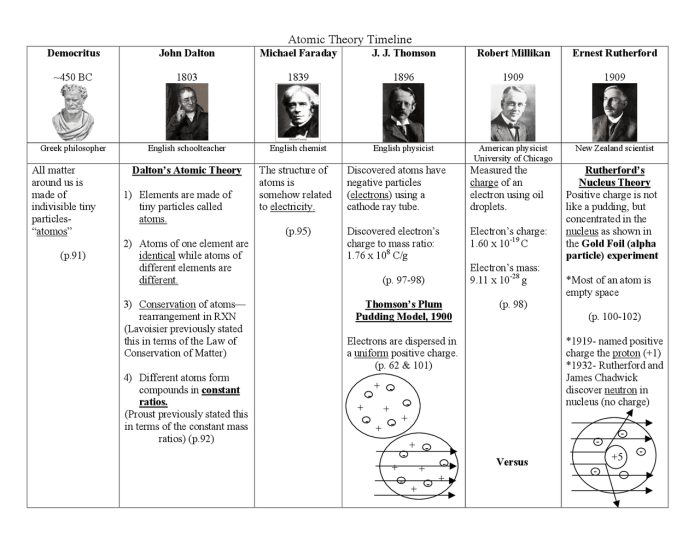
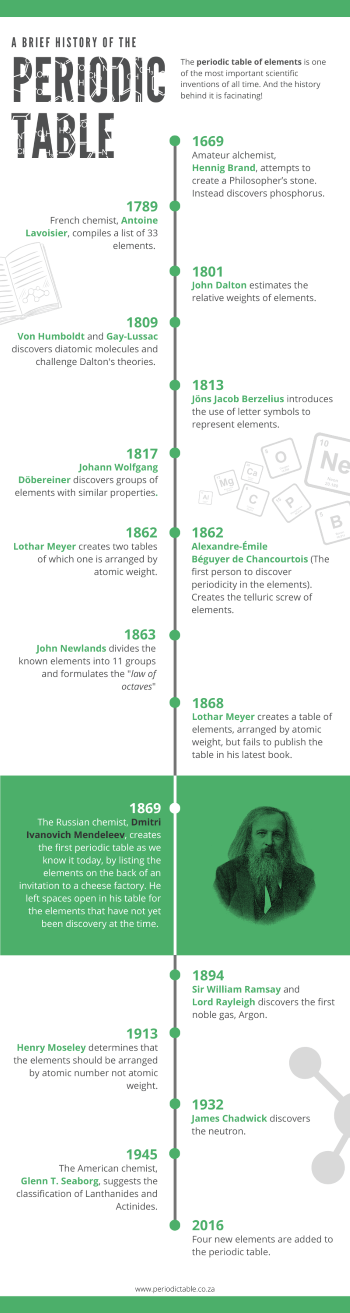
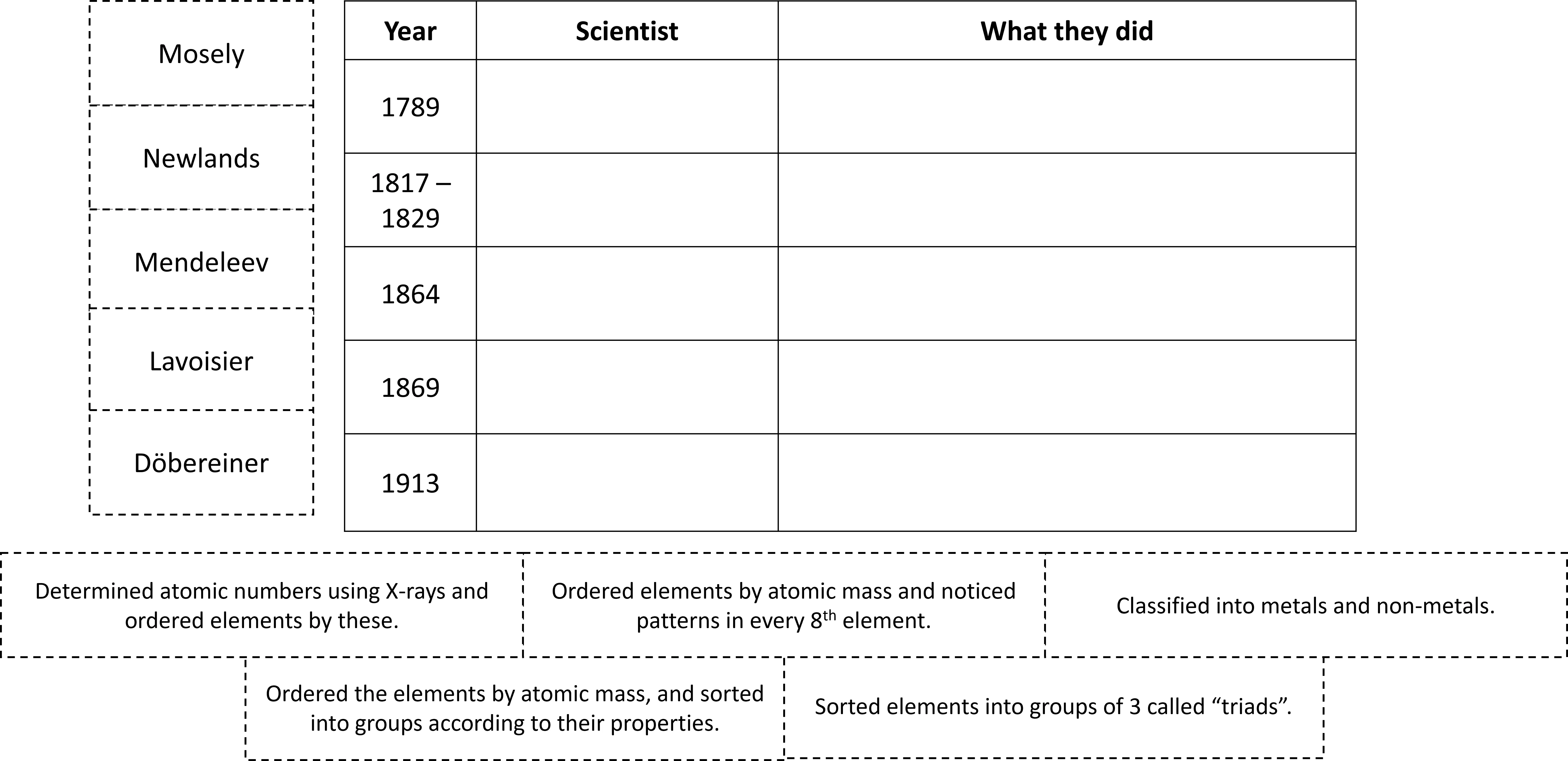
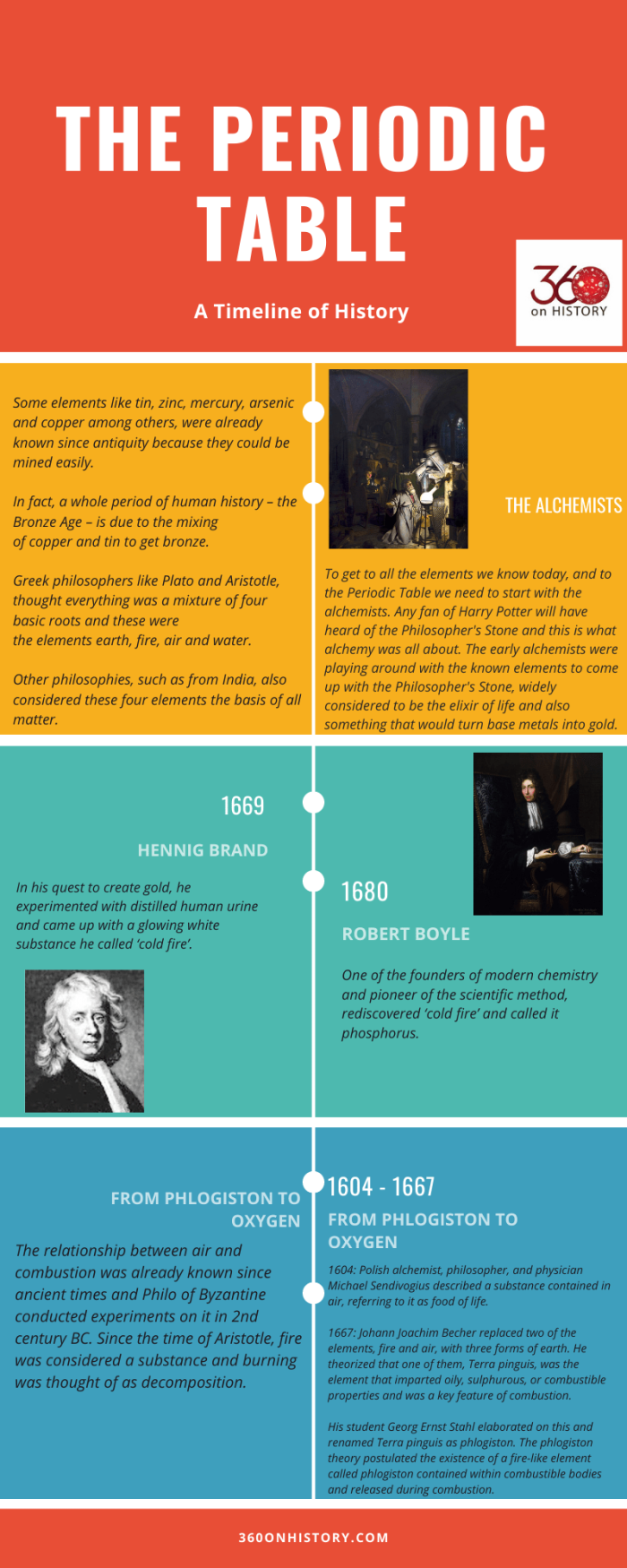
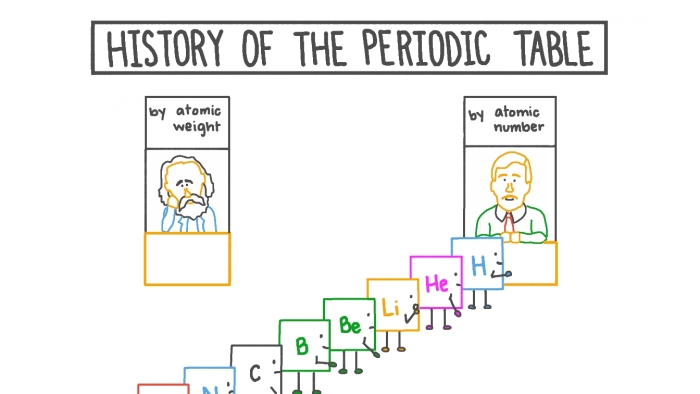
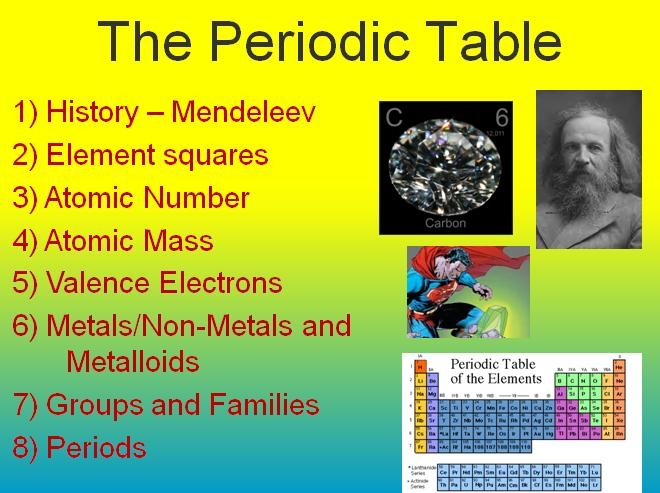
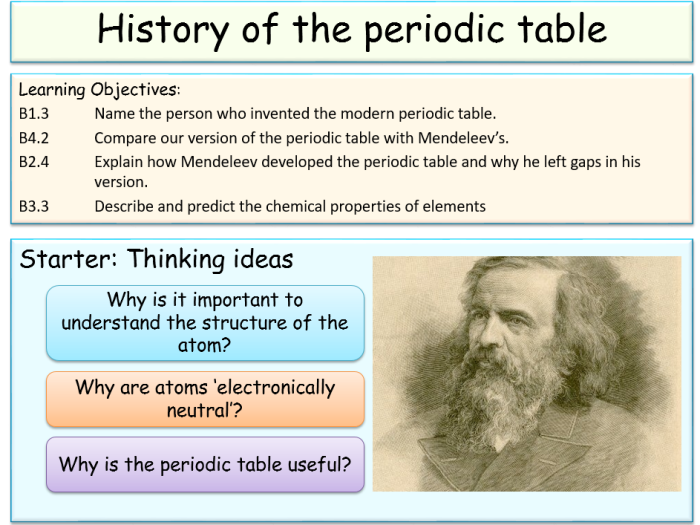
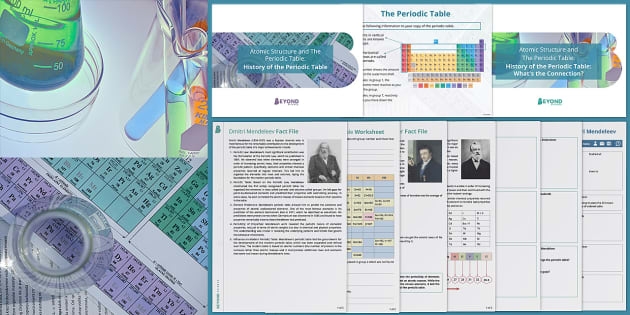
One interesting fact about the periodic table is that it was first arranged by Dmitri Mendeleev in 1869, who noticed that when elements were ordered by increasing atomic weight, their properties repeated periodically. This insight allowed him to predict the existence and properties of elements that had not yet been discovered. Learning about this history not only illuminates how science progresses but also shows the value of organizing information logically.
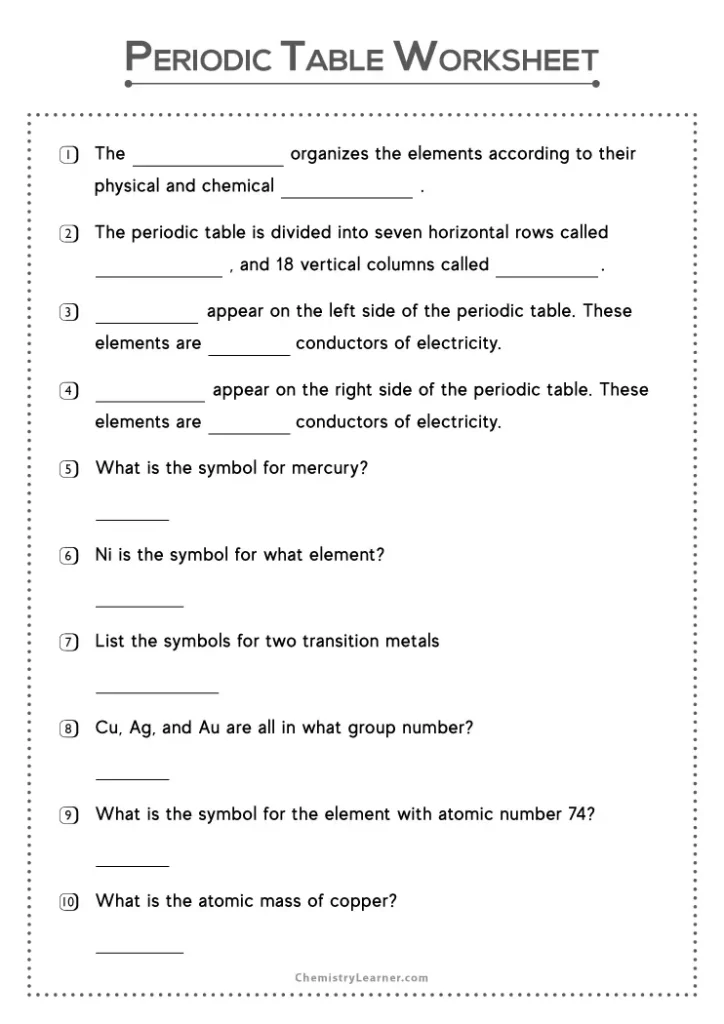
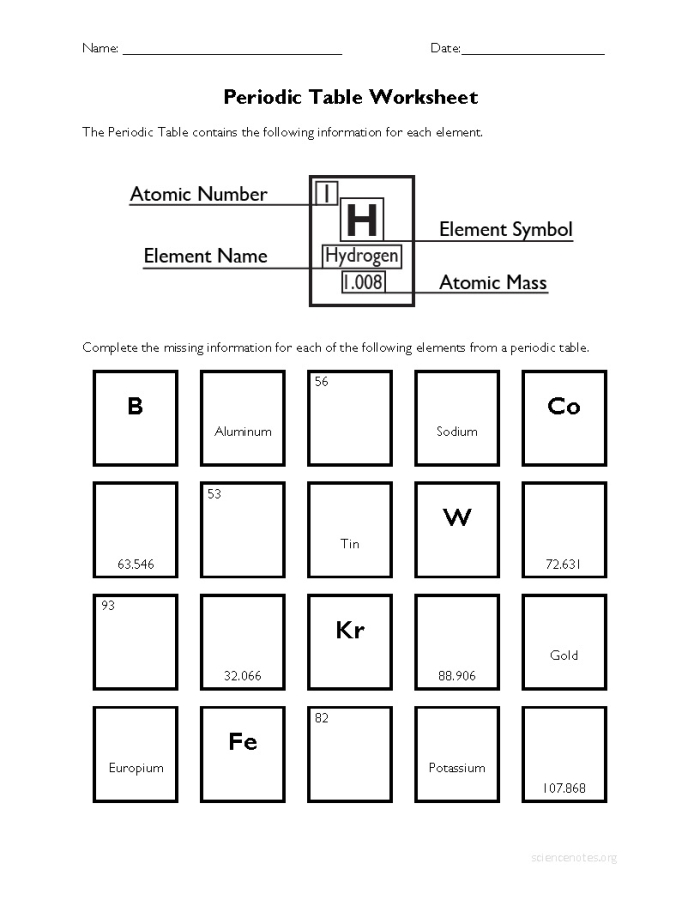
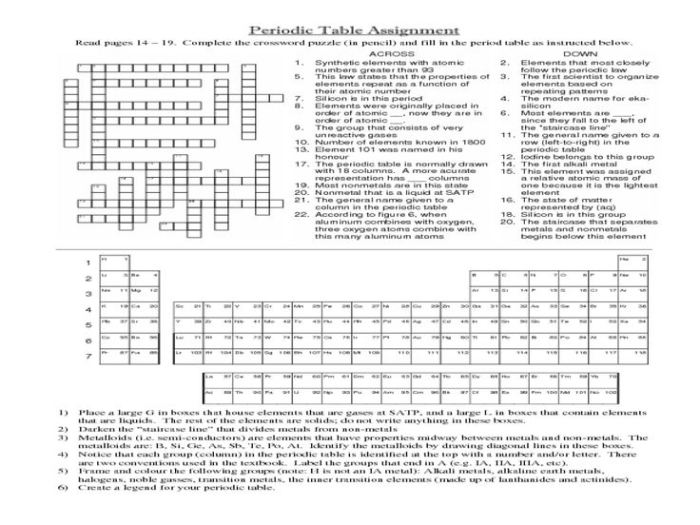
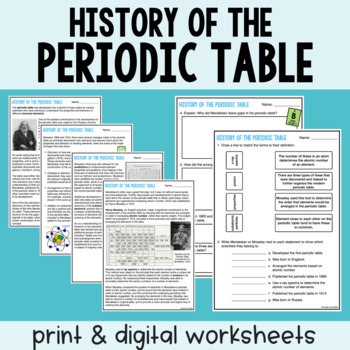
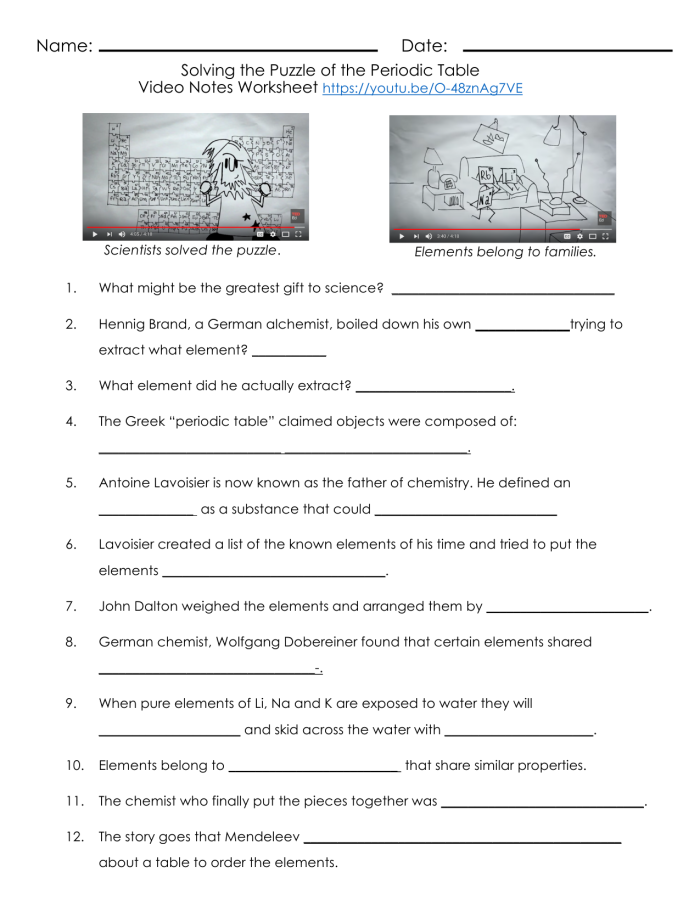
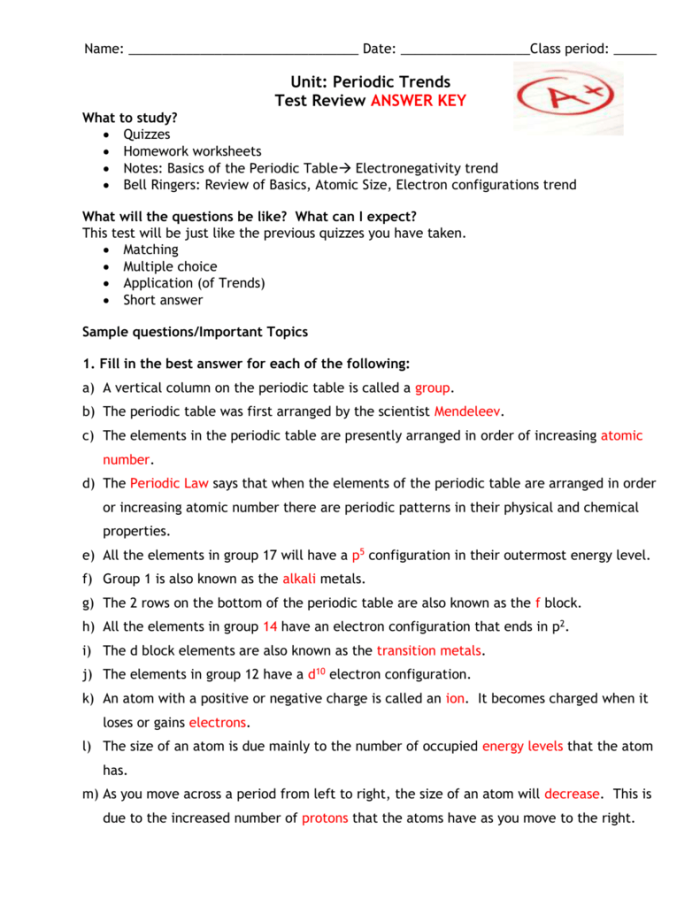
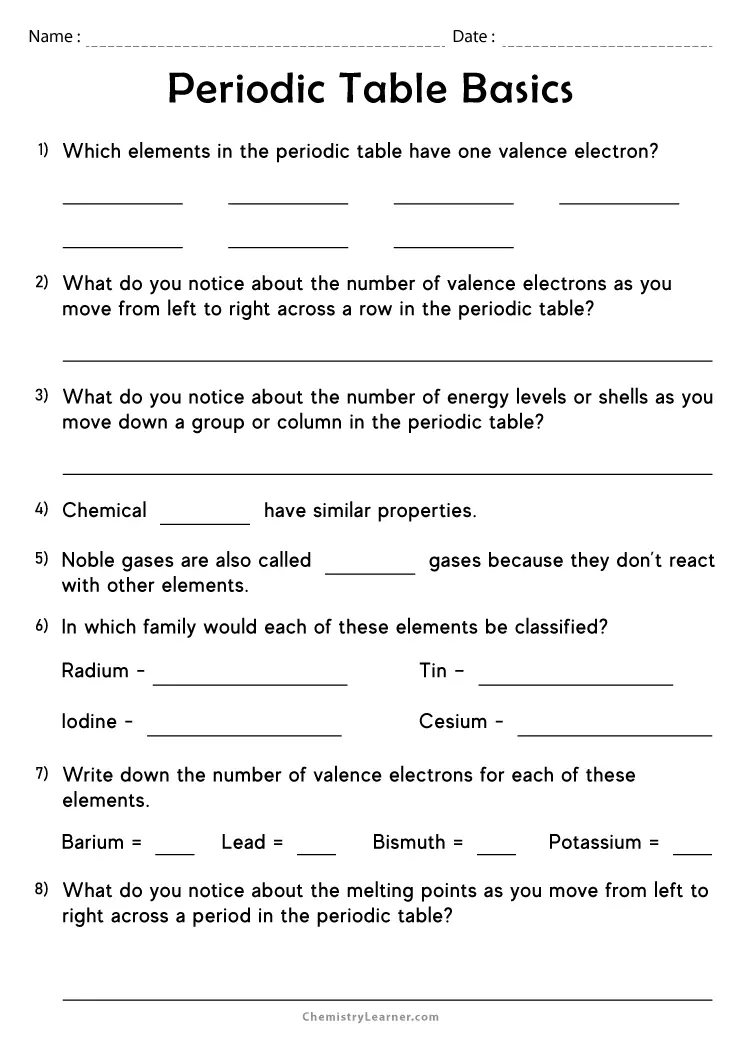
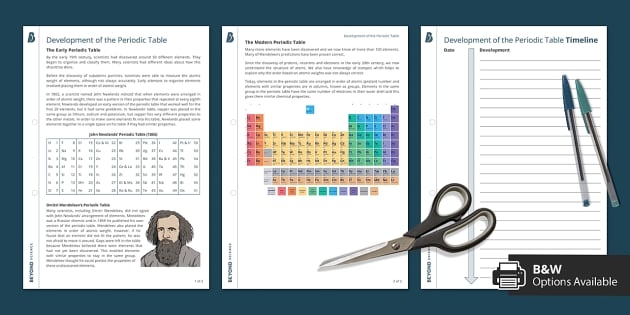
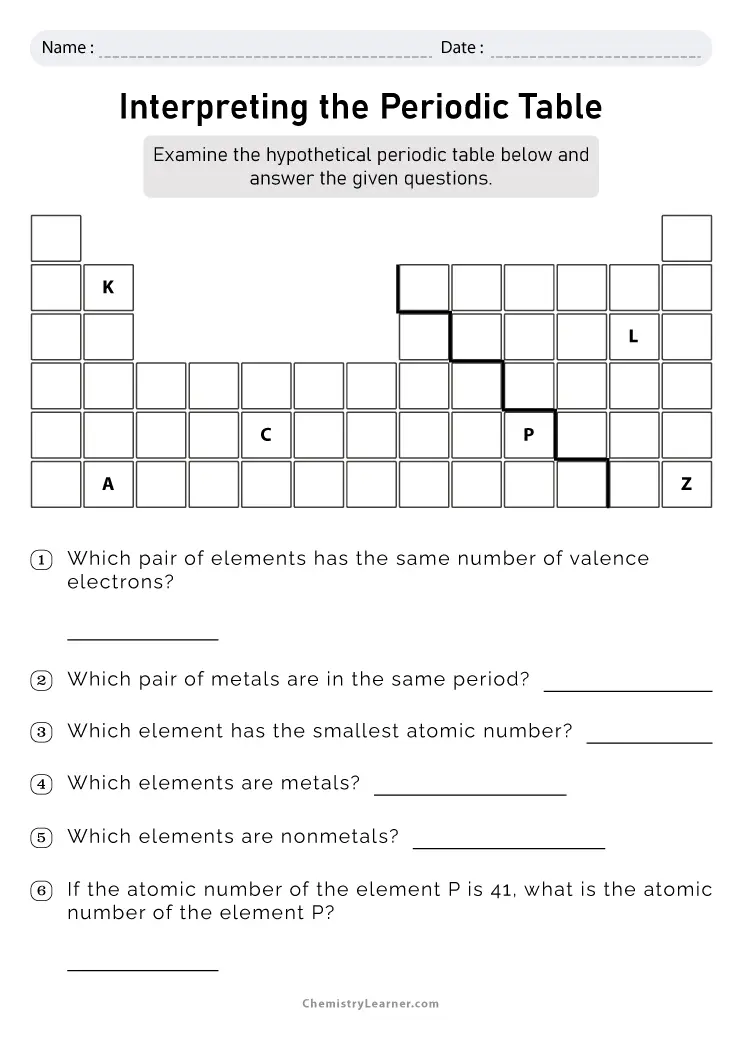
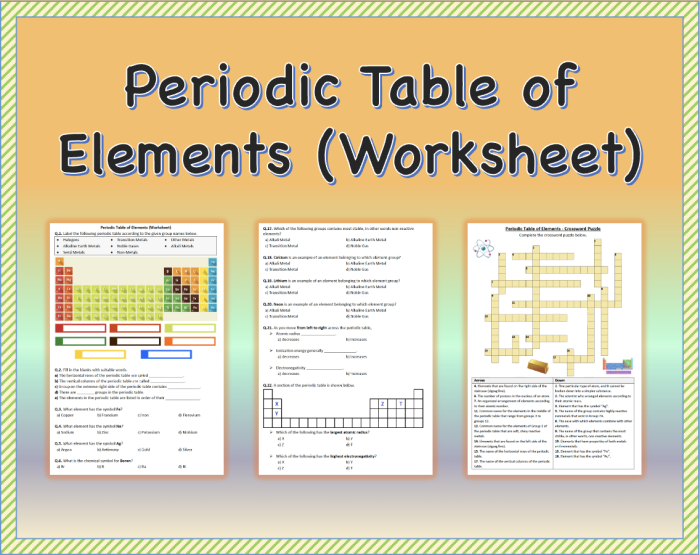
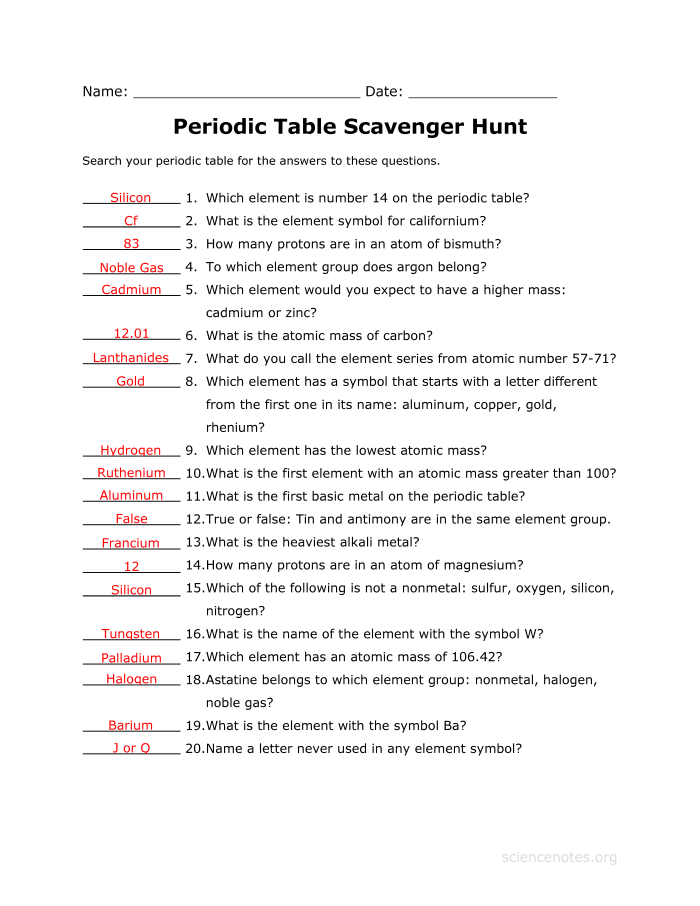
Teachers often use printable history of the periodic table worksheets to help fifth graders practice writing about these scientific discoveries. These worksheets encourage students to explain how elements are grouped and why the table’s layout helps scientists and students alike. Writing assignments on this topic improve comprehension and allow young learners to connect facts with their own words.
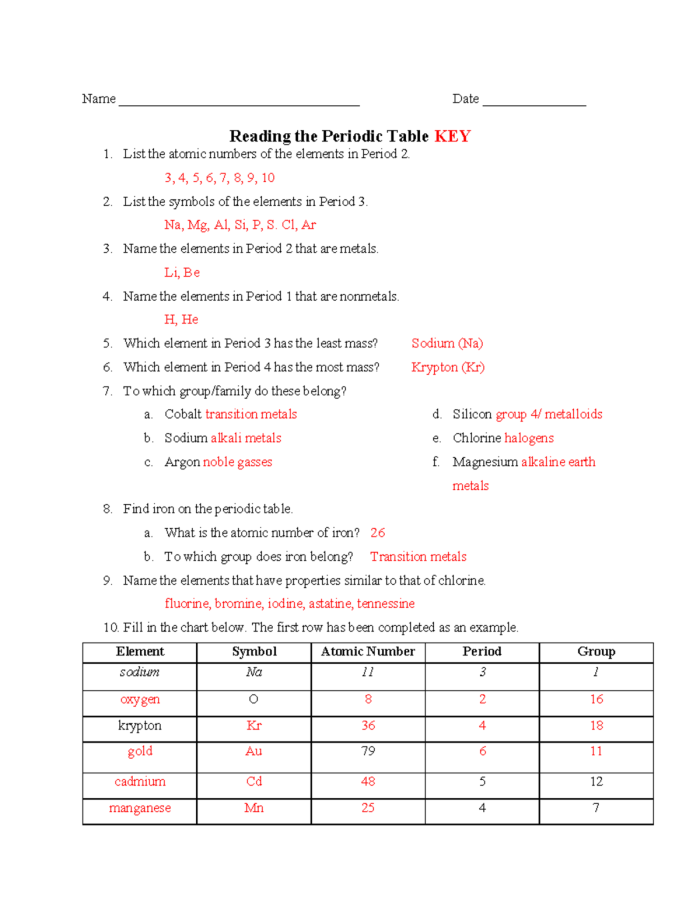
Besides its educational use, the periodic table is essential in real-world applications, from chemistry labs to medicine and environmental science. Knowing how to read the table helps students understand why elements behave the way they do, which can be useful in experiments or solving percentage word problems related to chemical mixtures.
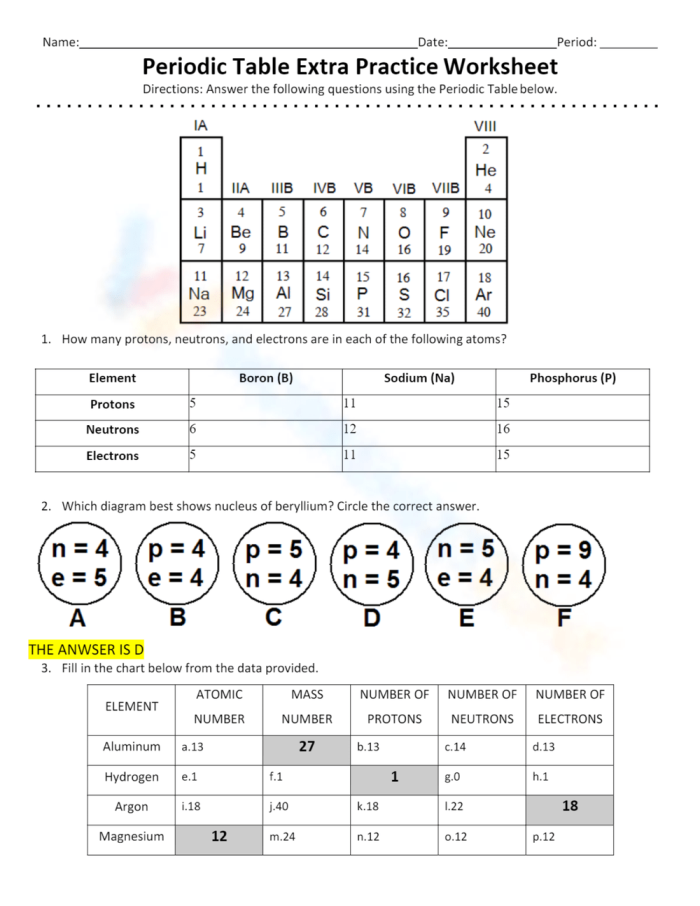
For example, when calculating the proportions of elements in a compound, students might refer to percentage word problems to strengthen their math skills alongside science. This integrated approach supports a deeper grasp of both subjects.
Exploring the history of the periodic table through writing exercises enhances critical thinking and helps students appreciate how classification systems contribute to scientific knowledge. For those interested in additional practice, resources like history of the periodic table writing worksheets offer structured ways to engage with the topic creatively and thoughtfully.
Start Practicing with These Worksheets