There’s something magical about watching a child step outside into fresh snow and immediately start rolling it into balls. The boy in this winter scene knows exactly what he’s doing: he’s building a snowman from the ground up, and every packed sphere of snow gets him closer to creating a character that will stand guard in the yard.
Snowman building teaches kindergarten students about physical science in ways that worksheets alone cannot. When children pack snow, they’re observing how water changes state and how pressure transforms loose flakes into solid structures. They learn about balance and proportion as they stack spheres, making sure each layer supports the one above it. These hands-on lessons stick with young learners far better than reading about winter precipitation in a textbook.
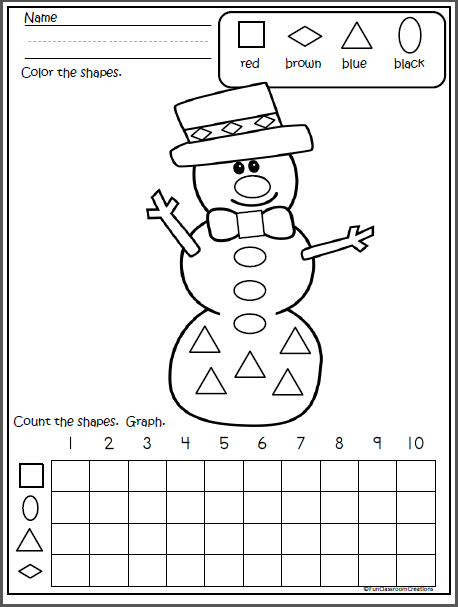
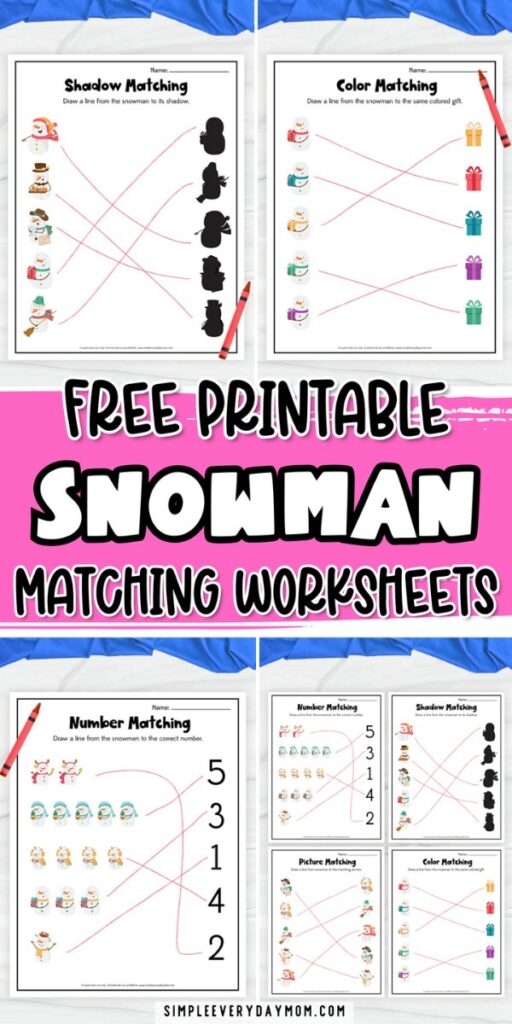
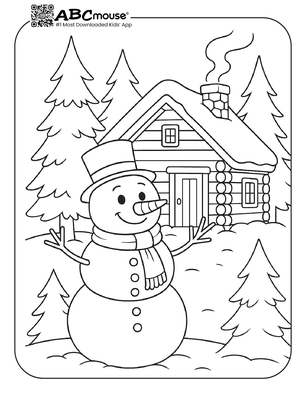
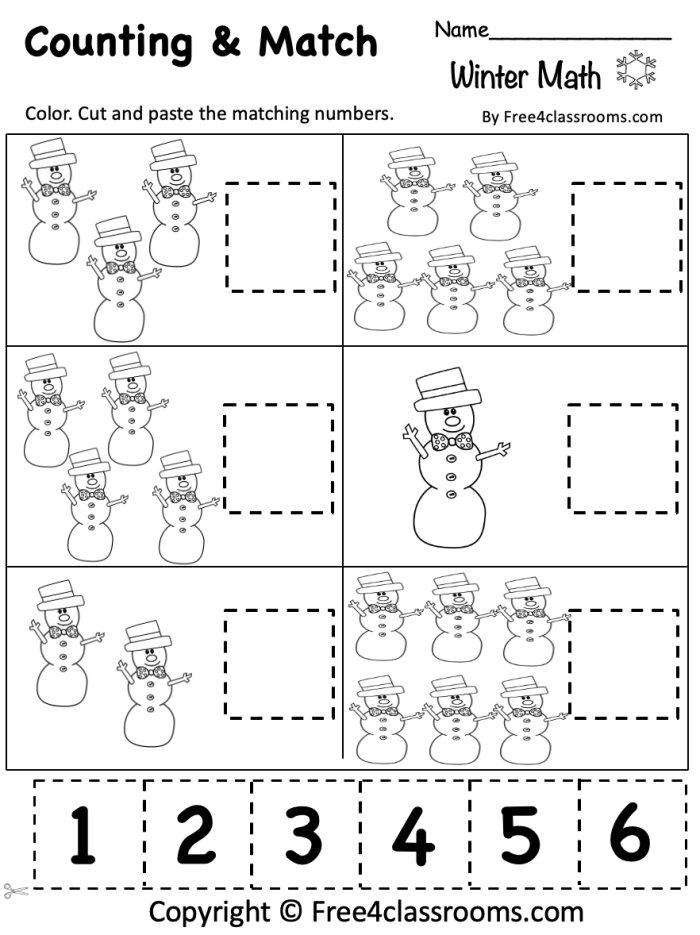
The friendly snowman emerging in this scene becomes more than just a winter decoration. It’s a canvas for creativity and learning. Once built, children can practice observation skills by noticing its features, or engage in activities like matching shapes and proportions. For kindergarten classrooms, activities such as matching ratios and proportions connect outdoor play to indoor learning.
Building a snowman also teaches patience and problem-solving. Snow doesn’t always cooperate, especially when it’s too dry or too wet. The boy in this scene learns to adjust his technique, test different areas of the yard, and persist when his first attempt crumbles. These resilience skills extend far beyond winter play.
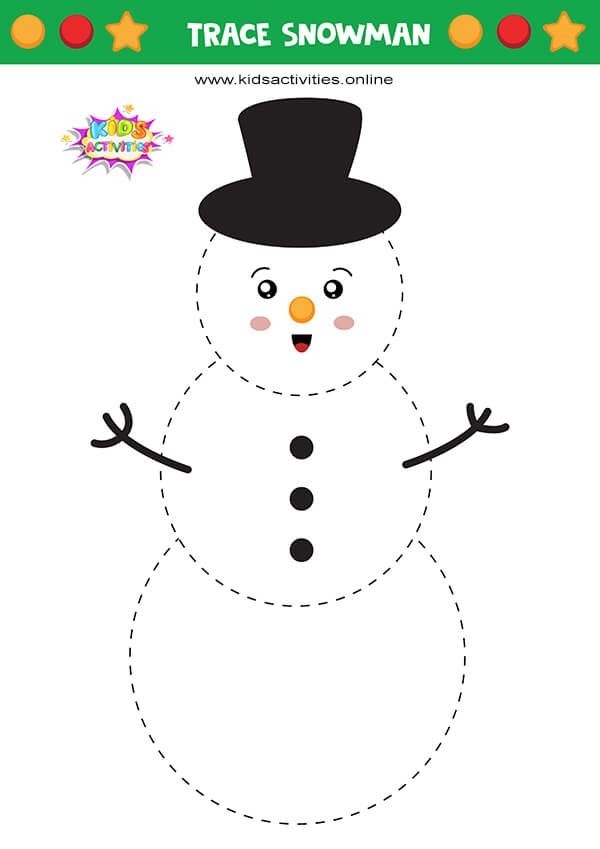
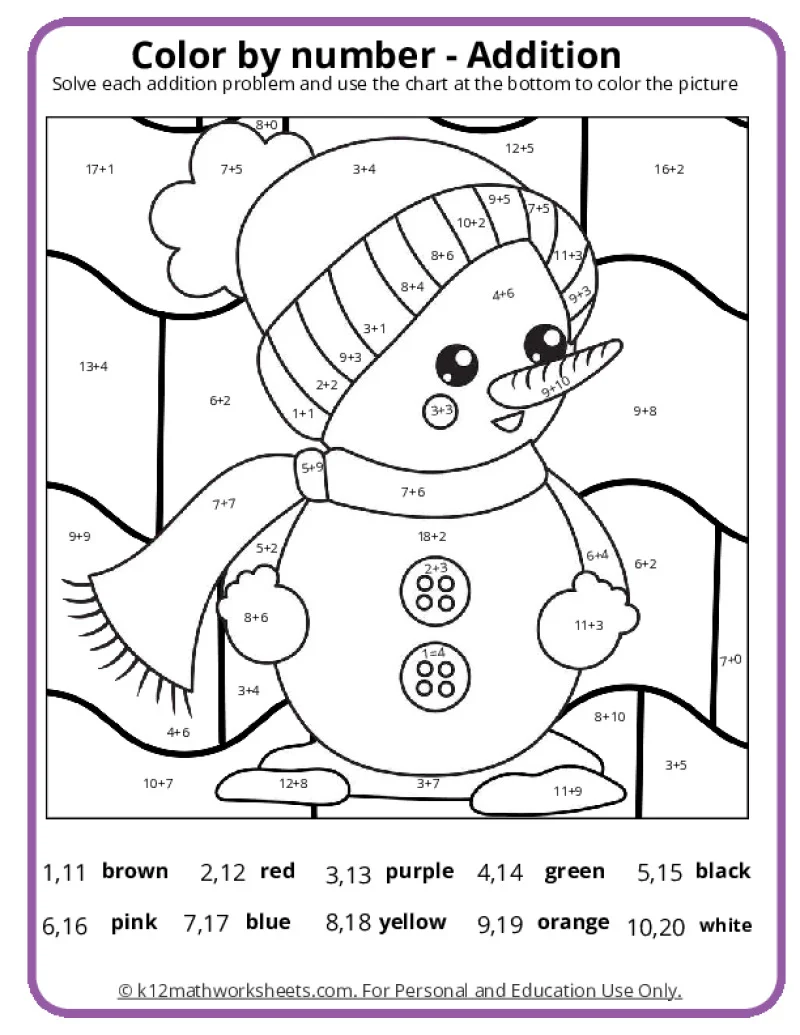
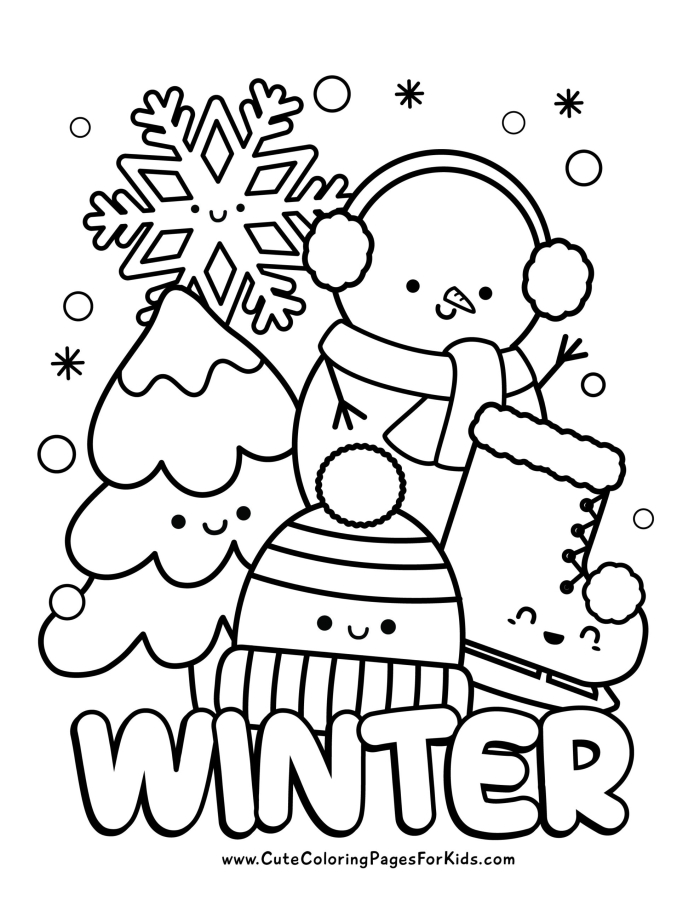
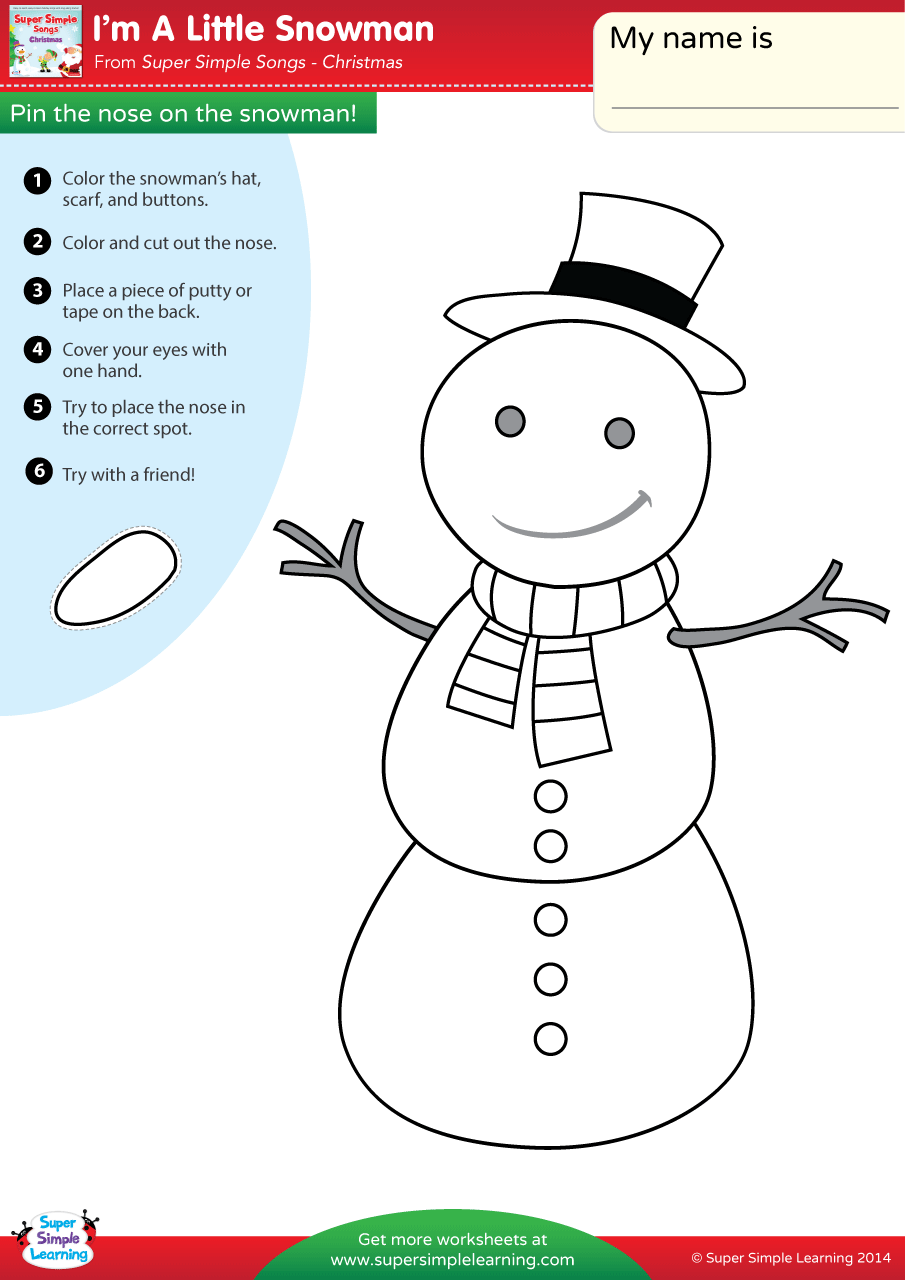
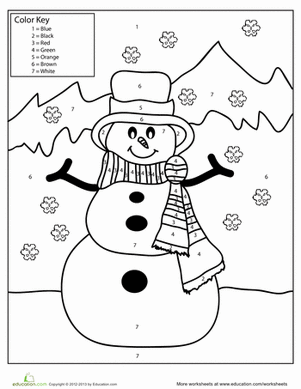
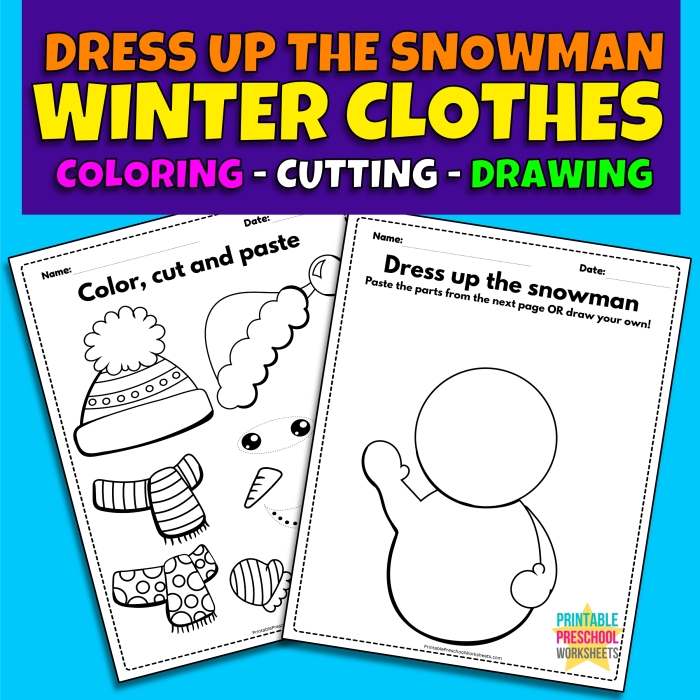
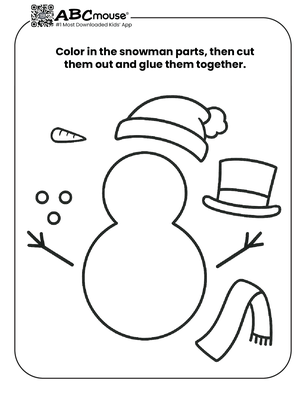
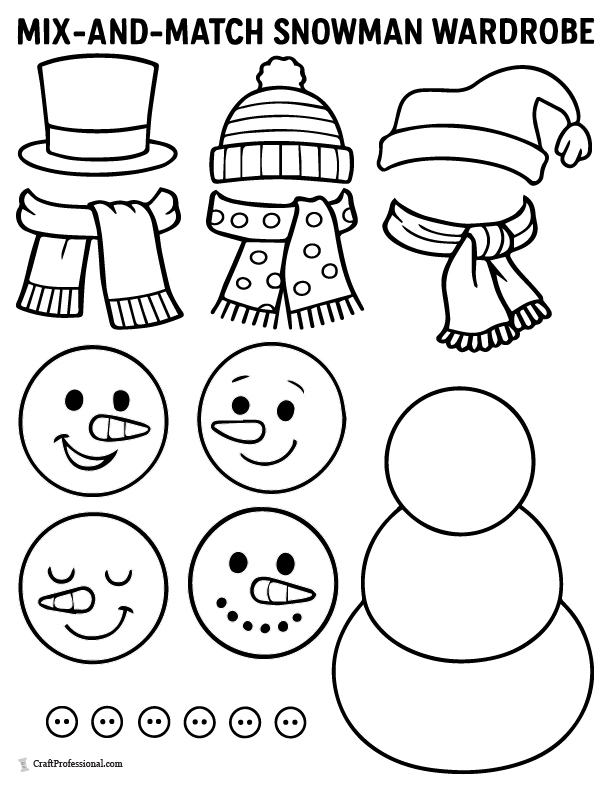
For creative follow-up activities indoors, consider sight words games that incorporate proportions or even simple color-the-snowman printables that let children relive their outdoor experience. The snowman becomes a bridge between physical exploration and classroom learning, making winter a season of discovery.
Hands-On Worksheet Activities