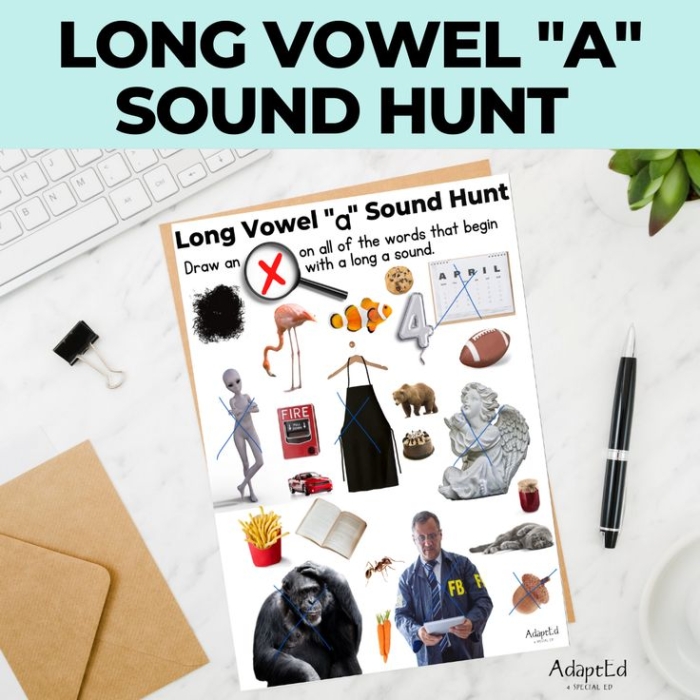
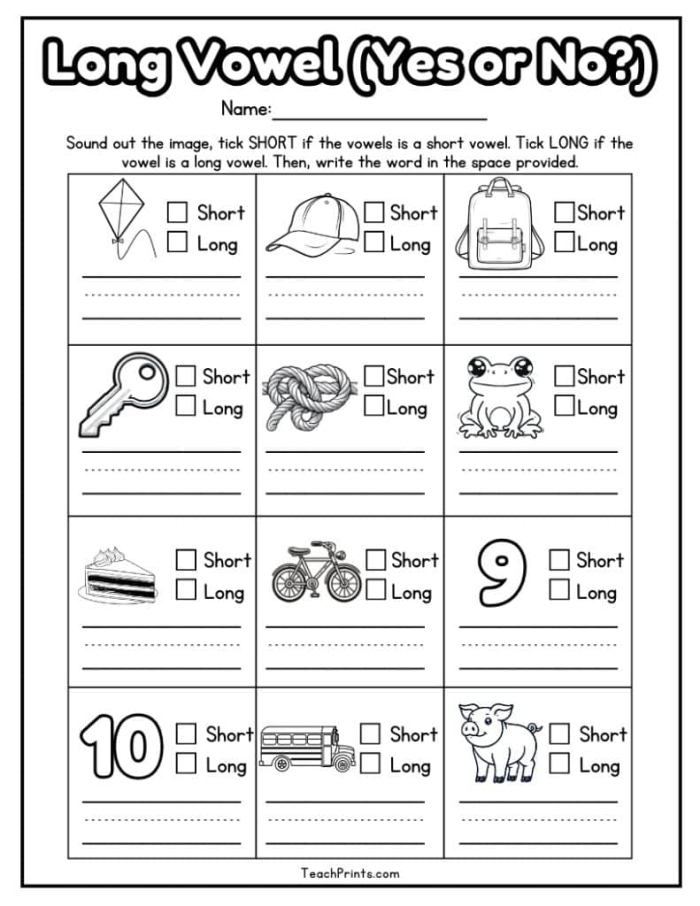
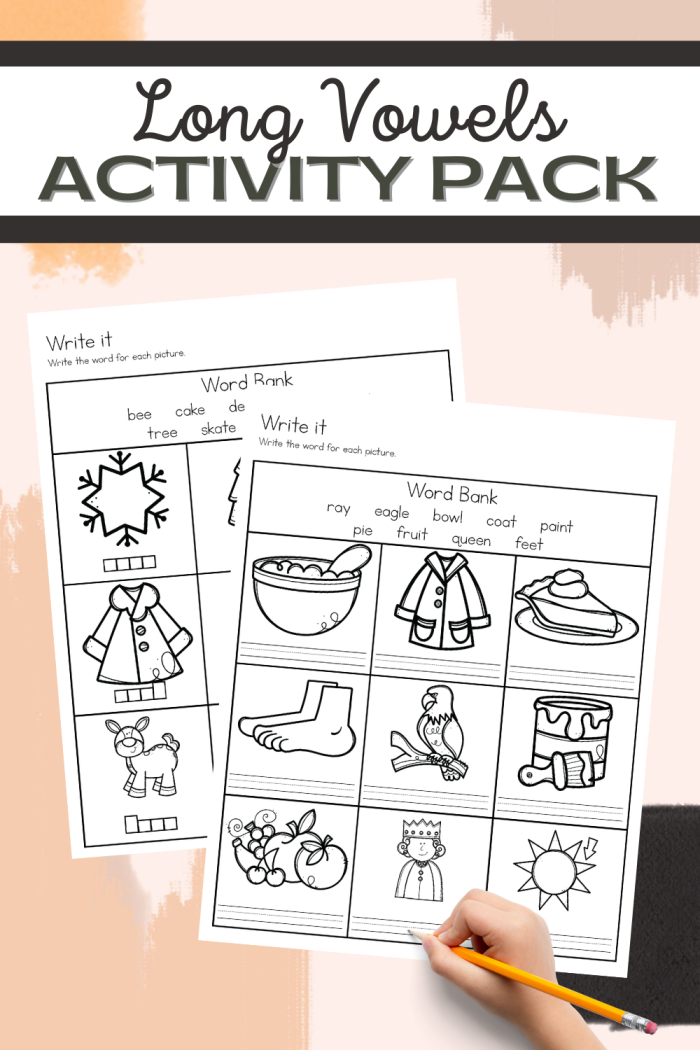
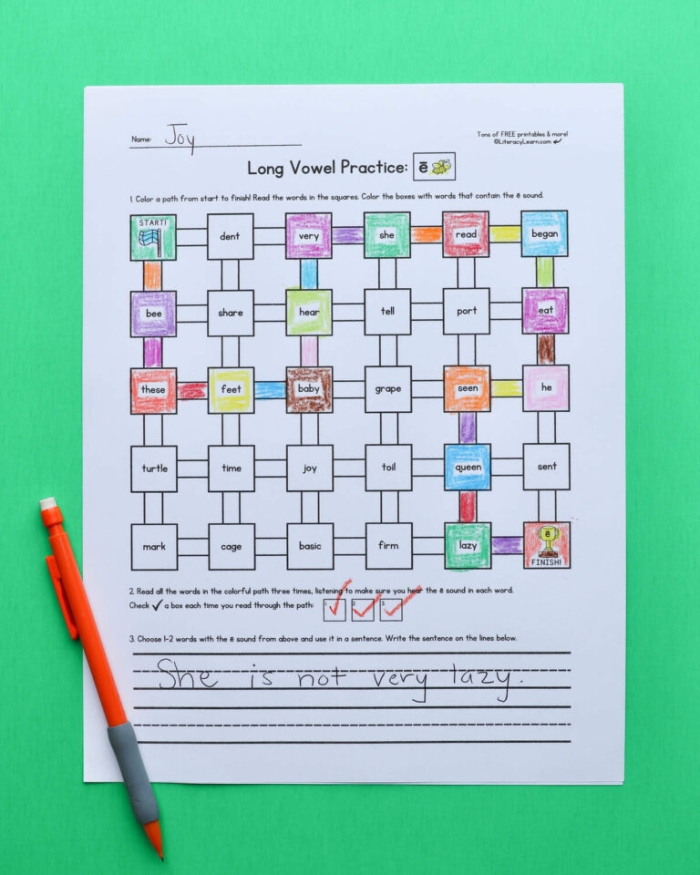
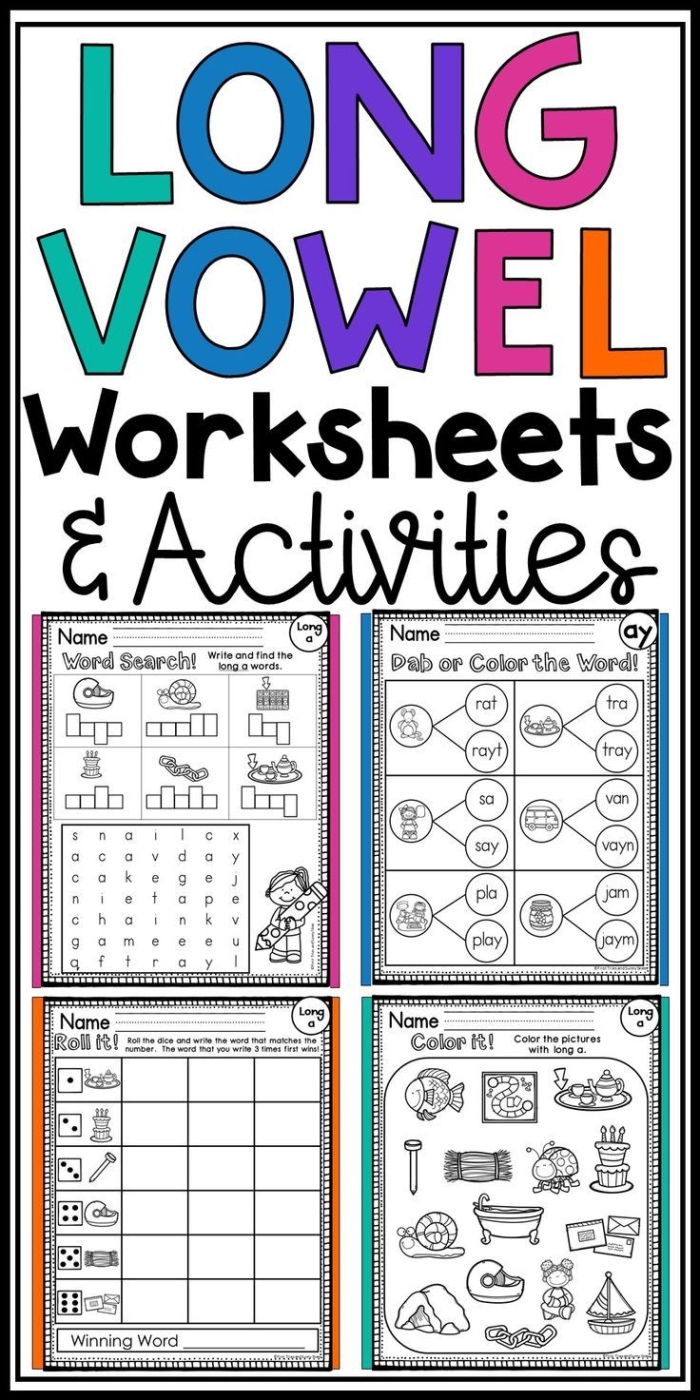
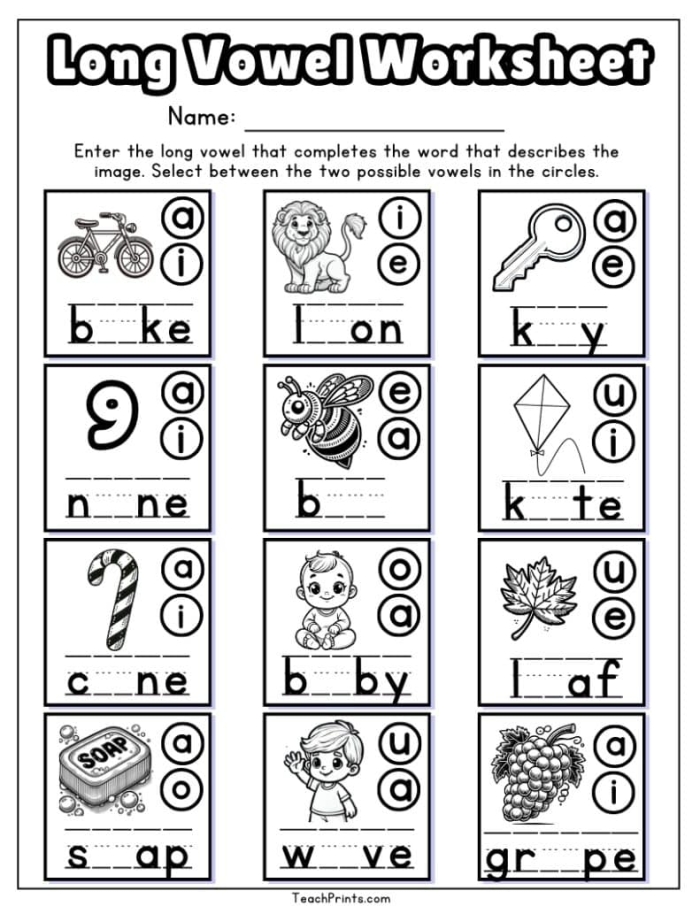
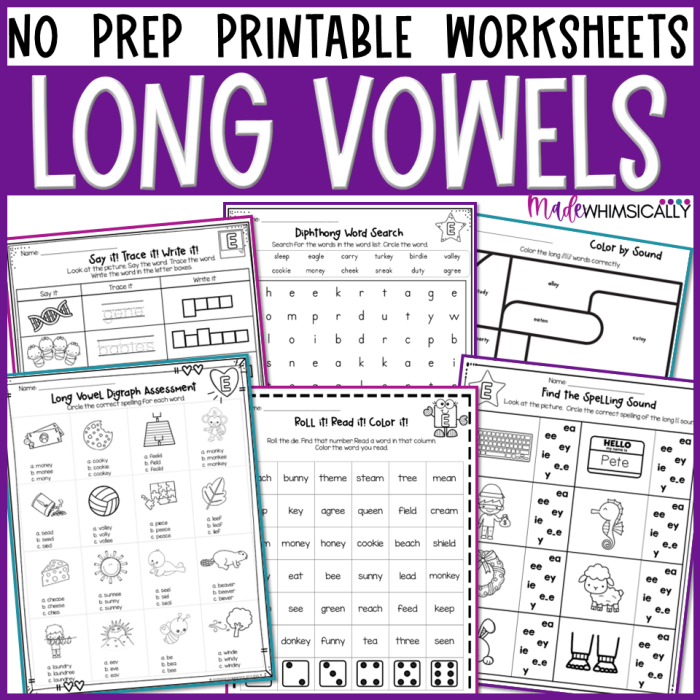
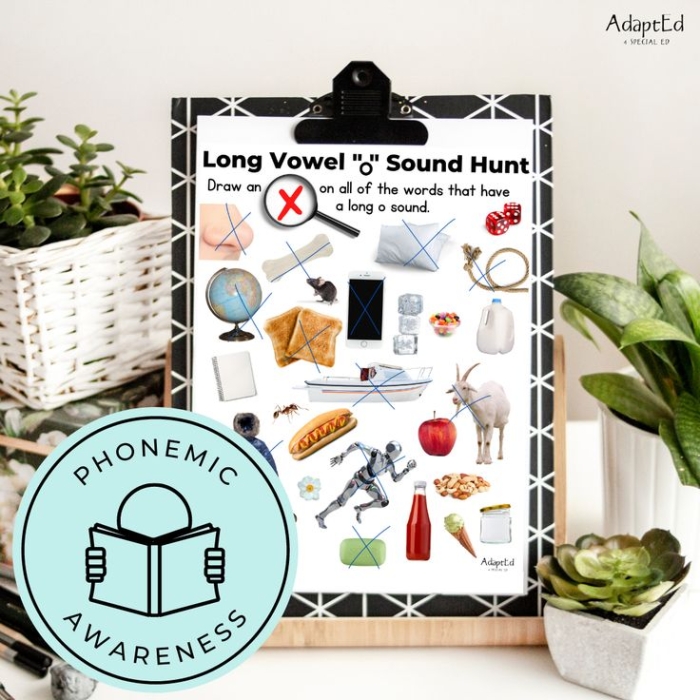
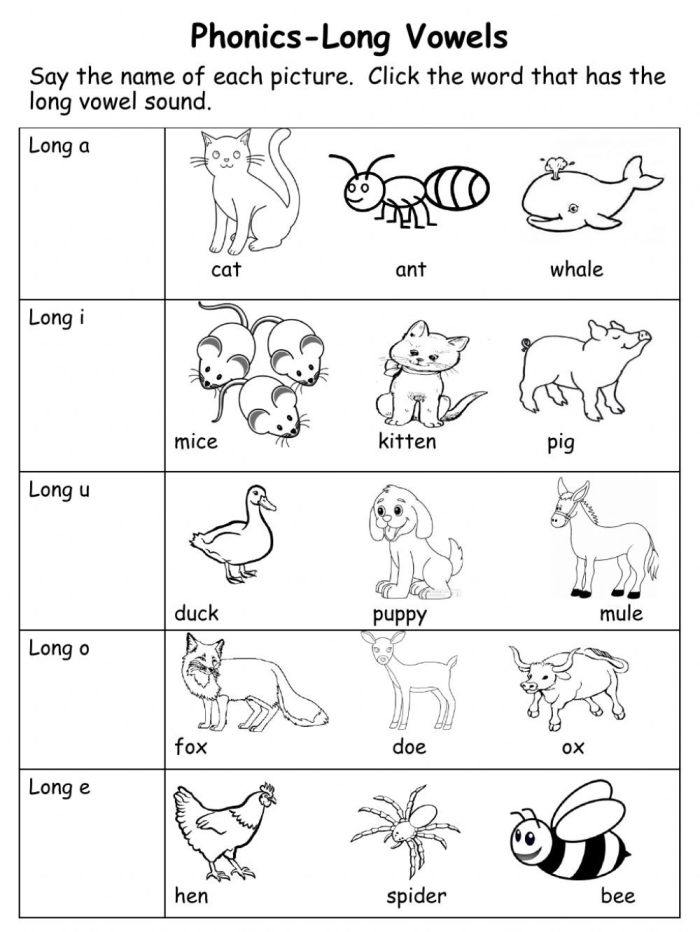
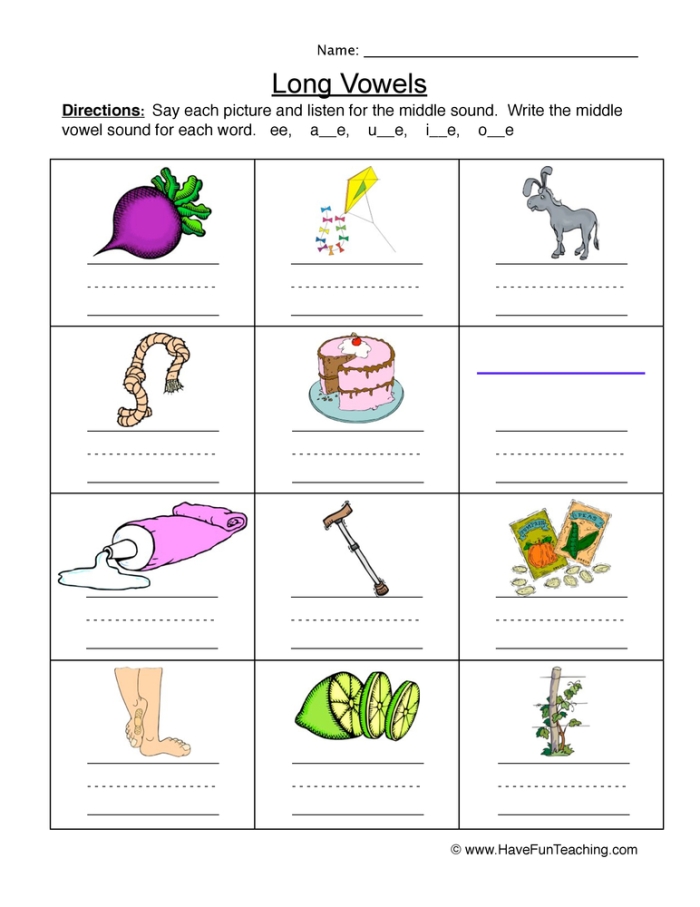
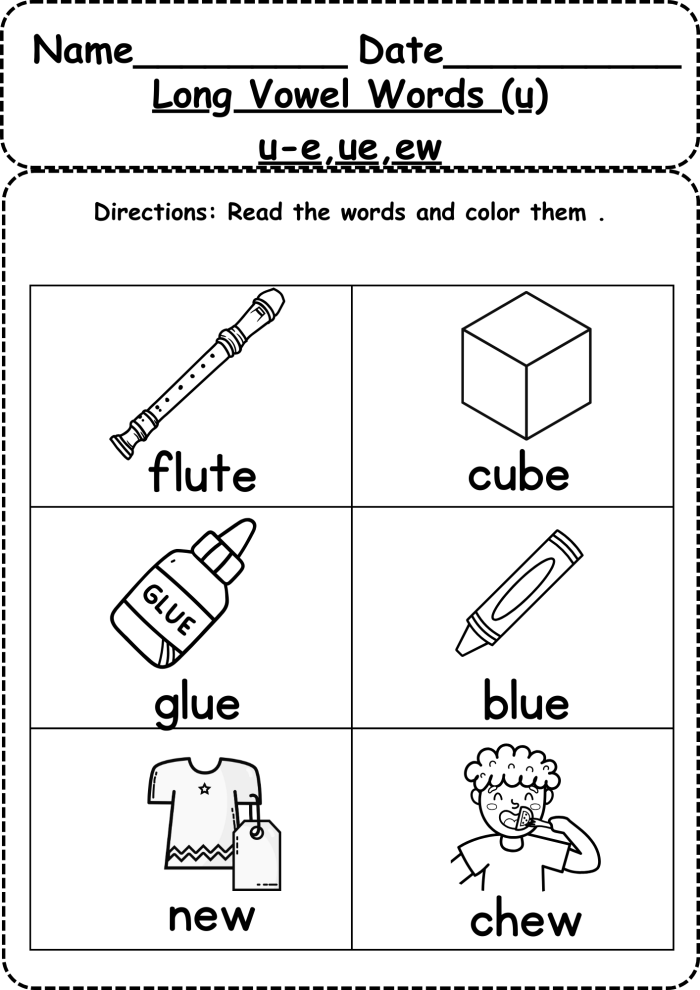
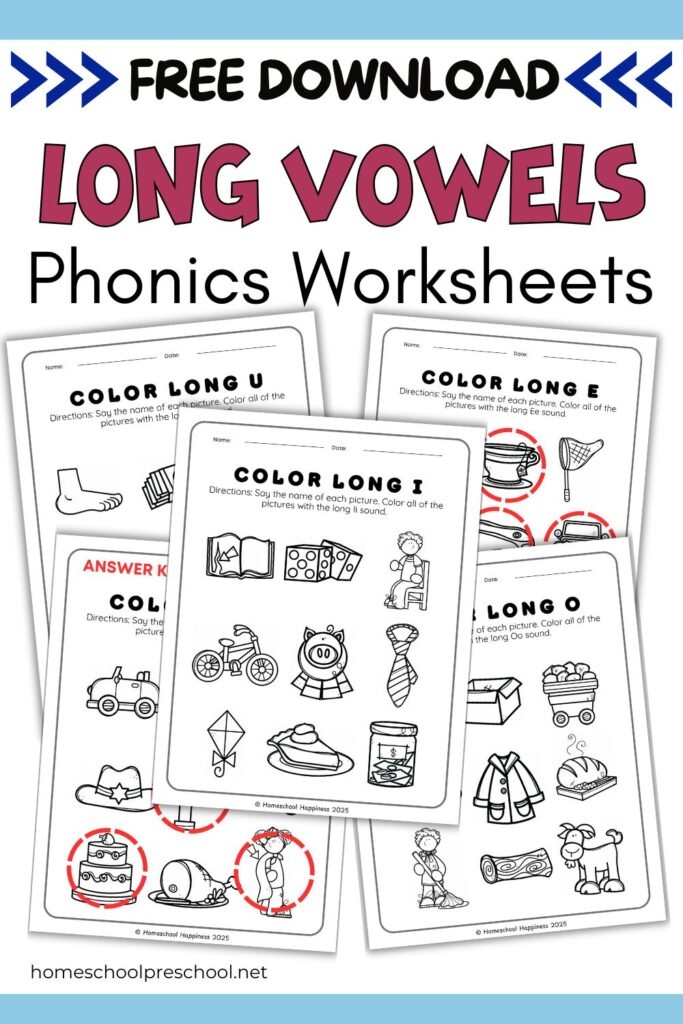
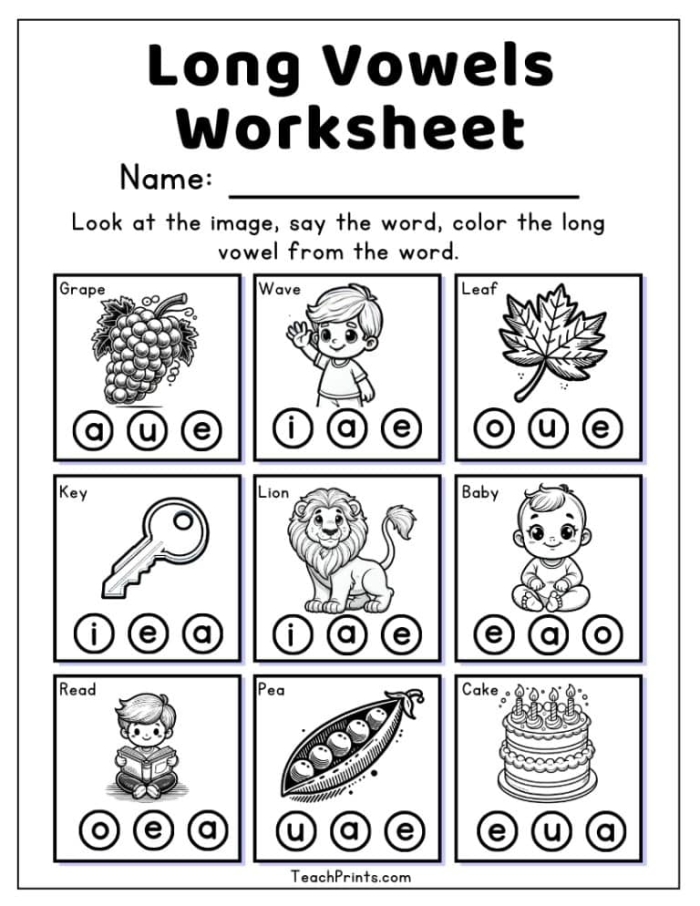
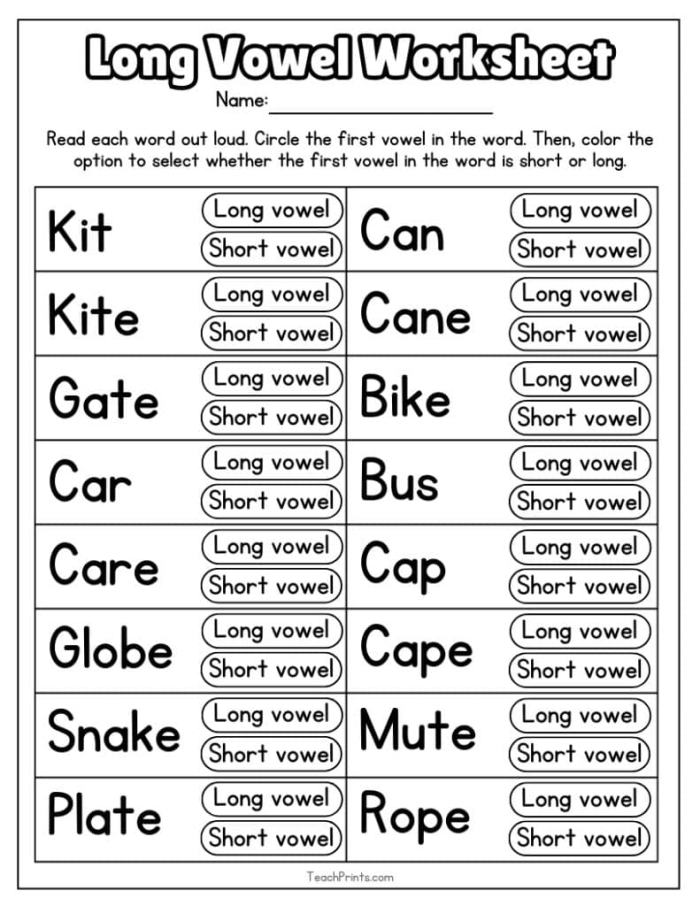
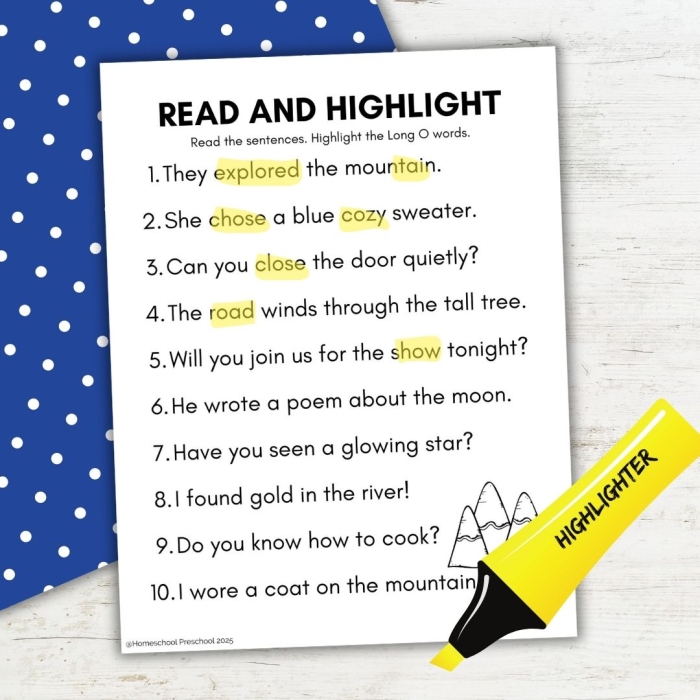
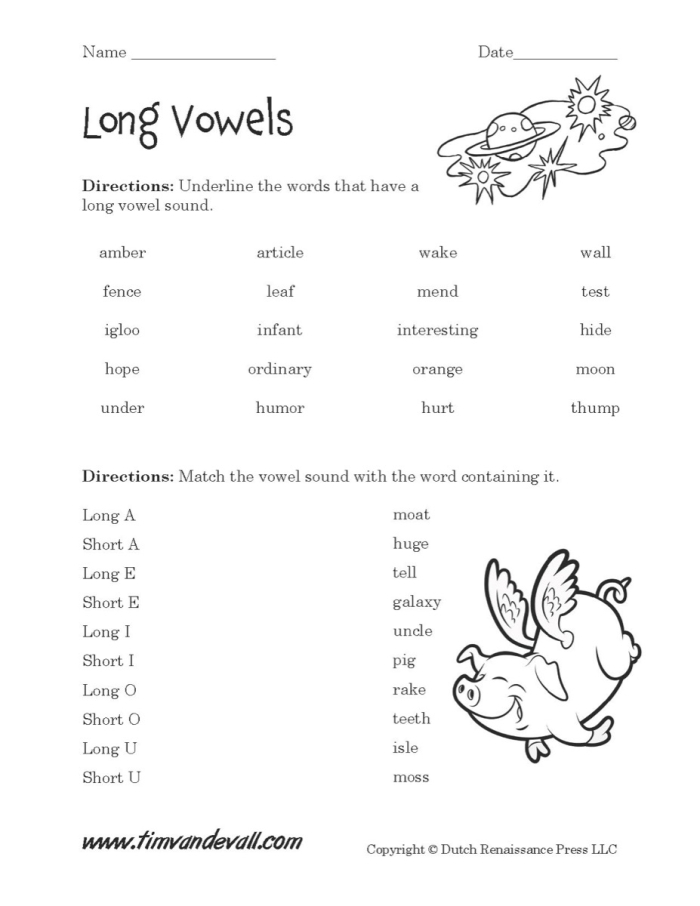
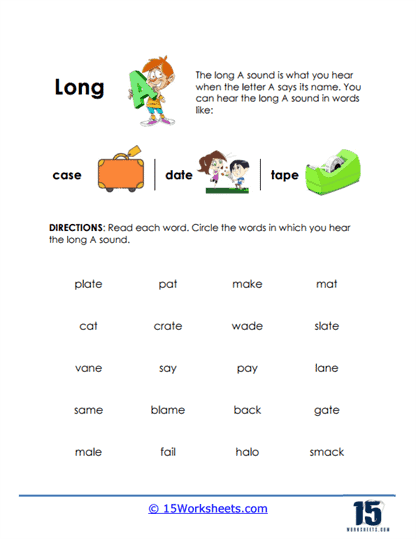
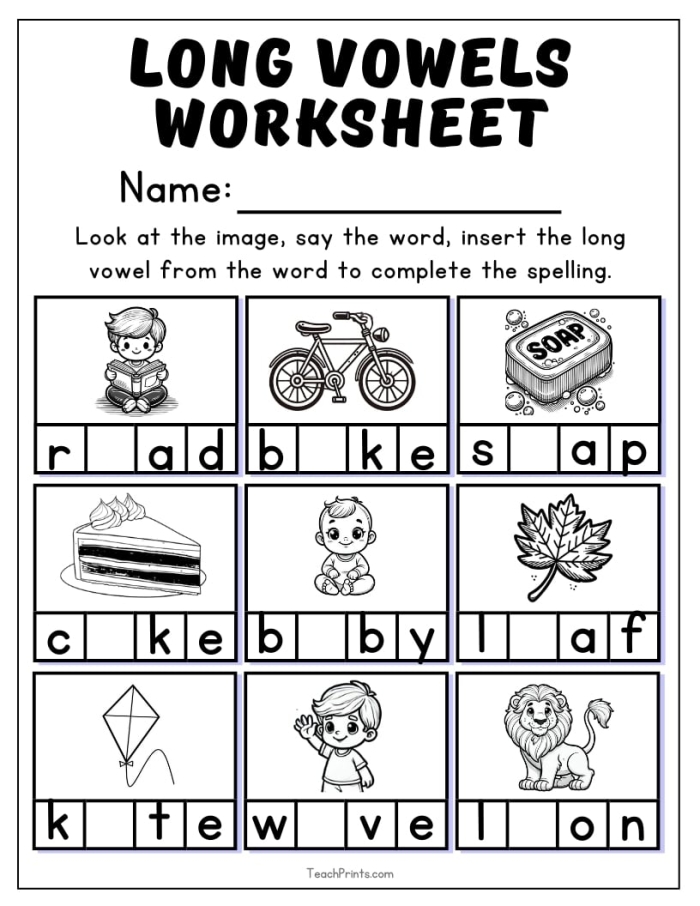
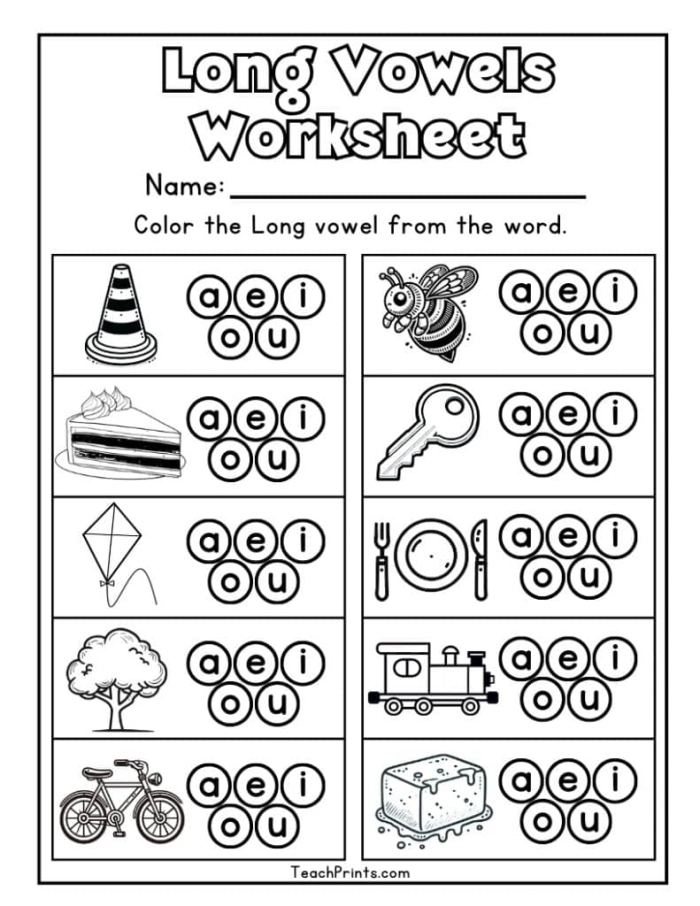
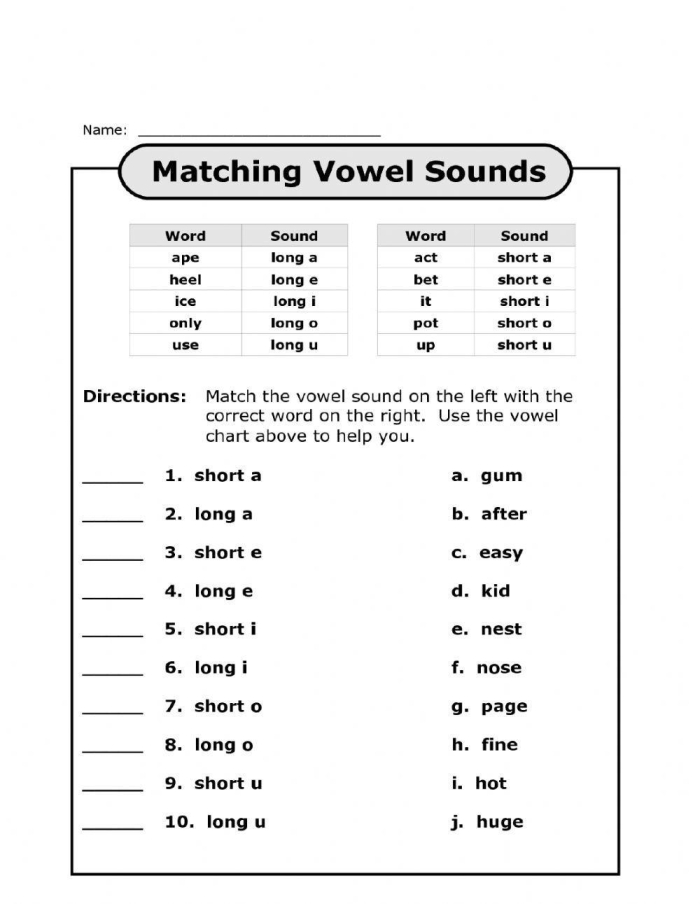
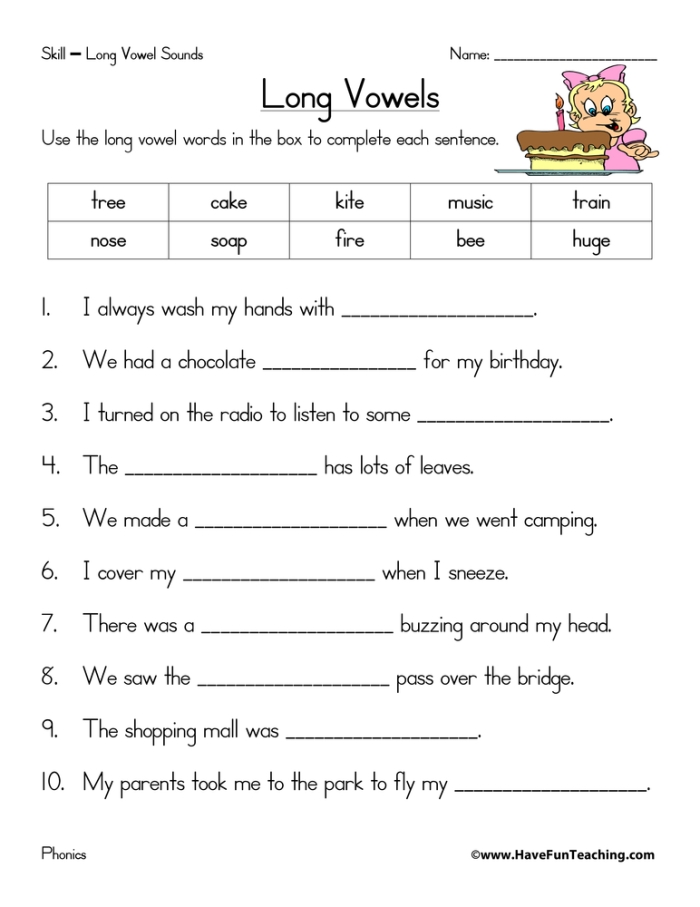
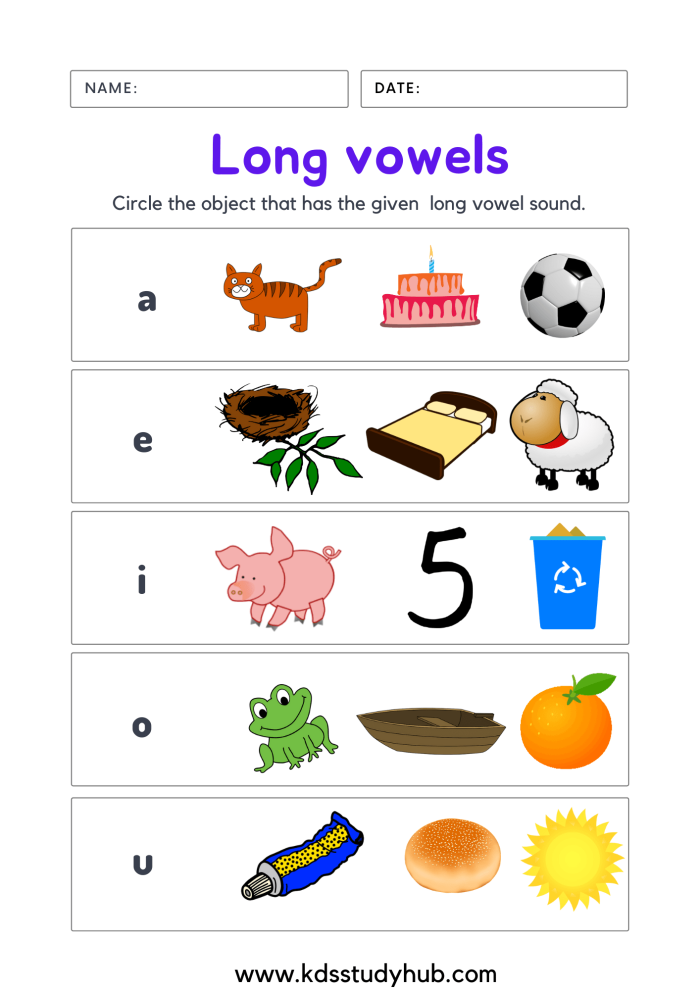
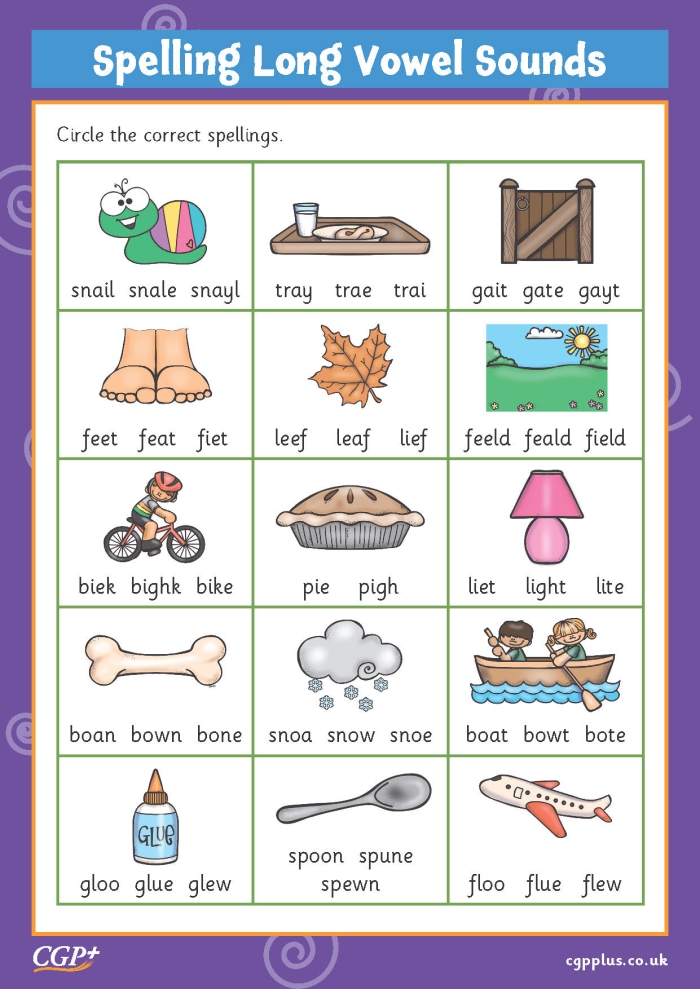
Challenging a preschooler to spot long vowel words in a worksheet can turn an ordinary activity into an engaging learning moment. When children focus on identifying long vowel sounds, they sharpen their listening and reading skills, which are essential at this early stage of literacy development. The process helps them distinguish between short and long vowel sounds, a foundational skill that supports their ability to decode words later on.
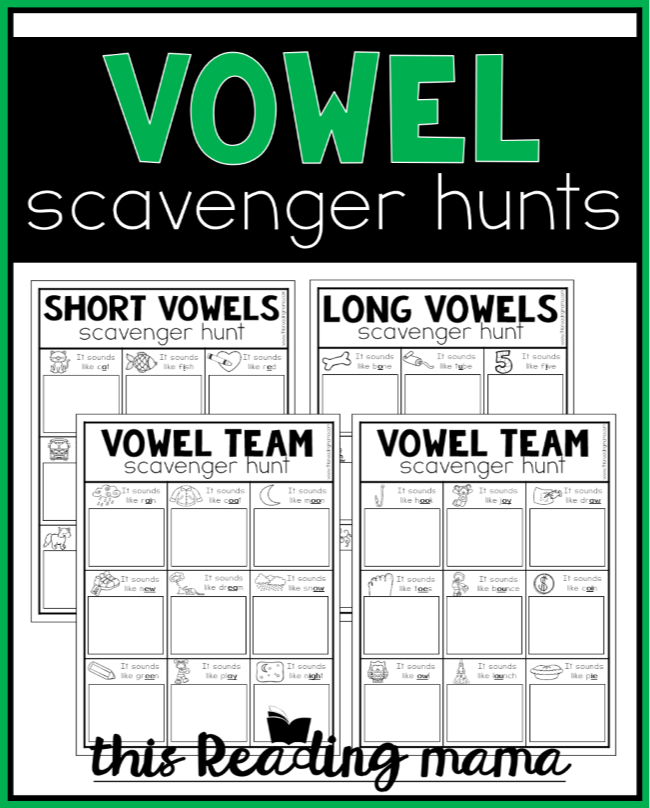
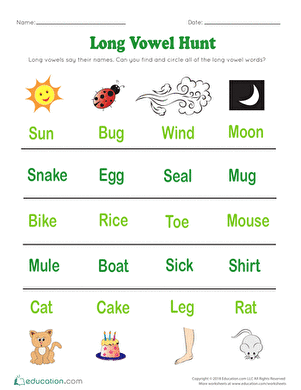
For example, in a typical Long Vowel Hunt worksheet, children might be asked to find words like “cake,” “bike,” or “rope.” These words highlight the long vowel sounds that match the letter names, unlike “cat” or “bit,” where the vowels are shorter. This kind of focused practice is especially valuable in Pre-K classrooms or at home because it introduces young learners to phonics in a playful, hands-on way.
One detail that often goes unnoticed is how these worksheets can subtly incorporate figurative language elements, even at this early stage. While the main goal is phonics awareness, including simple figurative phrases or playful language encourages children to think about words beyond their sounds. This dual exposure can make language learning richer and more enjoyable, helping kids connect sounds to meaning.
Printable long vowel hunt worksheets are practical tools for parents and teachers. They save time and provide a structured way to guide children through early literacy skills. Activities like these can be paired with other resources, such as the color-by-number kite worksheets or the my phone number learning sheets, to build a well-rounded approach to phonics and language learning.
Introducing long vowel words early helps children develop confidence in reading and prepares them for more complex tasks. By making the hunt interactive and enjoyable, you create a positive learning experience that stays with young learners as they grow.
Worksheet Practice Section