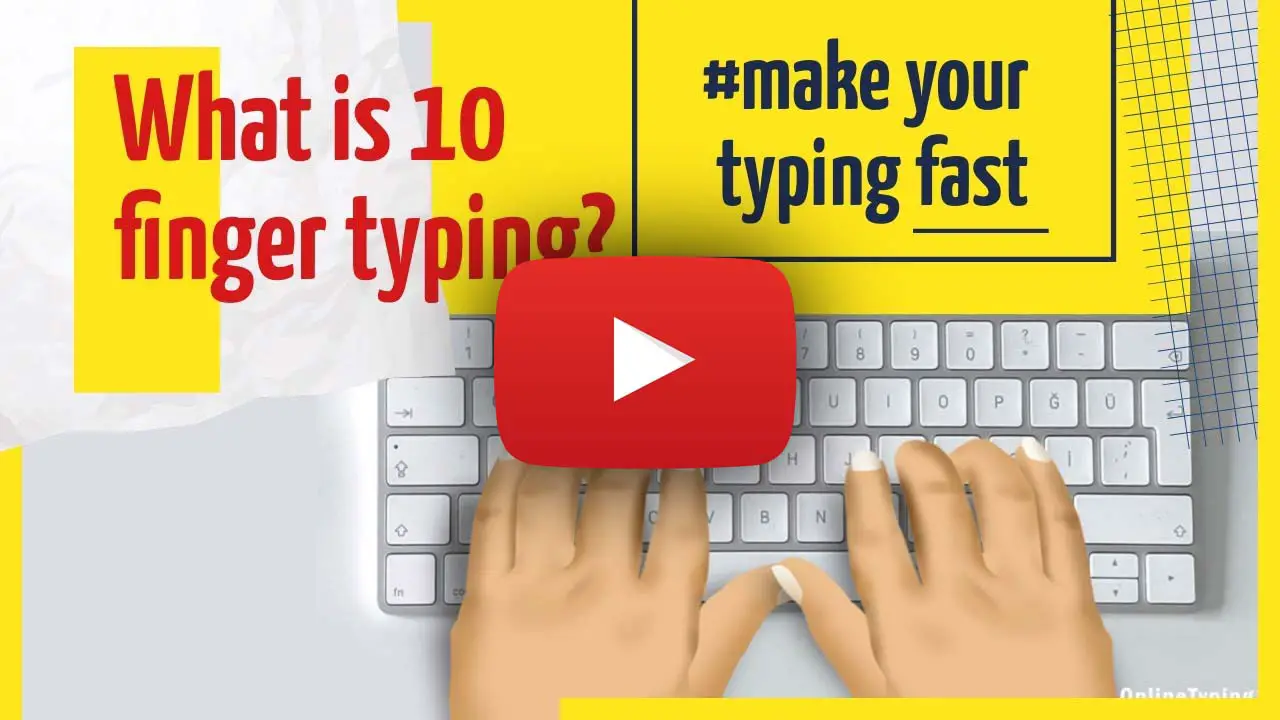
Third grade is when typing transitions from a novelty to a genuine skill students need to develop. Getting kids to understand correct finger placement early makes the difference between typing that feels natural and typing that feels like hunting and pecking across a keyboard.
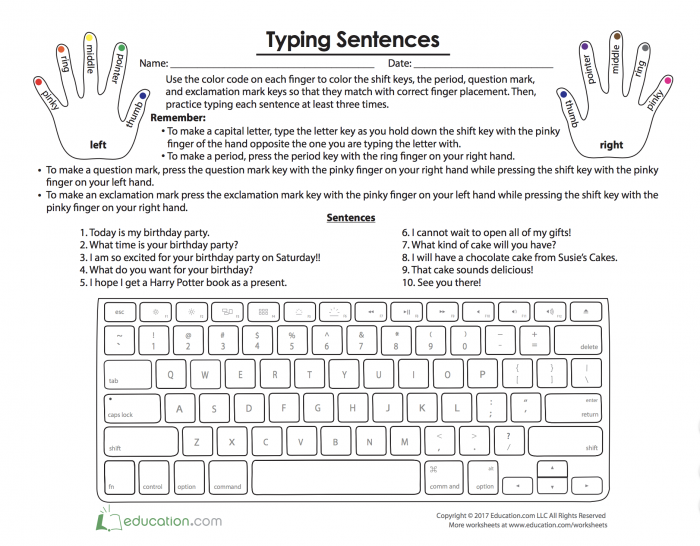
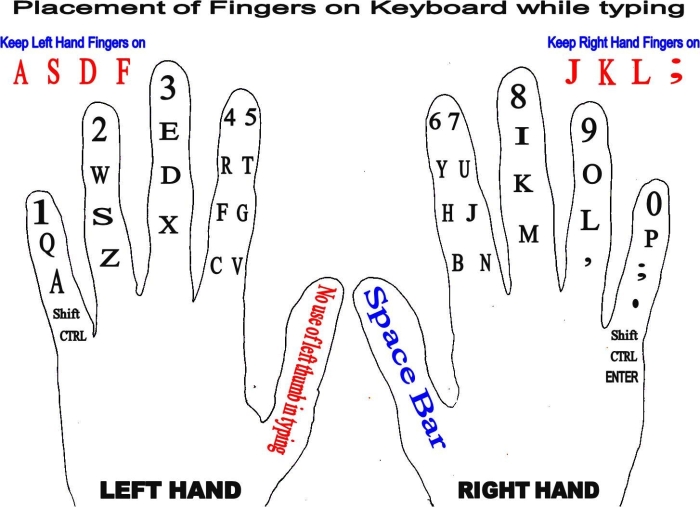
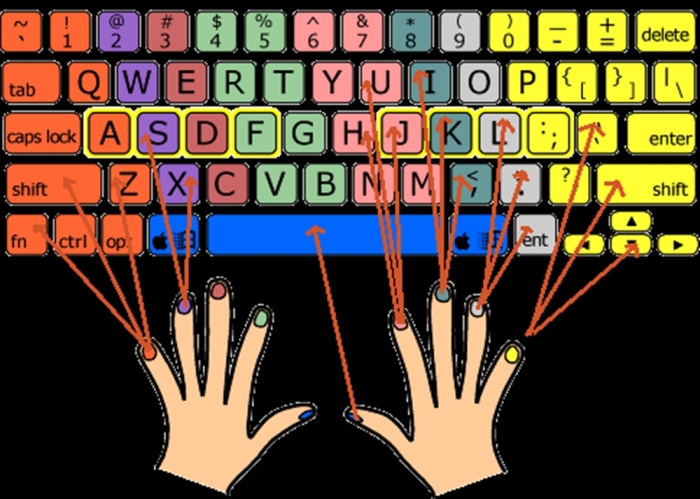
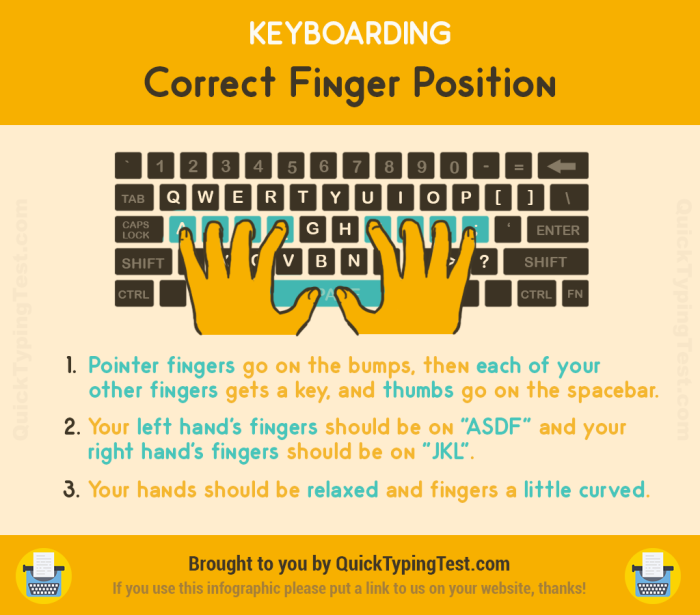
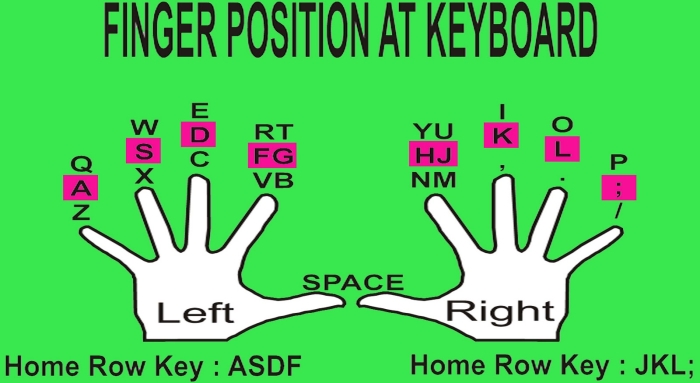
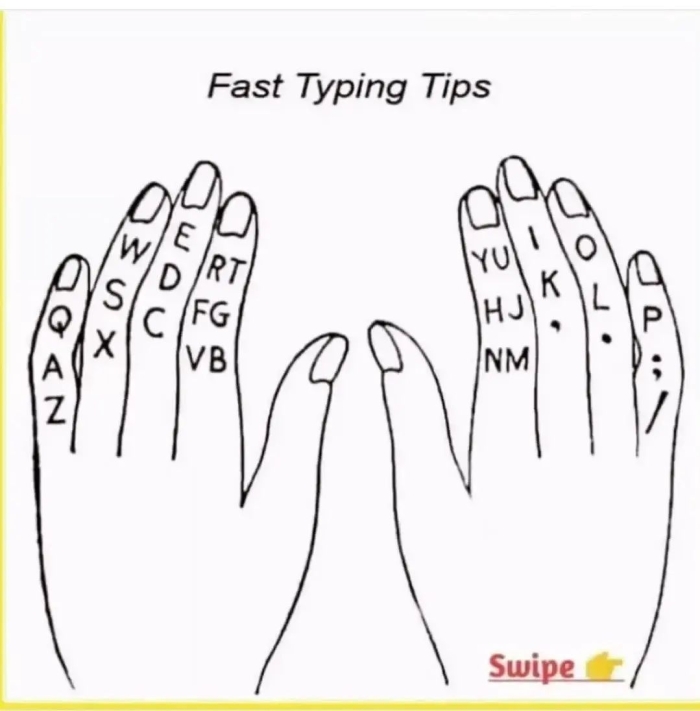
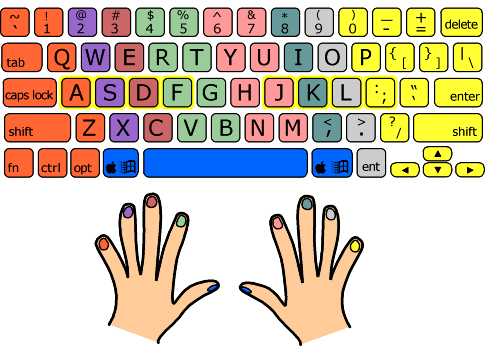
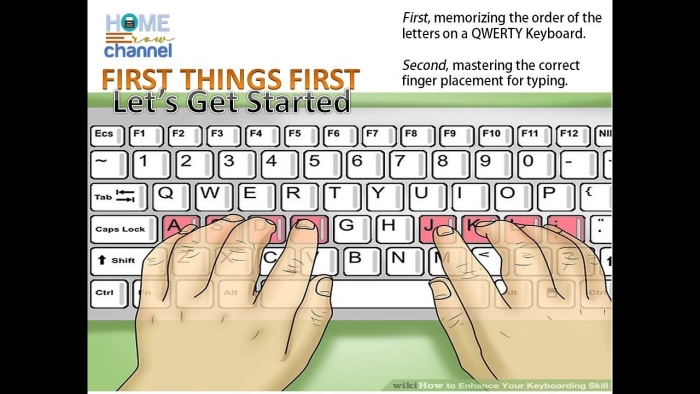
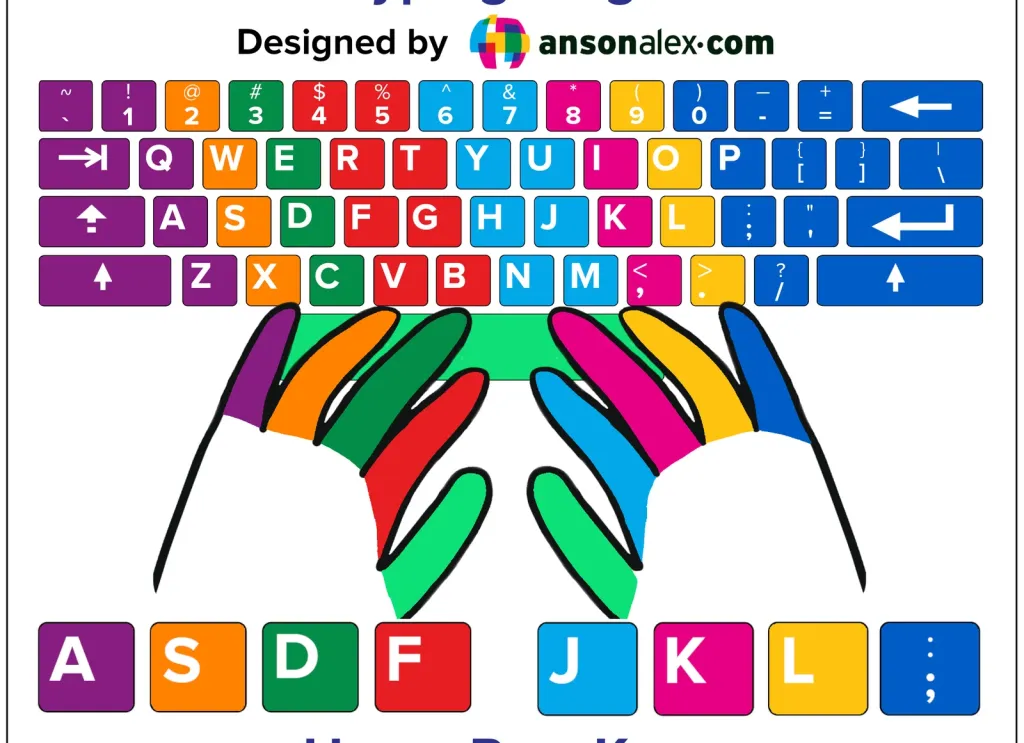
The “Where Do My Fingers Go?” approach works because it gives students a concrete framework before they start. Instead of letting them hunt for keys randomly, you’re teaching them that each finger has a home position. The left hand’s index finger belongs on the F key, the right hand’s on the J key. From there, students learn to reach for other letters without looking down. This muscle memory, built in third grade during grammar and mechanics instruction, stays with them for years.
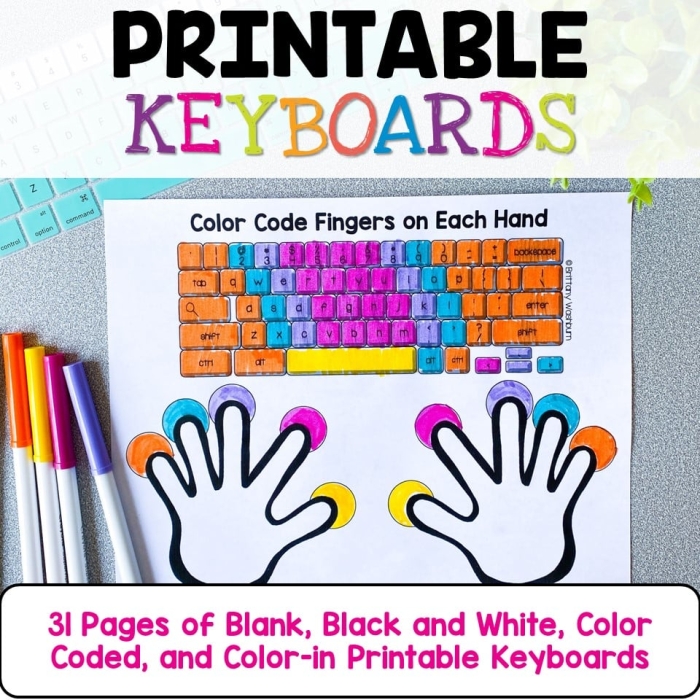
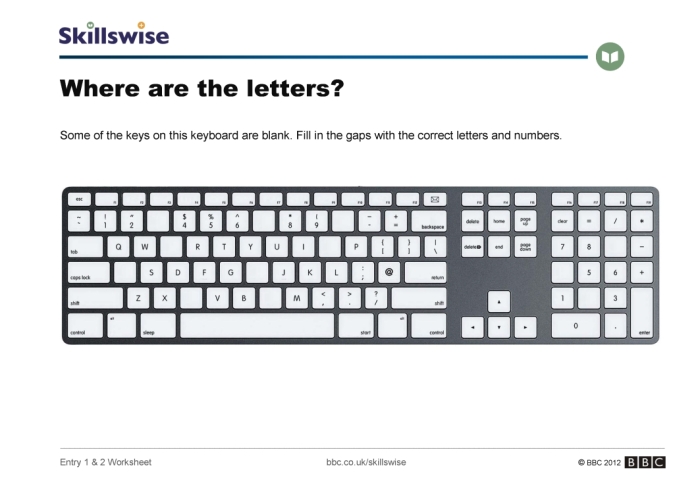
When you introduce this concept with a paper keyboard, something shifts. Students can physically trace their fingers across the layout without the pressure of actually typing. They’re building confidence and understanding the spatial relationships between keys. This low-stakes practice removes the frustration that comes from making mistakes on a real keyboard.
The paper keyboard works especially well alongside other foundational activities. If your students are already working through vocabulary cards and constructing words, adding finger placement practice reinforces their understanding of how letters connect to form words. Similarly, pairing this with grammar exercises helps students see typing as part of the larger writing process, not just a mechanical skill.
Once students master the finger placement pattern on paper, transitioning to an actual keyboard becomes smoother. They already know where to find letters without searching. Their fingers remember the home row position. The typing itself becomes about composing and editing, not about locating keys. By building this foundation in third grade, you’re setting them up for faster, more confident typing throughout their academic careers.
Boost Skills with These Worksheets