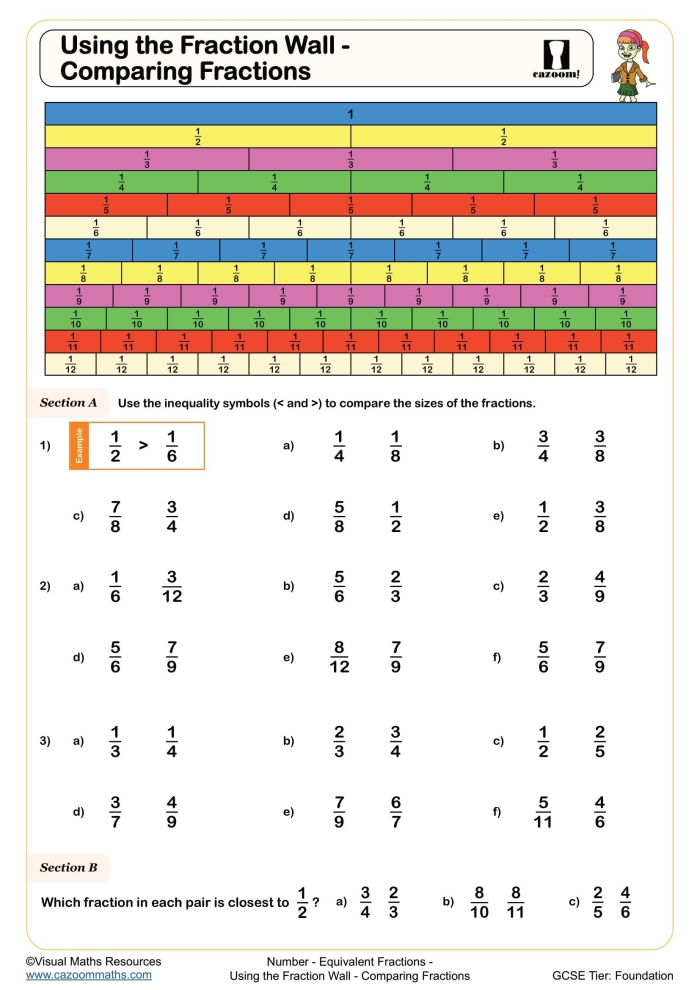
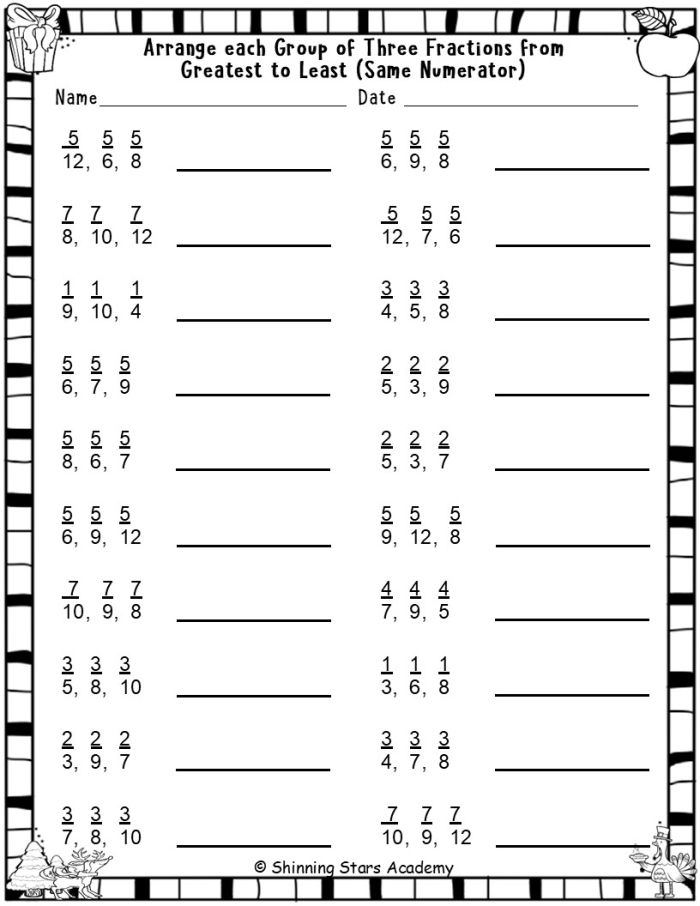
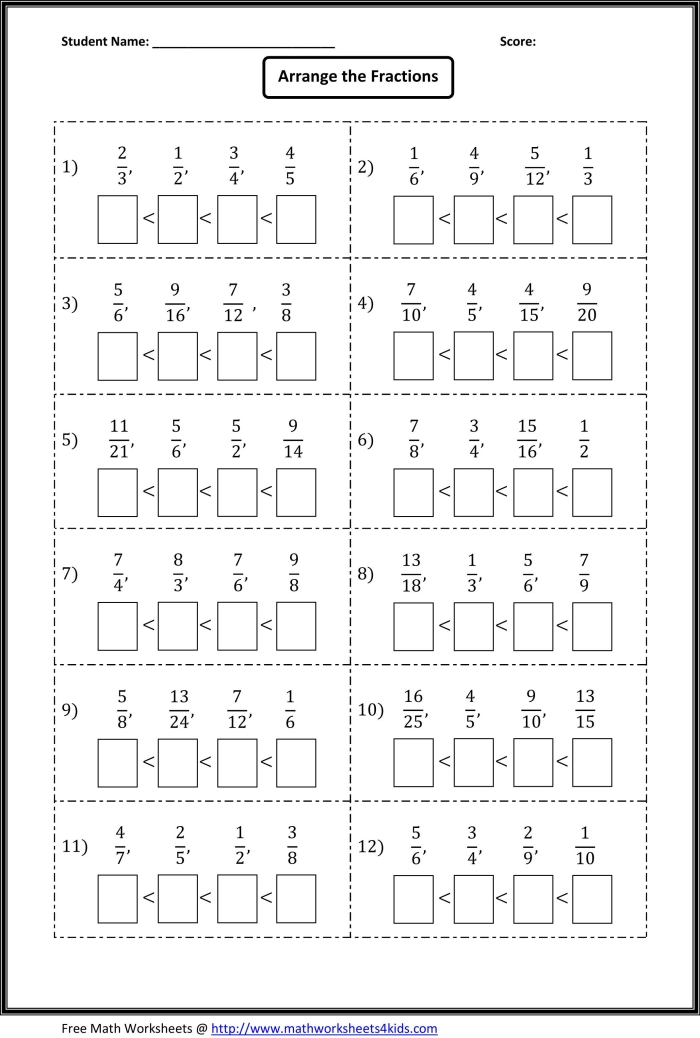
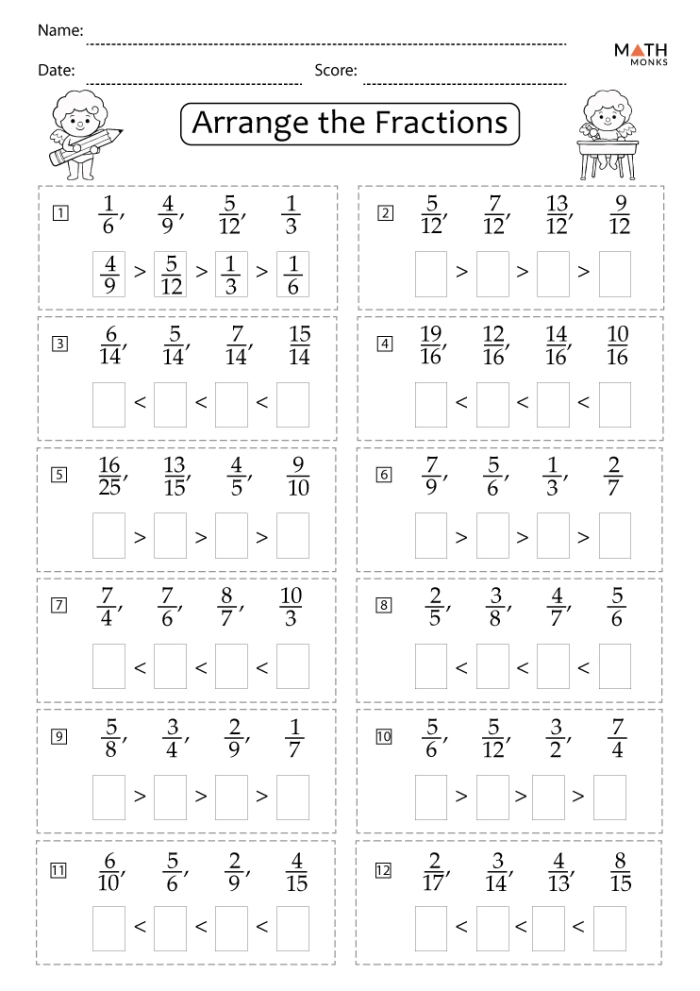
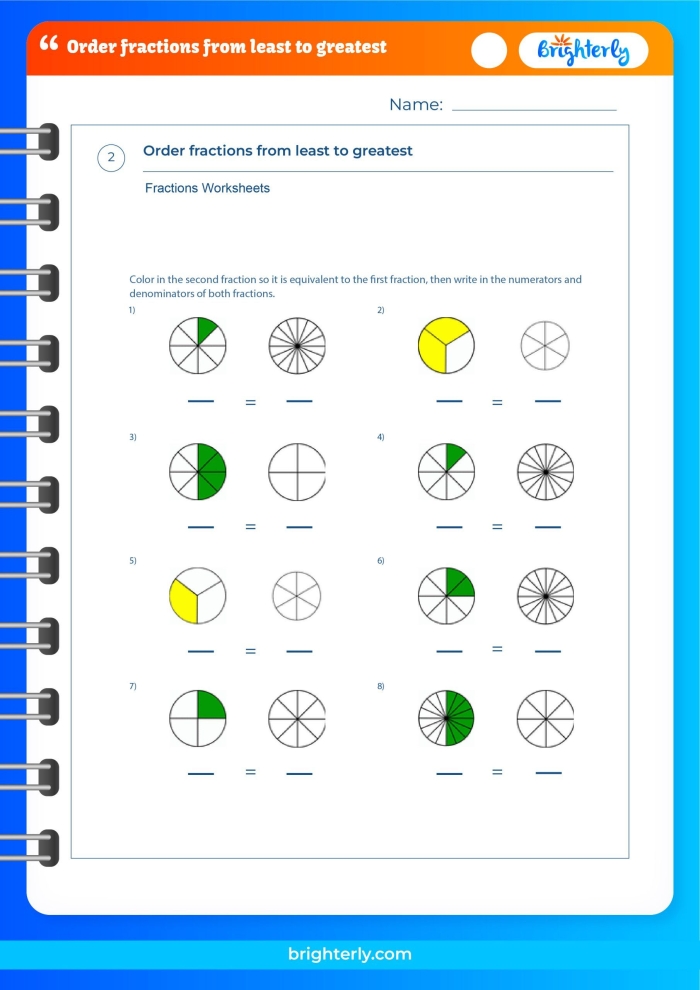
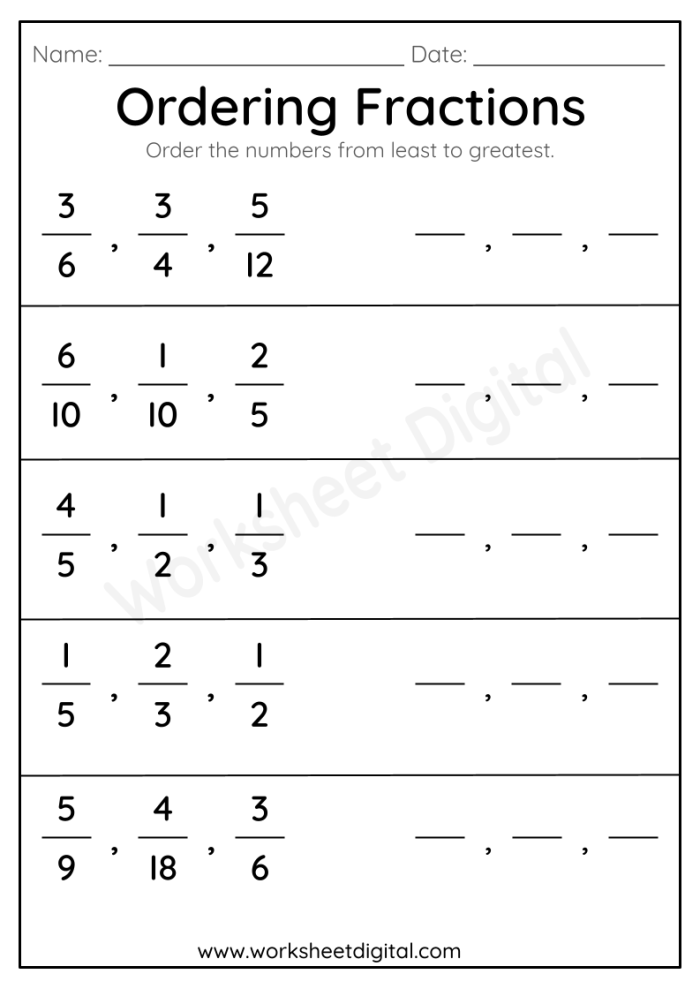
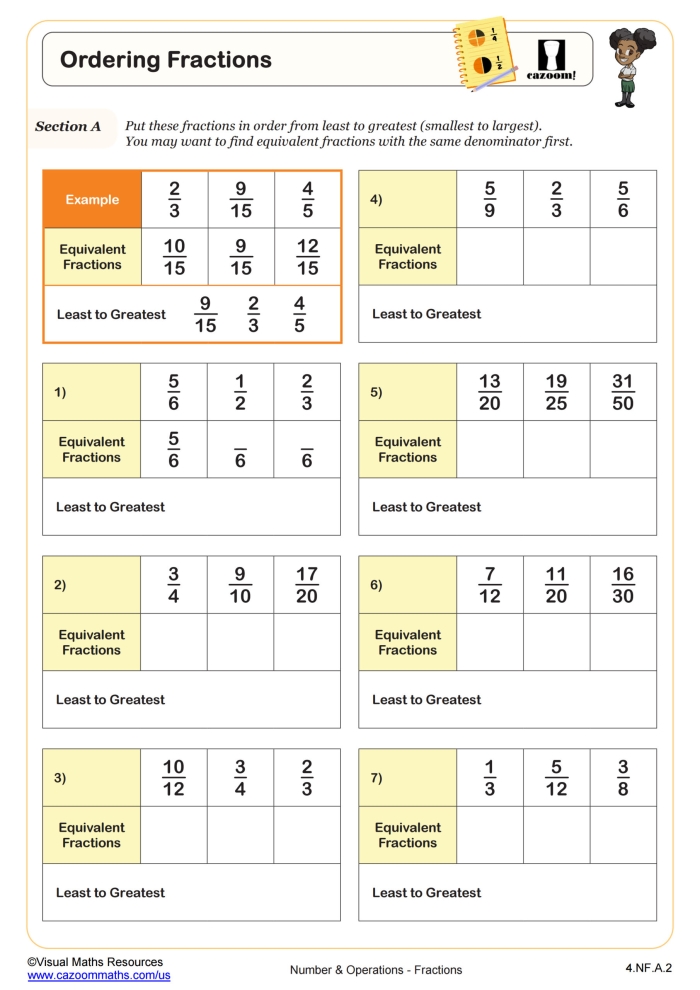
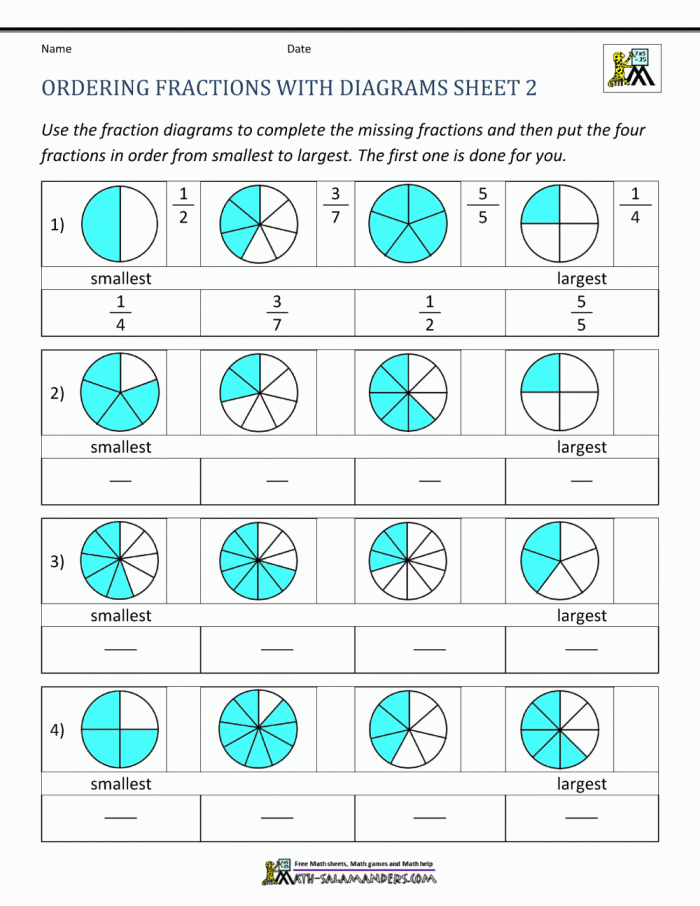
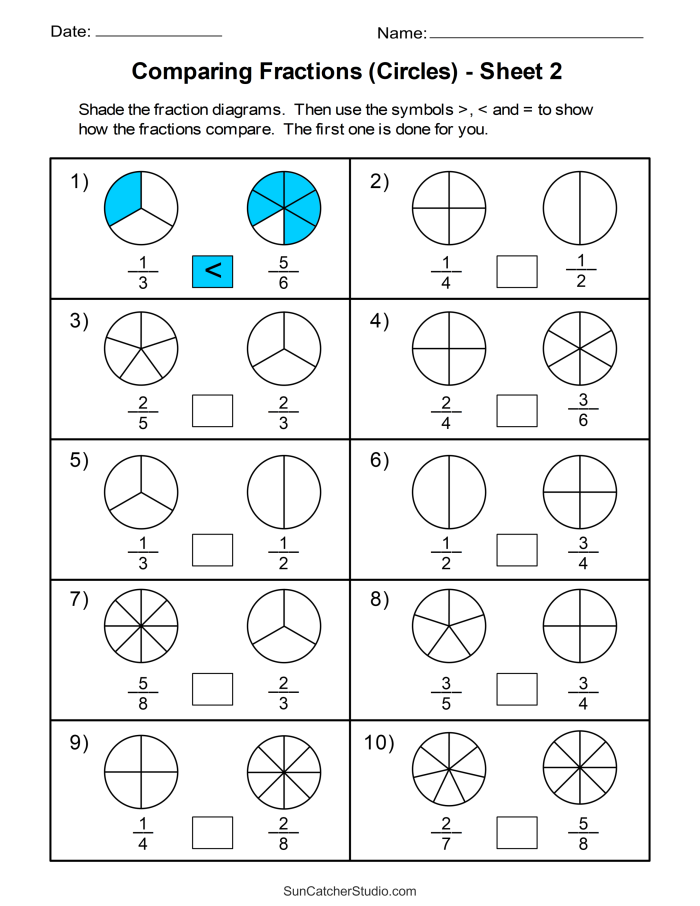
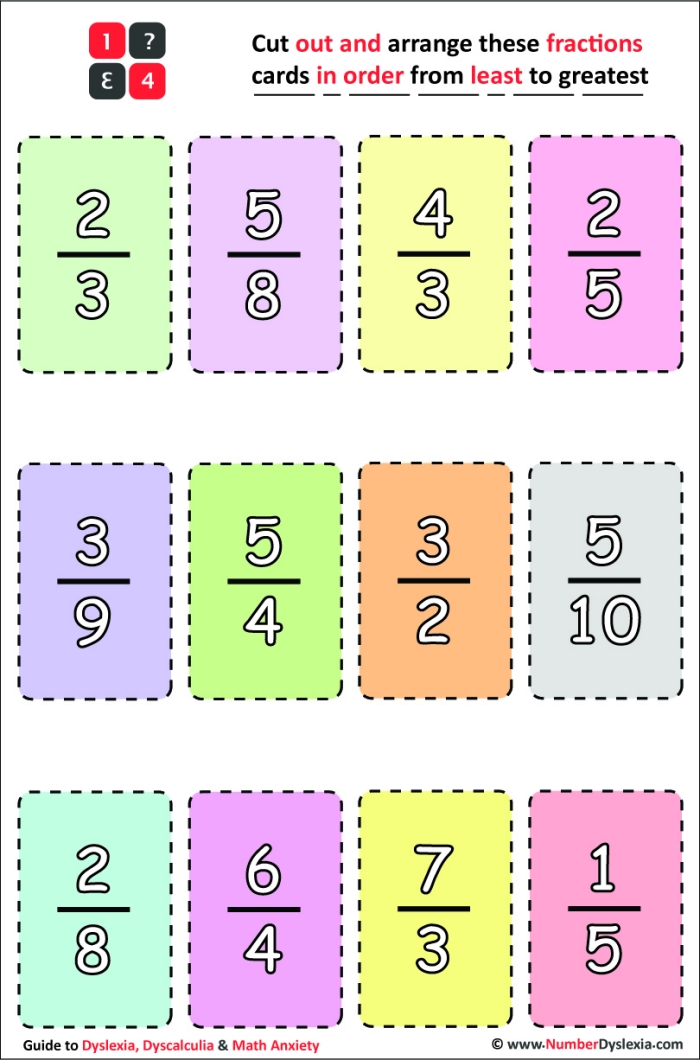
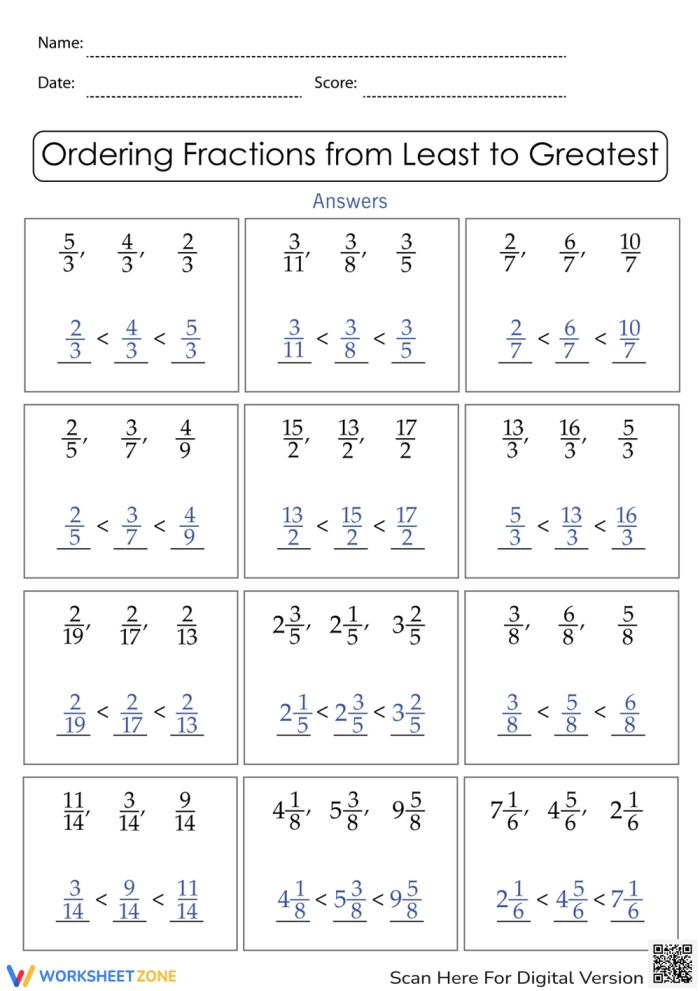
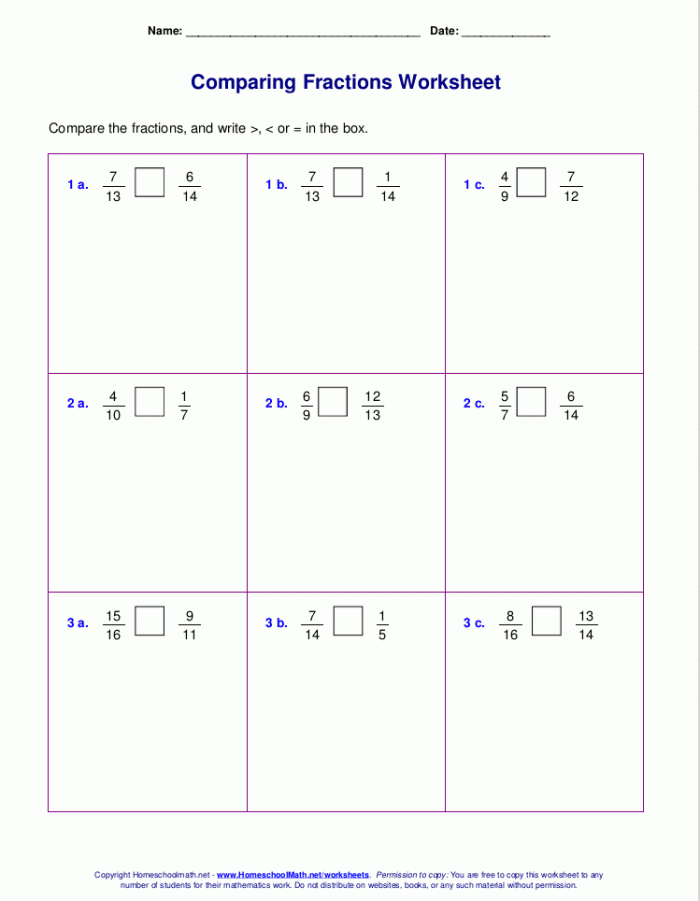
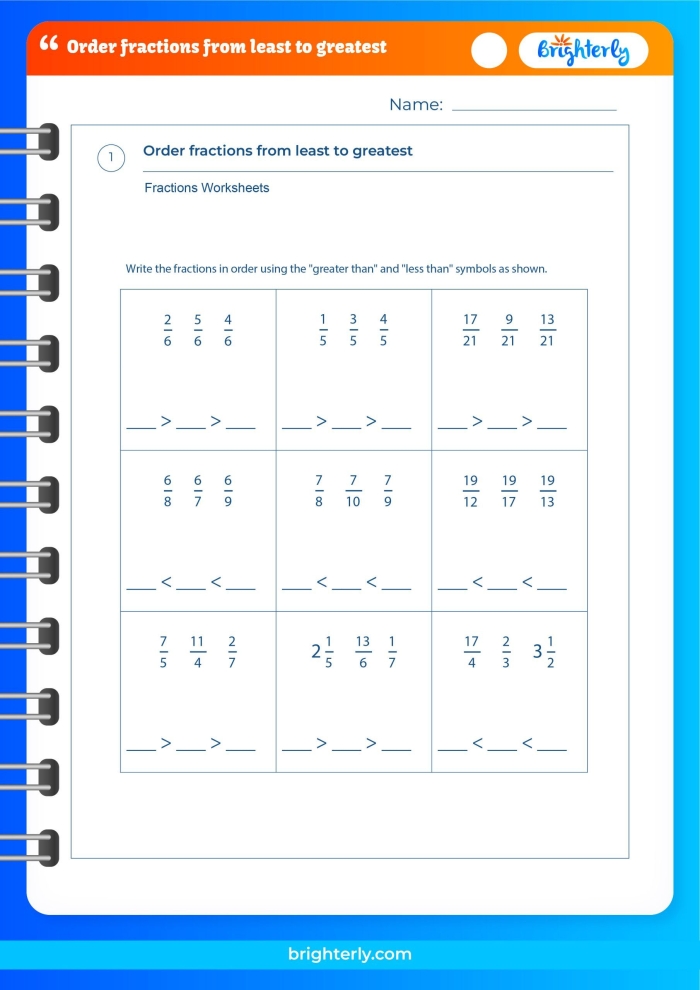
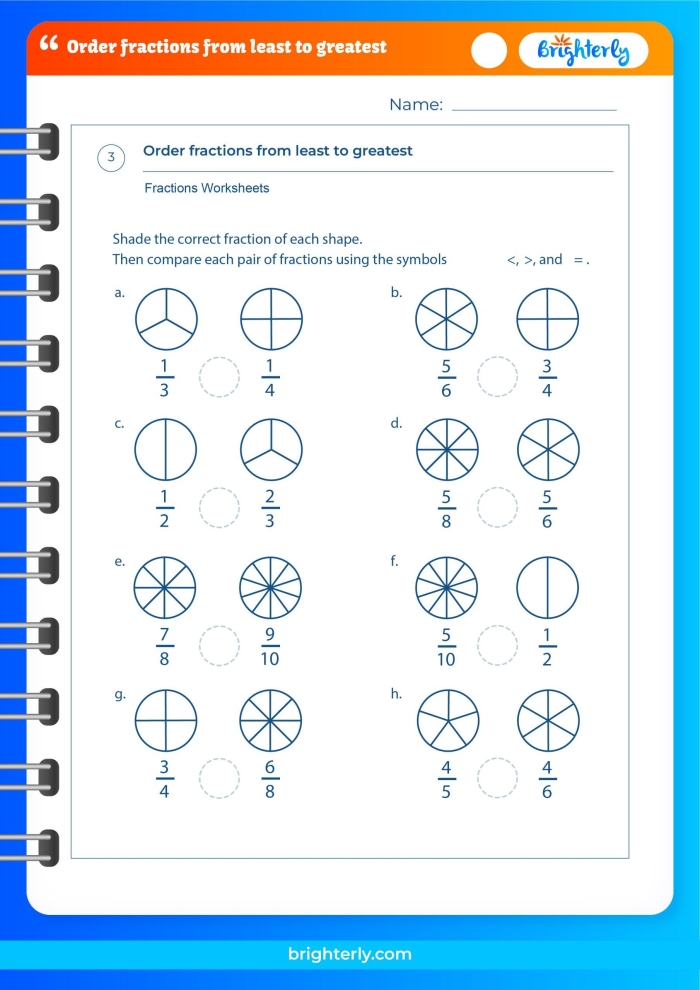
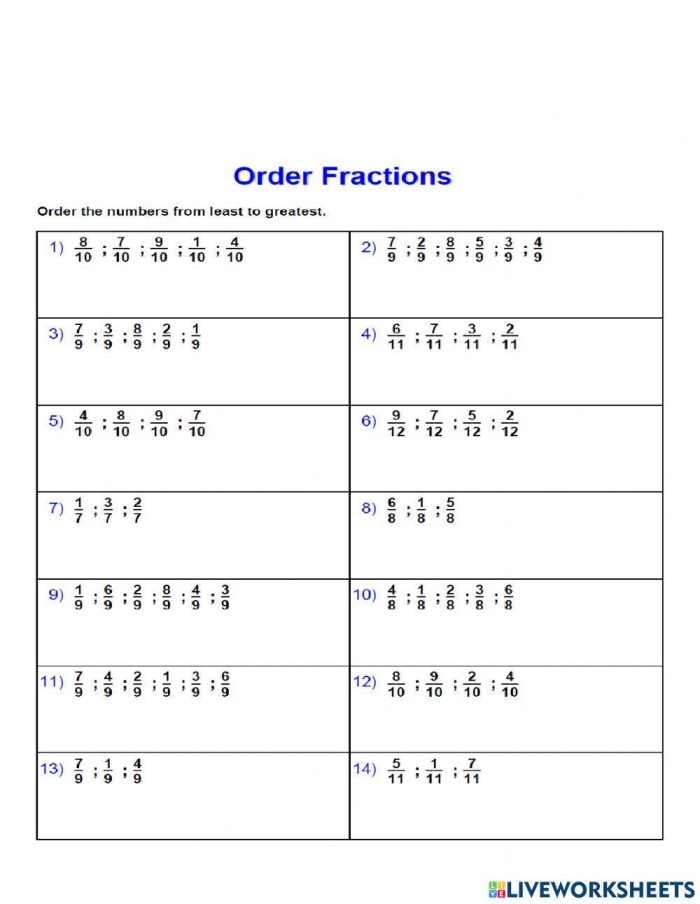
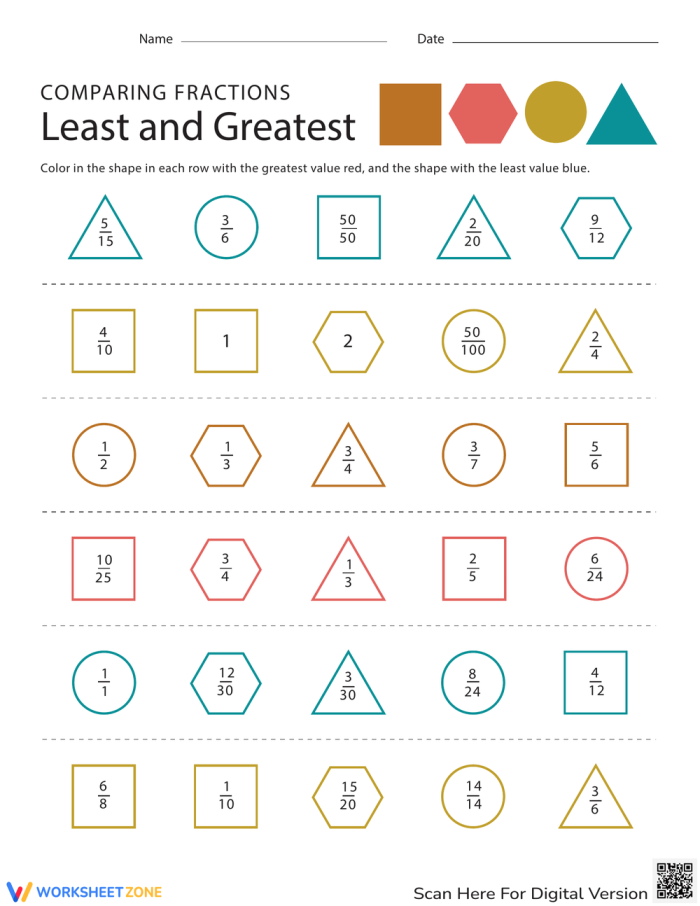
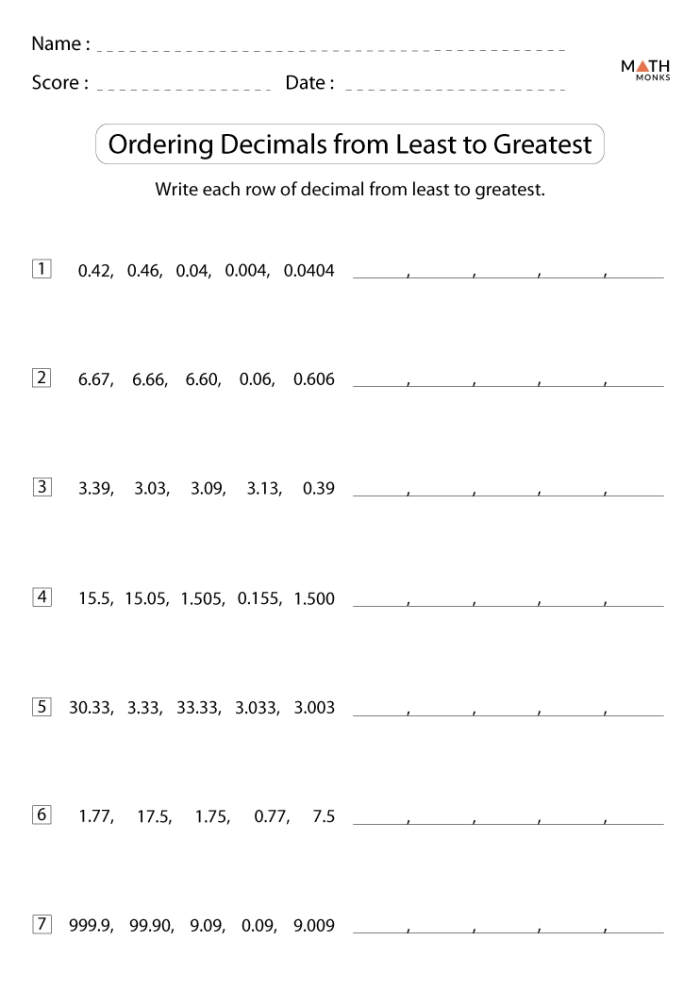
Comparing fractions with different denominators is one of those skills that separates students who truly understand fractions from those who simply memorize procedures. When fourth grade students face a row of fractions like 3/4, 2/5, and 7/8, they cannot rely on quick visual tricks. They must think through the actual values these fractions represent.
The challenge lies in the fact that unlike denominators make direct comparison impossible at first glance. A student cannot simply look at 3/4 and 2/5 and know which is larger by comparing numerators or denominators alone. This is where the real mathematical thinking begins. Students need strategies to convert these fractions into comparable forms, whether through finding common denominators, using decimal equivalents, or benchmarking against familiar values like 1/2.
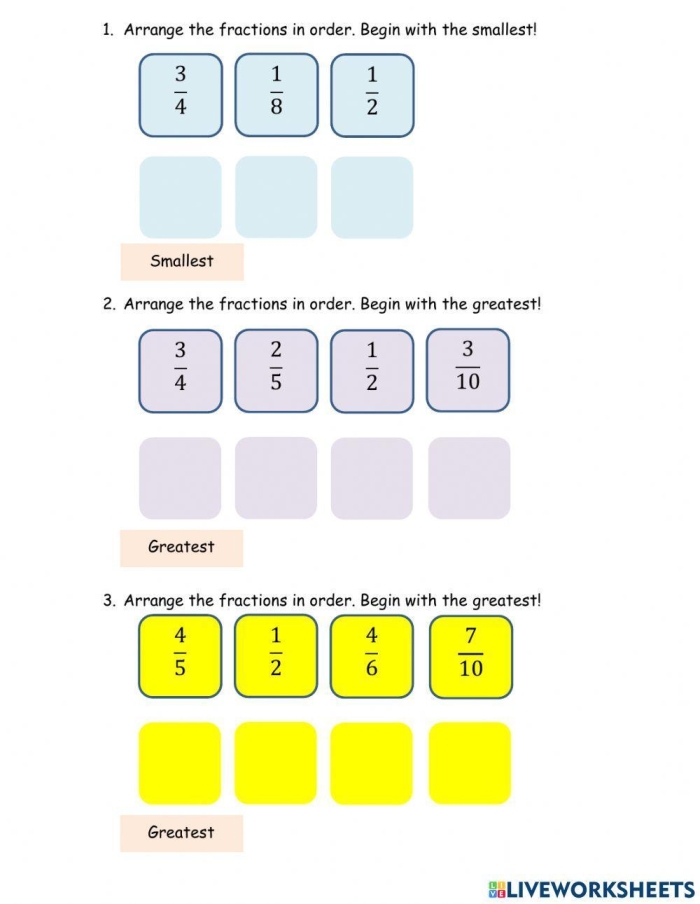
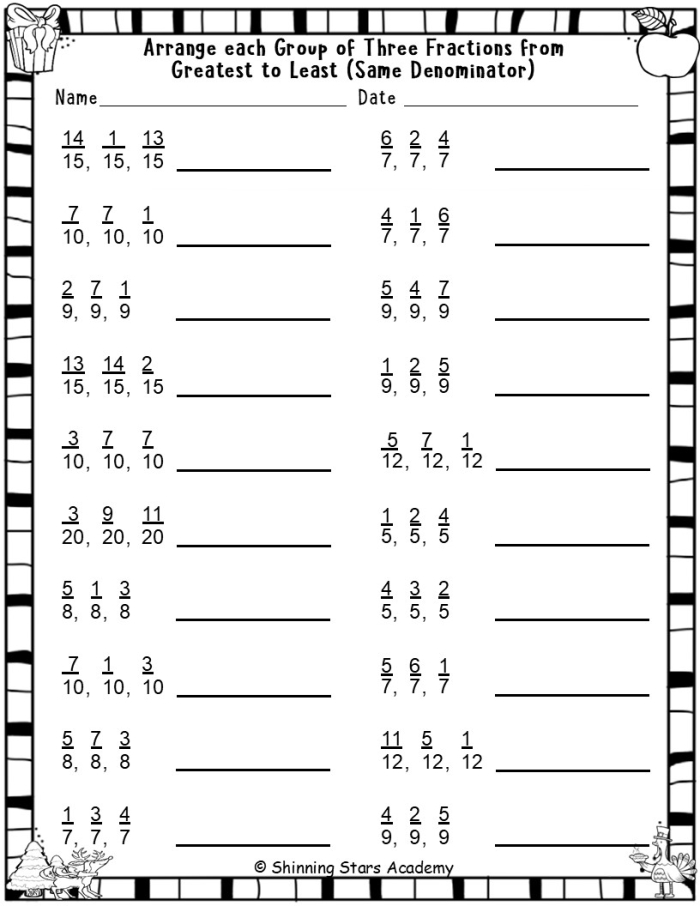
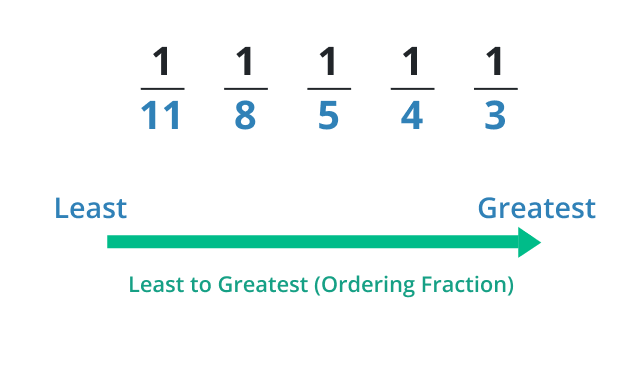
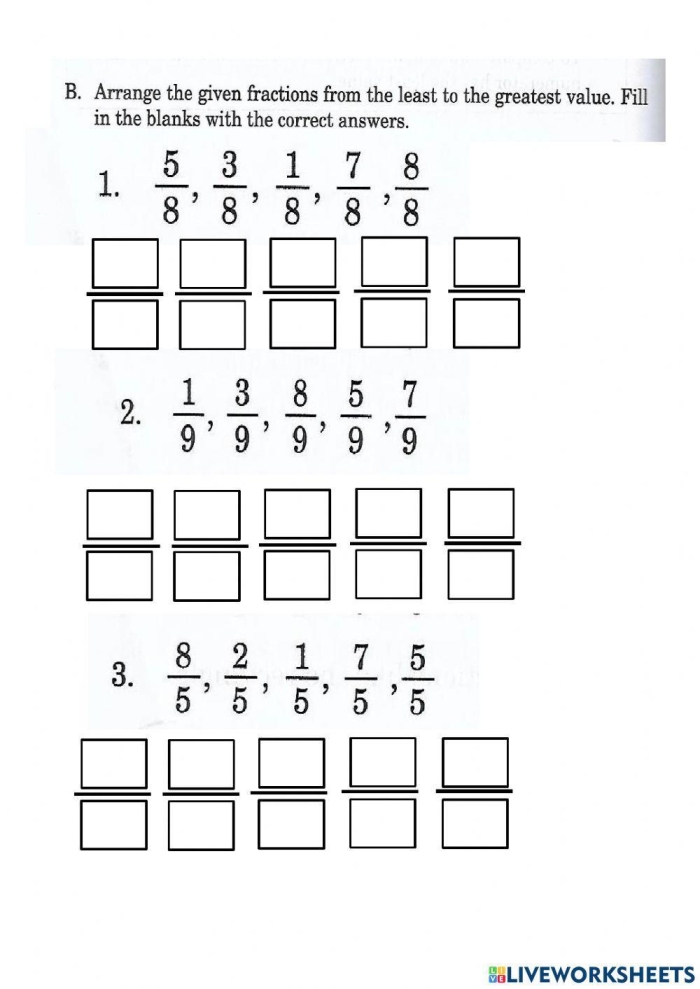
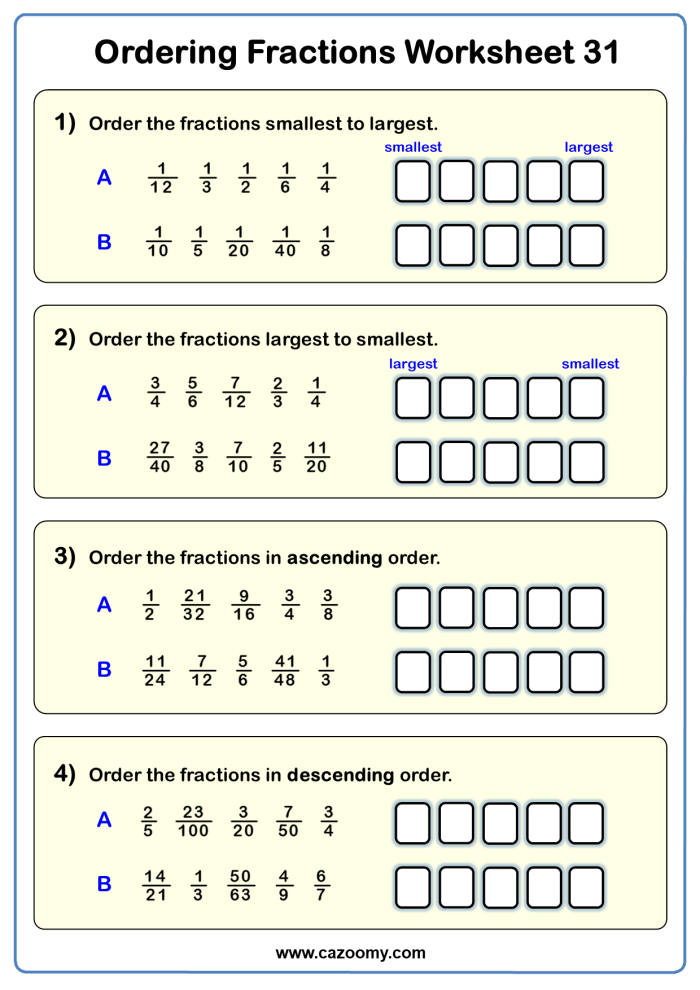
Finding the greatest and least fractions in a mixed set requires students to apply this reasoning multiple times. If a worksheet presents five different fractions, a student must evaluate each one against the others, making this more than a simple two-fraction comparison. This repetition builds confidence and automaticity with the process.
The practical benefit of mastering this skill extends beyond fraction worksheets. When students work on mixed fraction subtraction with regrouping, they need to understand which values are larger to perform operations correctly. Similarly, geometric thinking in geometry involving right angles and mixed operations sometimes requires comparing measurements expressed as fractions.
For fourth grade learners, the alphabet of mathematical reasoning includes this comparison skill as a fundamental letter. Students who develop strong intuition about fraction size gain confidence tackling more complex problems later. The work is straightforward but essential: identify the greatest, identify the least, and understand why.
Worksheet Practice Section