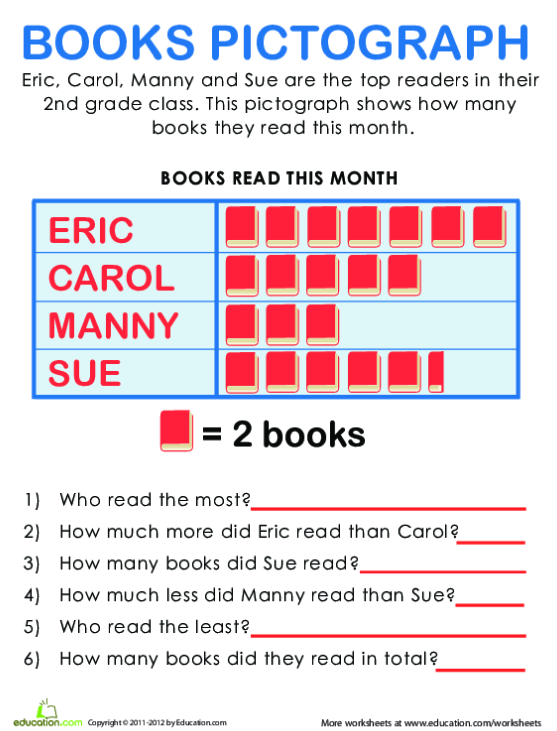
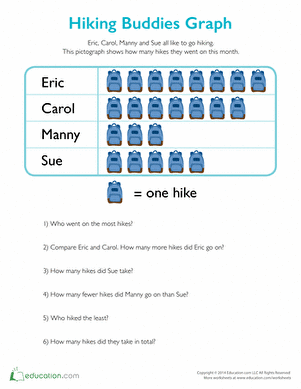
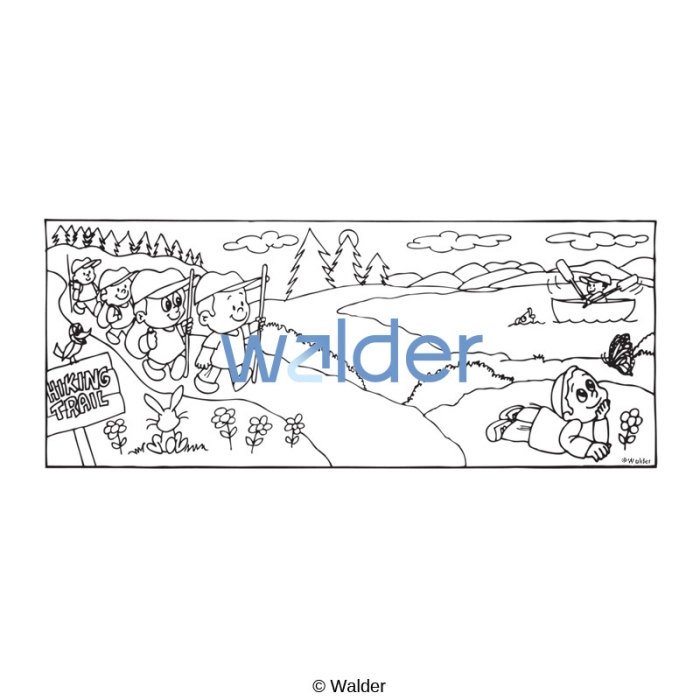
Have you ever wondered how to engage second graders with math while introducing them to the great outdoors? A pictograph can be a fun and educational way to do just that. This month, Eric and his friends created a pictograph to document their hiking adventures. The visual representation not only illustrates the number of hikes each friend participated in but also offers an opportunity for students to practice their counting and comparison skills.
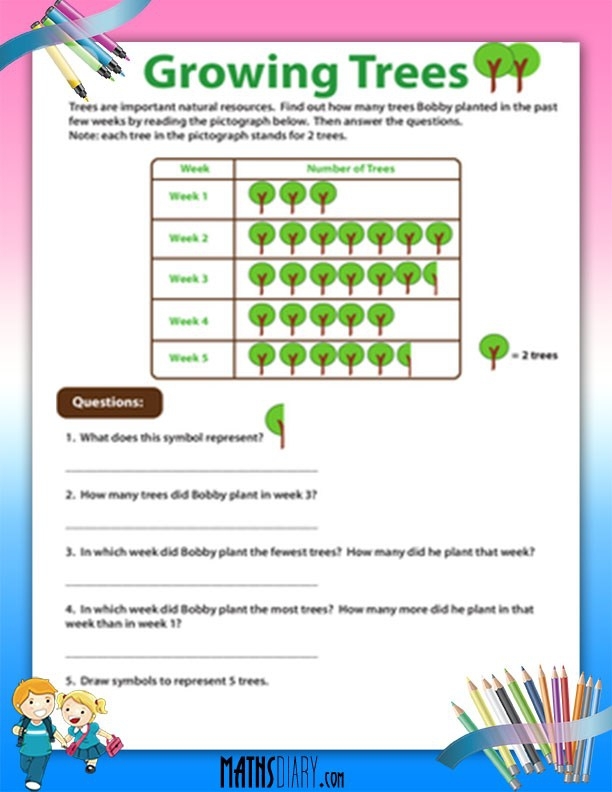
In the pictograph, each symbol represents a specific number of hikes. For example, one symbol could represent one hike, making it easy for kids to see at a glance how many hikes Eric and his friends went on. If Eric hiked four times, and his friend Sarah hiked six times, it becomes clear who enjoyed the trails more this month. This kind of engaging activity is perfect for second graders learning about numbers and counting.
Using pictographs in the classroom helps students grasp basic data interpretation. They learn how to read visual data and answer questions like, “Who hiked the most?” or “How many total hikes did they take together?” These exercises can be expanded to include discussions about the benefits of hiking, such as physical fitness and connecting with nature.
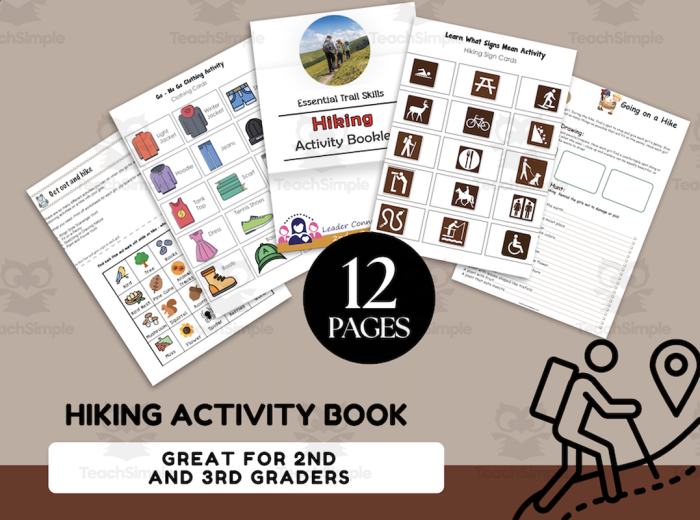
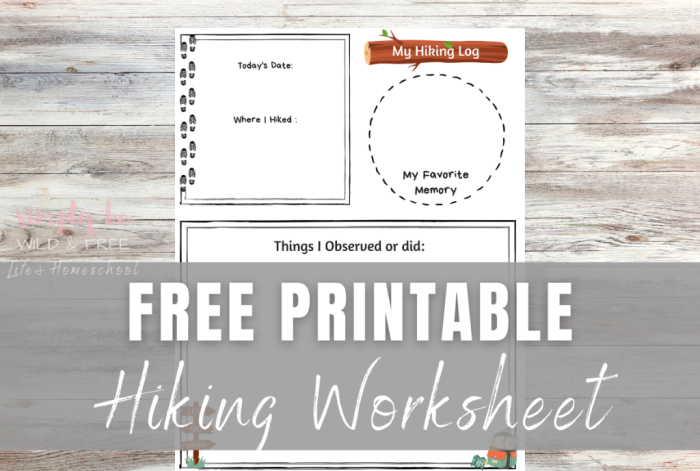
For teachers looking to incorporate similar activities, printable hiking buddies pictograph worksheets offer a structured way to practice these skills. By utilizing resources that focus on numbers and counting, students can further develop their analytical abilities while enjoying the themes of friendship and adventure. For example, check out the Hiking Buddies Pictograph worksheets to enhance your lesson plans.
Incorporating fun activities like this not only makes learning enjoyable but also reinforces important math concepts. When students can relate their lessons to real-life experiences, their understanding deepens, making the learning process more meaningful.
Worksheet Practice Section