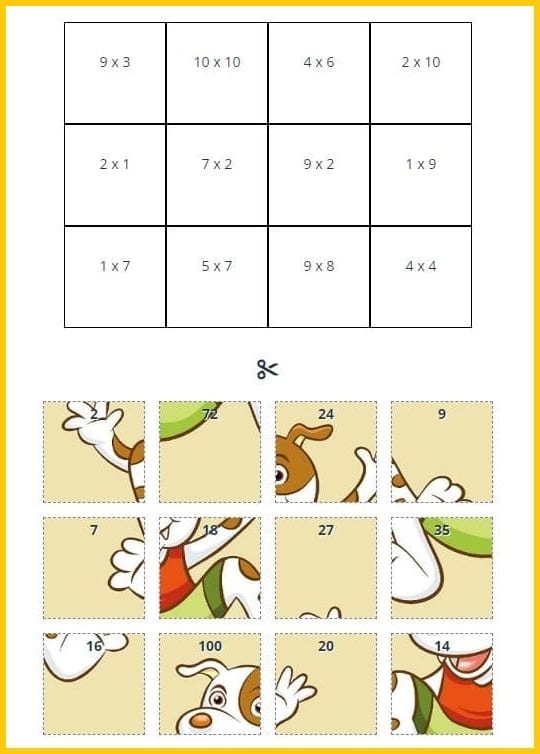
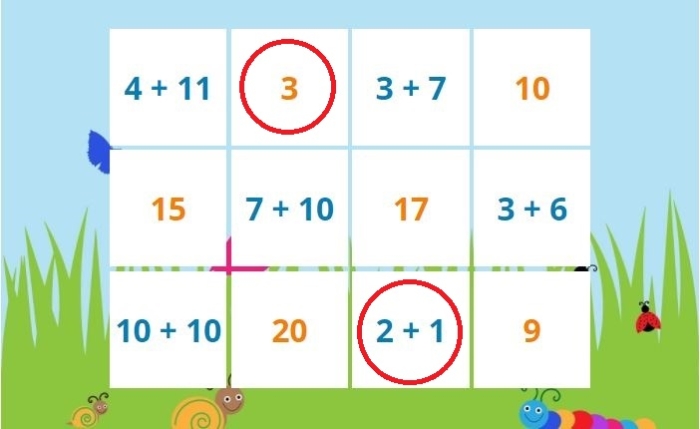
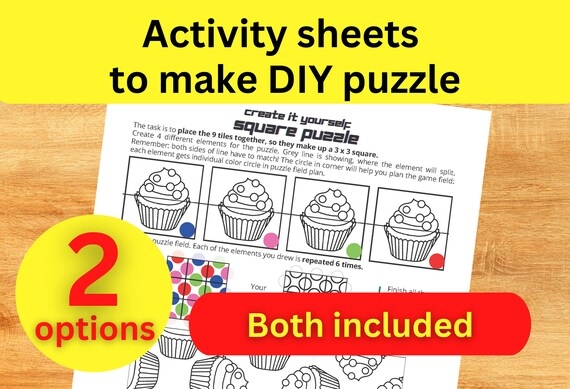
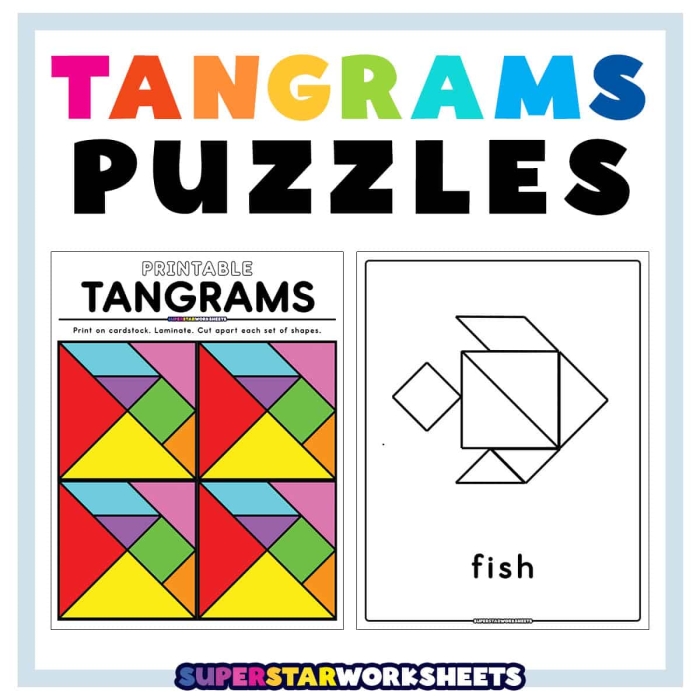
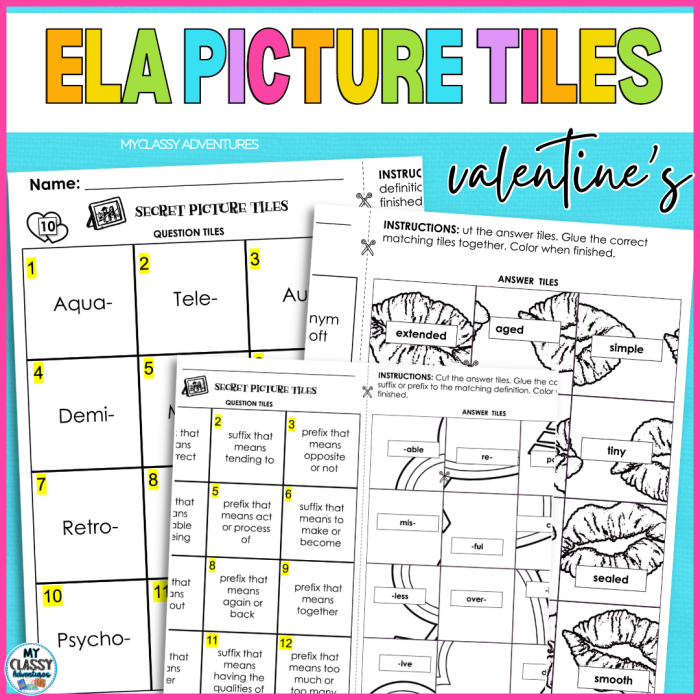
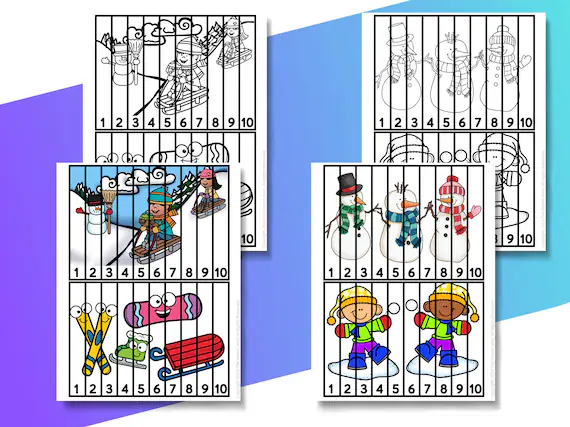
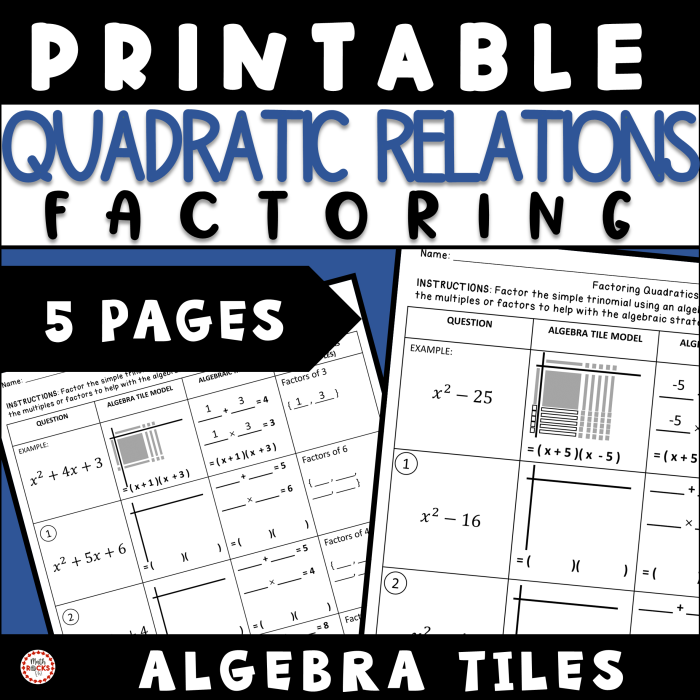
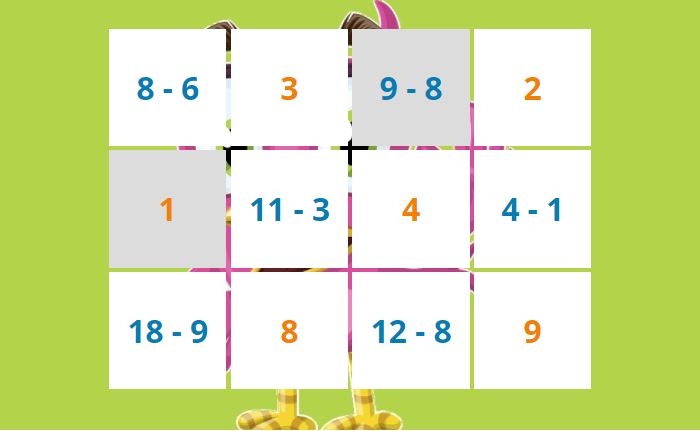
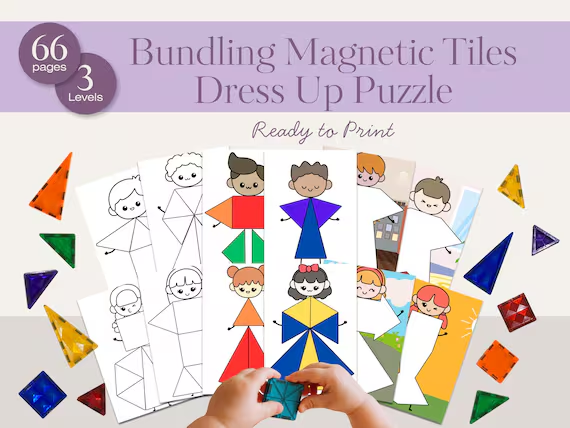
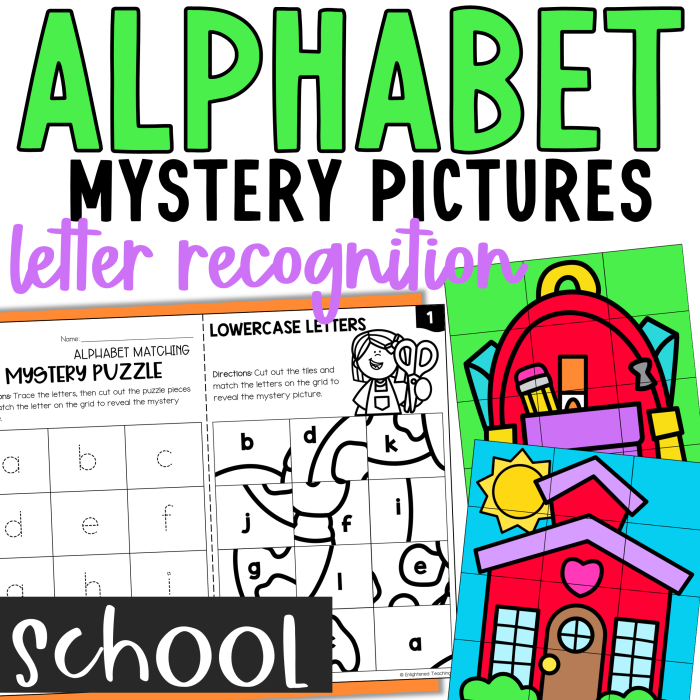
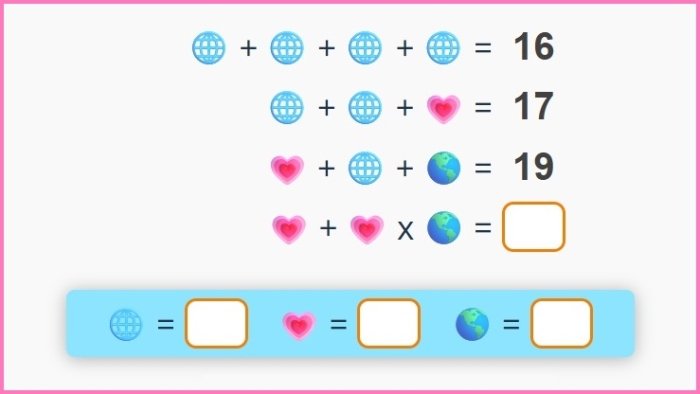
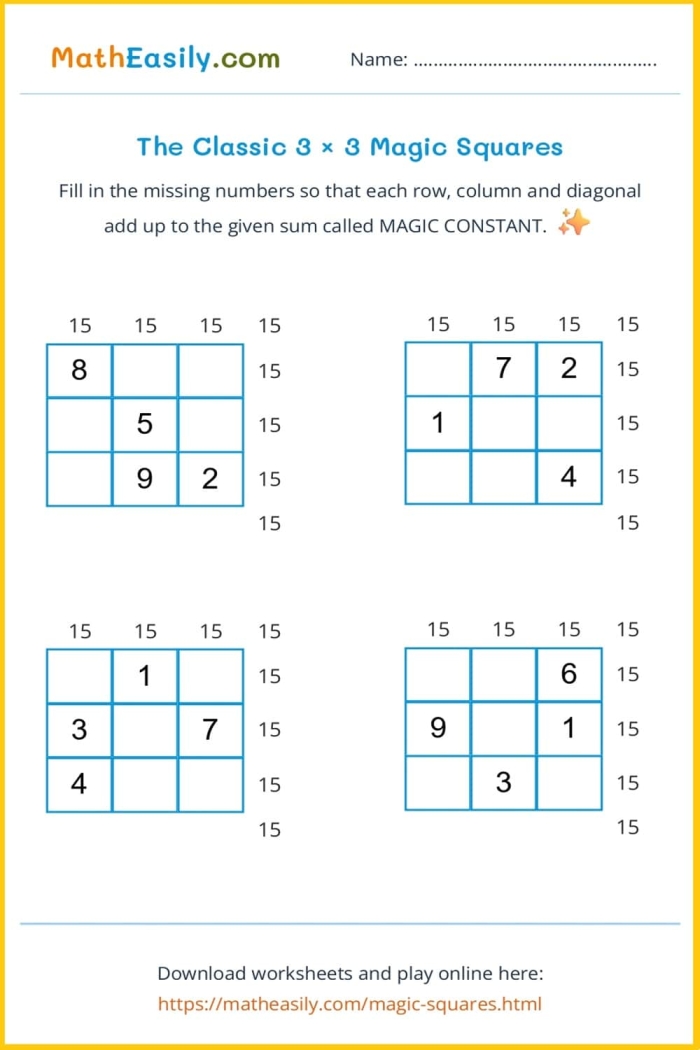
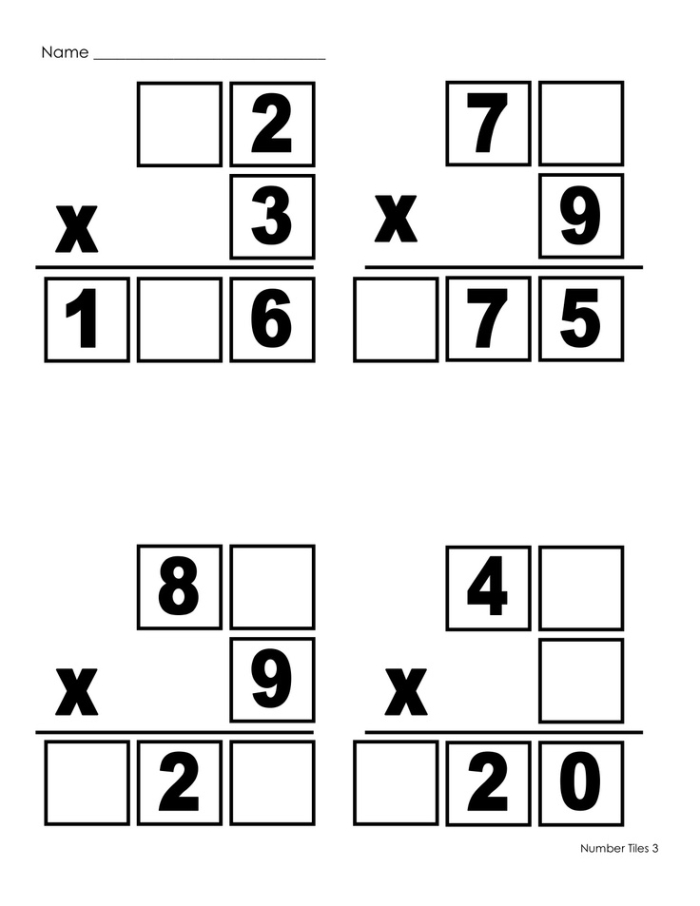
Tile math puzzles work like a chain reaction where each answer unlocks the next problem. You solve the first tile, write down your answer, then use that number to complete the second tile. This pattern continues through the entire puzzle, making it impossible to skip ahead or guess your way through.
For fourth grade students, this approach builds genuine problem-solving skills rather than just drilling isolated math facts. When a student realizes their answer to problem one determines whether problem two even makes sense, they start checking their work automatically. The puzzle structure creates natural accountability.
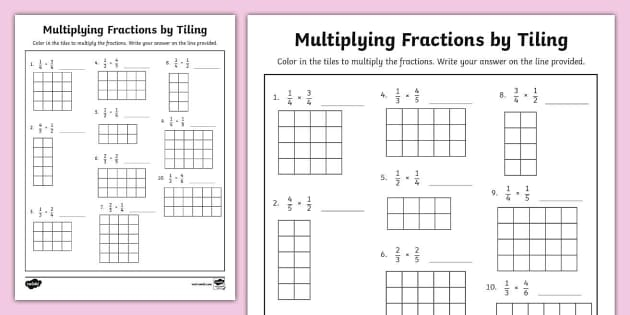
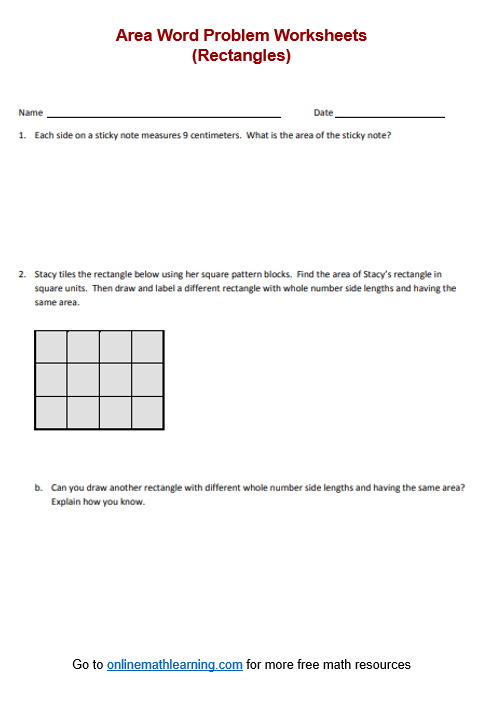
The mechanics are straightforward. Tile one might ask you to find the area using multiplication with area models. Your answer becomes the starting number for tile two. If you calculated wrong, tile two either produces an impossible result or a number that doesn’t fit the pattern, signaling an error immediately.
This sequential dependency works especially well for reading comprehension paired with math. A student might need to locate information from a text about citations and paraphrasing to find the first number, then use that value in a calculation. The integration forces careful attention to both skills simultaneously.
Teachers appreciate tile puzzles because they reduce grading time. One wrong answer creates a visible chain of incorrect subsequent answers, making it easy to pinpoint where a student went off track. For struggling learners, this diagnostic clarity helps identify whether the issue is computation, reading comprehension, or following multi-step directions.
You can extend this concept across different math types. Try mixed word problems where each solution feeds into the next scenario, or incorporate vocabulary from content areas that require the student to decode terms before solving. The puzzle format transforms routine practice into something that demands actual thinking.
Grab These Worksheets Now