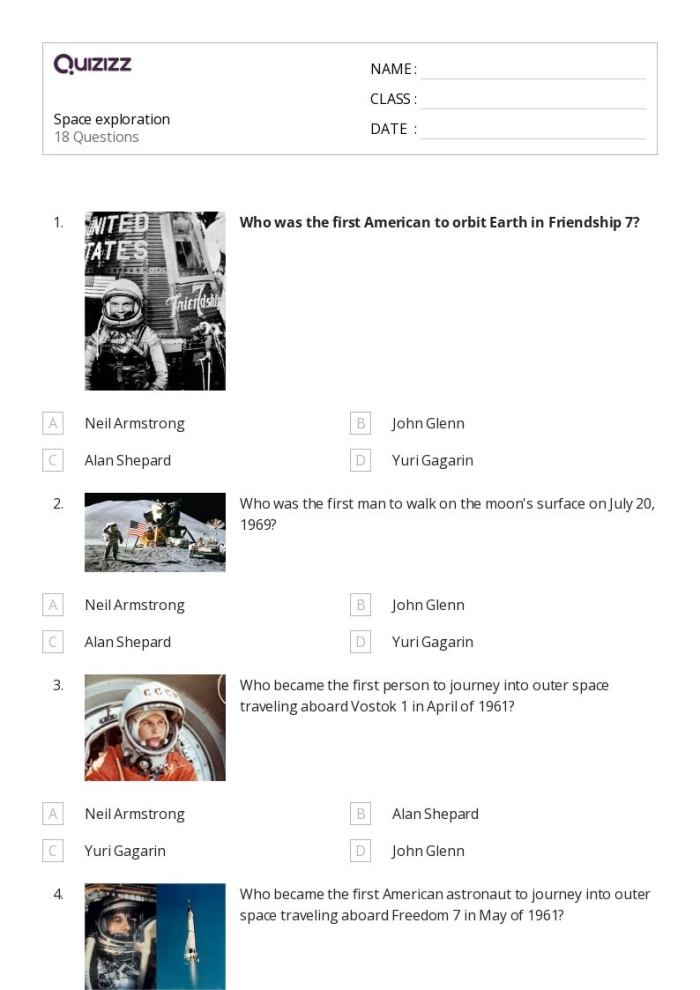
Space enthusiasts will find the story of Freedom 7 captivating, as it marks a significant milestone in American space exploration. Launched on May 5, 1961, Freedom 7 was the first manned mission in the United States, carrying astronaut Alan Shepard into a suborbital flight. This historic event not only showcased the nation’s advancing technology but also ignited public interest in space travel.
During its brief flight, which lasted just over 15 minutes, Freedom 7 reached an altitude of about 116 miles before safely returning to Earth. Shepard’s journey was a crucial step in the U.S. space program, demonstrating that humans could survive and operate in space, albeit for a short duration. This mission was part of NASA’s Mercury program, which aimed to understand the challenges of human spaceflight.
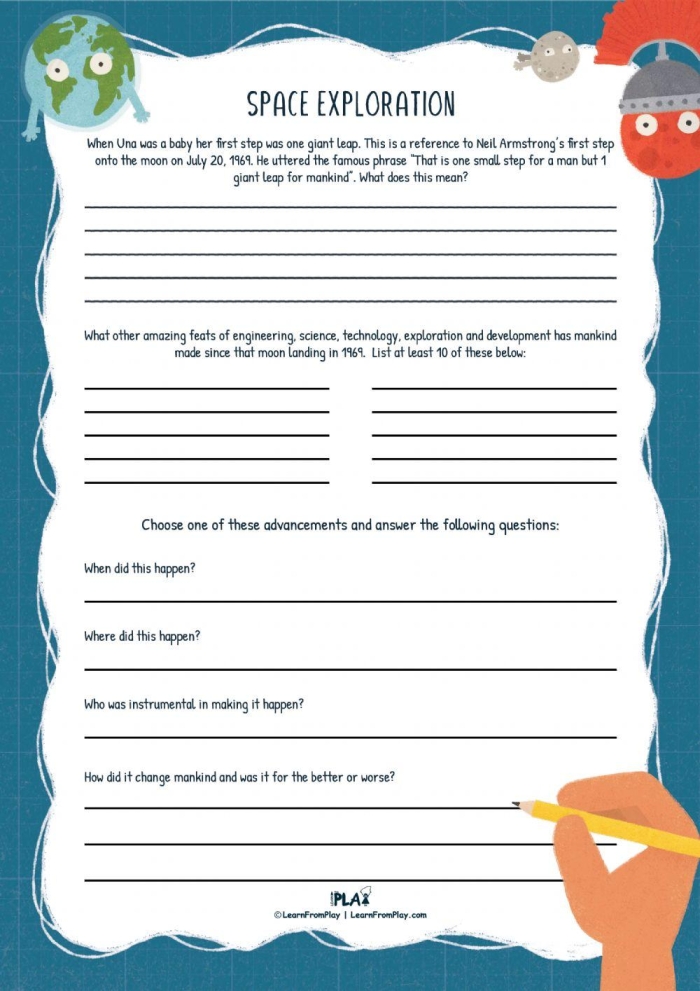
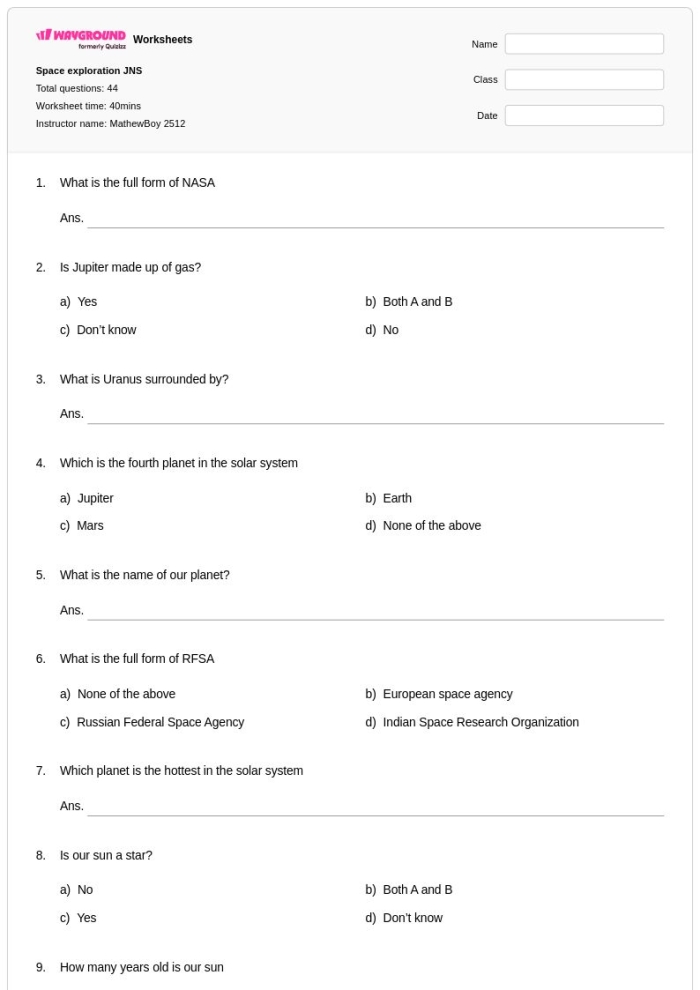
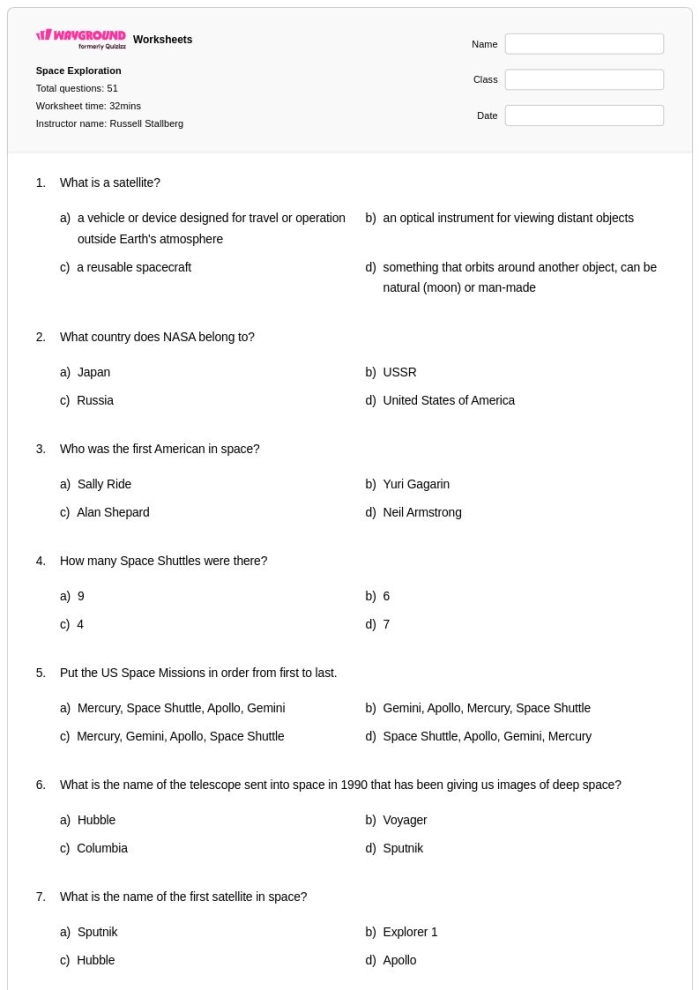
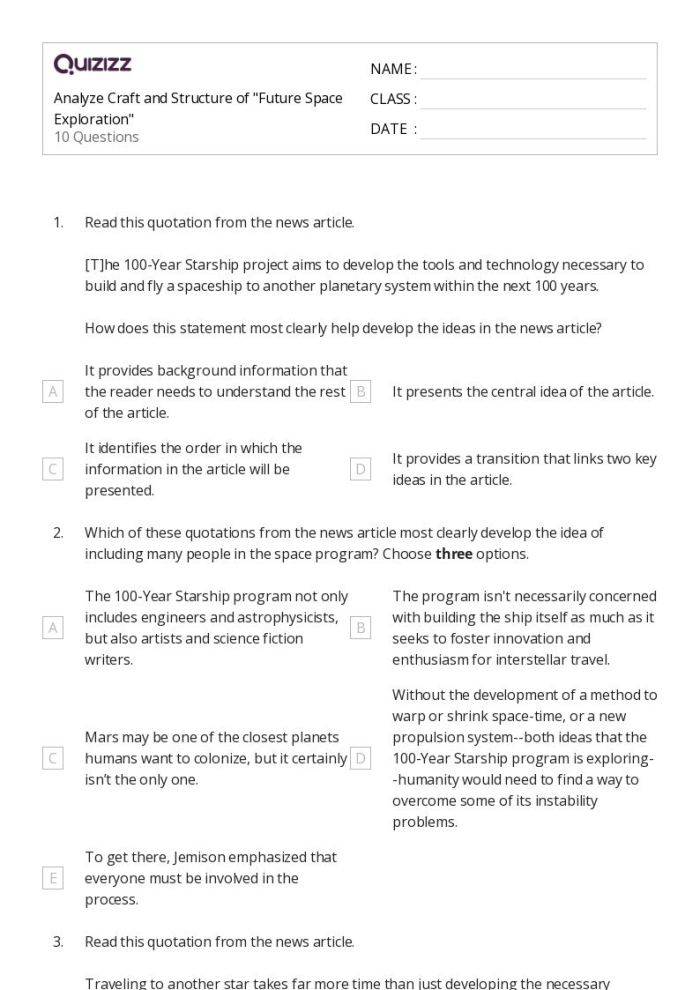
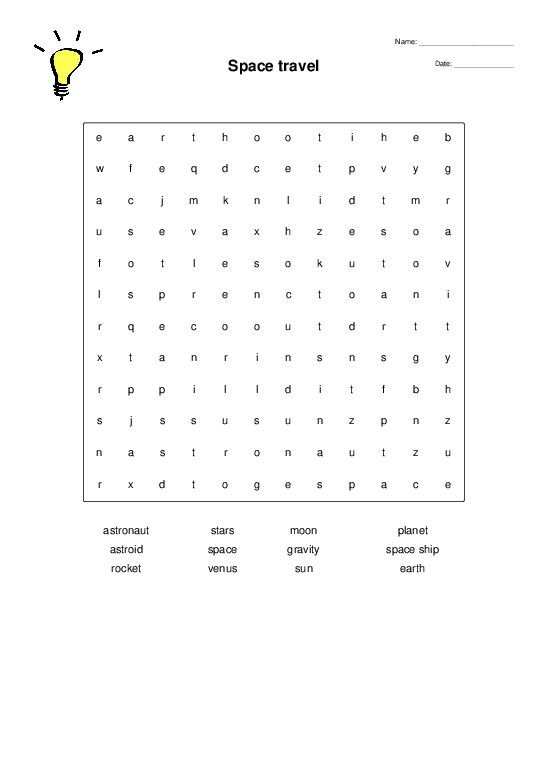
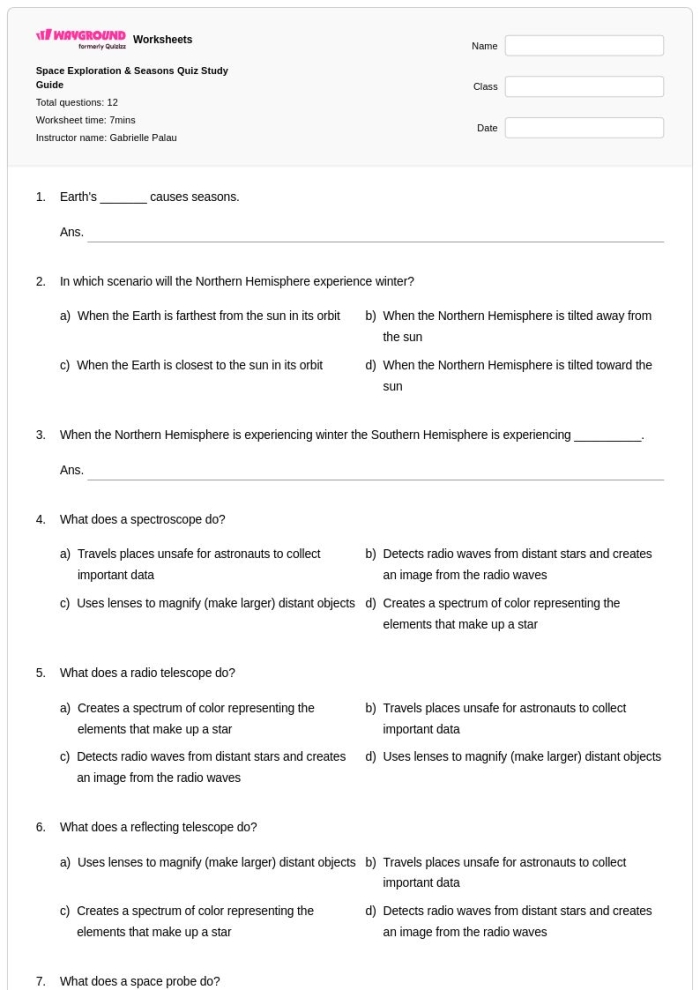
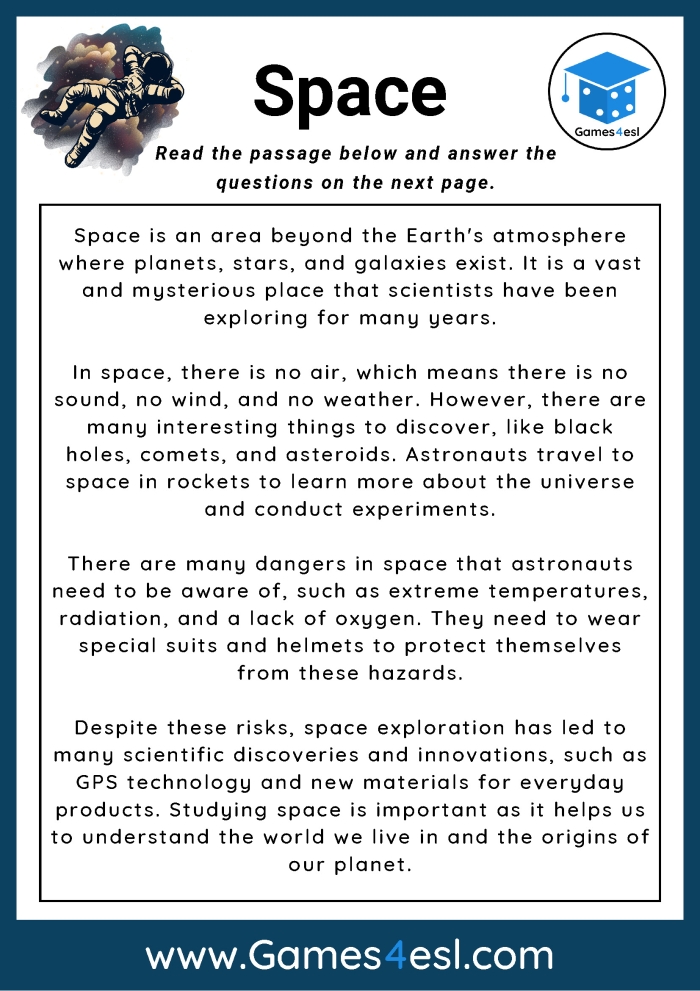
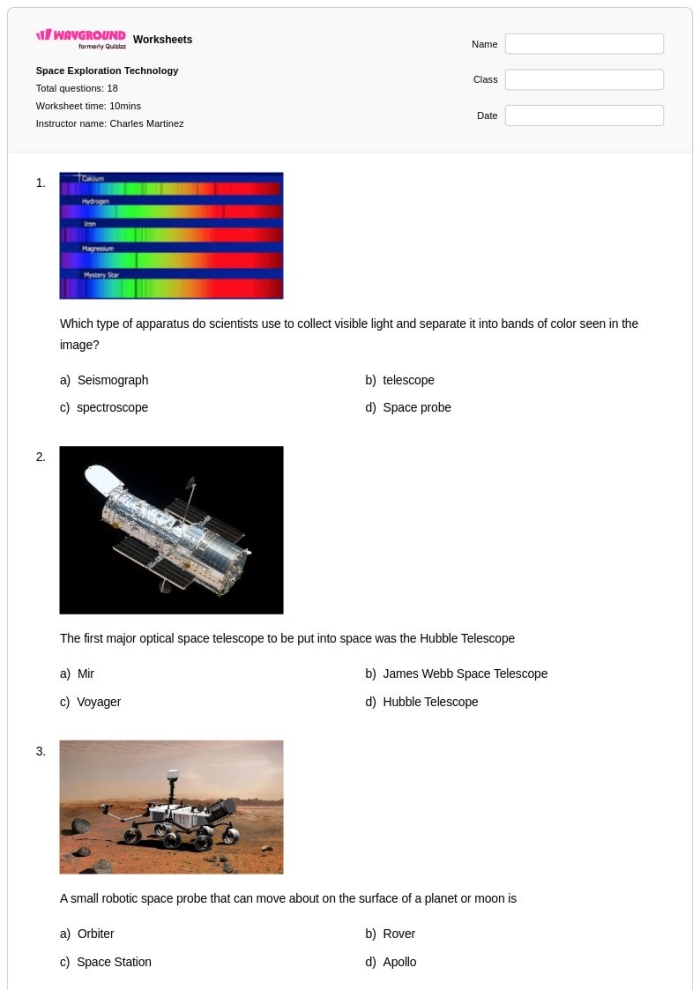
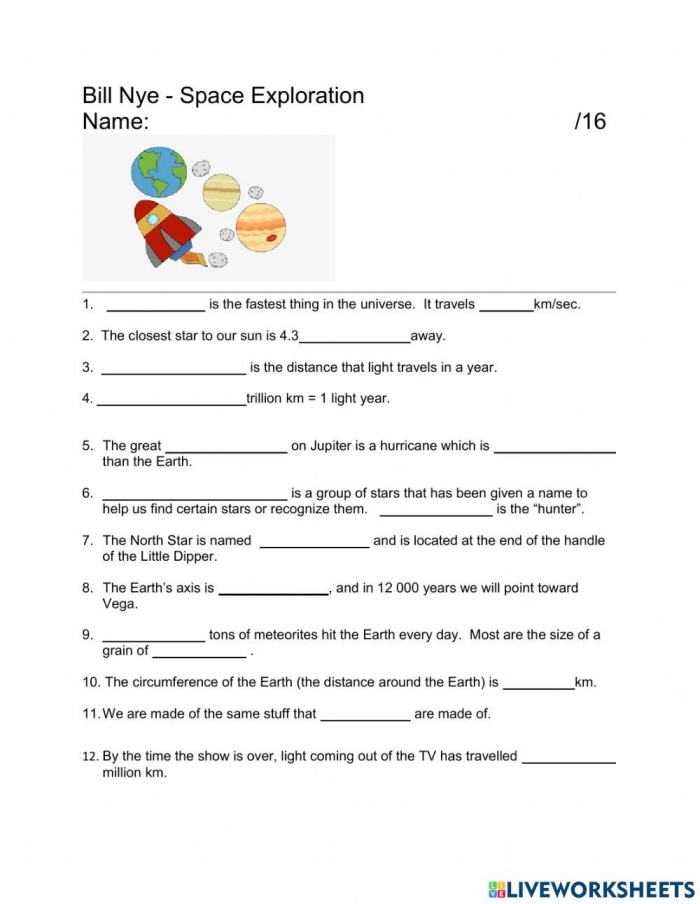
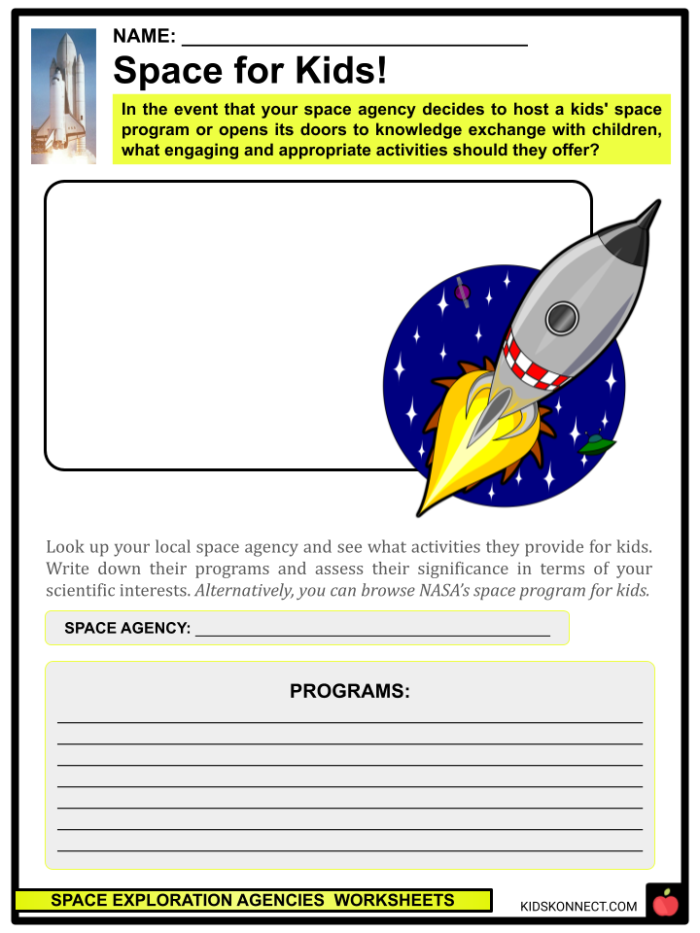
For third graders fascinated by space, learning about Freedom 7 can be an exciting adventure. They can explore how rocket technology has evolved over the decades and the importance of this mission in paving the way for future space explorations. One practical way to engage young learners is through worksheets that focus on the reading and comprehension of Freedom 7’s mission details. Printable U.S. Space Exploration: Freedom 7 Worksheets are available, offering a fun way to reinforce what they learn.
In addition to reading about Freedom 7, students can compare it with later missions, like Apollo 11, which took astronauts to the Moon. Activities such as comparing two stories or using adjectives to describe the mission can enhance their understanding of space exploration. These engaging exercises not only improve reading skills but also ignite a passion for science and technology.
Discovering the story of Freedom 7 enriches young minds and encourages curiosity about the universe. As they learn about this early chapter of space history, they are inspired to think about what lies beyond our planet.
Worksheet Practice Section